
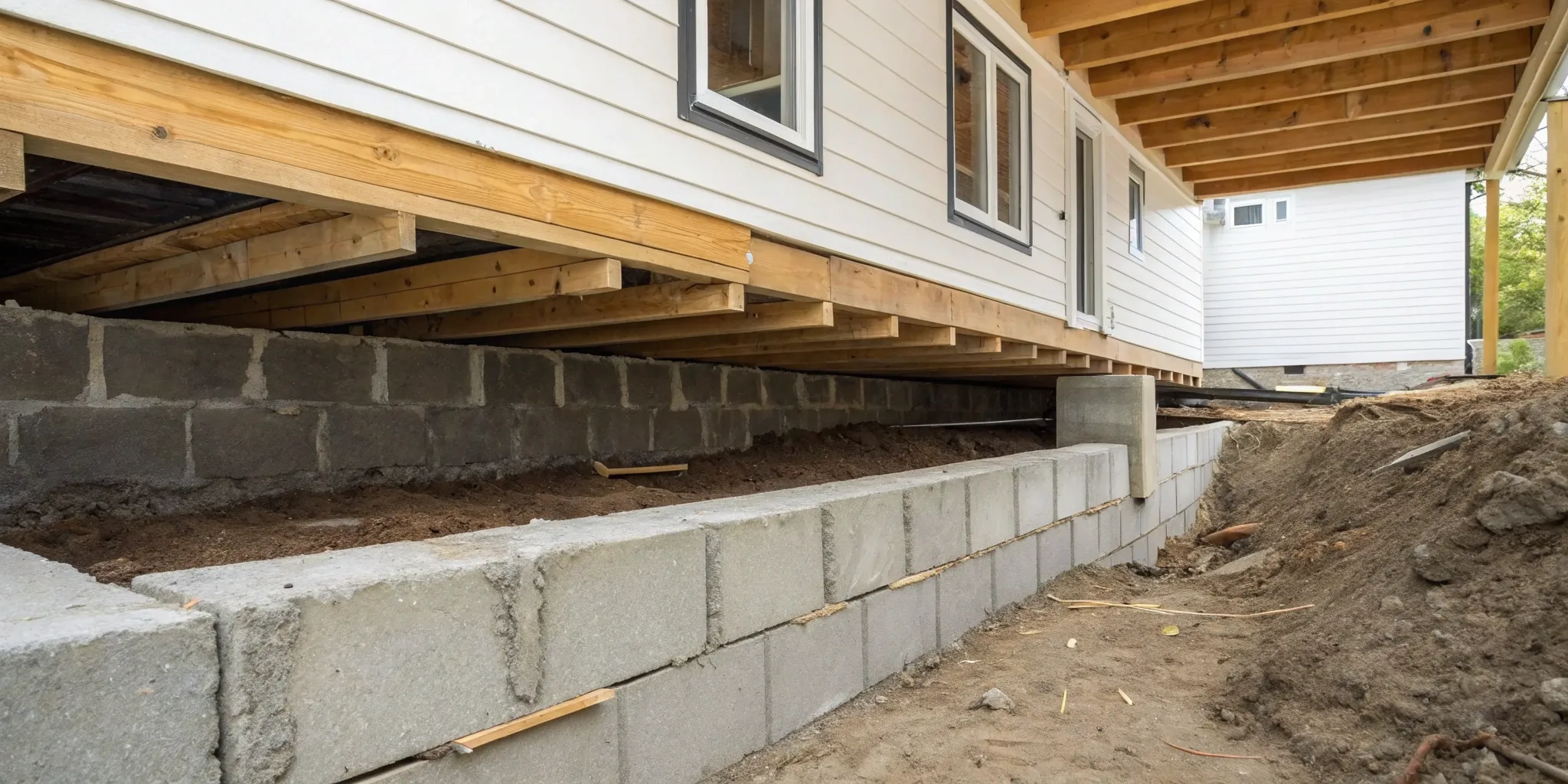
Rim Joist Repair and Why It Matters for Your Home’s Foundation
Introduction
Most homeowners never think about their rim joists—until something goes wrong. Hidden where your home’s wooden frame meets its concrete foundation, the rim joist plays a vital role in holding your floors level, keeping pests out, and blocking moisture from creeping into your living space. When this component deteriorates, the damage doesn’t stay hidden for long. Sagging floors, stubborn doors, and cracks snaking across your drywall are all signs that something beneath your feet has failed. Understanding rim joist repair and why it matters before problems escalate can save you thousands in structural fixes and keep your home stable for decades. In this guide, we’ll explain what a rim joist does, how to spot damage early, and when it’s time to call in a professional for foundation repair.
CONTACT US TODAY
Key Takeaways
- Your Rim Joist Connects Frame to Foundation: This band of wood provides lateral support for your floor joists and acts as a barrier against the elements. Its condition directly affects your home’s overall stability.
- Moisture Is the Primary Threat: Because of its location, the rim joist is highly vulnerable to water damage, which leads to wood rot and pest infestations. Inspect regularly for dampness, mold, or soft spots.
- Sealing and Insulating Pays Off: Properly air sealing and insulating your rim joists can lower energy bills, improve indoor air quality, and protect your home’s structure for years to come.
What Is a Rim Joist and Where Is It?
The rim joist isn’t the most exciting part of your house, but it’s one of the most important. It works behind the scenes to keep your home’s structure stable and secure. Knowing what it is—and where to find it—is the first step toward understanding rim joist repair and why it matters for the long-term health of your home.
Where It Lives in Your Home
Picture your home’s floor system as a large rectangular frame. The floor joists are the parallel boards that span across the frame and support the floor you walk on. The rim joist is the outer board that caps their ends, running perpendicular along the perimeter.
To find yours, head to your basement or crawl space and look up at the top of your foundation wall—right where the concrete meets the wood framing. That continuous band of wood sitting on the sill plate is your rim joist. It forms the finished edge of the entire floor system.
What It Does
The rim joist serves two critical functions. First, it provides lateral support for the floor joists, preventing them from twisting or shifting, and it transfers the weight of your walls evenly across the foundation. Second, it acts as a barrier against drafts, moisture, and pests like termites and carpenter ants. When this component is compromised by water or insects, the damage often signals the beginning of larger foundation problems—making early rim joist repair essential.
Choosing the Right Rim Joist Material
The material your rim joist is made from affects how long it lasts, how well it insulates, and how much rim joist repair you’ll face over the life of your home.
Wood vs. Engineered Materials
Traditional builders used solid lumber for rim joists, typically the same species used for the rest of the floor framing. Modern construction often substitutes engineered products like oriented strand board (OSB), plywood, or laminated veneer lumber (LVL). Engineered materials tend to offer more consistent strength and dimensional stability, while solid wood remains a familiar, effective choice. Knowing what your home uses helps you assess its current condition and plan any future rim joist repair.
How Material Affects Durability and Insulation
Because the rim joist sits at the edge of the foundation, it’s constantly exposed to moisture, temperature swings, and pests. Material choice determines how well it resists these threats. A rim joist that isn’t properly sealed—regardless of material—is a common source of crawl-space problems. Proper insulation seals the building envelope to stop air and water intrusion, preventing mold and rot while improving energy efficiency. The right material, combined with good sealing practices, reduces the likelihood of future rim joist repair.
Common Rim Joist Problems and How to Prevent Them
The rim joist’s position makes it vulnerable to three main threats: moisture, pests, and structural stress. Catching these problems early is the most reliable way to avoid expensive rim joist repair.
Moisture Damage
Water is the most common cause of rim joist deterioration. It can seep in from outside or condense when humid air contacts the cooler foundation wall. Warning signs include dark water stains, a persistent musty smell, and visible mold or mildew. Push a screwdriver gently into the wood—if it feels soft or spongy, rot has set in and the structure is compromised. Professional waterproofing creates a barrier that stops moisture before it reaches the wood, often eliminating the need for more invasive rim joist repair.
Pest Infestations
Damp, softened wood attracts termites and carpenter ants. During inspections, look for thin mud tubes running along foundation walls (a classic termite sign), small piles of sawdust-like droppings, or tiny tunnels bored into the wood. Sealing cracks around the foundation and rim joist blocks their entry points. If you find evidence of an active infestation, call a professional to handle both the pests and any crawl-space repairs the damage requires.
Structural Weakness
A healthy rim joist distributes your home’s weight evenly across the foundation. When rot or pests weaken it, the stress shows up elsewhere: first-floor floors may sag or feel bouncy, cracks may appear in drywall above doorways, and interior doors may start sticking. These symptoms mean the frame is shifting, and a professional foundation assessment is necessary to determine the scope of rim joist repair needed.
Why Rim Joists Are the First to Rot—and What Happens Next
Of all the wood in your home’s frame, the rim joist is among the most vulnerable to dry rot and mold damage. Its position—sitting directly on top of the concrete foundation at the outer edge of the structure—exposes it to a near-constant cycle of moisture, temperature swings, and condensation that other framing members rarely face. Understanding how quickly this damage can escalate, and the chain reaction it triggers, is critical for every homeowner.
How Dry Rot Takes Hold
Dry rot is caused by wood-decay fungi that feed on the cellulose and lignin that give timber its strength. Despite the name, these fungi need moisture to grow. According to research from the USDA Forest Products Laboratory, mold can begin colonizing wood once the moisture content exceeds 16%, and decay fungi become active when moisture content stays above 20%. Full structural decay typically initiates when wood reaches 28% to 30% moisture content—a threshold rim joists hit more easily than interior framing because of their direct contact with concrete and exposure to outdoor humidity.
What makes dry rot so dangerous is that it destroys wood from the inside out. The surface may look intact while internal fibers are breaking down. Research published in CLM Magazine found that wood can lose between 20% and 80% of its structural strength with as little as 5% to 10% mass depletion from decay—damage that is often invisible until it’s severe. In rim joists, which bear the lateral load of your entire floor system, even moderate strength loss can lead to shifting floors, cracking drywall, and doors that no longer close properly.
Dry rot also progresses in predictable stages. In the first six months, fungal growth colonizes the wood surface with minimal visible damage. Between six and 18 months, hyphae penetrate deep into the timber and strength reduction begins. By 18 to 36 months, structural compromise becomes a real safety concern. Left untreated beyond three years, the risk of catastrophic failure increases sharply. Treatment costs reflect this escalation: small areas of dry rot typically cost $500 to $2,000 to remediate, moderate infestations run $5,000 to $25,000, and extensive structural damage can exceed $150,000.
From Mold to Termites: A Chain Reaction
Dry rot and mold rarely stay isolated problems. Once moisture weakens the rim joist and fungal growth takes hold, the damaged wood becomes a magnet for destructive pests—especially subterranean termites, which actively seek out moisture-softened timber as a food source.
The numbers are staggering. According to the National Pest Management Association, termites cause over $5 billion in property damage across the United States every year, affecting more than 600,000 homes. The average homeowner who discovers termite damage spends approximately $3,000 on repairs, and most homeowners’ insurance policies do not cover the cost because termite damage is classified as a preventable maintenance issue. In severe cases, untreated termite damage can reduce a home’s resale value by 20% or more.
Rim joists and sill plates are consistently among the most common locations for this kind of cascading damage. The combination of elevated moisture, poor air circulation, and direct ground contact creates ideal conditions for the rot-to-termite pipeline. Once termites establish a colony in a compromised rim joist, they can spread to adjacent floor joists, subflooring, and wall studs—turning what started as a moisture problem into a full structural crisis.
Breaking the Cycle Early
The most effective way to prevent this chain reaction is to keep your rim joists dry. Wood that stays below 20% moisture content will not support decay fungi, and dry wood is far less attractive to termites. This means proper sealing, insulation, and waterproofing aren’t optional upgrades—they’re essential defenses. If you suspect your rim joists are already showing signs of moisture damage, mold, or pest activity, a professional inspection can determine how far the damage has progressed and what level of repair is needed before the problem spreads further. This is rim joist repair and why it matters in action—catching the cycle before it escalates.
How to Maintain Your Rim Joists
Routine maintenance is one of the simplest ways to extend the life of your rim joists and avoid major rim joist repair. Since they sit at the edge of your foundation, they’re exposed to temperature swings, outdoor moisture, and pests looking for a way in. Neglecting them can cause air leaks that raise energy bills, moisture problems that lead to rot and mold, and structural issues if the damage becomes severe.
The good news: basic upkeep isn’t complicated. It comes down to regular inspections and a few preventative steps to keep the area dry, sealed, and secure. If you have a basement or crawl space, you already have access. A quick check twice a year can save significant money and stress.
DIY Inspection Checklist
Grab a flashlight and head to your basement or crawl space. A couple of times a year, walk the perimeter and check for these issues:
- Moisture: Run your hand along the wood. Damp spots are a clear warning sign.
- Mold: Look for discoloration, fuzzy growth, or a musty odor.
- Pests: Check for small holes, sawdust-like material (frass), or discarded wings.
- Gaps and cracks: Inspect the seams where the joist meets the foundation wall for openings that could admit air, water, or pests.
Catching these problems early keeps rim joist repair manageable and affordable.
Controlling Moisture
Moisture is the number one threat. When wood stays damp, it invites rot and mold that weaken the structure. Start by sealing any gaps or cracks you found during your inspection with caulk or spray foam. This prevents humid outdoor air and water from getting in. If your crawl space feels damp, improving ventilation helps moisture escape. For persistent issues, professional waterproofing is the most reliable long-term solution.
Preventing Pests
Pests follow moisture. Sealing gaps and cracks blocks both water and the primary entry points for insects and rodents. Keep woodpiles away from your foundation, as stacked lumber attracts termites. By keeping the rim joist area dry and sealed, you remove the conditions pests need to establish themselves. For existing foundation cracks, professional crack injection can permanently seal those pathways.
How to Insulate and Seal Your Rim Joists
The rim joist is where two different materials—wood and concrete—meet, creating a natural weak point in your home’s protective shell. Unsealed rim joists are one of the largest sources of air leakage in any house. Cold drafts pour in during winter, humid air infiltrates in summer, and your HVAC system works harder than it should. Proper insulation and air sealing in this area is one of the highest-return home improvement projects you can take on—and it directly reduces the chances of needing rim joist repair later.
Choosing the Best Insulation Material
The three most common options are rigid foam board, fiberglass batts, and spray foam. Fiberglass is familiar but doesn’t stop air movement on its own. Rigid foam board offers solid insulation value and serves as a moisture barrier when sealed properly.
Many professionals recommend closed-cell spray foam for rim joists. It has a high R-value (a measure of insulating power), acts as both insulator and air sealant, and expands to fill every crack and gap. This creates a seamless barrier similar in effectiveness to the polyurethane geotechnical foam used in professional foundation solutions.
Step-by-Step Insulation Guide
- Prepare the area. Clean the rim joist thoroughly, removing dust, cobwebs, and debris.
- Seal gaps first. Use quality caulk or canned spray foam to fill every crack where wood meets foundation.
- Install insulation. Whether you use rigid foam or fiberglass, fit it snugly against the rim joist and between the floor joists. A tight fit prevents air leaks and maximizes thermal performance.
This process is often part of comprehensive crawl-space repairs that improve your home’s overall health.
Air Sealing for Energy Efficiency
Sealing cracks and gaps around your rim joists is just as important as adding insulation. Small openings allow a surprising volume of unconditioned air into your home, forcing your HVAC system to work overtime and introducing moisture that causes rot. Closed-cell spray foam excels here because it creates a continuous seal by expanding into every imperfection. Proper air sealing is a fundamental part of home waterproofing and a proven way to prevent conditions that lead to rim joist repair.
When and How to Repair Your Rim Joist
Some rim joist issues are weekend projects. Others require professional help. Knowing the difference is the first step in effective rim joist repair.
Minor Fixes You Can Handle
Make it a habit to inspect your rim joists regularly for moisture stains, mold, insects, and small cracks. When you find minor gaps where the wood meets the foundation, seal them with caulk or canned spray foam. This keeps moisture and pests out while improving energy efficiency—simple steps that prevent the conditions leading to bigger problems.
When to Call a Professional
If wood feels soft or spongy, if significant water damage is visible, or if your floors above are sagging, it’s time to bring in an expert. Rim joists are sometimes hidden behind finished basement ceilings, making access difficult without demolition. A professional can assess the situation safely without compromising your home’s structural integrity. For anything beyond a visual check or minor sealing, getting a professional opinion on your rim joist repair needs is the smartest move.
How Professionals Handle Major Repairs
For significant damage, professionals use specialized tools and materials. Closed-cell spray foam is often the method of choice for major insulation and sealing work because it creates a seamless, durable barrier against air and moisture. While DIY spray foam kits exist, achieving a proper application that fills every gap requires experience. Advanced materials like polyurethane geotechnical foam allow professionals to stabilize and insulate the area with precision that’s difficult to replicate on your own.
Rim Joist Repair and Why It Matters for Your Home
The rim joist is easy to overlook—it’s tucked out of sight where your home’s frame meets the foundation. But this single component quietly affects your home’s stability, your energy costs, and the quality of the air you breathe. Ignoring it allows moisture, pests, and air leaks to compound into problems that are far more expensive to fix than proactive maintenance. Once you understand rim joist repair and why it matters, the case for keeping this component in good shape becomes clear.
Save Money and Energy
When the rim joist area isn’t properly sealed, outside air flows freely into your home and conditioned air escapes. This constant exchange makes it harder to maintain a comfortable temperature and drives up energy bills year-round. Sealing this area—often with modern solutions like polyurethane geotechnical foam—tightens your home’s building envelope, reduces drafts, and lowers heating and cooling costs.
Improve Your Home’s Air Quality
Air from your basement or crawl space doesn’t stay there. Natural pressure dynamics push a significant portion of that air up into your living spaces. If your rim joists are damp or rotting, they become a breeding ground for mold and mildew. These contaminants—along with dust and allergens from pests—circulate into the rooms where your family spends time, triggering allergies and respiratory issues. Effective waterproofing and sealing of the rim joist area prevents the moisture that feeds these problems.
Protect Structural Integrity
The rim joist provides lateral support to your floor joists and distributes the weight of walls and floors evenly onto the foundation. It acts like a belt holding the entire floor system together. When rot or pests damage it, support weakens. Floors become bouncy or uneven, drywall cracks, and doors stick. Left unaddressed, a failing rim joist can compromise your entire home’s stability, requiring extensive and costly foundation repair. This is the core of rim joist repair and why it matters—small problems left unchecked become structural emergencies.
Related Articles
- The Importance of Seismic Retrofitting Your Home Foundation
- How Proper Water Drainage Can Protect Your Home’s Foundation
- What You Should Know About Polyurethane Foam Foundation Leveling
- Underpinning vs Deep Injection: Which Repair Method Is Best?
- Mistakes to Avoid When Repairing Your Home’s Foundation
CONTACT US TODAY
Frequently Asked Questions
How can I tell if a rim joist issue is a simple fix or a sign of a larger foundation problem?
Small gaps you can seal with caulk are typically routine maintenance. But if the wood feels soft or spongy when you poke it, you see significant water staining, or your floors above are starting to sag, you’re likely dealing with wood rot and structural weakness. Those signs warrant a professional foundation assessment to determine the full scope of the problem.
Is it really that important to insulate my rim joists if my house feels comfortable?
Yes. Even without obvious drafts, unsealed rim joists are a constant weak point in your home’s thermal envelope. Humid summer air and cold winter air seep in, forcing your HVAC to work harder and quietly raising your bills. More importantly, that air carries moisture—the root cause of rot and mold. Sealing this area protects both your energy costs and your home’s long-term structural health.
I found mold on my rim joist. Can I just clean it off?
Surface cleaning addresses the symptom, not the cause. Mold signals an underlying moisture problem, and that moisture is likely damaging the wood itself. Cleaning won’t stop regrowth or restore any strength the wood has lost to rot. You need to identify and fix the water source and have the wood inspected to confirm it’s still structurally sound.
Signs of Rim Joist Damage
My floors feel bouncy. Could that be related to my rim joists?
It certainly could. The rim joist holds all your floor joists in place, preventing them from twisting and shifting. When rot or pest damage weakens it, it can no longer provide that lateral support, causing the floor system to feel bouncy, saggy, or unstable. If you notice a change in how your floors feel, inspect the support structure below—including the rim joists.
What’s the single most important thing I can do to protect my rim joists?
Control moisture. Nearly every major rim joist problem—from wood rot to pest infestations—starts with water. Make sure your gutters and downspouts direct water away from the foundation, seal any cracks or gaps where wood meets concrete, and ensure your basement or crawl space has adequate ventilation. Keeping that area dry is the best defense you have, and the clearest example of rim joist repair and why it matters for protecting your entire home.