
✔ CA CSLB #991221
✔ AZ ROC #354312
✔ Non-Destructive Testing
✔ HOA & Property Manager Specialists
✔ Residential & Commercial
THE PROBLEM
You Already Know Something Is Wrong.
You Just Don’t Know How Wrong Yet.
Here’s something no one tells property managers or HOA boards until it’s too late: concrete doesn’t fail all at once. It fails slowly, silently, and completely out of sight — and by the time you can see the damage, you’re already in Stage 3 of a 4-stage process that ends with a structural engineer telling you a number that starts with three zeroes.
The crack you’re looking at right now didn’t appear overnight. It’s been working on your building for years. Water found it first. Then came the hydrostatic pressure, the freeze-thaw cycles, the chlorides from salt air or road chemicals. The steel rebar inside your concrete has been rusting and swelling for longer than you know.
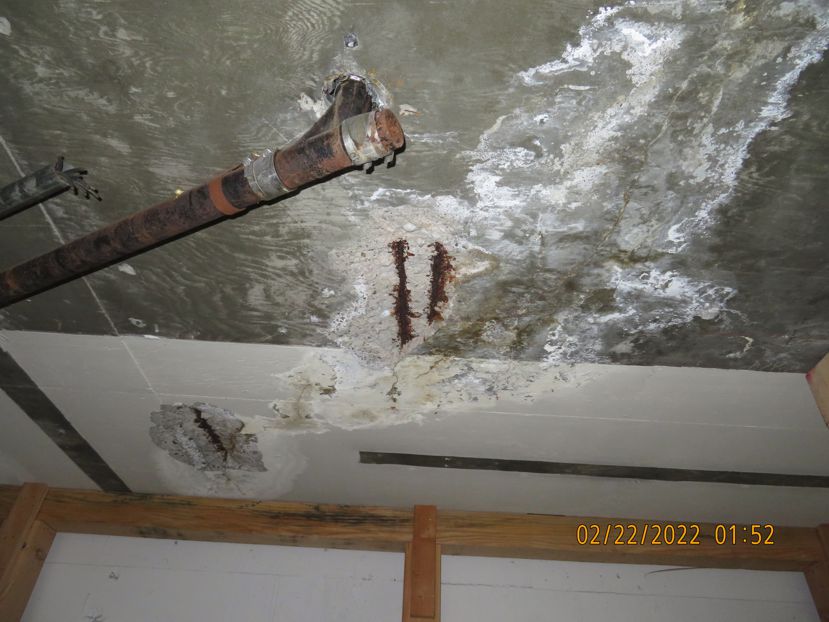
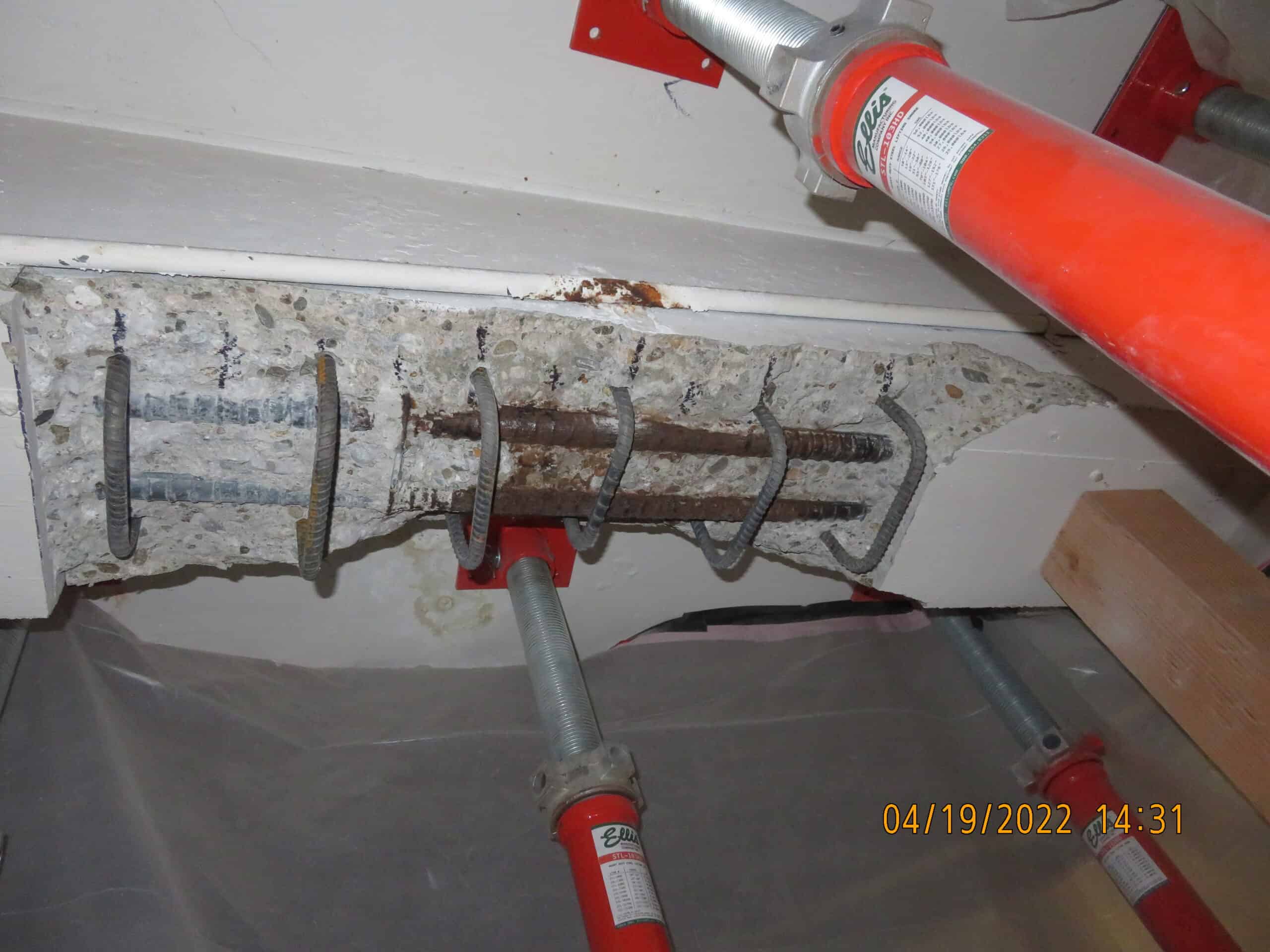
And when rebar rusts, it expands. And when it expands, it breaks the concrete apart from the inside. That process is called spalling. And once it starts, it does not stop on its own.
“Most property managers call us when they’re in Stage 3. The ones who call us in Stage 1 pay 95% less.”
THE 4-STAGE DETERIORATION TIMELINE
STAGE 1 — EARLY
Years 1–7
Hairline cracks, minor moisture penetration. Easy to miss. Easy to fix.
Cost to fix: $5,000–$25,000
STAGE 2 — ACTIVE
Years 7–12
Waterproofing failing, water entering regularly, rebar beginning to rust.
Cost to fix: $25,000–$75,000
STAGE 3 — CRITICAL
Years 12–20
Active rebar corrosion, concrete spalling, structural integrity compromised.
Cost to fix: $150,000–$500,000
STAGE 4 — EMERGENCY
Year 20+
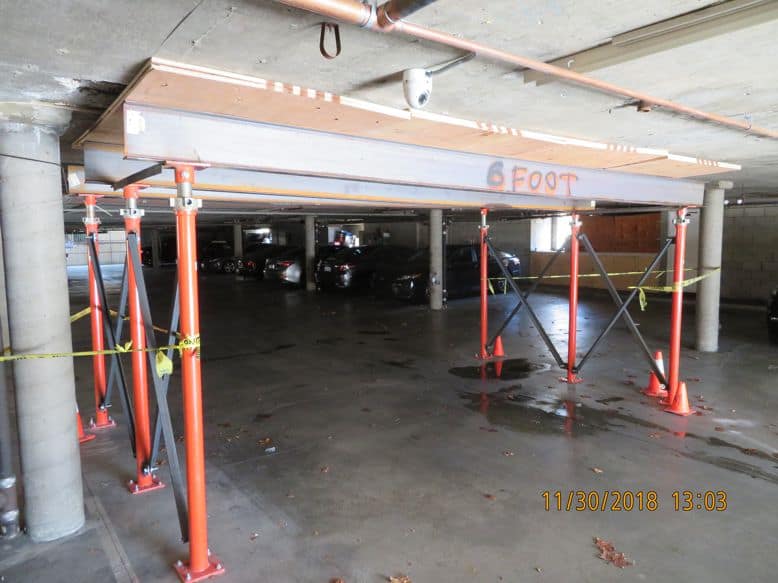
Major structural failure. Partial closures. Emergency shoring. No good options left.
Cost to fix: $500,000–$1,200,000+
THE REAL COST OF WAITING
The $500,000 Phone Call Every HOA Board Dreads
Picture this: It’s 7 PM on a Tuesday. The property manager calls. Their voice has that tone. “We need an emergency board meeting. The structural engineer just finished the parking garage. We’re looking at $500,000 to $1.2 million in immediate repairs.”
Your mind goes straight to the next conversation — the one where you explain to 150 unit owners why they’re each facing a $3,000 to $10,000 special assessment. With no payment plan. Because the repairs can’t wait. This scenario plays out in condominium communities across Southern California, Arizona, and Nevada every single month. And in almost every case — it was preventable.
If You Ignore It
$0
Per year in maintenance budget.
Until the emergency arrives.
When It Fails
$1.2M
Emergency structural repair.
No warning. No options.
Per Unit — Special Assessment
$10K
Per unit owner. Due immediately.
No vote. No delay.
Preventive Maintenance
$60K
Per year — prevents the emergency.
Cost multiplier of waiting: 30-to-1.
REAL CASE STUDIES
🏢 Florida Luxury Condo — 32 Units
Underground parking repair: $480,000
Special assessment per unit: $15,000
Could have been caught at Stage 1 for under $30,000.
🏢 Texas Mid-Rise — 95 Units
CMU wall stabilization & waterproofing: $750,000
Special assessment per unit: $8,000
Water had been seeping in for 6 years before anyone called.
🏢 California High-Rise — 128 Units
Foundation & below-grade concrete: $1,100,000
Special assessment per unit: $8,600
Board voted to defer repairs twice to avoid the expense.
Deferred maintenance isn’t saving money. It’s borrowing it — at the worst possible interest rate.
DO YOU RECOGNIZE ANY OF THESE?
Your Building Is Trying To Tell You Something.
Here’s The Translation.
These aren’t cosmetic problems. Every one of these symptoms has a specific cause — and a specific solution. The mistake most property owners make is treating the symptom. We find the cause.
What You See
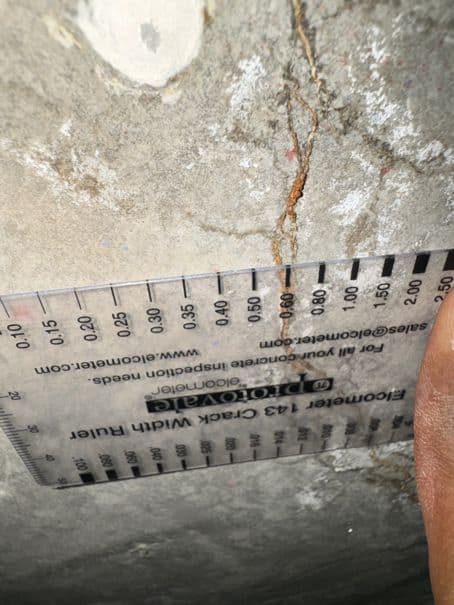
Hairline cracks in walls or floors
What it means: Water has already found a path inside. It is working on the rebar right now. This is Stage 1 — the cheapest stage to fix.
What You See
White chalky powder on concrete (efflorescence)
What it means: Mineral deposits left behind as water moves through the concrete. It has been wet in there for a while. The water source needs to be found and stopped.
What You See
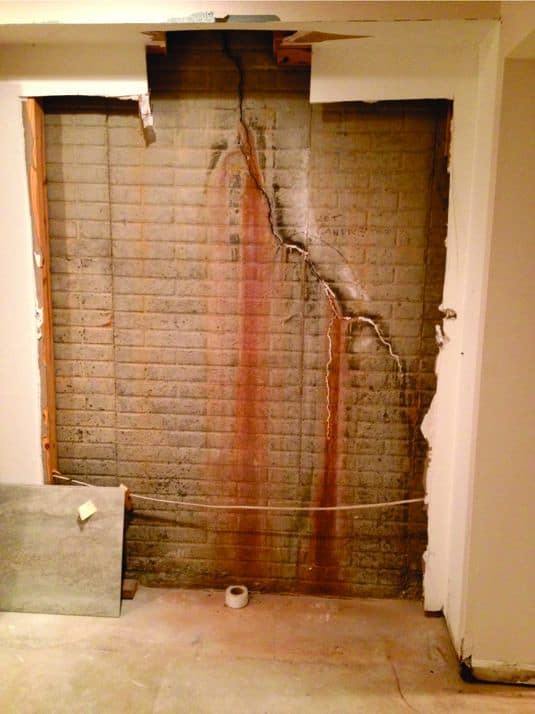
Rust stains running down a wall
What it means: The rebar inside is corroding. The expansion process has probably already started. This is urgent.
What You See
Chunks of concrete falling from ceiling or walls
What it means: Stage 3. The rebar has swollen enough to push the concrete off from the inside. This is a safety issue, not a cosmetic one.
What You See
Cracks that keep coming back after patching
What it means: The corrosion source was never treated. Patching without treating the rebar is money thrown away. You need a diagnosis, not another patch.
What You See
Active water leaks — dripping, pooling, or algae growth on concrete
What it means: Water has found a full path through your concrete and is now moving freely. Algae growth confirms it has been happening long enough to establish itself. This is not a surface problem — the water source is behind the wall and the structural damage is already in progress.
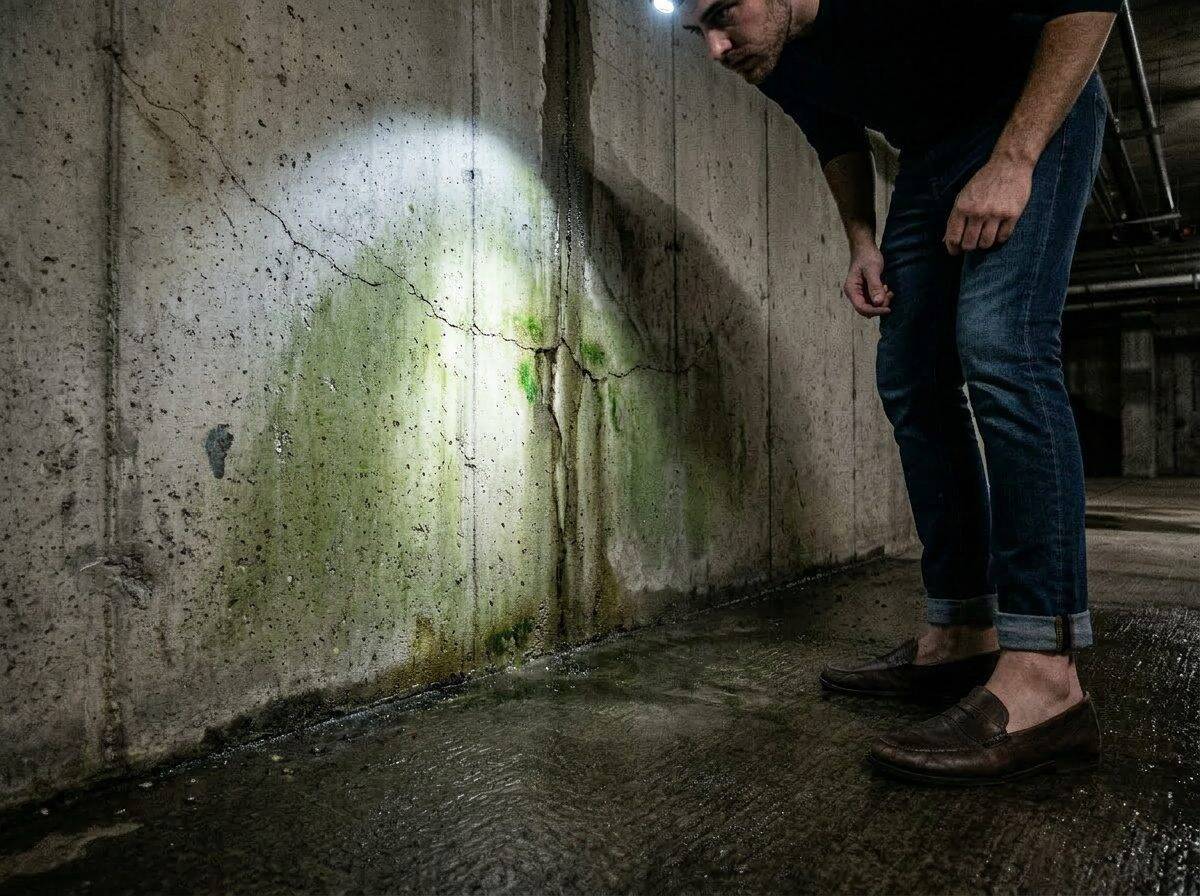
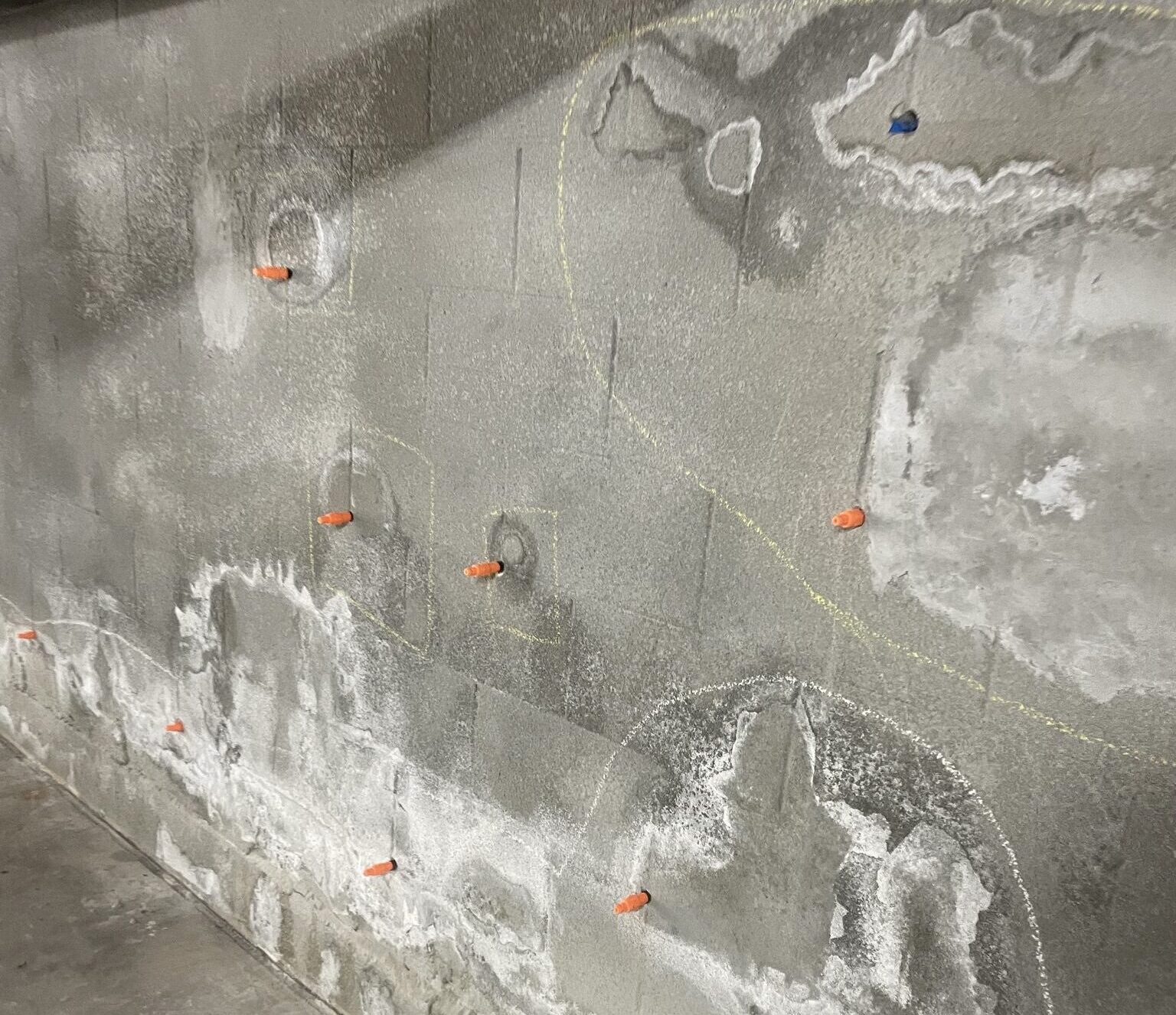
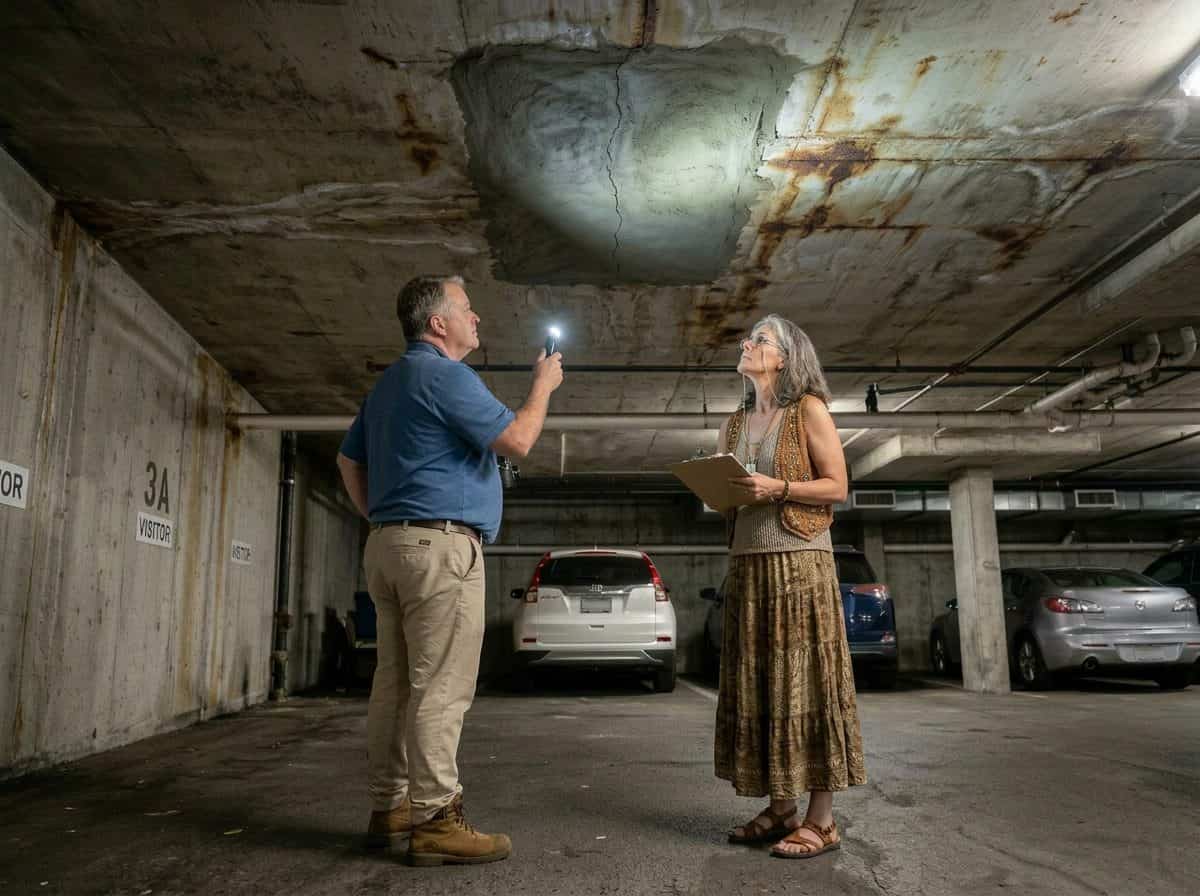
If you’re seeing two or more of these in your building — stop reading and call us. We’ll tell you exactly where you are on that timeline and exactly what it will cost to stop it now versus later.
WE SPECIALIZE IN THESE STRUCTURES
The Buildings Most Contractors Underestimate
Below-grade concrete problems require a different level of diagnosis, different materials, and different repair systems than above-ground work. Here’s where we specialize — and why it matters.
🚗
Subterranean Parking Structures
The most expensive concrete problem you own — and the one least likely to have its own budget line. Constant moisture, vehicle exhaust, and road salt tracked in on tires with zero natural drainage. We repair the decking, walls, and columns — and install anode protection so the repair actually lasts.
🏢
HOA & Condo Associations
Your board has a fiduciary responsibility to maintain common elements. Underground concrete is a common element. When it fails, every unit owner pays — whether they knew there was a problem or not. We provide documented assessments, phased repair plans, and the paper trail that protects you legally and financially.
🌊
Coastal Properties — CA & NV
If your building is within one mile of the ocean, salt air is attacking your rebar at 3 to 5 times the rate of an inland property. Spalling happens earlier. Waterproofing fails faster. We use marine-grade materials and cathodic protection systems designed for the coastal environment.
⛰️
Hillside Foundations — Hollywood Hills, Brentwood, Beverly Hills, Malibu
Hillside homes with below-grade rooms, retaining walls built into slopes, or cut-in foundations deal with concentrated lateral water pressure that pushes through any crack it can find. We know exactly what fails in these structures — and why standard repairs don’t hold.
🏔️
Prescott & Arizona — Walkout Basements & Hillside Construction
Homes cut into hillsides with walkout basements face the same below-grade water pressure problems as California hillside homes — with the added challenge of monsoon season dumping enormous volumes of water directly against foundation walls in a very short time. We know this market.
🏚️
Pre-1960s Homes With Basements
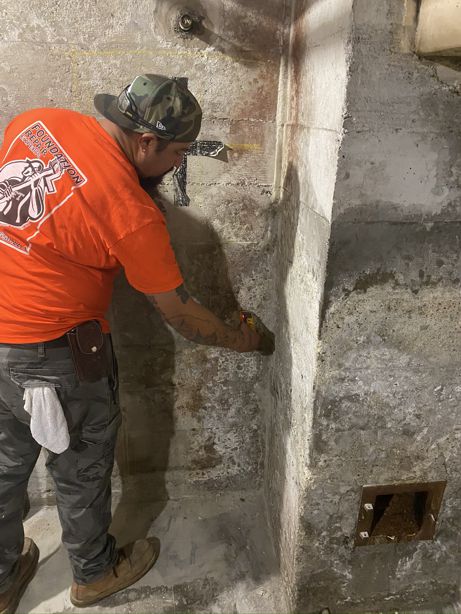
Original concrete mixed to 1940s standards. Rebar installed before modern protective coatings. Decades of wet-dry cycles. If your home has a basement built before 1960 and you have not had it assessed, there is a reasonable chance you have active corrosion you cannot see.
COASTAL PROPERTIES
You’re Not Dealing With Normal Concrete Problems.
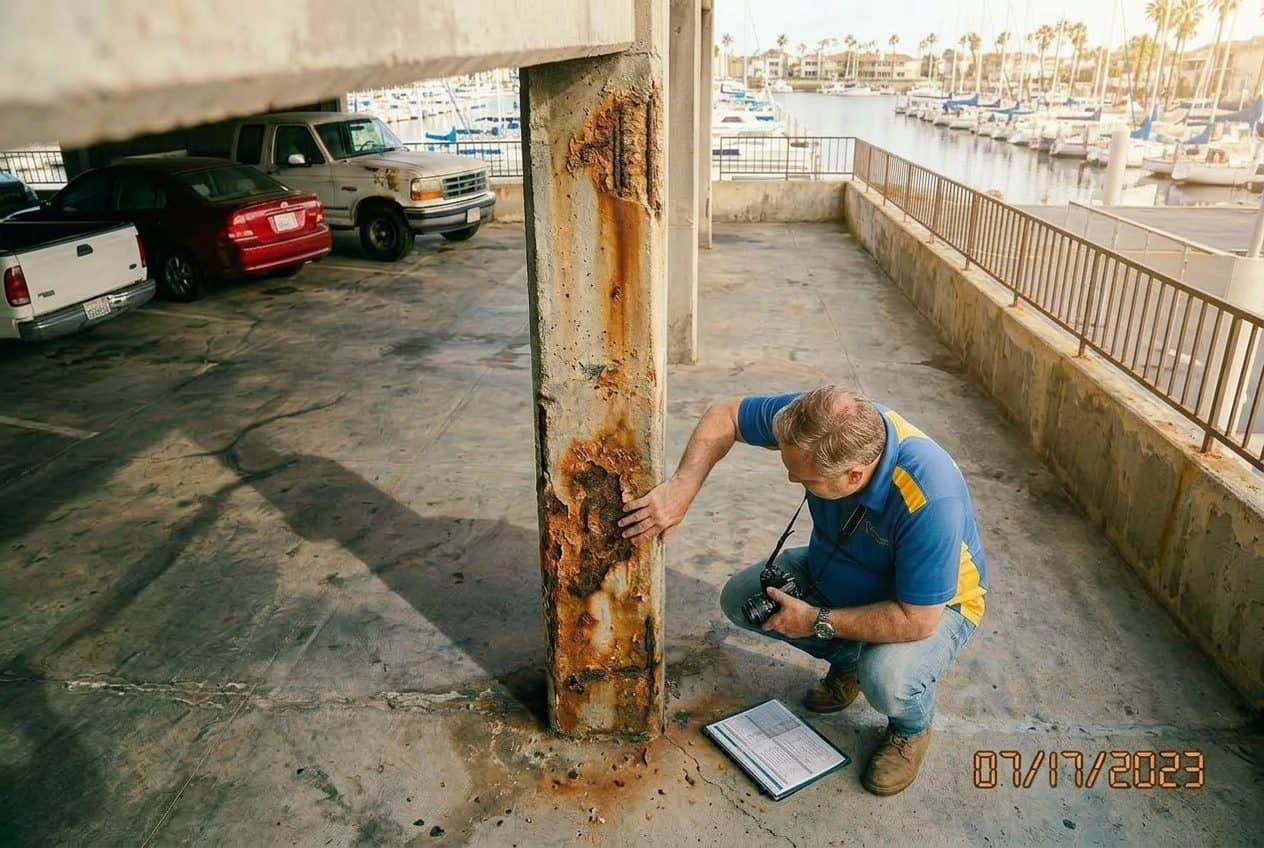
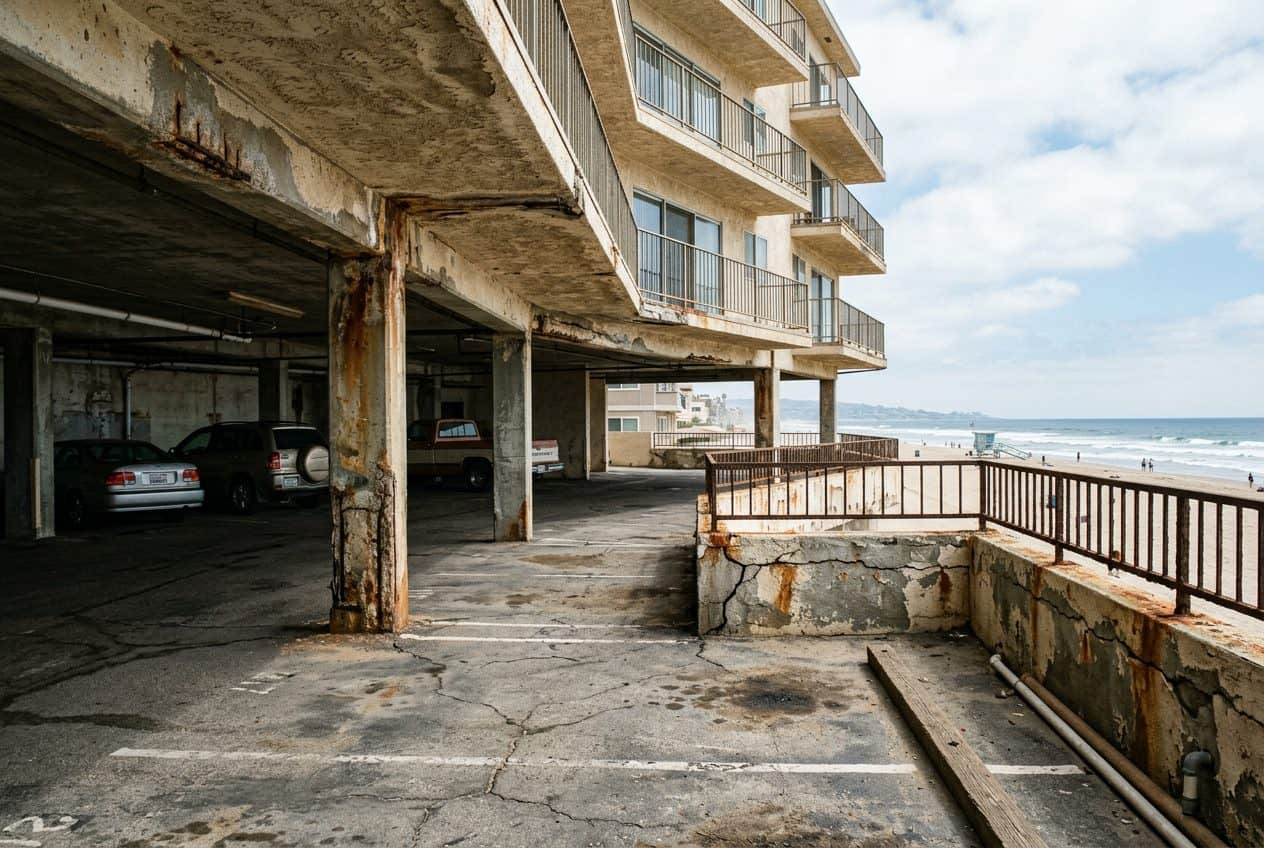
Salt air doesn’t just rust cars. It infiltrates concrete, destroys the protective oxide layer on steel rebar, and accelerates corrosion at a rate that makes inland repair timelines completely irrelevant. What takes 15 years to become critical on an inland property can become critical in 6 to 8 years on a property within half a mile of the ocean.
Standard repair materials and standard repair timelines do not apply to coastal buildings. We use marine-grade repair mortars, enhanced cathodic anode systems, and chloride-resistant coatings — because a repair that lasts 10 years inland should not be expected to last 10 years in Santa Monica, Marina Del Rey, or Redondo Beach.
300–500%
Faster rebar corrosion rate within 1 mile of ocean
5–10 yrs
Earlier onset of spalling vs. inland properties
40–60%
Faster waterproofing membrane degradation
30–50%
Shorter joint sealant lifespan at coastal sites
HOW WE THINK DIFFERENTLY
We Don’t Fix Cracks.
We Find Out Why They’re There.
Then we fix them permanently — because a repair that doesn’t address the cause isn’t a repair. It’s a delay. Every competitor will patch the crack. We ask the five questions that determine whether the patch will last.
Question 1
Is the crack structural or non-structural?
Wrong answer means the wrong injection system — and a failed repair. These require completely different materials and methods.
Question 2
Is the crack active or dormant?
Moving cracks need carbon fiber staples. Dormant cracks need epoxy. Mixing these up wastes money and guarantees the crack returns.
Question 3
Is water the cause or the symptom?
Water in a crack means something is pushing it there. Fix the drainage source — not just the crack. Otherwise the water finds the next path.
Question 4
Is the rebar corroding — and how far has it spread?
Half-cell testing answers this without guesswork or demolition. Skipping this step is how a $40,000 repair becomes a $400,000 repair 5 years later.
Question 5
What load is on this structure?
A crack in a decorative wall is completely different from a crack in a parking structure column or a load-bearing foundation wall. The repair spec must match the structural demand.
HOW WE FIX IT — PERMANENTLY
We Don’t Patch. We Repair. There’s A Difference.
Patching is what happens when a contractor fills the visible hole and invoices you. Six months later the crack comes back — slightly bigger — because nothing was done about the rebar, the water source, or the pressure that caused it in the first place.
SERVICE 1
Crack Injection
The right injection system depends entirely on the diagnosis. Using the wrong system guarantees the crack comes back. We match the material to the cause — every time.
Epoxy Injection — Structural Cracks
Bonds fractured concrete back together — often stronger than the original material. Used for structural cracks in foundation walls, parking structure columns, and load-bearing slabs.
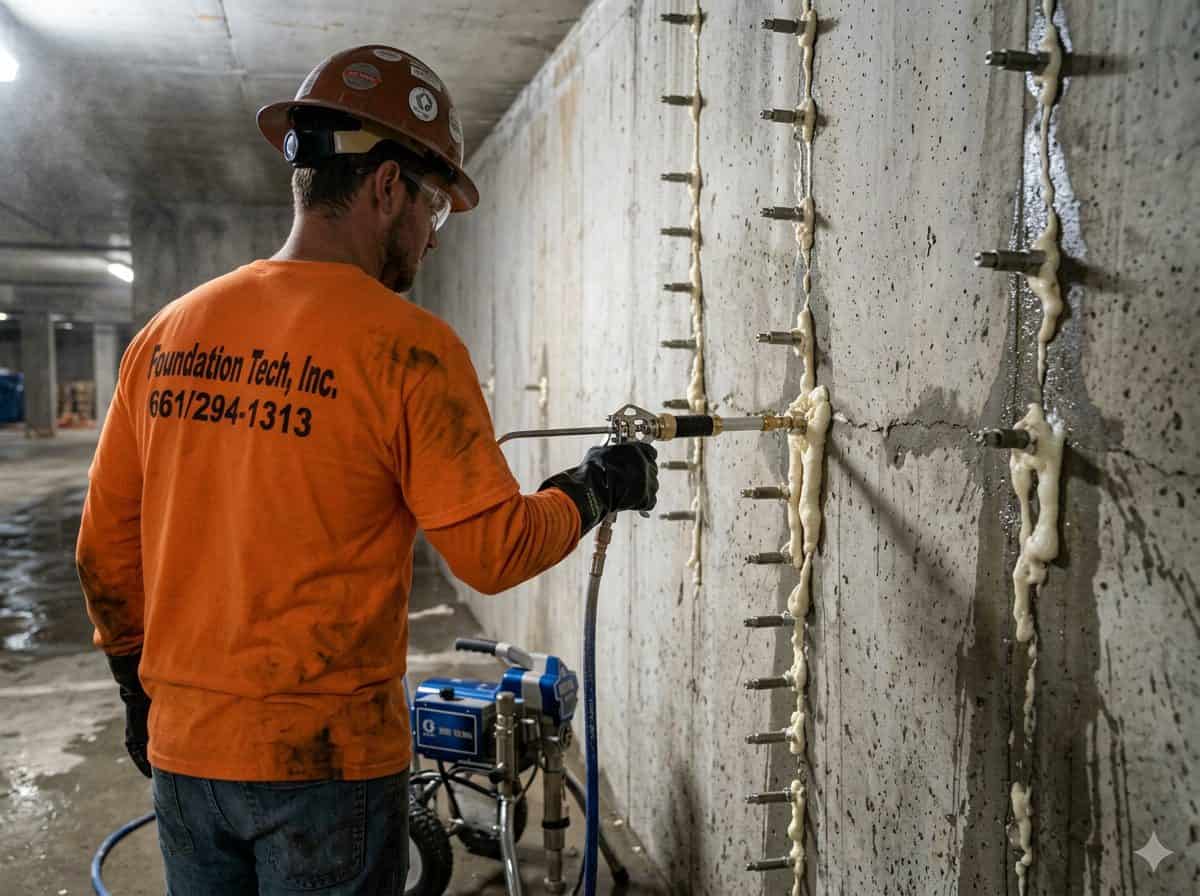
Polyurethane Foam — Active Water Leaks
Reacts with moisture and expands to fill and seal the crack completely. Water stops — even in actively leaking conditions. The correct system for wet basement walls, underground parking structures, and below-grade walls with active intrusion.
Carbon Fiber Staples — Moving Cracks
A crack that keeps getting wider is being pushed by something. Carbon fiber staples lock the crack permanently in place, stopping further spreading and adding significant tensile strength without bulk, weight, or major excavation.
SERVICE 2
Corrosion & Spall Repair
The patch-and-pray approach to spalling fails because it treats the symptom, not the cause. When spalling appears, the rebar underneath has already been corroding — and if you don’t treat the steel and protect the surrounding rebar from the new corrosion cell you’ve just created at the repair edge, you’ll be back doing the same repair in 3 to 5 years.
What We Do Differently:
- ✓ Remove all deteriorated concrete back to sound material
- ✓ Treat and coat all exposed rebar before any patching begins
- ✓ Install zinc galvanic anodes at every repair — the step most contractors skip — to prevent new corrosion forming at the repair boundary
- ✓ Apply polymer-modified repair mortar matched to the thermal expansion of existing concrete
- ✓ Apply migrating corrosion inhibitor to surrounding repair zone
- ✓ Apply anti-carbonation breathable coating to protect the finished surface
Carbon Fiber Reinforced Polymer (CFRP)
For structures requiring enhanced bending or shear strength — outstanding structural capacity at minimal thickness, with no heavy equipment and minimal disruption to building occupants. Most repair contractors cannot do this. We can.
📊 Real Sample Report
See What Our ICOR Device Finds Inside Your Concrete
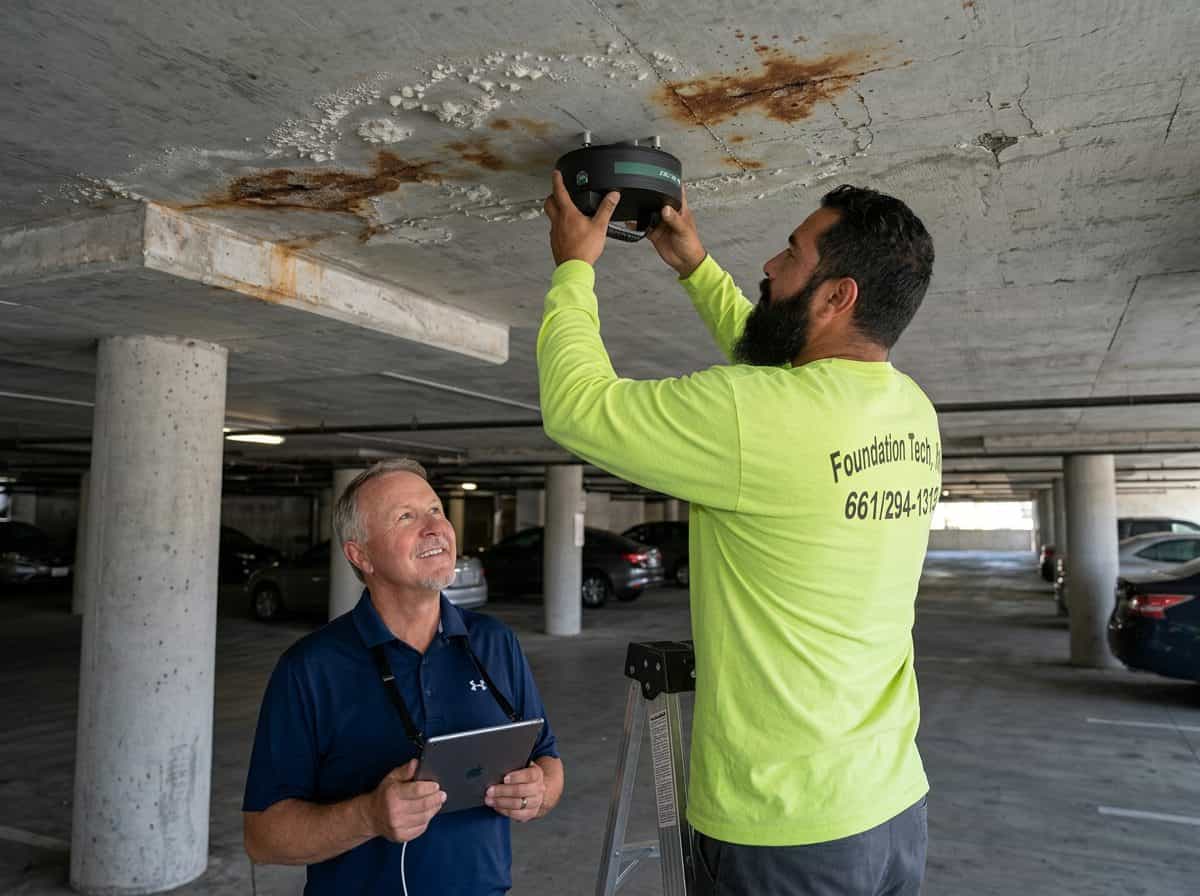
This is an actual corrosion rate report generated by our ICOR wireless NDT device on a real parking structure. It shows severe active corrosion in embedded rebar — detected without a single hammer strike, core sample, or destructive investigation. This is what your building’s report could look like before we recommend a single dollar of repairs.
SERVICE 3
Testing & Assessment — We Find What Others Miss
Most inspections are visual. You get a report of what someone could see. We deploy non-destructive testing methods that find active corrosion, map moisture migration, and measure structural capacity — without breaking open your building to do it.
Half-Cell Potential Testing
We measure the electrical activity of steel rebar inside your concrete — without breaking it open. This pinpoints exactly where corrosion is actively happening and where it isn’t. You get a complete corrosion map before a single repair dollar is committed.
Life Cycle Cost Analysis
Our engineers analyze the long-term cost of every repair option for your specific structure. The goal is to match the right investment to the right timeline — so you’re not back in 5 years doing it again.
HOA Documentation Package
Every assessment includes a written report designed for HOA board presentations, insurance files, and reserve studies. The documentation that protects your board legally and financially — not just a contractor’s invoice.
FOR HOMEOWNERS
Those Cracks In Your Foundation Walls?
They’re Not Random. Settlement Made Them.
In residential homes, crack injection is almost always sold alongside foundation repair — because settlement is what causes the concrete to crack in the first place. Fixing the crack without addressing the settlement is like treating a broken bone without setting it.
What Causes Foundation Cracks in Residential Homes
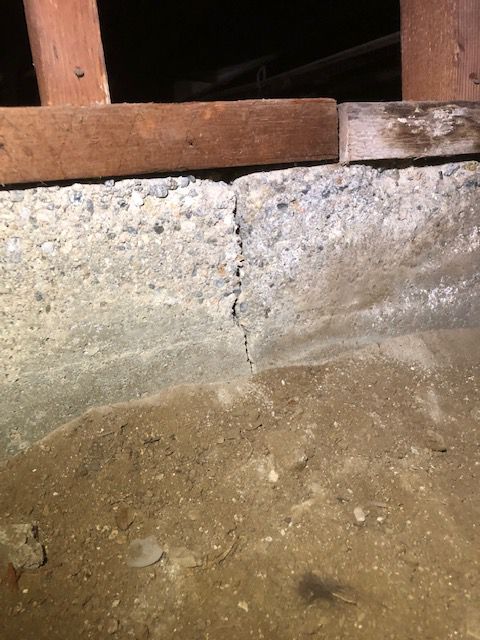
Foundation settlement occurs when the soil beneath your home shifts, compresses, or erodes — causing the foundation to move unevenly. As one part of the foundation drops while another stays in place, the concrete is put under tension it was never designed to handle. That tension produces cracks.
In Southern California, the Santa Clarita Valley, and the Prescott area of Arizona, the most common causes are expansive clay soils that swell with water and shrink in dry seasons, hillside creep on cut-and-fill lots, and water intrusion that softens the soil below the footing.
Signs Your Home May Have Foundation Settlement
- ✓ Diagonal cracks running from corners of doors or windows
- ✓ Stair-step cracks in brick or block foundation walls
- ✓ Horizontal cracks in basement or stemwall — often the most serious
- ✓ Cracks that are wider at the top than the bottom — or vice versa
- ✓ Floors that slope or feel uneven underfoot
- ✓ Doors or windows that stick, drag, or no longer close square
- ✓ Gaps opening between walls and ceilings or walls and floors
The Right Order of Repairs Matters
If your foundation is actively settling, crack injection alone will not solve the problem — the foundation will keep moving and the crack will return. The correct sequence is: stabilize the foundation first, then seal and reinforce the cracks. Bristolfx provides both services and will assess which you need — or whether you need both.
EVERY SEASON YOU WAIT
The Number Gets Bigger.
The electrochemical process attacking your rebar does not pause between rain seasons. It does not wait for your next board meeting. It does not care about your current budget cycle. The crack that costs $8,000 to inject today costs $80,000 to repair when it becomes a spall zone. These are not estimates — these are the ratios structural engineers document in case study after case study.
😰
The Proactive Manager
Called us when they noticed hairline cracks and mild efflorescence. Spent $18,000. Has documentation for their reserve study.
Board is happy. Problem solved.
😬
The Late Responder
Called us when chunks started falling. Spent $140,000. Had to do phased repairs over 18 months.
Board had some very hard conversations.
😱
The Emergency Call
Called us when a structural engineer condemned two bays of the parking structure. Spent $780,000. Special assessment devastated the community.
The board was replaced.
Which of these calls are you going to make?
OUR PROCESS
How It Works — No Surprises. No Guessing.
01
Free Assessment & Documentation
We walk the property, document everything we see, and tell you exactly where you are on the deterioration timeline. No charge. No obligation. Just honest information.
02
Non-Destructive Testing
Where visual inspection isn’t enough, we deploy half-cell potential testing, thermal imaging, and concrete sounding to find what’s hidden. You get the complete picture — not just the visible 10%.
03
Engineered Repair Plan
Written proposal with options, timelines, and Life Cycle Cost Analysis. Designed to go directly into your board presentation, reserve study, or insurance file.
04
Permanent Repair With Warranty
Our crews perform the work. Documentation of materials, methods, and test results is provided at completion. Every corrosion repair includes anode protection. Every project includes warranty coverage.
TECHNICAL RESOURCES
The Information Your Property Management Company Needs — And Won’t Find Anywhere Else
We publish the technical guides because we believe informed clients make better decisions — and better decisions lead to buildings that don’t fail on a Friday afternoon.
📄 Blog Article
The Hidden Crisis Threatening Your Condo Association
Why underground parking is the #1 unbudgeted liability in condominium buildings — and the exact math of what deferred maintenance actually costs per unit owner.
📄 Blog Article
Underground Parking Maintenance Guide for HOAs
Age-based inspection schedules, coastal property considerations, and detailed cost estimates for HOA budget planning from new construction through aging structures.
📄 Blog Article
Water Infiltration in Multi-Unit Condominium Foundations
The technical guide to how water migrates through shared infrastructure in condo buildings — written for property managers who want to understand the full picture.
📥 Free Download
Concrete Parking Structure Repair Specifications
The complete repair specification document used by our engineers — available to property managers and HOA boards for project planning and bid comparison.
WHY BRISTOLFX
We Find What Other Contractors Miss.
Then We Fix It Permanently.
Most foundation contractors fix what they can see. Bristolfx finds what they can’t. Here’s what that means in practice.
- ✅ Licensed in California, Arizona & Nevada — CA CSLB #991221 | AZ ROC #354312 | NV Pending
- ✅ Non-destructive testing first — we find what’s hidden before we recommend what to fix
- ✅ Zinc anode protection on every corrosion repair — the step most contractors skip because it adds cost and most clients don’t know to ask for it
- ✅ CFRP structural capability — most repair contractors cannot do this. We can.
- ✅ Life Cycle Cost Analysis included — you get the full financial picture, not just a repair bill
- ✅ HOA & property manager documentation package — designed for your board, your insurer, and your reserve study
- ✅ Coastal and marine environment experience — the right materials for the right environment, not inland specs applied to oceanfront buildings
- ✅ Residential, commercial & government — we work at every scale, from a hillside home to a 300-unit condo complex
GET ANSWERS TODAY
Schedule a Free Assessment.
Know Where You Stand.
You don’t have to commit to anything. You just have to stop wondering. We’ll walk your property, tell you exactly what we see, and give you a written assessment you can take to your board, your insurer, or your reserve study consultant. No charge. No pressure.
WHERE WE SERVE
California, Arizona & Nevada
California
📞 (661) 294-1313
Serving HOA boards, property managers, and residential clients throughout Southern California — from subterranean parking structures and coastal condos to hillside foundations in the Hollywood Hills, Brentwood, Beverly Hills, and Malibu.
Arizona
📞 (928) 767-7789
Serving the Prescott market, Yavapai County hillside construction, and commercial clients throughout Arizona — with crack injection and corrosion repair built for desert terrain, rocky slopes, and monsoon season water pressure.
Nevada
📞 (855) 650-2211
Serving the Las Vegas metro, Henderson, and surrounding communities with below-grade concrete repair, corrosion assessment, and underground parking structure restoration.