
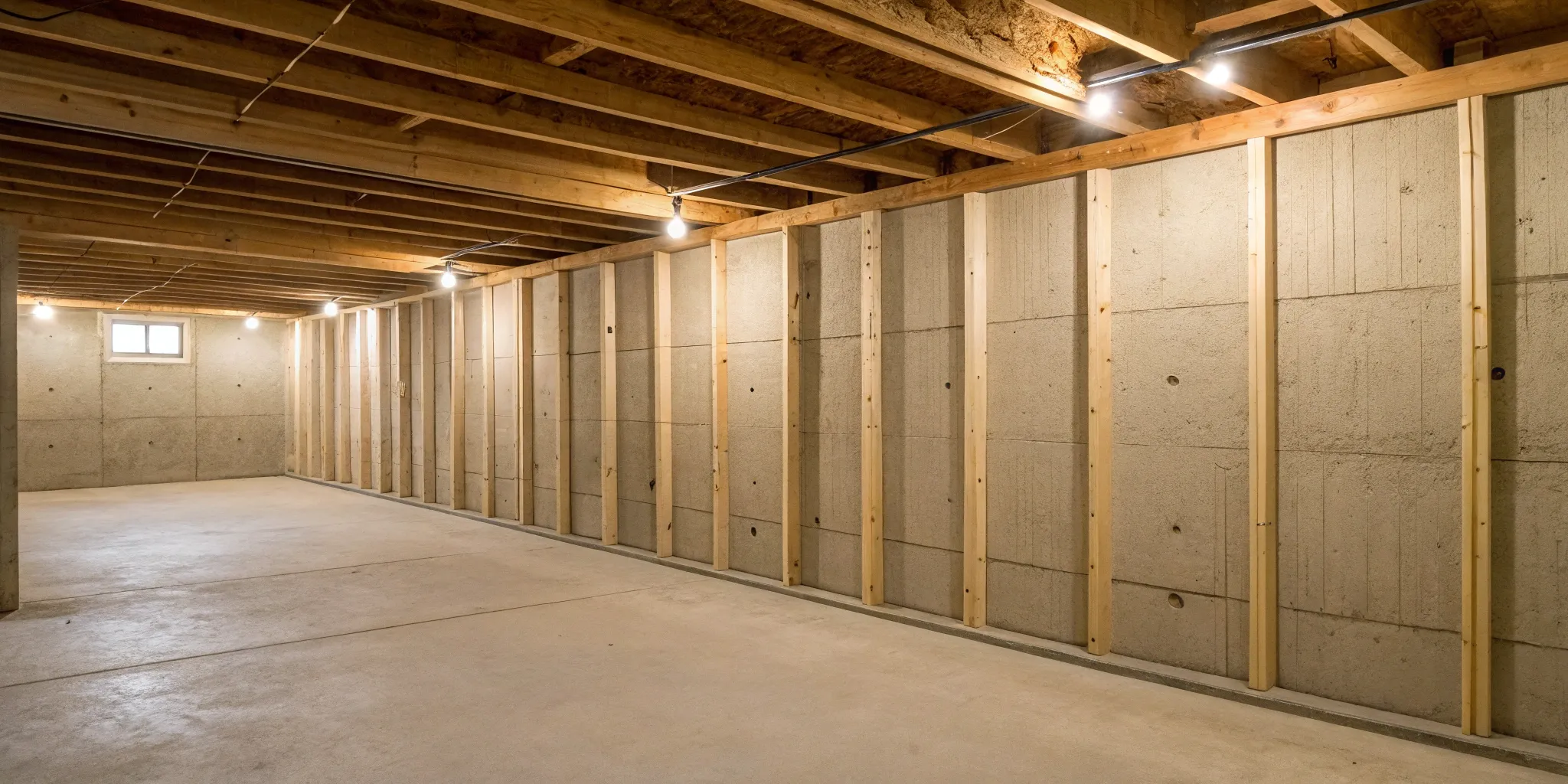
The cracks and bows in your basement walls didn’t appear overnight. They are the result of powerful, unseen forces at work just outside your home. Immense pressure from water-saturated soil, the natural expansion and contraction of clay, or even improper yard drainage can put your foundation under constant stress. Before you can choose the right fix, you have to understand the root cause of the problem. Simply patching a crack without addressing the underlying pressure is a temporary solution at best. This guide will first explain why your walls are failing before diving into the proven methods of basement wall stabilization, ensuring you choose a permanent solution, not just a quick fix.
Key Takeaways
- Address Wall Issues Immediately: Bowing or cracking walls are direct symptoms of external pressure from soil and water. Catching these problems early is the key to a simpler, less expensive repair and prevents long-term structural damage.
- Choose a Solution Tailored to Your Home: A hairline crack and a significantly bowed wall require different fixes. The right method, from carbon fiber straps to helical tiebacks, depends on the severity of the damage and your property’s layout, which is why a professional assessment is non-negotiable.
- Invest in a Permanent Repair: A true solution involves two key steps: hiring a qualified foundation specialist who provides a strong, transparent warranty and actively managing water around your home. Improving yard drainage is your best defense against future issues and protects your repair investment.
What’s Wrong With My Basement Walls?
Finding a crack or a bow in your basement wall can be unsettling. It’s one of those home issues that feels big, and honestly, it can be. But before you panic, it’s helpful to understand what’s actually happening to your foundation. These problems don’t appear out of nowhere; they’re symptoms of underlying forces at play. Let’s look at what causes these issues and why you shouldn’t ignore them.
Why Basement Walls Bow and Crack
When your basement walls start to curve inward or show significant cracks, it’s a clear sign they’re under stress. This isn’t just a cosmetic issue; it’s a structural one. The primary cause is immense pressure pushing against your foundation from the outside. This force, known as lateral pressure, can come from several sources. Heavy, water-saturated soil is a common culprit, especially after heavy rain or snowmelt. Poor drainage around your home can make this worse. In other cases, the natural settling of your foundation or the expansion and contraction of certain types of soil can put your walls to the test. Understanding the root cause is the first step toward a lasting foundation repair.
Warning Signs You Can’t Ignore
It’s tempting to hope a small crack will just stay a small crack, but with foundation issues, that’s rarely the case. Ignoring the warning signs will only lead to more extensive and expensive repairs later. Be on the lookout for horizontal cracks running along the wall, stair-step cracks in concrete block walls, or any noticeable inward bowing or leaning. You might also see water seeping through these new cracks. These are not problems that fix themselves. A bowing wall is a sign of ongoing pressure that can eventually lead to serious structural failure. Acting quickly and getting a professional assessment is the smartest move you can make. Sometimes, a simple crack injection is all that’s needed if caught early.
How Soil Affects Your Foundation
The ground around your house might seem stable, but it’s constantly changing and interacting with your foundation. The type of soil you have plays a huge role in your home’s structural health. Clay soils, for example, are notorious for being “expansive”—they swell up when they absorb water and shrink as they dry out. This constant cycle of expansion and contraction puts immense stress on your basement walls. On top of that, poor drainage can lead to an accumulation of water in the soil, creating what’s known as hydrostatic pressure. Essentially, the weight of the water pushes against your foundation. Effective waterproofing and drainage systems are your first line of defense against these powerful natural forces.
Comparing Your Wall Stabilization Options
When you notice your basement walls are bowing or cracking, it’s easy to feel overwhelmed. The good news is that there are several proven methods to stabilize them and protect your home. The right solution depends on the type of wall, the soil conditions outside, and how significant the bowing is. Think of it like this: you wouldn’t use a bandage for a broken arm. Similarly, each wall issue requires a specific fix. Let’s walk through the most common options so you can get a clearer picture of what might work for your home.
Carbon Fiber Systems
If you’ve caught the problem early, carbon fiber straps can be a fantastic, minimally invasive solution. Imagine ultra-strong fabric strips, stronger than steel, bonded directly to your basement wall with a powerful epoxy. These systems reinforce the wall from the inside, preventing any further bowing or movement. The installation is quick, clean, and once it’s done, you can easily paint over the straps, so they blend right in. This method is ideal for walls with minor to moderate bowing. However, if your wall has already shifted significantly or has a horizontal shear crack, you’ll likely need a more heavy-duty approach for your foundation repair.
Wall Anchors and Plates
For more serious bowing, wall anchors are a classic and highly effective solution. This method works by connecting a steel plate on the inside of your basement wall to an anchor buried in stable soil in your yard. A long, high-strength steel rod ties them together, essentially holding the wall firm against outside pressure. Over time, these anchors can even be tightened to help straighten the wall. The main consideration here is that it requires some excavation in your yard to place the exterior anchor. If you have limited space, a patio, or extensive landscaping right next to your foundation, this might not be the best fit for your property.
Steel Beam Supports
Another robust option for stabilizing bowing walls is installing steel I-beams. These beams are placed vertically against the bowing wall and secured to the floor joists above and the concrete floor below. They act as a powerful interior brace, immediately stopping any further inward movement. The installation process is typically fast and doesn’t require any digging outside your home. The trade-off is that the beams do take up some space along the wall in your basement. While they provide incredible support, they don’t actively pull the wall back to its original position; they simply hold it steady right where it is.
Helical Tiebacks
Helical tiebacks are a modern engineering solution that provides the same kind of powerful anchoring as traditional wall anchors but with much less disruption to your yard. Think of them as giant steel screws that are drilled through the soil from the outside until they reach stable, load-bearing ground. A steel plate is then attached to the interior of the basement wall and connected to the tieback. This provides an incredible amount of lateral support to counteract the soil pressure. Because they require minimal excavation, helical piers are a great choice for properties with tight spaces or delicate landscaping.
Polyurethane Injection
If your primary issue is cracks in the foundation wall that are letting in water, polyurethane injection is an excellent fix. This process involves injecting a special polyurethane foam into the cracks. The foam expands to completely fill the void, creating a flexible, waterproof seal that stops leaks in their tracks. While this is a go-to solution for waterproofing and sealing non-structural cracks, it’s important to know its limits. Polyurethane injection strengthens the area around the crack but doesn’t provide the structural reinforcement needed to stop a wall from bowing. It’s often used alongside other stabilization methods to provide a complete repair.
How to Pick the Best Solution for Your Home
Once you know what’s causing your basement walls to bow or crack, the next step is figuring out the right way to fix it. With several different methods available, choosing the best one can feel overwhelming. The truth is, there’s no single “best” solution for everyone. The right approach for your home depends on a few key things: the extent of the damage, the layout of your property, your budget, and your long-term goals.
Think of it like a custom treatment plan. A wall with a slight bow might only need a lightweight carbon fiber system, while a wall with significant movement could require the heavy-duty support of steel beams or wall anchors. Understanding these factors will help you have a more productive conversation with a foundation expert and feel confident in your final decision. We’ll walk through the most important considerations to help you determine which foundation repair method is the perfect fit for your home’s unique needs.
Assess the Severity of the Damage
The first thing to consider is just how serious the problem is. A hairline crack is very different from a wall that’s noticeably bowing inward. The extent of the bowing is a critical factor in determining the right repair. For example, if a wall has moved inward by less than two inches, carbon fiber straps are often an excellent, minimally invasive solution. However, for more severe issues—say, an eight-inch-thick wall that has bowed more than four inches—the structural integrity is compromised to a point where a more robust solution like push or helical piers might be necessary, or even a full rebuild. A professional assessment is key to accurately measuring the displacement and identifying the underlying cause.
Consider Your Space and Access
Your property itself can dictate which repair methods are feasible. Some of the most effective solutions, like wall anchors, require excavation on the exterior of your home. An anchor plate is installed on the inside of your basement wall, and a long rod connects it to an anchor placed in stable soil in your yard. This process provides incredible strength, but it’s not always practical. If your house is close to your property line, or if you have a deck, patio, or extensive landscaping right outside the affected wall, digging might not be an option. In these cases, solutions that are installed from the interior, like steel beams or carbon fiber, become the more logical choice.
Factor in the Costs
Of course, budget is a major consideration for any home repair project. The cost to fix a bowing wall can vary significantly, typically ranging from a few thousand to over ten thousand dollars, depending on the method and the scale of the problem. For instance, installing carbon fiber straps is generally more affordable than a wall anchor system. It’s helpful to get a clear idea of the potential investment for each option. While cost is important, remember that the cheapest fix isn’t always the best one. A less expensive solution that fails to address the root cause will only lead to more costly foundation repairs down the road.
Think About Long-Term Results
When you invest in foundation repair, you want a solution that lasts. It’s important to understand the long-term goal of each method. The primary objective is always to stabilize the wall and prevent any further movement. While some methods, like wall anchors, can help straighten the wall over time as the anchors are tightened, the main purpose is security, not perfect aesthetics. Carbon fiber is fantastic for stopping movement in its tracks but won’t correct existing bowing. Discussing the expected outcome and learning about the warranties associated with each solution will help you align the repair with your long-term expectations for your home.
Understand the Installation Process
Knowing what the repair process involves can also influence your decision. Are you prepared for exterior excavation, or would you prefer a method handled entirely from inside your basement? The installation of wall anchors, for example, involves placing steel plates on the interior wall and connecting them to anchors buried in your yard. In contrast, a polyurethane foam injection is a much less disruptive process used to fill voids and stabilize soil. Understanding the steps, the timeline, and the level of disruption for each option will help you prepare your home and family for the work ahead, ensuring a smoother experience from start to finish.
What to Expect from a Professional Assessment
Once you’ve spotted the warning signs, the next step is to call in a professional. A thorough assessment is the foundation of a successful repair, and it’s about more than just a quick look at a crack. A true expert will dig deep to understand the root cause of the problem, not just the symptoms. This initial evaluation sets the stage for the entire project, ensuring the proposed solution is the right one for your home’s specific needs. It involves a detailed inspection, careful measurements, and an honest conversation about your options. Think of it as a diagnostic appointment for your home—it’s the only way to get an accurate prescription for a lasting cure.
The Role of Engineering Evaluations
Basement wall stabilization is a complex job that requires a deep understanding of structural engineering. That’s why a professional evaluation is non-negotiable. An expert will assess the extent of the damage, identify the underlying causes, and recommend the most effective foundation repair solution. They can determine whether carbon fiber straps will suffice or if you need the more robust support of steel beams or wall anchors. As foundation experts often note, this kind of work requires professional expertise to ensure the system is installed correctly and will actually solve the problem for good. This initial engineering assessment is your roadmap to a secure and stable foundation.
Why Soil Testing is Necessary
The ground your house sits on plays a huge role in its stability. The type of soil around your foundation can dramatically impact which repair methods will be effective. For example, expansive clay soils swell with moisture and shrink when dry, putting immense, cyclical pressure on your basement walls. Sandy or loamy soils behave differently. A professional assessment often includes an analysis of your soil conditions. As some contractors point out, unstable soil can push relentlessly on your walls, so understanding its properties is key to choosing a solution that can withstand that pressure long-term.
Handling Building Codes and Permits
Any major structural work on your home, including foundation repair, typically requires a permit from your local municipality. This ensures the project complies with building codes designed to keep you and your property safe. A reputable contractor will handle the entire permitting process for you, from submitting the plans to scheduling inspections. While permit costs can vary, it’s a necessary part of the process. According to Angi, you can expect most repairs to need a permit, so be wary of any contractor who suggests skipping this crucial step. Proper permitting protects your investment and ensures the work is done to a professional standard.
Prioritizing Safety on the Job
Foundation repair is serious business, and safety should always be the top priority for everyone involved. The work involves heavy materials, specialized equipment, and sometimes excavation, all of which carry inherent risks. A professional team will have strict safety protocols to protect their crew, your family, and your property throughout the project. They understand how to properly support the structure while repairs are underway to prevent further damage or collapse. With so many misconceptions about foundation repair out there, choosing a contractor who puts safety first ensures the job is done correctly and gives you peace of mind.
A Look at the Installation Process
Once you’ve chosen a solution, you’re probably wondering what the repair process actually looks like. Knowing what to expect can make the entire experience feel much more manageable. A professional team will handle the heavy lifting, but understanding the key stages helps you stay informed and confident from start to finish. The goal is always a safe, efficient, and effective repair that secures your home for the long haul.
How to Prepare for Installation
Before any work begins, the first and most important step is getting a professional opinion. You should always have a qualified foundation repair specialist assess the damage to determine the best way to fix it. Once a plan is in place, your main job is to prepare the work area. This usually means clearing any personal belongings, furniture, or storage away from the interior basement walls that need repair. If exterior work is required, you may need to ensure the area is accessible. Your contractor will give you specific instructions, but creating a clear path for the crew helps the project start smoothly and on time.
Your Project Timeline and What to Expect
The timeline for your project depends entirely on the repair method and the severity of the problem. For instance, the extent of the bowing will influence the best approach and how long it takes. A simple carbon fiber strap installation might only take a day, while installing wall anchors or helical tiebacks could take longer. The most important thing to remember is that foundation issues don’t fix themselves. If you see your basement walls bowing or cracking, getting them checked out right away will prevent the problem from getting worse and more expensive to fix. Your contractor should provide a clear, day-by-day schedule so you know exactly what’s happening and when.
Ensuring a High-Quality Repair
A quality repair relies on using the right materials and techniques for your specific situation. For minor bowing, professionals might use carbon fiber strips, which are applied directly to the wall for a fast and minimally invasive fix. For more significant movement, the solution might involve steel plates on the inside wall connected to anchors in the stable soil outside. These are gradually tightened to straighten the wall. Bristol FX uses advanced, scientifically-backed methods like polyurethane geotechnical foam and piering systems to ensure a permanent solution. A reputable contractor will explain why they’ve chosen a particular method and how it will permanently stabilize your foundation.
Caring for Your Walls After the Fix
After the repair is complete, a little proactive care goes a long way. It’s a great idea to consider waterproofing your basement to protect your foundation from the hydrostatic pressure that likely caused the problem in the first place. Keep an eye on the repaired walls and the rest of your foundation. While a professional repair is designed to be permanent, it’s smart to know the warning signs of new issues. For example, if a wall ever bows more than an inch, it’s time for an inspection. Regular monitoring and addressing drainage around your home are the best ways to protect your investment and keep your foundation strong.
Making a Smart Investment in Your Foundation
Foundation repair can feel like a big, unexpected expense, but it’s one of the most important investments you can make in your home. Think of it less as a repair and more as a way to protect your property’s structural integrity and long-term value. When you see cracks, bowing walls, or water intrusion, your home is sending you a clear signal that it needs attention. Ignoring these signs doesn’t make them go away; it just allows small issues to grow into much larger, more complicated problems that will cost more to fix down the road.
Addressing foundation issues promptly is about more than just patching a crack. It’s about ensuring your home is safe, stable, and secure for years to come. A solid foundation supports everything else in your house, so keeping it in top condition is essential. By understanding the costs, exploring your options, and recognizing the impact on your property’s value, you can make an informed decision that safeguards your biggest asset. It’s a proactive step that provides peace of mind and preserves the health of your home.
Understand the Full Cost
Let’s talk numbers. The cost of stabilizing a basement wall can vary quite a bit, depending on the extent of the damage and the solution required. While the typical cost to fix a bowing basement wall is around $4,500, the range can be anywhere from a few thousand dollars for minor issues to $10,000 or more for extensive repairs. Factors like the length of the wall, the severity of the bowing, and soil conditions all play a role. Getting a professional assessment is the only way to know for sure what your specific project will entail, but having a general idea helps you plan and budget accordingly.
How Insurance and Warranties Work
Many homeowners worry that a foundation repair will drain their savings, but that isn’t always the case. While standard homeowner’s insurance policies often don’t cover foundation issues caused by soil settlement or natural shifting, some specific causes of damage might be covered. It’s always worth a call to your insurance agent to clarify your policy. More importantly, a reputable contractor will stand behind their work with a strong warranty. At Bristol FX, we offer extensive warranties, including lifetime warranties on our pier installations, giving you confidence that your investment is protected for the long haul.
The Impact on Your Property Value
A compromised foundation is one of the biggest red flags for potential homebuyers. Bowing walls or significant cracks can drastically lower your property’s value and even make it difficult to sell. Addressing these structural problems isn’t just about safety—it’s about protecting your financial investment. A professional foundation repair restores your home’s structural integrity, which is a major selling point. It shows that the home has been well-maintained and eliminates a huge point of concern for buyers. By fixing the issue, you not only solve the immediate problem but also preserve, and sometimes even increase, your home’s market value.
Know Your Maintenance Needs
The best way to manage foundation issues is to catch them early. If you spot hairline cracks widening, walls starting to lean, or doors and windows that suddenly stick, it’s time to act. Ignoring these early warning signs allows the underlying problem to worsen, leading to more complex and expensive repairs later on. A little proactive maintenance goes a long way. We recommend scheduling regular inspections, especially if you live in an area with expansive clay soils or fluctuating moisture levels. Simple steps like ensuring proper yard drainage and keeping an eye on your basement walls can help you maintain your foundation’s integrity and keep it stable.
How to Hire the Right Foundation Expert
Choosing the right professional to work on your home’s foundation is a big decision. This isn’t just another home improvement project; it’s about protecting the structural integrity of your biggest investment. The right expert brings not only technical skill but also peace of mind. They can accurately diagnose the root cause of the problem, recommend the most effective solution, and perform the work to the highest standard. A poor choice, on the other hand, can lead to incomplete repairs, recurring issues, and even more significant damage down the road.
To make a confident choice, you need to know what to look for and what to ask. It’s about more than just comparing quotes. You’re looking for a partner who is transparent, experienced, and stands behind their work. From verifying qualifications and understanding the scope of the proposed repairs to decoding warranties and confirming ongoing support, every step is crucial. Taking the time to vet your options thoroughly will ensure your home is in capable hands and that the solution you invest in will last for years to come.
Find a Qualified Contractor
When you’re dealing with foundation issues, you need a specialist, not a generalist. While a general contractor is great for a kitchen remodel, foundation work requires deep, specific expertise. Look for companies that focus exclusively on foundation repair and stabilization. A qualified specialist will conduct a thorough assessment of the damage to figure out the best way to fix it, ensuring the solution is tailored to your home’s unique situation. They understand the complexities of soil mechanics, structural loads, and the various repair methodologies available, so you can trust their recommendations are based on sound engineering principles.
Key Questions to Ask Before You Hire
Before you sign any contracts, it’s time to ask some tough questions. A reputable contractor will welcome your diligence. Start by asking for proof of licensing and insurance. Inquire about their experience with your specific type of problem and ask for references from past clients. One of the most important steps is to get a structural engineer’s report. An independent engineer provides an unbiased opinion on what needs to be done, protecting you from unnecessary or incorrect repairs. This is a critical part of ensuring your new construction or repair project is built to last.
Decode the Warranty
A warranty is more than just a piece of paper; it’s a company’s promise to stand behind its work. But not all warranties are created equal. Read the fine print carefully. What exactly is covered? For how long? Are there any conditions that could void it? The best companies offer a “life of the structure warranty” on their stabilization systems, like push and helical piers. This means the repair is guaranteed for as long as your house stands. A strong, clear warranty is a powerful indicator of a company’s confidence in its materials and craftsmanship.
Ask About Ongoing Support
The job isn’t truly over once the crew packs up and leaves. Your home’s foundation will continue to be affected by the environment, so it’s important to know what kind of support you can expect in the future. Ask the contractor if they offer follow-up inspections or maintenance plans. Find out who you should call if you have questions or notice any changes down the line. A company committed to long-term solutions, like comprehensive waterproofing, will have a clear process for post-installation support, ensuring your peace of mind for years to come.
How to Prevent Future Foundation Problems
After you’ve invested in stabilizing your basement walls, the last thing you want is a repeat problem. The good news is that you can take proactive steps to protect your foundation for the long haul. Prevention is all about managing the two biggest culprits behind foundation issues: water and soil. By paying attention to what’s happening in and around your home, you can catch small issues before they become major headaches. A little bit of maintenance goes a long way in safeguarding your home’s structural integrity and giving you peace of mind. Think of it as simple, ongoing care that protects your investment and keeps your home safe and stable for years to come.
Improve Your Yard’s Drainage
One of the most effective things you can do for your foundation is to control how water behaves around your property. If rainwater isn’t directed away from your house, it can pool around the foundation and dramatically increase the pressure on your basement walls. Start by checking your gutters and downspouts. Make sure they’re clear of debris and that downspouts extend at least five feet away from your home. Also, take a look at the grading, or slope, of the soil around your foundation. It should gently slope away from the house, not toward it. Proper waterproofing and drainage systems are your foundation’s best friends, preventing the water buildup that leads to bowing and cracks.
Manage the Soil Around Your Home
The ground your house sits on is constantly changing. Different types of soil, especially clay, can push hard on your foundation walls as they expand when wet and shrink when they dry out. This constant cycle of pressure and release can cause significant damage over time. While you can’t change your soil type, you can manage its moisture levels. During dry spells, consider lightly watering the soil around your foundation to prevent it from shrinking and pulling away from the walls. This helps maintain a more consistent moisture level, reducing the stress on your home. Understanding how soil impacts your home is a key part of any long-term foundation repair strategy.
Create a Regular Inspection Routine
Getting into the habit of regularly inspecting your basement and foundation can save you a fortune. At least twice a year, take a walk around your home’s exterior and interior, specifically looking for changes. Check for new cracks in the walls or floors, doors that stick, or gaps around window frames. Inside your basement, look for any signs of moisture, musty smells, or visible bowing in the walls. If you see your basement walls bowing or cracking, it’s important to get it checked out right away. The problem won’t fix itself and will likely get worse and more expensive to repair the longer you wait.
Spotting Trouble Early
When it comes to foundation issues, time is not on your side. The sooner you address a bowing wall or a growing crack, the simpler and less costly the solution will be. A small issue can often be addressed with a straightforward fix like crack injection, but waiting can lead to the need for more extensive stabilization systems. Pay close attention to any inward movement of your basement walls, as this is a clear indicator of external pressure. Catching these problems early doesn’t just save you money; it also prevents more serious structural damage that could compromise your home’s safety. Acting quickly is the smartest move you can make.
Related Articles
- How Proper Water Drainage Can Protect Your Home’s Foundation
- 4 Methods To Stabilize a Sinking Foundation
Frequently Asked Questions
Is a small crack in my basement wall really a big deal? While a tiny hairline crack might not be an immediate emergency, it’s definitely something to watch closely. Think of it as a warning sign. Foundation problems rarely get better on their own; they tend to worsen over time as the pressure from outside soil and water continues. A small crack today could be a path for water intrusion tomorrow or an indicator of a wall that’s starting to bow. Addressing it early is always the smartest and most cost-effective approach.
How do I know which repair method is right for my wall? The best solution depends entirely on your specific situation. A professional assessment is the only way to know for sure, but generally, the choice comes down to the severity of the bowing. If you’ve caught the issue early and the wall has only moved slightly, a less invasive option like carbon fiber straps might be perfect. For more significant bowing, you’ll need a more robust system like steel beams or anchors to provide the necessary structural support.
Some repair methods require digging in my yard and others don’t. What’s the difference? This comes down to how the system provides support. Methods like wall anchors and helical tiebacks work by anchoring the basement wall to stable soil far out in your yard, which requires some exterior excavation. They are incredibly strong and can sometimes even help straighten the wall over time. Interior solutions, like steel beams or carbon fiber, don’t require any digging. They brace the wall from the inside, stopping any further movement right in its tracks, which is ideal if you have limited yard space or extensive landscaping.
Will this repair be a permanent solution? Yes, when done correctly by a qualified professional, a foundation repair is designed to be a permanent fix that stabilizes your home for the long haul. The goal of any reputable company is to address the root cause of the pressure on your walls, not just patch the symptoms. That’s why strong, long-term warranties are so important. A lifetime warranty on a piering system, for example, is a company’s promise that their work is built to last for the life of your home.
Can’t I just seal the cracks to stop the water and call it a day? Sealing a crack with a polyurethane injection is an excellent way to stop water leaks, but it doesn’t solve the underlying structural problem. If your wall is bowing, it’s because of immense pressure from the outside. While sealing the crack stops the symptom (the leak), it does nothing to relieve that pressure. The wall will continue to bow, and new cracks will likely form. A complete repair often involves both structural stabilization to stop the movement and crack injections to handle the waterproofing.