
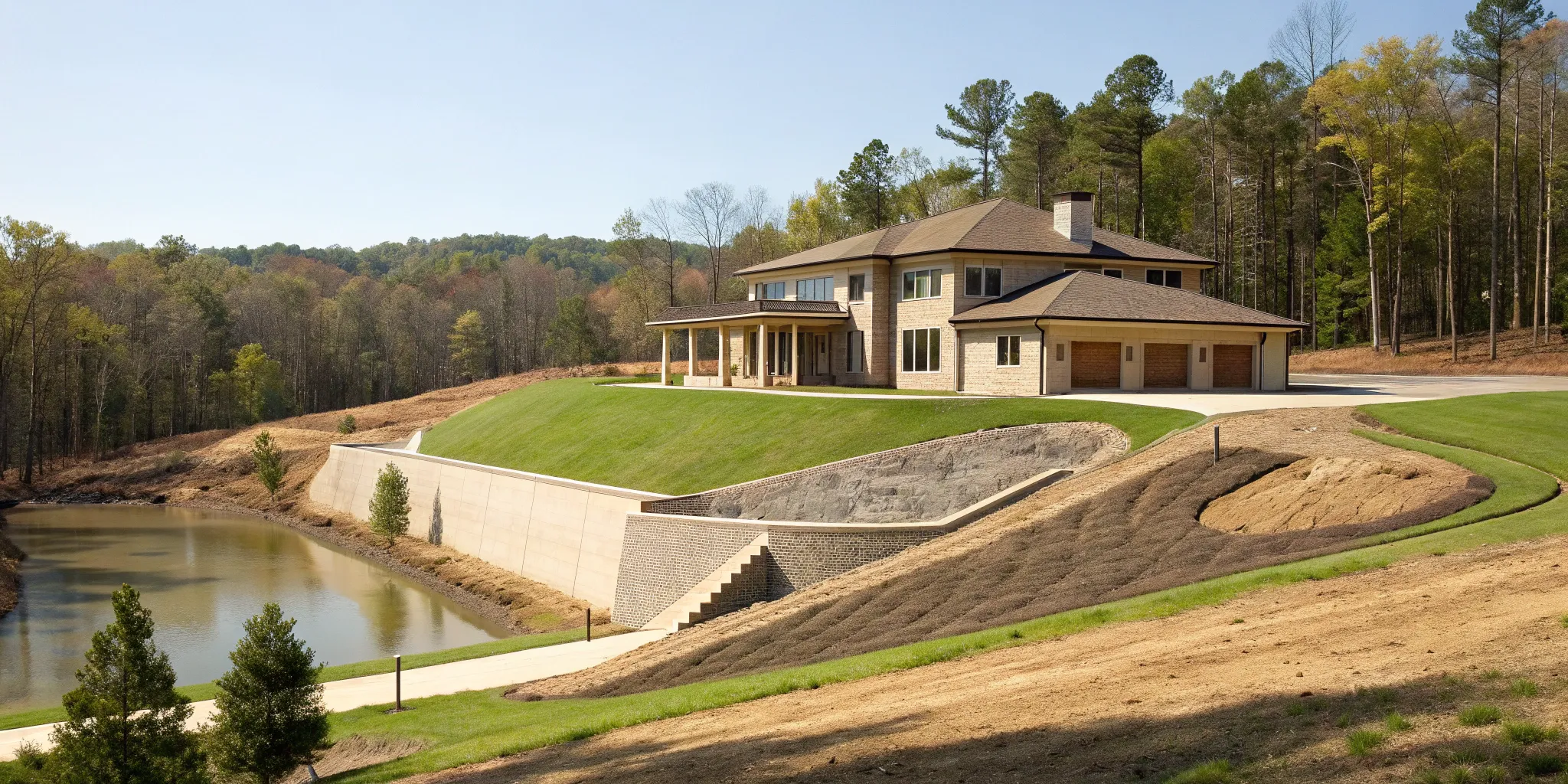
That musty smell in your basement isn’t just an annoyance; it’s a clear warning sign that water is getting in. Below-grade waterproofing is the definitive solution to protect your home’s foundation, but it naturally leads to the big question: what is the actual below-grade waterproofing cost? The price isn’t a simple, off-the-shelf number. It depends entirely on your home’s specific situation—from the type of foundation you have to the soil conditions outside your walls. This guide is designed to break down all the factors so you can understand the investment required to keep your home dry, safe, and structurally sound for years to come.
Key Takeaways
- Treat waterproofing as a property investment, not just a repair: A dry foundation protects your home’s structure and can significantly increase its market value, saving you from much larger repair bills down the line.
- Get an expert diagnosis before getting quotes: The true cause of water intrusion—whether it’s cracks, soil pressure, or poor drainage—determines the correct solution. A professional assessment ensures you’re fixing the actual problem, not just the symptoms.
- Choose the right method and contractor, not the lowest bid: The most effective solution is one tailored to your specific issue. Look for an experienced contractor who offers a comprehensive warranty, as this is your best guarantee of a long-lasting result.
What Is Below-Grade Waterproofing?
When you hear the term “below-grade,” it simply means any part of your home that is below ground level. Think basements, crawl spaces, and even the foundational walls that support your entire house. Below-grade waterproofing is the process of applying specific materials and methods to these areas to stop water from getting inside. It’s not just about slapping on a coat of waterproof paint; it’s a comprehensive system designed to protect your foundation from the constant pressure of moisture in the surrounding soil.
Water can be surprisingly persistent, finding its way through tiny cracks and porous concrete. A proper waterproofing solution acts as a complete barrier, managing water from the outside or redirecting it from the inside before it can cause damage. This is different from “damp proofing,” which is a coating meant to block soil moisture but isn’t effective against actual water leaks or pressure. A robust waterproofing system is your home’s first line of defense against water intrusion, protecting its structural integrity and creating a healthier living environment from the ground up.
Why It’s an Essential Investment
Treating waterproofing as an essential investment rather than an optional expense is one of the smartest decisions you can make for your property. Water damage is not just a minor inconvenience; it can lead to serious structural problems, from cracked foundations to bowing walls. The cost of foundation repair can be substantial, often far exceeding the initial cost of waterproofing. By stopping water at the source, you’re preventing these expensive issues from ever developing.
Beyond structural protection, a dry basement or crawl space adds valuable, usable square footage to your home and protects your belongings from mold and mildew. A properly waterproofed foundation also increases your property value, as it’s a major selling point for potential buyers. It’s an upfront investment that pays for itself over time by preventing costly damage and preserving the health and value of your home.
Telltale Signs You Need It
Your home often gives you clear signals when water is becoming a problem. One of the most obvious signs is, of course, standing water or active leaks after it rains. But moisture issues can be more subtle. Pay attention to dark, damp spots on your basement walls or floors, or a white, chalky substance called efflorescence, which indicates water has evaporated and left mineral deposits behind.
A persistent musty or earthy smell is another classic sign that moisture is present, even if you can’t see it. This odor is often a precursor to visible mold or mildew growth. You should also look for structural clues, like new cracks appearing in the walls or floor, or walls that seem to be bowing inward. If you notice any of these signs, it’s time to investigate your waterproofing options.
An Overview of Common Methods
Waterproofing isn’t a one-size-fits-all solution. The right approach depends on your home’s construction, the specific water problem, and your budget. Generally, methods fall into two categories: exterior and interior. Exterior waterproofing is the most comprehensive, involving excavating the soil around your foundation to apply a waterproof membrane directly to the outside walls.
Interior methods manage water after it has entered the foundation walls. This often involves installing an interior drainage system that collects water and channels it to a sump pump, which then pumps it away from your home. For smaller issues, a professional might recommend crack injection, a process that fills individual cracks with a flexible, waterproof sealant to stop leaks at their specific source.
Key Factors That Influence Cost
When you’re planning a below-grade waterproofing project, one of the first questions you’ll have is about the price. The truth is, there’s no simple, one-size-fits-all answer. The final cost depends on a unique combination of factors specific to your property. Think of it less like buying a product off the shelf and more like commissioning a custom solution tailored to your home’s specific needs. Understanding these variables will help you see what goes into a professional quote and why a thorough inspection is always the first step. From the type of foundation you have to the soil it sits on, each element plays a critical role in determining the scope of work and the overall investment required to keep your home dry and secure for years to come.
Your Foundation’s Type and Condition
The starting point for any waterproofing estimate is your foundation itself. Different materials and construction methods have unique vulnerabilities. For instance, a poured concrete foundation is generally less complex to seal than a cinder block or stone foundation, which has many mortar joints that can fail over time. The condition of your foundation is just as important. If there are existing issues like large cracks, bowing walls, or settling, these problems must be addressed before any waterproofing can begin. A proper foundation repair is essential for the long-term success of the waterproofing system, and this necessary first step will be a significant factor in the total project cost.
The Size and Accessibility of Your Property
It makes sense that the larger the area you need to waterproof, the more it will cost in both materials and labor. The total linear feet around your home’s perimeter and the depth of your foundation directly influence the amount of excavation and product required. But size isn’t the only thing that matters; accessibility is also a major consideration. If your foundation is hard to reach due to tight property lines, extensive landscaping, decks, or patios, the project will require more time and specialized equipment. This additional labor to work around obstacles will be reflected in the final price of your waterproofing project.
Local Soil and Climate Conditions
The environment around your home plays a huge role in waterproofing. Different soil types behave differently with water. For example, heavy clay soil expands when wet and shrinks when dry, putting constant pressure on your foundation walls. Sandy soil, on the other hand, allows water to drain through more easily but can still channel it toward your home. Your local climate is another key factor. If you live in an area with heavy rainfall, a high water table, or frequent freeze-thaw cycles, you’ll likely need a more robust waterproofing system to handle the constant hydrostatic pressure. A professional assessment will always consider these local conditions to recommend the most effective solution.
Labor Rates and Material Costs in Your Area
Just like with any other home improvement project, costs can vary significantly based on your geographic location. The local economy impacts everything from the price of high-quality materials to the rates for skilled, experienced labor. In some areas, you may also need to factor in the cost of permits required by your city or county to perform excavation work. While it can be tempting to compare quotes based on price alone, it’s important to remember that quality and expertise are paramount. Investing in a reputable contractor who uses proven methods and materials ensures the job is done right the first time, saving you from more expensive repairs down the road.
How Much Does Waterproofing Cost?
Talking about the cost of a major home project can feel overwhelming, but think of it as an investment in your property’s health and your peace of mind. The price for below-grade waterproofing isn’t one-size-fits-all; it depends entirely on your home’s specific needs. Factors like the size of your foundation, the method used, and the extent of any existing water damage all play a significant role in the final number.
While it might be tempting to look for the cheapest option, remember that effective waterproofing is about long-term protection. A job done right the first time saves you from facing much larger, more expensive repairs down the road. We’ll break down the costs so you can understand what goes into a quote and plan your budget with confidence. From average expenses to those sneaky hidden costs, here’s what you need to know.
Average Cost Per Square Foot
When you start researching, you’ll see a lot of national averages. Generally, homeowners can expect to pay somewhere between $2,250 and $7,063 for a professional waterproofing project. While these numbers give you a starting point, they don’t tell the whole story. The cost per square foot can be a bit misleading because it doesn’t account for the complexity of the job. For example, exterior waterproofing that requires deep excavation will naturally cost more than a simple interior sealant application. Think of the average cost as a general guideline, but know that a professional assessment is the only way to get a truly accurate figure for your specific property.
The Breakdown: Labor vs. Materials
Your final bill is a combination of two key things: the materials used and the skilled labor required to install them. Materials like high-quality waterproof membranes, drain tiles, and specialized sealants have their own costs, but a huge part of the investment is the team doing the work. Hiring an experienced contractor might cost around $200 per hour, and for good reason. Proper waterproofing requires precision, expertise, and specialized equipment to ensure it lasts. This isn’t a corner you want to cut—paying for professional labor means the job is done correctly, protecting your home from water damage for years to come.
How Location Affects Pricing
Where you live has a surprising impact on waterproofing costs. Labor rates can vary significantly from one city to another, and local building codes might require specific permits that add to the overall price. Your region’s climate and soil conditions are also major factors. For instance, homes in areas with a high water table or heavy clay soil often need more robust and intensive waterproofing solutions. A property in a designated flood zone will have different requirements than one on a dry, sandy hill. These regional differences are why a local expert’s assessment is so important for an accurate and effective plan.
Watch Out for Hidden Costs
An initial quote might not cover everything. As work begins, other issues can surface that need to be addressed. One of the most common surprises is mold. If a contractor discovers mold growth behind your walls, remediation is a necessary extra step that can cost anywhere from $500 to $3,500. Other potential costs include repairing the landscape after excavation or addressing foundational cracks before the waterproofing can even begin. Always ask your contractor for a detailed quote that clearly outlines what is and isn’t included to avoid unexpected expenses. A transparent contractor will be upfront about potential crack injection repairs or other issues.
Exploring Your Financing Options
Seeing the total cost of a waterproofing project can be a shock, but don’t let it stop you from protecting your home. Delaying repairs often leads to more severe water damage, which will only be more expensive to fix later. Many reputable foundation companies understand this and offer financing options to help homeowners manage the cost. These plans can break down a large expense into more manageable monthly payments. You can also look into a home equity line of credit (HELOC) or a home equity loan. Think of it as a direct investment in your property’s value and structural integrity.
A Cost Comparison of Waterproofing Methods
Choosing the right waterproofing method can feel overwhelming, but understanding the options is the first step toward a dry, secure foundation. Not all solutions are created equal, and the best one for your property depends entirely on the source of the water, your foundation type, and your budget. Some methods stop water before it ever touches your foundation walls, while others are designed to manage water once it has already found a way inside.
The price tags for these approaches vary widely. An exterior system that requires heavy excavation will naturally cost more than a simple interior coating. However, the most expensive option isn’t always necessary, and the cheapest one might not solve the root problem. The goal is to find the most effective, long-lasting solution for your specific situation. Let’s break down the most common waterproofing methods to see how their costs and benefits stack up, so you can make an informed decision for your home or commercial building.
Exterior Waterproofing Membranes
Think of an exterior membrane as a protective raincoat for your foundation. This method involves excavating the soil around your foundation walls and applying a waterproof sheet or liquid coating directly to the exterior surface. Because it stops water before it can penetrate the concrete, it’s one of the most effective and comprehensive solutions available. The main drawback is the cost. The extensive labor and equipment needed for excavation make this a significant investment. However, for persistent water intrusion issues, the peace of mind and long-term protection it offers are often worth the upfront expense, preventing more serious structural damage down the road.
Interior Drain Tile Systems
If exterior excavation isn’t feasible, an interior drain tile system offers a different approach. Instead of blocking water out, this system manages it from the inside. A trench is cut into the basement floor along the perimeter, and a perforated pipe (the drain tile) is installed and connected to a sump pump. Any water that seeps through the foundation walls is collected by the pipe and pumped safely away from your home. While effective for managing water, it doesn’t stop moisture from entering the walls. According to This Old House, costs can range from $60 to $120 per linear foot, and the system requires yearly maintenance to keep it running smoothly.
Cementitious and Crystalline Coatings
Cementitious and crystalline coatings are essentially thick, waterproof sealants that get applied directly to concrete surfaces. You can think of them as a heavy-duty, waterproof paint. These coatings can be applied to either interior or exterior walls and are generally one of the more affordable options. They work by filling the natural pores in the concrete to block moisture. While they are great for addressing minor dampness or efflorescence (the white, powdery residue on concrete), they are not a standalone solution for significant leaks or hydrostatic pressure. They are often used in conjunction with other crack injection and repair methods for more complete protection.
Bentonite Clay Waterproofing
Bentonite clay is a unique, natural material that offers an eco-friendly waterproofing solution. Used primarily in exterior applications, this clay is applied against the foundation in panels or as a loose fill. When it comes into contact with water, it swells to up to 15 times its original size, creating a dense, impermeable barrier that water can’t get through. It’s a cost-effective method that can last for the life of the structure, especially for new construction projects. However, its effectiveness depends heavily on specific soil conditions and proper installation, making a professional evaluation essential to determine if it’s the right choice for your property.
Which Method Offers the Best Value?
The best value isn’t always the lowest price. True value comes from a solution that permanently solves your water problem without needing costly reapplications or repairs. An inexpensive coating might seem like a good deal, but if it fails to address the hydrostatic pressure forcing water through your foundation, you’ll be back at square one. The most valuable method is the one correctly matched to your home’s specific needs. This requires a thorough professional assessment to diagnose the root cause of the water intrusion. Balancing the upfront cost with the long-term effectiveness is key to making a smart investment in your property’s foundation repair.
Should You DIY or Hire a Pro?
When you’re facing a damp basement, the temptation to roll up your sleeves and tackle the project yourself is understandable. The DIY route seems like a great way to save money, but below-grade waterproofing is a complex job where small mistakes can lead to massive problems. This isn’t like painting a room or fixing a leaky faucet; it’s about protecting the structural integrity of your home. Before you start digging, it’s crucial to weigh the potential savings against the significant risks and requirements of the job. Let’s break down what you need to consider.
Comparing DIY vs. Professional Costs
On the surface, DIY waterproofing looks like a bargain. You could save between $2 and $7 per square foot on labor by doing it yourself. However, that initial estimate doesn’t account for tool rentals, purchasing high-quality materials (which are often sold at a premium to individuals), and the value of your own time. A professional quote bundles everything together: labor, commercial-grade materials, specialized equipment, and, most importantly, expertise. Plus, a reputable company’s work is backed by a warranty, which is a form of financial protection that a DIY project simply can’t offer. A small mistake could force you to redo the entire project, erasing any initial savings.
The Risks of a DIY Project
The biggest risk in a DIY waterproofing project is misdiagnosing the problem. Is the water coming from cracks in the foundation, hydrostatic pressure from the soil, or poor grading? Each issue requires a different solution. Using the wrong method won’t just fail to fix the leak; it could make it worse. It’s incredibly difficult to assess the situation without professional experience. An incorrect approach can lead to wasted materials and, in the worst-case scenario, compromise your home’s foundation. This can turn a simple moisture issue into the need for major foundation repair, costing you far more in the long run.
Skills and Equipment Needed
Proper below-grade waterproofing is a physically and technically demanding job. It often involves excavating soil from around your foundation, which requires heavy machinery. You’ll also need a deep understanding of how to properly clean and prepare concrete surfaces, apply waterproofing membranes without any gaps, and install drainage systems that effectively channel water away from your home. Professionals come equipped with the right tools and a team that knows how to work safely and efficiently. Hiring a pro ensures the job is done correctly the first time, and their extensive warranties provide peace of mind that your investment is protected.
Handling Permits and Regulations
Depending on where you live and the scope of your project, you may need a building permit for below-grade waterproofing work. Navigating local building codes and the permit application process can be a headache. These permits can cost anywhere from $75 to $500 and require inspections to ensure the work is up to code. If you skip this step, you could face fines or run into trouble when you eventually sell your home. A professional contractor handles all the permitting for you, ensuring your project is fully compliant with local regulations from start to finish.
How It Affects Your Homeowner’s Insurance
A damp or leaky basement is a red flag for insurance companies. Many policies won’t cover damage resulting from a known issue that was ignored or improperly fixed. On the other hand, a professionally waterproofed basement can be a major asset. Not only does it protect your home, but it can also increase your property value—sometimes by as much as 30%. A dry, usable basement with a transferable warranty is a huge selling point for potential buyers. It also demonstrates to your insurer that you’re proactively protecting your property, which can sometimes lead to more favorable premiums.
The Long-Term ROI of Waterproofing
Thinking about below-grade waterproofing purely as an expense is missing the bigger picture. It’s one of the smartest investments you can make in your property. A dry, secure foundation is the bedrock of a healthy, valuable home, and the upfront cost of professional
From increasing your property’s market price to lowering your monthly utility bills, the benefits are widespread. Professional waterproofing is a proactive measure that stops problems before they start, saving you from the stress and staggering costs of emergency repairs down the road. When you consider the financial protection, health benefits, and peace of mind it provides, it becomes clear that waterproofing isn’t just a repair—it’s a long-term strategy for maintaining and enhancing your most significant asset.
Increase Your Property Value
A damp, musty basement can be a major red flag for potential buyers, often leading to lowball offers or deals falling through entirely. Conversely, a professionally waterproofed foundation is a powerful selling point. It tells buyers the home has been well-maintained and is structurally sound. This assurance can significantly increase your property’s appeal and market value. In fact, some studies suggest that effective basement waterproofing can increase a home’s value by as much as 30%. It transforms a potential liability into a usable, valuable space—whether it’s for storage, a finished living area, or a home gym.
Lower Your Insurance Premiums
Water damage is one of the most common and costly claims filed by homeowners. Insurance companies are well aware of this risk, and a history of water-related claims can cause your premiums to climb. By installing a professional waterproofing system, you are actively reducing the likelihood of future water damage. This proactive step makes your home a lower risk to insure. It’s always a good idea to inform your insurance agent after completing a waterproofing project; you may be eligible for a reduction in your annual premium, adding another layer of financial return to your investment.
The Importance of a Strong Warranty
When you invest in a significant home improvement project like waterproofing, you deserve confidence that the work will last. This is where a strong warranty becomes essential. Reputable contractors stand behind their work, and a comprehensive warranty is proof of their commitment to quality. At Bristol FX, we provide up to a 20-year warranty on our below-grade waterproofing services. This protects you against defects in materials and workmanship, ensuring that your investment is secure for decades. Hiring a professional who offers a solid warranty means you’re not just paying for a service; you’re paying for long-term peace of mind.
Prevent Expensive Future Repairs
Ignoring minor water seepage is a recipe for major financial trouble. What starts as a small leak can quickly escalate, leading to devastating and expensive consequences. Persistent moisture can weaken concrete, cause foundation cracks, promote wood rot in your home’s framing, and create a breeding ground for toxic mold. The cost of addressing these issues can be astronomical, often involving extensive foundation repair or mold remediation. Waterproofing is a preventative measure that cuts these problems off at the source, saving you from future headaches and protecting your home’s structural integrity for years to come.
Improve Your Home’s Energy Efficiency
A damp basement doesn’t just feel uncomfortable—it also makes your home more expensive to heat and cool. Humid air requires more energy to change its temperature, forcing your HVAC system to work overtime to maintain a comfortable environment. This extra effort is reflected in higher utility bills month after month. By creating a dry, sealed space, waterproofing reduces the overall humidity in your home. Your HVAC system can then operate more efficiently, leading to noticeable energy savings. Plus, by preventing mold and mildew growth, you also create healthier indoor air quality for your family.
How to Plan Your Waterproofing Project
A waterproofing project can feel like a huge undertaking, but breaking it down into clear, manageable steps makes all the difference. A solid plan helps you set a realistic budget, hire the right team, and understand exactly what to expect from start to finish. By thinking through the process ahead of time, you can ensure your project runs smoothly and gives you the peace of mind you’re looking for. Let’s walk through the five key stages of planning your project.
Start with a Professional Assessment
Before you can get a realistic quote, you need a professional to diagnose the problem. It’s nearly impossible to estimate the cost of waterproofing without a thorough evaluation, because every home is different. An expert will examine your foundation’s condition, the surrounding soil type, property drainage, and the specific nature of your water issues. This initial assessment is the most critical step, as it forms the foundation for an effective, long-lasting solution. A detailed diagnosis ensures that the proposed fix actually addresses the root cause of the water intrusion, not just the symptoms. This prevents you from paying for a band-aid solution that won’t hold up over time.
How to Get and Compare Quotes
Once you have a professional assessment, it’s time to gather quotes. A good rule of thumb is to get estimates from at least three different qualified contractors. This allows you to compare not just the final price, but also the proposed methods, materials, and project scope. When you review the quotes, look beyond the bottom line. Does one contractor recommend a more comprehensive foundation repair than another? Do they specify the types of materials they’ll use? A detailed, transparent quote is a sign of a professional who is confident in their work and clear about what you’re paying for. Don’t be afraid to ask questions if something isn’t clear.
Understanding Payment and Financing
Waterproofing is a significant investment in your property, so it’s important to understand the financial side. Ask each contractor about their payment schedules and if they offer any financing options. It’s also worth noting that if you receive a quote but wait several months to move forward, the price will likely increase. Material and labor costs tend to rise over time, so delaying the work can end up costing you more. Factoring this into your budget and timeline can help you make a timely decision without feeling rushed. Being prepared financially will make the entire process much less stressful.
What to Expect for a Project Timeline
The timeline for a waterproofing project can vary widely depending on the scope of the work. An interior drain tile system might take a few days, while extensive exterior excavation could take a week or more, especially if the weather doesn’t cooperate. Ask potential contractors for an estimated timeline and what factors might cause delays. Keep in mind that putting off necessary repairs often leads to more significant damage and higher costs down the road. Once you have a plan and a contractor you trust, it’s usually best to act promptly to protect your home from further water-related issues.
Choosing the Right Contractor
Selecting the right contractor is the most important decision you’ll make. Look for a reputable company with a proven track record, proper licensing, and comprehensive insurance. Ask about their warranties—a strong warranty shows that a company stands behind its work. For example, Bristol FX offers extensive warranties on waterproofing and even lifetime warranties on other installations. Don’t hesitate to ask for references or look at their past projects. Choosing an experienced, professional team ensures the job is done right the first time, protecting your investment for years to come and giving you confidence in the solution.
Protecting Your Investment: Maintenance and Upkeep
Once your below-grade waterproofing system is in place, the work isn’t completely over. Think of it like any other major home system—a little regular attention goes a long way in preventing big, expensive problems down the road. Proper maintenance ensures your system performs as it should for years to come, protecting your property’s structure and value. By taking a few proactive steps, you can extend the life of your waterproofing solution and maintain a dry, healthy foundation. This approach saves you money and gives you peace of mind, knowing your investment is secure. Here’s how you can stay on top of it.
Simple Maintenance You Can Do
You don’t have to be a foundation expert to help protect your home. Some of the most effective maintenance tasks are surprisingly simple. Your main goal is to manage water around your property. Start by making sure your gutters and downspouts are clean and clear to direct water away from your foundation. Ensure downspouts extend at least six feet from the house. You should also check that the soil around your foundation slopes downward, preventing water from pooling against the walls. Periodically walk around your property to look for any new cracks or signs of shifting. Catching these issues early can make a huge difference in the effectiveness of your waterproofing system.
Potential Future Repair Costs
Skipping maintenance might seem like a way to save money in the short term, but it often leads to much higher costs later. A small leak or crack can quickly escalate, allowing water to seep into your basement or crawl space. If you end up with significant water damage, you could face a bill for repairs that runs anywhere from $1,400 to over $6,000. That doesn’t even include the cost of mold removal, which can add another $500 to $3,500 to the total. These expenses are entirely separate from fixing the original foundation issue. Proactive care and timely crack injection for minor issues are far more affordable than dealing with the consequences of water intrusion.
Strategies to Extend System Life
To get the most out of your waterproofing system, a little planning is key. Beyond your own regular checks, it’s a good idea to have a professional inspect your foundation and waterproofing system periodically. Many experts suggest budgeting around $200 to $400 annually for routine maintenance and inspections. It’s also smart to have about $1,000 set aside for any unexpected repairs that might pop up. This proactive approach helps you catch small problems before they become major structural concerns. A professional can spot subtle signs of trouble you might miss, ensuring your system remains effective and your home stays protected for the long haul.
How Long Does Waterproofing Last?
A professionally installed below-grade waterproofing system is a durable, long-term solution. When done correctly and properly maintained, a quality waterproofing job should last for at least 10 years, and often much longer. The lifespan depends heavily on the method used, the quality of the materials, and the skill of the installation team. This is why choosing an experienced contractor who offers a strong warranty is so important. For example, Bristol FX provides warranties of up to 20 years on our below-grade waterproofing services, reflecting our confidence in the durability of our work. Regular upkeep helps ensure your system reaches and even exceeds its expected lifespan.
Budgeting for Long-Term Care
Viewing waterproofing as a one-time expense is a mistake; it’s an ongoing investment in your property’s health. The great news is that the cost is minimal compared to the protection it provides. In fact, waterproofing typically amounts to less than 1% of a property’s total construction cost, yet it saves you from repairs that could easily exceed that amount. By budgeting a small sum each year for maintenance, you’re protecting your larger investment. This foresight not only prevents costly damage but also supports your property value. Whether you’re building from the ground up or retrofitting an existing structure, planning for long-term care is a crucial part of any new construction or renovation project.
Related Articles
- Waterproofing Services – Professional Foundation Repair
- Foundation Waterproofing Solutions | Bristol FX
- Waterproofing – Professional Foundation Repair
Frequently Asked Questions
What’s the real difference between waterproofing and damp proofing? Think of it this way: damp proofing is like a light spray-on coating meant to block moisture in the soil from making your concrete feel damp. It’s a basic treatment. Waterproofing, on the other hand, is a complete, robust system designed to stop actual water, even under pressure, from leaking into your home. It’s an impermeable barrier that can handle heavy rains and high water tables, which is something damp proofing simply isn’t built to do.
My basement only has a musty smell, no actual leaks. Is waterproofing still necessary? That musty smell is your home’s early warning system. It’s a clear sign that moisture is present, even if you can’t see puddles on the floor. This constant dampness creates the perfect environment for mold and mildew to grow, which can affect your home’s air quality and your family’s health. Addressing it now with a proper waterproofing solution is a proactive way to prevent those issues and stop the slow, silent damage moisture can do to your foundation over time.
How long will a waterproofing project take from start to finish? The timeline really depends on the method we use. An interior drainage system can often be installed in just a few days. However, a more comprehensive exterior waterproofing project that requires excavating around your foundation will naturally take longer, usually about a week, and can be affected by weather. A professional contractor will always give you a clear and realistic timeline for your specific project before any work begins.
Does the waterproofing process also fix existing foundation cracks? This is a great question because it gets to the heart of a proper repair. Waterproofing creates a barrier against water, but it doesn’t magically fix the structural problems that let water in. Any significant cracks or foundation issues must be repaired first to create a stable surface. A thorough contractor will address these foundational repairs, often through methods like crack injection, as part of the overall project to ensure the waterproofing system has a solid base to adhere to and can do its job effectively for years to come.
Is the waterproofing process going to be messy and disruptive? We do everything we can to minimize the disruption to your home and daily life. That said, it is a construction project. Exterior methods involve excavation, which will disturb your landscaping, though a good team will be careful and clean up thoroughly afterward. Interior systems can create some dust, but professional crews will use measures to contain it. The temporary inconvenience is a small trade-off for the long-term peace of mind that comes with a dry, secure foundation.