
Exterior Waterproofing Membrane: A Simple Guide
When you notice a damp spot in your basement, the problem isn’t the water you see—it’s the water you don’t. Moisture from the surrounding soil constantly pushes against your foundation, seeking any tiny crack or pore to seep through. While interior sealants and drains can help manage the symptoms, they don’t address the root cause. The most effective way to ensure a dry, stable home is to stop water before it ever touches your concrete. This is the job of an exterior waterproofing membrane. Think of it as a permanent, heavy-duty raincoat for your foundation, creating an impenetrable barrier that protects your home’s structural integrity from the outside in.
CONTACT US TODAY
Stop Water Before It Starts:
An exterior membrane is your foundation’s first line of defense, blocking moisture at the source. This preventative strategy is the most effective way to protect your home’s structural integrity and avoid the damp conditions that lead to mold and costly repairs.
Success Depends on Product and Professionalism: The best waterproofing system combines the right material for your specific environment with a flawless installation. From surface preparation to sealing critical joints, a professional must complete every step correctly to ensure a durable, seamless barrier that lasts.
Protect Your Investment with Simple Maintenance: Proactive care extends the life of your waterproofing system. Regularly inspect your foundation, keep gutters clean, and ensure the ground slopes away from your home to reduce water pressure and help your membrane perform effectively for decades.
What Is an Exterior Waterproofing Membrane?
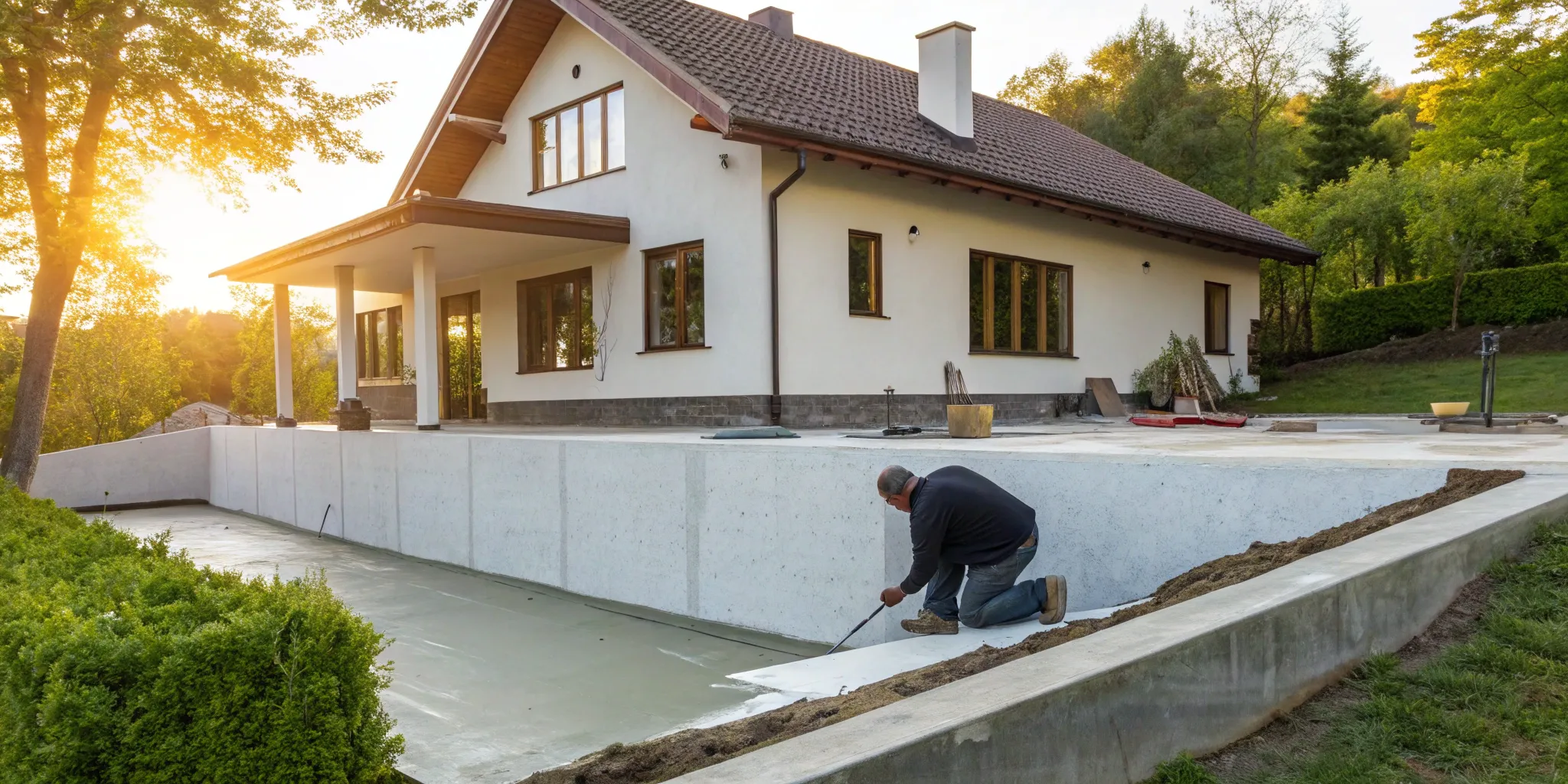
Think of an exterior waterproofing membrane as a protective raincoat for your home’s foundation. Professionals apply this durable, water-impenetrable layer to the outside of your foundation walls, below ground level. Its one job is to block water and soil moisture from ever touching the concrete, preventing leaks before they can even start. This approach differs from interior methods, which only manage water after it has already entered your basement or crawl space. By creating a barrier at the source, an exterior membrane stops water infiltration completely.
This protective layer is essential for maintaining the structural integrity of your property. Constant exposure to moisture can cause concrete to crack, weaken, and deteriorate over time, leading to serious and expensive foundation problems. A professionally installed exterior membrane is your first and best line of defense against water damage, protecting your investment from the ground up. Effective waterproofing is about more than just a dry basement; it’s about ensuring the long-term stability and health of your entire home.
Breaking Down the Types and Components
Waterproofing membranes come in a few different forms, but they generally fall into two main categories: sheet-based and liquid-applied. Sheet-based membranes, often called “peel and stick,” are a popular choice. Manufacturers produce them in rolls, and installers apply them to the foundation like a thick, heavy-duty sticker, creating a consistent barrier. These sheets often use durable materials like high-density polyethylene (HDPE) or PVC. Liquid-applied membranes, on the other hand, go on as a liquid via spray or roller and cure to form a seamless, rubber-like layer. With proper installation, a high-quality exterior system can last a lifetime, with some materials like PVC lasting up to 30 years.
How Do Waterproofing Membranes Work?
An exterior waterproofing membrane works by creating a continuous, impermeable barrier between your foundation and the surrounding soil. When groundwater levels rise or rain soaks the earth, the moisture meets this barrier and cannot seep through the pores and cracks in the concrete. Instead of penetrating your foundation, the system diverts the water safely away, typically into a drainage system at the base of the foundation. This method addresses the root cause of moisture problems by stopping water at the source. The success of the system depends on the quality of the membrane, the expertise of the installation, and proper foundation repair preparation before application.
The Core Benefits of a Quality Membrane
Investing in a quality exterior membrane offers powerful, long-term benefits for your property. First and foremost, it protects your home’s structural integrity by preventing water from weakening the foundation. This helps you avoid costly repairs down the road. Second, it creates a healthier living environment. By keeping your basement and crawl space dry, you prevent the growth of mold and mildew, which can cause respiratory issues and other health problems. A dry foundation also protects your property value, as water damage is a major red flag for potential buyers. A well-installed membrane can last for decades, making it a smart, one-time investment in the health and safety of your home.
How to Choose the Right Waterproofing Membrane
Selecting the right waterproofing membrane isn’t a one-size-fits-all decision. The best choice for your property depends on a mix of factors, including your local climate, the specific part of the building that needs protection, and the materials you choose. A high-quality membrane is the first line of defense against water intrusion, so it’s worth taking the time to understand your options. Getting this choice right from the start protects your investment and prevents costly repairs down the road. Think of it as tailoring a solution specifically for your property’s needs to ensure it stays dry and stable for decades.
Consider the Material
The performance and lifespan of your waterproofing system hinge directly on the quality of the membrane material. Different materials offer varying levels of durability, flexibility, and resistance to environmental stressors. The most common types are liquid-applied membranes, which professionals paint or spray on to create a seamless barrier, and sheet-based membranes, which installers roll out and adhere to the surface. The quality of the membrane, the skill of the installation, and proper maintenance all influence the longevity of any waterproofing system. Investing in a superior material from the outset is one of the smartest decisions you can make for your property’s long-term health.
Factor in Your Environment
Your local environment plays a huge role in determining the right waterproofing solution. A building in an area with heavy rainfall and high groundwater levels will face different challenges than one in a drier climate. You also need to consider the specific conditions of your property, such as the soil type, drainage, and whether your foundation sits on a slope. These environmental factors create hydrostatic pressure, which is the force of water pushing against your foundation. For properties on uneven terrain, managing water runoff is especially critical, often requiring a comprehensive approach that may include hillside stabilization techniques alongside waterproofing to ensure complete protection.
Check for Vapor Permeability
A great waterproofing membrane does more than just block liquid water; it also needs to breathe. This is where vapor permeability comes in. An effective membrane should prevent water from seeping into your foundation while allowing moisture vapor from within the concrete to escape. If vapor gets trapped, it can lead to moisture buildup inside the walls, creating problems like mold, mildew, and gradual degradation of the structure. Ensuring your membrane has the right permeability is a technical but crucial step. It helps maintain a healthy equilibrium, protecting your foundation from both external water and internal moisture damage that could lead to more extensive foundation repair.
Compare Costs and Warranties
While budget is always a consideration, the upfront cost of a waterproofing membrane is only part of the story. The cheapest option is rarely the best value in the long run. A premium system might cost more initially but can last for decades, saving you from the expense and headache of future water damage. When comparing options, always look at the warranty. A strong, long-term warranty reflects the manufacturer’s and installer’s confidence in the product’s durability. At Bristol FX, we stand behind our work with extensive warranties, including up to 20 years for our below-grade waterproofing systems, giving you peace of mind that your investment stays protected.
Where Do Professionals Use Waterproofing Membranes?
Waterproofing membranes are incredibly versatile, serving as a critical line of defense in many parts of a building’s structure. You’ll find them anywhere that moisture poses a threat to structural integrity, from deep below ground to the very top of a roof. Their primary job is to create an impermeable barrier that stops water from getting in, protecting your investment and preventing costly damage down the road. Understanding where professionals apply these membranes can help you identify potential weak spots in your own property and see why a professional system is so essential for long-term protection.
Protecting Foundations and Basements
One of the most common and critical applications for waterproofing membranes is on foundation walls and basements. Since these areas sit below ground, they face constant exposure to moisture from the surrounding soil. Applying a membrane to the exterior of your foundation provides a seamless barrier that stops water before it can even touch the concrete. This approach is far more effective than interior solutions because it tackles the problem at its source. A proper waterproofing system prevents water infiltration, which helps avoid issues like foundation cracks, mold growth, and a damp, unusable basement space. It’s the best way to keep your home’s base strong and dry.
Securing Roofing Systems
While we often think of waterproofing for below-grade areas, it’s just as important for roofing, especially on commercial buildings with flat or low-slope designs. These roofs don’t shed water as quickly as pitched roofs, making them vulnerable to pooling water and leaks. Waterproofing membranes, such as modified bitumen or liquid-applied systems, create a durable, continuous layer of protection across the entire surface. This is especially useful for roofs with complex features like vents, skylights, and HVAC units, as installers can seal the membrane perfectly around every penetration, leaving no gaps for water to find its way in.
Specialty Uses for Maximum Protection
Beyond foundations and roofs, contractors use waterproofing membranes in a variety of other settings where moisture control is key. Think about balconies, patios, and plazas built over occupied spaces—a membrane beneath the walking surface keeps the area below dry. Professionals also use them to line tunnels, water containment tanks, and even large planters to prevent water from escaping or seeping into unwanted areas. When a team installs these systems correctly during new construction, they offer incredible longevity. High-quality exterior waterproofing can last for the life of the building, ensuring decades of reliable protection for these specialized structures.
Waterproofing High-Risk Areas
Some properties face greater water-related challenges due to their location or soil conditions. For homes built on hillsides or in areas with expansive clay soil, managing water flow is a top priority. In these cases, a waterproofing membrane is often part of a larger strategy. It works alongside systems like exterior drain tiles and French drains to redirect water away from the structure. For properties requiring hillside stabilization, a robust waterproofing system is non-negotiable. It helps maintain stable soil conditions around the foundation, preventing the hydrostatic pressure that can lead to serious structural damage over time.
The Keys to a Professional Installation
Even the best waterproofing membrane will fail if the installer doesn’t apply it correctly. The application process is where skill and experience truly make a difference, turning a high-quality product into a long-lasting protective system. A professional installation isn’t just about following the instructions on the bucket; it’s a multi-step process that accounts for your property’s specific needs, the environment, and the material’s unique characteristics. From meticulous surface prep to final quality checks, every step is critical for creating a seamless, durable barrier against moisture. This attention to detail is what defines a reliable waterproofing solution.
Preparing the Surface Correctly
Think of applying a membrane like painting a wall—you wouldn’t just paint over dirt and cracks. Proper surface preparation is the foundation of a successful waterproofing job. The surface must be clean, dry, and structurally sound for the membrane to adhere correctly. This means removing all dust, debris, and old coatings. The team needs to repair any existing damage, like cracks or holes, before moving forward. For new concrete, a professional will often apply a primer to ensure a strong bond. Skipping this step is a recipe for bubbles, peeling, and eventual failure, which is why we always start with a thorough assessment and preparation.
Working with Weather and Temperature
Waterproofing materials are sensitive to their environment during application. Temperature, humidity, and even direct sunlight can affect how well a membrane cures and adheres. Most products have a specific temperature range for installation—too cold, and the membrane won’t cure properly; too hot, and it might set too quickly. A professional team understands these limitations and will schedule the work accordingly. They know how to manage the site to protect it from unexpected rain or extreme heat, ensuring the membrane forms the solid, impermeable layer it was meant to be. This is a key part of any comprehensive exterior waterproofing project.
Mastering Application Techniques
There is no one-size-fits-all method for applying a waterproofing membrane. Different types—like self-adhering sheets, liquid-applied coatings, or spray systems—require specific tools and techniques. For example, installers must overlap sheet membranes perfectly to prevent water from seeping through the seams. They need to spread liquid-applied products to a consistent thickness to avoid weak spots. An experienced installer has mastered these techniques, ensuring the material creates a seamless, monolithic layer that fully protects your structure. This expertise is especially critical for complex jobs or when starting with new construction.
Sealing Critical Joints and Areas
A waterproofing system is only as strong as its weakest point. The most vulnerable areas are always the joints, corners, and spots where pipes or vents penetrate the wall. These are the places where movement occurs and where water is most likely to find a path. Professionals pay extra attention to these critical areas, using reinforcement fabrics, specialized sealants, and flashing to create a completely watertight seal. They also often install an exterior drain tile to direct water away from the foundation, reducing pressure on the membrane and ensuring these high-risk areas stay dry.
Ensuring Quality Control
A professional installation doesn’t end when the team applies the last coat. Quality control is an ongoing process. Throughout the project, a skilled team inspects the work to ensure proper adhesion, uniform thickness, and complete coverage. After the application is complete, a final inspection confirms that every detail is perfect and that the system is ready to perform. This commitment to quality is what separates a quick fix from a long-term solution. By conducting regular inspections and sticking to high standards, a professional ensures your investment stays protected for years to come.
Common Installation Mistakes to Avoid
Even the highest-quality waterproofing membrane can fail if the installer doesn’t apply it correctly. The application process is just as important as the material itself. Unfortunately, shortcuts and simple oversights are common, leading to leaks, water damage, and costly future repairs. Knowing what these common mistakes are can help you spot them and ensure your contractor does the job right. From preparing the surface to choosing the right materials for your specific environment, every step matters for creating a durable, watertight seal that protects your property for years to come.
Improper Surface Prep
Think of it like painting a wall—if you don’t clean and prime it first, the paint will peel. The same principle applies to waterproofing membranes. The foundation wall must be perfectly clean, dry, and smooth for the membrane to adhere properly. Any dirt, dust, old coatings, or moisture left on the surface will create a weak bond, leading to bubbles and eventual failure. For new concrete, a professional will often apply a special primer and allow it to cure before installing the membrane. Skipping this crucial step is one of the fastest ways to undermine the entire system, no matter how good the materials are.
Incorrect Application
Applying the membrane isn’t as simple as just rolling it on. Professionals know that a successful application requires precision and attention to detail. The installer must apply the membrane at a consistent thickness, without any gaps, holes, or thin spots that could become weak points. A comprehensive exterior waterproofing job often involves excavating the entire foundation to ensure complete coverage. This allows for the seamless application of the membrane and the installation of proper drainage systems to channel water away. Rushing the job or failing to achieve full coverage leaves your foundation vulnerable, essentially defeating the purpose of the foundation repair in the first place.
Ignoring Environmental Factors
Your property isn’t in a vacuum, and environmental factors play a huge role in how your waterproofing system performs. A common mistake is failing to account for the specific conditions of your site. For example, the type of soil around your foundation is critical. Heavy clay soils hold water and exert significant pressure on foundation walls, while sandy soils drain more easily. A professional assessment will consider your soil type, the local water table, and the slope of your land. This information dictates not only the type of membrane the team uses but also the need for additional solutions like hillside stabilization to manage water flow and soil pressure effectively.
Choosing the Wrong Material
There is no one-size-fits-all waterproofing membrane. Using the wrong product for the job is a frequent and costly error. The right choice depends on your climate, soil conditions, and the specific needs of your structure. A material that performs well in a dry, stable climate might break down quickly in an area with heavy rain and dramatic temperature swings. High-quality materials are essential, but they must also be the correct high-quality materials. This is especially critical for new construction, where making the right choice from the start can prevent a lifetime of moisture problems. Always ensure the membrane you select is compatible with your foundation and built to withstand your local environment.
How the Environment Affects Your Membrane
The world outside your walls has a major impact on how well your waterproofing membrane performs and how long it lasts. From scorching sun to heavy downpours, environmental factors put constant stress on the materials protecting your home. Understanding these effects helps you see why choosing the right system—and the right installer—is so important for long-term protection. Let’s look at the key environmental players that can affect your membrane’s integrity.
Your Local Climate
Your region’s climate is a primary factor in the longevity of your exterior waterproofing. If you live in an area with heavy rainfall, your membrane faces constant hydrostatic pressure, testing its ability to block moisture day in and day out. In contrast, arid climates might cause the soil to shrink and pull away from your foundation, potentially exposing the membrane or creating new pathways for water to enter when it does rain. A professional waterproofing system handles the specific challenges of your local weather patterns, ensuring it holds up against whatever your climate throws at it.
Temperature Extremes
Extreme temperature swings can be tough on waterproofing materials. Think about how materials expand in the heat and contract in the cold. Over time, this constant cycle of expansion and contraction can cause membranes to become brittle, lose their flexibility, and even develop small cracks. This is especially true in regions with freezing winters and hot summers. Manufacturers formulate high-quality materials to withstand these fluctuations, but even the best products can suffer if the installer doesn’t apply them correctly. This gradual wear and tear is a key reason why regular inspections are so valuable for catching potential foundation repair issues early.
Ambient Moisture and Humidity
It’s not just direct rainfall you have to worry about. High levels of ambient moisture and humidity in the environment create a persistently damp setting around your foundation. This constant moisture can accelerate the deterioration of certain membrane materials and create a perfect breeding ground for mold and mildew. Over time, this can compromise the membrane’s integrity and the air quality inside your home. This is a significant concern for below-grade areas, making effective crawl-space repairs and basement waterproofing essential for managing long-term humidity.
Sun and UV Exposure
For any part of a waterproofing membrane that sits exposed to the sun, ultraviolet (UV) radiation is a formidable opponent. Just as UV rays can damage your skin, they can also break down the chemical composition of waterproofing materials over time. This process, known as photo-degradation, can make the membrane brittle, chalky, and less effective at repelling water. That’s why many premium membrane systems include built-in UV protection. When planning a new construction project, selecting a UV-stable membrane for exposed areas is a critical step in ensuring the system’s durability.
Maintain Your System for Lasting Protection
Think of your exterior waterproofing membrane as a shield for your home. A professional installation is the most critical step, but just like any other major home system, it needs a little attention to perform its best for years to come. Consistent maintenance is the key to maximizing your investment and ensuring your foundation stays dry and secure. By setting up a simple routine, you can catch potential issues early, prevent costly damage, and extend the life of your waterproofing system. It all comes down to a few core practices: regular inspections, proactive care, and knowing what to do when you spot trouble.
Properly caring for your membrane ensures the long-term health of your entire foundation. When you combine a quality installation with smart maintenance, you get lasting peace of mind. The goal is to keep the system in top shape so it can continue to protect your property from water intrusion, which is fundamental to preventing more serious issues like structural damage or mold growth. Let’s walk through the simple, actionable steps you can take to maintain your waterproofing system effectively.
Set Up a Regular Inspection Schedule
The best way to prevent a major problem is to catch it when it’s small. That’s why a regular inspection schedule is so important. Plan to walk around your property at least once or twice a year—spring and fall are great times—and after any major weather events like heavy rain or rapid snow melt. Look closely at your foundation walls for any visible cracks, peeling, or bubbling in the membrane’s coating. Inside, check your basement or crawl space for damp spots, musty smells, or efflorescence (a white, chalky powder on the walls), which can signal that moisture is getting through. Taking a few minutes for a visual check-up can save you from significant foundation repair down the road.
Practice Proactive and Preventive Care
Waterproofing isn’t just about the membrane; it’s also about managing the water around your home. The most effective preventive care involves keeping water away from your foundation in the first place. Start by cleaning your gutters and downspouts regularly to prevent overflows that can saturate the ground near your foundation. Ensure downspouts extend at least five feet away from the house. You should also check that the soil around your foundation, known as grading, slopes away from the walls. This simple step directs surface water away naturally. These habits reduce the amount of work your membrane has to do and are crucial for preventing issues that could lead to crawl-space repairs.
Know How to Assess Damage
During your inspections, you might find something that doesn’t look right. The key is to know the difference between a minor issue and a red flag. Small hairline cracks in the visible topcoat might just need sealing, but larger cracks, water actively seeping into your basement, or signs of mold growth are urgent issues that require a professional opinion. If you see water damage, leaks, or debris buildup against the foundation, you need to address these problems immediately. A professional can determine the source of the leak and perform a targeted crack injection or other repairs to restore the integrity of your waterproofing shield before the damage worsens.
Simple Practices to Extend Its Lifespan
Manufacturers design high-quality exterior waterproofing systems for durability, and they can last for decades. However, a few simple practices will help yours reach its maximum lifespan. Besides managing drainage, be mindful of the area directly around your foundation. Avoid planting trees or large shrubs too close, as their roots can damage the membrane over time. When doing any landscaping or digging near your home, be careful not to puncture or scrape the membrane with tools. Protecting the system from physical damage is just as important as protecting it from water. These small efforts support the initial investment you made and ensure your home stays protected for the long haul, just like a solid new construction foundation sets the stage for a stable home.
Understanding Industry Standards and Codes
When it comes to waterproofing, doing the job right means following the rules. Industry standards and building codes aren’t just red tape; they’re a framework designed to protect your property and ensure your system performs for years to come. A professional installation always adheres to these guidelines, from the materials used to the techniques applied. Understanding these standards helps you know what to look for in a qualified contractor and gives you peace of mind that your investment stays protected.
Local Building Codes
Every construction project, including waterproofing, must follow a set of rules. These local building codes can vary by location but share the goal of ensuring safety and structural integrity. For waterproofing, codes often specify installation methods, such as requiring installers to lap and seal all membrane joints with a compatible adhesive. This prevents gaps where water could seep through. Following these codes isn’t optional—it’s a critical step for a compliant and effective solution that protects your foundation.
Material Testing Requirements
The quality of the membrane itself is non-negotiable. To ensure they can withstand constant contact with soil and water, materials undergo rigorous testing. Standards exist to verify a membrane’s durability, water resistance, and ability to handle environmental stressors. That’s why professionals use high-quality waterproofing membranes, like those made from rubberized asphalt, which have a proven track record of protecting below-grade spaces from bulk water infiltration. Choosing a product that meets these testing requirements means you’re getting a material that engineers designed for long-term performance, not a temporary fix.
Why Professional Certifications Matter
How do you know if your contractor stays up to date on the latest codes and materials? Look for professional certifications. These credentials show that a team has the training and knowledge to handle the job correctly. Certified installers understand how to follow key industry standards, which often require using approved materials and specific application methods to guarantee an effective solution. Working with a certified professional means you’re partnering with an expert committed to quality, safety, and getting the job done right the first time.
Following Safety Guidelines
Safety during installation is about more than just protecting the crew—it’s about protecting your property for the long haul. Professional contractors follow strict safety guidelines that builders often write right into the building codes. For instance, the requirement to properly lap and seal all membrane joints is a crucial safety measure. It prevents small installation errors from turning into major leaks that could compromise your foundation’s integrity over time. A contractor who prioritizes safety pays attention to the details, ensuring every step contributes to a secure system.
Related Articles
Waterproofing Services | Foundation & Basement Experts | Bristol FX
Foundation Waterproofing Solutions | Bristol FX
CONTACT US TODAY
Frequently Asked Questions
What’s the difference between waterproofing and damp-proofing?
This is a great question because the two terms are often used interchangeably, but they describe very different levels of protection. Damp-proofing is a basic coating, usually asphalt-based, that contractors spray or paint onto a foundation to block moisture in the soil. It’s good at resisting dampness but can’t stop liquid water under pressure. True waterproofing, on the other hand, involves applying a thick, durable membrane that creates a complete, seamless barrier. Engineers design it to withstand hydrostatic pressure and stop water from ever reaching your foundation, offering a much higher and more reliable level of protection.
Is exterior waterproofing really better than an interior system?
Yes, because it stops the problem at its source. Interior systems, like drains or sealants applied inside your basement, manage water after it has already seeped through your foundation walls. While they can help keep your basement floor dry, the water is still penetrating and weakening your concrete over time. An exterior membrane prevents water from ever touching your foundation in the first place. This protects the structural integrity of your home and is the only way to truly solve the underlying moisture issue for good.
How long will a professionally installed membrane last?
A high-quality exterior waterproofing system is a long-term investment in your property’s health. When a professional team installs it correctly using premium materials, a membrane can last for decades, sometimes for the entire life of the building. The exact lifespan depends on the type of material, local soil conditions, and the quality of the installation. This is why we emphasize professional application and stand behind our work with extensive warranties—it’s a solution designed to provide lasting peace of mind.
What does the installation process involve for an existing home?
For an existing home, the process is thorough to ensure complete protection. It begins with carefully excavating the soil around your foundation down to the footing. Next, we clean the foundation walls completely to prepare the surface for the membrane. After we repair any necessary cracks, we apply the waterproofing membrane to create a continuous barrier. Finally, we typically install a new drainage system at the base before back filling the area. It’s a significant project, but this comprehensive approach is what guarantees a dry, stable foundation for years to come.
Can I just repair a single leak instead of waterproofing the whole foundation?
While patching a single crack can provide a temporary fix, it often doesn’t address the root cause. A leak is usually a symptom of a larger issue, like widespread hydrostatic pressure pushing against your foundation. Sealing one spot might just force water to find a new path through another weak point in the concrete. A comprehensive exterior waterproofing system addresses the pressure on all your foundation walls, providing a complete and permanent solution rather than just chasing leaks one by one.
At BristolFX, we don’t just waterproof foundations—we protect the homes our clients depend on. Our team brings the expertise, premium materials, and attention to detail needed to keep your foundation dry for decades. If moisture is threatening your home, contact us today for a professional assessment and a lasting solution.”