
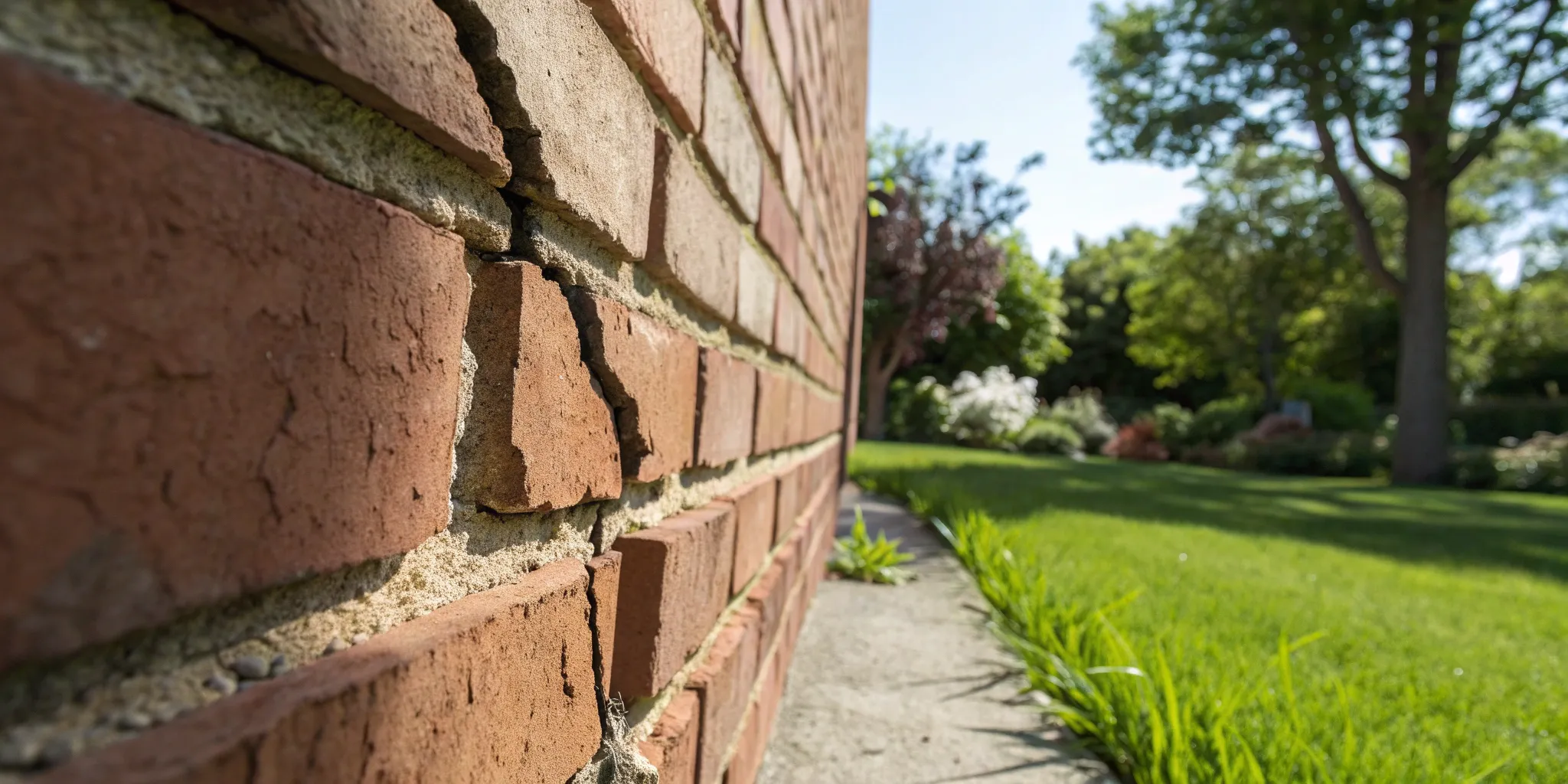
Your home’s foundation communicates through cracks, and learning its language is one of the most important skills a property owner can have. A thin vertical line tells a very different story than a horizontal fissure or a stair-step pattern in your brickwork. Instead of feeling overwhelmed, you can learn to read these signs like a detective looking for clues. This guide will help you decode what you see, from harmless shrinkage cracks to serious indicators of structural stress. We’ll cover the causes, the warning signs, and the different methods for repairing foundation cracks, so you can move from uncertainty to action and ensure your home rests on solid ground for years to come.
Key Takeaways
- Learn to Read the Signs Your Foundation is Giving You: Not all cracks are created equal. Pay attention to the direction and size—horizontal or stair-step cracks are red flags, while small vertical ones often signal normal settling. Knowing the difference helps you decide when to monitor a crack and when to call for an expert opinion.
- A Lasting Repair Addresses the Root Cause: Simply patching a crack won’t solve the underlying issue. While sealing a small gap is a fine DIY task, problems caused by water pressure or unstable soil require professional solutions like waterproofing or foundation piers to ensure the problem doesn’t return.
- Control Water to Protect Your Foundation: Water is the primary source of most foundation problems. You can prevent future damage with a simple maintenance routine: keep your gutters clean, ensure the ground slopes away from your house, and address any drainage issues promptly.
What Causes Foundation Cracks?
Finding a crack in your foundation can feel like a gut-punch, but take a deep breath. Not every crack signals a catastrophe. Concrete, by its nature, can crack as a house settles or as the material cures, and many of these are perfectly normal. The key is to understand what the crack is telling you. Think of yourself as a detective looking for clues. The location, size, and direction of a crack can reveal a lot about its cause, from harmless shrinkage to more serious issues like water pressure or unstable soil. Learning to read these signs is your first line of defense. It will help you figure out your next steps and determine whether you have a simple fix on your hands or if it’s time to call in an expert for a thorough foundation repair assessment. By paying attention to the details, you can catch potential problems early, saving yourself stress and money down the road. This guide will walk you through what to look for, so you can feel confident in knowing how to protect your home’s structural health.
Identify Different Types of Foundation Cracks
First, it helps to know that cracks are incredibly common, especially in the first few years after a home is built. This is often due to the concrete curing and the structure settling into the soil. You’ll generally encounter a few main types. Vertical and diagonal cracks are the most frequent and are often harmless shrinkage cracks. Horizontal cracks, running parallel to the floor, are a different story and usually raise a red flag. You might also see stair-step cracks in concrete block or brick foundations, which follow the mortar lines. Each type has a different origin story, and identifying which one you’re looking at is the first step toward a solution.
Uncover the Root Causes of Damage
So, what’s actually causing these cracks? Vertical and diagonal cracks typically result from concrete shrinkage during the curing process or minor foundation settlement. However, the most serious culprit is often water and soil. The soil around your home expands when it’s wet and shrinks when it’s dry. This constant movement puts immense pressure on your foundation walls. Excessive water in the soil creates hydrostatic pressure, which pushes inward on your foundation and can lead to horizontal cracks and bowing walls. This is why proper drainage and waterproofing are so critical for maintaining your home’s structural integrity over the long term.
Spot the Early Warning Signs
While some cracks are benign, others are clear warnings of underlying problems. It’s time to pay close attention if you notice a crack that is wider than a quarter of an inch, is actively growing, or has one side that is higher than the other. Other signs of trouble inside your home include doors and windows that stick or don’t close properly, sloping floors, or gaps between your walls and ceiling. If you see water seeping through a crack, that’s an immediate sign that your foundation’s defenses have been breached. Monitoring issues in your basement or crawl space is also important, as problems there can affect the entire structure. Timely crawl-space repairs can prevent minor issues from escalating.
Assess a Crack’s Severity
How do you know if a crack is a DIY fix or a job for the pros? Generally, small, hairline vertical cracks that haven’t changed over time can often be sealed to prevent moisture from getting in. However, horizontal cracks, large diagonal or stair-step cracks, and any crack that is actively growing demand a professional evaluation. The same goes for cracks accompanied by other warning signs like bulging walls or sticking doors. When in doubt, it’s always best to get an expert opinion. A professional can accurately diagnose the root cause and ensure the right solution is applied, protecting your home’s value and safety.
Your Guide to Foundation Repair Methods
Once you’ve identified a crack, the next step is figuring out the best way to fix it. The right repair method depends entirely on the crack’s size, location, and what’s causing it. A hairline crack from concrete curing needs a different approach than a wide, deep crack caused by a settling foundation. Think of it less as a one-size-fits-all solution and more like a customized treatment plan for your home. From simple seals to heavy-duty structural supports, there’s a professional solution designed to address the specific issue your foundation is facing, ensuring a stable and long-lasting repair.
Seal Cracks with Epoxy Injections
For cracks that threaten your foundation’s structural integrity, epoxy injections are a fantastic solution. This method involves injecting a high-strength epoxy resin directly into the crack. As the resin cures, it bonds with the concrete, effectively welding the crack shut and making the area even stronger than it was before. It’s a versatile fix that works on both vertical and horizontal cracks, creating a permanent, waterproof seal. The best part? The process is low-mess and minimally invasive. A professional can perform a crack injection to restore your foundation’s strength without major disruption to your home.
Patch with Hydraulic Cement
If you’re dealing with minor, non-structural cracks, especially those that are letting in a bit of moisture, hydraulic cement can be an effective patch. This material is unique because it expands as it cures, pushing itself into every nook and cranny of the crack to form a very tight, waterproof bond. It sets quickly, even in the presence of water, which makes it a go-to for sealing small leaks in basement walls or floors. While it’s a solid fix for minor issues, remember that hydraulic cement is a patch—it doesn’t add structural strength and won’t solve the underlying problem if the foundation is still moving.
Lift and Level with Polyurethane Foam
Have you noticed your concrete slab, driveway, or patio sinking or becoming uneven? This is often caused by soil settling underneath it. A modern and highly effective solution is injecting polyurethane geotechnical foam beneath the slab. The process, sometimes called foam jacking, involves drilling small, discreet holes and injecting an expanding foam. This foam fills any voids in the soil, gently lifts the concrete back to its original position, and stabilizes the ground to prevent future sinking. It’s a fast, clean, and long-lasting method that can have your surfaces level and ready for use in just a few hours.
Stabilize with Foundation Piers
When foundation settling is the root cause of significant cracks, you need a solution that addresses the unstable soil beneath your home. Foundation piers are the gold standard for this kind of structural problem. These are steel posts that are driven deep into the ground until they reach solid, stable soil or bedrock. The weight of your house is then transferred onto these piers, providing permanent support and preventing any further settling. Methods like installing push and helical piers are a permanent way to underpin your foundation, securing your home for the long haul.
Explore Advanced Repair Solutions
While some small cracks can be patched, significant issues—especially horizontal cracks or signs of major settling—require a professional touch. Lasting foundation repair often involves advanced methods that go beyond a simple surface fix. Experts can accurately diagnose the root cause of the damage and recommend the right solution, whether it’s epoxy injections to restore structural integrity, polyurethane foam to lift a sunken slab, or piers to stabilize the entire foundation. If you see any concerning cracks, it’s always best to contact a qualified contractor right away to assess the situation and prevent the problem from getting worse.
DIY Repair or Call a Professional?
Finding a crack in your foundation can feel overwhelming, but don’t panic just yet. Some cracks are purely cosmetic, while others signal a deeper issue that needs an expert eye. The key is knowing how to tell the difference and when to put down the caulk gun and pick up the phone. This guide will walk you through what you can likely handle yourself and which red flags mean it’s time to call in a professional. Making the right choice now can save you a lot of time, money, and stress down the road.
Know Your DIY Repair Options
Many small foundation cracks are not a sign of serious structural trouble and can be fixed by a handy homeowner. If you spot a hairline crack, which is about the width of a thread, you can often just paint over it with a good quality masonry paint. For slightly larger, non-structural cracks up to ⅛-inch wide, you can typically fill them with a polyurethane caulk or an epoxy injection kit from your local hardware store. These DIY fixes are great for sealing small gaps to keep moisture and insects out. Just remember to monitor the area for any changes after your repair, as a crack that reopens or grows is a sign you need a closer look.
Recognize When to Call for Help
While DIY is great for minor issues, some cracks are clear signs of a bigger problem. If you see a horizontal crack, a crack that is wider than a quarter-inch, or a crack that continues to grow, it’s time to call for help. Other major warning signs include stair-step cracks in brick or concrete block walls, bulging or bowing foundation walls, and doors or windows that suddenly stick or won’t close properly. When you’re unsure about a crack’s severity, it’s always best to get a professional opinion. An expert can assess the situation and recommend the right foundation repair to protect your property’s structural integrity.
Choose the Right Foundation Contractor
When you need professional help, choosing the right contractor is everything. A true expert won’t just patch the crack; they’ll diagnose the root cause of the problem. Professionals have access to advanced solutions that go far beyond a simple patch. Depending on your home’s specific needs, they might recommend methods like crack injection with specialized epoxy or polyurethane resins to permanently seal the gap and restore strength. For more significant issues caused by soil settlement, they can use techniques like installing piers or lifting the foundation with geotechnical foam. A qualified contractor will evaluate your soil, the extent of the damage, and your home’s design to create a lasting solution.
Prioritize Safety During Repairs
Foundation problems aren’t just about aesthetics; they can pose real safety risks. Water seeping through cracks can lead to mold, mildew, and pest infestations, creating an unhealthy living environment. This is why effective waterproofing is often a key part of a comprehensive repair plan. More importantly, significant structural cracks can compromise the stability of your entire home. Attempting a major repair without the right knowledge and equipment can be dangerous and may even make the problem worse. Prioritizing safety means knowing your limits and trusting a licensed and insured professional to handle complex repairs correctly and securely.
How to Budget for Foundation Repairs
Figuring out the cost of foundation repairs can feel overwhelming, but creating a budget is more straightforward than you might think. The final price depends on a few key variables, from the extent of the damage to the specific repair method required. By breaking down the process, you can get a clear financial picture and make confident decisions for your property. The goal is to address the problem correctly the first time, protecting your investment for the long haul.
Understand What Affects the Cost
The cost of a foundation repair project isn’t one-size-fits-all. The biggest factors are the severity of the damage and the solution needed to fix it. A small crack that can be sealed with an injection will cost significantly less than a sinking foundation that requires stabilization with piers. Your geographic location also plays a role, as labor and material costs vary by region. It’s also important to remember that delaying repairs often leads to more extensive structural damage, which can dramatically increase the final bill. Addressing issues early is the best way to manage costs.
Review Average Repair Prices
While you’ll need a professional estimate for an exact figure, it’s helpful to know the typical price range. Nationally, homeowners can expect to pay between $2,200 and $8,100 for foundation repairs, with an average cost of around $5,100. Minor issues, like sealing small cracks with epoxy, might only cost a few hundred dollars. More complex jobs, such as installing push and helical piers to lift a settled foundation, will be on the higher end of the scale. You can find more detailed cost breakdowns to get a better sense of what to expect for your specific issue.
Check if Your Insurance Covers Repairs
Before you get too far into the budgeting process, pull out your homeowner’s insurance policy. Coverage for foundation damage can be tricky and often depends on the cause. Many standard policies don’t cover damage from gradual settling or soil expansion. However, if the foundation issue was caused by a covered peril, like a burst pipe or an earthquake (if you have that coverage), your policy might help with the cost. It’s always best to understand your policy and deductible before filing a claim.
Get and Compare Professional Quotes
Once you have an idea of the potential costs and your insurance situation, it’s time to get quotes from qualified foundation contractors. We recommend getting at least three detailed estimates. This allows you to compare not just the price but also the proposed repair method, materials, timeline, and warranty. A low bid isn’t always the best bid. Look for a company that clearly explains the root cause of the problem and offers a permanent solution. A thorough quote from an experienced professional is your most valuable tool for creating an accurate budget.
Prevent Future Foundation Problems
Once you’ve repaired a foundation crack, the last thing you want is for new ones to appear. Taking a proactive approach is the best way to protect your home and your investment. Most foundation issues stem from one main culprit: water and its effect on the soil around your home. By managing moisture and keeping a close eye on your foundation, you can catch small issues before they turn into major structural problems.
Think of it like regular maintenance for your car—a little effort now saves you from costly breakdowns later. Creating a simple inspection routine and knowing what to look for can make all the difference. These preventative steps don’t require a lot of time or specialized knowledge, but they are incredibly effective at preserving the integrity of your home’s foundation for years to come.
Manage Water Around Your Foundation
Water is the number one enemy of your foundation. When water pools around your home, it creates immense pressure on the foundation walls and can cause the soil to expand and contract dramatically. Your first line of defense is to make sure water drains away from your house, not toward it. Start by keeping your gutters and downspouts clear of leaves and debris. You should also check that the ground around your foundation slopes away from the walls—a grade of at least 2% is ideal. This simple grading ensures that rainwater flows away naturally instead of seeping into the ground next to your home. For more robust protection, professional waterproofing can add a crucial layer of defense against moisture intrusion.
Control Soil and Moisture Levels
The soil surrounding your foundation is constantly changing. During dry spells, it shrinks and pulls away from the foundation, and during wet periods, it swells and pushes against it. This cycle of shrinking and swelling puts a lot of stress on your home. To maintain more consistent moisture levels, avoid planting large trees or shrubs too close to your house, as their roots can draw moisture out of the soil. It’s also important to fix any plumbing leaks right away. A consistent watering plan for your lawn during dry months can also help prevent the soil from shrinking excessively. By keeping soil moisture stable, you reduce the pressure and movement that lead to cracks.
Create a Regular Inspection Routine
You don’t need to be an expert to keep an eye on your foundation. A simple, regular inspection can help you spot trouble early. A few times a year, walk around the inside and outside of your foundation and look for any new cracks or changes in existing ones. If you find a small, hairline crack, you can monitor it yourself. A great tip is to mark the ends of the crack with a pencil and write the date next to it. This creates a simple visual record, making it easy to see if the crack is growing over time. This small habit can give you peace of mind and an early warning if a more serious issue is developing.
Learn How to Monitor Your Foundation
While monitoring small cracks is a good practice, it’s crucial to know which signs point to a bigger problem. If you notice a crack is getting wider, longer, or changing direction, it’s time to call a professional. Pay special attention to cracks that look like stair steps in brick or concrete block walls, as well as horizontal cracks. Other serious warning signs include bulging walls, sloping floors, or doors and windows that suddenly stick or won’t close properly. These symptoms often indicate significant foundation movement that requires an expert assessment. If you see any of these red flags, scheduling a professional foundation repair consultation is the safest next step.
Discover Professional Repair Solutions
When you’re dealing with foundation cracks that go beyond a simple cosmetic fix, it’s time to look at professional-grade solutions. These methods are designed not just to patch a problem but to address the underlying cause, whether it’s water pressure, unstable soil, or structural stress. A professional contractor has a whole toolkit of advanced techniques that can secure your home’s foundation for the long haul, using scientifically proven methods to ensure a lasting repair.
Think of it this way: a DIY patch is like putting a bandage on a wound, while a professional repair is like performing surgery to fix the internal issue. While a quick fix might seem tempting, it often just covers up a symptom of a much larger problem that will continue to develop out of sight. From injecting specialized resins that chemically bond concrete to installing deep-earth piers that can lift your entire home, professional solutions provide the stability and peace of mind you need. Exploring these options will help you understand what’s possible and why investing in an expert repair is often the smartest move for protecting your property’s value and safety.
Implement Effective Waterproofing
Water is one of the biggest culprits behind foundation damage. Constant moisture from rain, poor drainage, or a high water table can exert immense pressure on your foundation walls, leading to cracks and leaks. Professional waterproofing is your first line of defense. This process involves applying specialized coatings, membranes, or sealants to the foundation’s exterior or interior surfaces to create an impermeable barrier. This stops water from seeping through the concrete in the first place, preventing moisture-related issues that can worsen existing cracks or cause new ones to form. It’s a proactive step that protects your basement or crawl space from water damage, mold growth, and musty odors, creating a healthier living environment.
Reinforce Your Home’s Structure
For cracks that have already formed, the goal is to restore the foundation’s original strength. For smaller cracks or leaks, professionals often use epoxy or polyurethane injections to seal and strengthen the area. This isn’t just a surface-level patch; the material is injected deep into the crack, where it expands and hardens to form a permanent, waterproof bond. This technique for crack injection essentially glues the concrete back together, reinforcing the structural integrity of the wall. It’s a highly effective and minimally invasive way to ensure a small crack doesn’t turn into a major structural headache down the road, restoring the foundation to its original strength.
Stabilize the Soil Beneath Your Home
Sometimes, the problem isn’t with your foundation itself but with the ground it’s sitting on. Loose, expansive, or poorly compacted soil can shift and settle over time, causing your foundation to move and crack. To solve this, professionals can stabilize the soil by transferring your home’s weight to deeper, more solid ground. One common method involves installing concrete posts or piers beneath your foundation to bypass the problematic soil layers. This approach addresses the root cause of settlement by creating a more stable base for your home. By improving the ground your house rests on, you can prevent future movement and the damage that comes with it.
Install a Foundation Support System
For significant settling or sinking, a more robust solution is needed to lift and support the foundation. This is where foundation piers come in. A professional team can install strong steel posts, known as push piers or helical piers, deep into the ground beneath your foundation until they hit bedrock or stable, load-bearing soil. Hydraulic jacks are then used to carefully raise the foundation back toward its original position. This system provides permanent support, effectively stopping settlement in its tracks and securing your home’s structure for years to come. It’s a powerful and reliable solution for serious foundation issues that threaten the stability of your entire home.
Maintain a Healthy Foundation for Years to Come
Once you’ve addressed any existing foundation issues, the goal is to keep it that way. Proactive maintenance is your best defense against future problems. Think of it like regular check-ups for your home’s structural health. By staying vigilant and performing a few simple tasks throughout the year, you can catch small issues before they turn into costly, complex repairs. A little attention now goes a long way in preserving the integrity of your property and giving you peace of mind. This consistent care helps ensure your home remains safe, stable, and secure for the long haul.
Follow a Seasonal Maintenance Checklist
A great way to stay on top of foundation health is to follow a simple checklist that changes with the seasons. Your main focus should be on water management. Make sure water drains away from your foundation by keeping gutters and downspouts clear of leaves and debris, especially in the spring and fall. Check that the soil around your home slopes away from the walls. If you notice water pooling near the foundation after it rains, you may need to improve your property’s grading or consider professional waterproofing solutions. A quick walk around your property each season to inspect for these things can save you a lot of trouble down the road.
Use Crack Monitors to Track Changes
If you have small, non-structural cracks, it’s smart to keep an eye on them. You don’t need fancy equipment to do this. A simple trick is to use a pencil to mark the ends of a crack and write down the date. Check back every few months to see if the lines have extended. This helps you determine if a crack is growing or staying the same. For more precise tracking, you can install a crack monitor—a simple plastic device that measures any changes in width. Monitoring movement gives you valuable data, helping you and a professional decide if a crack injection or other repair is necessary.
Keep Detailed Repair and Inspection Records
Keeping a dedicated folder for your foundation is a fantastic habit. This file should include photos of any cracks you’re monitoring, notes from your seasonal inspections, and receipts or reports from any professional work you’ve had done. Having a detailed history makes it easier to spot new or worsening issues. Addressing problems quickly can stop them from becoming bigger, more expensive headaches. This record is also incredibly helpful when you bring in an expert for an inspection, as it gives them a complete picture of your foundation’s past and present condition. This documentation can even be a valuable asset if you decide to sell your property.
Know When to Schedule a Professional Inspection
While DIY monitoring is helpful, some signs demand an expert opinion right away. If you’re ever unsure about a crack, it’s always best to have a foundation specialist take a look. You should schedule a professional foundation repair inspection immediately if you notice serious red flags. These include cracks that are wider than a quarter-inch, horizontal cracks, cracks that change direction, or walls that appear to be bowing or bulging. Other warning signs are sloping floors, sticking doors or windows, and stair-step cracks in brick or concrete block walls. A professional can accurately diagnose the root cause and recommend the right solution to protect your home.
Related Articles
- 3 Ways To Repair a Crack in a Concrete Foundation – Professional Foundation Repair
- Foundation Cracks: What Is Acceptable and When To Worry – Professional Foundation Repair
Frequently Asked Questions
Is every crack in my foundation a sign of a major problem? Not at all. It’s completely normal for a house to settle, especially in its first few years, which can cause small, thin cracks in the concrete. Many of these are harmless shrinkage cracks that don’t affect your home’s structural stability. The important thing is to learn how to read the signs. The size, direction, and location of a crack will tell you whether it’s a normal part of your home’s life or a symptom of a deeper issue that needs attention.
What are the biggest red flags I should look for with foundation cracks? You should pay close attention to any crack that is horizontal, wider than a quarter of an inch, or looks like a set of stairs in a brick or block wall. Another major warning sign is when one side of the crack is higher than the other, indicating a shift in the foundation. If you also notice other issues in your home, like doors that suddenly stick, floors that slope, or gaps appearing between your walls and ceiling, it’s a strong signal that the foundation movement is affecting your entire home’s structure.
Can I just seal a crack myself, or do I need a professional? You can often handle very small, hairline vertical cracks on your own with a good quality sealant from a hardware store. This is a great way to keep moisture and pests out. However, this is only a surface-level fix. If you’re dealing with any of the major red flags—like a wide, horizontal, or growing crack—it’s time to call an expert. A professional won’t just cover the crack; they will diagnose and fix the underlying cause to prevent further damage.
What’s the difference between patching a crack and actually fixing the foundation? Patching a crack with a product like hydraulic cement is like putting a bandage on the problem. It can be effective for stopping a minor leak in a non-structural crack, but it doesn’t add any strength or solve the root issue. A true foundation repair addresses what’s causing the crack in the first place. This could involve injecting high-strength epoxy to weld the concrete back together, lifting a sunken slab with polyurethane foam, or installing steel piers to permanently stabilize your home on solid ground.
Once a crack is fixed, how can I stop more from appearing? The best way to prevent future foundation problems is to control the water around your home. Most issues start when the soil around your foundation gets too wet or too dry. You can make a huge difference by simply keeping your gutters clean and ensuring your downspouts direct water far away from the house. Also, check that the ground slopes away from your foundation walls. This simple water management is the most effective step you can take to maintain a stable and healthy foundation for years to come.