
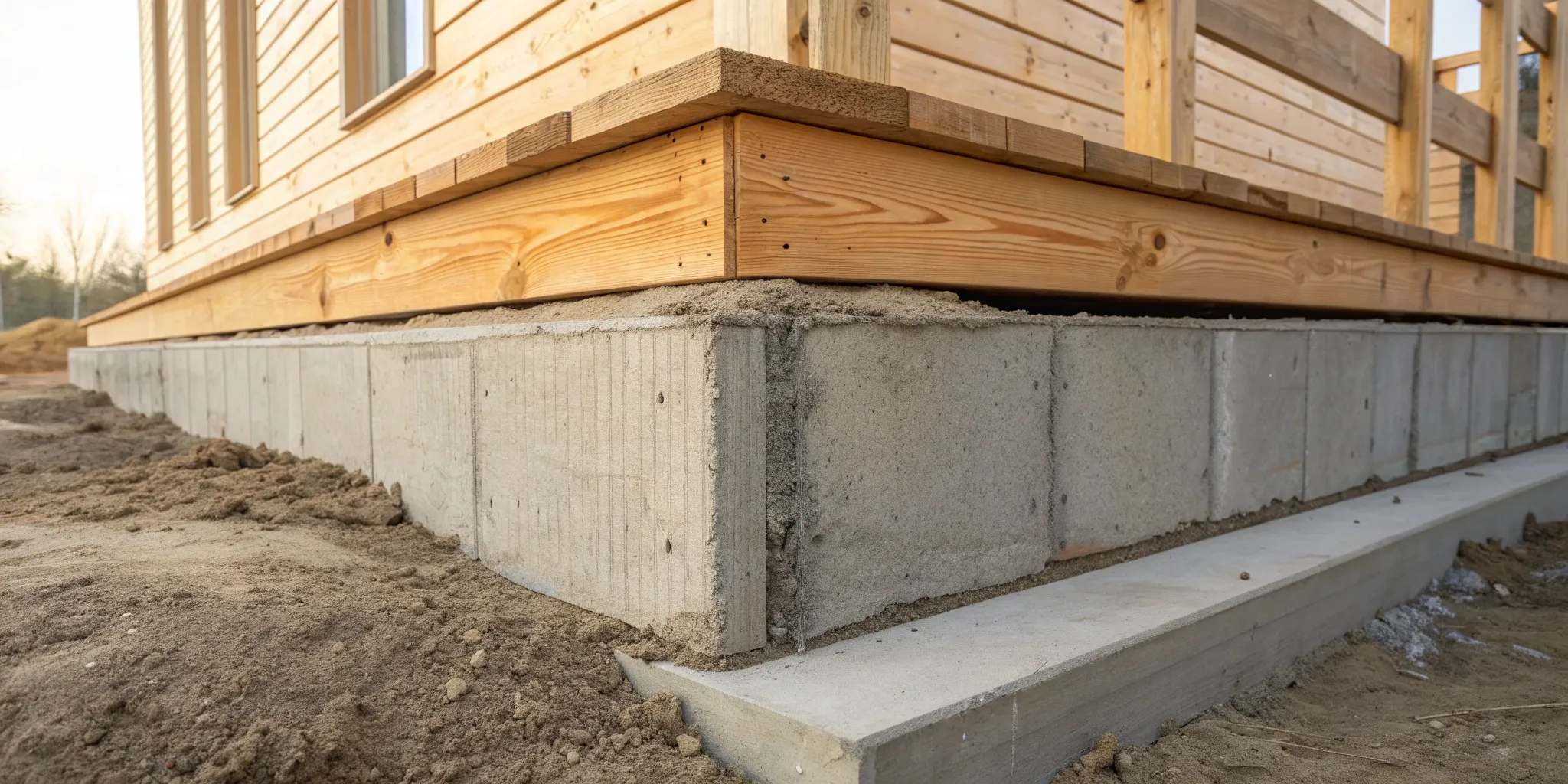
Are you noticing persistent drafts along your baseboards, or do certain spots on your floor feel unusually bouncy or soft? These common household annoyances can sometimes point to a deeper issue hidden in your basement or crawl space. The problem often lies with the band joist, the wooden board that runs along the perimeter of your foundation, right below your floor. Because it’s a transition point between the concrete foundation and the wood framing, it’s highly vulnerable to moisture, rot, and pests. This article will help you identify the warning signs of a failing band joist and understand the professional repair options available to restore your home’s safety and comfort.
Key Takeaways
- The band joist is more than just a board: It’s the component that ties your floor joists together, provides lateral stability, and connects the entire floor system to your foundation. Keeping it in good shape is crucial for your home’s structural health.
- Protect it from moisture: Your band joist’s location makes it a prime target for water damage and rot. Simple preventive steps like sealing air leaks, managing exterior drainage, and adding insulation can prevent major structural issues down the road.
- Don’t DIY structural repairs: While you can inspect and seal your band joists, leave repairs to the pros. Signs like soft or crumbling wood, sagging floors, or insect damage require an expert assessment to ensure your home’s safety.
What Is a Band Joist?
Think of your home’s frame like a skeleton. While you see the walls and floors, dozens of hidden components work together to keep everything strong and stable. One of the unsung heroes of this system is the band joist. Though you probably can’t see it, this simple board plays a massive role in your home’s structural health, connecting your floors to your foundation. Understanding what it is and what it does is the first step to spotting potential problems before they become major headaches.
What It Does and What It’s Made Of
So, what exactly is this crucial piece? A band joist, sometimes called a rim joist, is a board that caps the ends of your floor joists, running along the perimeter of your house. Imagine the floor joists as the rungs of a ladder lying flat; the band joist would be the side rails holding them all in place. It essentially closes off the open ends of the floor system where it meets the foundation wall. This component is typically made from the same material as the floor joists themselves—usually solid wood or engineered lumber. This consistency is key, as it ensures the entire floor system, often visible during crawl-space repairs, can handle the structural load uniformly.
Its Role in Your Home’s Structure
The band joist’s job goes far beyond just covering the ends of the joists. Its primary role is to provide lateral support, preventing the floor joists from twisting or leaning. By tying them all together, it helps distribute the weight from the walls and floors above evenly across the entire system and down to the foundation. This creates a rigid, stable platform for your home. Without a sound band joist, your floors could sag, and the overall structural integrity would be at risk. It’s a critical link in the chain, ensuring your home remains strong and secure for years to come. That’s why any signs of damage in this area often point to a need for professional foundation repair.
Band Joist vs. Rim Joist: What’s the Difference?
If you’ve heard contractors talk about your home’s framing, you might have heard the terms “band joist” and “rim joist” used interchangeably. While they are part of the same system, there are subtle but important differences in their placement and function. Understanding these distinctions can help you better grasp how your home is built and what to look for when inspecting your foundation. Let’s break down exactly what sets them apart.
Placement and Installation
Think of your floor joists as the parallel beams that support your floor. The rim joist is the board that caps their ends, creating a solid, box-like frame. It’s installed perpendicular to the main joists, forming the “rim” of the floor system. The band joist is a broader term for this entire perimeter assembly. Because these components are at the edge of your foundation, they are often visible in your home’s crawl space. Proper installation is key, as these joists sit directly on the sill plate, which rests on your foundation wall, making them a critical structural link.
Structural Purpose
Both joists are essential for stability, but they handle different forces. The rim joist’s primary job is providing lateral support, preventing floor joists from twisting or rolling over. It also transfers vertical weight from the walls above down to the foundation. More importantly, it braces the entire floor system against side-to-side forces, like strong winds. If you notice sagging floors or bouncy spots, it could mean these members are failing and may require professional foundation repair. A compromised rim or band joist can’t do its job, putting your home’s integrity at risk.
When to Use Each One
Here’s where the terms get a little blurry, but it’s simple. Think of “band joist” as the umbrella term for the entire outer frame of the floor system. This “band” is made of rim joists (running perpendicular to the main joists) and end joists (running parallel to them). So, a rim joist is a specific part of the band joist. While builders might use the terms interchangeably, the key takeaway is that your home needs a continuous, solid box around the floor framing’s perimeter. This is a fundamental part of modern building codes and is critical in all new construction projects to ensure a stable structure.
Why Band Joists Are Critical for Your Home’s Structure
You might not think about the components hidden behind your walls, but some of the most important parts of your home’s structure are working hard out of sight. The band joist is one of these unsung heroes. It’s a simple board that runs along the perimeter of your floor framing, but its role is anything but small. From supporting the weight of your home to protecting it from the elements, the band joist is a key player in your home’s long-term health and stability. Understanding its function helps you recognize why maintaining it is essential for protecting your entire property.
Supporting Your Home’s Weight
Think of the band joist as the piece that ties your entire floor system together. It caps the ends of the individual floor joists, creating a solid, continuous rim around the edge of your foundation. This framework is responsible for distributing the immense weight of your home’s walls and everything above them evenly across the floor structure. By creating a complete and rigid box, it ensures the load is transferred correctly down to the foundation. When a band joist is compromised by rot or damage, it can weaken this entire system, leading to sagging floors and other structural problems that require professional foundation repair.
Providing Lateral Stability
Your home doesn’t just deal with the downward force of gravity; it also has to withstand sideways, or lateral, forces from things like strong winds or even minor seismic tremors. The band joist is your home’s built-in brace against these pressures. It connects all the floor joists, preventing them from twisting or shifting out of place. This keeps the floor system square and rigid, which in turn helps the walls above stay strong and stable. For properties on uneven ground, this function is even more critical for overall hillside stabilization and safety. Without this stability, your home would be far more vulnerable to structural damage.
A Barrier Against the Elements
The band joist sits right at the edge of your foundation, creating a barrier between your home’s interior and the outside world. This makes it a first line of defense against moisture, drafts, and pests trying to get in. If this area isn’t properly sealed, it can become a major source of energy loss and a prime spot for water damage and rot, especially in a basement or crawl space. Effective waterproofing and sealing around the band joist are crucial for preventing these issues. Proper protection here not only preserves your home’s structure but also improves its energy efficiency and indoor air quality.
Connecting Walls to the Foundation
The band joist serves as the critical link between the horizontal floor system and the vertical walls above it. The bottom plate of your walls rests directly on top of the floor structure, with the band joist providing a solid, continuous surface for this connection. This ensures a seamless transfer of weight from the roof and upper floors, through the walls, and down into the foundation. A strong, intact band joist is essential for this load path to function correctly. It’s a fundamental part of sound home construction and a key reason why any signs of damage in this area should be addressed immediately by a professional.
How to Install and Choose Materials for Band Joists
Getting the band joist installation right is one of those foundational steps that prevents a world of headaches later on. While this is definitely a job for professionals, understanding the key components of a quality installation helps you know what to look for and why it matters. From selecting the right wood to ensuring every connection is solid, each step contributes to the long-term stability and health of your home. A proper installation ensures your home’s frame is strong, secure, and ready to stand the test of time.
Choose the Right Materials
The first decision in any band joist installation is choosing the right material. Band joists are typically made from solid lumber, but in modern construction, engineered wood products like oriented strand board (OSB) or laminated veneer lumber (LVL) are very common. The best material for your home depends on the design of your floor system and local building codes. An experienced contractor will select a material that not only meets structural requirements but also integrates seamlessly with the rest of your home’s framing, a crucial step in any new construction project. This choice impacts everything from load-bearing capacity to moisture resistance, making it a critical first step.
Secure the Connection Points
A band joist is only as good as its connections. Its main job is to tie the ends of the floor joists together and connect them to the sill plate, which is the piece of wood resting directly on top of your foundation. This creates a strong, continuous box around the perimeter of your floor. Installers use specific nailing patterns to ensure these connections are tight and secure, allowing the frame to effectively transfer lateral loads (like wind) down to the foundation. When these connections are weak, it can compromise the entire structure, often leading to the need for professional foundation repair.
Avoid Common Installation Mistakes
Even small mistakes during installation can lead to significant problems. A common error is leaving gaps between the joists, which can create pathways for air and moisture to enter your home. This not only leads to drafts and higher energy bills but can also invite rot and pests. Another frequent issue is improper fastening, which can weaken the structure. Ensuring the band joist is properly sealed is a critical part of the waterproofing process for the entire building envelope, protecting your home from the ground up and preventing costly moisture-related damage down the road.
Ensure a Quality Job
Ultimately, a quality installation comes down to expertise. While the floor joists handle the vertical weight of your home, the band joist provides essential lateral stability, bracing the floor system against sideways forces. A professional team ensures that every component works together to create a solid structure. They understand how to properly cut, fit, and fasten the materials to build a frame that is square and strong. This attention to detail is what protects your home and ensures its structural integrity for decades to come, giving you peace of mind that the job was done right from the start.
How to Insulate and Protect Your Band Joists
Protecting your band joists from the elements is one of the smartest things you can do for your home’s health and your wallet. Because they sit right at the edge of your foundation, they’re a prime spot for heat loss and moisture intrusion. A little bit of insulation and sealing goes a long way toward creating a more comfortable, energy-efficient home and preventing costly moisture-related damage down the road. The good news is that insulating band joists is usually simple because they are easy to reach from the basement or crawl space. You don’t need many materials or expensive tools to get started.
Pick the Best Insulation
Choosing the right insulation is your first step, and you have a couple of great options that work well for band joists. The most common are fiberglass batts and rigid foam boards. For fiberglass, look for batts that are about six inches thick to get an R-value of R-19. If you opt for rigid foam boards, you’ll want a thickness of three to five inches, depending on the specific product’s R-value. The R-value simply measures how well the material resists heat flow—the higher the number, the better it insulates. Both materials are effective, so your choice may come down to your budget and which one you find easier to install.
Seal Air Leaks Effectively
Before you place any insulation, it’s crucial to seal all the air leaks. Your band joists are where the wooden frame of your house rests on the concrete foundation, creating a seam that is rarely airtight. Gaps and cracks here let in cold drafts in the winter and humid air in the summer. Use a quality caulk or spray foam to fill every visible gap you can find. Sealing and insulating this area also helps stop moisture issues that can lead to wood rot and mold, which are common problems we see during crawl-space repairs. Taking the time to seal properly ensures your insulation can do its job effectively.
Install a Vapor Barrier
Managing moisture is just as important as blocking air. A vapor barrier prevents condensation from forming on your band joists, which protects the wood from rot and mold growth. If you’re using fiberglass insulation with a paper or foil backing, that shiny side is your vapor barrier. Always install it so the shiny side faces the warm part of your house—typically, your heated basement. This keeps warm, moist indoor air from hitting the cold band joist and condensing. For rigid foam, you can create a vapor barrier by taping the seams between boards with high-quality construction tape. This is a key part of a complete waterproofing strategy for your foundation.
Improve Your Home’s Energy Efficiency
Insulating your band joists is a high-impact project for making your home more energy-efficient. Without insulation, only about two inches of wood and the exterior siding separate your warm home from the cold outside. This causes a lot of heat to escape, especially if your basement is heated. By adding insulation, you stop that heat transfer, which helps lower your heating bills and keeps your home at a more consistent, comfortable temperature year-round. It’s a relatively small project that delivers noticeable results, protecting your home’s structure while saving you money on energy costs for years to come.
How to Maintain Your Band Joists and Prevent Damage
Keeping your band joists in good shape is all about proactive care. Since they are tucked away in your crawl space or basement, it’s easy to forget about them until a problem becomes obvious. A little bit of regular maintenance can go a long way in preventing moisture damage, rot, and pests from compromising your home’s structural integrity. By staying ahead of potential issues, you protect your home and avoid the stress and expense of major repairs down the line. Think of it as a simple health check-up for one of your home’s most important components.
Create an Inspection Routine
The best way to prevent serious damage is to catch it early. Set a reminder to inspect your band joists twice a year—once in the spring and once in the fall is a great schedule. Grab a good flashlight and head into your basement or crawl space. Look closely at the wood for any changes. You’re searching for signs of water stains, dark spots that could indicate mold or rot, and any fine sawdust that might point to termites or carpenter ants. Also, check the area where the band joist meets the foundation for any gaps or cracks. A consistent inspection routine is the foundation of good home maintenance and can help you address issues before they require extensive crawl-space repairs.
Spot the Warning Signs of Trouble
Knowing what to look for can make your inspections much more effective. Some warning signs are subtle, while others are clear indicators of a problem. Be on the lookout for sagging or uneven floors directly above the band joists, as this can signal that the wood is weakening. Visible rot, where the wood feels soft, spongy, or crumbles when you poke it with a screwdriver, is a major red flag. You might also notice peeling paint on the exterior of your home near the foundation line, which can be caused by moisture wicking through the band joist. If you spot any of these issues, it’s often a symptom of a larger problem that may require professional foundation repair.
Take Preventive Maintenance Steps
A dry band joist is a happy band joist. The biggest threat is moisture, so your primary goal is to keep the area dry. Ensure your gutters are clean and downspouts direct water far away from your foundation. Inside, sealing and insulating the band joists is one of the most effective preventive measures you can take. Use caulk or spray foam to seal any gaps where the band joist meets the foundation wall to stop air leaks. Adding rigid foam board insulation can prevent condensation from forming on the wood. These steps not only protect the structure but also improve your home’s energy efficiency. If moisture is a persistent issue, professional waterproofing is your best defense.
Know When to Call a Professional
While preventive maintenance is something many homeowners can handle, repairs are a different story. If you find signs of significant rot, insect damage, or structural sagging, it’s time to call in an expert. Band joists are critical structural elements, and an improper repair can put your entire home at risk. A qualified structural engineer or a specialized foundation contractor can accurately assess the extent of the damage and recommend the right solution. Whether it requires reinforcing the existing joist, applying polyurethane geotechnical foam for support, or replacing a section entirely, a professional will ensure the job is done safely and correctly, protecting your investment for years to come.
How Professionals Handle Band Joist Repairs
When you suspect trouble with your band joists, calling in a professional is the safest and most effective path forward. A compromised band joist can affect your home’s entire structural system, so a DIY fix often just masks a deeper problem. At Bristol FX, we approach these repairs with a systematic process designed to identify the root cause and implement a lasting solution. It starts with a thorough evaluation and ends with a secure, protected structure you can trust for years to come.
We don’t just look at the damaged wood; we assess the entire surrounding area, from the foundation to the subfloor. This comprehensive view helps us understand why the band joist failed—was it water intrusion, pest damage, or a structural overload? By addressing the source, we ensure our repairs aren’t just a temporary patch. We use proven engineering principles and high-quality materials to restore your home’s integrity, giving you peace of mind that the job is done right.
Our Assessment Process
The first step in any repair is a detailed assessment. We don’t just glance at a crack and suggest a fix; we investigate the underlying cause of the damage. This involves checking for signs of moisture, wood rot, pest infestations, and structural stress. Regular inspections and prompt action are key to preventing small issues from becoming major structural failures. Our team examines the band joists, sill plates, and floor joists to get a complete picture of your home’s condition. This careful foundation repair assessment allows us to create a targeted plan that solves the problem for good, rather than just treating a symptom.
Proven Repair Techniques
Once we identify the cause, we use proven techniques to restore structural integrity. If a joist is simply loose, the solution might involve adding structural screws or metal connectors to properly secure it to the band joist. For more significant rot or damage, we may need to sister the joist by attaching a new, identical board alongside the old one to share the load. In cases of widespread damage, a full replacement of the band joist section might be necessary. Our crawl-space repairs often involve these methods, ensuring every component of your floor system is sound and properly supported.
Understand the Cost Factors
The cost of repairing a band joist can vary significantly, typically ranging from a few thousand dollars for minor fixes to much more for extensive damage. The final price depends on several factors, including the extent of the rot or structural failure, the accessibility of the crawl space or basement, and the materials required. If the damage has led to foundation settlement, more intensive solutions like installing push piers and helical piers may be needed to stabilize the home, which will influence the overall project cost. We provide a clear, detailed estimate after our assessment so you understand exactly what the repair entails.
Protect Your Investment for the Long Term
A professional repair should do more than just fix the immediate problem—it should protect your home for the future. After restoring the band joist, we focus on preventing a recurrence. This often involves addressing moisture issues, which are a primary cause of wood rot. Sealing and insulating the band joist area is crucial for stopping moisture from seeping in. Proper waterproofing and air sealing not only protect the wood but also improve your home’s energy efficiency. This final step turns a necessary repair into a long-term investment in your home’s health and stability.
Related Articles
- Crawl-space Repairs – Professional Foundation Repair
- Crawl Space Repair Services | Bristol FX
- Crawl-Space Repair – Bristol FX
Frequently Asked Questions
What are the most obvious signs that my band joist has a problem? The clearest red flags are visible right on the wood itself. During an inspection of your crawl space or basement, look for dark water stains, wood that feels soft and spongy, or wood that crumbles when you poke it with a screwdriver. Other signs can show up inside your home, such as sagging or bouncy floors, or even on the exterior, like paint peeling on the siding right above your foundation.
What is the main cause of band joist damage? Moisture is, by far, the number one enemy of your band joists. Because they sit right at the foundation line, they are highly exposed to water from leaky gutters, poor yard drainage, or even just humid air and condensation. Once the wood gets damp, it becomes the perfect environment for rot to set in and can also attract wood-destroying insects like termites and carpenter ants.
Is a rotting band joist a serious issue? Yes, it is absolutely a serious issue. The band joist is a critical structural component that ties your floor system together and connects your walls to your foundation. When it weakens from rot, it can no longer support the weight above it properly. This can lead to a chain reaction of problems, including sagging floors, wall cracks, and a general loss of structural stability in your home.
Can I just patch a damaged band joist myself? While sealing small air leaks or adding insulation can be a DIY project, structural repairs are best left to professionals. A rotting or damaged band joist is often a symptom of a larger issue, like a water intrusion problem. A professional can identify the root cause and ensure the repair is done correctly and safely. An improper fix can compromise your home’s structure and lead to even more expensive problems later on.
How much should I expect a professional band joist repair to cost? The cost can vary quite a bit because it depends entirely on the extent of the damage. A minor repair might only involve reinforcing a small section, while widespread rot could require replacing entire portions of the band joist and addressing underlying foundation issues. The accessibility of your crawl space or basement also plays a role. The only way to get an accurate number is to have a professional conduct a thorough assessment.