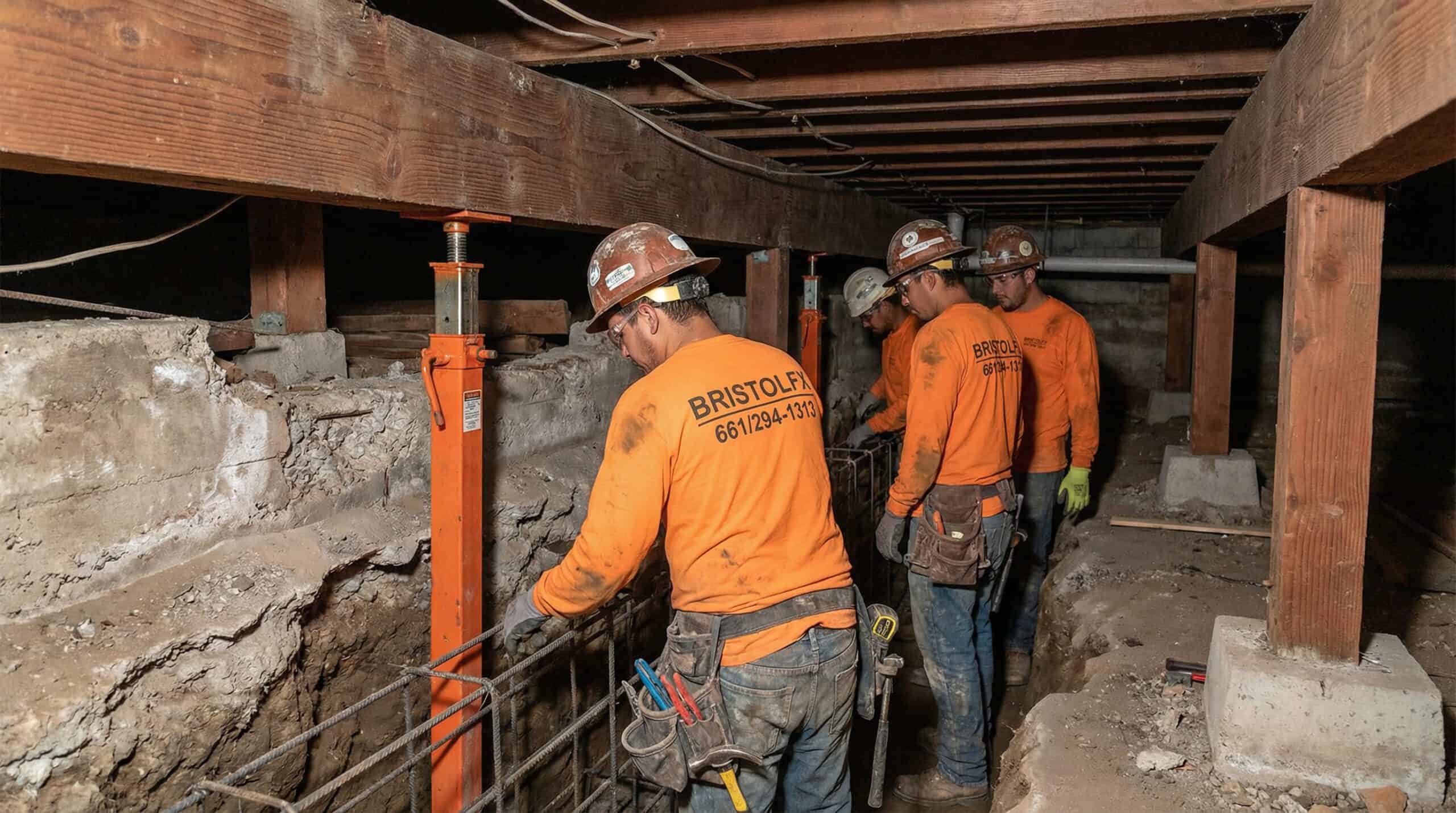
Your home should be your sanctuary, a place where you feel safe and secure. But it’s hard to feel at ease when you’re worried about its structural integrity. A growing crack in the stucco or a floor that feels slightly sloped can create a nagging anxiety that undermines your peace of mind. These issues are more than just an inconvenience; they are signals from your home that something is wrong at its core. Acting on these signs is the first step to restoring your home’s stability and your own sense of security. This article will guide you through the process of identifying problems and finding a lasting solution for foundation repair Arizona.
Key Takeaways
- Know the warning signs of foundation trouble: Your home will give you clues like wall cracks, sticking doors, or uneven floors. Paying attention to these early signals is the most effective way to prevent small issues from turning into major, expensive repairs.
- View foundation repair as an investment, not a cost: Putting off repairs allows damage to worsen, leading to much higher costs and potential safety risks. Acting quickly protects your home’s structural integrity and preserves its value, making it a smart financial decision.
- Choose a qualified expert for a reliable fix: Foundation work requires specialized knowledge. Partner with a licensed and insured professional who understands Arizona’s soil challenges and offers strong warranties, ensuring you get a lasting solution tailored to your home.
Is Your Arizona Home’s Foundation at Risk?
Your home is likely your biggest investment, and its foundation is what holds everything together. Here in Arizona, our unique environment can be particularly tough on concrete slabs and stem walls. The good news is that your house will give you clear signals if it’s in trouble. The key is knowing what to look for and understanding the forces at play. Catching issues early is the best way to protect your property from more significant damage down the road.
What to Look For: Telltale Signs of Trouble
Foundation problems rarely appear overnight. They start small and get worse if you ignore them. Keep an eye out for these telltale signs around your property. You might notice cracks spreading across your interior drywall, exterior stucco, or concrete floors. Pay attention to doors and windows that suddenly stick or have uneven gaps around the frames—this often means the structure has shifted. A leaning chimney is another major red flag. These aren’t just cosmetic quirks; they are symptoms of a bigger issue. Addressing the need for foundation repair early can save you from more extensive and costly work later on.
Why Arizona’s Climate and Soil Are Tough on Foundations
So, what causes these problems in the first place? It often comes down to our soil and weather. Much of Arizona has expansive clay soil, which acts like a sponge. During our monsoon season, it absorbs water and swells, pushing up against your foundation. Then, during long dry spells, it shrinks and pulls away, leaving parts of the foundation unsupported. This constant cycle of expansion and contraction creates immense pressure and movement. This shifting soil can make repairs more complex and is a primary reason why a solid, stable foundation is so critical. Solutions like polyurethane geotechnical foam are often used to stabilize this volatile soil and support the foundation from below.
Your Foundation Repair Options
When you discover a foundation problem, the number of repair methods can seem a bit technical and confusing. But don’t worry—the goal is always the same: to make your home safe and stable for the long haul. The right solution depends entirely on your home’s specific issue, its construction, and the soil underneath it. A professional assessment is the only way to know for sure, but understanding the main types of foundation repair can help you feel more prepared for the conversation.
Think of it like this: a doctor wouldn’t prescribe the same treatment for every ailment, and a foundation specialist won’t use a one-size-fits-all approach. They might use piers to support a sinking corner, foam to lift a settled slab, or a combination of techniques for a comprehensive fix. Below is a straightforward breakdown of the most common and effective options you’ll likely encounter. This will give you the vocabulary and knowledge to understand what a contractor is recommending for your property and why.
Steel and Helical Piers
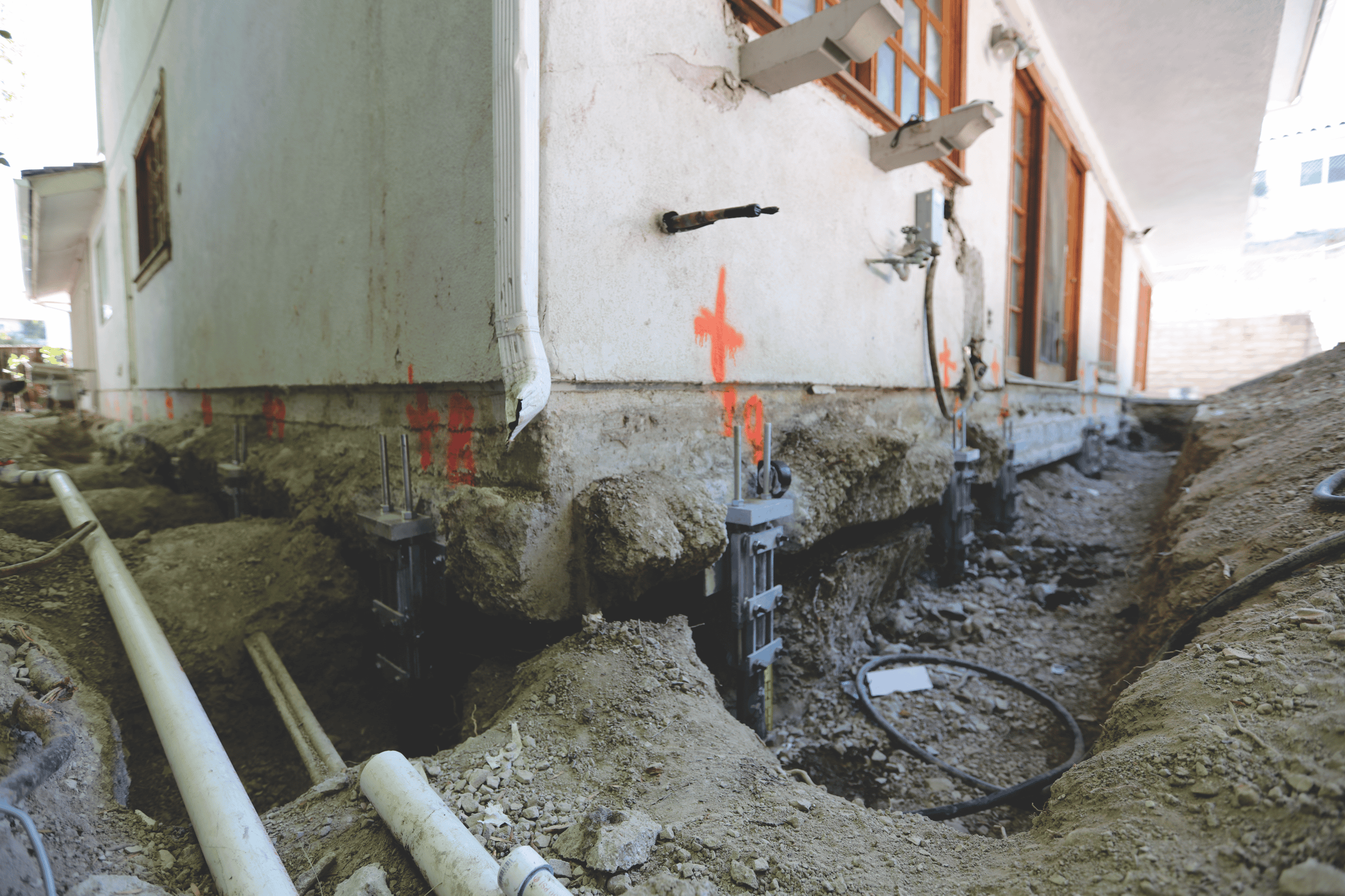
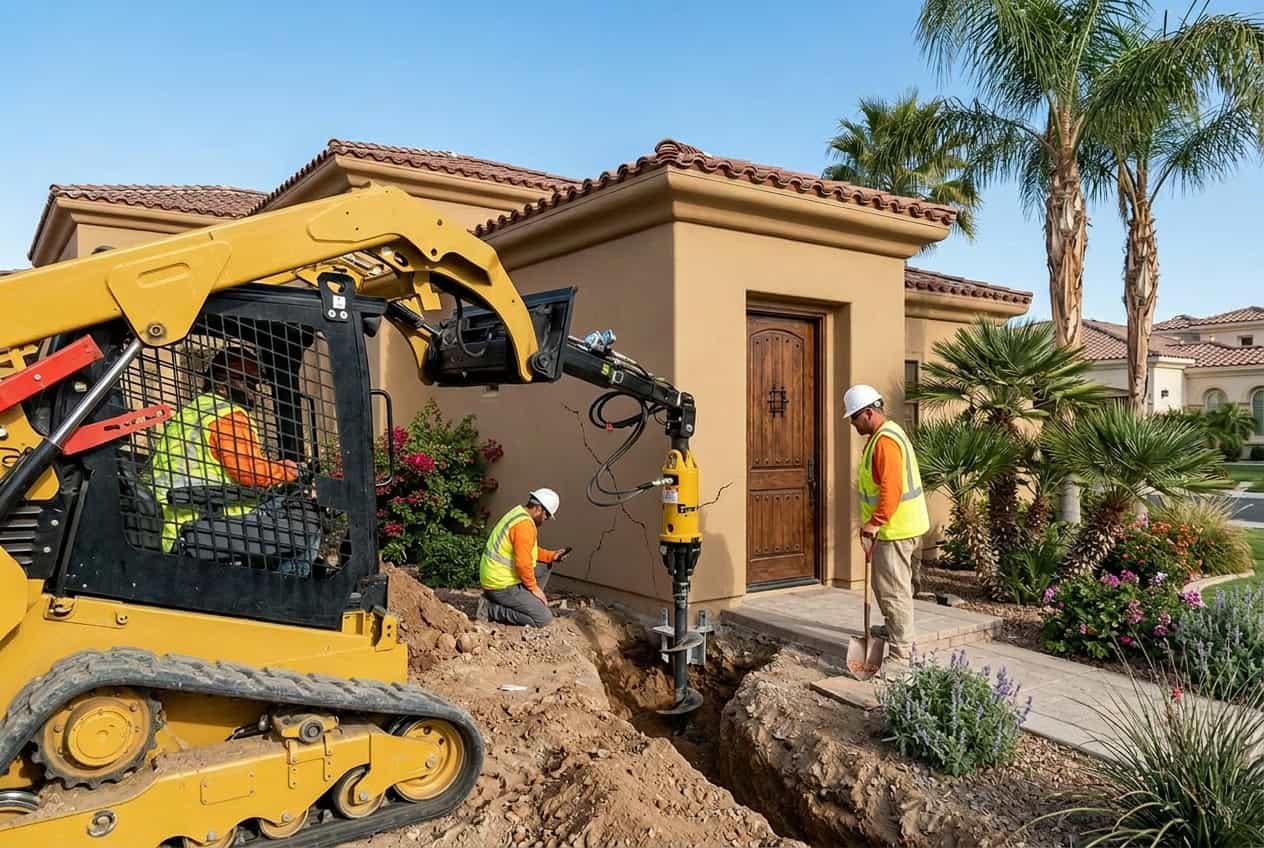
If your foundation is sinking or settling unevenly, piers are the go-to solution for creating long-term stability. These are essentially underground stilts that transfer the weight of your home from unstable soil to solid, load-bearing ground deep below. Push and helical piers are the two main types. Push piers are smooth steel pipes that are hydraulically driven into the earth until they hit bedrock or a stable soil layer. Helical piers look like giant screws and are twisted into the ground, which gives them incredible holding strength. Both are powerful, reliable methods for lifting and securing your foundation for good.
Polyurethane Foam Jacking
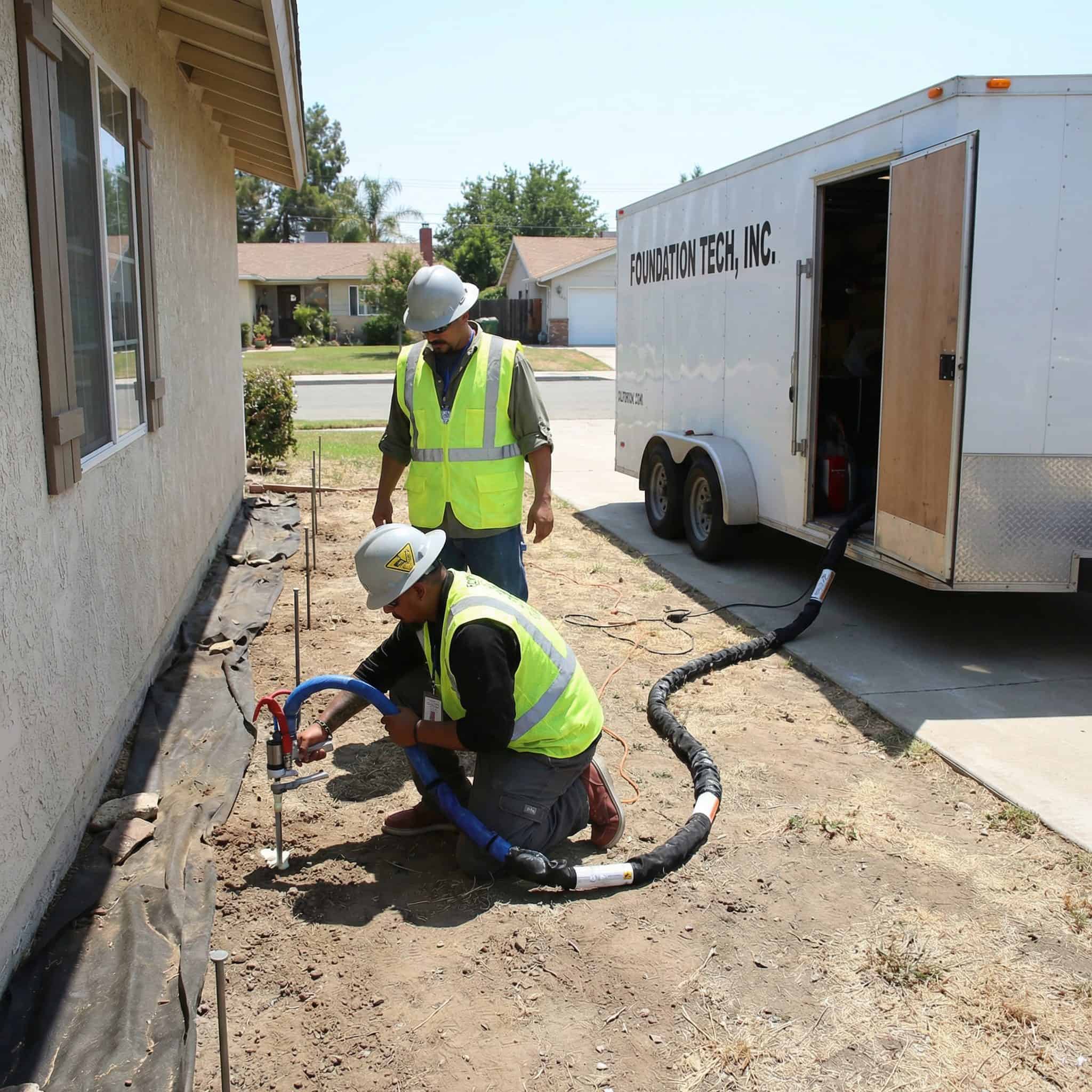
For sunken concrete slabs—like in your patio, driveway, or even the slab foundation of your home—polyurethane foam jacking is a fantastic modern solution. This method, also called polyjacking, is much cleaner and faster than older techniques. A contractor drills small, discreet holes into the sunken slab and injects a structural-grade polyurethane geotechnical foam. The foam expands, filling any voids in the soil below and lifting the concrete back to its original position. It cures in minutes, is lightweight so it doesn’t overburden the soil, and is waterproof, which helps prevent future erosion.
Mudjacking (Slabjacking)
Mudjacking is the traditional predecessor to polyjacking. The concept is similar: lift a sunken slab by pumping material underneath it. However, instead of foam, mudjacking uses a heavy slurry of cement, dirt, and water. While it can lift the slab, the material itself is extremely heavy, can wash away over time, and requires larger injection holes. The “mud” can also shrink as it dries, sometimes causing the slab to resettle. Because of these drawbacks, most modern foundation specialists prefer the more durable and precise results of polyurethane foam.
Repairing Crawl Spaces and Stem Walls
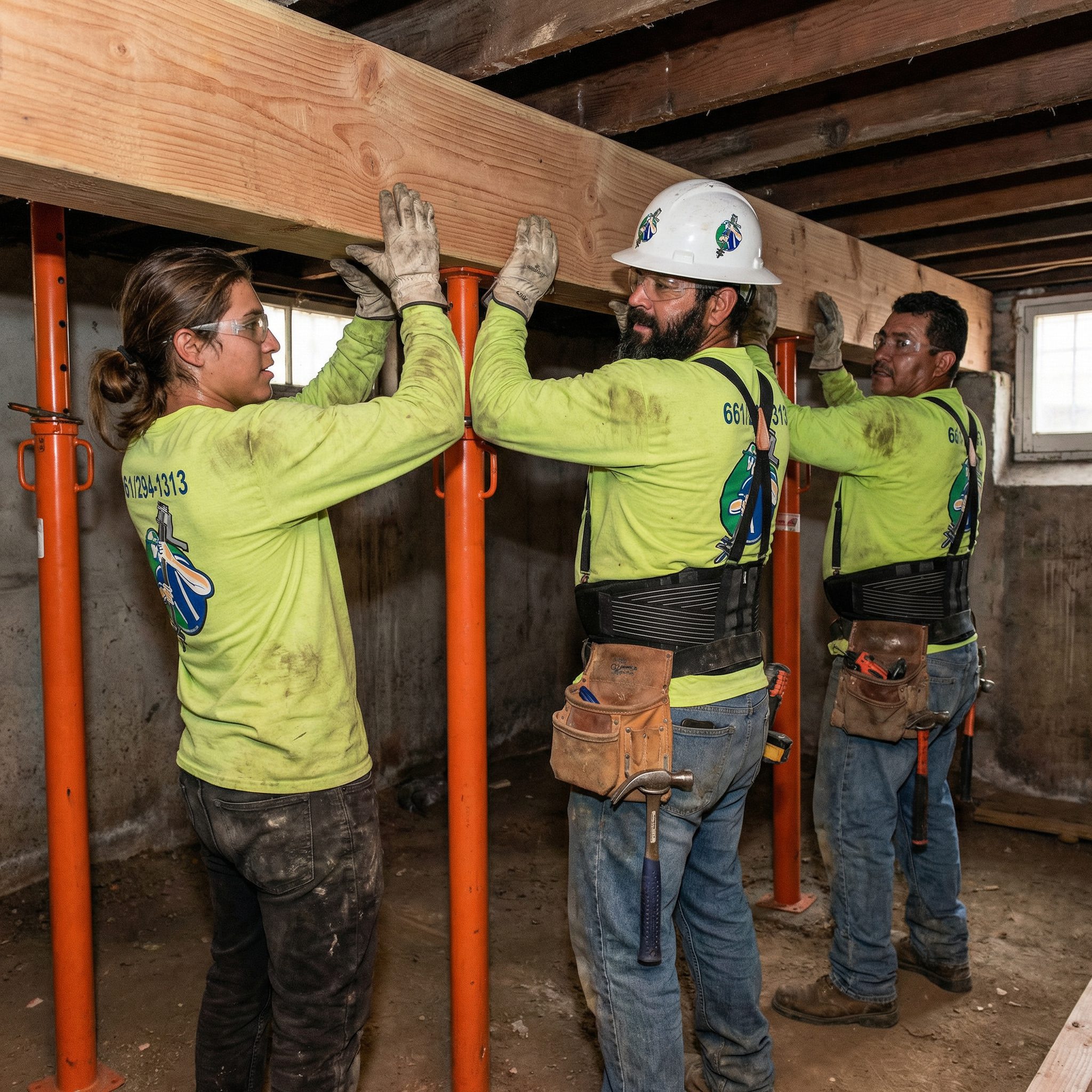
Foundation problems aren’t always under the main slab. For homes with a crawl space, this area is critical to your home’s structural health. Dampness, wood rot, and failing support posts in a crawl space can have serious consequences for the entire house. Crawl-space repairs often involve cleaning the area, fixing supports, and encapsulating it to control moisture. Similarly, the stem wall—the short concrete wall that connects your foundation to the vertical walls of your house—can crack and crumble. Repairing it is essential for maintaining your home’s stability.
Waterproofing Your Foundation
Water is the number one enemy of any foundation. Whether it’s from Arizona’s monsoon storms or a slow leak, excess moisture in the soil can cause it to expand and contract, putting immense pressure on your foundation walls and slab. Professional waterproofing is a preventative measure and a key part of many repair plans. This can involve applying a waterproof sealant to exterior foundation walls, installing interior and exterior drainage systems, and ensuring the ground around your home is properly graded to direct water away. A dry foundation is a stable foundation.
What Does Foundation Repair Cost in Arizona?
Let’s get straight to the point: foundation repair is a significant expense. While every home is different, understanding the typical cost ranges and the factors that influence the final price can help you plan and make an informed decision. Think of this not as just a cost, but as a crucial investment in your home’s safety and value. The price tag can vary widely, so getting a clear picture of the financial side is the first step toward a solution.
Typical Cost Ranges for Common Repairs
When budgeting for foundation work, it helps to have a ballpark figure. Most homeowners spend between $2,500 and $10,000 on foundation repairs. For smaller issues like sealing hairline cracks, you might see costs as low as $1,500. However, extensive structural problems can easily exceed $15,000. In the Phoenix area, the average cost tends to fall between $4,000 and $6,000. A complete foundation replacement is the most intensive project, sometimes running over $50,000. The only way to know for sure is to get a detailed quote from a qualified foundation repair professional who can assess your specific situation.
What Factors Affect the Final Price?
The final number on your quote isn’t arbitrary; it’s based on several key factors. The biggest driver is the extent of the damage—a few small cracks are much less expensive to fix than a severely sinking wall. The specific repair method also plays a huge role. For example, the cost of polyurethane geotechnical foam injection will differ from installing deep-earth push and helical piers. Your home’s unique characteristics, like its foundation type and how easy it is for crews to access the area, will also affect the price. Finally, underlying issues like poor soil or water intrusion that requires waterproofing can add to the project’s scope and cost.
Why a Quality Repair Is a Smart Investment
It can be tempting to put off a repair or choose the cheapest option, but that approach often costs more in the long run. Addressing foundation issues early prevents them from spiraling into much larger, more expensive problems. Think of it as protecting your home’s entire structure. Furthermore, your home is likely your biggest financial asset. If you decide to sell, foundation damage can scare away buyers or lead them to demand a price reduction that is much larger than the actual repair cost. Investing in a professional repair protects your property value and gives you lasting peace of mind.
How to Choose the Right Foundation Repair Company
Finding the right team to handle your foundation repair is a big decision. You’re not just hiring a contractor; you’re entrusting them with the structural integrity of your home. Taking the time to vet your options carefully will give you peace of mind and ensure the job is done right the first time. The goal is to find a partner who is not only skilled but also transparent and reliable.
Must-Have Qualities and Certifications
Before you even look at a quote, your first step is to verify a company’s credentials. At a minimum, any contractor you consider should be licensed, bonded, and insured. This isn’t just paperwork—it’s your protection. A license proves they meet state requirements, a bond protects you if they fail to complete the job, and insurance covers any accidents that might happen on your property. Think of these qualifications as the baseline for a trustworthy and professional company. Any team that can’t provide this information right away should be a red flag. This simple check helps you filter out unreliable options from the start.
Key Questions to Ask Any Contractor
Once you’ve confirmed a company is properly certified, it’s time to dig a little deeper. A good contractor will be happy to answer your questions. Start by asking about their experience with your specific problem. If you see cracks in your drywall or notice your floors are uneven, ask how many homes they’ve fixed with similar issues. You should also ask how Arizona’s unique soil and your property’s water drainage will influence their repair plan. A detailed, confident answer shows they understand the local challenges. Finally, always ask about their warranties. A company that stands behind its work with a strong warranty, like a lifetime warranty on pier installations, is a company that believes in the quality of its solutions.
A Look at Arizona’s Top Foundation Specialists
To help you get started, here are a few of the most reputable foundation specialists serving Arizona homeowners.
Bristol FX
Bristol FX is known for applying scientific methodologies to its work and providing customized foundation repair solutions. The company is committed to quality and customer satisfaction, offering extensive warranties that show they stand behind their work for the long haul.
Arizona Foundation Solutions
This company is a great starting point if you’re just beginning to explore a potential issue. Arizona Foundation Solutions provides expert foundation and concrete repair services and offers free, no-obligation initial inspections, which can help you understand the scope of your problem without any financial commitment.
Dalinghaus Construction
Dalinghaus Construction has built a solid reputation in Arizona for its specialization in foundation repair. They are recognized for delivering quality service and bringing innovative solutions to complex foundation problems.
Foundation Support Specialists
Known for their effective and customer-focused approach, Foundation Support Specialists work to ensure that every client receives attentive service and a reliable repair tailored to their home’s specific needs.
Ram Jack Arizona
Ram Jack is a versatile choice for property owners, as they offer foundation repair services for both residential homes and commercial businesses across Arizona, handling a wide range of foundation issues.
Arizona Foundation Pros
With a focus on providing excellent service and quality work from start to finish, Arizona Foundation Pros is another reliable option for homeowners looking for comprehensive foundation repair solutions.
Why You Shouldn’t Wait to Fix Your Foundation
It’s tempting to put a small crack or a slightly sticky door on the back burner. We all have a long to-do list. But when it comes to your home’s foundation, waiting is one of the most expensive mistakes a homeowner can make. What starts as a minor issue can quickly spiral, affecting your home’s safety, value, and your wallet. Let’s break down exactly why acting fast is your best move.
Protect Your Home’s Structure and Safety
Your home’s foundation is its literal bedrock. When it’s compromised, the effects ripple through the entire structure. A small shift or crack doesn’t just stay put; it grows, putting stress on your walls, floors, and roof. Soon, you might notice doors that won’t close properly, windows that stick, or cracks appearing in your drywall. These aren’t just cosmetic quirks—they’re signs that your home’s structural integrity is at risk. A comprehensive foundation repair addresses the root cause, securing your home and giving you peace of mind that your family and your investment are safe from further damage.
How Foundation Health Affects Property Value
Your home is one of your biggest assets, and its foundation is critical to its market value. If you decide to sell, any savvy buyer will get a home inspection, and foundation problems are a major red flag. Even if the fix is straightforward, buyers often overestimate the cost and complexity, leading them to ask for a huge discount—one that’s often far more than the actual repair would cost. By addressing issues proactively, you protect your equity. Proper crawl-space repairs or other fixes are an investment in maintaining your home’s top market value, ensuring you get the best possible return when it’s time to sell.
The Payoff of Acting Quickly
The simple truth is that foundation problems never fix themselves—they only get worse and more expensive over time. A hairline crack that could be sealed today might require extensive piering in a year. By tackling foundation issues as soon as you spot them, you stop the damage in its tracks. This proactive approach saves you from much larger, more disruptive, and costlier repairs down the road. Solutions like polyurethane geotechnical foam can quickly stabilize a slab before it becomes a major hazard. Acting fast isn’t just about fixing a problem; it’s a smart financial decision that prevents a small issue from turning into a budget-breaking catastrophe.
How to Maintain Your Home’s Foundation
Taking care of your home’s foundation doesn’t have to be complicated. A little proactive attention can go a long way in preventing small issues from turning into major, expensive problems. Think of it as a regular health check-up for your home. By staying vigilant and knowing what to look for, you can protect your property’s structure and your peace of mind. The key is to catch potential problems early, because foundation issues only get worse—and more costly—if you ignore them. These simple steps will help you keep your foundation in top shape.
Simple Maintenance and Inspection Tips
Regularly walking around and inside your home is the best first step. Keep an eye out for hairline cracks in your walls, floors, or the foundation itself. While tiny cracks can be normal as a house settles, growing or zigzagging cracks are a red flag. Check if your doors and windows stick or don’t close properly, as this can signal a shift in the foundation. Outside, ensure the ground slopes away from your house and that your gutters and downspouts are clear and directing water at least five feet away. Proper waterproofing and drainage are your foundation’s best friends. If you spot any of these signs, it’s time to pay closer attention.
Know Your Soil: A Key to Prevention
The ground beneath your home plays a huge role in its stability. Arizona is known for its expansive clay soils, which swell when they get wet and shrink as they dry. This constant cycle of expansion and contraction puts immense pressure on your foundation, leading to cracks and movement. Understanding your soil type helps you manage the moisture around your home more effectively. For instance, consistent watering during dry spells can prevent the soil from shrinking away from the foundation. Conversely, ensuring you have proper drainage prevents water from pooling and over-saturating the soil. Managing the water content in the soil is a critical preventative measure for any Arizona homeowner.
When to Call a Pro for an Assessment
While you can monitor for minor issues yourself, it’s best to call an expert for a professional assessment at the first sign of real trouble. If you see cracks in your drywall or notice your floors are becoming uneven, don’t wait. A trained professional can accurately diagnose the root cause of the problem, which could be anything from soil issues to plumbing leaks. Trying to DIY a fix for anything more than a cosmetic crack can be risky and often makes the problem worse. A professional foundation repair contractor has the tools and expertise to determine the right solution, whether it’s installing piers or injecting foam, ensuring the fix is permanent and effective.
Related Articles
- 5 Early Warning Signs of Foundation Problems – Professional Foundation Repair
- 5 Warning Signs of Foundation Issues
Frequently Asked Questions
How long does a typical foundation repair take? The timeline for a foundation repair really depends on the solution your home needs. Simpler jobs, like injecting polyurethane foam to lift a concrete slab, can often be completed in just a day. More extensive projects, such as installing steel piers to stabilize a sinking foundation, might take several days to a week. A professional team will give you a clear and realistic schedule before any work begins so you know exactly what to expect.
Will the repair process be messy and disruptive to my home? It’s natural to worry about your home turning into a construction zone, but modern foundation repair is much less invasive than you might think. Methods like polyjacking use small, discreet injection holes, and pier installation is focused on specific areas around your home’s exterior. While there will be some noise and activity, a professional crew works efficiently to minimize the impact on your daily life and always leaves the work area clean.
My house is older. Aren’t some cracks just a normal part of settling? It’s true that most houses settle over time, which can cause tiny, hairline cracks. However, you should never assume a crack is harmless. The key differences to watch for are the size, direction, and growth of the crack. If you see cracks that are wider than a quarter-inch, are in a zigzag pattern, or seem to be getting longer, it’s a sign of a potential structural issue. It’s always best to have a professional take a look to determine if it’s normal settling or a problem that needs a real solution.
Will my homeowner’s insurance cover the cost of foundation repair? This is a common question, and the answer is usually no. Most standard homeowner’s insurance policies do not cover damage related to foundation settling, soil movement, or general wear and tear. Coverage typically only applies if the foundation damage was caused by a specific, covered peril, like a burst pipe or a natural disaster. It’s always a good idea to review your policy and speak with your insurance agent to understand your specific coverage.
What’s the real difference between push piers and helical piers? Both are excellent, permanent solutions for a sinking foundation, but they are chosen based on your home’s specific situation. Push piers are smooth steel tubes that are hydraulically driven deep into the ground until they hit solid bedrock, using the weight of the house to push them down. Helical piers are like giant steel screws that are twisted into the soil to a specific depth and torque. They are often used for lighter structures or in situations where bedrock is extremely deep, as their helical plates provide the necessary support without relying on the structure’s weight.