
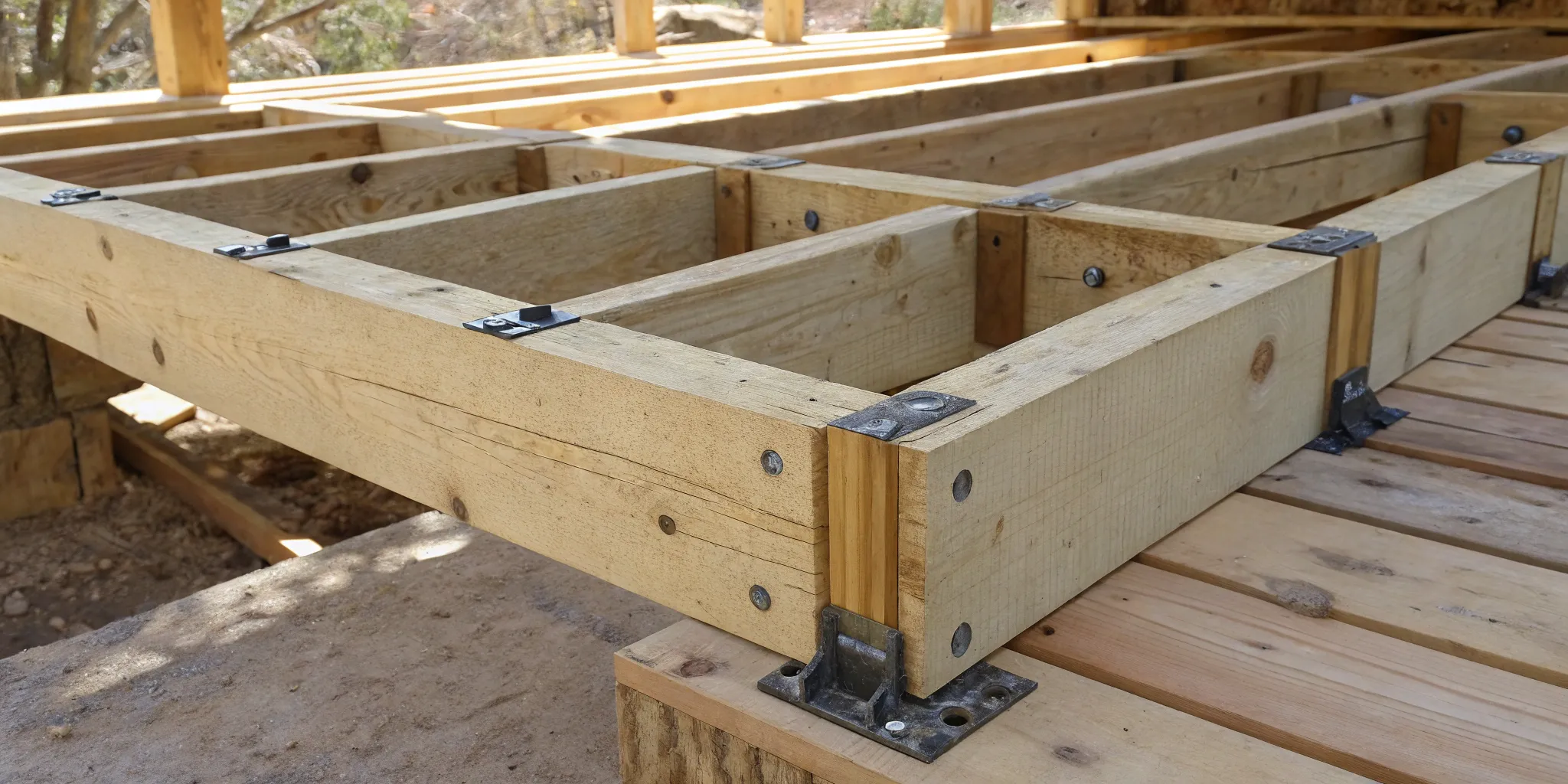
Have you ever noticed a soft, bouncy spot on your floor or a door that suddenly refuses to latch properly? These common household annoyances are often symptoms of a deeper issue lurking just below your feet. The problem could lie with your band and rim joists—the essential wooden frame that supports your entire floor system. Because they sit right on the foundation, they are highly vulnerable to moisture, rot, and pests. We’ll explore the key differences in the band joist vs rim joist debate, show you how to identify the warning signs of damage, and explain the best ways to protect these critical structural components for the long-term health of your home.
Key Takeaways
- Understand Their Role as Your Floor’s Frame: Band and rim joists are the outer frame of your floor system, providing critical lateral support that prevents floor joists from twisting. This is what keeps your floors feeling solid and the entire structure stable.
- Protect Them from Moisture at All Costs: Located right on top of the foundation, these joists are highly vulnerable to moisture, which leads to rot and decay. Proper waterproofing, sealing air leaks, and controlling humidity in your basement or crawl space is essential for their long-term health.
- Inspect Regularly and Know When to Call for Help: Periodically check your joists for dampness, rot, or sagging floors. While you can spot the warning signs, joist repair is not a DIY job. If you see any issues, a professional assessment is the best way to ensure the problem is fixed correctly and protect your home’s structural integrity.
What Are Band and Rim Joists?
Think of your home’s floor system as its skeleton. If the floor joists are the ribs, the band and rim joists are the outer frame that holds everything together. These components are essential for your home’s structural integrity, yet they often go unnoticed until a problem arises. Understanding what they are and what they do is the first step in protecting your home’s foundation and framework for the long haul.
What They Are and What They Do
Band joists, often called rim joists, are the boards that run perpendicular to the main floor joists, capping them off around the perimeter of your home’s floor structure. Their primary job is to provide lateral support to the floor joists, preventing them from twisting or warping under the weight of the walls and floors above. By boxing in the floor system, they create a solid, stable platform. This structural closure is critical for maintaining the squareness and strength of the entire building. When these components are compromised, it can affect the foundation repair needs of the entire structure.
Common Materials
The materials used for band and rim joists typically match the rest of the floor framing. In traditional construction, this means using dimensional lumber, like pine or fir, of the same size as the floor joists. However, it’s also common to see engineered wood products used for this purpose. Materials like Laminated Veneer Lumber (LVL), Oriented Strand Board (OSB), or even plywood can be used to create the rim board. Builders often choose engineered options for their dimensional stability and strength, which is especially important in modern new construction projects where precise engineering is key to performance.
Where They Fit in Your Home’s Structure
You’ll find band and rim joists sitting directly on top of the sill plate, which is the wooden board that rests on your home’s foundation wall. This placement makes them a critical link between the foundation and the rest of the house frame. They are most visible in unfinished basements or crawl spaces, forming the “box” you see at the top of the foundation wall. Because of their location, they are particularly vulnerable to moisture wicking up from the foundation, which can lead to rot and decay. Proper crawl-space repairs often involve inspecting and reinforcing these essential structural elements.
Why Band and Rim Joists Are So Important
Think of band and rim joists as the unsung heroes of your home’s structure. While they might not get the same attention as the main foundation or roof, they play a critical role in keeping your floors level and your walls standing strong. These components form the outer frame of your floor system, tying everything together and ensuring the weight of your home is managed correctly. When they’re in good shape, your house feels solid and secure. But if they start to fail due to moisture, pests, or age, the problems can ripple through your entire home, leading to sagging floors, cracked walls, and other serious structural issues. Understanding their function is the first step in protecting your investment.
How They Distribute Weight
Band and rim joists act like a sturdy belt around your floor system. They connect to the ends of all the parallel floor joists, creating a rigid, box-like frame. This frame is essential for distributing the immense weight of your walls, furniture, and everything else in your home. Instead of letting the load concentrate on a few points, the band joist spreads it laterally across the entire structure and down into the foundation. This even distribution prevents individual joists from becoming overloaded and is a fundamental principle of sound foundation repair. Without this system, your floors would lack the strength to handle daily life.
How They Support Your Floors
The primary job of a band or rim joist is to provide side-to-side support to the floor joists. Imagine a row of books on a shelf without bookends—they’d easily tip over. The band joist is the bookend for your floor system. It holds the ends of the floor joists securely in place, preventing them from twisting, warping, or leaning under pressure. This lateral bracing is what gives your floors their solid, stable feel underfoot. When this support is compromised, you might notice bouncing or sagging floors, which are often early warning signs of a problem in your crawl space or basement.
How They Provide Stability
By framing the entire floor system, band and rim joists provide crucial structural stability. They tie the floor platform to the foundation walls below and the wall framing above, creating a cohesive and resilient structure. However, their position at the edge of the foundation also makes them highly vulnerable to moisture from the outside. Water intrusion can lead to wood rot and decay, severely weakening the joist and compromising the stability of your home. Proper waterproofing is one of the most effective ways to protect these essential components from moisture damage and preserve your home’s structural integrity for years to come.
How They Prevent Shifting
Beyond supporting vertical weight, band and rim joists are your home’s defense against lateral, or side-to-side, forces. Think about strong winds or even minor seismic activity—these forces push against your house from the side. The band joist helps brace the entire floor system, preventing it from shifting or racking. This function is especially important for homes built on uneven terrain or slopes, where the risk of movement is higher. By locking the floor structure together, these joists contribute to the overall resilience of your home, a key concept in services like hillside stabilization. They ensure your home can stand firm against external pressures.
Band Joists vs. Rim Joists: What’s the Difference?
If you’ve ever peeked into your crawl space or an unfinished basement, you’ve seen the skeleton of your home’s floor system. It’s a grid of wooden beams that holds everything up. While the terms “band joist” and “rim joist” are often used interchangeably to describe the boards running along the outer edge of this grid, there are subtle distinctions that matter for your home’s health. Think of them as the frame around a picture; they don’t hold the main image up, but they keep everything squared away and protected.
Understanding these components is the first step in spotting potential issues before they become major headaches. These joists are on the front lines, exposed to the elements right where your house meets the foundation. This makes them particularly susceptible to moisture, rot, and pests. Knowing what they are, what they do, and what they’re made of helps you understand why professional crawl-space repairs and inspections are so important for the long-term stability of your property. Let’s clear up the confusion and look at what makes these structural pieces unique.
Where You’ll Find Them
You’ll find a rim or band joist at the very perimeter of your floor framing. Imagine looking at the floor structure from the side; the joists are the boards you see capping the ends of all the main floor joists that run across the width of your home. They run perpendicular to the interior joists, creating a finished box or “rim” around the entire floor system. This is true for the floors inside your house as well as for outdoor structures like decks. They sit directly on top of the sill plate, which is the piece of lumber that rests on your home’s foundation wall, making them a critical link between the foundation and the framing.
Their Unique Jobs
The main job of a rim joist is to provide lateral stability. It connects the ends of the floor joists, preventing them from twisting, warping, or leaning over time. This ensures the entire floor system remains rigid and square under the weight of the walls and everything else above it. However, because of their location on the exterior edge of the foundation, rim joists are highly vulnerable to moisture intrusion and air leaks. This exposure can lead to wood rot, insect infestations, and energy loss, making proper waterproofing and sealing in this area absolutely essential for protecting your home’s structural integrity.
What They’re Made Of
The material used for a rim joist typically matches the rest of the floor system. If your home is built with traditional solid wood joists, the rim joist will usually be the same type of lumber, like spruce or fir, and have the same depth. In modern construction that uses engineered I-joists, the rim joist is often made from a compatible engineered wood product. Common materials include Laminated Veneer Lumber (LVL), Oriented Strand Board (OSB), or thick plywood. The goal is to use a material that provides the necessary stiffness to brace the joist ends properly, a key consideration in any new construction project.
How They’re Installed
Installation is fairly straightforward. The rim joist is placed on the sill plate and runs along the entire outside edge of the floor platform. Then, the interior floor joists are butted up against it and fastened in place, usually with nails or specialized screws. It’s important to understand that a rim joist is not a load-bearing beam in the traditional sense; it doesn’t carry the vertical weight of the floor. Instead, its role is to transfer the load from the walls above down to the sill plate and foundation. This connection point is critical, and any weakness here can compromise your entire structure, often requiring professional foundation repair.
Clearing Up Common Joist Confusion
When you start looking into your home’s structure, especially in the crawl space or basement, you’ll hear a lot of new terms. The joist family, in particular, can be a bit confusing. Let’s clear up some of the most common questions about band and rim joists so you can feel more confident about what’s holding up your home. These components are small but mighty, and understanding their role is the first step in keeping your foundation strong and stable for years to come.
Are They the Same Thing?
You’ve probably heard “band joist” and “rim joist” used as if they mean the same thing, and for the most part, that’s perfectly fine. In practice, both refer to the wooden board that runs along the outer edge of your floor framing, capping off the ends of the floor joists. If you want to get technical, “band joist” is a slightly broader term that can include both rim joists and end joists. But for a homeowner, the key takeaway is that these boards form the outer box of your floor system, holding everything together like a picture frame.
How Important Are They, Really?
They are incredibly important. While they might just look like simple wooden boards, rim joists are essential for the structural integrity of your home. Their main job is to provide lateral support, which keeps your floor joists from twisting, warping, or shifting from side to side. Without them, the entire floor system would be less stable and more prone to movement under the weight of your home. By tying all the joists together, they help distribute the structural load evenly down to the foundation walls. A problem here can be an early sign that your home needs a professional foundation repair assessment.
Can They Bear Weight?
This is a great question, and the answer is a little nuanced. Rim joists aren’t designed to bear the primary vertical weight of your floor—that’s the job of the floor joists and the beams they rest on. Instead, their strength lies in resisting lateral, or side-to-side, forces. They are the key braces that prevent the floor system from shifting when faced with pressure from wind or even subtle ground movement. So, while they aren’t holding up your furniture directly, they are critical for keeping the entire floor structure square and stable, a core principle in overall hillside stabilization and support.
Do They Need Maintenance?
Yes, absolutely. Because rim joists are located at the very edge of your foundation, right where the wood framing meets the concrete, they are highly vulnerable to problems. This area is a common spot for moisture intrusion and air leaks, which can lead to wood rot, mold growth, and pest infestations. If you notice musty smells, visible mold, or soft, decaying wood along the top of your foundation wall, it’s a clear sign your rim joists are in trouble. Regular inspections are key, and proper waterproofing in your basement or crawl space is the best way to protect these critical components from damage.
Install Joists Correctly
Getting joist installation right is fundamental to your home’s structural health. Whether you’re building an addition, finishing a basement, or repairing existing damage, the process demands precision. These components are the skeleton of your floor system, and even small mistakes can lead to significant problems like sagging floors, drywall cracks, and long-term instability. While some home projects are great for a weekend DIY, the structural work involving joists often requires a professional touch to ensure everything is secure, up to code, and built to last. Proper installation is your first line of defense against future issues, making it one of the most important steps in construction and foundation repair.
Choose the Right Materials
The first step is selecting the appropriate materials for the job. Band and rim joists are typically made from the same dimensional lumber as the floor joists they support, ensuring consistent strength and behavior. However, engineered wood products like Laminated Veneer Lumber (LVL) or Oriented Strand Board (OSB) are also common choices, often used for their uniformity and strength. The right material depends on your project’s specific load requirements and environmental exposure. For any new construction, making the correct choice from the start prevents costly fixes later on. Consulting with a structural expert can help you select materials that provide the necessary support and durability for your home.
Follow Installation Best Practices
Proper installation is more than just cutting wood to size. Band and rim joists play a critical role in bracing the entire floor system against lateral forces from wind or seismic activity. They tie the floor joists together, preventing them from twisting or shifting and keeping the structure square and stable. This means fasteners must be correctly sized and spaced, and the joists must be flush and level. A poorly installed joist won’t do its job effectively, compromising the floor’s integrity and potentially leading to bouncy or uneven surfaces. Following established best practices ensures every component works together as a cohesive, strong system.
Meet Building Code Requirements
Before you begin any work, it’s essential to understand your local building codes. These regulations exist to ensure safety and structural soundness. You should always consult your local building department to learn the specific requirements for joist installation in your area, as rules can vary based on regional climate and geological factors. Adhering to code is not just about passing an inspection; it’s about protecting your investment and ensuring the safety of everyone in the building. A professional contractor will be well-versed in these codes and can make sure your project is fully compliant from start to finish.
Prioritize Safety
The band and rim joist area is a common weak point for moisture and air leaks, especially in basements and crawl spaces. Because they are located at the edge of the foundation, they are vulnerable to water intrusion, which can lead to wood rot, mold, and pest infestations. Sealing and insulating these joists is a critical safety measure that protects your home’s structural integrity and improves energy efficiency. If you notice any signs of moisture or decay, addressing it quickly with professional crawl-space repairs or waterproofing can prevent the damage from spreading and compromising your foundation.
Protect Your Joists from Moisture and Cold
Your home’s band and rim joists sit right at the intersection of your foundation and the main living space, making them a critical defense line against the elements. Unfortunately, this location also makes them highly vulnerable to moisture and cold air from the outside. When this area isn’t properly protected, it can lead to wood rot, pest infestations, and significant energy loss, which you’ll feel in your utility bills and your cold floors. Taking proactive steps to protect your joists is one of the smartest investments you can make in your home’s long-term health and stability. Here are the key strategies to keep this crucial structural component safe, dry, and secure.
Proper Insulation Methods
Insulation isn’t just for your attic; the rim joists are one of the biggest sources of air leakage in a home. Without proper insulation, cold air easily transfers from the concrete foundation to the wooden joists, causing condensation to form. This moisture creates the perfect environment for rot and mold. Using spray foam or fitted rigid foam boards is an excellent solution because these materials both insulate and air-seal the area simultaneously. Properly insulating your joists helps maintain the structural integrity of the wood, lowers your energy bills, and keeps the floors above much warmer and more comfortable. This is a foundational part of comprehensive crawl-space repairs.
Install a Vapor Barrier
Moisture from the ground is a constant threat, especially in homes with crawl spaces or unfinished basements. A vapor barrier is your best defense against this underground humidity. Think of it as a durable, waterproof liner that covers the entire dirt or gravel floor of your crawl space and can extend up the foundation walls. This barrier effectively stops water vapor from rising out of the soil and soaking into your floor joists and subfloor from below. Installing a complete and properly sealed vapor barrier is a critical step in any professional waterproofing strategy and is essential for preventing the musty odors and widespread wood decay that come with chronic dampness.
Seal Air Leaks
The spot where the wooden frame of your house rests on the concrete foundation is rarely a perfect, airtight seal. Over time, tiny gaps and cracks can form, creating easy entry points for cold air, moisture, and pests like insects and rodents. Sealing these air leaks is a straightforward but highly effective way to protect your joists. A professional can apply specialized caulk or spray foam to fill every seam and crack around the band and rim joists. This simple action stops drafts in their tracks, which not only improves your home’s energy efficiency but also blocks the path for moisture to damage the wood. It’s a similar principle to the crack injection techniques used to seal foundation walls.
Control Temperature and Humidity
Ultimately, the goal is to create a stable, controlled environment in your basement or crawl space. Proper insulation, a vapor barrier, and sealed air leaks all work together to manage temperature and humidity. When this space stays dry and temperate, it becomes an inhospitable place for mold, mildew, and wood-destroying insects. If you notice sagging floors, moisture stains on the wood, or a persistent musty smell, these are clear signs that your humidity levels are too high. While a dehumidifier can help, it’s crucial to first address the source of the moisture. These symptoms often point to a larger issue that may require professional foundation repair to fully resolve.
Spotting Problems and Finding Solutions
Band and rim joists work hard behind the scenes, but they aren’t invincible. Moisture, pests, and time can all take a toll, leading to problems that affect your entire home. The good news is that you can often spot the warning signs early if you know what you’re looking for. Catching issues before they escalate can save you a lot of stress and money down the road. Think of it as a regular health check-up for your home’s foundation. A few minutes spent inspecting your basement or crawl space can make all the difference in maintaining a safe and stable structure for years to come. Here’s how to identify potential problems with your joists and what to do about them.
What to Look For
Start with a simple visual inspection. Head down to your basement or crawl space with a good flashlight and look closely at the wooden frame that sits on top of your foundation walls. One of the most obvious red flags is visible rot or mold. If you see dark, crumbly wood or fuzzy patches of green, black, or white growth, it’s a clear sign that moisture has compromised your joists. Also, keep an eye out for water stains, discoloration, or peeling paint on the wood. Termites and other wood-boring insects can also cause significant damage, so look for tiny holes, tunnels, or piles of sawdust-like material (called frass) near the joists.
Identify Structural Problems
Sometimes, the signs of joist damage aren’t in the basement at all—they’re right under your feet. A sagging or uneven floor is the biggest telltale sign of a structural issue. As you walk across the room, pay attention to how the floor feels. Does it seem soft, bouncy, or spongy in certain spots? Do you notice a distinct dip or slope? These are classic indicators that the joists below are no longer providing adequate support. Other related symptoms can appear throughout your home, like interior doors that stick or won’t latch properly and new cracks forming in your drywall or plaster walls. These issues often point to a problem that starts with your home’s crawl-space repairs.
Spot Signs of Moisture Damage
Most joist problems begin with one culprit: moisture. Band and rim joists are especially susceptible to moisture intrusion because they are located at the edge of the foundation, where the outside world meets your home’s interior. If the area isn’t properly sealed or insulated, water can seep in from rain, snowmelt, or humid air, leading to rot and decay. A persistent musty or mildewy smell in your basement or crawl space is a strong indicator of a moisture problem, even if you can’t see it. Effective waterproofing is your best defense against this kind of damage, as it creates a barrier that keeps water out and protects the structural wood of your home.
Know When to Call a Professional
While it’s great to be proactive about inspecting your home, joist repair is not a DIY job. If you notice any signs of rot, mold, or significant sagging, it’s time to consult a professional. An expert can accurately assess the extent of the damage and determine the underlying cause. They have the tools and knowledge to distinguish between a minor issue and a serious structural threat that requires immediate foundation repair. A professional assessment ensures you get the right solution, whether it’s reinforcing a few joists, replacing a section of rotted wood, or addressing a larger foundation problem. Investing in expert help protects your home’s value and, most importantly, your family’s safety.
Maintain Your Joists for the Long Term
Keeping your band and rim joists in good shape is one of the best things you can do for the health of your home. Think of it like regular check-ups for your house’s skeleton. A little proactive care goes a long way in preventing small issues from turning into major, expensive headaches. Since these joists are fundamental to your home’s stability, maintaining them ensures your floors stay level and your structure remains sound for years to come. It’s all about catching problems early and taking simple steps to protect your investment. Here’s how you can stay on top of joist maintenance and keep your foundation strong.
Create an Inspection Checklist
A great first step is to create a simple inspection routine. At least once a year, grab a flashlight and take a look at the joists in your basement or crawl space. You’re looking for any red flags that signal trouble. Pay close attention to visible rot or mold, especially around the edges of your floor system, as this can be a clear sign of a compromised rim joist. Also, keep an eye out for cracks in the wood, signs of termite or other insect damage, and any areas that look damp. Make a note of anything that seems off. This simple checklist helps you track your home’s condition over time and spot issues before they escalate into serious crawl-space repairs.
Take Preventive Steps
Prevention is always better than a cure, especially when it comes to your home’s structure. Band and rim joists are particularly vulnerable to moisture, which can lead to rot and decay if they aren’t properly sealed. One of the most effective preventive measures is ensuring your home has proper waterproofing and insulation in the basement or crawl space. Check that your gutters and downspouts are directing water away from your foundation and that the ground slopes away from your house. Sealing any gaps or cracks in the foundation wall where the joists rest can also stop moisture and cold air from getting in, protecting the wood from damage and keeping your home more comfortable.
Why a Professional Assessment Matters
While your own inspections are valuable, there’s no substitute for a professional assessment. An expert can spot subtle signs of structural distress that are easy for an untrained eye to miss. If you notice any issues like moisture damage or sagging floors, it’s important to have them looked at right away, as these can lead to significant problems if not addressed. A professional can accurately assess the structural integrity of your joists and recommend the right course of action. Getting an expert opinion provides peace of mind and ensures that any necessary foundation repair is handled correctly, protecting your home’s value and safety for the long term.
Understand the Costs
It’s helpful to understand the financial side of joist maintenance. The cost of ignoring potential problems will always be higher than the cost of addressing them early. Signs of damage like sagging or uneven floors often indicate that a problem has been developing for a while and may require more extensive work. Minor preventive measures, like improving ventilation or sealing small cracks, are relatively inexpensive. However, replacing rotted joists or correcting a sinking floor is a much larger project. The final cost will depend on the extent of the damage and the specific solution required. Getting a professional quote is the best way to understand the investment needed to secure your home’s foundation.
Related Articles
- Crawl-space Repairs – Professional Foundation Repair
- Crawl Space Repair Services | Bristol FX
- Crawl-Space Repair – Bristol FX
- Foundation Repair – Professional Foundation Repair
Frequently Asked Questions
Are band joists and rim joists really the same thing? For most practical purposes, yes. You’ll hear contractors and builders use the terms interchangeably to describe the boards that frame the outer edge of your floor system. They both serve the same primary function: to cap the ends of the floor joists and provide lateral stability. Think of them as the “rim” or “band” that holds the whole floor platform together.
My floors feel bouncy and uneven. Could this be a problem with my rim joists? That is a classic sign of a potential issue. When rim joists are compromised by rot or damage, they can no longer properly support the floor joists they are connected to. This loss of lateral bracing can cause the entire floor system to weaken, leading to that soft, bouncy, or sagging feeling underfoot. It’s definitely a symptom that warrants a closer look in your basement or crawl space.
What’s the single most important step I can take to protect my joists? Without a doubt, the most important thing you can do is control moisture. Nearly all joist problems start with water. By ensuring your gutters and downspouts direct water far away from your foundation, sealing air leaks between your foundation and framing, and considering professional waterproofing for your basement or crawl space, you can prevent the wood rot and mold that destroy these critical structural components.
I see some dark spots on the wood near my foundation. Is it mold or just discoloration? It can be tough to tell from a distance, but either one is a signal that moisture is present where it shouldn’t be. If the wood feels soft, spongy, or crumbly when you carefully poke it with a screwdriver, you’re likely dealing with wood rot. Whether it’s mold or rot, the underlying cause is excess moisture that needs to be addressed to prevent further damage to your home’s structure.
Can I repair a damaged rim joist myself? I would strongly advise against it. Rim joists are integral to your home’s structural stability, and a repair that isn’t done correctly can have serious consequences for the entire frame of your house. This is a job where professional expertise is essential to ensure the repair is sound, safe, and properly supports your home for the long term.