
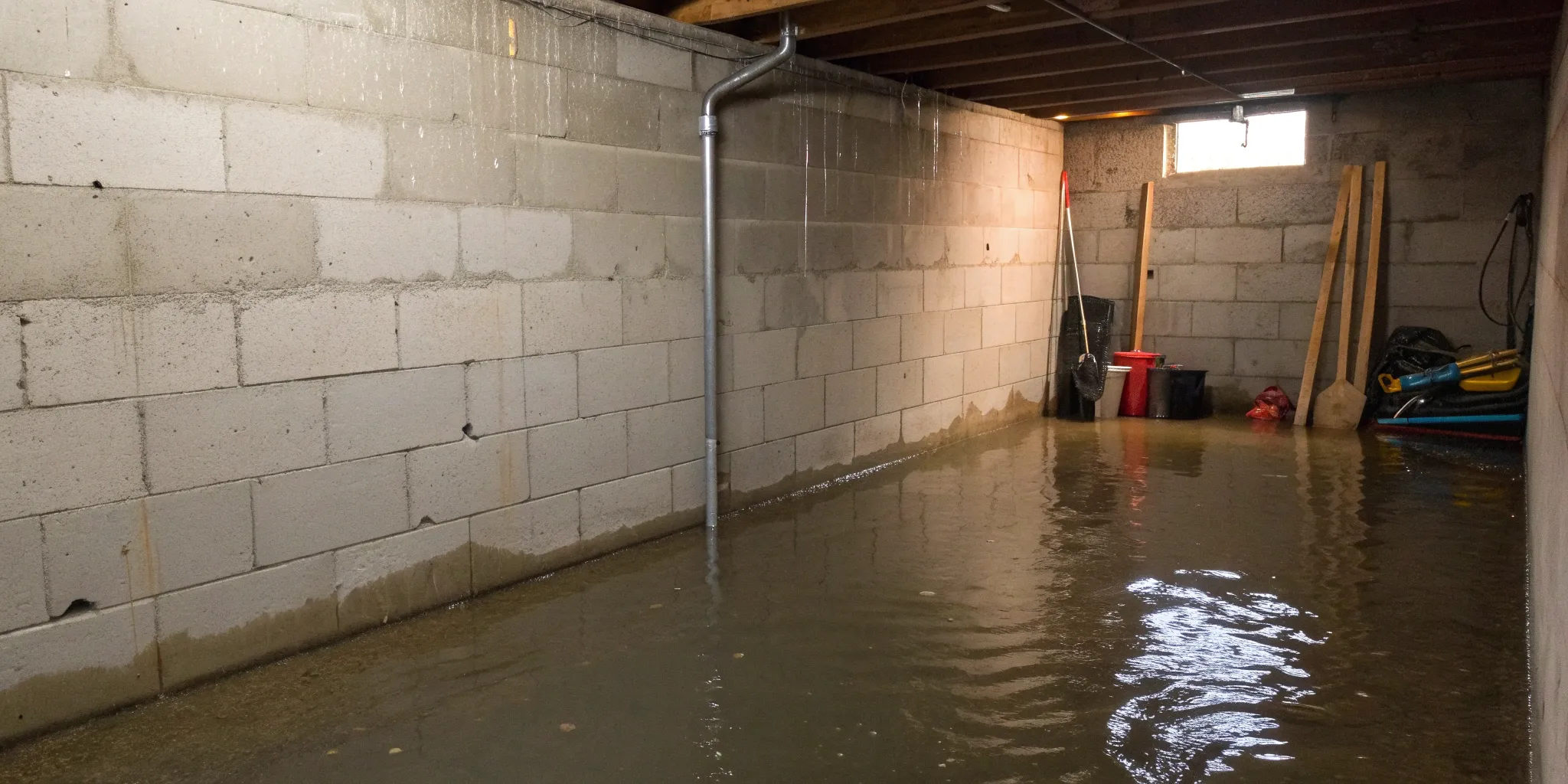
Your home’s first line of defense against a wet basement isn’t inside the house—it’s in your yard. Simple issues like clogged gutters, improper yard grading, or downspouts that dump water too close to the house create the perfect conditions for leaks. All that excess water saturates the soil, building immense pressure that forces its way through the weakest point: the cove joint. This guide explains how proactive maintenance can prevent basement cove joint leakage before it starts. We’ll also cover the permanent solutions required when water has already found its way in, ensuring your basement stays dry for good.
Key Takeaways
- Focus on the Source, Not the Symptom: Cove joint leaks are caused by immense water pressure building up in the soil around your foundation. Your first line of defense is to manage this water by improving your yard’s grading and keeping gutters and downspouts clear and extended away from the house.
- Choose Management Over Patching: Applying sealant to the inside of the joint is a temporary patch that traps water pressure, which can create new cracks. A permanent fix requires a professional drainage system that actively collects and redirects water, relieving the pressure for good.
- A Leak Can Be a Structural Warning: A persistent cove joint leak, especially when combined with wall cracks or bowing, can signal a more serious foundation problem. A professional inspection is the best way to determine if you need waterproofing or a more extensive foundation repair to protect your home.
Why Is Your Basement Leaking at the Cove Joint?
Finding water in your basement is never a welcome surprise, especially when it seems to be seeping in right where the walls meet the floor. This common trouble spot is known as the cove joint, and it’s one of the most frequent places for leaks to appear. Understanding why this area is so vulnerable is the first step toward finding a lasting solution. It’s not just about mopping up a puddle; it’s about figuring out what’s happening outside your foundation walls that’s causing water to force its way in. From intense rainstorms to the very soil your home is built on, several factors can turn your cove joint into a gateway for moisture. Let’s walk through what the cove joint is and the forces that cause it to leak.
What Is a Cove Joint?
Think of the cove joint as the seam where your basement’s concrete floor and foundation walls connect. During construction, the floor is typically poured after the walls have been set, creating a small, non-structural gap between the two. While this is a standard construction practice, that tiny gap becomes the path of least resistance for water trying to get into your basement. It’s not a flaw in your home’s original build, but rather an inherent weak point that can be exploited by outside water pressure. When you see water pooling along the edges of your basement, the cove joint is almost always the entry point.
Common Reasons Cove Joints Leak
The number one reason your cove joint is leaking is something called hydrostatic pressure. It sounds technical, but the concept is simple: it’s the pressure created by groundwater building up in the soil around your foundation. When the ground becomes saturated after heavy rain or snowmelt, that water has to go somewhere. It pushes against your foundation walls and floor from all sides. Since the cove joint is a small gap, this pressure easily forces water through it and into your basement. Effective waterproofing is designed to manage this pressure and keep your basement dry, even when the soil outside is completely soaked.
How Water Pressure Affects Your Foundation
Hydrostatic pressure doesn’t just appear out of nowhere. It’s caused by specific conditions around your property. A high water table, for instance, means the soil is naturally saturated close to the surface. Heavy rainfall or rapidly melting snow can also overwhelm the soil’s ability to drain, creating intense, temporary pressure against your foundation. This constant force seeks out any vulnerability, and the cove joint is an easy target. Over time, this pressure can do more than just cause leaks; it can contribute to cracks and other forms of structural stress, making a comprehensive foundation repair strategy essential for protecting your home’s integrity.
The Problem with Poor Drainage
Your home’s drainage system is its first line of defense against water intrusion. If it isn’t working correctly, you’re essentially inviting water to pool around your foundation. Clogged gutters, for example, will overflow and dump water right next to your walls instead of channeling it away. Similarly, downspouts that are too short will release water at the base of your home. Another major issue is negative grading, where your yard slopes toward your house instead of away from it. All of these drainage problems lead to saturated soil, which in turn creates the hydrostatic pressure that causes cove joint leaks.
Spotting the Signs of a Cove Joint Leak
Noticing water in your basement can be alarming, but figuring out where it’s coming from is the first step toward a solution. The cove joint is a common culprit, and thankfully, it leaves some pretty clear clues. By learning to spot the signs early, you can address the issue before it becomes a major headache. Let’s walk through what you should be looking for.
Look for These Telltale Signs
The most obvious sign of a cove joint leak is, of course, water. You might see it actively seeping in where the basement floor meets the foundation walls, especially after a heavy rainstorm or as snow melts. Look for damp spots, puddles, or dark stains on the concrete in that specific area. You may also notice a white, powdery substance on the walls or floor, which is a mineral deposit called efflorescence left behind as water evaporates. Don’t forget to trust your nose—a persistent damp, musty smell is a classic indicator that you have a moisture problem that needs a waterproofing solution.
How Serious Is the Leak?
A small trickle of water might not seem like a big deal, but even minor cove joint seepage can lead to significant problems if left unaddressed. Over time, that moisture can cause damage to stored belongings, ruin carpets and drywall, and lead to unsightly stains on your floors and walls. More importantly, it creates the perfect environment for mold and mildew to grow, which can affect your home’s air quality. In some cases, persistent water issues can even cause the wooden support structures in your basement to rot, compromising your home’s integrity. Addressing the leak promptly helps protect both your property and your peace of mind.
Uncovering Hidden Structural Damage
A cove joint leak is more than just a water problem; it’s a symptom of intense pressure being exerted on your foundation. This force, known as hydrostatic pressure, is what pushes groundwater from the soil through the tiny gap of the cove joint. If the pressure is strong enough to force water inside, it might also be creating new foundation cracks or worsening existing ones. That’s why it’s so important to see a cove joint leak as a potential warning sign for deeper issues. A professional inspection can determine if the leak is an isolated issue or a signal that you need more extensive foundation repair.
Checking for Moisture and Mold
Where there’s chronic dampness, mold is almost sure to follow. Check the areas around the cove joint for any fuzzy or slimy patches, which can be black, green, or white. Mold can grow on walls, floors, and even on items you have stored in the basement. Because some mold can be harmful to your health, it’s crucial to handle it with care and address the underlying moisture source. The only permanent way to stop mold is to stop the water intrusion. Effective waterproofing and humidity control are key to keeping your basement dry and healthy for your family.
Your Guide to Cove Joint Repair Options
When you find water seeping in where your basement floor meets the wall, your first instinct might be to seal the crack and call it a day. But addressing a cove joint leak requires understanding the difference between a temporary patch and a permanent solution. The right approach will not only dry out your basement but also protect your home’s structural integrity for years to come. Let’s walk through the options, from the quick fixes you should avoid to the professional repairs that actually work.
Quick Fixes vs. Long-Term Solutions
It can be tempting to grab a tube of waterproof sealant and apply it along the leaking cove joint. While this might stop the water for a little while, it’s only a temporary fix. The real problem is the hydrostatic pressure—the force of groundwater pushing against your foundation. Simply sealing the joint traps that water pressure, which can force the water to find a new way in, potentially creating even bigger cracks and more significant damage. A patch doesn’t solve the underlying issue; it just puts a bandage on a symptom. To truly fix the problem, you need a solution that addresses the water pressure itself.
Professional Waterproofing Methods
The most effective way to stop cove joint seepage for good is with a professional waterproofing system. Unlike a simple sealant, these systems are designed to manage and redirect water away from your foundation, relieving the hydrostatic pressure that causes leaks in the first place. Instead of just blocking the water, a proper waterproofing strategy gives it a controlled path to follow, ensuring it moves safely away from your home. This approach tackles the root cause of the leak, providing a reliable, long-term solution that keeps your basement dry and protected from future water intrusion. There are two primary methods professionals use: interior and exterior systems.
Installing an Interior Drainage System
One of the most common and effective solutions is an interior drainage system. A professional will install a hidden drainage channel along the inside edge of your foundation footing. This channel collects any water that seeps through the cove joint and directs it to a sump pump. The sump pump then automatically pumps the water out of your basement and away from your house. This system works continuously to relieve hydrostatic pressure from within, keeping your basement dry regardless of the weather outside. It’s a powerful, permanent solution that can be installed year-round with minimal disruption to your home.
Fixing the Problem from the Outside
Another highly effective method is to tackle the water pressure from the outside. This involves excavating the soil around your foundation to install an exterior drainage system, often called a drain tile or French drain. A perforated pipe is laid in a trench at the base of your foundation and surrounded by gravel. This system intercepts groundwater before it can even reach your foundation walls, channeling it away from your home. While more intensive than an interior system, exterior waterproofing is an excellent way to stop water intrusion at its source and provide a robust layer of protection for your foundation.
When Foundation Repair Is Necessary
Sometimes, a leaking cove joint is more than just a waterproofing issue—it’s a red flag for a larger structural problem. If the leak is accompanied by other signs like stair-step cracks in your block walls, long horizontal cracks, or bowing walls, it could mean your foundation is settling or failing. In these cases, simply waterproofing the area won’t be enough. You’ll need a comprehensive foundation repair to stabilize your home and prevent further damage. Solutions like push and helical piers can be installed to support and secure the foundation, addressing the root structural cause and stopping the leaks for good.
Keep Your Basement Dry for Good
Improve Your Yard’s Drainage
The best way to stop water from getting into your basement is to manage it before it ever reaches your foundation. Poor yard drainage is a leading cause of cove joint leaks. When rain or melting snow saturates the soil around your home, it creates immense hydrostatic pressure. This pressure acts like a powerful force, pushing groundwater through any available opening—including the tiny gap where your basement floor and walls meet. By ensuring your property has proper drainage, you can significantly reduce this pressure. Think of it as your first and most important line of defense against a wet basement.
Grade Your Yard Away from the House
Take a walk around your property and look at the slope of the land. Does it tilt toward your foundation or away from it? If your yard slopes inward, a condition known as “negative grading,” you have a built-in water problem. Every time it rains, water will flow toward your house and pool against the foundation walls. This constant exposure to moisture can erode the concrete over time, creating pathways for water to seep through the cove joint. Correcting the grade is a fundamental step in long-term waterproofing and protecting your home’s structural integrity.
Simple Maintenance to Prevent Leaks
You can prevent many water issues with a bit of routine upkeep. Start by checking your gutters. Are they free of leaves and debris? Clogged gutters cause water to overflow and cascade down right next to your foundation. Next, look at your downspouts. They should extend at least six feet away from your house to direct water to a safe distance. These simple, proactive steps channel water away from your foundation, relieving pressure and reducing the risk of leaks. Regular maintenance is one of the most effective and low-cost ways to keep your basement dry.
Why a Professional Inspection Matters
While DIY maintenance is crucial, some water problems are symptoms of a deeper issue. If you have persistent leaks or notice new cracks, it’s time to call in an expert. A professional can accurately diagnose the root cause of the water intrusion, which may not be immediately obvious. They can determine if the leak is a simple fix or a sign of a more serious structural problem that requires foundation repair. Getting a professional inspection gives you a clear understanding of the situation and a roadmap for the most effective, long-term solutions to protect your property.
Get Lasting Protection with Bristol FX
When surface-level fixes aren’t enough, you need a permanent solution. The most reliable way to handle cove joint seepage is with a professionally installed interior drainage system. These systems, which can include a baseboard channel or a sub-floor drain tile, are designed to capture any water that enters at the cove joint and safely redirect it to a sump pump. This method doesn’t just patch the leak; it manages the water, ensuring your basement stays dry for good. At Bristol FX, we specialize in these types of waterproofing systems, providing lasting protection against water intrusion.
Related Articles
- Waterproofing Services – Professional Foundation Repair
- Foundation Waterproofing Solutions | Bristol FX
- Waterproofing – Professional Foundation Repair
Frequently Asked Questions
Why can’t I just use a waterproof sealant on the leak? Applying a sealant to the cove joint is a common impulse, but it unfortunately only traps the problem. The real issue is the water pressure building up in the soil outside your foundation. When you patch the leak from the inside, that pressure doesn’t go away. Instead, it can force water into new areas, potentially creating more cracks and damage. A true solution manages the water itself, rather than just blocking its current entry point.
My leak is pretty small. Does it really need to be fixed right away? Even a small trickle of water is a clear sign that there’s significant water pressure pushing against your foundation. While it might not seem urgent, that constant moisture can lead to bigger issues over time, including mold growth, damaged belongings, and musty air quality. Addressing the source of the leak early is the best way to prevent these problems from developing and protect your home’s value.
How do I know if I need waterproofing or a more serious foundation repair? This is a great question. If the only sign you see is water seeping in at the cove joint, a professional waterproofing system is typically the right solution to manage the water. However, if you also see other warning signs—like large stair-step cracks in the walls, long horizontal cracks, or walls that appear to be bowing inward—it could point to a structural issue. In that case, foundation repair would be needed to stabilize your home first.
Will fixing my gutters and yard slope be enough to stop the leak? Improving your yard’s drainage by cleaning gutters and correcting the grading is an essential part of protecting your foundation. For very minor issues, it can sometimes make a difference. However, if you have a persistent leak, it usually means the soil deep around your foundation is already saturated. While fixing the drainage will help, you will likely still need a professional system to manage the water that’s already there.
What does a professional inspection for a cove joint leak involve? A professional inspection is a comprehensive look at what’s causing the water to get in. An expert will examine the leak inside your basement, but they will also assess the situation outside. This includes checking your property’s grading, gutter and downspout performance, and looking for any external signs of foundation stress. This complete evaluation helps pinpoint the exact cause so they can recommend a solution that will actually fix the problem for good.