
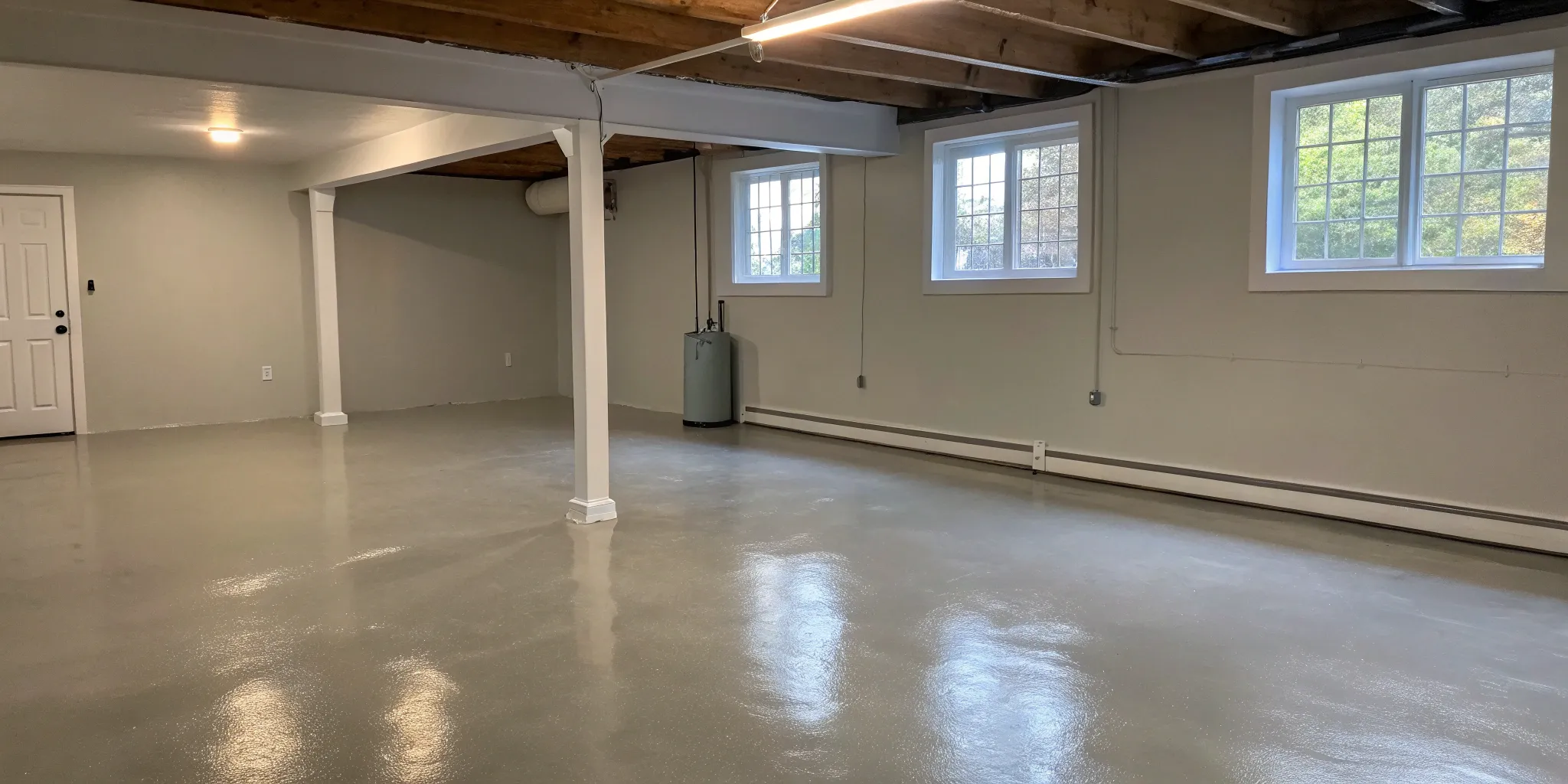
That persistent dampness in your basement or crawl space is a problem that won’t fix itself. It’s a clear signal that water is getting in, creating the perfect environment for mold, mildew, and structural decay. What starts as a small issue can quickly escalate, affecting not only your foundation but also your family’s health and your home’s resale value. The air you breathe upstairs is directly impacted by the air quality below. This is why addressing the source of the moisture is so critical. Professional basement waterproofing services offer a permanent solution by creating a dry, stable, and healthy space, turning a potential liability into a valuable part of your home.
Key Takeaways
- Effective waterproofing is a custom system, not a single product: A true solution addresses the specific source of your water problem—from foundation cracks to poor drainage—to protect your home’s structure and value for the long haul.
- Choose your contractor based on expertise and trust: Look for a licensed and insured professional with a history of positive reviews and a strong, transferable warranty. This ensures the job is done right and your investment is protected.
- Keep your system working with simple maintenance and smart additions: Regularly check your sump pump and keep gutters clear. For complete peace of mind, add a battery backup for power outages and a dehumidifier to control air moisture.
Why You Need Professional Basement Waterproofing
A damp, musty basement is more than just an unpleasant space—it’s a warning sign. Water intrusion can compromise your home’s structural integrity, damage your belongings, and create an unhealthy living environment. While it might be tempting to try a quick DIY fix, these solutions often only mask the symptoms without addressing the root cause of the problem. True, long-lasting protection comes from professional waterproofing, which involves identifying how and why water is getting in and implementing a system to stop it for good.
Think of professional waterproofing not as a simple repair, but as a crucial investment in your home’s health and value. A dry basement protects your foundation from decay, prevents harmful mold growth, and turns a previously unusable area into valuable living or storage space. Understanding the signs of water damage, the risks of delaying action, and the impact on your family’s well-being is the first step toward securing your home. By tackling the issue head-on with expert help, you can ensure your foundation remains strong and your home stays safe and dry for years to come.
Signs of Water Damage in Your Basement
Your basement will often give you clear clues that water is finding its way inside. One of the most common signs is a persistent musty or earthy smell, which usually indicates the presence of mold or mildew, even if you can’t see it. You should also look for damp spots on the walls or floor, peeling paint, or chalky white stains known as efflorescence, which is left behind as water evaporates.
Visible water, like puddles or trickles along the walls after it rains, is an obvious red flag. Don’t dismiss these signs as minor annoyances. Even a small leak can point to a larger issue with your foundation or drainage system. Addressing these problems early with a professional inspection can prevent the need for more extensive crack injection or other significant repairs down the road.
The Real Cost of Waiting
Putting off basement waterproofing can turn a manageable issue into a costly disaster. Water is relentless and can silently weaken your home’s core structure over time. Moisture seeps into porous concrete, causing it to crack and crumble. It can also rot wooden support beams and floor joists, leading to serious stability problems that require expensive foundation repair. The cost of fixing this kind of structural damage is far greater than the initial investment in a proper waterproofing system.
Beyond structural harm, waiting also puts your personal property at risk. Anything stored in a damp basement—from furniture and electronics to family heirlooms—can be ruined by water and mold. Procrastination doesn’t save you money; it just postpones a much larger bill. Acting proactively protects your foundation, your belongings, and your peace of mind.
How Water Affects Your Health and Home Value
A wet basement doesn’t just impact your house; it impacts the people living in it. Damp environments are the perfect breeding ground for mold and mildew, which release airborne spores that can circulate throughout your entire home. For family members with asthma, allergies, or other respiratory conditions, this can lead to chronic health issues. Improving your home’s air quality starts with creating a dry, healthy environment below ground.
Furthermore, a history of water problems can significantly decrease your property value. No potential buyer wants to inherit a wet basement. It’s one of the biggest deal-breakers in real estate. Conversely, a professionally waterproofed basement with a transferable warranty is a powerful selling point. It shows you’ve cared for the home and protected its structural integrity, making it a sound investment for the next owner. Proper crawl-space repairs and basement waterproofing are essential for safeguarding both your family’s health and your financial future.
What Are the Different Types of Waterproofing?
When you hear “waterproofing,” you might picture one specific solution, but it’s actually a combination of techniques tailored to your home’s unique needs. The right approach depends on where the water is coming from, the type of foundation you have, and your local soil conditions. Think of it less like a single product and more like a customized strategy to keep your basement dry for good. Some methods focus on stopping water before it ever reaches your foundation, while others are designed to manage any water that finds its way inside.
A professional contractor will assess your property to identify the root cause of the moisture. Is it surface water from poor grading, groundwater pressure from a high water table, or simply a crack in the foundation wall? Answering that question is the first step. From there, they can recommend a system that might include exterior membranes, interior drainage channels, or a combination of several solutions. The goal is to create a comprehensive defense system that protects your home’s structural integrity and creates a healthy, usable living space. Understanding these different methods will help you have a more informed conversation with a waterproofing expert and choose the best path forward for your property.
Interior Waterproofing Methods
Interior waterproofing is all about managing water that has already made its way into your basement or crawl space. Instead of trying to block it from the outside, this approach collects and redirects the water before it can cause damage. A common method involves installing a drainage system along the interior perimeter of your foundation footing. This drain captures any water seeping through the walls or floor and channels it to a sump pump, which then safely pumps it out and away from your home. It’s a highly effective way to handle persistent water issues without major exterior excavation.
Exterior Waterproofing Systems
If you want to stop water from ever touching your foundation walls, an exterior waterproofing system is the most comprehensive solution. This method involves excavating the soil around your foundation to expose the exterior walls. From there, a waterproof membrane or sealant is applied directly to the concrete. This creates an impermeable barrier that blocks moisture from seeping through. While it’s a more intensive process, exterior waterproofing is the most effective way to prevent water intrusion at its source, protecting your foundation from the long-term hydrostatic pressure that can cause cracks and structural damage.
Drainage Solutions
Proper drainage is a critical, proactive step in keeping your basement dry. If the soil around your home is saturated, it puts immense pressure on your foundation. Drainage solutions like French drains are designed to relieve this pressure. A French drain is essentially a gravel-filled trench containing a perforated pipe that collects groundwater and surface water, redirecting it away from your home. By managing the water in the surrounding soil, you can significantly reduce the chances of it ever finding a way into your basement, making it a foundational part of any robust waterproofing plan.
Foundation Crack Repair
Even a tiny crack in your foundation can become a major entry point for water. Foundation crack repair is a targeted solution that seals these vulnerabilities to stop leaks in their tracks. Professionals use high-quality materials like epoxy or polyurethane geotechnical foam to inject into the cracks. This not only blocks water but can also restore the structural integrity of the wall. Addressing cracks as soon as you spot them is one of the most important steps you can take to prevent minor leaks from turning into major flooding and more expensive problems down the road.
Sump Pump Installation
A sump pump is your basement’s first line of defense against flooding. It’s a submersible pump installed in a specially constructed pit, called a sump pit, at the lowest point of your basement or crawl space. When groundwater levels rise or a leak occurs, water flows into the pit. Once the water reaches a certain level, a float switch activates the pump, which then pushes the water out of your home through a discharge line. A reliable sump pump is an essential component of any interior waterproofing system, working tirelessly to protect your space during heavy rains and thaws.
Vapor Barriers and Membranes
Moisture doesn’t always enter your basement as a liquid leak; it can also seep through porous concrete walls as water vapor. This can lead to high humidity, musty smells, and mold growth. Vapor barriers are thick, durable plastic or rubber sheets that are applied to the interior walls of a basement or crawl space. They create a seal that prevents water vapor from passing through the concrete and entering the air in your home. When combined with a drainage system, a vapor barrier helps ensure your below-grade space stays dry, clean, and healthy.
What Does Waterproofing Cost?
Thinking about waterproofing your basement or crawl space often leads to one big question: What’s the budget? It’s smart to treat waterproofing as an investment in your home’s health and stability rather than just another expense. The final price tag can vary quite a bit, but one thing is certain: the cost of professional waterproofing is significantly less than what you’d pay to fix major structural damage, get rid of mold, or replace rotted wood later on.
The cost depends on several things, like the size of your basement and the specific methods needed to keep it dry. A small crack repair will cost less than a full exterior excavation and sealing. The key is to get a solution tailored to your home’s specific needs. While it might seem like a big upfront cost, protecting your foundation is one of the most important things you can do as a property owner. It secures your home’s structure, protects your family’s health, and preserves your property value for years to come. In the following sections, we’ll break down what goes into the cost so you can get a clearer picture of what to expect.
What Factors Influence the Price?
The cost of waterproofing isn’t one-size-fits-all because every home is unique. The biggest factors that influence the price are the size of the area that needs work and the type of solution required. A larger basement will naturally require more materials and labor than a small one. The condition of your foundation also plays a huge role. If there are significant cracks, bowing walls, or other issues, you’ll need foundation repair work before the waterproofing can even begin, which will add to the overall cost.
The specific method chosen also affects the price. Interior solutions, like sealing cracks and installing an interior drainage system, are typically less invasive and more affordable than exterior methods, which involve excavating the soil around your foundation.
Average Costs for Waterproofing
While a custom quote is the only way to know the exact cost, it helps to have a general idea of the price range. Nationally, homeowners can expect to pay anywhere from $2,250 to $7,063 for professional waterproofing, with the average cost landing around $4,539.
Simpler jobs, like applying interior sealants or handling a few minor foundation cracks, might only cost between $500 and $1,000. On the other hand, comprehensive exterior waterproofing is a much bigger project. This involves digging around your foundation to apply a waterproof membrane and can range from $8,000 to $15,000 or more, depending on the depth and complexity. Remember, these are just ballpark figures. The best approach is to get a detailed assessment from a professional.
Is Waterproofing a Good Investment?
Absolutely. Waterproofing is one of the smartest investments you can make in your property. Its primary job is to protect your home’s foundation from water damage, which helps you avoid incredibly expensive and stressful repairs in the future. Chronic moisture can lead to mold growth, rotting structural supports, and a weakened foundation—all problems that cost a fortune to fix.
Beyond prevention, waterproofing also adds to your property value. A dry, usable basement is a huge selling point. Some reports even show that homeowners can recoup up to 30% of their waterproofing costs when they sell their home. By keeping your basement dry, you’re not just preventing damage; you’re protecting the long-term value of your investment with a trusted company like Bristol FX.
Does Insurance Cover Waterproofing?
This is a common question, and the answer is usually no. Most standard homeowner’s insurance policies do not cover the cost of basement waterproofing. Insurance is designed to cover sudden and accidental events, like a burst pipe or a fire. Water damage that happens slowly over time from seepage through foundation walls or floors is typically considered a maintenance issue, not an unexpected accident.
Because of this, you should plan to budget for waterproofing as a necessary home maintenance project. While it’s always a good idea to review your specific policy with your insurance agent, it’s best to assume that preventative waterproofing will be an out-of-pocket expense. Think of it as proactive care for your home, much like replacing an old roof before it starts to leak.
How to Choose a Waterproofing Professional
Finding the right contractor is just as critical as the waterproofing method itself. You’re not just hiring someone to fix a leak; you’re trusting them with the structural integrity and health of your home. The right professional brings expertise, reliability, and peace of mind, ensuring the job is done correctly the first time. This decision protects your investment and prevents future headaches, so it’s worth taking the time to vet your options carefully and find a partner you can count on for years to come.
Look for These Qualifications
When you start your search, prioritize experience. A company that has been in business for a long time has likely seen it all and has a proven track record of reliability. Check that any contractor you consider is fully licensed and insured. This is a non-negotiable step that protects you from liability if an accident happens on your property. Also, consider the scope of their services. A company that only offers one type of solution might try to sell you that solution, even if it’s not the best fit. A team with expertise in a range of services, from waterproofing to foundation repair, can diagnose the root cause of your water issues and recommend a truly effective, holistic plan.
Ask About Warranty Coverage
A warranty is more than just a piece of paper; it’s a direct reflection of a company’s confidence in its work and materials. Before signing any contract, make sure you get the warranty details in writing. A reputable contractor will offer a comprehensive warranty that protects your investment for the long haul. Ask if the warranty is transferable to the next homeowner, which can be a valuable selling point if you decide to move. For example, some of the best companies offer lifetime warranties on certain installations and up to 20-year warranties on below-grade waterproofing, setting a high standard for the industry and giving you a benchmark for what to expect from a top-tier professional.
How to Read Customer Reviews
Customer reviews are an incredible resource, but it’s important to read between the lines. Look past the simple star rating and dig into the comments. Are there recurring themes? Consistent praise for professionalism, punctuality, and clean job sites is a great sign. On the other hand, repeated complaints about poor communication or unexpected costs should be a red flag. Check reviews across multiple platforms like Google, Yelp, and the Better Business Bureau to get a well-rounded picture. Pay attention to how the company responds to negative feedback. A professional and proactive response shows they care about customer satisfaction and are committed to making things right.
Key Questions to Ask a Contractor
Once you’ve narrowed down your list, it’s time to interview your top candidates. Being prepared with the right questions will help you make a confident and informed decision. Start by asking for local references you can contact. Then, get specific about your project. Ask them to explain the exact methods they recommend for your home and why they believe it’s the best approach. Other crucial questions include: “Will your employees or subcontractors be doing the work?”, “Can you provide an itemized quote?”, and “How will you protect my home and landscaping during the project?” A trustworthy contractor will be happy to answer these questions in detail, giving you clarity and confidence in their process.
What to Expect During the Waterproofing Process
Hiring a contractor to work on your home can feel like a big step, especially when it involves something as important as your foundation. Knowing what the waterproofing process looks like from start to finish can help you feel more confident and prepared. While every home is unique, a professional waterproofing project generally follows a clear, four-step path. This process ensures that the root cause of your water problem is correctly identified and that the solution is built to last.
From the first phone call to the final inspection, you should feel informed and respected. A trustworthy contractor will guide you through each stage, answer your questions, and make sure you understand the work being done to protect your home. Let’s walk through what you can expect when you hire a professional to waterproof your basement.
The Initial Assessment
The first step is a thorough inspection of your property. A waterproofing specialist will visit your home to diagnose the problem, not just look at the symptoms. They’ll examine your basement, foundation, and the surrounding landscape to pinpoint exactly where water is coming from and why. This is your opportunity to ask questions and get a feel for their expertise. A great way to prepare is by gathering word-of-mouth referrals from neighbors or friends who have had similar work done. During the assessment, the expert will explain their findings in plain language, helping you understand the specific challenges your home faces before any work begins.
Designing Your Custom Solution
After the assessment, you’ll receive a detailed proposal for a custom solution. Because every water issue is different, there’s no one-size-fits-all fix. The plan will be tailored to your home’s specific needs, which is why the cost of waterproofing services can vary. The proposal should clearly outline the recommended methods, whether that involves installing an interior drainage system, applying an exterior membrane, or performing foundation crack injections. This document is your roadmap for the project. It will specify the scope of work, the materials to be used, the timeline, and a transparent cost breakdown, ensuring there are no surprises down the line.
The Implementation Process
Once you approve the plan, the real work begins. The implementation phase is when the crew arrives to execute the custom solution. Depending on the job, this could involve excavating soil around your foundation, installing drainage systems, or applying specialized waterproof coatings. The team will take care to protect your property and minimize disruption as much as possible. Professional contractors use special products and methods to ensure the job is done right. They should communicate with you throughout the process, keeping you updated on their progress and answering any questions that come up while they work to secure your home against water intrusion.
Final Checks and Quality Assurance
After the installation is complete, the job isn’t finished until a final quality check is performed. The project manager will walk you through the completed work, explaining what was done and how the new system functions. This is the time to inspect everything and ask any final questions. You’ll also receive all the necessary paperwork, including your warranty information, which is a critical part of the service. The quality of a contractor’s work is often reflected in their online reviews and testimonials, and a job well done ends with a satisfied customer. This final step ensures you are confident in the work and know how to maintain your newly waterproofed space for years to come.
Who Are the Top Waterproofing Companies?
Choosing a company to work on your home’s foundation is a big decision. You’re not just hiring a contractor; you’re trusting someone with the structural integrity and safety of your property. The good news is that there are many established companies with solid reputations for quality work. The best choice for you will depend on your specific problem, your location, and the types of solutions you’re looking for. When you start your research, you’ll want to look at a company’s experience, the range of services they offer, and what past customers have to say about them. A company with a long track record often brings a depth of knowledge that’s invaluable, especially with complex foundation issues.
To help you get started, I’ve put together a list of some of the most recognized names in the waterproofing and foundation repair industry. Each one has a long history of serving homeowners and has built a reputation for standing behind their work. While some specialize in patented systems, others are known for their scientific approach or extensive warranties. This overview can give you a solid starting point for finding the right team to protect your home. Remember to get multiple quotes and ask plenty of questions before making a final decision.
Bristol FX
With a history dating back to 2004, Bristol FX has earned a strong reputation for its technical expertise and commitment to customer satisfaction, reflected in their A+ rating with the Better Business Bureau. They specialize in a comprehensive range of solutions, from foundation repair to advanced waterproofing. What sets them apart is their scientific approach to diagnosing and solving problems, ensuring the solution is tailored specifically to your home. They also provide some of the most extensive warranties in the industry, including lifetime warranties on pier installations and up to 20-year warranties on their waterproofing systems. Customers often praise their efficiency and the long-term effectiveness of their work.
B-Dry Systems
B-Dry Systems has been a fixture in the industry for over 60 years, building a legacy on its innovative waterproofing methods. They are well-known for developing proprietary solutions designed to handle water intrusion from multiple sources. The company offers both interior and exterior waterproofing systems, allowing them to address a wide variety of basement water problems. With decades of experience and a focus on lasting results, B-Dry has established a strong track record of helping homeowners keep their basements dry. Their long history in the business speaks to their ability to adapt and consistently satisfy customers over many years.
Basement Systems
Basement Systems is another well-established company that operates through a large network of certified dealers across the country. This structure allows them to offer localized service while being backed by a national brand. They specialize in basement waterproofing and crawl space repair, offering a suite of patented products designed to manage water, humidity, and moisture issues. From high-capacity sump pumps to durable vapor barriers, their solutions are engineered to work together as a complete system. Their focus on proprietary products means they can offer unique solutions that you might not find elsewhere.
Everdry Waterproofing
In business for over 30 years, Everdry Waterproofing is recognized for its comprehensive approach to keeping basements and crawl spaces dry. They offer a variety of services that tackle water issues from both inside and outside the foundation. One of their most significant features is the lifetime warranty they provide on their work. This kind of guarantee shows a high level of confidence in their methods and materials, offering homeowners peace of mind that the investment they make in their property is protected for the long haul. Their focus is on providing a permanent fix rather than a temporary patch.
JES Foundation Repair
JES Foundation Repair has built a trusted name by focusing on both effective repairs and customer education. They provide a full range of services, including waterproofing, foundation repair, and crawl space encapsulation. A key part of their process is offering free inspections and detailed consultations to help homeowners fully understand the issues affecting their property and the available solutions. This educational approach empowers you to make an informed decision. By explaining the “why” behind the “what,” they help demystify the repair process and build a strong sense of trust with their clients.
AquaGuard Foundation Solutions
AquaGuard Foundation Solutions specializes in creating dry, healthy basements and stable foundations. They are known for delivering high-quality service and taking a personalized approach to every project. Instead of offering a one-size-fits-all fix, their team assesses the specific conditions of your home to design a tailored solution that addresses the root cause of the problem. Whether you’re dealing with a leaky basement, a damp crawl space, or foundation settlement, they focus on providing an effective and lasting repair. Their reputation is built on positive customer experiences and a commitment to getting the job done right.
Perma-Seal
For over 40 years, Perma-Seal has been a leading name in the waterproofing industry. They offer a wide array of services, including basement waterproofing, crawl space encapsulation, and foundation repair, with a clear focus on creating long-term solutions. Their extensive experience means they’ve encountered nearly every type of water and foundation problem imaginable. This allows them to accurately diagnose issues and recommend the most effective course of action. Homeowners often turn to Perma-Seal for their reliability and their comprehensive approach to protecting the health and value of a home from the ground up.
How to Maintain Your Waterproofed Basement
Getting your basement professionally waterproofed is a huge step toward protecting your home’s value and structural integrity. But it’s not a “set it and forget it” solution. Just like any other major home system, your waterproofing needs a little attention to keep it working effectively for years to come. Think of it as protecting your investment. A few simple, regular checks can help you catch small issues before they turn into big, expensive problems. By staying proactive, you ensure your dry basement stays that way, giving you lasting peace of mind. The best part is that most of this maintenance is straightforward and something you can easily handle yourself.
Create a Regular Inspection Checklist
Setting aside a little time every few months to inspect your basement can make all the difference. A consistent routine helps you spot changes right away. During your walkthrough, look for damp spots on the walls or floor, especially after heavy rain. Check for any new cracks in the foundation or peeling paint, which can be early signs of moisture trying to get through. You should also test your sump pump by pouring a bucket of water into the pit to make sure it activates properly. A simple checklist keeps you on track and helps you maintain the high-quality waterproofing system you invested in.
When to Schedule Professional Maintenance
While your own inspections are crucial, it’s smart to have a professional take a look every year or two. A trained technician can spot subtle issues you might miss and service key equipment like your sump pump and drainage systems. This is especially important for homes with complex systems or those in areas with heavy rainfall. When scheduling a check-up, look for a company with a solid reputation and proven expertise. An annual service call is a small price to pay to ensure your system is ready for any weather and to maintain the warranty on your foundation repair work.
Simple Preventive Measures You Can Take
Some of the most effective maintenance happens outside your basement. Start by checking your gutters and downspouts. Make sure they are clear of leaves and debris so water can flow freely away from your home. Your downspouts should extend at least six feet from your foundation to prevent water from pooling against the walls. Also, take a look at the grading, or slope, of the soil around your house. It should gently slope away from the foundation, not toward it. These simple outdoor tasks are a cost-effective way to support your interior waterproofing system and prevent unnecessary strain on it.
Warning Signs to Watch For
You know your home best, so trust your gut if something seems off. Be on the lookout for any new or expanding cracks in your basement walls or floor, as this could indicate new pressure or settling. Walls that appear to be bowing inward are a serious red flag that requires immediate attention. If you notice water seeping in during a storm or your sump pump fails to turn on, don’t wait to see if it resolves itself. While some homeowners worry about the cost of a service call, delaying a repair for a clear warning sign will almost always lead to more extensive and expensive damage. Addressing issues like these with professional crack injection right away is the smartest move.
Add Extra Layers of Protection
Once your primary waterproofing system is in place, you can feel confident that your basement is shielded from the most significant water threats. But for true peace of mind, it’s worth considering a few extra layers of defense. Think of it like this: your exterior and interior systems are your first line of defense, but smart additions can catch what they can’t, protecting your investment and your home from moisture in all its forms. These systems work alongside your main waterproofing solution to manage humidity, prepare for unexpected power outages, and provide early warnings before a small issue becomes a major problem.
Adding these protective measures is a proactive step that helps maintain a healthy, dry, and stable environment below ground. From managing airborne moisture that can lead to mold to ensuring your sump pump works during a severe storm, each layer addresses a specific vulnerability. These aren’t just gadgets; they are integral parts of a complete home wellness strategy. By integrating dehumidifiers, battery backups, and smart detectors, you create a comprehensive defense that keeps your basement dry and your home safe, no matter what the weather brings.
Dehumidification Systems
Even a fully waterproofed basement can struggle with high humidity. Moisture can still seep through porous concrete walls as water vapor, creating a damp, sticky feeling in the air. This excess moisture is the perfect breeding ground for mold and mildew, which can cause musty odors and ruin stored belongings. A high-efficiency basement dehumidifier is designed to solve this exact problem. Unlike standard household units, these systems are powerful enough to control the climate in a large, cool space. They work continuously to pull moisture from the air, helping to preserve your home’s structural integrity and improve your indoor air quality. It’s a critical tool for any complete waterproofing strategy.
Battery Backup Solutions
Your sump pump is the unsung hero of your basement, quietly pumping water away from your foundation. But what happens if the power goes out during a torrential downpour? That’s when your basement is most at risk of flooding, and it’s precisely when your sump pump can fail you. A battery backup system is the essential safeguard that ensures your sump pump keeps running, even without electricity. This secondary system automatically kicks in the moment a power outage is detected, giving you uninterrupted protection. Installing a battery backup is like having an insurance policy for your waterproofing system—it’s a simple addition that prevents a catastrophic failure when you need protection the most.
Smart Water Detectors
In the world of water damage, early detection is everything. A small, slow leak from a pipe or a water heater can go unnoticed for weeks, causing rot, mold, and expensive structural issues. Smart water detectors are a simple and effective way to stay ahead of potential disasters. These small, Wi-Fi-enabled sensors can be placed in leak-prone areas, like near your sump pump, washing machine, or water heater. The moment they come into contact with water, they send an instant alert to your smartphone. This allows you to react immediately and address the problem before it turns into a full-blown flood, saving you from costly and stressful foundation repair.
Climate Control Options
Maintaining a stable climate in your basement is about more than just comfort—it’s about protecting the health of your entire home. Basements are naturally cool and prone to moisture, creating an environment where problems can quietly develop. Effective climate control, centered around a professional-grade dehumidifier, is the key to preventing this. By keeping humidity levels in check, you make the space inhospitable to mold, mildew, and pests like dust mites. This not only protects the structure of your home from wood rot but also helps maintain healthy air quality throughout every room. It’s an essential step in turning your basement or crawl space into a clean, dry, and usable part of your home.
Related Articles
- Waterproofing Services – Professional Foundation Repair
- Foundation Waterproofing Solutions | Bristol FX
- How Proper Water Drainage Can Protect Your Home’s Foundation – Professional Foundation Repair
Frequently Asked Questions
Can’t I just use waterproof paint from the hardware store? That’s a common first thought, but waterproof paint is really just a temporary patch. It creates a seal on the surface of your basement walls, but it doesn’t stop the water pressure from building up behind them. Over time, that pressure can cause the paint to peel and bubble, and it can even trap moisture inside the concrete, leading to more significant decay. A professional waterproofing system addresses the root cause of the water intrusion, either by redirecting it or by creating a barrier on the outside, which is a much more permanent and effective solution.
My basement only gets a little damp after heavy rain. Is that a big deal? Even a small amount of water is a clear sign that there’s a vulnerability in your foundation or drainage system. While it might seem minor now, water has a way of making small problems bigger over time. That little bit of dampness indicates a pathway that water can and will use again, potentially worsening with each storm. Addressing it early is the best way to prevent slow, hidden damage to your home’s structure, avoid mold growth, and stop a small issue from turning into a major, expensive repair.
How long will the waterproofing process take and how disruptive is it? The timeline really depends on the solution your home needs. A straightforward interior drainage system can often be installed in just a few days. More intensive work, like exterior waterproofing that requires excavation, will naturally take longer. A professional crew understands that they’re working in your home and will do everything they can to minimize the disruption. They should protect your belongings, keep the work area as clean as possible, and communicate with you throughout the project. The short-term inconvenience is a small trade-off for a permanently dry and healthy space.
Will waterproofing get rid of the musty smell in my basement for good? Yes, it’s the most critical step. That musty, earthy smell is caused by mold and mildew, which thrive in damp environments. By eliminating the source of the water, a professional waterproofing system cuts off the moisture that mold needs to grow. This is the key to stopping the smell at its source. For complete air quality control, you might also consider a high-efficiency dehumidifier to manage any remaining airborne moisture, ensuring the air in your basement stays fresh and clean.
What’s the difference between interior and exterior waterproofing? Which one is right for me? Think of it as two different strategies for the same goal. Interior waterproofing manages water that has already entered your foundation walls by collecting it in a drainage system and pumping it out. Exterior waterproofing is a preventative approach that stops water from ever touching your foundation by applying a waterproof barrier to the outside walls. The right solution depends entirely on your specific situation—the type of foundation you have, your soil conditions, and where the water is coming from. A thorough professional assessment is the only way to determine which method will be most effective for your home.