
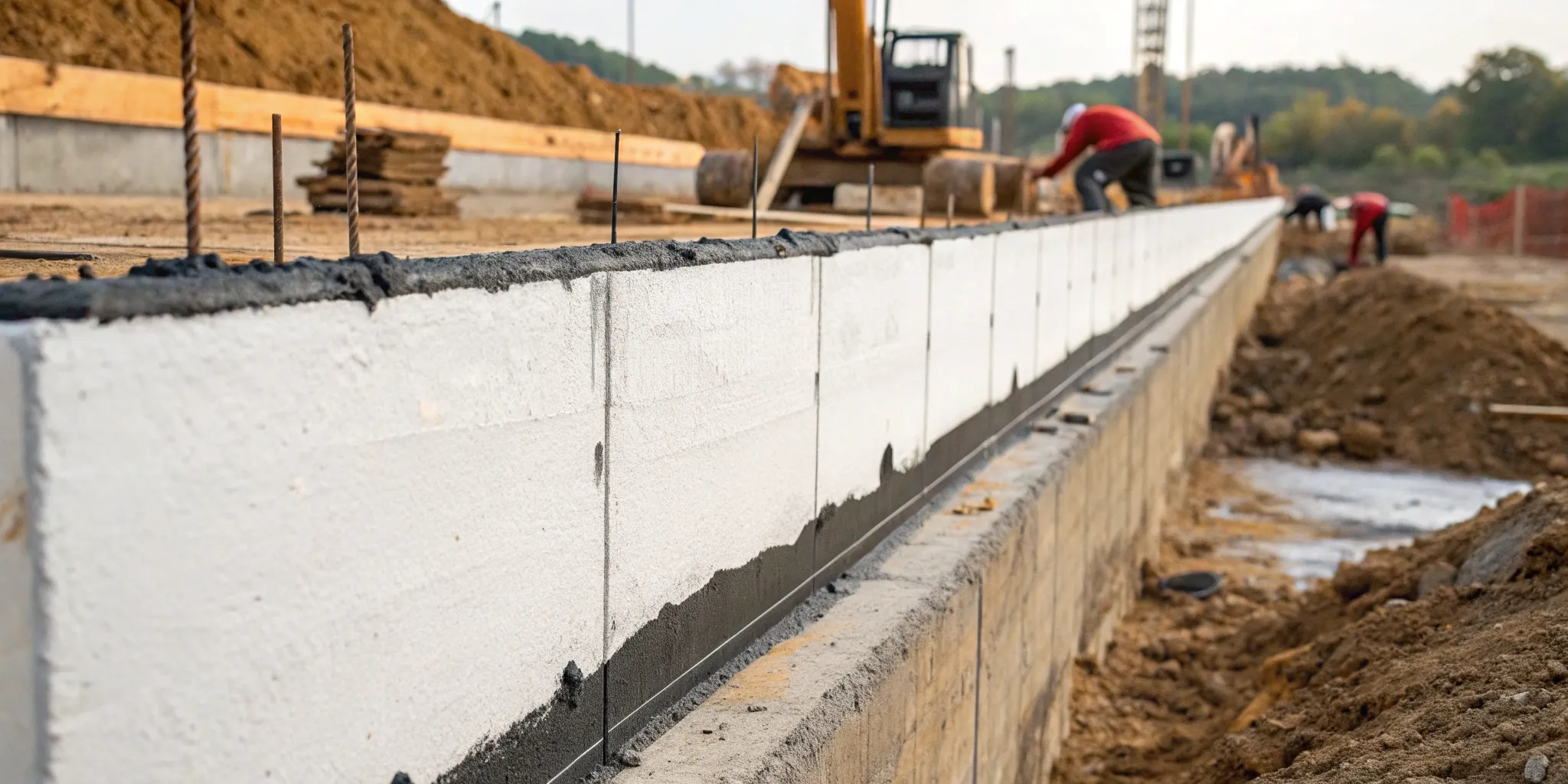
Water is relentless. It can silently work its way into the smallest cracks and pores of your building’s foundation, causing damage that goes unnoticed until it becomes a major structural problem. For property owners, this slow, steady intrusion is one of the biggest threats to a building’s integrity and value. It can lead to crumbling concrete, weakened support structures, and unhealthy mold growth. This is where a professional strategy for commercial foundation waterproofing becomes essential. It’s not just about patching a leak; it’s about creating a comprehensive, impermeable barrier that stops water before it can ever cause harm, protecting your entire investment from the ground up.
Key Takeaways
- Invest Now to Prevent Future Costs: Professional waterproofing is a strategic investment that protects your property’s value. Addressing water intrusion before it starts helps you avoid the far greater expenses of structural repairs, mold removal, and business disruptions.
- Demand a Custom Solution: A one-size-fits-all approach to waterproofing is bound to fail. The right system for your building depends entirely on a professional analysis of your site’s unique soil, drainage, and climate conditions.
- Think Beyond the Barrier: An effective waterproofing membrane is crucial, but it can’t work alone. Ensure it’s part of a complete water management plan that includes proper drainage and regular maintenance to keep your foundation secure.
What Is Commercial Foundation Waterproofing?
Commercial foundation waterproofing is essentially creating a protective shield around your building’s base. Think of it as a high-tech raincoat designed specifically for your foundation. It involves applying specialized materials and using proven techniques to stop water from seeping into the concrete and causing problems. This isn’t just about patching a leak; it’s a comprehensive strategy to prevent water intrusion from the start, safeguarding your property from the ground up. The goal is to create an impermeable barrier that manages water and directs it away from the structure, preventing the hydrostatic pressure that can force moisture through even the tiniest pores in the concrete. By keeping moisture out, you protect the structural integrity of your entire building, preventing costly damage and preserving its long-term value. A dry, stable foundation is the bedrock of a safe and sound commercial property, making professional waterproofing a non-negotiable investment for any serious property owner. It ensures your building remains compliant with codes, safe for occupants, and holds its value over time.
Why Your Commercial Building Needs Waterproofing
Water is one of the biggest threats to your building’s foundation. Even a small amount of moisture getting in can lead to serious issues over time, like deep cracks, crumbling concrete, and a weakened structure. Proactive waterproofing is your best defense. While it requires an upfront investment, it saves you a significant amount of money and stress down the road by preventing the need for extensive foundation repair. Think of it as essential maintenance that protects your property’s value and ensures the safety of everyone inside. A properly waterproofed foundation is a stable foundation, giving you peace of mind for years to come.
Understanding the True Cost of Water Damage
The cost of water damage goes far beyond the price of fixing a few cracks. When water gets into your foundation, it can create a damp environment perfect for mold and mildew growth, which poses health risks and requires expensive remediation. It can also damage electrical systems, ruin stored inventory, and lead to a constant cycle of rising maintenance costs. The most effective way to avoid these problems is with a complete waterproofing system that uses multiple methods to control moisture. Addressing water intrusion early with solutions like crack injection is important, but preventing it in the first place is the smartest financial decision you can make for your property.
What Are the Main Commercial Waterproofing Methods?
When it comes to protecting a commercial building from water damage, there’s no single magic bullet. The right approach depends entirely on your building’s design, the site conditions, and even when in the construction process the protection is applied. Think of it like a toolkit—a professional will select the right tool for the specific job to ensure your foundation stays dry and stable for the long haul. The goal of any commercial waterproofing strategy is to create an uninterrupted barrier that stops water in its tracks, preventing it from seeping into the concrete and causing costly structural issues down the road.
The main methods fall into a few key categories, each with its own strengths. Some are applied to the outside of the foundation walls after they’re built, while others are put in place before the concrete is even poured. The materials themselves also vary, from spray-on liquids that form a seamless coat to thick, durable sheets that are rolled into place. Understanding these different methods will help you have a more informed conversation with your foundation expert and feel confident that you’re getting the best possible protection for your property. Let’s walk through the most common systems you’ll encounter.
Positive-Side Waterproofing
Positive-side waterproofing is the most traditional method, and for good reason—it’s highly effective. This technique involves applying a waterproof barrier to the exterior of the foundation walls, the side that directly faces the soil and water. It’s done after the foundation is built but before the surrounding area is backfilled with dirt. This approach stops water before it ever has a chance to touch the concrete. The materials used can range from liquid-applied coatings and durable sheet membranes to bentonite clay panels that swell to create a watertight seal. It’s the first line of defense for your building.
Blindside Waterproofing
What happens when you can’t access the outside of a foundation wall? This is a common challenge in dense urban areas where buildings are constructed right up against property lines. The solution is blindside waterproofing. This clever method is applied before the foundation walls are poured. The waterproof membrane is installed against the soil retention system (like a temporary wall holding back the earth). When the concrete is poured against it, the membrane bonds directly to the foundation, creating a seamless barrier from the start. It’s a specialized technique that’s essential for zero-lot-line construction projects.
Fluid-Applied vs. Sheet-Applied Systems
When choosing a material, you’ll often hear about fluid-applied and sheet-applied systems. Fluid-applied waterproofing is a liquid coating that is sprayed or rolled onto the foundation surface. It cures to form a seamless, rubber-like membrane that’s fantastic for complex concrete shapes and details. It’s also highly durable, remaining flexible in extreme temperatures. Sheet-applied systems, on the other hand, are prefabricated membranes that come in large rolls. These sheets provide a consistent thickness and are known for their toughness and puncture resistance, making them a reliable choice for many commercial foundation repair and protection projects.
Bentonite Clay and Self-Healing Membranes
Bentonite clay is a superstar material in the world of waterproofing. This natural clay has a unique property: it swells significantly when it comes into contact with water, forming a dense, impermeable barrier. It’s often manufactured into panels or combined with a durable plastic sheet (HDPE) to create a robust waterproofing system. The most impressive feature of bentonite is its self-healing capability. If the membrane gets a small puncture, the incoming water causes the clay to swell and seal the hole, ensuring the barrier remains intact. This makes it an excellent choice for sites with high water pressure.
What Are the Benefits of Each Waterproofing System?
Choosing the right waterproofing system isn’t just about keeping water out; it’s about selecting a solution that offers the specific benefits your property needs. Each method, from fluid-applied membranes to self-healing bentonite clay sheets, comes with its own set of advantages tailored to different site conditions, building designs, and long-term goals. The key is to match the system’s strengths to your foundation’s vulnerabilities.
For example, a building on a high water table requires a system that excels at resisting constant water pressure, while a project with complex angles might benefit from a spray-on application that creates a seamless barrier. Understanding these benefits helps you make an informed decision that protects your investment from the ground up. It’s less about finding the single “best” system and more about finding the best system for your building. A professional assessment can pinpoint the exact challenges your foundation faces, ensuring the chosen method provides durable, effective protection for years to come. This proactive approach not only prevents immediate water issues but also safeguards the structural integrity of your entire property, making it a crucial step in both new construction and building maintenance.
Managing Hydrostatic Pressure
One of the biggest threats to any foundation is hydrostatic pressure—the force of groundwater pushing against your foundation walls. Over time, this constant pressure can force moisture through tiny cracks and pores in the concrete, leading to leaks, mold, and structural damage. As experts note, “Water can push through walls from soil pressure, soak up through concrete, [or] flow in from bad drainage.” An effective waterproofing system is your first line of defense. Systems like fluid-applied membranes and sheet-applied barriers are specifically engineered to create an impermeable layer that withstands this pressure, keeping your basement or crawl space dry and secure.
Ensuring Self-Healing and Temperature Resistance
Modern waterproofing materials offer some incredible advantages, including the ability to repair themselves. Take the bentonite clay membrane, for instance. This system uses a layer of special clay that swells when it comes into contact with water, effectively sealing any small punctures or tears that might occur during backfilling or from ground settlement. This self-healing property provides a huge benefit, ensuring the membrane’s integrity for the long haul. Additionally, the best systems are designed to be flexible and resist damage from temperature fluctuations, expanding and contracting with the structure without cracking or losing their bond. This resilience is crucial for maintaining a continuous, waterproof barrier through changing seasons.
Adapting to Your Site’s Unique Needs
There is no one-size-fits-all solution when it comes to waterproofing. The most successful projects always begin with a thorough site assessment because the local environment dictates the best approach. As industry professionals advise, you should always “look at the soil and drainage to choose the best waterproofing system.” Factors like soil composition, the height of the water table, and your property’s drainage patterns all play a critical role. A site with dense, clay-like soil that retains water will require a much more robust system than a site with sandy, well-draining soil. This tailored approach ensures you’re not over- or under-protecting your foundation, giving you the most effective and cost-efficient solution.
Investing in Long-Term Durability
While the upfront cost of a comprehensive waterproofing system can seem significant, it’s a critical investment in your property’s long-term health and value. Proper waterproofing is an investment that “saves a lot of money by preventing expensive water damage and repairs later on.” By stopping water intrusion before it starts, you avoid the massive expenses associated with structural foundation repair, mold remediation, and damage to interior finishes. A professionally installed, high-quality system protects your building’s structural integrity, ensures a healthier indoor environment, and preserves your property value for decades to come. It’s one of the smartest financial decisions you can make for your building.
How to Choose the Right Waterproofing System
Selecting the right waterproofing system isn’t a one-size-fits-all decision. The best approach for your commercial property depends on a unique combination of factors, from the ground your building sits on to the local weather patterns. A system that works perfectly for a structure in a dry, sandy area could fail completely in a region with heavy clay soil and a high water table. This is why a professional assessment is so crucial; it moves beyond generic solutions to identify the specific pressures and vulnerabilities of your property. An expert can help you understand the forces at play, like hydrostatic pressure, and recommend a system designed to withstand them.
Making the right choice requires a careful evaluation of your specific circumstances to ensure your foundation stays dry and secure for the long haul. It involves looking at the complete picture: the soil composition, the regional climate, the architectural design of your building, and how the waterproofing will integrate with existing drainage systems. Think of it as creating a custom-tailored defense against water intrusion. By considering the following key areas, you can confidently choose a waterproofing solution that offers lasting protection and peace of mind, preventing costly repairs down the road.
Analyze Your Soil, Drainage, and Site Conditions
The first step in any effective waterproofing strategy is to understand the ground beneath your building. As experts often say, you should “always look at the soil and drainage to choose the best waterproofing system.” Different soil types have vastly different properties; for instance, clay soil expands and retains water, creating significant pressure, while sandy soil allows it to drain away more quickly. A thorough site assessment will reveal your soil composition, the natural flow of water across your property, and any existing drainage issues. This analysis helps determine the level of hydrostatic pressure your foundation will face, guiding the selection of a system robust enough to handle the specific challenges of your site.
Consider Your Local Climate and Water Table
Your local environment plays a huge role in determining your waterproofing needs. “Factors such as the groundwater level, building location, topography, and weather patterns all play a role in determining the level of water exposure.” A property in an area with frequent, heavy rainfall or a consistently high water table requires a more aggressive waterproofing strategy than one in an arid climate. The topography of your land also matters—a building at the bottom of a slope will contend with more water runoff than one at the top. Understanding these environmental pressures is key to selecting a system that can withstand the specific climate challenges your property faces year after year.
Factor in Your Building’s Design
The design of your building itself is a critical piece of the puzzle. “It’s important to choose the right waterproofing system for each building project. Many things affect this choice, like how water drains and how different parts of the building connect.” A structure with a complex foundation, multiple levels below grade, or numerous seams and joints presents more potential entry points for water than a simple, monolithic slab. The materials used in your foundation and the overall architectural design influence which waterproofing membranes and application methods will be most effective. A professional will consider these structural details to recommend a solution that integrates seamlessly with your building’s construction.
Ensure a Seamless Fit with Existing Systems
Waterproofing doesn’t work in a vacuum—it’s one component of a comprehensive water management plan. For the best results, “drainage system integration is essential — always pair waterproofing with perimeter drains and weep holes to channel water away from the foundation.” Your chosen waterproofing membrane needs to work in harmony with other systems like French drains, sump pumps, and proper grading to effectively redirect water away from the structure. Neglecting this integration can lead to water pooling against your foundation, placing unnecessary stress on the waterproofing barrier. A holistic approach ensures every part of your system works together to keep your building dry.
How Much Does Commercial Waterproofing Cost?
When you’re looking at your budget, the cost of commercial waterproofing can seem like a major line item. And it is—it’s a significant investment in your property’s health and longevity. But the real question isn’t just “how much does it cost?” but “what am I getting for that investment?” The price of a professional
Breaking Down the Costs
The final price tag for commercial waterproofing depends on several key factors. The size of the foundation is the most obvious one—more square footage means more materials and labor. The specific system you choose, whether it’s a fluid-applied membrane or a sheet-based system, will also affect the cost. Site conditions play a huge role, too. Is the area easy to access? What is the soil like? How much excavation is needed? While residential basement waterproofing can average around $5,228, commercial projects are often much larger and more complex, requiring specialized equipment and expertise that influence the overall budget.
Weighing the Investment Against Future Repairs
It’s helpful to think of waterproofing not as an expense, but as a crucial investment. The upfront cost is almost always less than the price of future repairs from water damage. Without proper protection, you could face extensive structural issues, mold remediation, damaged inventory, and even business downtime—all of which are far more costly and disruptive. A professionally installed waterproofing system is a proactive measure that safeguards your building’s structural integrity and protects its long-term value. It’s about preventing expensive problems before they ever have a chance to start, saving you significant money and headaches down the road.
Planning Your Budget and Exploring Options
When you’re ready to plan your budget, start by getting detailed estimates from at least three reputable waterproofing specialists. This allows you to compare not just prices, but also the proposed methods and materials. A thorough contractor will explain why they recommend a specific approach for your property. For maximum protection, a combination of systems—like an exterior membrane paired with an interior drainage solution—might be the best strategy. The most effective way to get an accurate picture of costs and options is to schedule a professional site assessment. An expert can evaluate your building’s unique needs and provide a tailored plan.
What Common Waterproofing Mistakes Should You Avoid?
When you discover water seeping into your commercial building’s foundation, your first instinct is to get it fixed as quickly as possible. While that urgency is understandable, making a hasty decision can lead to even bigger headaches down the road. Effective waterproofing is a precise science, not a quick patch job. It involves understanding how water interacts with your specific property and implementing a system designed to manage it for the long haul.
Unfortunately, many property owners fall into common traps that compromise the integrity of their waterproofing efforts. These mistakes often stem from a desire to save time or money upfront, but they almost always result in costlier repairs and more significant water damage later. From failing to diagnose the true source of the problem to choosing an inadequate solution, these missteps can turn a manageable issue into a chronic structural threat. By learning to recognize these pitfalls, you can ensure your investment protects your property effectively for years to come.
Mistake #1: Skipping a Thorough Site Assessment
Every property has a unique set of conditions, from its soil composition and grading to the local water table. A one-size-fits-all approach to waterproofing simply doesn’t work. Before any work begins, a comprehensive site assessment is essential to identify the root cause of your water intrusion. This step involves a detailed inspection of your foundation, drainage systems, and the surrounding landscape. Without this crucial diagnostic phase, any solution is just a guess. A proper foundation repair strategy always starts with a thorough understanding of the specific pressures and vulnerabilities affecting your building.
Mistake #2: Overlooking Proper Drainage
A waterproofing membrane is your foundation’s last line of defense, but it shouldn’t be the only one. If water is allowed to pool against your foundation walls, it creates immense hydrostatic pressure that can overwhelm even the best systems over time. Proper drainage is critical for channeling water away from your building. This includes ensuring the ground is graded correctly, gutters and downspouts are clear and functional, and subsurface drains are in place where needed. Ignoring drainage is like trying to fix a leak without turning off the water—you’re fighting a losing battle.
Mistake #3: Rushing the Installation
Waterproofing is a meticulous process that requires patience and precision. Rushing the job is a guaranteed way to get subpar results. Surfaces must be properly cleaned and prepared for the waterproofing materials to adhere correctly. Seams need to be perfectly sealed, and materials often require specific curing times to reach their full protective strength. A hurried installation can leave behind tiny gaps, weak points, or improperly bonded areas that will inevitably fail. When it comes to protecting your foundation, especially with new construction, taking the time to do the job right is non-negotiable.
Mistake #4: Letting Price Be Your Only Guide
While budget is always a factor, choosing a waterproofing contractor based on the lowest bid alone can be a costly mistake. An unusually low price may be a red flag for subpar materials, inexperienced labor, or a solution that doesn’t actually address the core problem. For example, a simple crack injection might be cheap, but it’s useless if the real issue is hydrostatic pressure that will just create new cracks. Instead of focusing solely on cost, prioritize value. Look for a comprehensive proposal that clearly outlines how the contractor will solve your specific water problem for the long term.
How to Maintain Your Waterproofing System
Once your commercial waterproofing system is installed, the work isn’t quite done. Think of it like any other major component of your building—it needs a little attention to perform its best for years to come. A proactive maintenance plan is your best defense against water damage, helping you catch small issues before they turn into costly, disruptive repairs. By staying on top of a few key tasks, you can protect your investment and ensure your foundation remains dry and secure, season after season.
Schedule Regular Inspections
Setting a recurring date on your calendar for inspections is one of the simplest yet most effective maintenance steps you can take. For commercial properties, a good rule of thumb is to schedule a professional inspection twice a year, ideally before and after your area’s rainy season. This proactive check allows an expert to spot early signs of wear, potential weak spots, or minor damage that could worsen under heavy rain. Catching these issues early is far less expensive and disruptive than dealing with a full-blown water intrusion problem down the line. It’s a small investment of time that provides significant peace of mind.
Keep Your Drainage System Clear
Your waterproofing system and drainage system work together as a team. If one isn’t functioning, the other is placed under enormous stress. Clogged gutters, blocked downspouts, or debris-filled drains can cause water to pool directly against your foundation walls. This creates intense hydrostatic pressure that can compromise even the most robust waterproofing barriers. Make it a regular habit to walk the property and clear away leaves, dirt, and other debris from all drainage pathways. Also, ensure the ground around your building slopes away from the foundation, guiding water to a safe distance. This simple housekeeping task is critical for preventing water from becoming a threat.
Know When to Update Your System
Even the highest-quality waterproofing materials can degrade over time. It’s important to recognize that your system won’t last forever and to know the signs that it might be time for an update. Keep an eye out for new damp spots on interior walls, peeling paint, or the appearance of efflorescence—a white, chalky residue left behind by evaporating water. These are all indicators that moisture is finding a way through. As waterproofing technology evolves, newer, more effective materials may become available. Periodically evaluating your building’s needs with a professional can help you decide if a system update or a targeted crack injection is the right move to maintain protection.
Schedule Professional Check-ups
While your own visual inspections are helpful, they can’t replace the trained eye of a foundation specialist. Professionals can identify subtle issues that are often invisible to the untrained eye, like hidden cracks or the early stages of material degradation. Scheduling a professional check-up every few years allows an expert to assess the overall health of your waterproofing system and your foundation’s structural integrity. They can provide a detailed report on its condition and recommend specific actions to extend its life. These expert evaluations are the best way to confirm your property is fully protected and to address any emerging concerns before they become serious problems.
Related Articles
- Waterproofing Services – Professional Foundation Repair
- Waterproofing Services | Foundation & Basement Experts | Bristol FX
- Foundation Waterproofing Solutions | Bristol FX
Frequently Asked Questions
Can waterproofing be applied to an existing building, or is it only for new construction? Waterproofing is absolutely for both. While installing a system during new construction is ideal because it allows for easier access, it’s just as critical for existing buildings. For an established property, the process typically involves excavating the soil around the foundation to apply an exterior membrane. This retrofitting protects the structure from further water damage and addresses any issues that have developed over time.
What’s the real difference between waterproofing and damp proofing? This is a great question because the terms are often confused. Think of damp proofing as a basic moisture-resistant coating, like a thin layer of asphalt, designed to block moisture in the soil. Waterproofing, on the other hand, is a much more robust, high-performance system. It creates a thick, seamless barrier designed to withstand significant hydrostatic pressure and keep both moisture and liquid water out of your building completely.
How long can I expect a professional waterproofing system to last? A professionally installed, high-quality waterproofing system is a long-term investment in your property. While the exact lifespan depends on the materials used and site conditions, many modern systems are engineered to last for decades. Some premium materials even come with warranties that can last for 20 years or more, giving you lasting confidence that your foundation is protected.
My building only has a small leak. Do I really need a whole system? A small leak is often a symptom of a much larger issue, like significant water pressure building up against your foundation. While patching a single crack might seem like a quick fix, water will almost always find another weak point to exploit. A comprehensive waterproofing system addresses the root cause by creating a continuous barrier, preventing future leaks and protecting the entire foundation from moisture.
How disruptive will the waterproofing process be to my business operations? A professional team always works to minimize disruption to your business. The project’s impact depends on the scope of the work, particularly if exterior excavation is needed. Your contractor should provide a clear timeline and work plan, coordinating with you to schedule the most disruptive phases during off-hours whenever possible. The goal is to secure your property with the least possible interference to your daily operations.