
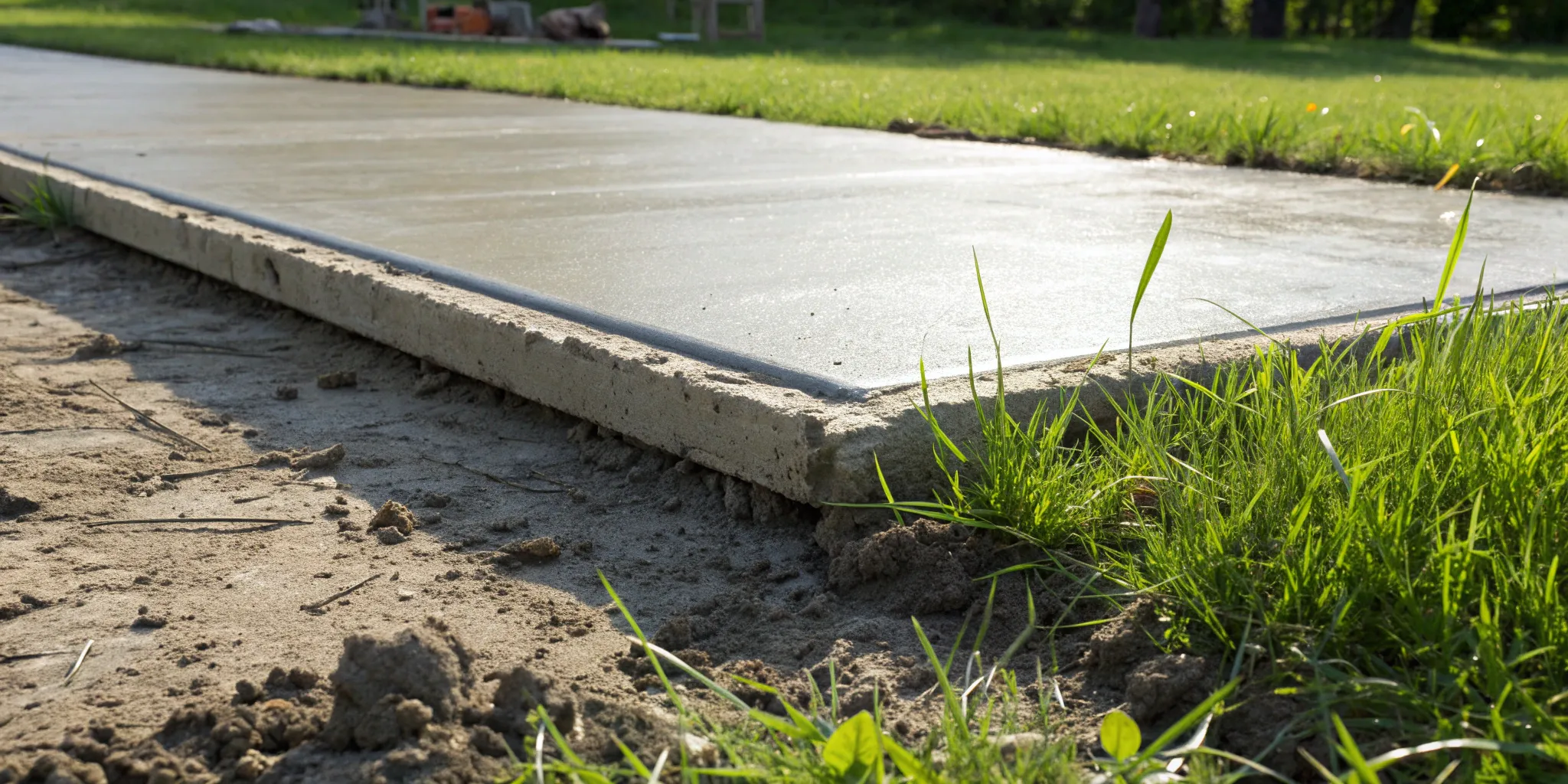
As a savvy property owner, you know that fixing sunken concrete is about protecting your investment. You’re not just looking for the cheapest fix; you’re looking for the smartest one. A huge part of that decision-making process involves understanding the true value behind the price tag. This guide is designed to break down every element that contributes to the concrete raising cost, from the long-term durability of polyurethane foam to the importance of a solid warranty. We’ll help you look beyond the initial quote to see how choosing the right method and professional provides a lasting solution that saves you money down the road.
Key Takeaways
- Understand What Determines the Cost: The final price is based on the amount of material needed to fill the void beneath your slab, not just the square footage. Your quote will be influenced by the repair method, soil conditions, and how easily the crew can access the work area.
- Choose Raising Over Replacing for a Smarter Solution: Lifting your concrete is 50-80% less expensive and significantly faster than a full replacement. It also addresses the root of the problem by stabilizing the soil, providing a more durable, long-term fix.
- Vet Your Contractor and Their Quote: Always get multiple written estimates from licensed and insured professionals. A reliable quote will clearly detail the scope of work, materials, and warranty, allowing you to compare the true value of the repair, not just the price tag.
What Determines the Cost of Concrete Raising?
When you notice a sunken patio or an uneven driveway, one of the first questions that comes to mind is, “How much will this cost to fix?” The truth is, there’s no simple, flat-rate answer. The price of concrete raising is tailored to the specific needs of your property. Think of it like a custom repair job—the final cost depends on a unique combination of factors, from the size of the slab to the ground beneath it.
Understanding these variables will help you make sense of any estimate you receive and feel more confident in your decision. Key elements that influence the price include the scale of the project, the current condition of your concrete, and even how easy it is for a crew to access the work area. The type of material used for the lift and the time of year you schedule the work also play a part. By breaking down these components, you can get a much clearer picture of the investment required to restore your concrete surfaces and prevent further issues.
The Size and Complexity of Your Project
It makes sense that the bigger the job, the more it will cost. A single, sunken sidewalk slab is a much smaller project than lifting an entire garage floor that has settled. The cost is directly tied to the amount of material needed to fill the void beneath the concrete and the amount of time the crew spends on site. A larger area or a deeper void requires more material and labor. Similarly, a more complex lift—like one that involves multiple levels or needs to be carefully angled for proper drainage—will require more precision and time, which is reflected in the final price.
The State of Your Soil and Concrete
The condition of your existing concrete is a major factor. The ideal candidate for concrete raising is a slab that is mostly intact but has sunk over time. If your concrete is severely cracked, broken into many pieces, or has a crumbling surface, it may not be strong enough to withstand the lifting process. In those cases, replacement might be the only option. The soil underneath is just as important. Poorly compacted or eroded soil is often the root cause of sinking concrete, and addressing any underlying foundation repair issues is key to a lasting fix, which can influence the overall scope and cost of the project.
Your Property’s Location and Access
Where you live can influence the cost due to regional differences in labor and material prices. Beyond your zip code, the specific location of the work on your property matters, too. A sunken front driveway that’s easily accessible for trucks and equipment will generally be less expensive to repair than a pool deck in a fenced-in backyard. If the crew has to manually haul equipment through tight spaces or over long distances, the added labor and time will be factored into your estimate. Easy access allows the team to work more efficiently, which helps keep costs down.
The Materials Used for the Job
The material injected beneath the slab to lift it is another key cost variable. Traditional methods, often called mudjacking, use a slurry of cement, sand, and other natural materials. A more modern approach uses an expanding polyurethane geotechnical foam. While polyurethane foam can sometimes have a higher upfront material cost, it’s incredibly lightweight, requires smaller injection holes, and cures very quickly. Each material has its own set of benefits, and the best choice often depends on the specific application and your long-term goals for the property. A professional can help you weigh the pros and cons of each option.
How the Time of Year Plays a Role
Like many construction services, the concrete raising industry has busy seasons and slower periods. Spring and summer are typically peak times when everyone is looking to get outdoor projects done, and high demand can sometimes lead to higher prices. If your project isn’t urgent, you might find more flexible pricing during the off-season, such as late fall. Many companies also have a minimum charge for a project to cover the cost of sending out a truck and crew. This minimum fee can sometimes fluctuate depending on how busy they are, so it’s always a good idea to ask.
How Different Concrete Raising Methods Compare in Cost
When you get a quote for raising your concrete, the price will depend heavily on the method the contractor uses. Each technique has its own process, materials, and associated costs. Understanding the differences between options like mudjacking, polyurethane foam, and stone slurry grout will help you see what you’re paying for. While one method might seem cheaper upfront, it’s important to consider factors like precision, durability, and how long the repair will last. The right choice balances your immediate budget with the best long-term value for your property.
Mudjacking: How It Works and What It Costs
Mudjacking is a traditional method that involves pumping a slurry of mud, sand, cement, and water beneath a sunken concrete slab to lift it. It’s often the most affordable option, with project costs typically ranging from about $585 to over $5,400. While the lower price is appealing, this method has some drawbacks. The material is heavy, adding significant weight to already unstable soil. The process is also less precise than modern alternatives, and it can be difficult to ensure the slurry completely fills the void. This can leave empty pockets that lead to the concrete sinking again over time.
Polyurethane Foam: A Modern, Lightweight Solution
A more advanced approach is using polyurethane geotechnical foam to lift and stabilize concrete. This method involves injecting a two-part polymer that expands beneath the slab, filling every gap and gently raising the concrete back into place. The foam is incredibly lightweight yet strong, so it won’t add extra stress to the underlying soil. It’s also waterproof and cures quickly, meaning you can use your driveway or patio almost immediately. While the initial investment may be higher than mudjacking, professionals often recommend this method because it provides a more precise, durable, and long-lasting solution to settled concrete.
Stone Slurry Grout: Another Option to Consider
Stone slurry grout leveling sits somewhere between mudjacking and polyurethane foam in both price and performance. This technique uses a mixture of crushed limestone and water, which is pumped under the concrete to lift it. It’s considered more precise than mudjacking and uses natural, finely crushed materials that can fill voids effectively. Costs for this method generally fall between $750 and $6,000, with many residential jobs landing in the $1,100 to $1,500 range. It offers a good balance of quality and affordability, making it a viable alternative for property owners looking for a reliable repair.
Breaking Down the Cost Per Square Foot
You might see companies advertise a price per square foot for concrete raising, but this figure can be misleading. A simple surface measurement doesn’t account for the most important factor: the size of the void underneath the slab. The cost of the job is determined by how much material is needed to fill that empty space and lift the concrete. A small slab with a deep void could cost more to repair than a large slab that has only sunk slightly. That’s why a professional will always assess the depth of the problem, not just the square footage, to give you an accurate quote.
Understanding Minimum Project Fees
When you request a quote for a small repair, you’ll likely encounter a minimum project fee. Most professional contractors have a minimum charge, often between $300 and $2,000, to ensure they can cover their basic operational costs. This fee includes sending a trained crew to your property, mobilizing specialized equipment, and the materials needed for the job. Even if your repair only takes an hour, the minimum fee accounts for the logistics required to get the work done right. It’s a standard practice that allows companies to handle jobs of all sizes while maintaining a high level of service.
Raising vs. Replacing Concrete: A Cost Breakdown
When you see a sunken patio, uneven driveway, or cracked walkway, your first thought might be to rip it all out and start fresh. But tearing out and replacing concrete is a massive, expensive, and disruptive project that isn’t always necessary. In many cases, raising the existing slab is a much smarter choice. It’s faster, more affordable, and less of a headache. Before you commit to a full-scale demolition, it’s worth understanding the key differences between these two approaches. We’ll look at everything from the initial price tag and long-term durability to the project timeline and environmental impact. This breakdown will help you make an informed decision that saves you time, money, and stress.
Comparing the Upfront Costs
The most immediate difference you’ll notice is the price tag. Concrete raising typically costs 50% to 80% less than a full replacement. To put that in perspective, a driveway replacement that could set you back $5,000 or more might only cost between $1,200 and $3,800 to lift and level. Why the huge gap? Replacement is a labor-intensive process that includes demolition, hauling away heavy debris, preparing a new sub-base, and then pouring and finishing the new concrete. Raising, on the other hand, works with the slab you already have, saving you a significant amount on materials and labor.
Which Option Offers Better Long-Term Value?
While saving money upfront is great, you also want a solution that lasts. This is where modern concrete raising techniques really shine. Methods using polyurethane geotechnical foam don’t just lift the slab; they address the root of the problem. The foam expands into the voids in the soil underneath, compacting the ground and creating a stable, water-resistant base. If you simply replace a concrete slab without fixing the unstable soil that caused it to sink in the first place, you’re just setting yourself up for the same problem down the road. By stabilizing the ground, concrete raising provides a durable, long-term fix that protects your investment.
How Long Does Each Process Take?
Your time is valuable, and you probably don’t want your property to be a construction zone for weeks. Most concrete raising jobs are completed in just a few hours, and the surface is ready for use almost immediately—sometimes in as little as 15 minutes. You can walk on it, drive on it, and get back to your routine with minimal disruption. Concrete replacement is a different story. The process of demolition, removal, pouring, and curing can take days or even weeks. During that time, you lose access to your driveway, patio, or walkway, which can be a major inconvenience for any property owner.
What to Expect for Future Maintenance
A properly executed concrete raising job is built to last for years. Once the slab is lifted and the soil beneath is stabilized, your main job is simple preventative care. This includes sealing any surface cracks to keep water out and ensuring you have proper drainage around the area to prevent future soil erosion. Our team can help with crack injection to keep your slab in top shape. With replacement, you’re still facing the same maintenance needs. And if the underlying soil issues weren’t addressed, you could be looking at more significant repairs sooner than you’d like.
The Environmental Footprint of Each Method
If you’re looking for a more sustainable solution, concrete raising is the clear winner. The process reuses your existing concrete slab, which means nothing gets sent to the landfill. It’s a great way to recycle and reduce waste. In contrast, replacement creates a huge amount of debris that has to be transported and disposed of. The production of new cement is also a carbon-intensive process. By choosing to lift your concrete instead of replacing it, you’re not just making a smart financial decision—you’re also making a more environmentally responsible one.
How to Get an Accurate Estimate
Getting a clear and detailed estimate is the most important step in planning your concrete raising project. A good quote is more than just a number; it’s a comprehensive plan that outlines the scope of work, the materials involved, and the total cost. This transparency helps you understand exactly what you’re paying for and sets clear expectations for everyone involved. Think of it as the blueprint for a successful repair. When you know what to look for, you can confidently compare offers and choose a contractor who will get the job done right, without any surprise costs along the way.
What Should Be in Your Quote?
A trustworthy quote should break down every aspect of the job. Look for a detailed description of the work, including the specific areas to be lifted and the methods the contractor plans to use, such as polyurethane geotechnical foam. The estimate should clearly list the costs for materials and labor, as well as any fees for equipment or permits. It’s also common for companies to have minimum project fees, which can range from $400 to over $1,500 depending on the season and their schedule. A professional will always conduct an on-site inspection before giving you a firm price, so be wary of any quotes given over the phone.
Spotting Red Flags in an Estimate
Your best defense against a bad deal is getting several quotes. As experts at A1 Concrete suggest, this allows you to compare prices and methods to find the best fit for your project. Be cautious of any estimate that seems unusually low, as it could signal subpar materials or inexperienced labor. Other red flags include vague descriptions of the work, high-pressure sales tactics urging you to sign immediately, or a request for a large upfront cash payment. A reputable contractor will provide a clear, written estimate and give you the time you need to make an informed decision.
Your Payment and Financing Options
Foundation and concrete work can be a significant investment, but don’t let the initial cost deter you. Many professional companies understand this and offer flexible payment schedules or financing options to help you manage the expense. When you’re discussing your project with a contractor, be sure to ask what their payment process looks like. Some may require a deposit to secure your spot on their schedule, with the balance due upon completion. Others may partner with lenders to provide home repair financing, allowing you to pay for the project over time.
Making Sense of Warranties
A warranty is a promise from the contractor that they stand behind their work. It’s a critical part of your estimate and can tell you a lot about a company’s confidence in its services. Don’t be tempted by a low price that comes with a weak or non-existent warranty. A short, one-year guarantee might not protect you if issues reappear down the road. Look for a company that offers a substantial, long-term, and transferable warranty. This not only protects your investment but also adds value to your property if you decide to sell in the future.
Why Insurance Matters
Before you hire anyone, confirm they have the proper insurance. This is non-negotiable. The contractor should carry both general liability insurance and worker’s compensation. General liability protects your property from any accidental damage that might occur during the project, while worker’s compensation covers their employees in case of injury. Without this coverage, you could be held financially responsible for accidents. Don’t just take their word for it—ask for a certificate of insurance and verify that the policies are current. It’s a simple step that provides essential peace of mind.
How to Choose the Right Concrete Raising Pro
Finding the right professional for your concrete raising project is about more than just getting a good price. You’re looking for a partner you can trust to do the job correctly and stand by their work. Taking the time to vet your options will give you peace of mind and ensure your investment is protected for years to come. Here are the key things to look for when making your decision.
Check for Proper Licensing and Qualifications
First things first, let’s talk credentials. Hiring a contractor who isn’t properly licensed and insured is a risk you don’t want to take. A valid license shows they meet state and local requirements to do the work, while insurance protects you from liability if an accident happens on your property. Ask any potential contractor for proof of both general liability insurance and worker’s compensation. Don’t just take their word for it; you can usually verify a license through your state’s contractor licensing board website. A reputable company will have no problem providing these documents upfront. It’s a simple step that ensures you’re working with a legitimate professional who stands by their business practices.
Verify Their Experience and Past Work
Experience is more than just years in business; it’s about proven success with projects like yours. Look for a contractor with a strong portfolio of completed work. Ask to see before-and-after photos or case studies, and check online reviews on platforms like Google or Yelp to see what past clients are saying. A seasoned pro will also insist on an in-person inspection before giving you a quote. It’s nearly impossible to provide an accurate price over the phone, as they need to assess the soil conditions and the extent of the damage firsthand. This on-site evaluation is a key sign you’re dealing with an expert in foundation repair who is thorough and professional.
How to Compare Quotes Fairly
Getting a few different price estimates is a smart move. Aim for at least three written quotes from different professionals to compare methods and find the best solution for your specific situation. A detailed quote should clearly break down the costs for materials, labor, and any other potential fees—no surprises. When you have the numbers, don’t just look at the bottom line. Compare the proposed method, the materials being used, and the project timeline. It’s also a good idea to get quotes for both concrete lifting and a full replacement. This allows you to accurately weigh the costs and benefits of using polyurethane geotechnical foam versus pouring new concrete.
Ask About Guarantees and Warranties
A warranty is the company’s promise to stand behind their work, and it’s a huge indicator of quality. A contractor who is confident in their materials and craftsmanship will offer a solid guarantee. Be wary of the cheapest quote if it comes with a very short warranty (one or two years) or none at all. A strong warranty protects your investment for the long haul. For example, some of the best companies offer extensive warranties, like lifetime guarantees on push and helical pier installations. Always get the warranty details in writing and make sure you understand what is covered, for how long, and what might void the agreement. This is your peace of mind after the crew has packed up and left.
Confirm Their Service Area
Hiring a local contractor often has significant advantages. They’ll be familiar with the specific soil types, building codes, and environmental factors in your region, which can directly impact the success of the repair. Plus, a local company means less travel time, which can sometimes translate into cost savings. Prices for labor and materials can change quite a bit depending on where you live, so working with a pro in your area ensures the quote reflects local rates. Before you schedule an estimate, just take a quick look at their website or give them a call to confirm they service your town. It’s a simple check that saves everyone time and ensures you’re hiring a true local expert.
Ways to Save on Your Concrete Raising Project
Fixing sunken concrete is a smart investment in your property’s safety and value, but that doesn’t mean you shouldn’t look for ways to be smart about the cost. While the price is largely determined by the scope of the work, there are several practical steps you can take to manage the expense without cutting corners on quality. From scheduling your project at the right time to performing simple upkeep, a little planning can go a long way.
Thinking ahead can make a significant difference. For example, addressing a small, sinking sidewalk now is far more affordable than waiting until it becomes a major tripping hazard that requires more extensive foundation repair. By being proactive and informed, you can protect both your property and your budget. Let’s walk through a few strategies that can help you save money on your concrete raising project and ensure you get the best possible value.
Time Your Project for Better Pricing
Like many home improvement services, the concrete industry has busy seasons and slower periods. If you have some flexibility, scheduling your project during the off-season (typically late fall or winter) can sometimes lead to better pricing or more availability. Contractors are often looking to fill their schedules during these months. Additionally, if a company is already on-site providing an estimate and offers a discount for signing on the same day, it’s worth considering. They save on administrative and travel time, and you can benefit from those savings directly. Just be sure you’re comfortable with the contractor and the quote before you commit.
Bundle Services to Reduce Costs
If you have multiple areas with sinking concrete—say, a patio, a walkway, and a few driveway slabs—it’s almost always more cost-effective to have them all repaired at once. Each project requires the crew to travel to your property, set up their equipment, and then clean up. By bundling the work into a single visit, you minimize these overhead costs for the contractor, and those savings are often passed on to you. If you know you also need other work done, like waterproofing your basement, ask if bundling the projects could result in a better overall price.
Prevent Future Damage with Simple Maintenance
One of the best ways to save money is to protect the investment you’ve already made. After your concrete is raised, simple maintenance can prevent future problems. The main culprit behind sinking slabs is water eroding the soil underneath. Make sure your downspouts direct water several feet away from your foundation and concrete slabs. You should also regularly seal any cracks or control joints with a flexible sealant. This simple step of crack injection prevents water from seeping beneath the concrete, which helps keep the soil stable and your slabs level for years to come.
Explore Financing to Manage Your Budget
Putting off a necessary concrete repair because of upfront costs can lead to more significant damage and higher expenses down the road. If the total cost is a concern, ask your contractor about financing options. Many reputable companies partner with lenders to offer plans that allow you to break up the expense into manageable monthly payments. This makes the project immediately affordable, so you can address the problem before it worsens. Financing lets you fix the issue correctly now instead of opting for a temporary, cheaper fix that will only cost you more in the long run.
See if Your Insurance Can Help
In most cases, homeowner’s insurance doesn’t cover concrete leveling, especially if the damage is due to gradual settling or soil erosion over time. However, there are exceptions. If the sinking was caused by a specific, covered peril—like a burst pipe under the slab or sudden damage from a sinkhole—you may have a valid claim. It’s always worth a call to your insurance agent to understand your coverage. Review your policy carefully and explain the situation to your agent to see if any portion of the repair might be covered.
Related Articles
Frequently Asked Questions
Why can’t I get a simple price per square foot for concrete raising? A square footage price doesn’t tell the whole story because the real cost is determined by what’s happening underneath the slab. The key factor is the size of the empty space, or void, that needs to be filled to lift the concrete. A small patio with a deep void could require more material and time than a large driveway that has only sunk an inch. A professional needs to assess the situation in person to understand the depth of the problem and give you a truly accurate price.
Is it always better to raise my concrete instead of replacing it? In most situations, yes. Raising your concrete is significantly more affordable, much faster, and far less disruptive than a full replacement. However, raising isn’t the right solution if the concrete itself is in very poor condition—for example, if it’s severely cracked, crumbling, or broken into many small pieces. A good contractor will evaluate the structural integrity of your slab and let you know if it’s a good candidate for lifting or if replacement is the only viable option.
Is the more expensive polyurethane foam method really worth it? While polyurethane foam can have a higher initial cost than older methods like mudjacking, it often provides better long-term value. The foam is incredibly lightweight, so it doesn’t add extra stress to the unstable soil that caused the problem in the first place. It’s also waterproof and expands to fill every tiny gap, creating a solid, stable base that helps prevent future sinking. Think of it as an investment in a more permanent and precise solution.
What’s the single most important thing to look for in a contractor’s estimate? Beyond the final price, look for a detailed scope of work and a strong, written warranty. A vague quote is a red flag. A professional estimate will clearly outline the specific areas to be repaired, the method they plan to use, and a breakdown of costs. The warranty is just as crucial because it shows the company’s confidence in their work. A long-term, transferable warranty protects your investment and gives you peace of mind.
Will my concrete just sink again after it’s been repaired? A professional concrete raising job is designed to be a long-lasting solution because it addresses the root cause of the problem—unstable soil. Modern methods using polyurethane foam actually help stabilize the ground by filling voids and preventing water erosion. To protect your investment, you should also perform simple maintenance, like ensuring your gutters direct water away from the area and sealing any surface cracks to keep water out from above.