
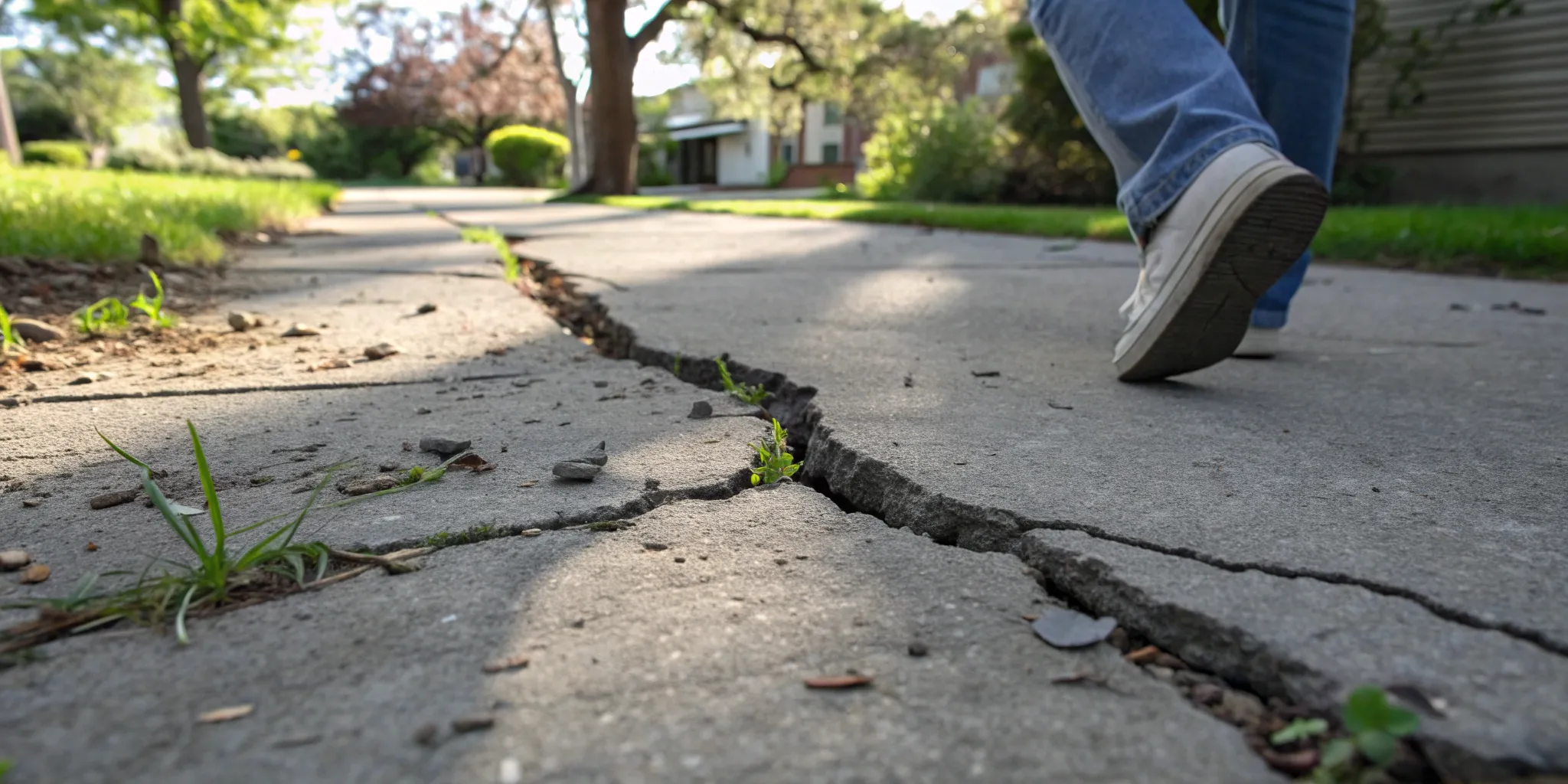
That moment you first notice a sunken step or a tilting walkway can be incredibly stressful. Your mind might immediately jump to the worst-case scenario: a messy, expensive, and disruptive tear-out and replacement project. But here’s the good news—that’s often not necessary. Modern repair methods can fix concrete settling by addressing the root of the problem: the unstable soil. From advanced foam injections that lift slabs back into place to deep-set piers that provide permanent support, there are effective and minimally invasive solutions. This guide will explore these options so you can make an informed decision.
Key Takeaways
- Look Beneath the Surface: Sinking concrete is a symptom of an unstable ground, not a problem with the slab itself. The real culprits are issues like water erosion, poor soil compaction during construction, or natural ground shifts.
- Proactive Maintenance Prevents Major Repairs: You can get ahead of most settling issues with simple, regular maintenance. Managing water flow with clean gutters and proper drainage is the most effective step you can take to protect your concrete and foundation.
- Match the Repair to the Root Cause: A lasting fix addresses the specific soil problem causing the damage. Whether the right solution is polyurethane foam, piers, or another method, a professional diagnosis is essential to ensure you’re not just patching a symptom.
What Is Concrete Settling and Why Does It Happen?
Have you noticed your driveway, patio, or sidewalk looking a little uneven lately? Those sinking or tilting slabs are a classic sign of concrete settling. It’s a common problem, but it’s not actually an issue with the concrete itself. Instead, it’s all about the ground underneath. When the soil that supports the heavy concrete slab shifts, compresses, or washes away, the concrete has nowhere to go but down. Understanding what’s happening beneath the surface is the first step to finding a lasting solution.
The Science Behind Sinking Concrete
Think of your concrete slab like a tabletop and the soil beneath it as the table legs. If one of those legs gets shorter or disappears, the tabletop will tilt and become unstable. That’s essentially what happens when concrete settles. The soil base loses its ability to support the immense weight of the slab above it. This loss of support creates a void, and gravity does the rest, pulling the concrete down until it finds solid ground again. This process can lead to unsightly cracks, tripping hazards, and even more serious structural issues if it affects your home’s foundation repair.
How Soil Conditions Impact Your Foundation
The stability of your concrete is completely dependent on the soil it rests on. Several common soil issues can trigger settling. Water is often the main culprit; poor drainage, overflowing gutters, or plumbing leaks can erode the soil, literally washing away the support from under your slab. In other cases, the problem starts during construction. If the soil wasn’t properly compacted, it will slowly compress over time, creating a gap. Clay-rich soils also pose a challenge, as they shrink dramatically during dry spells and swell when wet, causing constant movement that destabilizes the concrete above. This is why effective waterproofing is so critical for foundation health.
Spot the Warning Signs of Concrete Settling
Concrete settling doesn’t happen overnight. It usually starts with small, easy-to-miss signs that can grow into serious structural problems if you don’t address them. The key is knowing what to look for. By paying attention to the subtle changes around your property, you can catch issues early and protect your home’s value and safety. Let’s walk through some of the most common red flags that tell you it’s time to call a professional.
Visual Clues to Look For
Start by taking a look at your floors. Do they seem to slope or feel uneven when you walk across them? Sinking or uneven floors are often one of the first signs of foundation settlement. You might also notice cracks in your concrete floor, especially in the basement or garage. Look for gaps where the floors are pulling away from the walls or where interior walls are separating from the ceiling. Sticking doors and windows that used to open smoothly can also indicate that the frame is shifting due to a settling foundation. These are all signs that your home needs a professional foundation repair assessment.
When a Small Crack Signals a Big Problem
It’s tempting to dismiss a small crack in your concrete slab as a minor cosmetic flaw. But even a hairline fracture can be a symptom of a much larger issue happening beneath the surface. Cracks in concrete slabs may seem like a quick fix with a bit of patch material, but that doesn’t address the underlying soil issues causing the settling. These problems, like soil erosion or poor compaction, will continue to progress and compromise your concrete’s structural integrity over time. A proper crack injection not only seals the damage but is part of a larger strategy to stabilize the foundation for good.
What Causes Concrete to Settle?
When you see a concrete slab sinking or cracking, it’s easy to blame the concrete itself. But more often than not, the real problem lies beneath the surface. Concrete is incredibly strong and durable, but it’s only as stable as the ground it rests on. The soil underneath your foundation, driveway, or patio is the true support system. When that soil shifts, erodes, or compresses, the heavy concrete slab above it has no choice but to follow suit.
Understanding what’s happening in the ground is the first step to finding a lasting solution. Several factors can compromise the soil’s integrity, from too much water to poor construction practices. Each cause creates a different kind of instability, leading to the uneven surfaces and unsettling cracks you’re seeing. Let’s look at the most common reasons why the ground gives way and your concrete starts to sink.
Water Damage and Soil Erosion
Water is the number one enemy of stable soil. When excess water saturates the ground beneath a concrete slab, it can wash away the soil particles that provide support. This process, called erosion, creates voids and empty pockets under the concrete. Over time, the weight of the slab will cause it to sink into these unsupported areas.
This issue is often caused by poor drainage around your property. Misdirected downspouts, overflowing gutters, or improper grading can all channel water directly toward your foundation or concrete slabs. A comprehensive waterproofing strategy is essential to direct water away from these critical areas and prevent the soil from washing away, protecting your property from the ground up.
Poor Initial Compaction
A solid foundation needs to be built on solid ground. Before any concrete is poured, the soil beneath it must be tightly compacted to remove air pockets and create a dense, stable base. Unfortunately, this crucial step is sometimes rushed or done improperly, especially during new construction projects.
If the soil isn’t compacted correctly, it will naturally settle and compress over time under the immense weight of the concrete slab. This gradual compression causes the concrete to sink and become uneven. This is a frustrating problem because it’s entirely preventable. Ensuring proper soil preparation from the start is a key part of any quality new construction project and is vital for long-term stability.
Seasonal Ground Shifts
The ground beneath your feet is more active than you might think, especially in areas with clay-rich soil. During long, dry spells or droughts, clay soil can shrink significantly as it loses moisture. This shrinkage creates gaps between the soil and the concrete slab, leaving it unsupported. When the rains return, the soil expands, pushing the slab back up.
This constant cycle of shrinking and swelling puts a huge amount of stress on the concrete. Over years of this up-and-down movement, the soil loses its structural integrity, and the concrete can settle unevenly, leading to significant cracks and instability. This is a common reason homeowners seek professional foundation repair to address the underlying soil issues.
Hidden Plumbing Leaks and Pests
Sometimes, the cause of settling concrete is completely hidden from view. A slow leak from a plumbing line running beneath your slab can go undetected for years, steadily washing away the soil and creating a large void. Without support, the concrete will eventually crack and sink into the empty space.
Burrowing animals can also be a surprising source of trouble. Moles, groundhogs, and other pests can dig extensive tunnels under your concrete slabs. These tunnels disturb the soil and create unstable pockets. This is a particularly common issue in crawl-space repairs, where pests and moisture can team up to undermine your home’s foundation from below.
How to Fix Settled Concrete
Seeing your concrete sink is unsettling, but the good news is that you have options. The right fix depends on what’s causing the problem and how severe it is. From modern foam injections to deep-set piers, there’s a solution to lift and stabilize your concrete for the long haul. Let’s walk through the most common and effective methods so you can understand what might work best for your property.
Polyurethane Foam Injection
One of the most popular modern solutions is polyurethane geotechnical foam. This method involves injecting a specialized, expanding foam through small holes drilled into the sunken slab. Once underground, the foam expands, filling any empty spaces and lifting the concrete back to its original position. The material is incredibly strong yet lightweight, so it won’t add extra stress to the soil beneath. It also cures quickly, meaning you can use your driveway, patio, or walkway almost immediately. This technique is a fantastic, minimally invasive solution for many situations, especially when paired with addressing the underlying soil issue.
Mudjacking and Slabjacking
Mudjacking, also known as slabjacking, is a more traditional method that has been trusted for decades. It works by pumping a slurry—typically a mix of cement, soil, and other materials—underneath the settled concrete slab. This mixture fills the voids in the soil and hydraulically lifts the slab back into place. Some people assume that tearing out and replacing the concrete is a better option, but that often fails to fix the root problem: the unstable soil. Mudjacking directly addresses the voids that caused the sinking, making it a cost-effective and reliable foundation repair technique for many common settling issues.
Push and Helical Piers for Severe Cases
When you’re dealing with significant settling or major foundation problems, you need a more robust solution. This is where push and helical piers come in. These are strong steel posts that are driven deep into the ground until they reach stable, load-bearing soil or bedrock far below the unstable surface layers. Brackets are then attached to the piers and the foundation, allowing the structure to be stabilized and even lifted back to its original elevation. This method essentially transfers the weight of your structure onto solid ground, providing a permanent fix for even the most severe settling.
Repair vs. Replacement: How to Decide
Deciding whether to repair or replace your concrete can feel like a big decision. The key is to look at the cause and the extent of the damage. If you simply replace a sunken slab without fixing the weak soil underneath, the new concrete will likely settle too. A professional assessment is the best way to get a clear picture of what’s happening. An expert can identify the root cause and recommend an engineered solution tailored to your property. Choosing a targeted repair not only saves you the cost and mess of a full replacement but also ensures the underlying problem is solved for good.
How to Prevent Concrete From Settling
While you can’t control deep-earth geology, you can take several proactive steps to protect your concrete surfaces from settling. Prevention is always more straightforward and less expensive than a major repair. By managing the most common culprits—water and poor soil support—you can significantly extend the life of your driveways, patios, and foundation slabs. A little bit of seasonal maintenance and careful planning during construction can save you from dealing with cracks and uneven surfaces down the road.
Manage Water and Improve Drainage
Water is the number one enemy of stable concrete. When water gets under a concrete slab, it can wash away the soil that supports it, creating voids that lead to sinking and cracking. This often happens when downspouts are aimed directly at a concrete slab, gutters overflow, or the surrounding landscape slopes toward your foundation. Take a walk around your property and check that all downspouts direct water several feet away from concrete surfaces. Keep your gutters clean to prevent overflow, and consider if the ground grading needs adjustment. A comprehensive waterproofing strategy is your best defense against moisture-related foundation issues.
Ensure Proper Soil Compaction from the Start
A concrete slab is only as strong as the ground it rests on. Before concrete is poured, the soil underneath must be tightly compacted to create a dense, stable base. If the soil isn’t fully compacted, it will inevitably settle over time, and the heavy concrete on top will sink right along with it. While you can’t go back in time and fix the prep work on an existing slab, this is a critical point to remember for future projects. For any new construction, from a small patio to a full foundation, make sure your contractor follows best practices for soil preparation.
Schedule Regular Property Inspections
Catching problems early is key. Make it a habit to walk around your property a few times a year, specifically looking for new cracks, sinking spots, or areas where slabs no longer meet evenly. While small hairline cracks can be normal, growing or separating cracks are a red flag. If you notice any changes, it’s wise to get a professional opinion. Hiring an expert ensures the right methods are used to address not just the visible damage but also the underlying cause. A professional foundation repair assessment can identify the source of the problem and give you a clear path forward.
Choose the Right Concrete Repair Solution
Once you’ve identified settling concrete, the next step is figuring out the best way to fix it. With different methods available, from foam injection to piering systems, it’s easy to feel a bit lost. The key is to remember that you’re not just looking for a quick patch; you’re looking for a permanent solution that addresses the root of the problem. The right approach will depend entirely on what’s causing the issue, the type of structure affected, and the soil conditions on your property.
Choosing the correct repair method is the most critical step in protecting your investment. A fix designed for a slightly uneven sidewalk won’t be sufficient for a sinking foundation, and vice versa. Each technique has a specific purpose, and applying the wrong one can lead to more significant problems and wasted money down the road. That’s why it’s so important to understand your options and get an expert opinion before committing to a plan. A durable, long-lasting repair will restore your property’s safety and value, giving you peace of mind for years to come.
Match the Method to Your Specific Problem
There is no single magic bullet for concrete repair. The best method always depends on the cause and extent of the damage. For instance, a few hairline cracks in your garage floor might only require a simple crack injection to seal them from moisture. However, if your patio slab has sunk several inches due to soil erosion, a more robust solution like polyurethane geotechnical foam is likely the better choice to lift and stabilize it. For severe foundation settling, structural supports like push or helical piers may be necessary to secure the entire home. The goal is to find a permanent, engineered solution tailored to your unique situation.
Consider Warranties and Long-Term Effectiveness
When you’re comparing repair options, it’s tempting to focus on the upfront cost. However, the most effective solutions are the ones that last. A cheaper, temporary fix might seem appealing now, but it could fail within a few years, leaving you back where you started. Hiring a professional contractor ensures the proper methods are used to address both the visible damage and its underlying cause. Look for companies that stand behind their work with strong warranties. A long-term or lifetime warranty is a clear sign that a company uses high-quality materials and is confident in the durability of its foundation repair services.
Why a Professional Assessment Is Key
You can see the cracks and slopes, but can you see the unstable soil or hidden water source causing them? Probably not. This is why a professional assessment is so important. An experienced technician can accurately diagnose the root cause of the problem—something an untrained eye will almost certainly miss. They can test soil density, identify drainage issues, and determine the full extent of the damage. This expert evaluation ensures you’re not just treating a symptom. Instead, you’re applying the right solution from the start, which saves you time, stress, and the expense of future repairs.
Related Articles
- Polyurethane Geotechnical Foam – Reliable Foundation Repair
- 4 Ways to Fix a Sinking Foundation
- How Proper Water Drainage Can Protect Your Home’s Foundation – Professional Foundation Repair
Frequently Asked Questions
My concrete only has a tiny crack. Should I really be concerned? It’s easy to overlook a small crack, but it’s often the first symptom of an issue happening in the soil underneath. That hairline fracture is a sign that the ground is shifting, eroding, or compressing, causing the concrete slab to stress. While it might not seem urgent now, ignoring it allows the underlying soil problem to worsen, which can lead to more significant sinking and a more expensive repair down the line. Think of it as a warning light; it’s always smarter to investigate the cause early.
Isn’t it easier to just tear out the old concrete and pour a new slab? While replacing the concrete might seem like a fresh start, it usually doesn’t solve the real problem. The original slab settled because the soil beneath it was unstable. If you pour new concrete on that same unstable ground without addressing the root cause, the new slab is likely to sink and crack just like the old one did. A professional repair addresses the weak soil first, creating a stable base that provides a permanent solution, not just a temporary cosmetic fix.
How do I know which repair solution is right for my property? There isn’t a single best method for every situation; the right solution is always tailored to the specific problem. The choice depends on factors like what’s causing the settling, how much the slab has sunk, and whether it’s a driveway or a structural foundation. This is why a professional assessment is so important. An expert can analyze the soil conditions and diagnose the root cause to recommend the most effective and lasting repair, whether it’s foam injection, piers, or another targeted technique.
Will the repair process damage my yard or landscaping? This is a common worry, but modern concrete repair methods are designed to be as minimally invasive as possible. Techniques like polyurethane foam injection, for example, only require a few small holes drilled directly into the concrete slab. This avoids the need for heavy machinery and major excavation, leaving your lawn, garden beds, and surrounding landscaping virtually untouched.
How long does a typical concrete lifting repair take? You might be surprised by how quickly many concrete settling issues can be resolved. For methods like polyurethane foam injection, the work is often completed in less than a day. The foam cures rapidly, meaning you can typically walk or drive on the repaired surface within an hour of the job being finished. This makes it a convenient solution that minimizes disruption to your daily routine.