
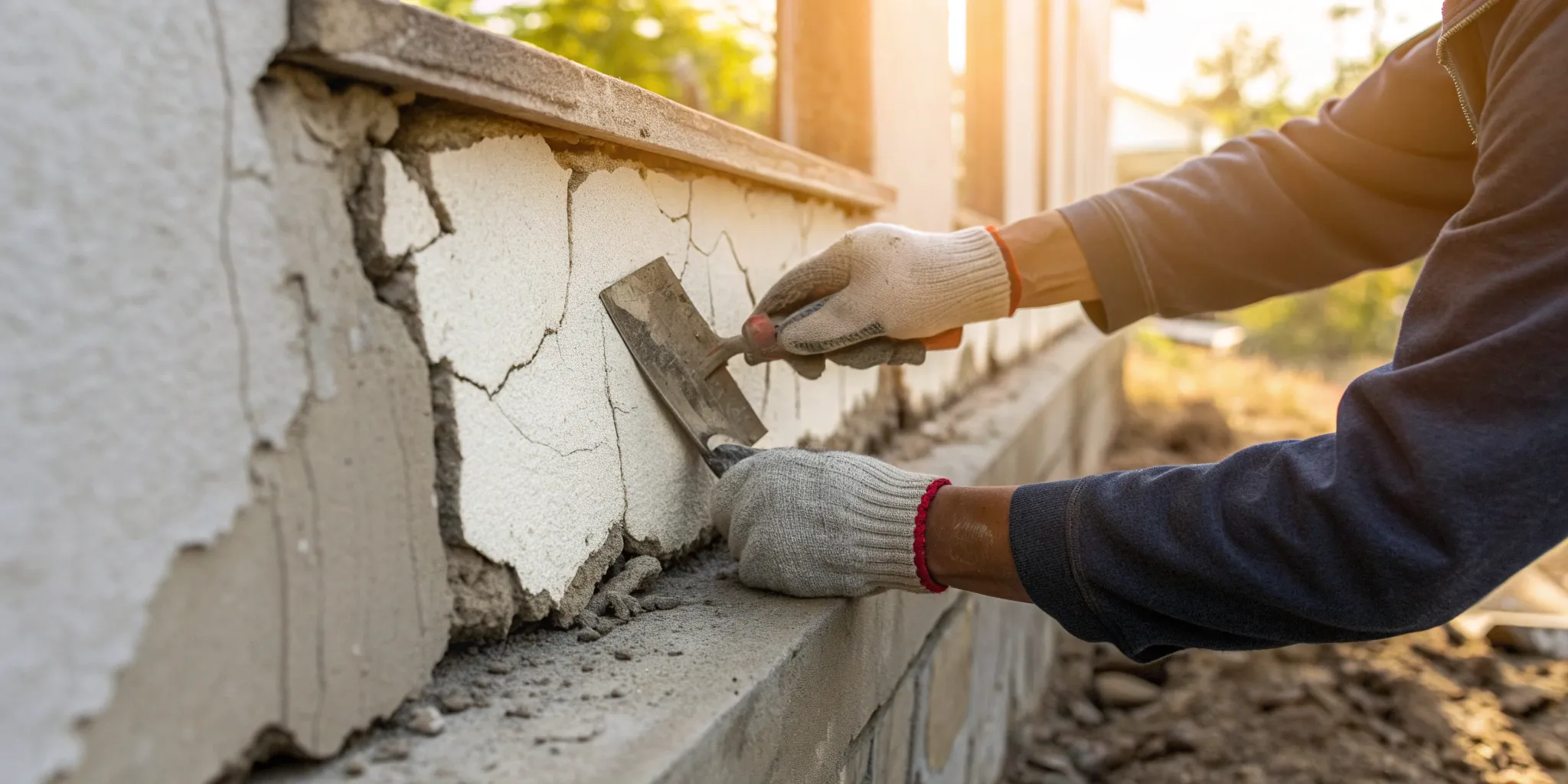
It often starts with something small—a door that suddenly sticks, a zigzag crack appearing in the drywall, or a thin line you notice on your basement wall. These little signs can point to a bigger issue with your foundation, and your thoughts quickly turn to the potential expense. The uncertainty around the cracked foundation repair cost can be one of the most stressful parts of the process. That’s why we created this guide. We’ll walk you through everything that goes into a repair estimate, from the initial inspection to the final solution, so you can move forward with a clear budget and a solid plan to restore your home’s integrity.
Key Takeaways
- Be Proactive with Inspections and Maintenance: Regularly check for warning signs like new cracks or sticking doors and manage water drainage around your home. Catching issues early is the single best way to prevent small problems from becoming major, expensive repairs.
- Know What Determines the Solution and Cost: A repair quote is based on the specific method required, the severity of the damage, and your property’s soil conditions. Understanding these variables helps you see why a certain solution is recommended and what you’re paying for.
- Hire a Contractor Based on Quality, Not Just Price: The cheapest bid is rarely the best value for your home’s structure. Prioritize licensed and insured professionals with a strong local reputation, and always get a detailed contract with a clear warranty.
What Do Foundation Cracks Mean for Your Home?
Finding a crack in your foundation can feel unsettling, but it doesn’t always signal a catastrophe. Homes naturally settle over time, and small, hairline cracks are often just a part of that process. The key is knowing how to tell the difference between normal settling and a sign of serious structural stress. Understanding what to look for can help you catch problems early, protecting your property and your peace of mind. Let’s walk through how to read the signs your foundation is giving you.
Decode the Cracks: What to Look For
Start by looking at the cracks themselves. Size is a major clue—a crack wider than 1/8 of an inch often points to an issue that needs a professional eye. The direction matters, too. Vertical cracks might be from minor settling, but horizontal cracks are a red flag for pressure pushing against your foundation. Also, note if one side of the crack is higher than the other, as this indicates shifting. If you spot these signs, it’s time for a professional foundation repair assessment to find the root cause.
More Than Just Cracks: Other Warning Signs
Foundation issues rarely show up as just a single crack. Often, there are other clues around your property. Pay attention to doors or windows that suddenly start to stick or won’t close properly—this can mean the frame is being warped by a shifting foundation. You might also notice sagging floors, cracks in interior drywall, or water seeping into your basement or crawl space. These symptoms, especially together, suggest your foundation needs attention. Proper waterproofing can address moisture, but it’s crucial to also fix the underlying structural problem.
How Foundation Issues Affect Your Property’s Value and Safety
Ignoring foundation problems makes them worse and more expensive. What starts as a small issue can compromise your home’s structural integrity, safety, and market value. Foundation trouble is one of the biggest red flags in a home inspection for a reason. The good news is that addressing these problems is almost always worth it. A timely repair protects your investment and is far less costly than a full foundation replacement. Acting early can be the difference between a minor fix and a major project, saving you thousands and ensuring your home stands on solid ground.
What Factors Into Foundation Repair Costs?
When you get a quote for foundation repair, you’ll notice it’s not a simple, one-size-fits-all price. The final cost depends on a unique mix of factors specific to your property. Understanding these variables will help you make sense of your estimate and see exactly where your money is going. From the type of foundation you have to the soil it sits on, each element plays a role in the repair strategy and its associated cost. Let’s break down the key components that influence the price of getting your foundation back on solid ground.
Your Foundation Type and Property Access
The way your home was built is the first piece of the puzzle. Different foundation types—like a concrete slab, a basement, or a crawl space—require different repair methods. A slab foundation might be more straightforward to access and repair, while a full basement introduces complexities like waterproofing and structural support. Crawl-space repairs have their own set of challenges, especially if the space is tight. Accessibility is also a major factor. If the damaged area is hard to reach, requiring special equipment or extensive excavation, the labor costs will naturally be higher. We always assess the easiest and most effective way to get the job done with minimal disruption.
Local Soil and Environmental Conditions
The ground beneath your home has a huge say in your foundation’s health. Expansive soils, like heavy clay, are a common culprit behind foundation issues because they swell when wet and shrink when dry. This constant movement puts immense pressure on your foundation, leading to cracks and shifts. Poor drainage or living on a slope can make these problems even worse. A professional assessment will always consider your property’s specific environmental conditions. Solutions for properties on unstable ground, like hillside stabilization, are designed to address these root causes, ensuring a lasting fix rather than a temporary patch.
The Extent of the Damage
The severity of the problem is one of the biggest drivers of cost. A few hairline cracks that need a simple injection are on the lower end of the price spectrum. However, if your foundation is actively sinking or bowing, the solution becomes much more involved. Significant structural damage often requires underpinning with piers to lift and stabilize the entire structure. The more widespread and severe the damage, the more labor and materials are needed to correct it. That’s why we always recommend a thorough foundation repair inspection to catch problems early before they escalate into more complex and costly projects.
Permits and Engineering Reports
For significant structural repairs, a building permit is often required by your local municipality. This ensures the work is done to code and meets safety standards. The cost of a permit is relatively small, but it’s a necessary step. In cases of severe damage, we may also recommend a report from a third-party structural engineer. This provides an unbiased, detailed assessment of the problem and a proposed solution, giving you complete peace of mind. These reports are crucial for complex jobs and are a standard part of ensuring high-quality, durable repairs, especially for projects involving new construction foundations.
Labor, Materials, and Equipment
Finally, the cost reflects the team, tools, and materials needed to do the job right. Labor costs are based on the size of the crew and the time required to complete the repair. The materials themselves also vary in price. For example, the cost of high-strength epoxy for crack injections is different from the cost of steel piers for underpinning. We use specialized equipment for everything from excavation to lifting the foundation. Investing in advanced solutions like push piers and helical piers ensures a permanent fix, and the cost reflects the quality and longevity of these industry-leading materials.
Common Foundation Repair Methods and What They Cost
When it comes to fixing a foundation, there’s no single magic bullet. The right solution depends entirely on the problem you’re facing. A hairline crack in your basement wall requires a different approach than a foundation that’s actively sinking. Think of it like a toolkit—a professional will select the right tool for the specific job to ensure a lasting repair.
Understanding the most common repair methods can help you feel more prepared when you get a quote. The costs can vary widely based on the technique used, the materials required, and the severity of the damage. Below is a breakdown of some of the go-to solutions for foundation issues and what you can generally expect them to cost. Remember, these are just ballpark figures. A thorough inspection from a qualified professional is the only way to get an accurate price for your specific situation. For a detailed assessment, it’s always best to schedule a professional foundation repair consultation.
Crack Injections
If you’ve spotted a crack in your basement wall, a crack injection is often the first line of defense. This method is ideal for non-structural cracks that are letting in water or moisture. The process is straightforward: a technician injects a high-strength epoxy or polyurethane resin directly into the crack. This material expands to fill the entire void, bonding with the concrete to create a permanent, waterproof seal. It’s a minimally invasive and highly effective way to stop leaks in their tracks. Costs typically depend on the length and depth of the crack but generally fall into a more affordable range, making it a popular choice for minor repairs.
Underpinning with Piers
For more serious issues like a settling or sinking foundation, you’ll need a more robust solution like underpinning. This process involves installing steel push or helical piers deep into the ground beneath your foundation until they reach stable, load-bearing soil. These piers act like stilts, transferring the weight of your home onto solid ground and stabilizing it. In many cases, they can even be used to lift the foundation back toward its original position. Because it’s a more intensive repair, underpinning is a significant investment, with costs usually calculated per pier. The number of piers needed will depend on the extent of the settling and the size of your home.
Slab Jacking and Foam Injection
Have you noticed your concrete patio, driveway, or basement floor has become uneven or sunken? Slab jacking, especially with modern polyurethane geotechnical foam, is an excellent way to fix it without having to tear out and replace the entire slab. A technician drills small, discreet holes into the sunken concrete and injects a specialized foam beneath it. The foam expands rapidly, lifting the slab back into place and filling any voids in the soil below. It’s a quick, clean, and durable solution that is often much more cost-effective than a full concrete replacement. The foam is also lightweight and waterproof, which helps prevent future soil erosion.
Carbon Fiber Reinforcement
When foundation walls start to bow or lean inward due to external soil pressure, carbon fiber reinforcement offers incredible strength in a low-profile package. This method uses straps made from carbon fiber—a material stronger than steel—which are bonded to the interior of the bowing wall with a powerful epoxy. These straps stabilize the wall, preventing any further inward movement and distributing the pressure across a wider area. It’s a modern, minimally invasive solution that doesn’t require any excavation. Carbon fiber is often used for walls that have bowed two inches or less and provides a permanent fix to keep your foundation walls secure.
Interior and Exterior Waterproofing
Stopping water from entering your basement or crawl space is key to protecting your foundation’s long-term health. Waterproofing solutions can be applied both inside and outside your home. Interior methods often involve installing a drainage system and a sump pump to collect and redirect any water that seeps in. Exterior waterproofing is a more comprehensive approach that involves excavating the soil around your foundation, sealing the walls with a waterproof membrane, and installing a new drainage system. While exterior methods are more disruptive and costly, they address the problem at its source, providing the highest level of protection against water intrusion.
What to Expect During a Professional Repair
Knowing your home has a foundation problem is stressful, but understanding the repair process can make it feel much more manageable. Once you’ve called in a professional, the path to a stable foundation follows a clear set of steps. From the first look at the damage to the final cleanup, a good contractor will keep you informed and confident in the work being done. The goal is to not just patch the problem, but to implement a lasting solution that protects your property for years to come. Let’s walk through what you can expect each step of the way.
The Initial Inspection
The first step is a thorough assessment. A foundation specialist will visit your property to examine the cracks, measure any bowing or settling, and identify the root cause of the issue. This isn’t just a quick glance; it involves inspecting both the interior and exterior of your foundation, checking for water damage, and evaluating the soil conditions around your home. Based on this detailed evaluation, they will explain the extent of the damage and propose a specific plan for your foundation repair. This is also when you’ll receive a detailed quote. While costs vary, this initial inspection is the most critical step to getting an accurate price and a solution tailored to your home.
How We Tackle the Repair
Once you approve the plan, the actual work begins. The specific repair method will depend entirely on what was discovered during the inspection. For minor cracks, the solution might be straightforward. For more significant structural issues, the process will be more involved. Our team will prepare the site to ensure the rest of your property is protected during the repair. We prioritize clear communication, so you’ll always know what’s happening and why a particular technique was chosen. We focus on addressing the underlying cause, not just the symptoms, to ensure the fix is permanent and effective.
The Tools for the Job
A professional toolbox contains a range of solutions because no two foundation problems are exactly alike. For sealing smaller, non-structural cracks, we often use specialized crack injection techniques with epoxy or polyurethane resins. If we need to lift and stabilize a sinking slab, we might use polyurethane geotechnical foam to gently raise it back into place. For serious settling or instability, the best solution often involves driving steel push piers and helical piers deep into the ground to anchor the foundation to stable soil or bedrock. Each tool and technique is chosen to provide the most durable and effective repair for your specific situation.
How Long Will It Take?
The timeline for a foundation repair can range from a single day to a week or more. A simple crack injection might be completed in just a few hours. However, a major project involving excavation and pier installation will naturally take longer. The project manager will give you a clear timeline before work begins and provide updates throughout the process. While it can be disruptive, remember that addressing foundation issues promptly is key. Delaying repairs can allow the damage to worsen, leading to a more complex and time-consuming fix down the road. Our team works efficiently to restore your home’s safety and your peace of mind as quickly as possible.
Finishing Touches and Site Cleanup
A job isn’t done until your property is back to normal. After the structural work is complete, our team focuses on the finishing touches. This includes backfilling any excavated areas, patching concrete, and ensuring the work area is clean and tidy. We’ll do a final walkthrough with you to show you the completed repairs, answer any remaining questions, and explain the details of your warranty. We take pride in leaving your home in great condition, with a foundation that’s stronger than ever. Your satisfaction is our final quality check, ensuring the entire process meets your expectations from start to finish.
How to Manage Your Repair Budget
Thinking about the cost of foundation repair can be stressful, but creating a clear budget is the best way to feel in control. With a solid plan, you can address the problem head-on without breaking the bank. Let’s walk through some practical steps for managing the financial side of your
Will Insurance Cover It? (Plus Financing Options)
This is one of the first questions every homeowner asks, and the answer is usually a bit complicated. Most standard homeowner’s insurance policies don’t cover foundation damage that occurs slowly over time from things like soil settlement or poor maintenance. However, if the damage was caused by a specific, sudden event—like a burst pipe, an earthquake, or a flood—you might have coverage. It’s always best to review your policy and speak directly with your insurance agent to know for sure. If insurance isn’t an option, don’t worry. Many foundation repair companies offer financing plans to help you manage the cost over time.
Why Acting Sooner Saves You Money
When you spot a crack in your foundation, it’s easy to put off the repair. But waiting is one of the most expensive mistakes you can make. A small issue that might cost a few thousand dollars to fix today can easily spiral into a massive, complex problem costing tens of thousands later on. Early intervention isn’t just about fixing a crack; it’s about preventing further structural damage to the rest of your home. Addressing the root cause with a professional foundation repair as soon as you notice a problem is the smartest way to protect your property and your wallet.
Simple Maintenance to Prevent Future Costs
The best way to save money on repairs is to prevent them from happening in the first place. Proper water management is key. Since poor drainage is a leading cause of foundation issues, make sure your gutters are clean and your downspouts direct water far away from your home’s base. You should also check that the soil around your foundation slopes away from the house. Taking these simple steps can help maintain stable moisture levels in the soil, which reduces pressure on your foundation. A good waterproofing strategy is an essential part of long-term foundation health.
Plan for Unexpected Costs
Even with a detailed quote, it’s wise to build a cushion into your budget. During a repair, contractors can uncover hidden issues like stubborn tree roots, buried debris, or previously undocumented repair work that needs to be addressed. Setting aside an extra 10% to 15% of the total project cost for these potential surprises will give you peace of mind. This contingency fund ensures that if an unexpected challenge arises, it won’t derail your project or your finances. A transparent contractor will always communicate these findings with you immediately and discuss the best path forward.
How to Choose the Right Foundation Repair Partner
Finding the right contractor is just as important as choosing the correct repair method for your foundation. This is a significant investment in your property’s safety and value, so you want a team that is experienced, transparent, and stands behind their work. A great partner will not only fix the immediate problem but will also help you understand the cause and how to prevent future issues. They should be able to explain complex processes, like hillside stabilization, in a way that makes sense to you.
Think of this as hiring a long-term partner for the health of your home. You’re looking for a company with a solid local reputation, proven expertise, and a commitment to quality. Taking the time to vet your options thoroughly will save you from headaches, unexpected costs, and subpar work down the road. Let’s walk through the key steps to finding a foundation repair company you can trust.
What to Look For in a Contractor
Start by looking for a contractor with deep roots in your community. A company with a long history and a physical local office is accountable to its customers. Ask friends and neighbors for recommendations, or check online reviews to get a sense of their reputation. A trustworthy company will have a portfolio of completed projects and won’t hesitate to share it.
Beyond reputation, look for signs of professionalism. Does their team have proper identification and well-maintained equipment? Do they have clear licensing and insurance credentials? These details matter because they reflect a company’s commitment to quality and safety. A contractor who takes pride in their appearance and process is more likely to take pride in the foundation repair work they do on your home.
Questions to Ask Before You Hire
Once you have a shortlist of contractors, it’s time to start asking questions. A reputable company will welcome your diligence. Be sure to ask for multiple references from recent projects similar to yours—and actually call them. If a contractor can only provide one glowing review, consider it a red flag.
Here are a few key questions to get you started:
- How long have you been in business in this area?
- Are you fully licensed and insured? Can you provide proof?
- Who will be the project manager, and will the same crew be on-site every day?
- What is your experience with my specific type of foundation issue?
- Can you explain the proposed solution and why it’s the best option for my home?
How to Read and Compare Quotes
Always get detailed, written estimates from at least three different contractors. When you compare them, don’t just look at the bottom line. The cheapest bid is rarely the best value, especially for a critical job like installing push and helical piers. A low price could signal corner-cutting, inexperienced labor, or low-quality materials.
A proper quote should be a comprehensive document, not a one-line item on an invoice. It should clearly break down the costs for labor, materials, equipment, permits, and engineering reports. It should also outline the scope of work, the project timeline, and the payment schedule. If a quote seems vague or confusing, ask for clarification. A professional contractor will be happy to walk you through every detail.
The Importance of a Strong Warranty
A warranty is more than just a piece of paper; it’s a contractor’s promise to stand behind their work. A company that offers a strong, long-term, and transferable warranty is confident in the quality of its materials and the skill of its team. This is your assurance that the repair is built to last.
Ask about the specifics of the warranty for the proposed repair. For example, piering systems often come with lifetime warranties, while waterproofing solutions might have different terms. Make sure you understand what is covered, for how long, and if the warranty can be transferred to a new owner if you sell your home. Get all warranty details in writing before any work begins.
Contractor Red Flags to Avoid
Finally, it’s crucial to know the warning signs of an unreliable contractor. Trust your gut—if something feels off, it probably is. Be wary of anyone who uses high-pressure sales tactics, like offering a “today only” discount to get you to sign a contract immediately.
Here are a few other red flags to watch out for:
- Vague Contracts: The agreement lacks a detailed scope of work, timeline, or cost breakdown.
- Large Upfront Payments: Demanding a huge deposit or the full payment before the work is complete is a major warning sign.
- No Local Presence: A lack of a physical address or using only a P.O. box can indicate a “storm chaser” who won’t be around to honor a warranty.
- Poor Communication: If they are hard to reach or unwilling to answer your questions, walk away.
Protect Your Foundation for the Long Haul
Once your foundation is repaired, the last thing you want is a repeat problem. The good news is that a little proactive care can go a long way in preventing future issues and protecting your investment. Think of it like regular health check-ups for your home. By staying on top of a few key maintenance tasks, you can catch small problems before they spiral into costly, complex repairs.
Taking a hands-on approach to your property’s upkeep not only saves you money but also gives you peace of mind. It’s about understanding how your home interacts with its environment—from the water in the soil to the slope of your yard—and making small adjustments to keep everything in balance. These simple habits will help ensure your foundation remains strong and stable for years to come, safeguarding your home’s value and structural integrity.
Your Annual Maintenance Checklist
Setting aside time for a yearly foundation check-up is one of the smartest things you can do as a homeowner. Grab a flashlight and walk around your property, both inside and out. Look for any new or expanding cracks in the foundation walls, brickwork, or interior drywall. Pay attention to doors and windows that have started to stick or won’t close properly, as this can be a sign of shifting. Inside, check your basement or crawl space for musty smells, damp spots, or water stains. The goal isn’t to diagnose the problem yourself, but to spot changes early. Catching an issue when it’s small is the key to a simple and affordable foundation repair.
Master Your Property’s Drainage
Water is the number one enemy of a healthy foundation. When water pools around your home, it creates immense pressure on your foundation walls and can cause the soil to become oversaturated. Your first line of defense is proper drainage. Start by regularly cleaning your gutters and downspouts to prevent overflows. Make sure your downspouts extend at least five feet away from your house, directing water away from the foundation. You should also check the grading, or slope, of the land around your home. It should gently slope away from the house, not toward it. If you notice persistent puddles or soggy areas near your foundation after it rains, it might be time to explore professional waterproofing solutions.
Keep the Soil Around Your Home Stable
The ground beneath your home is constantly changing. Clay-rich soils, common in many areas, expand when they get wet and shrink dramatically when they dry out. This constant movement puts a huge amount of stress on your foundation, leading to cracks and settling. To combat this, aim for consistent moisture levels in the soil around your property. During long dry spells, you can use a soaker hose placed about 18 inches from the foundation to slowly water the soil. Also, be mindful of large trees planted too close to your home. Their root systems can draw massive amounts of water from the soil, causing it to shrink and pull away from your foundation. Stabilizing the soil is a key part of long-term foundation health.
Is It Time to Repair or Replace?
Knowing when to call for help is crucial. While a hairline crack might just need monitoring, a crack that is widening, horizontal, or stair-stepping through bricks is a clear signal that you need a professional opinion. Ignoring these signs won’t make them go away; it just allows the damage to worsen, leading to much higher repair costs down the road. A simple crack injection might cost a few hundred dollars, but a major underpinning project can run into the tens of thousands. Acting quickly is the most effective way to protect your budget and your property. If you see any concerning signs, getting a professional inspection will give you a clear path forward.
Related Articles
- Crawl Space Repairs That Prevent Foundation Failure
- Underpinning vs Deep Injection: Which Repair Method Is Best?
Frequently Asked Questions
How do I know if a foundation crack is serious? While tiny hairline cracks are often just part of a home settling, certain signs point to a more serious issue. Pay close attention to any crack that is wider than 1/8 of an inch, runs horizontally, or looks like a set of stairs stepping up your wall. If you also notice other symptoms like sticking doors, uneven floors, or cracks in your interior drywall, it’s a strong signal that your foundation is experiencing stress. These are clues that the problem is more than cosmetic, and it’s time to get a professional opinion.
Is it possible to fix foundation problems myself? For a very small, non-structural crack, a DIY patch kit might seem like a simple fix. However, these kits typically only cover up the cosmetic issue. They don’t address the underlying cause, such as soil pressure or water problems. A professional repair is designed to solve the root of the problem, whether that means stabilizing the soil, redirecting water, or supporting the structure itself. Masking a serious issue with a temporary patch can allow the damage to worsen, leading to a much more expensive repair later on.
Will I have to move out of my home during the repair? It’s very rare for homeowners to need to leave during a foundation repair. Most jobs, from crack injections to pier installations, can be completed with minimal disruption to your daily life. You can expect some noise and a designated work area, but a professional crew will work to keep the site clean and contained. In the unlikely event that a project is extensive enough to require you to be away, that would be a major point of discussion and planning long before the work begins.
How long does a professional foundation repair last? The goal of any professional repair is to be a permanent solution. By using high-quality materials and addressing the source of the problem—not just the symptoms—the fix is designed to last for the life of your home. This is why reputable companies stand behind their work with strong, often transferable, warranties. A solid warranty is your assurance that the repair is a long-term investment in your property’s stability and safety.
Will fixing my foundation really increase my home’s value? Think of it less as increasing value and more as protecting it. A home with a known foundation issue can lose a significant amount of its market value and be very difficult to sell. By addressing the problem with a professional repair backed by a transferable warranty, you remove a major red flag for potential buyers. This restores your home’s value and makes it a sound, secure asset, ensuring you don’t take a major financial hit when it’s time to sell.