
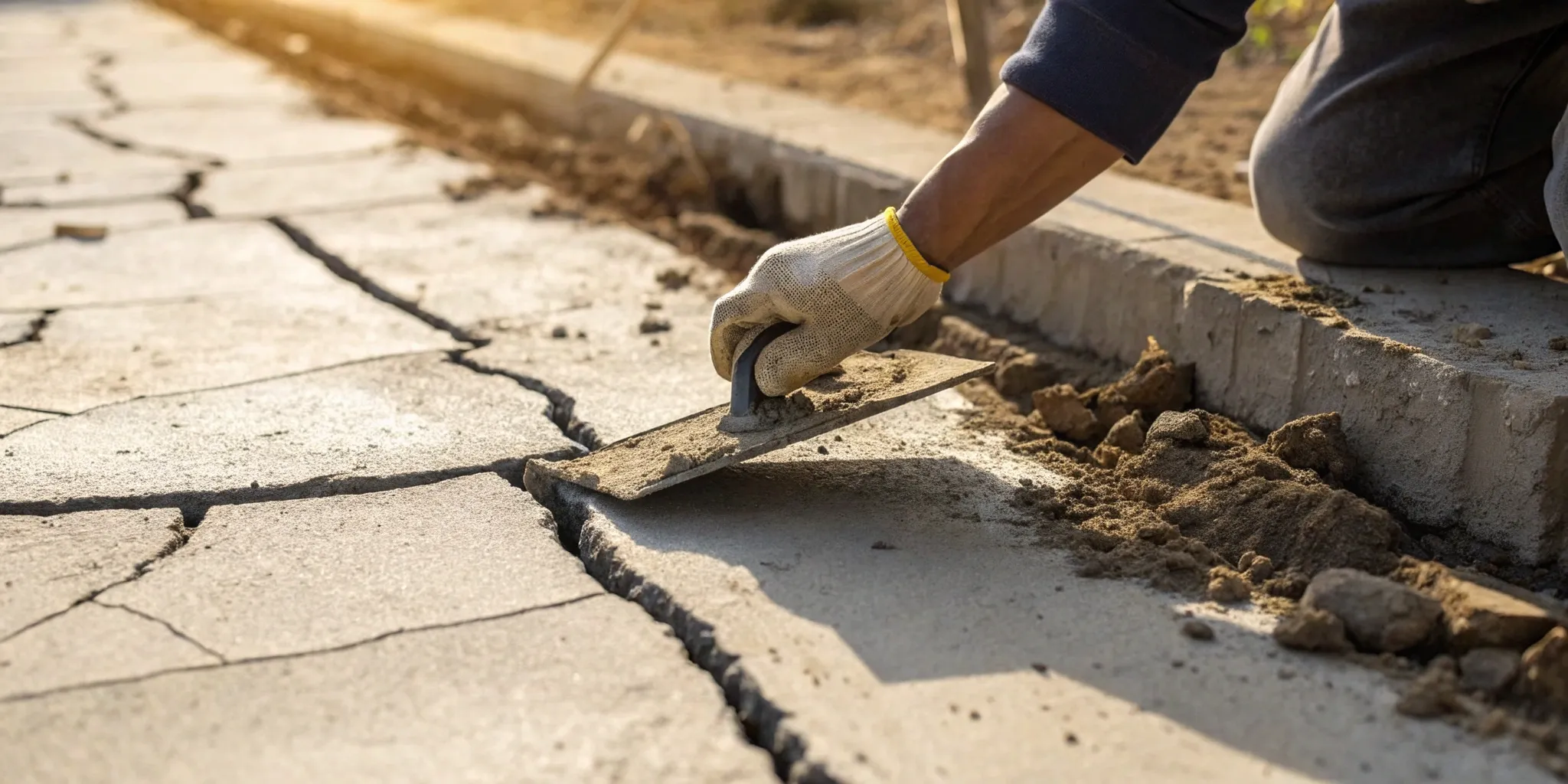
A crack in your foundation is more than just a cosmetic flaw; it’s a symptom of a deeper issue. Simply patching the surface without addressing the root cause is like putting a bandage on a broken bone. The real problem—whether it’s shifting soil, poor drainage, or something else—will continue to cause damage. To find a permanent fix, you first need an accurate diagnosis. This guide will help you understand what’s really going on with your foundation. We’ll break down the forces that cause concrete to crack and detail the professional solutions available for a comprehensive cracked slab foundation repair, ensuring the problem is solved correctly the first time.
Key Takeaways
- Match the Repair to the Root Cause: Don’t just patch the crack; fix what’s causing it. An expert assessment will tell you if the problem is soil, water, or construction, ensuring you choose the right solution—from simple injections to permanent piering—the first time.
- Know Which Cracks Need Attention: Not all cracks are created equal. Monitor any crack that is growing, wider than a quarter-inch, or running horizontally, as these are clear signs of underlying pressure on your foundation that require a professional look.
- Control Water to Protect Your Foundation: Water is the primary enemy of a stable foundation. Proactively manage it by keeping gutters clean and ensuring your yard slopes away from the house to prevent the soil shifts that cause most cracks.
What Causes Slab Foundation Cracks?
Finding a crack in your concrete slab foundation can feel unsettling, but it’s a more common issue than you might think. Your home’s foundation has a tough job—it supports the entire weight of the structure while resisting pressure from the earth around it. Over time, various forces can cause the concrete to crack. Understanding what’s behind these cracks is the first step toward finding a lasting solution.
Most slab foundation cracks can be traced back to three main culprits: the soil beneath your home, the presence of water, and the quality of the original construction. The ground is not as static as it seems; it can shift, swell, and shrink, putting immense pressure on the concrete slab. Water is often the trigger for this movement, and poor drainage can turn a minor issue into a major problem. Finally, shortcuts taken during the initial build, from inadequate soil preparation to a poorly poured slab, can create weak points that show up as cracks years later. Let’s look at each of these causes more closely.
How Soil Shifts and Settles
The ground under your house is constantly changing. After construction, a home naturally settles into the soil, which can cause small, hairline cracks. The real trouble starts with significant soil movement. Many areas have expansive soils, like clay, which act like a sponge. When it rains, clay soil absorbs water and swells, pushing up against your foundation. During dry periods, it shrinks and pulls away, leaving parts of the foundation unsupported. This constant cycle of expansion and contraction creates stress that can lead to serious structural cracks and the need for professional foundation repair.
The Impact of Moisture and Poor Drainage
Water is the number one enemy of a healthy foundation. Poor water management around your property is a primary reason for foundation problems. If your yard slopes toward your house, your gutters are clogged, or you have plumbing leaks, excess water will saturate the soil around and under your slab. This constant moisture weakens the soil’s ability to support your home’s weight and fuels the shrink-swell cycle of expansive clays. Think of your slab foundation as being on a sponge; when it gets soaked and then dries out repeatedly, it weakens the entire system, causing cracks and shifting that compromise your home’s stability. Effective waterproofing is a key defense.
Construction Quality and Materials
Sometimes, the problem starts before you even move in. The integrity of your foundation depends heavily on the quality of its construction. If the builders didn’t properly compact the soil before pouring the slab, it can lead to uneven settling down the road. Likewise, an improperly mixed or cured concrete slab can lack the strength to withstand normal pressures, making it prone to cracking. Some contractors also rely on a single repair technique for every problem, which may not be the best approach for your specific situation. Ensuring a solid foundation from the start is critical, which is why quality new construction practices are so important.
How to Identify Foundation Cracks
Finding a crack in your foundation can be unsettling, but don’t panic just yet. Not all cracks signal a major problem. Some are a perfectly normal part of a house settling over time, while others are red flags that need attention. The key is learning how to tell them apart. By looking at a crack’s size, shape, and direction, you can get a much better idea of what’s happening with your foundation and decide on your next steps. Think of it as playing detective—your goal is to gather clues before calling in an expert.
Spotting the Difference: Hairline vs. Structural Cracks
The first thing to check is the crack’s width. Thin, hairline cracks—less than 1/8 inch wide—are usually cosmetic and caused by the concrete curing and shrinking as it dries. You’ll often find these in new construction, and they typically don’t pose a threat to your home’s stability. On the other hand, cracks wider than a quarter-inch are a different story. These larger gaps can indicate a serious structural problem caused by soil pressure or foundation settlement. If you can fit a quarter into the crack, it’s a clear sign that you should have a professional take a look.
Reading Crack Patterns: Horizontal, Vertical, and Diagonal
The direction of a crack tells a story about the forces acting on your foundation. Vertical cracks are the most common and often the least worrisome, usually resulting from normal concrete settling. However, if a vertical crack is wider at the top than the bottom, it could point to a bigger issue. Horizontal cracks are almost always a cause for concern, as they suggest intense pressure from soil and water outside your foundation walls. Diagonal or stair-step cracks in concrete block or brick walls often mean the foundation is settling unevenly, which can compromise your home’s entire structure.
How to Measure a Crack’s Width and Depth
Monitoring a crack over time is one of the best ways to know if it’s a growing problem. Start by measuring its width with a ruler or a crack-monitoring gauge. Then, take a pencil and mark the date at both ends of the crack. Check back every month or so to see if it has grown longer or wider. Taking photos with a ruler next to the crack for scale is also a great way to track changes. If you notice any growth, it’s a sign that the underlying issue is active and needs to be addressed. A professional can determine the best method for sealing the gap and stabilizing the foundation.
When Should You Call a Foundation Repair Professional?
Seeing a crack in your foundation can be unsettling, but not every fissure spells disaster. Concrete naturally develops small, hairline cracks as it cures and settles over time. The key is learning to distinguish between a minor cosmetic issue and a sign of a serious structural problem. While it’s tempting to adopt a “wait and see” approach, some symptoms are your foundation’s way of telling you it needs help now. Knowing when to monitor a crack and when to call for a professional foundation repair assessment can save you from more extensive and costly damage down the road. Ignoring warning signs allows underlying issues like soil movement or water intrusion to worsen, potentially compromising your home’s structural integrity. It’s about being proactive to protect your property’s value and safety. A true expert will diagnose the root cause, not just the symptom, and recommend a solution tailored to your home. This is critical because the right repair method depends entirely on what’s causing the crack in the first place.
Warning Signs That Need Immediate Attention
Some cracks are more than just an eyesore; they’re clear indicators of significant foundation distress. You should call a professional immediately if you notice a crack that is a half-inch wide or wider, or if one side of the crack is higher than the other. Another major red flag is water seeping through the crack, which can lead to moisture damage and mold. Pay close attention to how quickly the crack appeared. A fissure that grows to the width of a penny in just a few weeks points to an active and urgent problem that requires an expert evaluation.
What to Do About Growing or Expanding Cracks
A changing crack is a problem crack. If you notice a crack is getting longer, wider, or deeper over time, it’s a sign that your foundation is still shifting. As a general rule, any crack wider than a quarter-inch deserves a professional look. You should also be concerned about the direction of the crack. While thin vertical cracks can sometimes be harmless, horizontal or jagged, diagonal cracks often indicate serious pressure on your foundation walls. These patterns suggest underlying soil movement or water pressure that needs to be addressed with a permanent solution like push and helical piers.
Other Structural Red Flags in Your Home
Sometimes, the most telling signs of foundation trouble aren’t in the foundation at all. Your home’s entire structure rests on its foundation, so problems below can show up in surprising ways upstairs. Be on the lookout for doors and windows that suddenly stick or refuse to close properly. You might also spot gaps forming between your walls and the ceiling or floor. If your floors begin to feel sloped or uneven, that’s another classic symptom of foundation settlement. Any of these issues, especially when combined with visible cracks or dampness, are your cue to seek a professional opinion on waterproofing and structural support.
What Are the Best Ways to Repair a Cracked Slab?
Once you’ve identified a crack in your slab foundation, the next step is figuring out the right repair. The best method depends entirely on the root cause of the crack, which is why a professional diagnosis is so important. Different issues require different solutions, from simple seals to deep structural support. Think of it like visiting a doctor—you need the right diagnosis before you can get the right treatment.
Foundation repair techniques are designed to address specific problems, whether it’s minor shrinkage or significant soil settlement. Understanding the options can help you have a more informed conversation with a foundation specialist and feel confident in the plan to restore your home’s stability.
Sealing Cracks with Epoxy and Polyurethane Injections
For smaller, non-structural cracks that aren’t threatening your home’s integrity, sealing them is often the best approach. This method prevents moisture from seeping through and causing further damage like mold or pests. Professionals use crack injection techniques with materials like epoxy or polyurethane. The process involves cleaning the crack thoroughly and injecting a resin that bonds the concrete back together. Epoxy provides a rigid, high-strength seal, essentially gluing the concrete, while polyurethane offers a more flexible, waterproof seal that can accommodate slight movement. This is a targeted fix that stops minor issues from becoming major headaches.
Lifting the Slab with Geotechnical Foam
If your slab is cracking because it has started to sink or settle unevenly, you need a solution that can lift it back into place. This is where polyurethane geotechnical foam comes in. A crew drills small, discreet holes into the slab and injects a specialized foam underneath. This foam rapidly expands, filling any voids in the soil and gently lifting the concrete back to its original position. The process is surprisingly fast—often completed in just a few hours—and minimally invasive, so you don’t have to deal with a major mess in your yard. It’s an effective way to correct settlement and re-stabilize the foundation.
Securing the Foundation with Push and Helical Piers
When foundation settlement is severe or caused by deep, unstable soil, a more robust solution is required. This is the most permanent way to secure a foundation for the long term. Push and helical piers are steel supports that are driven or screwed deep into the ground until they reach solid bedrock or stable soil strata. Once in place, hydraulic jacks lift the foundation, and the weight of the structure is transferred onto the piers. This effectively bypasses the problematic soil near the surface, providing a lasting solution that prevents future settlement. It’s a serious repair for a serious problem, offering peace of mind for years to come.
Why a Professional Assessment Comes First
While it’s helpful to know the repair options, you shouldn’t have to diagnose the problem yourself. The most critical step is getting a professional assessment. A trained specialist or structural engineer can determine the underlying cause of the cracks, whether it’s soil movement, water issues, or something else entirely. They will evaluate the crack patterns, measure the extent of the damage, and create a tailored foundation repair plan. Starting with an expert inspection ensures you’re applying the right solution the first time, saving you from costly and ineffective patch-up jobs down the road.
How Much Will Foundation Repair Cost?
It’s the first question on every homeowner’s mind: what’s the price tag? The truth is, foundation repair costs can range from a few hundred dollars for minor cracks to tens of thousands for extensive structural work. The final price depends entirely on the unique situation at your property.
Think of it less like buying a product off the shelf and more like getting a custom solution designed specifically for your home’s needs. Understanding the variables that influence the cost will help you see the full picture and make an informed decision. Below, we’ll break down the key factors that determine the scope and price of a repair project.
Factors That Influence Repair Costs
Several key elements will shape the final cost of your foundation repair. The most significant factor is the extent of the damage—a simple hairline crack is a much different job than a foundation that has sunk several inches. The type of soil around your home also plays a major role; expansive clay soils, for example, can make repairs more complex.
Accessibility is another consideration. If the damaged area is located in a tight crawl space or under extensive landscaping, it will require more labor to reach and repair. Finally, the specific repair method chosen will have a direct impact on the price, as different techniques require different materials and levels of expertise.
A Cost Comparison of Different Repair Methods
Different problems require different tools, and each comes with its own price range. For minor issues, a simple crack injection with epoxy or polyurethane might cost between $300 and $800. If your slab has settled but is otherwise stable, lifting it with polyurethane geotechnical foam can be an effective solution, often falling in the $1,000 to $3,000 range for a typical home.
For more serious sinking or settling, stabilizing the foundation with piers is necessary. Installing push or helical piers is a more intensive process, with costs typically ranging from $1,500 to $4,000 per pier. The number of piers needed will depend on the size and weight of your home and the severity of the settlement.
Investing in a Permanent Solution vs. a Temporary Fix
While it can be tempting to choose the cheapest option, foundation repair is not the place to cut corners. A quick, low-cost patch might seem like a good deal, but it often fails to address the underlying cause of the problem. This means the cracks will likely return, and you’ll be paying for another repair down the road.
A true professional knows there isn’t a single technique that works for every situation. The right approach depends on a thorough investigation of your home’s specific issues. Investing in a permanent, engineered solution tailored to your foundation ensures the problem is fixed correctly the first time, protecting your property’s value and giving you lasting peace of mind.
How to Prevent Future Foundation Problems
After you’ve repaired your foundation, the last thing you want is a repeat problem. The good news is that you can take proactive steps to protect your home and your investment. Think of it as simple home maintenance, like cleaning your gutters or changing your air filters. By paying a little attention to the soil and water around your property, you can prevent the conditions that cause foundation cracks in the first place. These routines are your first line of defense against future damage and will help ensure your foundation stays stable for years to come.
Manage Water and Improve Drainage
Poor water management is the number one cause of foundation problems. Your concrete slab can act like a sponge; when it gets saturated and then dries out repeatedly, it weakens, leading to shifts and cracks. Your goal is to keep water away from your foundation. Start by checking your gutters and downspouts to make sure they are clear of debris and directing water at least five to ten feet away from your house. Also, take a look at the grading, or slope, of the soil around your home. It should gently slope away from the foundation, not toward it. If you notice pooling water or constantly damp soil near your walls, you may need a more robust waterproofing solution to keep your foundation dry and secure.
Keep Soil Moisture Levels Stable
The soil around your home is constantly changing. Clay soils, which are common in many areas, are particularly tricky because they swell when wet and shrink when dry. This constant expansion and contraction puts immense pressure on your foundation. To combat this, aim for consistency. During long dry spells, you can use a soaker hose placed about 18 inches from your foundation to maintain a stable moisture level. It’s also critical to fix any plumbing leaks right away, especially those that could be saturating the ground or creating dampness in your crawl space. If you have a damp or musty crawl space, it’s a sign you may need professional crawl-space repairs to prevent moisture from affecting your foundation.
Create a Regular Foundation Maintenance Routine
One of the easiest ways to prevent major issues is to catch them early. Make it a habit to walk around your property every few months and inspect your foundation. Look for any new cracks, no matter how small. Inside, keep an eye out for doors that start to stick, gaps around window frames, or new cracks in your drywall or flooring. These are often early indicators of foundation movement. By creating a simple, regular check-up routine, you can spot trouble before it escalates into a costly repair. If you do find something concerning, don’t wait for it to get worse. Addressing foundation issues quickly is the key to a lasting fix and peace of mind. A professional assessment can determine if you need foundation repair and which method is right for your home.
How to Choose the Right Foundation Repair Contractor
Finding a crack in your foundation is stressful enough; finding the right person to fix it shouldn’t add to your anxiety. The contractor you hire is just as important as the repair method they use. You’re not just hiring someone to patch a crack—you’re trusting them with the structural integrity of your property. A great contractor will act as a partner, explaining the problem clearly, outlining a permanent solution, and standing behind their work for years to come. The key is to look past the sales pitch and focus on their qualifications, process, and commitment to quality. Taking the time to vet your options will give you peace of mind that your home is in capable hands.
Key Questions to Ask Any Contractor
When you meet with a potential contractor, think of it as an interview. You need to be confident they have the right skills and approach for your specific problem. Start by asking, “What is the best repair method for my foundation settlement problem?” Their answer will tell you a lot. A true expert will explain why a certain method is best for your soil type, foundation design, and the type of damage you have. They should be able to discuss different options, like using polyurethane geotechnical foam for lifting a slab versus piers for deep stabilization. Be wary of anyone who offers a one-size-fits-all solution without a thorough inspection. Follow up by asking about their team’s experience and the materials they plan to use.
What to Look for in a Warranty
A warranty is more than just a document; it’s a direct reflection of a contractor’s confidence in their work. A vague or short-term warranty might suggest a temporary fix, not a lasting solution. Look for a company that offers a clear, comprehensive, and transferable warranty. The best warranties promise a permanent fix, using language like, “Our repair professionals provide permanent engineered solutions to your foundation settlement problems.” For services like push and helical pier installation, a lifetime warranty is the industry standard and what you should expect. Make sure you understand exactly what is covered, for how long, and what the process is for making a claim if you ever need to.
How to Verify a Contractor’s Expertise
Not all construction companies are equipped to handle complex foundation issues. You need a specialist, not a generalist. Look for a company that focuses specifically on foundation work and has a long track record in your area. As our team often says, “Bristol FX isn’t just another construction company – we’re California and Arizona’s foundation repair specialists with the proven qualifications, extensive experience, and unwavering dedication to partnership.” Verify their expertise by checking for a valid contractor’s license, proof of insurance, and customer reviews. Ask to see case studies of projects similar to yours, especially if you have a unique challenge like needing hillside stabilization. A true expert will be proud to show you their work and prove their qualifications.
Related Articles
Frequently Asked Questions
Are all cracks in my foundation a sign of a serious problem? Not at all. It’s perfectly normal to see thin, hairline cracks in concrete, especially in a newer home. These are usually just a sign that the concrete has settled and cured. The cracks to watch for are the ones that are wider than a quarter-inch, run horizontally, or seem to be growing over time. Those are your cues that a deeper issue, like pressure from the soil, might be at play.
My doors are sticking, but I don’t see any big cracks. Could it still be a foundation issue? Yes, absolutely. Think of your home’s frame as a single, connected system. When the foundation shifts, even slightly, it can twist the entire structure. This puts pressure on door and window frames, causing them to stick or become difficult to open. Sticking doors, along with gaps appearing near ceilings or floors, are often some of the first warning signs of foundation settlement.
Can I just fill a foundation crack myself with a kit from the hardware store? While it might seem like a quick fix, simply filling a crack rarely solves the real problem. A crack is a symptom, not the disease. If the ground beneath your home is still shifting, that crack will likely reappear or a new one will form nearby. A professional assessment identifies the root cause—be it water pressure or unstable soil—and provides a permanent solution that addresses the source of the stress.
Why is managing water around my house so important for my foundation? Water is the primary driver of soil movement. When the soil around your foundation gets saturated, it can swell up and push against the concrete with incredible force. When it dries, it shrinks and pulls away, leaving parts of your foundation unsupported. This constant cycle of expansion and contraction is what leads to major cracks and settlement. Directing water away from your home is the single best thing you can do to keep the soil stable.
What’s the difference between lifting the slab with foam and using piers? These two methods solve different problems. Polyurethane foam is used to lift a concrete slab that has sunk because of voids or loosely packed soil directly beneath it. The foam expands to fill the gaps and raise the slab back to its original level. Piers, on the other hand, are used for more serious settlement caused by deep, unstable soil. They are steel posts driven far into the ground to reach bedrock or stable soil, transferring the weight of your house onto a solid base for permanent support.