
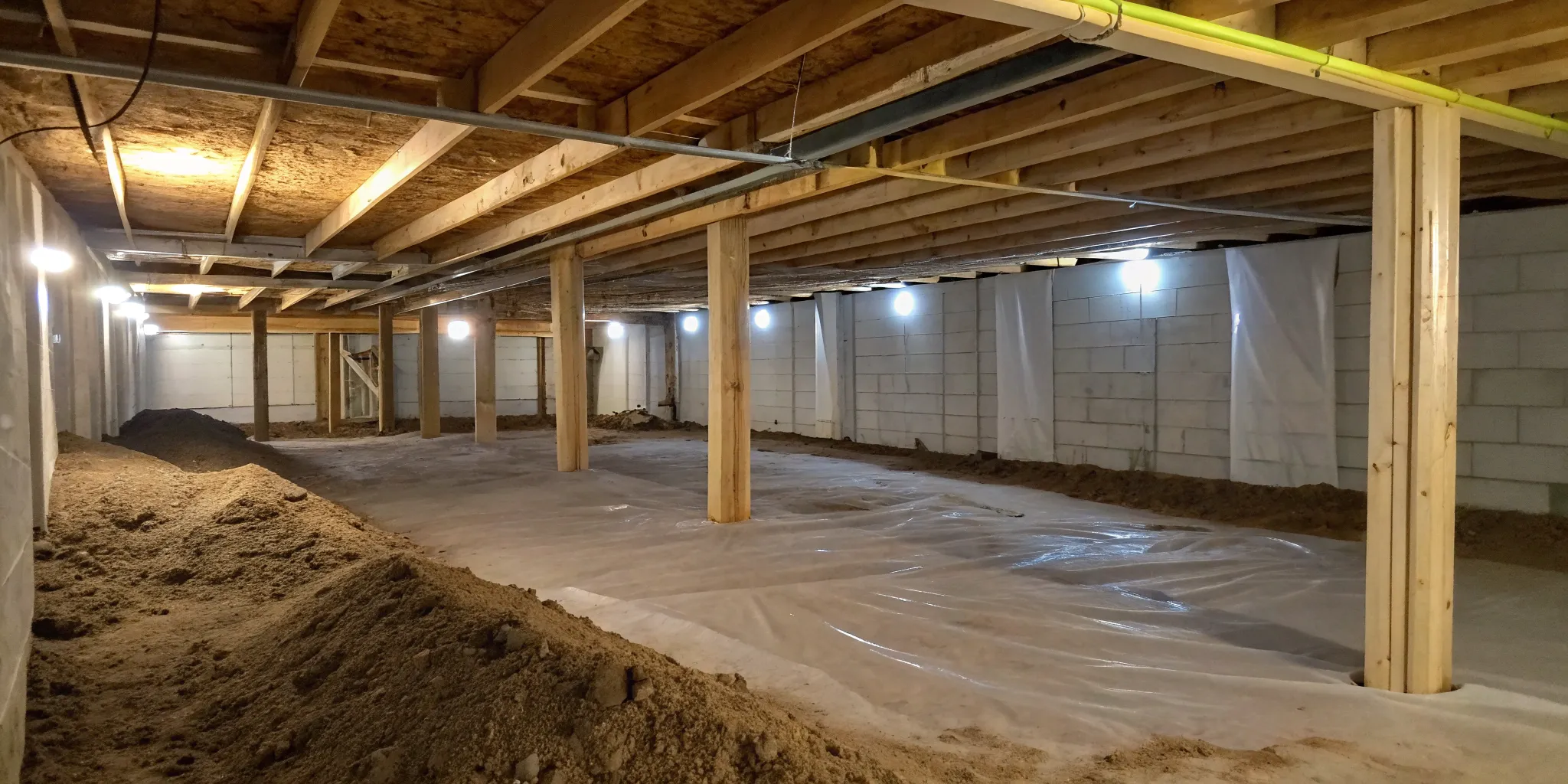
The air you breathe inside your home is directly connected to the environment in your crawl space. Due to a natural airflow pattern called the “stack effect,” air from the lowest level of your house rises and circulates throughout your living areas. If your crawl space is damp, moldy, or filled with airborne pollutants, that’s what your family is breathing. This makes the health of your crawl space non-negotiable. Creating a clean, dry, and stable area under your home isn’t about luck; it’s about science. A thoughtful and professional approach to crawl space design and construction is the only way to protect both your property’s structural integrity and your family’s well-being from the ground up.
Key Takeaways
- Prioritize a Dry Environment: Moisture is the number one cause of crawl space issues. The most effective strategy combines a durable vapor barrier, smart drainage, and full encapsulation to stop problems like mold, pests, and wood rot before they can start.
- Your Home’s Health Starts from the Ground Up: The condition of your crawl space directly impacts your home’s air quality, energy bills, and structural stability. A neglected space below can create significant problems for the living areas above.
- Choose Encapsulation Over Vents: The old approach of venting a crawl space often invites humidity and mold. A modern, sealed, and encapsulated crawl space provides far better protection for your home’s foundation, creating a healthier and more energy-efficient environment.
What Is a Crawl Space?
Let’s start with the basics. A crawl space is the shallow, unfinished area located between the ground and the first floor of your home. Think of it as a mini-basement, just tall enough to crawl through—hence the name. While it might not be the most glamorous part of your house, it plays a few critical roles. It provides a convenient space for your home’s essential systems, like plumbing and wiring, making them accessible for repairs.
More importantly, the crawl space is a key part of your home’s foundation. The piers and posts within it help support the weight of your house, distributing the load to keep everything stable. A well-designed crawl space also helps manage moisture, protecting the wooden structures from rot and pests. When this space is neglected, it can lead to serious issues, making professional crawl-space repairs essential for your home’s long-term health.
Its purpose and role in your home’s structure
At its core, a crawl space is designed to elevate the first floor of your home off the ground. This separation is crucial for several reasons. First, it provides a protective buffer from ground moisture, which can prevent wood rot and mold growth in your floor joists. Second, it offers a designated, out-of-the-way location to run essential utilities like plumbing pipes, electrical wiring, and HVAC systems. This makes future maintenance and repairs much simpler than if these systems were embedded in a concrete slab. The structural posts and beams within the crawl space are also fundamental, as they bear the load of the house above and transfer it safely to the foundation footings.
Common crawl space myths, debunked
Crawl spaces are often misunderstood, which can lead to costly problems down the road. Let’s clear up a few common myths so you can better protect your home. One of the biggest misconceptions is that crawl spaces don’t need regular maintenance. Out of sight shouldn’t mean out of mind. This area is prone to moisture, pests, and shifting soil, all of which can compromise your home’s structure if left unchecked.
Another myth is that crawl space encapsulation—the process of sealing the area from outside air and moisture—is unnecessary. Some homeowners believe their crawl space can stay dry on its own. In reality, an open or vented crawl space often invites moisture, leading to mold, wood rot, and poor air quality inside your home. Proper waterproofing and encapsulation create a controlled environment, protecting your foundation and improving your home’s overall health and energy efficiency.
Key Elements of a Healthy Crawl Space
A healthy crawl space isn’t just an empty area under your house—it’s a critical component of your home’s structural integrity, air quality, and energy efficiency. When designed correctly, it protects your foundation from moisture, pests, and soil gases. But if neglected, it can become a source of major problems that affect your entire home. Getting the design right from the start, or correcting an existing one, involves focusing on a few fundamental elements. These core components work together to create a stable, dry, and efficient space that supports your home for the long haul. Think of it as an integrated system where each part affects the others. Poor drainage can lead to moisture, which compromises insulation and attracts pests. Inadequate access prevents you from spotting these issues before they escalate into costly foundation repair projects. A truly functional crawl space is one where every element is working in harmony to protect your investment. Let’s look at the three pillars of a well-designed crawl space: access, drainage, and insulation. Understanding how they function will empower you to maintain a healthier home from the ground up and make informed decisions when speaking with professionals.
Proper height and access points
A crawl space you can’t get into is a crawl space you can’t maintain. It’s essential that the area has enough clearance for a person to move around and inspect pipes, wiring, and structural elements. Without proper access, small issues like a minor leak or termite activity can go unnoticed until they become expensive disasters. A well-designed crawl space provides clear entry points and enough room to perform routine checks and crawl-space repairs. Ideally, the floor of the crawl space should also be higher than the ground outside, creating a natural slope that helps guide water away from your foundation.
Smart drainage design
Water is the number one enemy of any foundation. A smart drainage plan is your first line of defense against moisture intrusion. This starts with the landscape around your home—the ground should slope away from the foundation, and gutters should direct rainwater far from the walls. For more robust protection, especially in areas with high groundwater levels, a perimeter drain system can be installed. These systems collect water around the foundation and channel it away before it has a chance to seep into your crawl space. Proactive waterproofing and drainage are far more effective and less costly than dealing with water damage after the fact.
Effective insulation strategies
Proper insulation does more than just help with your energy bills; it’s also key to controlling moisture. The right approach depends on whether your crawl space is vented or unvented. For traditional vented crawl spaces, insulation is typically installed in the ceiling (the underside of the floor above). For modern, unvented (or encapsulated) crawl spaces, the foundation walls are insulated instead. In either case, it’s crucial to seal any air leaks around the frame, pipes, and vents. Using materials like polyurethane geotechnical foam to fill these gaps prevents humid outdoor air from getting in and causing condensation, which can lead to mold and wood rot.
Vented vs. Unvented: Which Crawl Space Is Right for You?
Deciding on the right crawl space design can feel like a big choice, but it really comes down to understanding how moisture and air affect the space beneath your home. For decades, building codes required crawl spaces to have vents. The thinking was that cross-ventilation would allow moisture to escape, keeping the area dry. However, we now know this approach often creates more problems than it solves, especially in humid climates where outside air carries a lot of moisture.
Modern building science shows that an unvented, or encapsulated, crawl space is a far more effective design for protecting your home’s structural integrity and air quality. Instead of inviting outside air in, an unvented crawl space is sealed and isolated from the elements. This creates a clean, dry, and conditioned area that functions as a mini-basement. Let’s break down the specifics of each design so you can see which one makes the most sense for your property and helps you avoid common crawl space myths.
The pros and cons of each design
A traditional vented crawl space is designed to let air flow freely through foundation vents. While the intention was good, this design has a major flaw: it allows humid air to enter. When this warm, moist air meets the cooler surfaces under your home, condensation forms. This moisture can lead to wood rot, mold growth, pest infestations, and poor indoor air quality as air from the crawl space rises into your living areas. Fiberglass insulation in a vented crawl space often acts like a sponge, getting damp and moldy, which requires professional crawl-space repairs.
An unvented, or encapsulated, crawl space takes the opposite approach. All outside vents are sealed, the ground is covered with a thick vapor barrier, and the foundation walls are insulated. This completely isolates the crawl space from outside moisture and temperature swings. The result is a consistently dry and clean environment that prevents mold and rot, improves your home’s energy efficiency, and protects your foundation. While the initial investment is higher, it prevents costly damage down the road.
How to choose the best option for your home
For most homeowners, an unvented, encapsulated crawl space is the clear winner for long-term home health and stability. It provides superior moisture control, which is the root cause of most crawl space problems. By creating a dry, conditioned space, you protect your home’s structure and create healthier air for your family to breathe. This approach turns a problem area into a functional part of your home’s foundation system.
However, you should always check with your local building department before making a final decision. Some regions, particularly those in floodplains, have specific codes that may require foundation vents for floodwater to pass through. A professional can help you understand these local requirements and assess your property’s unique needs, including soil conditions and drainage. A thorough foundation repair expert can design a solution that is both compliant and effective at keeping your home safe and dry.
How to Control Crawl Space Moisture
Moisture is the number one enemy of a healthy crawl space. When excess moisture from the ground or humid outside air gets in, it creates the perfect environment for mold, mildew, wood rot, and pests. These issues don’t just stay under your house; they can affect your home’s structural integrity and indoor air quality. The key is to stop water vapor and groundwater before they can cause damage.
Fortunately, there are highly effective ways to keep your crawl space dry and clean. By combining barriers, sealing techniques, and smart drainage, you can protect your foundation and create a healthier living space. It all starts with understanding your options and implementing the right solutions for your home’s specific needs.
Installing an effective vapor barrier
Think of a vapor barrier as the first line of defense against ground moisture. It’s a durable sheet of plastic liner that covers the entire dirt floor of your crawl space, stopping water vapor from rising up and into the area. Without this barrier, moisture from the soil can easily turn your crawl space into a damp, humid environment, which is exactly what you want to avoid.
Installing a vapor barrier is a fundamental step in any crawl space repair plan. The material is laid down and secured to prevent it from shifting, creating a clean and dry surface. This simple but crucial layer helps protect the wooden structures of your subfloor from rot and makes the space less inviting for pests that thrive in damp conditions.
The benefits of crawl space encapsulation
While a vapor barrier is good, crawl space encapsulation is the complete solution. Encapsulation takes moisture control to the next level by fully sealing the crawl space from outside elements. This process involves covering the floor and foundation walls with a heavy-duty, reinforced vapor barrier, sealing all seams and vents, and often adding insulation.
The goal of encapsulation is to completely isolate the crawl space from the ground and outside air. This creates a conditioned, semi-indoor space under your home. By adding a dehumidifier, you can precisely control the humidity levels, preventing mold growth and improving your home’s overall air quality. A properly encapsulated crawl space provides superior waterproofing and can even make your home more energy-efficient.
Modern drainage solutions
Sometimes, you need to manage water around your foundation before it even has a chance to get into the crawl space. This is where modern drainage solutions come in. If your property deals with high groundwater levels or poor soil drainage, an exterior or interior drainage system can be a game-changer for keeping your crawl space dry.
These systems, which can include footing drains and sump pumps, are designed to collect and redirect water away from your foundation. A professional might also install a layer of gravel beneath the vapor barrier to help channel any groundwater that does appear toward a drainage point. Combining these techniques with encapsulation ensures your foundation repair efforts are protected for the long term, giving you total peace of mind.
Designing for Structural Integrity
A crawl space isn’t just the gap between the ground and your first floor; it’s an active part of your home’s structural system. Designing it with integrity from the start is the key to a stable, long-lasting house. The foundation walls, footings, and piers within the crawl space are responsible for transferring the entire weight of your home safely to the ground. When this system is compromised, you can face issues ranging from sloping floors and cracked drywall to serious structural failure. A well-designed crawl space considers everything from the weight of the structure to the specific environmental challenges of your property, ensuring your home stands strong for decades. For new builds, getting these details right is non-negotiable, which is why working with experts on new construction foundations is so important. If you’re dealing with an existing home, identifying and addressing these structural weak points is the first step toward a permanent solution.
Supporting your home’s weight
Your home is heavy, and the crawl space foundation has the critical job of supporting every pound. The foundation walls must be strong enough to hold back the surrounding soil and resist pressure from the earth. To ensure the house itself stays put, especially during seismic activity, anchor bolts are used to securely connect the wood frame to the concrete foundation. Think of it as the essential handshake between your house and its base. The concrete footing, which is the wide base the foundation walls sit on, also needs to be placed correctly. It should sit below the local frost line—the depth at which the ground freezes in winter—to prevent the ground from shifting and lifting your foundation.
Accounting for seismic and environmental factors
Your local environment plays a huge role in foundation design. In areas with expansive or shifting soil, a standard foundation might not be enough. Specialized solutions like push and helical piers can provide the deep, stable support needed to prevent movement. Water is another major factor. Your property’s grading should direct rainwater away from the house, not toward it. If water is allowed to pool against the foundation, it can weaken the soil and the structure itself. Proper waterproofing and drainage systems are not just nice-to-haves; they are essential components of a design that accounts for the long-term environmental pressures your home will face.
Manage Your Crawl Space Air Quality
What happens in the crawl space doesn’t stay in the crawl space. Thanks to a phenomenon called the “stack effect,” air from the lowest levels of your house naturally rises into your living areas. This means the quality of the air you breathe upstairs is directly tied to the environment you maintain below. A damp, musty, or poorly ventilated crawl space can circulate mold spores, allergens, and humid air throughout your entire home.
Taking control of your crawl space air quality isn’t just about preventing unpleasant odors; it’s about protecting your property and your family’s health. Simple issues like poor circulation can lead to cold floors and moisture buildup, creating a perfect breeding ground for mold. By focusing on proper ventilation, sealing, and moisture control, you can ensure the air rising from your foundation is clean and healthy, making your entire home a more comfortable and safer place to live. Professional crawl-space repairs can address these issues at the source.
Why proper air circulation matters
Proper air circulation is essential for preventing moisture problems and maintaining a healthy home. When a crawl space is poorly designed or vented improperly, it can make the floors above feel cold and drafty. More importantly, stagnant air allows moisture to accumulate, which can lead to wood rot and mold growth. As building science experts note, controlling moisture is one of the biggest challenges in a poorly built crawl space. Modern construction often favors unvented crawl spaces, which are sealed and conditioned. This approach is highly effective at stopping mold, keeping the area dry, and even saving energy by creating a more stable temperature environment beneath your home.
Dealing with radon and other airborne pollutants
Beyond moisture and mold, your crawl space can be an entry point for invisible threats like radon gas. Radon is a naturally occurring radioactive gas that can seep into a home through cracks and openings in the foundation. The Department of Energy recommends sealing these entry points to prevent radon from getting inside. A thorough inspection can identify potential pathways, and professional crack injection can seal them effectively. Another critical step is installing a high-quality vapor barrier across the dirt floor. This plastic sheeting is a cornerstone of crawl space waterproofing and stops ground moisture from evaporating into the space, keeping your crawl space and the air you breathe much healthier.
How Crawl Space Insulation Affects Energy Efficiency
That space beneath your floor isn’t just holding up your house; it’s also a major factor in your monthly energy bills. Think of your crawl space as a buffer between your home and the ground. If it’s cold, damp, and drafty, it will make your heating and cooling systems work much harder to keep you comfortable. Proper insulation is the key to creating an energy-efficient barrier, but it’s not a one-size-fits-all solution. The right approach depends on your crawl space design, and getting it right can make a noticeable difference in both your comfort and your utility costs.
Choosing and installing the right materials
The first step in effective insulation is understanding where to put it. Your crawl space design—whether it’s vented or unvented—dictates the strategy. For vented crawl spaces, the best practice is to insulate the ceiling, which is the underside of your home’s floor. For sealed, unvented crawl spaces, the insulation should go on the foundation walls instead. Taking a comprehensive approach that includes sealing the ground with a vapor barrier is crucial for the best results. This ensures you’re not just adding insulation but creating a complete system that addresses all aspects of crawl-space repairs and long-term efficiency.
The impact on your home’s energy bills
A poorly insulated crawl space often leads to cold floors, which in turn makes you feel chilly and reach for the thermostat. This directly translates to higher heating costs. Investing in proper insulation and encapsulation does more than just warm up your floors; it creates a more stable environment that reduces the strain on your HVAC system year-round. Effective waterproofing through encapsulation is a smart investment that can lower your energy bills, improve your home’s air quality, and even increase its resale value. It’s one of those home improvement projects that pays for itself over time through consistent energy savings.
Modern Materials and Tech in Crawl Space Design
Crawl space design has come a long way from the damp, dark spaces many of us picture. Thanks to some incredible advancements in building science, we can now construct and maintain crawl spaces that are smarter, stronger, and contribute to a healthier home overall. It’s all about using the right tools and materials from the very beginning. These innovations focus on actively preventing common issues like moisture intrusion and structural decay, rather than just reacting to them after the damage is done. When you combine modern technology with superior materials, you create a crawl space that does more than just sit there—it actively supports your home’s foundation, improves indoor air quality, and can even help with energy efficiency. This shift towards high-performance design is a game-changer for homeowners. Instead of a potential liability, a modern crawl space becomes a genuine asset to your property. It’s a controlled, conditioned environment that protects the structural integrity of everything above it. Let’s look at two of the most impactful developments that make this possible: intelligent water management systems and advanced construction materials that are built to last.
Smart drainage and monitoring systems
This is where things get really interesting. Instead of just relying on a passive French drain, modern crawl space waterproofing incorporates active, intelligent systems. Think of it as a security system for moisture. These setups use advanced sensors to constantly monitor humidity and water levels under your home. If the system detects a problem, it can automatically activate a sump pump or even send an alert directly to your phone. This integration of smart technology allows you to be proactive, addressing potential water issues before they can cause rot, mold, or foundation damage. It’s a revolutionary way to manage moisture, giving you peace of mind that your home is protected around the clock.
Durable, moisture-resistant materials
The materials we use to build and protect crawl spaces have also seen a major upgrade. Gone are the days of relying on simple plastic sheeting that tears easily. Today, we use high-performance, durable synthetic materials for vapor barriers and encapsulation. These materials are incredibly tough, puncture-resistant, and completely waterproof, effectively sealing out ground moisture and soil gases. Using these moisture-resistant materials is fundamental to long-term performance, preventing mold and mildew growth while also improving your home’s overall energy efficiency. When you invest in quality materials during your crawl space repairs or construction, you’re building a foundation that’s designed to last.
Maintain Your Crawl Space for Long-Term Health
Once your crawl space is designed and built, the work isn’t over. Consistent maintenance is the key to preventing small issues from turning into major structural problems. Think of it like a regular health check-up for your home’s foundation. A little attention now can save you from significant stress and costly repairs later. By staying proactive, you protect your home’s structural integrity, air quality, and overall value. Here’s how you can keep your crawl space in top condition for years to come.
Your regular inspection checklist
One of the biggest mistakes a homeowner can make is assuming their crawl space can be ignored. Out of sight shouldn’t mean out of mind. Regular inspections are your first line of defense. At least twice a year—ideally in the spring and fall—take a look around. Grab a flashlight and check for standing water, damp insulation, mold or mildew, and any new cracks in the foundation walls. You should also look for signs of pests, like droppings or nests, and ensure vents are clear of debris. Catching these issues early is crucial for maintaining a healthy home and avoiding the need for extensive crawl-space repairs.
How to monitor moisture and prevent pests
Moisture is the number one enemy of a healthy crawl space. Where there’s dampness, you’ll often find pests, mold, and wood rot right behind it. The most effective way to manage this is by controlling the humidity. A simple solution is ensuring your vapor barrier is intact and covers the entire ground. For a more robust defense, consider crawl space encapsulation, which involves completely sealing the area from outside moisture and soil gases. This process creates a dry, clean environment that is far less inviting to termites, rodents, and other pests. Professional waterproofing is the best way to guarantee your crawl space stays dry and secure.
When to call a professional for ongoing care
While regular self-checks are great, some situations require an expert eye. If you spot significant moisture, visible mold growth, or signs of a pest infestation during your inspection, it’s time to call for professional help. Other red flags include musty odors that permeate your living space, sagging floors above the crawl space, or large cracks in the foundation. Don’t wait for the problem to get worse. A professional can accurately diagnose the issue, whether it requires simple sealing or more involved foundation repair. Early intervention by a qualified team is the smartest and most cost-effective way to protect your investment.
Related Articles
- Crawl-Space Repair – Bristol FX
- The Importance of a Solid Foundation for Your Home – Professional Foundation Repair
- Is It Safe To Live in a House With Foundation Problems? – Professional Foundation Repair
- Underpinning vs Deep Injection: Which Repair Method Is Best? – Professional Foundation Repair
- How Proper Water Drainage Can Protect Your Home’s Foundation – Professional Foundation Repair
Frequently Asked Questions
What are some signs of a crawl space problem I can spot from inside my house? You don’t always have to venture into the crawl space to know something is wrong. Pay attention to musty, earthy smells in your living areas, as this often means mold or mildew is growing below. If your floors feel unusually cold or soft and bouncy in certain spots, it could point to damp, failing insulation or rotting floor joists. You might also notice higher-than-normal indoor humidity or worsening allergies, which can happen when poor-quality air from the crawl space rises into your home.
My crawl space has vents. Isn’t that enough to keep it dry? This is a common belief, but building science has shown us that vents often cause more harm than good. The original idea was that airflow would dry out the space, but in many climates, those vents just invite in warm, humid air. When that moist air hits the cooler surfaces under your home, the water condenses, creating the exact damp environment you want to avoid. This is why modern solutions focus on sealing the crawl space from the outside air, not inviting it in.
What’s the real difference between putting down a plastic sheet and full encapsulation? Think of a simple plastic vapor barrier as an umbrella for the dirt floor—it stops moisture from rising directly from the ground. Encapsulation, on the other hand, is like putting the entire crawl space inside a protective, sealed bubble. It involves covering the floor and foundation walls with a heavy-duty, reinforced liner, sealing all the seams and vents, and often adding a dehumidifier. This complete system isolates the space from both ground moisture and humid outside air, giving you total control over the environment.
Can I just ignore a little bit of dampness or a musty smell? It’s tempting to put off what you can’t see, but a little dampness is the perfect invitation for much bigger problems. That moisture is exactly what mold, wood-destroying fungi, and pests like termites need to thrive. A small issue left alone will almost certainly grow, potentially leading to rotted structural supports and poor indoor air quality. Addressing it early is the most effective and least expensive way to protect your home.
Is it worth investing in professional crawl space repair for an older home? Absolutely. In fact, it can be one of the most important investments you make in an older property. Years of exposure to moisture and soil changes can take a toll on a foundation. Professional repairs can stop existing damage in its tracks and prevent future issues, preserving your home’s structural integrity. Modern solutions like encapsulation and structural supports can be tailored to older homes, effectively turning a problem area into a clean, stable foundation that protects your home’s value for years to come.