
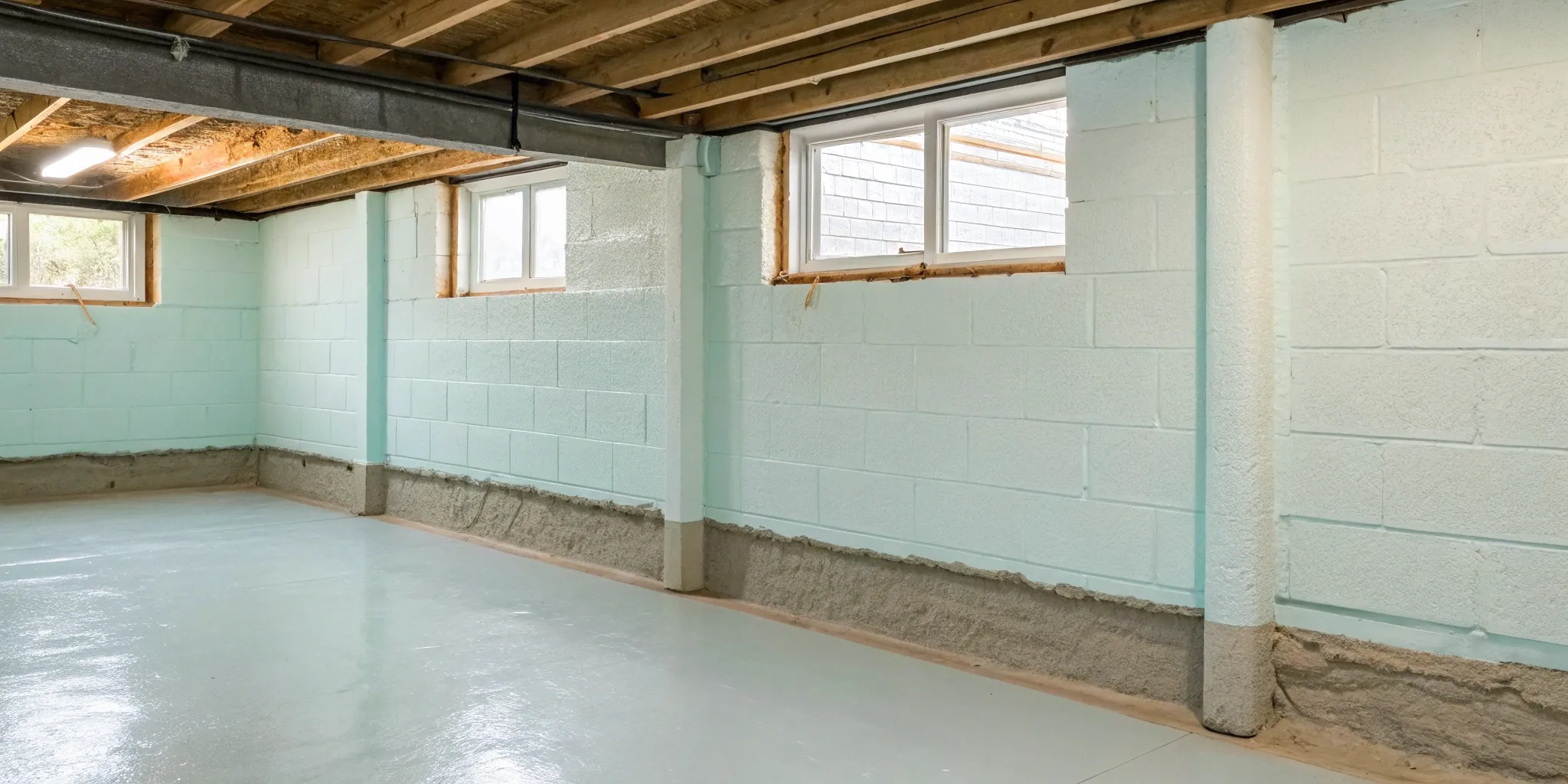
If you’ve been dealing with high energy bills, cold floors in the winter, or a persistent musty smell you just can’t seem to place, the answer might be right under your feet. A dirt crawl space is a common feature in many homes, but it’s also a major source of moisture and humidity. This dampness makes your HVAC system work harder, invites pests, and creates the perfect breeding ground for mold. These issues don’t stay contained; they affect your comfort, your wallet, and your home’s structural integrity. We’ll explore how to permanently fix these problems with proven dirt crawl space solutions, turning a liability into a healthy, efficient part of your home.
Key Takeaways
- Address Moisture at Its Source: The exposed earth in a dirt crawl space is the primary source of moisture that leads to mold, rot, and poor air quality. The most critical step is covering the entire dirt floor with a durable vapor barrier to stop this problem before it starts.
- Seal the Space, Don’t Just Vent It: Old-fashioned vents often make humidity worse by letting in damp outside air. The correct approach is to completely seal all vents and air leaks, then insulate the foundation walls to create a clean, dry, and energy-efficient space.
- A Healthy Crawl Space Protects Your Entire Home: Fixing your crawl space is a direct investment in your property’s health and value. The payoff includes lower energy bills, cleaner indoor air for your family, and the prevention of serious structural damage.
What Is a Dirt Crawl Space (And Why Does It Matter)?
If you’ve ever wondered what’s going on in that short space between the ground and your first floor, you’re in the right place. That area is the crawl space, and its condition has a surprisingly big impact on your entire home. While it provides access to plumbing and wiring, a crawl space with an exposed dirt floor can be the source of major issues, from poor air quality to high energy bills. Understanding what a dirt crawl space is and the problems it can cause is the first step toward creating a healthier, more stable home.
Defining Features of a Dirt Crawl Space
A dirt crawl space is exactly what it sounds like: a shallow, unfinished area under your home with an exposed earth floor. This design is very common, but it essentially leaves a part of your home’s foundation open to the elements. Most of these spaces have vents that let in outside air and unsealed walls that do little to stop moisture from the ground from seeping in. Think of it as a direct link between the damp ground and your home’s structure. This connection is why your crawl space plays such a critical role in your home’s moisture levels, energy efficiency, and the quality of the air you breathe every day.
How a Dirt Crawl Space Compares to Other Foundations
Unlike a solid concrete slab or a full basement, a dirt crawl space introduces a unique set of challenges. The exposed earth constantly releases water vapor, trapping moisture directly under your house. When warm, humid air enters through vents in the summer and hits the cooler surfaces of your floor joists and ductwork, condensation forms. This damp environment is a perfect breeding ground for mold, mildew, and pests. Over time, the moisture can lead to wood rot and structural issues that demand professional foundation repair. These problems are why dedicated crawl-space repairs are so crucial for protecting your home’s long-term health and value.
Common Problems Caused by Dirt Crawl Spaces
That unfinished space under your house might seem out of sight and out of mind, but a dirt crawl space can cause some surprisingly big issues for your entire home. Because it’s essentially an open connection between your house and the ground, it invites problems that can affect everything from your air quality to your utility bills. Understanding these common issues is the first step toward creating a healthier, more stable home environment. Many homeowners are surprised to learn just how much of what happens in the crawl space impacts the living space above.
Excess Moisture and High Humidity
The biggest issue with a dirt crawl space is moisture. The exposed earth is constantly releasing water vapor into the air, which gets trapped under your home. This creates a persistently damp, humid environment. High humidity makes your home feel clammy and uncomfortable, but it also causes tangible damage. It can make your insulation soggy and ineffective, leading to condensation on pipes and ductwork. Over time, this constant moisture can saturate the wooden structures of your home, setting the stage for much bigger problems. Effective waterproofing is essential to stop this cycle before it starts and protect your foundation from long-term water damage.
Mold, Mildew, and Poor Air Quality
Where there’s moisture, mold and mildew are sure to follow. A damp, dark crawl space is the perfect breeding ground for these fungi, which can grow on floor joists, insulation, and any organic material stored below. The real problem is that the air in your crawl space doesn’t stay there. Due to a phenomenon called the “stack effect,” air naturally flows upward from the lowest level of your home. This means that mold spores, musty odors, and other allergens from the crawl space are pulled directly into your living areas, significantly impacting your home’s indoor air quality and potentially affecting your family’s health.
Unwanted Pests and Structural Risks
Pests love dark, damp places, making your dirt crawl space an open invitation for insects, rodents, and termites. These critters can cause damage on their own, but the moisture itself poses an even greater threat to your home’s structure. Constant exposure to high humidity causes wood to soften and rot. This can weaken critical support beams and floor joists, compromising the structural integrity of your entire house. Sagging floors, sticking doors, and interior wall cracks can all be signs that you need professional crawl-space repairs to address underlying moisture and decay before the damage gets worse.
Wasted Energy and Higher Utility Bills
A dirt crawl space can also be a major drain on your finances. In the winter, cold air seeps in through vents and unsealed gaps, cooling your floors and forcing your heating system to work overtime. In the summer, hot, humid air does the opposite, making your air conditioner struggle to keep your home comfortable. Because damp air is more difficult to heat and cool than dry air, the high humidity from the crawl space adds another layer of inefficiency. Sealing and insulating this space can make your home more energy-efficient, leading to noticeable savings on your monthly utility bills.
How to Inspect Your Dirt Crawl Space
Knowing what’s happening in your crawl space is the first step toward creating a healthier home. While a professional inspection gives you the most complete picture, you can perform a basic visual check yourself to spot potential issues early. Before you head down there, make sure you’re prepared with a good flashlight, gloves, and a mask to protect yourself from dust and potential mold spores. A quick look around can tell you a lot and help you decide if it’s time to call in an expert for a more thorough assessment.
A Visual Inspection Checklist
When you first enter your crawl space, do a slow scan of the entire area with your flashlight. Start with the ground and work your way up. You’re looking for anything that seems out of place. Pay close attention to the foundation walls for any cracks, and check the wooden floor joists above you for signs of moisture, rot, or sagging. Look for evidence of pests, like droppings, nests, or chewed insulation. Also, check for standing water or dark, damp patches on the dirt floor. A comprehensive check can help you identify the need for professional crawl-space repairs before small problems become major headaches.
Red Flags That Require Immediate Action
Some issues are more serious than others and shouldn’t be ignored. A strong, musty odor is a major red flag, as it almost always points to mold or mildew, even if you can’t see it. Visible mold growth, which can look like white, green, or black splotches, requires immediate attention. Other urgent signs include standing water, crumbling concrete along the foundation walls, or large cracks. If you notice any of these problems, it’s best to contact a professional right away. These are often symptoms of a larger issue that could affect your home’s structural integrity and air quality, making prompt foundation repair essential.
How to Test for Moisture and Humidity
Moisture is the root cause of most crawl space problems. Even if you don’t see standing water, high humidity can still lead to mold, wood rot, and pest infestations. You can get a rough idea of the moisture level with a simple test: tape a small square of clear plastic sheeting to the dirt floor and leave it for 24 hours. If you see condensation on the underside of the plastic, you have moisture coming up from the ground. For a more precise measurement, you can use a device called a hygrometer to check the relative humidity. Ideally, it should be below 50%. If your levels are high, it’s a sign that you need better waterproofing solutions.
Your Guide to Effective Moisture Control
Once you’ve identified the issues in your dirt crawl space, the next step is taking action. Getting moisture under control is the single most important thing you can do to protect your home from mold, pests, and structural damage. Think of it as creating a clean, dry, and stable environment beneath your feet. These strategies work together to form a complete defense against moisture, turning a problematic crawl space into a healthy part of your home’s foundation.
Install a Vapor Barrier
The first line of defense against ground moisture is a vapor barrier. This isn’t just a thin sheet of plastic; it’s a heavy-duty, durable liner that completely covers the exposed dirt floor of your crawl space. The goal is to seal off the earth, preventing water vapor from rising and entering the space. A professionally installed barrier extends across the floor, up the foundation walls, and around any support piers, creating a fully sealed system. This simple but powerful step immediately stops the primary source of humidity, making it one of the most critical components of any crawl-space repair. It lays the groundwork—literally—for a dry and healthy home environment.
Use Dehumidifiers and Proper Ventilation
After you’ve blocked moisture from the ground, you need to handle any remaining humidity in the air. This is where a high-efficiency dehumidifier comes in. Unlike a standard household unit, a crawl space dehumidifier is built to operate in tough, cool conditions and can be set to automatically maintain a specific humidity level. It continuously circulates the air, pulling out excess moisture and preventing the damp conditions that lead to mold growth and musty odors. Paired with a sealed crawl space, a dehumidifier creates a controlled environment, ensuring the air under your home is just as clean and dry as the air inside it.
Seal Vents and Air Leaks
For years, building codes required crawl space vents with the idea that they would allow moisture to escape. We now know this approach often makes the problem worse, especially in humid climates. Open vents allow damp, warm air to enter the cool crawl space, where it condenses on surfaces and increases overall humidity. The modern solution is to seal these vents from the outside and insulate the foundation walls. You should also seal any other air leaks, such as gaps around pipes or wiring and the rim joists where the foundation meets the floor framing. An airtight access door is the final touch, completing the seal and isolating the crawl space from exterior conditions.
Implement Drainage and Waterproofing Solutions
Sometimes, moisture comes from more than just the ground—it comes from water actively trying to get into your crawl space. If your property has poor grading or you experience heavy rains, exterior water management is key. Start by ensuring your gutters are clean and your downspouts direct water far away from the foundation. For more persistent water issues, you may need an interior drainage system. This often involves a perimeter drain to collect water that seeps in and a sump pump to actively pump it out and away from your home. These waterproofing solutions provide the ultimate protection against flooding and standing water.
Choose the Right Insulation and Encapsulation Method
Once you’ve handled the immediate moisture problems, the next step is to completely isolate your crawl space from the ground and outside air. This is where insulation and encapsulation come in. Think of it as creating a protective bubble around the underside of your home. While installing a vapor barrier is a great start, a full encapsulation and insulation strategy takes it to the next level, turning that damp, dirty space into a clean, dry, and conditioned part of your home’s foundation.
This process involves more than just laying down some plastic. It’s a comprehensive approach that seals off moisture from the earth, stops humid air from getting in, and helps regulate the temperature. By doing this, you not only prevent moisture-related problems like mold and wood rot but also make your home significantly more energy-efficient. The air in your crawl space will no longer be a source of drafts and allergens, and your HVAC system won’t have to work as hard to maintain a comfortable temperature upstairs. It’s a project that pays off in both home health and lower utility bills.
Understanding Full Crawl Space Encapsulation
Full crawl space encapsulation is the process of completely sealing the area from moisture. This involves lining the entire floor and foundation walls with a heavy-duty, puncture-resistant vapor barrier, which is much thicker and more durable than a standard plastic sheet. All seams are taped and sealed to create a continuous, impenetrable shield against ground moisture and soil gases. Before any of this happens, it’s critical to address any existing water intrusion or mold growth. Encapsulation traps whatever is inside, so you need to start with a clean, dry slate. The result is a bright, clean space that protects your home’s structure and improves indoor air quality.
Insulating the Walls vs. the Ceiling
For years, the standard practice was to stuff fiberglass insulation between the floor joists in the crawl space ceiling. We now know this is not the best approach. Insulating the ceiling leaves your pipes and ductwork exposed to the cold, and the fiberglass insulation acts like a sponge, absorbing moisture and eventually falling down. The modern, correct method is to insulate the crawl space walls instead. This brings the crawl space into your home’s thermal envelope, creating a semi-conditioned space. Your pipes are protected from freezing, your floors are warmer, and you avoid the mold and moisture issues associated with damp ceiling insulation.
Comparing Insulation Materials
When it comes to insulating your crawl space walls, not all materials are created equal. Fiberglass batts are a definite no-go because they absorb water, lose their insulating properties, and promote mold growth. The best options are materials that can handle damp environments. Rigid foam board insulation is an excellent choice because it’s water-resistant, durable, and provides a continuous thermal break along the foundation walls. Another highly effective option is closed-cell polyurethane spray foam. It adheres directly to the walls, creating a perfect air and moisture seal with a high insulation value. It’s a premium solution that offers superior performance.
Why Professional Installation Is Key
While it might seem like a manageable DIY project, proper encapsulation and insulation require a high level of detail. Every seam must be perfectly sealed, the right materials must be used, and—most importantly—any underlying water or structural issues must be fixed first. A professional team has the expertise to diagnose the root cause of moisture and provide permanent foundation repair solutions before sealing everything up. Professionals can ensure the job is done right, offering peace of mind and often a warranty for the work. Investing in expert installation means you’re not just covering up a problem; you’re solving it for good.
The Payoff: Long-Term Benefits of a Healthy Crawl Space
Tackling the issues in your dirt crawl space might feel like a big project, but it’s one of the smartest investments you can make in your home. Think of it less as a repair and more as an upgrade to your entire property. The benefits go far beyond just fixing a damp, musty area under your house. A properly sealed and managed crawl space can improve your family’s health, lower your monthly bills, and protect the structural integrity of your home for years to come.
When you address moisture and seal off your crawl space from the outside elements, you’re creating a healthier environment from the ground up. This proactive approach prevents a whole host of problems, from mold growth and pest infestations to wood rot and foundation damage. Professional crawl-space repairs transform this neglected area into a clean, dry, and stable part of your home’s foundation. Let’s look at the specific ways this investment pays off.
Lower Your Energy Bills
One of the most immediate benefits you’ll notice is a drop in your energy costs. A dirt crawl space with open vents allows cold air to seep into your home during the winter and hot, humid air to enter in the summer. This forces your HVAC system to work overtime just to maintain a comfortable temperature. By properly insulating and sealing your crawl space, you create a thermal barrier that helps regulate your home’s temperature. This simple change can lead to significant savings, with some homeowners reporting a reduction of 15% or more on their annual heating and cooling bills.
Improve Your Home’s Air Quality and Comfort
A surprising amount of the air you breathe inside your home—up to 50%—can come from your crawl space. This is due to a phenomenon called the “stack effect,” where air naturally flows upward. If your crawl space is damp, moldy, or filled with allergens from pests, those contaminants are pulled directly into your living areas. Effective waterproofing and moisture control eliminate the conditions that allow mold and mildew to thrive. The result is cleaner, healthier air for your family and a more comfortable home overall, free from musty odors and excessive humidity.
Protect Your Investment and Property Value
Your home is likely your biggest asset, and protecting its foundation is essential to preserving its value. Chronic moisture in a crawl space can lead to wood rot, rusted metal, and even serious structural damage over time. These are major red flags for potential buyers and can lead to expensive, complex repairs. By encapsulating your crawl space, you proactively defend against these issues. A clean, dry, and structurally sound foundation is a huge selling point, showing that the home has been well-maintained. This makes professional foundation repair and crawl space maintenance a direct investment in your property’s long-term worth.
Related Articles
- Crawl Space Waterproofing & Encapsulation in Prescott, AZ | Bristol FX
- Crawl Space Repairs That Prevent Foundation Failure
- Slab Foundation Repair | Advanced Concrete Foundation Solutions | Bristol FX
Frequently Asked Questions
My crawl space has vents. Aren’t they supposed to keep it dry? This is a common belief, but it’s actually an outdated building practice that often makes moisture problems worse. The original idea was that vents would allow damp air to escape, but they usually do the opposite. In humid weather, they let warm, moist air into the cooler crawl space, causing condensation on your pipes and floor joists. Modern building science shows that sealing the vents and isolating the crawl space from outside air is the most effective way to control moisture and improve energy efficiency.
What’s the difference between putting down a plastic sheet and full encapsulation? While laying down a basic plastic liner from a hardware store might seem like a good start, it’s not a complete or lasting solution. Full encapsulation is a professional system that uses a much thicker, puncture-resistant vapor barrier. This material is carefully fitted and sealed at every seam, pier, and up the foundation walls to create a truly airtight and watertight barrier. Encapsulation is part of a larger strategy that includes sealing air leaks and managing humidity to create a completely controlled environment under your home.
How can problems in my crawl space really affect the rest of my house? It’s surprising how connected your crawl space is to your living space. A large portion of the air you breathe upstairs originates in the crawl space due to a natural airflow pattern. This means mold spores, musty odors, and allergens from a damp crawl space are pulled directly into your home. Furthermore, moisture can rot the wooden structures supporting your floors, leading to sagging or bounciness, and the damp, uninsulated air can make your HVAC system work much harder, increasing your energy bills.
Is a musty smell the only sign of a moisture problem? A musty smell is a definite red flag, but it’s not the only one. You might notice other signs inside your home, like floors that feel unusually cold or spongy, doors that have started to stick, or higher-than-usual energy bills. You might also feel a general sense of dampness or clamminess in your home, especially during the summer. Any of these issues could point back to excess moisture in the crawl space, even if you don’t notice a strong odor.
Do I have to fix moisture issues before I can insulate my crawl space? Yes, absolutely. Addressing any water intrusion or high humidity is the most critical first step. If you install insulation in a damp crawl space, you’re essentially trapping moisture against your home’s wooden structure. Many types of insulation will act like a sponge, becoming heavy, falling down, and creating a perfect breeding ground for mold. A proper, lasting solution always starts with creating a dry environment through waterproofing and a vapor barrier, and only then adds insulation to the foundation walls.