
Have you ever noticed small channels of water carving paths down your hillside after a storm? Or maybe you’ve seen the ground near your foundation starting to sink or pull away. These are telltale signs that erosion is at work, and it’s something no homeowner should ignore. An unstable slope puts your entire property at risk, from your garden to your home’s structural integrity. The good news is that you have options. Understanding the principles of erosion control on slopes empowers you to take action. In this post, we’ll break down the causes of erosion and explore practical solutions you can implement, so you can stop worrying every time it rains and feel confident that your home is on solid ground.
Key Takeaways
- Treat slope erosion as a foundation problem: Losing soil from your hillside isn’t just a landscaping headache; it directly weakens the support for your home, leading to cracks, water damage, and serious structural risks.
- Create a layered defense for your slope: The most effective erosion control isn’t one-size-fits-all. It requires a thoughtful plan that matches your specific slope and soil, often combining the right plants with structural support like proper drainage.
- Don’t DIY a major stability problem: If you see clear signs of soil movement like cracks, sinking areas, or leaning posts, it’s time to call an expert. These issues often point to complex geotechnical problems that need an engineered solution.
What Is Slope Erosion (And Why Does It Matter?)
If your property is on a hill, you might not think much about the soil beneath your feet—until it starts to move. Slope erosion happens when the top layer of soil is carried away by forces like heavy rain, wind, or even human activity. Think of it as the gradual unraveling of your landscape. While a little bit of displaced dirt might seem harmless, it’s often the first sign of a much bigger problem.
Losing topsoil isn’t just a cosmetic issue. That soil is the anchor for your grass, plants, and trees. More importantly, it helps support the structures on your property, including your home’s foundation. When that support system weakens, the entire slope can become unstable, putting your property at risk. This is why professional hillside stabilization is so critical. It’s about proactively protecting your home from the ground up, ensuring that a small issue today doesn’t turn into a catastrophic failure tomorrow. Ignoring erosion is like ignoring a small leak in your roof—it will only get worse and more expensive over time.
How Erosion Damages Your Property
The most immediate threat from erosion is to your home’s foundation. As soil washes away, it can expose and undermine the concrete footings that support your house. This can lead to cracks in your walls, uneven floors, and doors that no longer close properly. Beyond structural issues, erosion creates a significant risk of water damage. With less soil to absorb rainfall, water runoff increases, channeling directly toward your home. This can overwhelm your drainage systems and lead to a flooded basement or a damp, moldy crawl space, often requiring extensive waterproofing solutions to fix.
The Hidden Costs of an Unstable Slope
The problems caused by an unstable slope go beyond major structural repairs. Erosion carries away nutrient-rich topsoil, making it difficult for your lawn and garden to thrive. You might also find yourself constantly dealing with the messy consequences of runoff. Mud and debris can cover your driveway, clog your gutters and drains, and even damage features like swimming pools or patios. These ongoing cleanup efforts cost you time and money. Over the long term, visible erosion and the resulting landscape damage can significantly decrease your property’s curb appeal and overall value, making it a costly problem on multiple fronts. If you see these signs, it’s wise to consider a professional foundation repair assessment.
What Causes a Slope to Erode?
If you’ve noticed your hillside starting to wash away, you’re probably wondering what’s causing it. Slope erosion isn’t usually the result of a single event but rather a combination of factors working together over time. Understanding these root causes is the first step toward finding a lasting solution. Think of it like being a detective for your own property—by identifying the culprits, you can choose the right strategy to protect your landscape and your home’s foundation.
The four main drivers of erosion are water, wind, human activity, and the natural makeup of your land. Sometimes, one is more dominant than the others. For example, a steep, sandy hill might be fine for years until a new construction project nearby changes how water flows across it. Or, a long drought could leave the soil dry and vulnerable to strong winds. By looking at how these forces interact on your property, you can get a clearer picture of why your slope is unstable and what it will take to secure it. This knowledge is key to implementing effective hillside stabilization measures that address the problem at its source.
Rain and Water Runoff
Water is often the most powerful force behind erosion. A heavy downpour can dislodge soil particles, and as that water flows downhill, it carries the loose soil with it. This runoff can strip away the nutrient-rich topsoil your plants need to thrive, making it difficult for vegetation to grow and hold the slope together. Over time, this can carve out small channels or even large gullies in your hillside. Uncontrolled water from downspouts, driveways, or poorly planned drainage systems can make the problem much worse by concentrating a large volume of water onto a small area. Protecting your soil from the direct impact of rain and managing runoff are critical for preventing erosion.
Wind and Weather Patterns
While we often think of water when we talk about erosion, wind can be just as destructive, especially in areas with dry, loose soil. Strong winds can lift fine soil particles and carry them away, a process known as deflation. This gradually lowers the soil level and removes the most fertile parts of the topsoil, leaving behind coarser, less productive material. Slopes that lack vegetation cover are particularly vulnerable. Without plant roots to anchor the soil and leaves to slow the wind, there’s nothing to stop it from being stripped away. This can create a vicious cycle where erosion makes it harder for plants to grow, which in turn leads to even more erosion.
Human Activity
Sometimes, we are unintentionally the cause of our own erosion problems. Activities like construction, landscaping, or even creating a simple footpath can significantly disturb the stability of a slope. When we clear vegetation, regrade land for a new patio, or operate heavy machinery, we disrupt the soil’s compact structure and remove its protective cover. This loosened, exposed soil is then easily washed or blown away. Even repeated foot traffic can compact the soil in some areas while loosening it in others, creating pathways for water to flow and carry dirt away. Understanding how our actions impact the land is the first step toward more sustainable property management.
Soil Type and Geology
The natural composition of your land plays a massive role in its susceptibility to erosion. The type of soil and the steepness of the slope are two of the most important factors. For instance, loose, sandy soils have large particles that don’t stick together well, making them very easy for water and wind to carry away. On the other hand, heavy clay soils can present a different challenge. While they hold together better, they can become saturated with water, leading to instability and potential landslides. When you combine vulnerable soil with a steep grade, the risk of erosion increases dramatically. Gravity alone is enough to pull loose material down a sharp incline, a process that is accelerated by wind and rain.
How to Choose the Right Erosion Control Method
Picking the right strategy to control erosion on your property isn’t a one-size-fits-all deal. The best approach depends entirely on your specific landscape, climate, and budget. A solution that works wonders for a gentle, grassy incline might be completely ineffective on a steep, rocky hillside. Before you start buying plants or scheduling contractors, taking the time to evaluate your situation will save you time and money and ensure you get the results you want.
Think of it like a puzzle. You need to understand the pieces you’re working with—your slope, soil, and local weather—before you can see the full picture. By breaking it down into these key factors, you can confidently choose a method that not only stops erosion in its tracks but also complements your property for years to come. Let’s walk through the three main things you need to consider to find the perfect fit for your slope.
Assess Your Slope and Soil
First, take a good look at the slope itself. How steep is it? A gentle grade might only need some strategic planting, but very steep slopes—those over 50%—often require structural support. For these challenging sites, you’ll likely need to explore options like terracing or retaining walls to physically hold the soil in place. The type of soil you have also plays a huge role. Sandy soils drain quickly and wash away easily, while heavy clay can become overly saturated and slide. Understanding your soil composition will help you choose plants with the right root systems or determine if you need to bring in new topsoil. For complex situations, professional hillside stabilization is often the safest and most effective long-term solution.
Consider Your Local Climate
Your region’s weather patterns are a major factor in erosion. Do you get frequent, gentle showers or intense, seasonal downpours? Heavy rainfall can overwhelm a simple solution, requiring more robust drainage systems to channel water away safely. In areas with strong winds, you’ll need to protect the topsoil from being blown away, often with ground cover or erosion control blankets. If you live in a climate with freeze-thaw cycles, water can seep into soil and cracks, expand as it freezes, and loosen everything up when it thaws. Effective waterproofing and drainage strategies are critical in these environments to manage water flow and prevent it from becoming a destructive force on your slope.
Plan Your Budget and Maintenance
Erosion control solutions come with a wide range of price tags and maintenance needs. Planting native grasses and ground cover is often a cost-effective, DIY-friendly option, but it requires ongoing care like watering and weeding to get established. On the other hand, structural solutions like retaining walls have a higher upfront cost but typically require very little long-term maintenance. It’s important to be realistic about both your budget and the amount of time you can commit to upkeep. Planning for erosion control during new construction can also be a smart investment, integrating solutions into your landscape design from the very beginning to prevent future problems.
Using Plants for Erosion Control
Harnessing the power of nature is one of the most effective and aesthetically pleasing ways to manage a slope. Plants create a living shield for your soil, with root systems that act like a natural net, holding everything in place. This approach not only prevents soil loss but also improves water absorption and can create a beautiful, low-maintenance landscape. Choosing the right plants is key to creating a stable, long-lasting solution for your property, whether you’re dealing with a gentle incline or a more challenging hillside.
Native Grasses and Ground Cover
One of the best first lines of defense against erosion is planting native grasses and ground covers. These plants are already adapted to your local climate and soil, meaning they require less maintenance once established. Their dense, fibrous root systems are fantastic at binding soil particles together, preventing them from being washed away by rain. Fast-growing ground covers can quickly blanket a bare slope, offering immediate protection while their roots get to work. For a list of plants suited to your specific region, check with your local university extension office, as they often provide detailed guides for landscaping and erosion control that are tailored to your area’s unique conditions.
Deep-Rooted Shrubs and Trees
For more significant stability, look to deep-rooted shrubs and trees. Their larger, more extensive root systems can anchor soil at deeper levels, making them essential for steeper or more vulnerable slopes. As these plants grow, their canopies also help by intercepting heavy rainfall, reducing the force with which water hits the ground and minimizing surface runoff. When selecting trees and shrubs, consider their mature size and growth habits to ensure they fit your landscape plan. The Arbor Day Foundation offers excellent resources on choosing the right tree for the right place, which is crucial for long-term success and stability on your property.
Hydroseeding and Erosion Blankets
If you need to establish vegetation on a large or steep slope quickly, hydroseeding is a powerful technique. This process involves spraying a slurry of seed, mulch, fertilizer, and water onto the soil, which kickstarts germination and growth. To give the seeds an even better chance, hydroseeding is often paired with erosion control blankets. These biodegradable blankets are rolled out over the soil to protect it from the elements, hold moisture, and prevent seeds from washing away before they can take root. This combination provides immediate protection while your long-term plant-based solution grows in, effectively stabilizing the soil from day one.
Seasonal Cover Crops
Don’t overlook the power of seasonal cover crops, especially if you have areas of bare soil during certain times of the year. Plants like clover, rye, or vetch can be planted in the off-season to protect the ground from wind and water erosion. Their roots help maintain soil structure and improve its ability to absorb water, reducing runoff. When it’s time to plant again, these crops can be tilled back into the ground, adding valuable organic matter. This sustainable agriculture practice is just as effective for residential slopes as it is for large farms, keeping your soil healthy and in place year-round.
Structural Solutions for Steep Slopes
When vegetation alone isn’t enough to hold back the soil, it’s time to bring in some structural support. These engineered solutions are designed to physically restrain soil, manage water flow, and provide the stability your property needs. For particularly steep or complex slopes, combining these methods with strategic planting offers the most robust defense against erosion. A professional assessment can help determine which structures are right for your specific situation, ensuring a long-term solution that protects your landscape and your home’s foundation. These methods are often key components of a comprehensive hillside stabilization plan.
Retaining Walls and Terracing
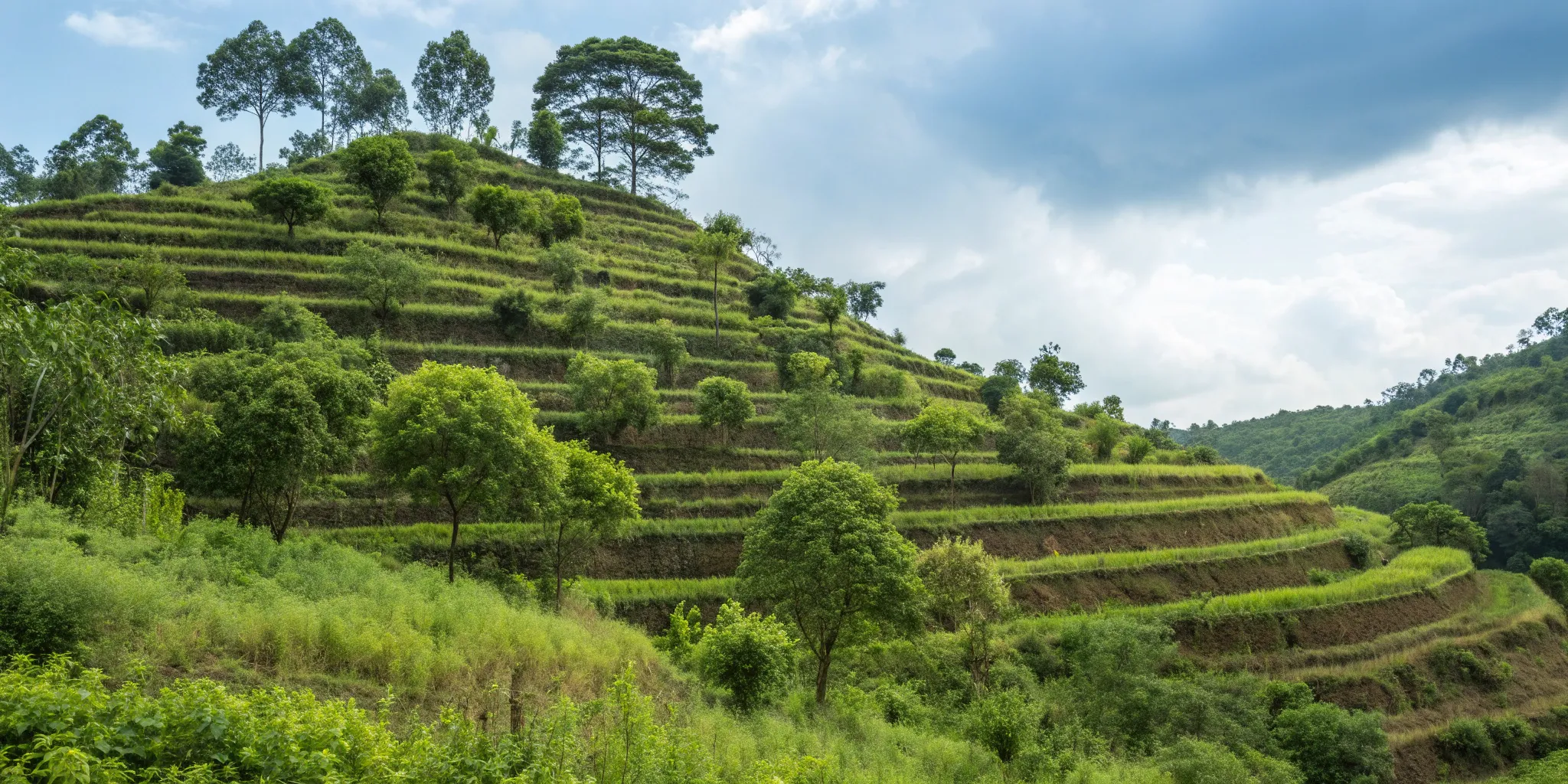
Think of retaining walls as strong arms holding your hillside in place. Built at the base of a slope, these walls are constructed from materials like concrete blocks, wood, or stone to physically hold back soil and prevent it from sliding. This is one of the most effective ways to manage a steep grade. Terracing takes this concept a step further by creating a series of shorter walls that form level, step-like platforms up the slope. Not only does this stabilize the entire hillside, but it also gives you usable flat ground for gardens or patios, which can further help absorb water and reduce runoff.
Drainage and Water Diversion
Water is often the main culprit behind slope erosion, so telling it where to go is crucial. Effective drainage systems intercept water before it has a chance to rush down the slope and carry soil with it. A swale, which is a shallow channel, or a French drain installed at the top of the hill can capture runoff and redirect it to a safe outlet. Proper water management is a cornerstone of preventing erosion and is essential for protecting your property from moisture-related issues. Without it, you could face bigger problems that require extensive waterproofing solutions down the line.
Geotextiles and Control Barriers
Sometimes your slope needs a protective layer while new plants take root. That’s where geotextiles and erosion control blankets come in. These permeable fabrics or biodegradable blankets are rolled out over bare soil to shield it from the impact of rain and wind. They act as a temporary cover, holding soil and seeds in place. As grasses and other plants begin to grow, their roots push through the material, eventually creating a natural, living barrier that stabilizes the soil. This method is fantastic for giving vegetation a head start on freshly graded or disturbed slopes.
Rock Barriers and Sediment Control
Strategically placed rocks can be a simple yet powerful tool for slowing down water and protecting the soil beneath. A barrier made of large rocks or concrete pieces can effectively break up the flow of water, reducing its erosive force. On a smaller scale, installing barriers like straw wattles (mesh tubes filled with straw) or rock weirs perpendicular to the water’s path can slow runoff and trap sediment. These techniques are great for controlling erosion in specific channels or gullies and are often used in combination with other methods to create a multi-layered defense system for your slope.
How to Combine Natural and Structural Solutions
Sometimes, the best defense is a layered one. When it comes to protecting your property from erosion, you don’t have to choose between planting ground cover and building a retaining wall. The most effective and resilient strategies often combine the soil-gripping power of plants with the solid support of engineered structures. This hybrid approach creates a system where each element supports the other, giving you a robust, long-term solution that is both functional and beautiful. Think of it as creating a living shield for your landscape, where nature and engineering work together to hold your hillside in place.
Integrate Plants with Hardscaping
Pairing plants with hardscaping is a classic and highly effective strategy. The idea is to use structural elements to provide the heavy lifting while plants create a living root network that binds the soil. For example, a retaining wall built from concrete blocks or stone at the base of a slope can physically hold back the earth, preventing landslides. Above the wall, you can plant deep-rooted native grasses, shrubs, and trees. These plants do more than just look good; their roots act like natural rebar, holding the soil together, while their leaves and foliage help absorb the impact of heavy rain. This combination provides a powerful, two-pronged defense against erosion.
Explore Bioengineering Techniques
For a more integrated approach, you can explore bioengineering. This method uses live plants, either on their own or combined with inorganic materials, to create a living, functioning system that stops erosion. It’s a sophisticated way to merge the natural with the structural. For instance, a specialist might lay down a geotextile mat (a synthetic, permeable fabric) over a slope and then plant native vegetation through it. The mat provides immediate stability and prevents soil from washing away, while the plants establish their root systems, eventually taking over as the primary stabilizer. This is a core component of professional hillside stabilization, creating a durable, self-sustaining solution that blends seamlessly into the landscape.
Create a Phased Plan
Successfully combining natural and structural solutions requires a solid plan. It’s rarely a single weekend project; instead, it often involves a phased approach that addresses the most critical issues first. A professional site assessment is the best starting point to understand your soil type, slope grade, and drainage patterns. From there, you can develop a multi-step plan. This might start with installing proper drainage systems to manage water runoff, followed by building terraces or retaining walls. The final phase would be to introduce vegetation. This methodical process ensures each solution builds on the last, creating a comprehensive system that effectively mitigates the risks of slope failure and protects your property for years to come.
Common Slope Erosion Control Mistakes to Avoid
Putting an erosion control plan into action is a fantastic step toward protecting your property. But even the most well-intentioned efforts can fall short if you’re not careful. Certain common missteps can undermine your hard work, leading to ongoing erosion, wasted money, and a lot of frustration. The goal is to create a stable, long-lasting solution, not a temporary fix that needs constant attention. When you invest time and resources into stabilizing a slope, you want to see results that last, not a problem that reappears after the first heavy rain.
Getting it right from the start means understanding where things can go wrong. From misjudging how water will behave on your property to picking the wrong plants for the job, a few key errors are responsible for most failed erosion control projects. It’s easy to focus on one aspect, like planting groundcover, while completely overlooking a critical element like drainage. This is why a holistic approach is so important. By learning to spot these potential pitfalls before you begin, you can create a more effective and resilient plan. Let’s walk through the most frequent mistakes so you can avoid them and ensure your slope remains secure for years to come.
Underestimating Your Drainage Needs
One of the biggest mistakes property owners make is focusing on the slope’s surface while ignoring what’s happening with water flow. Proper drainage is the backbone of any successful erosion control strategy. When water has nowhere to go, it pools, saturates the soil, and adds immense weight and pressure to the slope. This is often the primary cause of soil movement and erosion. Simply put, if you don’t manage water effectively, your other efforts may not stand a chance. An effective waterproofing and drainage system, like a French drain or swale, is designed to intercept and redirect water away from vulnerable areas, preventing the soil from becoming overly saturated and unstable.
Choosing the Wrong Plants
Plants can be your best ally in the fight against erosion, but only if you choose the right ones. It’s tempting to select plants based on appearance alone, but their root structure and suitability for your specific climate and soil are far more important. Choosing plants that aren’t suited for the slope’s conditions is a common reason erosion control efforts fail. Shallow-rooted plants, for example, won’t anchor the soil effectively. For real stability, you need deep-rooted native plants, grasses, and shrubs. These species are already adapted to your local environment and will establish strong root systems that hold soil in place, absorb excess moisture, and create a durable, living barrier against erosion.
Neglecting Regular Maintenance
An erosion control system isn’t a “set it and forget it” project. It’s a dynamic solution that requires ongoing attention to remain effective. Over time, drains can clog with debris, erosion control blankets can tear, and plants can struggle or die. Regular maintenance is essential to catch these small issues before they become major problems that compromise the entire slope. A simple inspection schedule allows you to clear drainage paths, check the health of your vegetation, and repair any structural components. Consistent upkeep protects your investment and ensures your slope gets the continuous support it needs for long-term hillside stabilization.
When to Call a Professional for Hillside Stabilization
While many of the erosion control methods we’ve covered are great for managing minor issues, some situations are simply too complex or dangerous to handle on your own. A shifting or failing slope can pose a serious threat to your property and safety. Recognizing when to step back and call in a professional is one of the most important parts of protecting your investment. An expert can assess the underlying geotechnical issues and design a solution that provides long-term stability, giving you peace of mind that your home is on solid ground.
Warning Signs You Need an Expert
It’s crucial to keep an eye out for signs that your slope’s stability is compromised. According to geotechnical experts, “[s]lope failures represent a daunting challenge,” which can lead to landslides or structural damage if ignored. If you notice cracks appearing in the soil, sections of the ground slumping or sinking, or trees and fence posts starting to lean, it’s time to call for help. These are clear indicators that the soil is moving. This movement can put immense pressure on your home’s foundation, so you should also watch for new cracks in your foundation walls or drywall. A professional has the necessary expertise in hillside stabilization to diagnose the root cause and implement a safe, effective solution.
Why Complex Slopes Require a Specialist
Not all slopes are created equal. Factors like steepness, soil type, and water drainage can make erosion control a significant challenge. As engineering specialists note, “[s]teep slopes with loose or sandy soils are particularly prone to erosion, while clay-rich soils may present different challenges, such as waterlogging.” If your property sits on a steep grade or is close to a creek or runoff channel, a DIY approach might not be enough. A professional can conduct a thorough site assessment to understand the unique geology of your property. They can then design an engineered solution, which might include retaining walls, soil nailing, or advanced techniques like applying polyurethane geotechnical foam to stabilize the soil from within.
Related Articles
- Hillside Stabilization – Professional Foundation Repair
- Hillside Stabilization Services | Bristol FX
Frequently Asked Questions
How can I tell if my slope erosion is a serious problem or just a minor issue? A little bit of displaced dirt after a heavy rain isn’t usually a cause for panic. The real red flags are signs of deeper soil movement. Look for new cracks appearing in the ground, especially ones that run parallel to the slope. If you see trees, fence posts, or even your mailbox starting to lean, that’s a strong signal the ground beneath them is shifting. Any new cracks in your home’s foundation or walls are also major warning signs that the instability is affecting your structure.
Can I just plant some grass, or do I need something more heavy-duty like a retaining wall? The right solution really depends on the steepness of your slope and the type of soil you have. For a gentle incline with loamy soil, establishing a healthy cover of deep-rooted native plants can work wonders. However, if you’re dealing with a steep grade or loose, sandy soil, vegetation alone likely won’t be enough to hold everything in place. In those cases, a structural solution like a retaining wall or terracing is often necessary to provide the physical support the slope needs to be truly stable.
How long will it take to see results after I implement an erosion control solution? The timeline for results varies with the method you choose. Structural fixes, like installing a French drain or building a retaining wall, provide immediate stability and water control the moment they are completed. Natural solutions, on the other hand, require patience. It can take a full growing season or even longer for new plants and grasses to establish the strong root systems needed to effectively hold the soil. Using an erosion control blanket can offer instant surface protection while you wait for your new greenery to take hold.
My neighbor’s construction project seems to be making my erosion worse. What should I do? Changes to a neighboring property can definitely impact yours, especially when it comes to water runoff. New construction or landscaping can alter the natural drainage patterns, sending more water onto your slope. The best first step is to document the changes you’re seeing. If the runoff is significant or causing visible soil loss, it’s a good idea to get a professional assessment. An expert can help you understand the full impact on your property and recommend the best way to manage the new water flow before it causes serious damage.
If I ignore a little bit of erosion, what’s the worst that can happen? Ignoring what seems like a small problem is one of the biggest risks. Over time, that “little bit” of erosion can wash away the soil supporting your home’s foundation, leading to cracks, uneven floors, and major structural damage. It also increases water runoff toward your house, which can cause basement flooding and crawl space moisture issues. What starts as a minor landscaping nuisance can eventually become a very expensive foundation and water damage problem that impacts your property’s safety and value.