
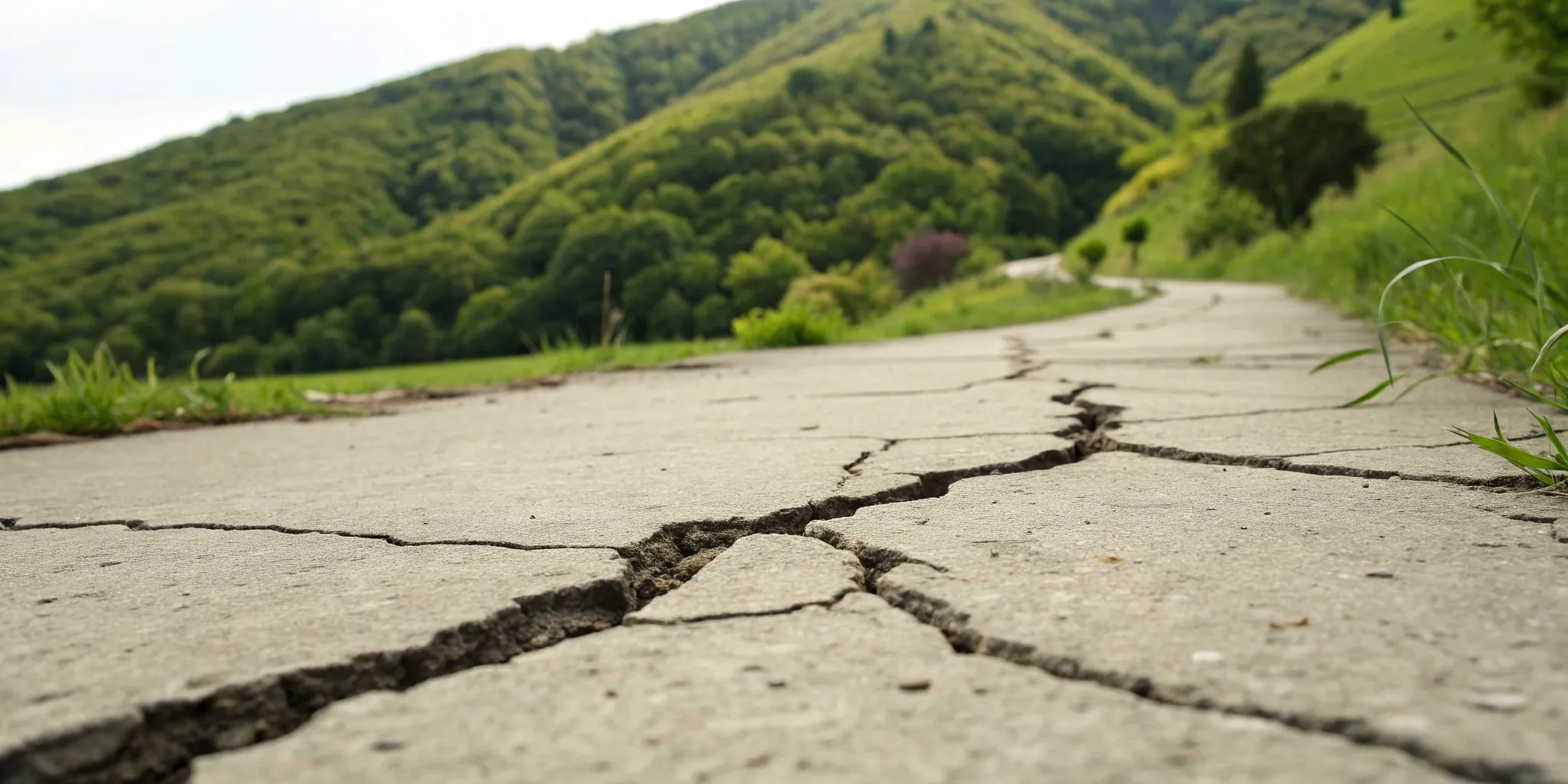
That small crack in your foundation might seem easy to ignore, but it can be a warning sign of a much larger and more expensive problem. Across the country, the damage caused by expansive soils costs property owners billions of dollars each year—more than floods, hurricanes, and tornadoes combined. These problem soils put constant pressure on your home, leading to structural issues that only get worse over time. Waiting to act can turn a manageable repair into a major financial burden. This guide will help you understand the risks and show you how to address the root cause early, protecting your property and your wallet.
Key Takeaways
- Control moisture to prevent soil movement: Expansive soil swells and shrinks based on its water content. Managing drainage and watering around your property is the most effective way to keep the ground stable and protect your foundation.
- Look for early warning signs inside your home: Sticking doors, new cracks in drywall, and uneven floors are not just cosmetic flaws—they are direct symptoms of your foundation shifting. Identifying these issues early can save you from more extensive and expensive repairs.
- A permanent fix requires professional expertise: Surface-level repairs won’t solve problems caused by unstable soil deep underground. Lasting solutions, like deep foundation piers or polyurethane foam injections, address the root cause to provide permanent stability for your home.
What Is Expansive Soil?
If you’ve ever noticed cracks in your walls or doors that suddenly stick, the problem might be starting right under your feet. Expansive soil is a specific type of clay soil that acts like a sponge, dramatically changing in volume as its moisture content fluctuates. When it gets wet, it swells up. When it dries out, it shrinks and hardens. This constant cycle of expansion and contraction exerts incredible force on anything built on top of it, including your home’s foundation.
This movement isn’t just a minor shift; it’s powerful enough to lift, crack, and break concrete slabs and foundation walls over time. Because this process happens slowly, many homeowners don’t realize the cause of their structural issues until significant damage has already occurred. Understanding the nature of expansive soil is the first step toward protecting your property. Ignoring the signs can lead to costly and complex foundation repair projects down the road. By learning to identify the soil on your property and how it behaves, you can take proactive steps to manage its impact and maintain the structural integrity of your home.
What Makes Soil Expansive?
So, what gives this type of soil its unique—and problematic—ability to swell? It all comes down to its mineral content. Expansive soils are rich in specific clay minerals, most notably smectite clays like montmorillonite. Think of these minerals as having a layered, card-like structure at a microscopic level. When water is introduced, molecules get trapped between these layers, forcing them apart and causing the entire soil mass to expand. Not all clays have this unique structure, which is why some types of clay soil are relatively stable, while others pose a significant threat to foundations.
How This Soil Swells and Shrinks
The cycle of swelling and shrinking is driven entirely by changes in moisture. During rainy seasons or due to poor drainage, the soil absorbs water and its volume increases, pushing upward and outward against your foundation. This upward pressure is called “heave,” and it can lift entire sections of a home. Conversely, during dry spells or droughts, the soil loses moisture and shrinks. As it contracts, it can pull away from the foundation, creating gaps and leaving parts of the structure unsupported. This loss of support can cause the foundation to settle or sink, leading to uneven floors and structural cracks.
Where Expansive Soils Are Found
You might be surprised to learn that expansive soils are not a regional issue limited to one part of the country. In fact, they are found in every single state in the U.S. While they are particularly common in areas like the Great Plains, the Gulf Coast, and parts of the West, no region is entirely free from them. This widespread presence means that property owners everywhere should be aware of the potential risks. The severity of the problems often depends on the local climate—areas with distinct wet and dry seasons tend to experience the most dramatic cycles of soil movement and, consequently, more foundation issues.
Common Myths vs. Reality
A common misconception is that if you have clay soil, you’re automatically at risk for foundation damage. The reality is more nuanced. Not all clay soils are expansive. Stable clay types, such as Kaolinite and Illite, have a different mineral structure that doesn’t allow them to absorb large amounts of water. They provide a solid base for construction and don’t pose the same threat. That’s why simply identifying your soil as “clay” isn’t enough. Understanding the specific type of clay under your home is crucial for assessing your property’s true risk and planning for effective foundation solutions.
Why Does Expansive Soil Move?
The ground beneath your home might seem solid, but certain types of soil are constantly in motion. This movement isn’t random; it’s a predictable, powerful cycle driven by one simple thing: water. Understanding why this happens is the first step to protecting your property from the costly damage that soil movement can cause. It’s a natural process, but one that puts immense stress on a building’s foundation over time.
The Cycle of Swelling and Shrinking
Think of expansive soil as a dense, natural sponge. These soils, which are rich in specific clay minerals, have a remarkable ability to change in size based on their water content. When it rains or the ground becomes saturated, the soil absorbs water and swells, increasing in volume. Then, during dry periods, it loses that moisture and shrinks, pulling away from whatever it surrounds—including your home’s foundation. This isn’t a one-time shift; it’s a relentless cycle of expansion and contraction that happens season after season, putting your home under constant strain.
How Water and Weather Trigger Movement
This constant swelling and shrinking exerts incredible force on your home. When wet, the expanding soil can push upwards and inwards on your foundation with enough pressure to lift sections of the structure and crack concrete walls. As the soil dries and shrinks, it pulls away, leaving parts of the foundation unsupported and vulnerable to settling. Over time, this repeated stress leads to serious structural issues. This is why you might see stair-step cracks in brickwork or find that doors and windows suddenly stick. It’s a direct result of the ground’s powerful, weather-driven movement, which often requires professional foundation repair to correct.
Factors That Worsen Soil Expansion
Not all expansive soils behave the same way. The specific minerals in the clay determine just how much it can swell. Some clays are particularly “thirsty” and bond tightly with water molecules. When this type of soil dries, it often develops deep cracks. These fissures act like channels, allowing water from the next rainfall to penetrate deeper into the ground, causing even more dramatic swelling. Poor property drainage, leaking pipes, or even overwatering your garden next to the house can create concentrated wet spots, leading to uneven movement. Effectively managing water around your home with proper waterproofing and drainage is one of the best ways to control this damaging cycle.
How to Spot Expansive Soil on Your Property
You don’t need to be a geologist to identify potential soil problems. By paying close attention to your yard and home, you can catch the early warning signs of expansive soil. Knowing what to look for is the first step in protecting your property from costly damage.
Visual Clues in Your Yard and Home
Start your inspection outside. Look for uneven ground with subtle mounds and dips, a feature sometimes called “gilgai topography.” A more obvious sign is the presence of wide, deep cracks in your lawn during dry weather, which indicates the soil is shrinking as it loses moisture. Inside your home, pay attention to doors and windows that suddenly start to stick or won’t latch properly. This often happens because the shifting ground has warped their frames. These small annoyances can be the first hints that your foundation is under stress from soil movement.
Telltale Signs of Foundation Damage
When expansive soil exerts enough pressure, the signs of damage become much clearer. Look for cracks in your foundation, basement walls, or drywall. Stair-step cracks in brick or concrete block walls are a classic indicator of foundation settling caused by soil movement. You might also notice that your floors have started to slope or feel uneven underfoot. This constant cycle of swelling and shrinking can cause significant structural strain, leading to serious foundation repair needs. If you spot these issues, it’s time to address the root cause before the damage gets worse.
Why Professional Soil Testing Is Crucial
While visual clues can point to a problem, they don’t tell the whole story. A professional evaluation is the only way to know for sure what you’re dealing with. Geotechnical engineers can perform soil testing to determine its specific characteristics, including its “expansive index,” which measures how much it will swell when wet. This data is essential for designing an effective, long-term solution. For anyone planning new construction, understanding the soil composition beforehand is a critical step in preventing future foundation issues and building a structure that will stand the test of time.
The Damage Expansive Soil Can Cause
Expansive soil doesn’t just sit there; it actively pushes and pulls on your home’s foundation. As it absorbs water, it swells with incredible force, and when it dries, it shrinks away, leaving parts of your foundation unsupported. This constant cycle of movement puts immense stress on the rigid structure of your home, leading to significant structural problems over time. Understanding this process is the first step toward protecting your investment from costly and complex foundation repair.
How It Affects Your Foundation
Think of expansive soil as a powerful, slow-moving force acting directly on your home. The upward pressure from swelling soil can be strong enough to lift concrete slabs and footings, while the downward pull from shrinking soil can cause them to sink and crack. This differential movement—where one part of your foundation moves while another stays put—is what causes the most damage. The constant stress can lead to deep fractures in the concrete, weaken structural supports, and create pathways for water to enter your basement or crawl space.
Cracks, Sticking Doors, and Uneven Floors
The first signs of foundation trouble often show up inside your home. You might notice diagonal cracks spreading from the corners of doors and windows, or stair-step cracks in brick and concrete block walls. As the foundation shifts, it can warp the frame of your house, causing doors to stick or not latch properly and windows to become difficult to open or close. You may also see cracks in drywall or notice that your floors have become uneven or sloped. These aren’t just cosmetic issues; they are direct symptoms of foundation movement that requires a professional evaluation for potential crawl-space repairs or other solutions.
Hidden Risks to Pipes and Utilities
The damage from expansive soil isn’t always visible. Below the surface, the same forces that crack your foundation can wreak havoc on your home’s essential utilities. As the ground shifts, it can bend, break, or disconnect sewer lines, water pipes, and gas lines that run underneath your property. A broken sewer line can lead to messy backups and soil contamination, while a cracked water pipe can saturate the soil and make the expansion problem even worse. These hidden risks can lead to expensive emergency repairs and service disruptions, making it crucial to address soil instability before it affects your entire home.
The Financial Impact of Waiting to Act
It’s easy to put off fixing a small crack or a sticky door, but waiting can turn a minor issue into a major expense. The cost of damage from expansive soils across the country is staggering—more than the combined damage from floods, hurricanes, and tornadoes. The longer you wait, the more severe the structural damage becomes, and the more complex and costly the repairs will be. Addressing foundation movement early with a permanent solution not only protects your property but also saves you significant money and stress down the road. Proactive measures are always more affordable than reactive repairs.
How to Prevent Damage from Expansive Soil
Dealing with expansive soil is all about being proactive. Whether you’re breaking ground on a new project or protecting your current home, taking steps to manage soil movement can save you from significant stress and costly repairs down the road. The key is to control moisture and ensure your foundation is built to withstand the pressure. Here’s a look at the most effective strategies for preventing damage.
Smart Planning for New Construction
If you’re building on a property with expansive soil, you have the advantage of starting fresh. Working with engineers and foundation specialists from the beginning is the best way to prevent future issues. For new construction, this often means designing a foundation that can resist soil movement. Methods like using a reinforced or post-tensioned slab-on-grade create a rigid base that is less susceptible to shifting. Another approach involves creating a deep foundation with elements like caissons that anchor the structure to stable bedrock far below the volatile clay layer. Smart planning at this stage sets your property up for long-term stability.
Designing a Foundation That Lasts
A well-designed foundation is your home’s first line of defense against expansive soil. The goal is to isolate the structure from the soil’s movement as much as possible. One of the most reliable methods is installing deep foundation piers. Systems using push and helical piers transfer the weight of your home past the active soil layers to more stable ground below. For slab foundations, engineers often recommend reinforcing the concrete with strong crossbeams. They might also design void spaces underneath the foundation, giving the soil room to swell upward without pushing directly against your home. These techniques are designed to let the soil do its thing without compromising your home’s structural integrity.
Master Your Property’s Drainage
Water is the trigger for expansive soil, so managing it is non-negotiable. Your goal is to keep the moisture level in the soil around your foundation as consistent as possible. Proper grading is the first step—ensure the ground slopes away from your house so water doesn’t pool near the foundation. Installing French drains or a sump pump can also redirect excess water. It’s also wise to think about your landscaping. Avoid planting large trees or thirsty shrubs too close to your home, as their roots can draw significant moisture from the soil, causing it to shrink and settle. A comprehensive waterproofing and drainage strategy is essential for long-term protection.
Control Moisture Around Your Home
Beyond major drainage systems, your daily habits can make a big difference. Start by checking for and immediately fixing any plumbing leaks, both inside and outside your home. Pay attention to your irrigation system—make sure sprinklers aren’t soaking the ground right next to your foundation. In very dry climates or during a drought, the soil can shrink dramatically, causing settlement. To counteract this, you can lightly water the ground around your foundation a few times a week to maintain a stable moisture level. The key is consistency, not saturation. If you’ve already noticed minor cracks or shifts, it might be time to schedule a professional foundation repair assessment to catch problems early.
Professional Solutions for Expansive Soil
When you’re dealing with expansive soil, surface-level fixes won’t cut it. The real problem lies deep underground, where seasonal moisture changes cause the ground to shift, swell, and shrink. To truly protect your property, you need solutions that address the root cause of the movement. Fortunately, foundation specialists have developed several highly effective methods to counteract the forces of expansive soil and secure your home for the long term. These professional solutions go beyond simple crack patching or landscaping adjustments. They involve strengthening your foundation, stabilizing the soil itself, and controlling the moisture that triggers the movement.
Think of it as giving your home a permanent defense system against the unpredictable ground beneath it. While every property is unique, an experienced contractor can assess your specific situation and recommend the right combination of foundation repair techniques to provide lasting stability and peace of mind. These methods are a serious investment in your property’s health and value, preventing small problems from turning into costly structural failures. By taking a proactive approach with proven engineering, you can stop the cycle of damage and rest easy knowing your home is on solid ground.
Stabilize Your Home with Deep Foundation Piers
One of the most reliable ways to secure a foundation on expansive soil is to bypass the problem soil entirely. Deep foundation piers, like push and helical piers, act like stilts for your house, transferring its weight off the unstable, shifting soil and onto solid, stable ground deep below. Experts install these steel piers by driving them through the expansive clay layers until they reach bedrock or a load-bearing stratum that won’t move. This process effectively anchors your home, preventing it from sinking or heaving as the soil around it swells and shrinks. It’s a permanent solution that provides a stable base, correcting existing settlement and preventing future movement.
Strengthen Soil with Polyurethane Foam
For a less invasive but highly effective approach, professionals can use polyurethane geotechnical foam to stabilize the soil directly beneath your foundation. This method involves injecting a two-part polymer into the ground, where it rapidly expands, filling voids, compacting loose soil, and creating a strong, waterproof, and stable base. This technique not only lifts and levels settled concrete slabs but also strengthens the soil to resist future moisture-related movement. Because the foam is lightweight and cures quickly, it’s an efficient way to address issues caused by expansive soils without major excavation, providing a durable solution that supports your foundation from below.
Reinforce Your Foundation and Walls
Sometimes, the best defense is a stronger foundation. If expansive soil has already caused cracks or weakness in your foundation walls or slab, reinforcement is key. Professionals can perform crack injection and corrosion repair to seal vulnerabilities and restore structural integrity. For more significant issues, they may add steel reinforcement to grade beams or build up concrete elements to better resist the immense pressure exerted by swelling soil. This approach focuses on making your existing foundation more resilient, ensuring it can withstand the push and pull of the ground around it without compromising your home’s structure.
Install Below-Grade Waterproofing
Since water is the trigger for soil expansion, controlling moisture around your foundation is a critical preventative strategy. Professional below-grade waterproofing creates an impermeable barrier around your foundation walls, stopping water from seeping into the surrounding soil. This is much more than just a coat of sealant; it involves installing specialized membranes and drainage systems to collect and divert water away from your home. By keeping the soil’s moisture content consistent, you can significantly reduce the cycle of swelling and shrinking. In fact, the Colorado Geological Survey highlights that managing water is one of the most important steps you can take to protect a structure built on expansive soil.
Long-Term Strategies for Managing Your Property
Once you have a handle on your property’s expansive soil, the key is to stay proactive. Think of it like regular home maintenance—a little effort now can save you from major headaches and expenses down the road. These long-term strategies are all about creating a stable environment around your foundation. By managing moisture and keeping a close eye on your home, you can minimize soil movement and protect your investment for years to come. It’s about working with your property, not against it.
Smart Landscaping and Watering
Your yard can be your foundation’s best friend or its worst enemy. The goal is to keep the moisture level in the soil around your home as consistent as possible. Start by choosing plants that have low water needs, especially for garden beds right next to the house. Trees with aggressive root systems, like oaks or willows, should be planted well away from your foundation.
Creating a buffer zone of about five feet around your home with mulch or gravel can also help regulate soil moisture. When you do water, use a soaker hose or drip irrigation to provide slow, deep watering rather than flooding the area. This approach helps prevent the drastic shifts between bone-dry and saturated soil that cause expansive clay to swell and shrink.
Maintain Your Drainage Systems
Controlling where water goes on your property is one of the most powerful things you can do to protect your foundation. Your first line of defense is your gutter system. Clean your gutters regularly and make sure downspouts extend at least five to ten feet away from your home, directing water toward a lower point in your yard.
You also want to ensure the ground around your foundation, or the “grading,” slopes away from the house. This simple slope uses gravity to carry rainwater away naturally. If you notice pooling water or soggy spots near your home after it rains, it might be time to improve your property’s drainage. A comprehensive waterproofing strategy can prevent water from ever reaching your foundation walls in the first place.
Monitor Your Foundation for Changes
Get into the habit of giving your home a quick check-up every few months. You’re the person who knows your house best, so you’re the most likely to spot small changes before they become big problems. Walk around the inside and outside, looking for new or widening cracks in drywall, brick, or the foundation itself.
Pay attention to how your doors and windows operate. Are any of them suddenly sticking or becoming difficult to close? Do you see gaps forming around the frames? These are classic signs that your foundation may be shifting. If you notice any of these issues, it’s a signal to investigate further. Understanding the signs is the first step toward a lasting foundation repair solution.
Schedule Regular Professional Inspections
While your own observations are valuable, nothing replaces a professional assessment. An expert can identify subtle issues you might miss and evaluate the overall health of your foundation. Think of it like a routine check-up with a doctor—it’s a preventative measure that provides peace of mind and helps you catch potential problems early.
A foundation specialist can assess everything from drainage and soil conditions to the structural integrity of your home. They can offer tailored advice for your specific property and, if needed, recommend solutions before minor issues escalate. Partnering with a team of experts for periodic inspections is a smart, proactive way to manage your property and protect its long-term value.
Create Your Action Plan
Feeling overwhelmed? Don’t be. Taking a structured approach can turn a big worry into a manageable project. By assessing the situation, understanding your options, and bringing in the right help, you can protect your property and your peace of mind. This is your roadmap to getting ahead of expansive soil issues for good.
Assess Your Property’s Risk
Start by taking a walk around your property with a critical eye. Expansive soils are primarily made of fine clay minerals that absorb a lot of water, causing them to swell. When they dry out, they shrink. Look for the telltale signs of this cycle: deep, wide cracks in the soil during dry spells, or driveways and patios that have shifted or cracked. Inside your home, you might notice doors that stick, floors that slope, or new cracks appearing in drywall. These clues suggest the ground beneath your home is unstable. Documenting what you find will be incredibly helpful when you discuss a repair plan with a professional.
Explore Your Repair and Prevention Options
Once you suspect expansive soil is the culprit, it’s time to look at solutions. For existing homes, the goal is to stabilize the foundation against soil movement. Methods like installing deep foundation piers can anchor your home to more stable soil layers far below the expansive clay. Another modern approach involves using polyurethane geotechnical foam to fill voids and strengthen the soil directly beneath your foundation. For new construction, engineers can design reinforced foundations or even perform soil treatments to reduce its ability to swell and shrink. Understanding these options helps you have a more informed conversation about what’s right for your property.
Partner with a Foundation Expert
This is one area where professional expertise is non-negotiable. Only a qualified structural or geotechnical engineer can accurately identify expansive soils and design a safe, effective, and lasting solution. An expert will conduct a thorough assessment, which may include soil testing, to understand the specific conditions on your property. They can then recommend the most appropriate foundation repair strategy or preventative measures. Trying to guess or opting for a quick fix can lead to more significant and costly damage down the road. Partnering with a specialist ensures the job is done right the first time, protecting your home’s structural integrity for years to come.
Related Articles
- Expansive Clay Soil: SoCal’s Top Foundation Risk
- Clay Soil Foundation Problems: Homeowner’s Ultimate Guide – Professional Foundation Repair
- How Proper Water Drainage Can Protect Your Home’s Foundation – Professional Foundation Repair
Frequently Asked Questions
How can I tell if a crack in my wall is a serious foundation issue? While thin, vertical hairline cracks can be a normal part of a home settling, certain patterns are red flags for foundation movement caused by expansive soil. Look for diagonal cracks that run from the corners of doors and windows, or stair-step cracks in brick or concrete block walls. If a crack is wider at the top than the bottom or you can fit a coin into it, it’s a strong sign of a structural problem. The only way to know for sure is to have a professional evaluate the situation.
My house is several decades old. Is it too late to fix damage from expansive soil? Not at all. It’s never too late to address foundation issues, regardless of your home’s age. Modern foundation repair methods, like installing deep steel piers, are designed to stabilize older homes by anchoring them to solid ground far below the unstable soil. These solutions can correct existing settlement, close cracks, and prevent any further movement, effectively giving your old house a new, stable base for the future.
Can’t I just improve my yard’s drainage to solve the problem? Improving drainage is one of the most important steps you can take, but it’s usually not a complete solution on its own, especially if structural damage has already started. Proper grading and drainage help manage the cause—excess moisture—but they don’t fix the existing effect, which is a weakened or shifted foundation. Think of drainage as a critical part of a long-term management plan that often works alongside professional foundation repairs to ensure lasting stability.
Will my homeowner’s insurance typically cover repairs for expansive soil damage? Unfortunately, most standard homeowner’s insurance policies do not cover damage caused by soil movement. This type of damage is often excluded under clauses for “earth movement,” which also includes events like sinkholes and earthquakes. Because coverage is unlikely, investing in proactive maintenance and professional repairs is the most financially sound way to protect your property from the significant costs of structural failure.
I’m building a new home. How can I avoid these problems from the start? Building a new home gives you a huge advantage. The most critical first step is to get a geotechnical report, which involves professional soil testing to identify the specific properties of the ground on your lot. With that information, an engineer can design a foundation specifically to withstand the conditions, whether that means using a reinforced slab-on-grade, post-tensioned concrete, or a deep foundation system that bypasses the expansive clay altogether.