
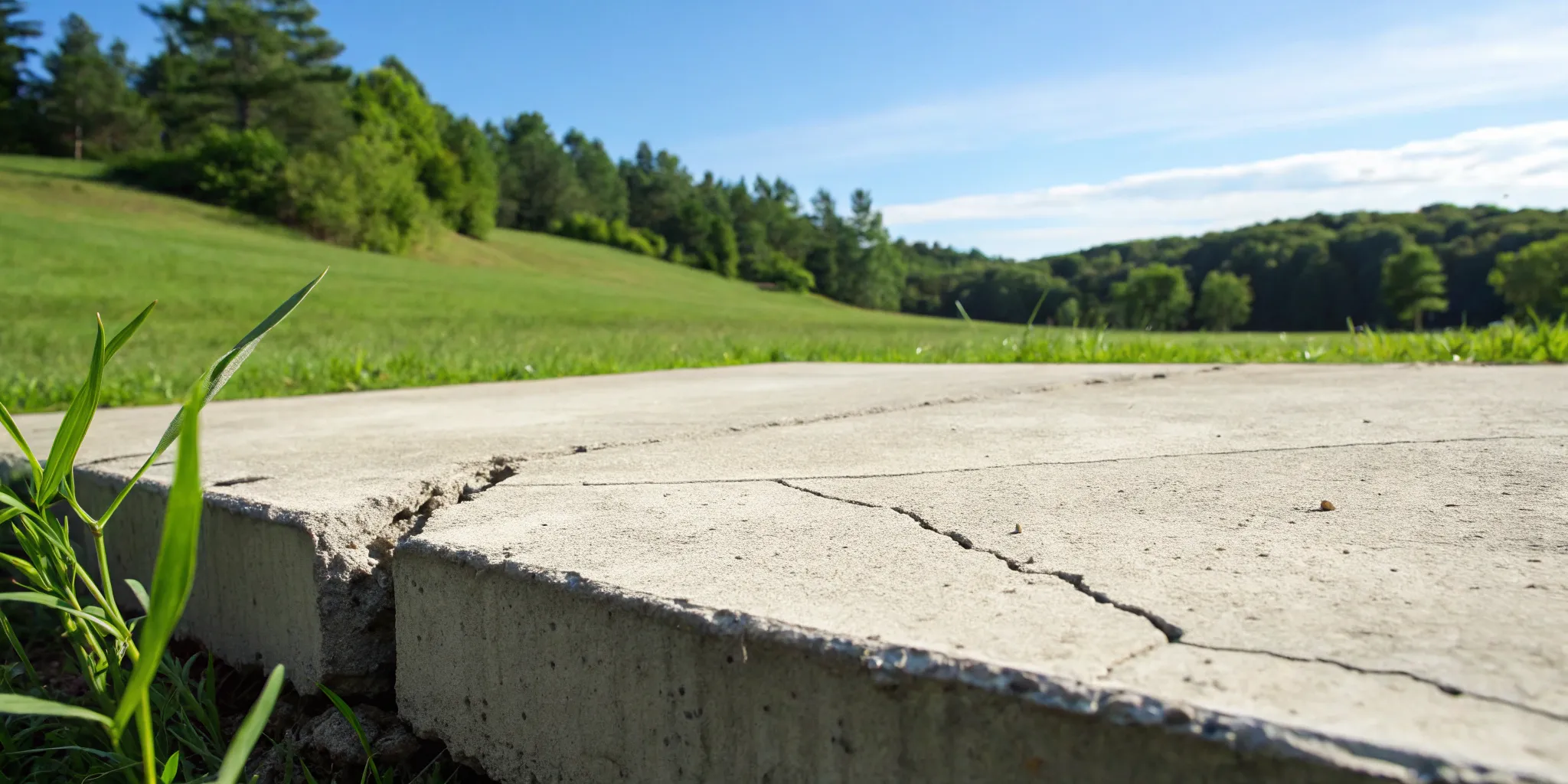
When you think about foundation problems, you probably picture your house sinking. But what if the ground was actually pushing your home up? This is a real and damaging issue called foundation heave. It’s the opposite of settlement and happens when the soil under your home expands, forcing your concrete slab and walls upward. This immense pressure can cause cracks in your drywall, make doors stick, and create uneven floors that feel like you’re walking on a ramp. Understanding what causes this upward movement is the first step to protecting your property. This guide will walk you through how to spot the signs, what causes the problem, and what your repair options are.
Key Takeaways
- Heave is an upward force, not a downward sink: It’s caused by expansive soil swelling with moisture. Your best defense is proactive water management, which means ensuring good drainage and repairing any leaks around your property.
- Recognize the distinct signs and get a pro’s opinion: Look for domed floors, doors sticking at the top, and cracks that are wider at the bottom. An expert diagnosis is essential because the repair for heave is completely different from the one for settlement.
- A lasting fix addresses the soil, not just the cracks: True foundation repair for heave involves engineered solutions like polyurethane foam or piers to stabilize the ground. This provides a permanent solution that protects your home’s value.
What is Foundation Heave?
When you think about foundation problems, you probably picture a house sinking or settling. But what happens when the ground pushes your foundation up? That’s called foundation heave, and it’s the exact opposite of settlement. It occurs when the soil beneath your home expands, forcing parts of your foundation and slab upward. This upward pressure can create significant stress on your home’s structure, leading to cracks, uneven floors, and a host of other issues. Understanding what heave is and what causes it is the first step toward protecting your property. Unlike settlement, which is often caused by soil shrinking or compacting, heave is almost always caused by an increase in moisture. Recognizing the signs early can save you from more extensive and costly repairs down the line.
How Does Foundation Heave Happen?
The primary culprit behind foundation heave is expansive soil, particularly certain types of clay. Think of this soil like a dry sponge—when it gets wet, it swells dramatically. When the soil under your foundation becomes saturated from heavy rain, plumbing leaks, or poor drainage, it expands. Since it’s confined by the surrounding earth, the only direction it can move is up, exerting immense pressure on the concrete slab above. This force is powerful enough to lift entire sections of your home. Frost can also cause heave when water in the soil freezes and expands, a common issue in colder climates. Proper waterproofing and drainage are your first line of defense against excess moisture.
Is All Foundation Movement the Same?
It’s easy to see a crack and assume the worst, but not all foundation movement is created equal. Heave and settlement are two different problems with distinct signs. Foundation heave pushes your foundation upward, often causing floors to dome or bulge in the center. You might notice doors sticking at the top of the frame or cracks in your walls that are wider at the bottom. In contrast, settlement is a downward movement. It typically causes floors to sink, gaps to appear between the wall and ceiling, and vertical cracks to form. Identifying the correct type of movement is critical for a successful foundation repair, as the solutions for heave and settlement are very different.
How Heave Affects Your Property’s Value
Ignoring the signs of foundation heave can have serious consequences for your property’s value and structural integrity. What starts as a hairline crack or a slightly uneven floor can escalate into major damage over time. Unchecked heave can compromise your home’s entire frame, leading to widespread cracking, plumbing damage, and even foundation failure. These issues not only make your home unsafe but can also make it difficult to sell. Addressing the problem early with a professional evaluation is the best way to protect your investment. An engineered solution, like the installation of push piers and helical piers, can stabilize your foundation and prevent further damage.
How to Spot Foundation Heave
Foundation heave can be sneaky. It often starts with small, easy-to-dismiss changes around your property. But catching these signs early is the key to preventing a small issue from turning into a major, expensive problem. Knowing what to look for empowers you to act quickly and protect your home or commercial building. The best approach is to regularly check for clues, both inside and out.
Signs Inside Your Home
Start by taking a slow walk through your home. Pay close attention to your walls and ceilings, especially around door and window frames. Are you seeing new cracks spreading across the drywall or zig-zagging through brickwork? Heave puts immense pressure on your home’s frame, which can cause doors and windows to stick or no longer close properly because they aren’t square anymore. You might also notice cracks appearing in tile floors or other rigid floor coverings. These interior signs are often the first indication that the soil beneath your foundation is starting to swell and push upward, requiring professional foundation repair.
Signs Outside Your Home
The evidence of foundation heave isn’t limited to the inside of your house. Head outside and inspect the areas immediately surrounding your property. Look for concrete surfaces—like your driveway, patio, or sidewalks—that appear to be lifting or tilting. You might see one section of a walkway that is suddenly higher than the one next to it, creating a trip hazard. If you have a detached garage or shed with a concrete slab, check to see if it has lifted or become uneven. These are clear signs that expansive soils are at work, pushing structures upward from below.
Key Structural Changes to Watch For
Beyond surface-level cracks, foundation heave creates noticeable structural shifts. One of the most common indicators is a floor that feels uneven or sloped when you walk across it. You might feel a slight dome or hump in the middle of a room, which is a classic sign of a slab foundation being pushed upward from the center. These shifts can cause widespread cracking in your floors and walls that seems more severe than typical settling. If you’re noticing these kinds of significant changes, it’s a strong signal that you need a professional to assess the stability of your foundation.
Red Flags: When to Call for Help Immediately
Some signs of foundation heave are more urgent than others. If you see large, growing cracks, doors that are completely jammed, or floors that are visibly bowed, it’s time to call for help right away. Ignoring these red flags can lead to extensive structural damage and even foundation failure. While it can be stressful to discover these issues, a prompt evaluation is the most important step you can take. A specialist can diagnose the root cause and recommend a lasting solution, like crack injection or stabilization, to secure your property and give you peace of mind.
What Causes Foundation Heave?
Understanding what causes foundation heave is the first step toward fixing it for good. It’s almost always a story about water and soil. When excess moisture meets a specific type of soil under your home, the ground can swell with enough force to lift parts of your foundation. This upward movement is what we call heave. It’s the opposite of foundation settlement, where the foundation sinks. Instead of gravity pulling your house down, the ground is actively pushing it up.
Several factors can create this perfect storm of upward pressure. The problem often starts with the soil your home was built on, but it’s usually triggered by issues like poor water drainage, seasonal weather changes, or even a hidden plumbing leak. Think of it as a chain reaction: a source of water is introduced, the soil reacts by swelling, and your foundation is caught in the middle. By identifying the specific cause, you can find a lasting solution instead of just patching up the symptoms. Let’s look at the most common culprits behind foundation heave.
The Problem with Expansive Soil
The main character in nearly every story of foundation heave is expansive soil. This type of soil, which is rich in clay minerals, acts like a sponge. When it’s dry, it shrinks and can even crack. But when it gets wet, it absorbs a massive amount of water and swells significantly. Since the soil is confined underground, it has nowhere to go but up, exerting immense pressure on your foundation slab from below. This upward force is what causes the heaving and cracking you might see in your home. Identifying your soil type is a critical part of any professional foundation repair assessment, as it determines the root of the problem.
Poor Drainage and Water Issues
If expansive soil is the fuel, poor drainage is the match that lights the fire. When your property doesn’t effectively channel water away, it pools around and under your foundation. Common issues include improper yard grading, clogged gutters, or downspouts that dump water right next to the house. During heavy rain or snowmelt, this water saturates the soil, triggering the swelling that leads to heave. A proper drainage system is your first line of defense. Investing in professional waterproofing solutions can redirect water and keep the soil around your foundation stable and at a consistent moisture level, preventing the cycle of swelling and shrinking.
How Weather and Seasons Play a Role
Your local climate and seasonal weather patterns have a major impact on your foundation. Long periods of drought can cause expansive soil to shrink away from the foundation, creating gaps. When a heavy rain finally arrives, water rushes into these gaps and causes the soil to swell rapidly and unevenly. The opposite is also true in colder climates. When moisture in the ground freezes, it expands by about 9%—a phenomenon known as frost heave. This expansion can exert incredible upward pressure on a foundation. These dramatic shifts between wet and dry or freezing and thawing are often why foundation problems suddenly appear after a few years of seasonal cycles.
Construction and Landscaping Mistakes
Sometimes, the cause of foundation heave is closer to home—stemming from decisions made during construction or landscaping. For example, if the soil wasn’t properly compacted before the foundation was poured, it can settle and shift unevenly later on. Removing large, mature trees can also disrupt the moisture balance in your yard. Those trees once drank gallons of water from the soil, and their absence can lead to oversaturation. Even a new sprinkler system installed too close to the house can introduce excess water. When planning any major landscaping or new construction project, it’s vital to consider how it will affect drainage and soil moisture around your home’s foundation.
Leaky Pipes and Underground Utilities
Not all water problems come from the sky. A slow, hidden leak from underground plumbing can be a persistent source of foundation trouble. A cracked water supply line, a leaking sewer pipe, or even a faulty sprinkler system can slowly saturate the soil in a concentrated area beneath your home. Over time, this constant supply of moisture causes the expansive soil to swell, leading to a localized heave that can be particularly damaging. If you notice a sudden spike in your water bill or a perpetually soggy patch in your yard, it’s worth investigating. Addressing these leaks quickly is key to preventing further damage and the need for extensive crack injection or other repairs.
Getting a Professional Diagnosis
If you’ve noticed some of the warning signs of foundation heave, your next step is to call in a professional. While it’s great that you’re an informed homeowner, this isn’t a DIY diagnosis. A foundation expert has the tools and experience to move beyond spotting symptoms and uncover the root cause of the problem. They can determine exactly what’s going on beneath your home and recommend a solution that will actually last. Think of it as seeing a specialist—you need an accurate diagnosis before you can start the right treatment. A thorough inspection will look at your property’s unique conditions, from soil type to drainage patterns, to create a complete picture of your foundation’s health.
What to Expect During an Inspection
When a foundation specialist arrives, they’ll perform a comprehensive visual inspection of your entire property. They’ll examine the interior of your home, looking for cracks in drywall, sticking doors, and uneven floors. They’ll also walk the exterior, checking the foundation walls for cracks and assessing the grading of the land around your house. Since excess moisture is the primary culprit behind heave, a big part of the inspection involves playing detective to find water sources. The inspector will check for clogged drains, leaky pipes, broken sprinkler lines, and faulty gutters. Proper waterproofing and drainage are critical, so they’ll identify any areas where water is pooling near your foundation instead of being directed away from it.
Advanced Diagnostic Tools and Tests
A professional assessment goes far beyond what the eye can see. To get precise measurements, specialists use advanced tools like a laser level or a ZipLevel altimeter to map the elevations of your foundation slab. This creates a topographical map of your floor, showing exactly where the foundation has heaved and by how much. This data is crucial for understanding the scope of the problem. A professional foundation contractor is the best person to evaluate foundation heaving because they can interpret this data correctly. They combine visual evidence with precise measurements to figure out what’s wrong and design the right foundation repair plan for your home. These tools remove the guesswork and ensure the proposed solution is based on solid evidence.
Why Your Soil Type Matters
One of the most important factors a specialist will consider is your soil. The main cause of foundation heave is the combination of moisture and expansive soil, which is common in many regions. Clay-rich soils act like a sponge; when they absorb water, they can swell with enough force to lift a concrete slab. When they dry out, they shrink, causing the foundation to settle. An expert will be able to identify if you have expansive soil and factor that into their diagnosis. Understanding your soil’s behavior is key to developing a long-term solution. A repair that works for sandy soil might not be effective for clay, which is why a one-size-fits-all approach to hillside stabilization and foundation support simply doesn’t work.
How Much Does an Evaluation Cost?
Many foundation repair companies, including Bristol FX, offer initial evaluations at no cost. It’s always best to confirm when you schedule, but think of this first step as an investment in your property’s future. An expert assessment gives you a clear action plan and peace of mind. While you might hesitate at the thought of paying for repairs, the cost of ignoring the problem is far greater. The price to fix damage from foundation heave can be staggering, sometimes running into tens of thousands of dollars depending on the severity. An early diagnosis allows for less invasive and more affordable solutions, like polyurethane geotechnical foam injections, before the damage becomes catastrophic.
How to Prevent Foundation Heave
While you can’t change the type of soil your house is built on, you can take several proactive steps to manage the conditions that lead to foundation heave. Prevention is always less stressful and more cost-effective than a major repair. By focusing on water management and regular maintenance, you can protect your home’s structural integrity for years to come. These simple habits can help you avoid the upward pressure that puts your foundation at risk.
Install a Better Drainage System
The golden rule of foundation health is to keep water away from it. Start with your rain gutters and downspouts. Make sure they are clean, free of debris, and properly channeling water at least five to ten feet away from your home. You should also check the grading of the soil around your house. The ground should gently slope away from your foundation, not toward it, to ensure rainwater flows away naturally. If you have persistent water issues, investing in more robust waterproofing solutions like French drains or exterior membranes can provide a powerful defense against moisture intrusion.
Control Moisture Around Your Foundation
Since excess water is the primary culprit behind foundation heave, your next step is to find and fix any sources of unwanted moisture. This means checking for leaky underground pipes, clogged drains, broken sprinkler lines, or faulty outdoor faucets. Even a slow, consistent drip can saturate the soil over time, causing it to expand and push against your foundation. If you notice unusually damp spots in your yard or a sudden spike in your water bill, it’s worth investigating. Addressing these leaks promptly is a critical part of any effective foundation repair prevention plan.
Landscape with Your Foundation in Mind
Your landscaping choices can have a big impact on soil moisture. Large trees and shrubs with extensive root systems drink a lot of water. If you remove a mature tree, the soil may suddenly retain more moisture than before, leading to swelling. Conversely, planting thirsty trees too close to your home can cause soil to shrink and settle. As a general rule, avoid planting large trees within 20 feet of your foundation. Instead, opt for smaller plants with less aggressive root systems for areas near the house. Thoughtful landscaping is also a key component of hillside stabilization for properties built on a slope.
Create a Regular Inspection Routine
Make it a habit to walk around your property each season and look for changes. Check that your gutters are clear and that the soil grade hasn’t shifted. Look for any new cracks in visible foundation walls or signs of water pooling. Inside your home, pay attention to doors or windows that suddenly start to stick, or new cracks appearing in drywall. Don’t forget to check your basement or crawl space for moisture or musty smells, as these areas often show the first signs of trouble. Catching a problem early can make a huge difference, so if you spot any red flags, it’s time to call a professional for an evaluation of your crawl-space repairs or foundation.
Your Foundation Heave Repair Options
Discovering you have foundation heave can feel overwhelming, but the good news is that there are proven, effective ways to fix it. The right approach depends on what’s causing the heave and the specific conditions of your property. A professional will diagnose the root cause and recommend a tailored solution to stabilize your home and prevent future damage. These repairs are not temporary patches; they are engineered solutions designed to give you lasting peace of mind. Let’s walk through some of the most common and reliable methods for correcting foundation heave.
Polyurethane Foam Injection
One of the most innovative and least disruptive methods for dealing with heave is polyurethane foam injection. Think of it as a way to treat the problem soil directly. We inject a special polymer foam deep into the ground beneath your foundation. This material expands, filling voids and compacting loose soil. More importantly, this injection helps the soil build resistance against water, which is often the primary cause of the swelling that leads to heave. This process strengthens the ground your foundation sits on, creating a stable, moisture-resistant base to support your home. Bristol FX offers expert polyurethane geotechnical foam applications to stabilize soil and correct foundation issues.
Push Piers and Helical Piers
When foundation heave is severe, the best solution is often to bypass the unstable soil altogether. This is where piers come in. Helical piers are essentially giant steel screws that are drilled deep into the ground until they reach stable, load-bearing soil or bedrock. Push piers work similarly but are hydraulically driven into the earth. Once in place, these piers are secured to your foundation, transferring the weight of your home onto solid ground. They are an incredibly effective tool because they can prevent your house from both sinking down and lifting up, providing a permanent fix. You can learn more about how push and helical piers provide a permanent solution for foundation problems.
Crack Injection and Concrete Repair
Foundation heave doesn’t just move your foundation; it often leaves behind visible damage like cracks in your walls and concrete slab. While piers or foam address the underlying cause, you also need to repair the structural damage. This is where crack injection comes in. We use specialized, high-strength epoxy or polyurethane-based materials to fill and seal these cracks. This process not only restores the strength and integrity of your concrete but also creates a waterproof barrier, preventing moisture from seeping in and causing more problems. This type of crack injection and corrosion repair is a critical step in a comprehensive repair plan.
Why an Engineered Solution is Crucial
It’s tempting to look for a quick, simple fix, but foundation heave is a complex issue that demands a professional, engineered solution. The potential for extensive damage, including complete foundation failure, is too high to risk a DIY approach. A proper repair plan starts with a thorough evaluation by a qualified expert who analyzes your home’s structure, soil composition, and drainage patterns. This ensures the chosen method addresses the root cause, not just the symptoms. An engineered foundation repair is designed specifically for your property, providing a safe, reliable, and permanent solution that protects your investment.
What to Expect for Repair Costs
Let’s be direct: repairing foundation heave is a significant investment in your property. The costs can range from $10,000 to over $100,000, depending on the severity of the problem and the chosen repair method. Factors that influence the final price include the size of the affected area, the number of piers required, the depth to stable soil, and the accessibility of the site. While the cost can seem high, it’s important to weigh it against the cost of inaction—ongoing structural damage, decreasing property value, and potential safety hazards. The only way to get an accurate number is to have a professional provide a detailed inspection and a custom quote for your home.
How to Choose the Right Foundation Expert
Finding the right person to fix your foundation can feel overwhelming, but it’s the most important step you’ll take. A professional foundation contractor is the best person to look at foundation heaving problems. They have the experience to figure out exactly what’s wrong and recommend the right solutions for your home. This isn’t a time for a general handyman; you need a specialist who understands the science behind soil, water, and structural support.
The goal is to find a partner you can trust to protect your property. A true expert will not only offer a clear repair plan but will also educate you on the process, answer your questions patiently, and provide a solid warranty for their work. Taking the time to vet your options carefully will give you peace of mind and ensure the job is done right the first time.
Where to Find a Qualified Contractor
Start your search by asking for referrals from trusted sources like real estate agents, home inspectors, or structural engineers. You can also check with neighbors who have had similar work done. When you start evaluating companies, focus on those with a long history of working in your specific area, as they’ll have a deep understanding of the local soil conditions.
The most critical part of this stage is getting an accurate diagnosis. It’s very important to know if your foundation is moving up (upheaval) or down (settlement). The signs can look similar, but the methods for foundation repair are completely different. A qualified expert will be able to distinguish between the two and explain the underlying cause, ensuring you get the correct solution.
Key Questions to Ask Your Contractor
Once you have a few potential contractors, it’s time to interview them. Think of this as hiring someone for a critical role, because that’s exactly what it is. Come prepared with a list of questions to help you compare their expertise and approach.
Start with the basics: “What do you believe is the root cause of the problem?” Since water is usually the main problem, the first step is to find and fix any sources of unwanted water. A good contractor will investigate leaky underground pipes, clogged drains, and poor grading. Also ask, “What is your proposed solution and why is it the best one for my home?” and “Can you provide references from past clients?” Finally, get clarity on logistics by asking who will manage the project on-site and what they’ll do to protect your landscaping and property during the work.
What to Look for in a Warranty
A warranty is a direct reflection of a company’s confidence in its materials and workmanship. Don’t just check a box when you see the word “warranty”—dig into the details. A reputable company will offer a clear, comprehensive warranty that is transferable to future homeowners, which can be a valuable asset if you ever decide to sell.
Look for lifetime warranties on permanent solutions like pier installations. For example, push and helical piers are like giant screws drilled deep into stable soil. They are locked in place to stop your home from both sinking down and lifting up, providing a lasting fix that a contractor should be willing to stand behind forever. Be wary of vague promises or warranties with lots of exclusions.
Setting a Realistic Project Timeline
Before any work begins, make sure you have a detailed project timeline in writing. Foundation repair can be disruptive, so understanding the schedule will help you manage your daily life and know what to expect. The timeline should include a clear start date, an estimated completion date, and key milestones for the project.
A professional contractor will also be upfront about potential delays, such as bad weather, permit approvals, or unexpected discoveries during excavation. They should have a clear communication plan for keeping you updated on their progress. This level of transparency is a hallmark of a reliable expert and helps ensure the project runs as smoothly as possible from start to finish.
Protecting Your Foundation for the Long Haul
Once your foundation is repaired, or if you’re lucky enough to have a healthy one, the goal is to keep it that way. Proactive maintenance is your best defense against future problems like foundation heave. It’s far less stressful and expensive to prevent issues than it is to fix them. By staying vigilant and performing a few seasonal tasks, you can protect your property for years to come. Think of it as routine healthcare for your home—a little effort now saves you from major procedures down the road. These simple, ongoing steps will help you manage the two biggest culprits of foundation trouble: soil and water.
How to Monitor Your Foundation
Keeping an eye on your foundation doesn’t require special tools, just a bit of observation. A few times a year, take a walk around your property and look for changes. When the soil pushes your foundation upward, it can cause noticeable damage. Look for new cracks in drywall, brick walls, or around door and window frames. Are doors and windows suddenly getting stuck or refusing to close properly? Outside, check if your sidewalks, patio, or even a garden shed have lifted up. Inside, you might notice parts of your concrete slab floor are tilted or uneven. Catching these signs early is the first step toward a quick and effective foundation repair.
Your Seasonal Maintenance Checklist
A little seasonal upkeep can make a huge difference. Your main goal is to control water flow around your home. First, make sure you have working rain gutters and that they are clear of leaves and debris, especially in the fall. Next, ensure you have proper drainage around your house. The soil should be graded so that water flows away from the foundation, not toward it. If you notice water pooling near your home after it rains, you may need to improve the grading or consider a more robust waterproofing solution. These simple checks can prevent the soil from becoming oversaturated, which is a primary cause of heave.
Does Homeowners Insurance Cover Heave?
This is a question we get all the time, and unfortunately, the answer is usually no. Most standard homeowners insurance policies do not cover damage from foundation heave. That’s because insurance is designed to cover sudden and accidental events, whereas soil movement is typically seen as a gradual process or a maintenance issue. Foundation upheaval often results from expansive soils or heavy precipitation, which are generally excluded from basic policies. It’s always a good idea to read your policy carefully and speak with your insurance agent about any specific endorsements or add-ons that might offer coverage, but you should plan on prevention being your primary financial protection.
Simple Steps for Ongoing Prevention
Ongoing prevention is all about water management. Since water is almost always the main problem, your first step is to find and fix any sources of unwanted moisture. Regularly check for leaky underground pipes, clogged drains, and broken sprinkler lines. If you have a sprinkler system, make sure the heads aren’t spraying directly against your foundation. And as mentioned, keep those gutters clean and functional. If you already have minor cracks, getting them sealed with a professional crack injection can stop water from getting in and making a small problem much bigger. These consistent habits are the key to maintaining a stable and secure foundation.
Related Articles
- 5 Early Warning Signs of Foundation Problems – Professional Foundation Repair
- Foundation Settlement: Causes, Types & Fixes Explained
Frequently Asked Questions
Is foundation heave more serious than foundation settlement? Neither one is something you want to ignore, as both are serious structural issues. The main difference is the direction of the force—heave pushes your foundation up, while settlement lets it sink down. The solutions for each are completely different, which is why a correct diagnosis is so important. Treating one like the other can actually make the problem worse, so the most serious issue is an incorrect repair plan.
My cracks are small. Can I just patch them myself? Patching a small crack in your drywall is a simple cosmetic fix, but it doesn’t address the root cause. Think of the crack as a symptom of a bigger problem. If the soil beneath your home is still swelling and pushing upward, it will just re-crack your patch job or create new ones. A professional needs to solve the underlying water or soil issue to stop the pressure and prevent future damage.
How long does a typical foundation heave repair take? The project timeline really depends on the specific solution your home needs. A less disruptive repair like a polyurethane foam injection can often be completed in just a day or two. More extensive work, such as installing piers to stabilize the foundation, might take a week or longer. Your contractor should provide a clear and detailed schedule before work begins so you know exactly what to expect.
Will my house be perfectly level again after the repairs are done? The primary goal of any foundation repair is to stabilize your home and stop it from moving any further. While some repair methods can help correct the unevenness caused by heave, the main objective is to make your home structurally sound for the long haul. Returning a house to its precise original elevation isn’t always possible or the top priority. Your foundation expert can walk you through the realistic outcomes for your specific repair plan.
What happens if I wait to fix the problem? Waiting is one of the most expensive decisions you can make when it comes to foundation issues. The pressure that causes heave doesn’t go away on its own. Over time, small cracks will grow, doors and windows will become permanently stuck, and floors will become more warped. This can lead to broken plumbing lines and widespread structural damage that is far more costly and disruptive to fix than the initial problem.