
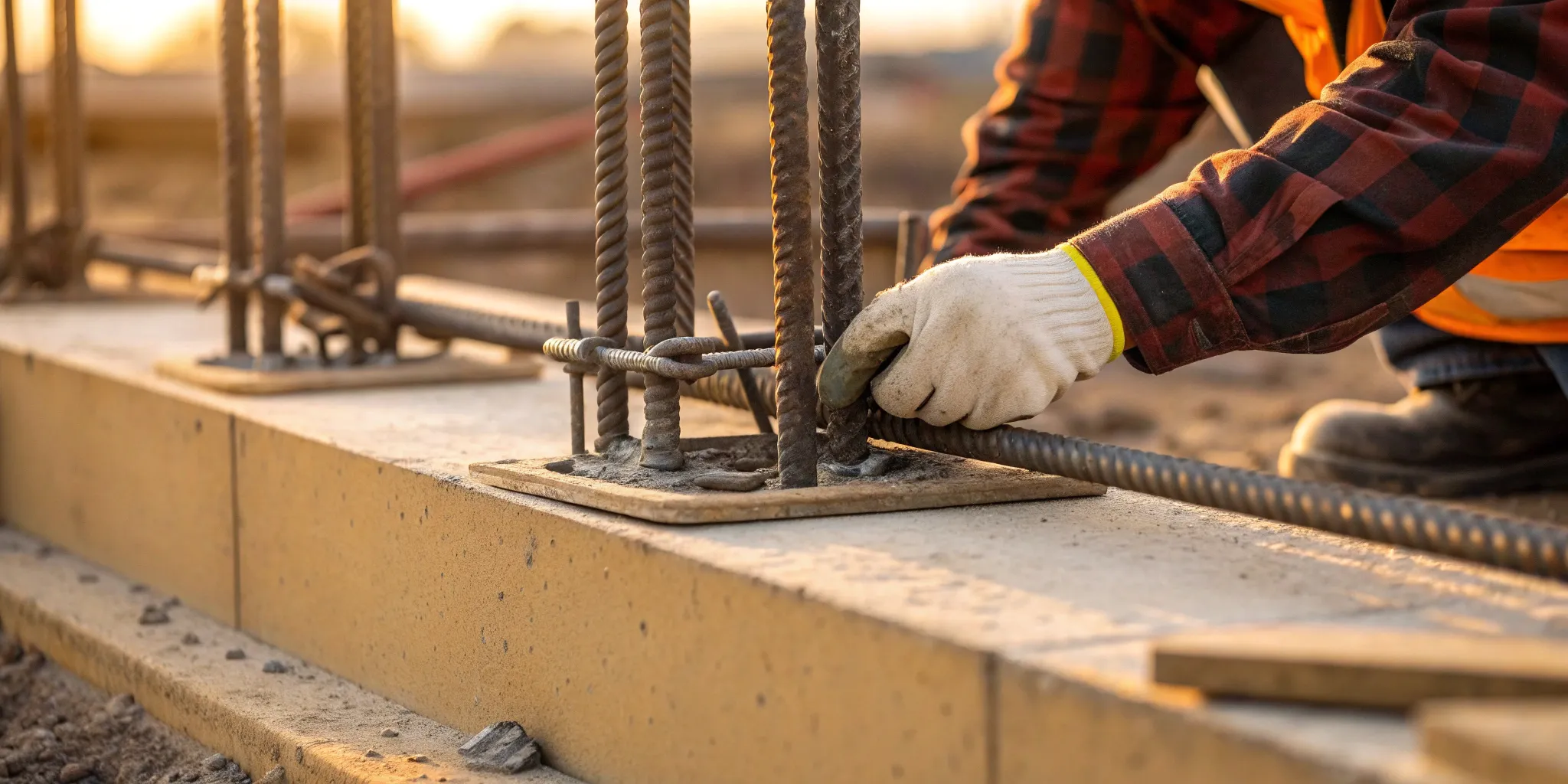
That crack in the drywall that keeps getting bigger. The bedroom door that suddenly refuses to latch. These aren’t just annoying quirks of an aging house; they’re often the first warning signs of a serious foundation problem. When the ground beneath your home shifts or weakens, it can cause the entire structure to settle unevenly. This is where a powerful and precise solution called foundation jacking comes into play. It’s a highly specialized process designed to carefully lift your home back to its original, level position, addressing the root cause of the issue rather than just patching up the symptoms. It’s the definitive way to restore your home’s stability and protect its long-term value.
Key Takeaways
- Look for the Signs and Act Early: Wall cracks, sticking doors, and uneven floors are your home’s way of telling you its foundation is in trouble. Foundation jacking corrects this settlement by lifting the structure, but catching the problem early is the best way to prevent more extensive damage.
- Lifting is Only Half the Battle: A successful repair doesn’t just lift your home; it secures it with permanent supports like steel piers driven deep into stable soil. This is a highly specialized job that requires a qualified professional to ensure it’s done safely and correctly.
- Prioritize a Permanent Fix with a Warranty: Professional foundation repair is a lasting investment in your property’s safety and value, not a temporary patch. Always choose a contractor who stands behind their work with a strong, transferable warranty to guarantee the solution is built to last.
What is Foundation Jacking (And Why You Might Need It)
Foundation jacking, sometimes called house lifting, is a powerful technique used to correct a sinking or settling foundation. Think of it as carefully raising your home back to its original, level position to fix serious structural problems. When a foundation starts to fail, it can cause a ripple effect of issues throughout your entire home, from doors that won’t close properly to cracks in your walls. Foundation jacking gets to the root of the problem, restoring your home’s stability and protecting its long-term value. It’s a highly specialized process that provides a permanent solution, not just a quick fix.
What Causes Foundation Problems?
The ground beneath your home is more active than you might realize. Over time, changes in the soil can cause your foundation to shift and settle. One of the most common culprits is water—heavy rains or poor drainage can oversaturate the soil, causing it to soften and lose its strength. On the flip side, a long drought can make the soil shrink and pull away from the foundation. Other factors include soil erosion, decomposing organic material like old tree roots, or even poor soil compaction from when the house was first built. These issues weaken the ground your home relies on, often leading to the need for professional foundation repair.
Spot the Warning Signs of a Failing Foundation
Your house will usually give you some clear hints that its foundation is in trouble. It’s a good idea to take a walk through your home and look for these tell-tale signs. Do you see cracks spreading across your drywall, especially above door and window frames? Are certain doors or windows suddenly difficult to open or close? You might also notice sloping floors that feel uneven underfoot or see visible cracks in the exterior brickwork or the concrete foundation itself. These aren’t just cosmetic quirks; they’re often symptoms of a deeper structural issue. If you spot any of these warning signs, it’s a good time to call in a professional for an assessment.
How Does Foundation Jacking Actually Work?
Foundation jacking is a very methodical process that lifts your home back into alignment. A team of experts will strategically place powerful hydraulic jacks under your home’s main support beams. With incredible precision, the jacks slowly and uniformly lift the structure, sometimes just a fraction of an inch at a time, until it’s perfectly level. Once the home is in its correct position, permanent supports like push piers and helical piers are installed deep into stable soil to keep it there. This ensures a stable, long-term solution that addresses the root cause of the settlement, rather than just patching up the symptoms.
The Foundation Jacking Process, Step by Step
Lifting a house sounds like a massive undertaking, and in many ways, it is. But it’s also a highly controlled and precise engineering process designed to restore your home’s stability and value. Think of it less as a dramatic hoist and more as a careful, incremental adjustment. The entire procedure is methodical, with each step building on the last to ensure a safe and permanent fix. From the initial analysis to the final inspection, a professional team follows a strict protocol to protect your property’s structural integrity.
The goal of any foundation repair is to address the root cause of the problem, not just the symptoms. Foundation jacking, or house lifting, allows technicians to access the damaged areas, correct the settlement, and install a support system that will prevent future issues. It’s a powerful solution for homes suffering from significant sinking or settling. Let’s walk through exactly what you can expect during this process, from start to finish.
Step 1: The Initial Assessment and Plan
Everything starts with a detailed investigation. Before any work begins, a team of experts will conduct a thorough assessment of your property to understand the full scope of the problem. They’ll inspect the foundation, identify the areas that have settled, and determine the underlying cause, whether it’s soil composition, water issues, or something else. Based on these findings, they create a customized engineering plan. This blueprint outlines exactly how to lift the structure, where to place the hydraulic jacks for even support, and which permanent solutions will provide the best long-term stability.
Step 2: Preparing the Site for the Lift
With a solid plan in place, the next step is to prepare the site. This is all about safety and access. The crew will clear the area around your foundation, creating space for equipment and excavation. To prevent any damage during the lift, all utility lines—including water, gas, electricity, and sewer—are carefully disconnected from the house. The team will then excavate soil from specific points around the foundation to expose the footing. This allows them to place the lifting equipment and install the new, permanent supports directly beneath the structure.
Step 3: Lifting the Foundation
This is the main event, but it happens with incredible precision and care. Using a synchronized system of hydraulic jacks, the team begins to lift the house. The process is extremely gradual. The structure is raised just a fraction of an inch at a time, with technicians constantly monitoring levels to ensure the entire house rises uniformly. This slow, steady approach prevents any undue stress on the building’s frame, walls, and finishes. The goal is to gently return the foundation to its original, level position without causing any secondary damage.
Step 4: Installing Permanent Supports
Once the house is lifted to the correct elevation, it’s time to make the fix permanent. With the foundation raised, the crew has the access needed to install a lasting support system. This often involves driving steel push and helical piers deep into the ground until they reach stable, load-bearing soil or bedrock. These piers act like stilts, transferring the weight of your home off the unstable soil and onto a solid base. Depending on the situation, other repairs like fixing cracks or reinforcing damaged concrete might also be completed at this stage.
Step 5: The Final Inspection
After the new supports are secured, the house is carefully lowered back down until its weight rests entirely on the new pier system. The hydraulic jacks are removed, and the team conducts a final, comprehensive inspection to verify that the structure is level and stable. Once everything checks out, the excavated areas are backfilled, the utility lines are reconnected, and the work area is cleaned up. This final step ensures the repair is successful and your home is secure for years to come.
Your Foundation Support System Options
Once foundation jacking lifts your home, the next step is installing a permanent support system to keep it there. This isn’t a one-size-fits-all solution; the best approach depends on your property’s specific needs, like soil conditions and the weight of your home. Think of it like choosing the right tool for a job—you need the one designed for the task at hand. Let’s walk through the most common and effective options so you can understand what a professional might recommend for your home.
Hydraulic Pier Systems
Hydraulic pier systems, often called push piers, are a powerhouse solution for foundation repair. These steel piers are driven deep into the ground using hydraulic pressure until they reach stable, load-bearing soil or bedrock. Because hydraulic jacks use fluid pressure for powerful, precise lifting, they are especially effective for heavier structures or situations where a significant lift is needed to get your foundation back to its original position. This method provides incredible stability by transferring the weight of your home from unstable soil to a solid, reliable base far below the surface.
Helical Pier Systems (Screw Piles)
Helical piers, sometimes known as screw piles, work a bit like giant screws. They consist of a steel shaft with helical plates that are screwed deep into the ground until they hit stable soil. This design allows them to provide excellent stability and support for a wide range of structures. They are incredibly versatile and are a great choice for both foundation repair and new construction projects, especially in soil conditions that might not be suitable for other types of piers. By anchoring deep into competent soil, they ensure your foundation has a firm and lasting footing.
How to Choose the Right System
So, how do you know which system is right for you? The honest answer is that you don’t have to figure it out alone. A professional foundation specialist will make that determination after a thorough assessment of your property. They’ll analyze your soil composition, the weight of your home, and the specific foundation issues you’re facing. It is crucial to identify and address foundation issues in their early stages to minimize repair costs and preserve your home’s structural integrity. The goal is to choose a system of push and helical piers that provides the exact support your property needs.
Solutions for Long-Term Stability
It’s natural to wonder if foundation repair is just a temporary patch. The good news is that when done correctly, it’s a permanent fix. When installed correctly, foundation repair systems can keep your home stable for many decades, ensuring that your investment is protected and that your home remains safe and secure. Professional-grade support systems are designed to last. At Bristol FX, we stand by our work with extensive warranties, including lifetime warranties on pier installations, because we believe in providing solutions that truly solve the problem for good.
Breaking Down the Cost and Value
Thinking about the cost of foundation repair can feel overwhelming, but it’s helpful to frame it as an investment in your property’s safety and long-term health. A solid foundation is essential for your home’s structural integrity, and addressing problems early is always more cost-effective than waiting for them to get worse. The final price tag depends on several factors, but understanding them can help you see the full picture.
When you get a quote, you’re not just paying for materials and labor; you’re paying for expertise, specialized equipment, and a permanent solution that protects your most significant asset. A professional foundation repair stops existing damage in its tracks and prevents a cascade of other issues, like cracked drywall, sticking doors, and plumbing problems. Let’s break down what goes into the cost and why it’s one of the most important investments you can make in your home.
What Factors Influence the Price?
The cost of foundation jacking and repair can vary quite a bit because every home and situation is unique. On average, you might expect to pay between $2,200 and $8,100, but minor repairs could be less, while extensive structural work can be more. The primary factors that determine your final cost include the severity of the damage, the size of your home, and the specific repair method required. For example, installing a few piers under one corner of the house will cost less than lifting an entire wall. The accessibility of the foundation also plays a role; working in a tight, hard-to-reach crawl space often requires more time and labor.
How Foundation Repair Protects Your Investment
Addressing foundation issues is about more than just fixing a crack—it’s about preserving your home’s value. A compromised foundation can scare off potential buyers and significantly lower your property’s market price. By investing in a professional repair using permanent solutions like push and helical piers, you are protecting your home’s structural integrity for the long haul. Catching and correcting problems early prevents them from spreading and causing more expensive damage throughout your home. It’s an investment that provides not only a solid return but also invaluable peace of mind.
Your Financing Options
Once you receive a quote, it’s a good idea to talk directly with your contractor about payment. While foundation repair is a necessary expense, many professional companies understand it’s a significant one and can walk you through the process. Be sure to ask about payment schedules or any available financing options they might offer. Given the complexity and risks involved, this is not a project to cut corners on or attempt yourself. Professional crawl-space repairs and foundation work require specific expertise and equipment to ensure the job is done safely and correctly the first time.
Does Insurance Cover Foundation Jacking?
This is one of the most common questions homeowners have, and the answer is usually no. Most standard homeowners’ insurance policies do not cover foundation damage caused by soil settlement, expansion, or natural shifting over time, as these are typically considered maintenance issues. However, there are exceptions. If the foundation damage is a direct result of a covered peril—like a burst pipe, fire, or tornado—your policy may cover the repairs. Proactive measures like professional waterproofing can also help prevent some of the water-related issues that lead to foundation trouble in the first place.
Key Factors for a Successful Repair
Lifting a house is a major project, and its success depends on more than just the equipment used. A lasting repair addresses the root cause of the problem, not just the symptoms. To ensure your home is stable for decades to come, a professional team will look at several critical factors before the work even begins. Understanding these elements will help you see why a thorough, scientific approach is the only way to truly protect your investment.
Why Soil Conditions Are So Important
The ground beneath your home is the ultimate source of its stability—or instability. Many foundation issues start here. Over time, the soil can shift and weaken due to things like heavy rains, erosion, or even decomposing tree roots from long-gone trees. When the soil can no longer support the weight of your house, it begins to sink and settle. That’s why a successful repair starts with a deep understanding of the soil composition on your property. A professional assessment will determine if the soil needs to be strengthened with solutions like polyurethane geotechnical foam or if we need to bypass the weak soil entirely by driving piers down to solid bedrock.
Assessing Your Property’s Structure
Before lifting anything, a structural expert needs to perform a detailed evaluation of your home. This goes beyond just noticing the obvious warning signs like wall cracks, uneven floors, or doors that no longer close properly. The goal is to map out exactly how the foundation has settled and create a precise plan to lift it safely and evenly. This assessment identifies the specific stress points and determines the best locations for placing jacks and permanent supports. A careful, well-documented plan is the blueprint for a successful lift, ensuring the process corrects the existing damage without creating any new structural problems. This is a core part of any professional foundation repair project.
Environmental and Climate Considerations
Your home doesn’t exist in a bubble. It’s constantly affected by the surrounding environment and local climate. The soil under your foundation expands when it’s wet and shrinks when it’s dry, a cycle that puts continuous stress on the structure. Heavy rainfall, seasonal droughts, and poor drainage can all contribute to foundation movement over time. A comprehensive repair plan takes these external factors into account. This often means that in addition to lifting the foundation, it’s wise to implement a long-term waterproofing and drainage management strategy to prevent water from causing the same problems all over again.
Safety First: Job Site Requirements
Foundation jacking is absolutely not a DIY project. Lifting a structure that weighs many tons is an incredibly complex and potentially dangerous process that requires specialized training, skills, and equipment. A professional team follows strict safety protocols to protect both the crew and your property from harm. Every step, from excavating the site to the synchronized lifting process, is handled with meticulous care to avoid structural damage or personal injury. When you hire an experienced contractor, you’re not just paying for the repair itself—you’re investing in the peace of mind that comes from knowing the job is done safely and correctly by people who use professional-grade tools like push and helical piers.
How to Choose the Right Contractor
Foundation jacking is a highly specialized job that directly impacts the structural integrity of your home or building. This isn’t the time to call a general handyman or attempt a DIY solution—the risks of causing further, more expensive damage are simply too high. Choosing the right contractor is the single most important decision you’ll make in this process. A qualified professional brings not only the right tools and materials but also a deep understanding of soil mechanics, structural engineering, and local building codes.
The right team will conduct a thorough assessment, create a precise plan, and execute the lift safely and effectively. They’ll also be properly insured, protecting you from any liability, and will stand behind their work with a solid warranty. Think of it as hiring a surgeon for your home; you want a specialist with a proven track record of success. Taking the time to vet your options carefully ensures you’re investing in a permanent, reliable solution that protects your property for years to come. We’ll walk through the key things to look for to help you find a trustworthy partner for your foundation repair project.
Look for Qualifications and Experience
When you’re searching for a contractor, prioritize specialists over generalists. You want a company whose primary business is foundation work, not one that offers it as a side service. Look for a team with years of hands-on experience specifically with foundation jacking and stabilization in your region. They’ll have the necessary training and a nuanced understanding of local soil conditions, which can dramatically affect the project’s success. A seasoned crew knows how to anticipate challenges and can adapt their approach to ensure a safe and accurate lift. Don’t hesitate to ask about their team’s qualifications and how many projects like yours they’ve completed.
Check for the Right Equipment
Professional foundation jacking requires highly specialized equipment that a general contractor simply won’t have. This includes unified hydraulic lifting systems that ensure the structure is raised evenly, preventing cracks and other damage. It also involves using high-strength steel supports like push piers and helical piers for permanent stabilization. A contractor’s investment in the right tools is a clear indicator of their commitment to quality and safety. When a company uses the correct, industry-standard equipment, it shows they have the resources and expertise to handle the job correctly from start to finish, ensuring a precise and lasting repair.
Verify Their Insurance and Warranties
Never hire a contractor without verifying they have comprehensive insurance. This should include general liability coverage to protect your property from accidental damage and workers’ compensation to cover their crew in case of injury on your property. Ask for a certificate of insurance and don’t be afraid to call the provider to confirm the policy is active.
Equally important is the warranty. A reputable company will stand behind its work with a strong, long-term, and transferable warranty. This is your assurance that they’ve provided a permanent solution. For example, Bristol FX offers lifetime warranties on pier installations, which is the gold standard in the industry and a testament to the quality of the work we provide.
Questions You Should Always Ask
Before you commit to a contractor, it’s essential to ask the right questions to gauge their expertise and professionalism. Having a list ready helps you compare different companies and make an informed decision. A trustworthy contractor will be happy to provide clear, detailed answers.
Here are a few key questions to start with:
- How many years have you specialized in foundation repair?
- Can you provide references or show me examples of past projects similar to mine?
- What specific solution do you recommend for my property, and why is it the best option?
- Are you fully licensed and insured for this type of work in my city?
- What does your warranty cover, how long does it last, and is it transferable?
- Who will be the project manager, and how will you communicate with me during the repair process?
Keep Your Foundation Strong: A Maintenance Guide
Taking care of your home’s foundation doesn’t have to be complicated. A little proactive maintenance can go a long way in preventing small issues from turning into major, expensive headaches. Think of it as a regular health check-up for your property. By staying on top of a few key areas, you can protect your home’s structural integrity and your peace of mind. This guide breaks down the simple, actionable steps you can take to keep your foundation in top shape for years to come. It’s all about knowing what to look for and how to manage the elements around your home.
Your Regular Inspection Checklist
Set aside time once or twice a year to walk around and inside your property with a critical eye. Look for tell-tale signs that your foundation might need help. Inside, check for new cracks in drywall, especially over doorways and windows. See if any doors or windows have become difficult to open or close, as this can indicate a shift in the frame. Uneven or sloping floors are another major red flag. Outside, inspect the visible concrete of your foundation for cracks or crumbling. Catching these issues early is the key to a straightforward foundation repair and can save you significant stress and money down the line.
Manage Moisture and Water Runoff
Water is the number one enemy of a healthy foundation. The soil surrounding and supporting your home expands when it’s wet and shrinks as it dries. This constant cycle of change puts immense pressure on your foundation walls. Heavy rains can oversaturate the ground, softening the soil your home relies on for support. Make sure your gutters are clean and free of debris so they can function properly. Check that your downspouts extend at least five feet away from your house, directing all that roof runoff away from the foundation. Proper waterproofing is your first line of defense against moisture-related problems.
Improve Your Property’s Drainage
Good drainage is essential for foundation health. The ground around your home should gently slope away from the foundation, not toward it. This ensures that rainwater and melting snow flow away from your property naturally. If you notice water pooling near your house after it rains, you may have a grading issue that needs to be addressed. It’s also wise to be mindful of your landscaping. Avoid planting large trees or shrubs too close to your home, as their root systems can grow aggressively and exert pressure on the foundation, leading to cracks and displacement over time.
Simple Steps to Prevent Future Problems
Being proactive is the best strategy. If your regular inspections turn up anything concerning—even a small crack that seems to be growing—it’s time to call in a professional. An expert can assess the situation, determine the root cause, and recommend the right solution before the damage gets worse. Ignoring foundation problems won’t make them go away; it only allows them to escalate, potentially compromising your home’s entire structure. Timely crack injection and corrosion repair can stop a minor issue in its tracks and is far less disruptive than a major structural lift later on.
Foundation Jacking: Myths vs. Facts
When you hear the term “foundation jacking,” it’s easy to picture a massive, complicated, and messy ordeal. A lot of homeowners worry about the disruption, the cost, and whether the fix will even last. It’s a big job, and it’s completely normal to have questions and concerns. Unfortunately, there’s a lot of misinformation out there that can make the process seem more intimidating than it needs to be. Let’s clear the air and separate the common myths from the facts.
Understanding what’s really involved in professional foundation repair can help you feel more confident about your decisions. The truth is, modern foundation jacking is a precise, engineered process designed to provide a permanent solution with minimal disruption to your life. It’s not about creating a bigger problem; it’s about protecting your most valuable asset. We’ll walk through some of the biggest misconceptions and give you the straightforward facts you need to know.
Myth: The Process is Messy and Takes Forever
Many people imagine their yard being torn up for weeks on end, with dust and debris everywhere. While foundation repair is a serious construction project, a professional team works to make it as clean and efficient as possible. The process is methodical: it involves a careful assessment, preparing the site, strategically placing jacks, slowly lifting the structure, and installing permanent supports. A reputable crew will always prioritize keeping the job site tidy and will perform a thorough cleanup once the work is complete, leaving your property in great shape.
Myth: You Can Save Money by Doing It Yourself
The idea of a DIY foundation lift might seem like a way to cut costs, but it’s incredibly dangerous and can lead to catastrophic mistakes. Lifting a house requires a deep understanding of structural engineering, soil mechanics, and the proper use of specialized hydraulic equipment. Without this expertise, you risk causing more severe damage to your foundation, cracking walls, or even creating an unsafe collapse. As experts at Bay Crawl Space note, trying to lift your home yourself is a recipe for disaster. Hiring a licensed professional is the only way to ensure the job is done safely and correctly.
Fact: It’s a Permanent, Long-Term Solution
Foundation jacking isn’t a temporary patch. When done correctly by professionals, it’s a permanent fix that addresses the root cause of the settlement. Modern systems like push piers and helical piers are engineered to transfer the weight of your home to stable, load-bearing soil deep underground. These steel supports are designed to last for the life of the structure. That’s why we can offer a lifetime warranty on our pier installations—we stand by our work because we know it’s built to provide stability for decades to come.
Fact: Professional Work Adds Lasting Value
Investing in professional foundation repair is one of the smartest moves you can make for your property. It does more than just fix existing problems like sticky doors and cracked walls; it protects the long-term structural integrity of your entire home. A stable foundation is a huge asset, and having documented, warrantied repair work from a reputable company provides peace of mind for you and any future buyers. It shows that the home has been properly cared for and that its core structure is secure, preserving and often increasing its market value.
Related Articles
Frequently Asked Questions
Will I have to move out of my house during the foundation jacking process? For most projects, you can absolutely stay in your home. The work is primarily focused on the exterior and the crawl space or basement, so the disruption to your daily life is minimal. The crew manages the process from outside, and while utilities may be briefly disconnected for safety, your contractor will coordinate everything with you to make it as seamless as possible.
Does lifting the foundation also fix the cracks in my walls and sticking doors? Yes, in many cases it does. As the foundation is carefully returned to its original, level position, the structural stress that caused those secondary issues is relieved. You’ll often see wall cracks close up and find that doors and windows that were once stuck now operate smoothly again. Some minor cosmetic touch-ups might be needed afterward, but the root cause of the problem will be solved.
How long does a typical foundation repair project take from start to finish? The timeline really depends on the scope of the work. A more straightforward repair on a section of your home might only take a few days. A larger, more complex project that involves lifting a significant portion of the structure could take a week or more. After the initial assessment, your contractor will be able to give you a clear and realistic schedule.
Is the process noisy or disruptive to my yard? You can expect a normal level of construction noise during working hours, but a professional team works hard to be as efficient and considerate as possible. While some excavation is necessary to access the foundation, the crew will keep the work area contained. Once the job is done, they will backfill the excavated areas and perform a thorough cleanup, leaving your property looking great.
What happens if I just ignore the warning signs and wait to fix my foundation? Waiting is one of the riskiest things you can do. Foundation problems never fix themselves; they only get worse over time. A small, manageable issue can escalate into a major structural problem that is far more expensive and disruptive to repair. Acting early protects your home from further damage and is the most cost-effective way to secure your investment.