
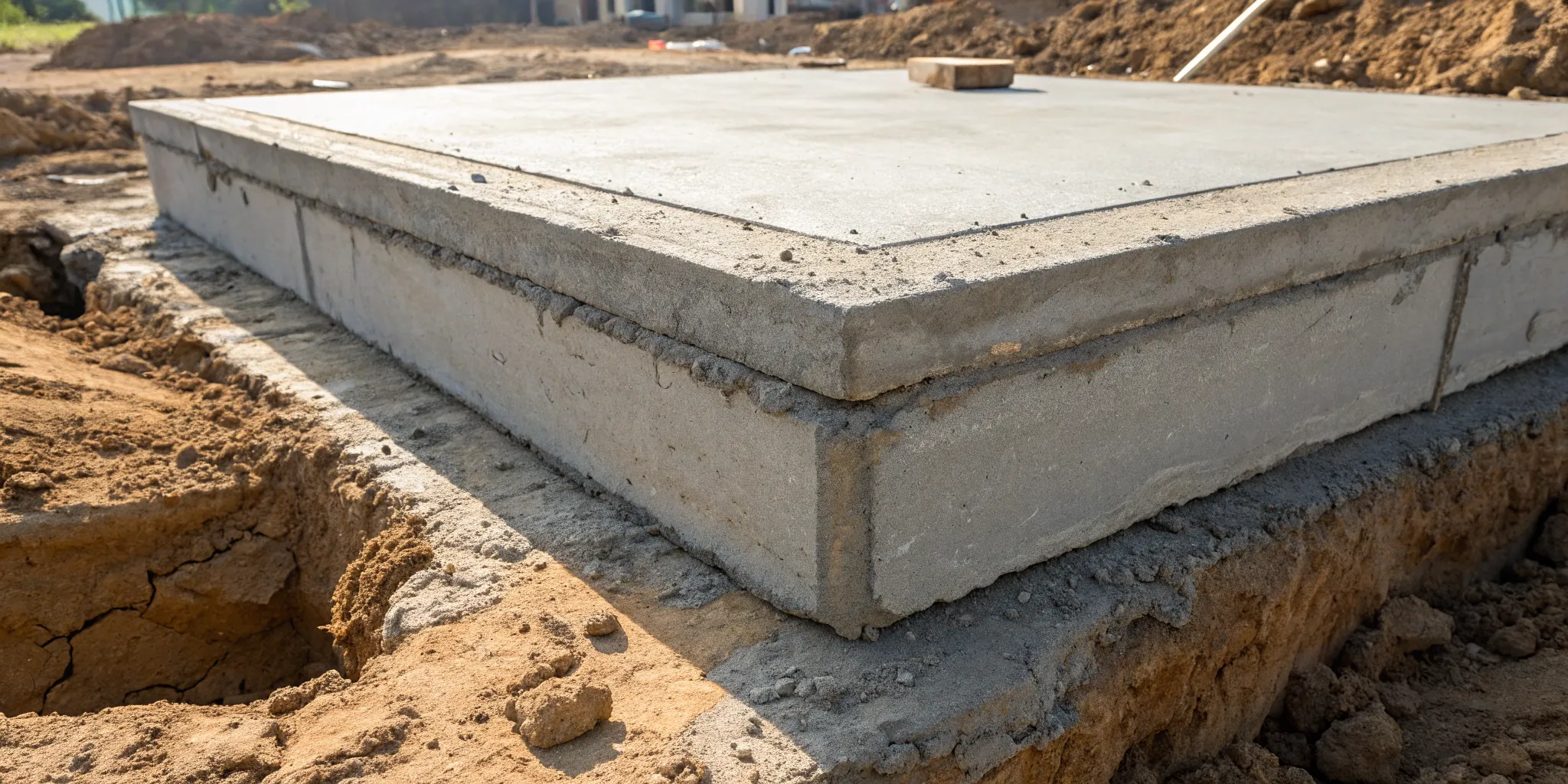
Living in Phoenix means embracing our unique desert climate, from the intense summer sun to the dramatic monsoon storms. But these same conditions create a specific challenge right under our feet. The expansive clay soil common across the valley swells with moisture and shrinks when dry, putting constant stress on your home’s foundation. This isn’t a rare occurrence; it’s a fundamental reality of homeownership here. Understanding these forces and learning to spot the early warning signs of trouble is the first step in protecting your property. This guide will walk you through what to look for and explain why specialized, expert foundation repair in Phoenix, AZ, is so critical for a lasting solution.
Key Takeaways
- Inspect Your Home for Early Warning Signs: Phoenix’s expansive soil puts constant stress on your foundation. Proactively look for tell-tale signs like cracks in drywall, sticking doors, and uneven floors to prevent small issues from becoming major, costly repairs.
- An Accurate Diagnosis Determines the Right Repair: Foundation issues don’t have a one-size-fits-all solution. An expert assessment is essential to pinpoint the root cause and recommend the correct method, whether it’s installing piers, injecting foam, or applying waterproofing.
- Choose Your Contractor Carefully to Protect Your Investment: The right partner is critical. Prioritize licensed contractors with proven experience in Arizona’s unique soil, insist on a detailed written proposal, and verify they offer a strong, transferable warranty to safeguard your home’s value.
Spotting Foundation Problems in Phoenix
As a homeowner in Phoenix, you know our climate is unique. The intense sun and dramatic monsoon seasons that define our desert lifestyle also create specific challenges for our homes, starting from the ground up. Your foundation bears the brunt of these environmental swings. Understanding the early warning signs of trouble is the first step in protecting your property. These issues rarely fix themselves; they tend to get worse and more expensive over time. Learning to spot the subtle (and not-so-subtle) clues can save you a significant amount of stress and money down the road.
How Phoenix Soil and Climate Affect Your Foundation
The ground beneath our feet is the primary reason so many Phoenix homes face foundation trouble. Much of the valley is built on expansive clay soil. Think of this soil like a sponge: during our monsoon season or periods of irrigation, it absorbs water and swells. Then, during our long, dry spells, it shrinks and hardens. This constant cycle of expansion and contraction forces your foundation to move, leading to uneven settling. This process, known as differential settlement, puts immense stress on your home’s structure. It’s a unique environmental factor that causes problems that are often misdiagnosed by general contractors, making expert foundation repair essential.
Key Warning Signs of Foundation Damage
Foundation problems aren’t always dramatic. They often start small, so it pays to keep an eye out for changes around your home. Take a walk through your property and look for these common red flags:
- Cracks in Walls or Floors: Look for jagged cracks in drywall, especially over doorways and windows, or cracks in your concrete slab or tile flooring.
- Sticking Doors and Windows: When a foundation shifts, it can warp the frames of your doors and windows, making them difficult to open and close.
- Uneven Floors: Do you notice a slope or dip in your floors? You might feel it as you walk or see a gap between the floor and your baseboards.
- Exterior Cracks: Check your home’s exterior for cracks in the foundation itself or in the brick or stucco walls.
When to Call a Professional Immediately
If you notice one or more of the signs above, it’s time to call for a professional opinion. While a tiny hairline crack might just be cosmetic, you should never guess when it comes to your home’s structural integrity. You should contact an expert right away if you see cracks that are widening, horizontal cracks in your foundation wall, or a combination of issues, like sticking doors and sloped floors. A professional assessment is the only way to understand the root cause and severity of the problem. An expert can determine if you need a simple crack injection or a more comprehensive solution.
Why You Shouldn’t Wait to Make Repairs
It can be tempting to take a “wait and see” approach, but with foundation issues, procrastination is your enemy. A small problem left unaddressed can trigger a domino effect of damage throughout your home. That crack in the drywall can become a major structural failure, and a slightly uneven floor can lead to plumbing leaks and other costly complications. Addressing the issue early with proven methods like push and helical piers is far less disruptive and more affordable than dealing with an emergency repair later. Protecting your home’s value and safety starts with being proactive.
Your Guide to Foundation Repair Methods
Once you’ve identified a potential foundation issue, the next step is understanding the fix. There isn’t a single solution for every problem; the right approach depends entirely on your home’s construction, the soil conditions, and the specific type of damage you’re facing. A professional will conduct a thorough assessment to pinpoint the root cause and recommend the most effective and lasting repair.
Modern foundation repair uses advanced engineering to stabilize and even lift your home back to its original position. These methods are designed to be as minimally invasive as possible while providing a permanent solution. From deep-earth piers that anchor your foundation to stable soil, to specialized foams that lift sunken concrete, each technique serves a unique purpose. Getting familiar with these options will help you have a more informed conversation with a foundation specialist and feel confident in the plan to protect your property. Below, we’ll walk through the most common and effective foundation repair methods used today.
Push Piers
Think of push piers as stilts for your house. These are long, heavy-duty steel pipes that are hydraulically driven through unstable soil deep into the ground until they hit solid bedrock or a stable, load-bearing soil layer. Brackets are attached to your foundation, and the weight of your home is carefully transferred onto the piers. This process not only stabilizes the foundation but can also be used to lift the structure back toward its original level. Push piers are an incredibly strong and permanent solution for homes experiencing settlement due to poor soil conditions. They are one of the most reliable methods for securing your home’s future.
Helical Piers
Helical piers work similarly to push piers but with a key difference: they look like giant screws. These steel piers have helical plates welded to them, allowing them to be twisted into the ground with hydraulic machinery. This design gives them exceptional stability and makes them ideal for a variety of situations, including supporting lighter structures like porches or additions, and for new construction projects where soil stability is a concern. The installation process for push and helical piers is precise and can be monitored to ensure the pier reaches the right depth and capacity. They are a versatile and powerful tool for foundation stabilization.
Polyurethane Foam Injection
If you have a sinking concrete slab—like a patio, driveway, or even a slab-on-grade foundation—polyurethane foam injection is a fantastic solution. This modern technique, also known as poly-lifting or poly-leveling, involves drilling small, dime-sized holes into the sunken slab. A two-part polyurethane geotechnical foam is then injected into the holes. As the components mix, the foam expands, filling any voids beneath the slab and gently lifting it back into place. The process is fast, the foam cures in minutes, and it’s much less invasive than completely replacing the concrete. The material is also waterproof, so it won’t wash away over time.
Slab Leveling and Stabilization
Slab leveling addresses sinking or uneven concrete slabs. A traditional method for this is mudjacking, which involves pumping a slurry of cement, dirt, and water under the foundation to lift it. While it can be effective in the short term, the organic materials in the slurry can break down or wash away over time, often requiring the process to be repeated every few years. Modern methods like the polyurethane foam injection we just discussed offer a more durable and lightweight alternative. By using a stable, waterproof material, polyurethane foam provides a long-lasting fix that supports the slab without adding significant weight to the already unstable soil beneath it.
Repairing Foundation Cracks
Seeing a crack in your foundation can be alarming, but many can be effectively repaired. For non-structural cracks, the primary goal is to seal them to prevent water intrusion, which can lead to bigger problems. For structural cracks that threaten your home’s integrity, the repair is more involved. Professionals often use an epoxy or crack injection process. This involves injecting a high-strength material directly into the crack, which bonds the concrete back together and restores its strength. It’s important to remember that repairing the crack is only part of the solution; you also need to address the underlying cause of the cracking, such as settlement or soil pressure.
Foundation Waterproofing
Water is a foundation’s worst enemy. Persistent moisture can weaken concrete, cause soil to expand and contract, and lead to mold and mildew in your basement or crawl space. Foundation waterproofing is a preventative measure designed to keep water out for good. This can involve several strategies, from applying a waterproof sealant or membrane to the exterior foundation walls to installing an interior drainage system that collects water and directs it away from your home. Improving yard drainage and grading can also make a huge difference. A dry foundation is a stable foundation, making waterproofing a critical part of long-term home maintenance.
How Much Does Foundation Repair Cost?
Let’s talk about the number one question on every homeowner’s mind: the cost. Seeing signs of foundation trouble can be stressful, and it’s natural to worry about your budget. The final price tag for a foundation repair project can vary quite a bit, but understanding the factors involved can help you feel more prepared. Think of it not as just a cost, but as a crucial investment in your home’s safety, stability, and long-term value. A solid foundation is everything, and addressing issues now prevents them from becoming much larger, more expensive problems down the road. Getting a clear picture of the potential costs is the first step toward making a confident decision for your property.
Average Repair Costs in Phoenix
While every project is unique, it helps to have a general idea of what to expect. Nationally, foundation repairs typically range from about $2,200 to $8,100, with an average cost of around $5,100. Minor issues, like sealing a few small cracks, might only cost a few hundred dollars. However, extensive problems that require significant structural work, like installing a series of piers to stabilize a settling home, can climb to $15,000 or even higher. The only way to know for sure is to get a detailed assessment from a professional who can diagnose the root cause of the problem and propose a specific solution for your property.
Factors That Affect the Final Price
Several key factors influence the final cost of your repair. The size of your home and the extent of the damage are the most significant drivers. A small crack requiring a simple crack injection is far less expensive than stabilizing an entire wall with deep-earth push and helical piers. Accessibility is another factor—if crews have to work around extensive landscaping or in tight crawl spaces, it can add to the labor costs. Finally, the underlying soil conditions unique to the Phoenix area can dictate which solutions are most effective and durable, which will also be reflected in the price.
Does Insurance Cover Foundation Repair?
This is a common question, and the answer is usually no. Most standard homeowners’ insurance policies view foundation problems that develop over time—like settling or cracking from soil expansion—as a maintenance issue, which is not covered. However, there are exceptions. If the foundation damage is the direct result of a specific, covered peril, such as a burst pipe that washes away soil or a fire, your policy might cover the repairs. It’s always best to review your specific policy documents and speak directly with your insurance agent to understand what is and isn’t covered before you start any work.
The Investment Value of Foundation Repair
While the initial cost can seem high, a professional foundation repair is one of the most important investments you can make in your property. It protects the structural integrity of your entire home, preventing related issues like cracked drywall, sticking doors, and plumbing damage. A properly repaired foundation also protects your home’s resale value. Potential buyers are often wary of foundation issues, and having the problem fixed—complete with a transferable warranty, which we provide—gives them peace of mind. Addressing the issue head-on is a smart move that secures your property for years to come, whether you plan to stay or sell.
What to Expect During the Repair Process
Facing a foundation repair can feel overwhelming, but knowing what the process involves can make it much more manageable. A professional repair isn’t a one-step fix; it’s a methodical process designed to provide a lasting solution for your property. From the first inspection to the final walkthrough, each stage has a clear purpose. Understanding these steps helps you know what’s happening on your property and why, which can take a lot of the stress out of the situation.
A reputable contractor will guide you through the entire project, but it’s always good to be informed. Generally, the process follows four key phases: a detailed assessment to diagnose the problem, careful planning and permitting, the physical repair work, and finally, guidance on how to care for your foundation moving forward. Let’s walk through what you can expect at each stage.
The Initial Assessment
The first step is arguably the most critical: a thorough and accurate assessment. In Arizona, our unique clay soil and arid climate create complex conditions. In fact, it’s estimated that more than 80% of foundation issues here are initially misdiagnosed. This is why a quick, on-the-spot diagnosis is often a red flag. A true professional will conduct a comprehensive evaluation, collecting data and analyzing the underlying cause of the problem, not just its symptoms. This detailed approach ensures the proposed foundation repair plan is the right one for your home, saving you from ineffective fixes and future headaches.
Planning and Permits
With a correct diagnosis in hand, your contractor will create a detailed repair plan. This is the blueprint for the entire project, outlining the specific methods and materials that will be used to stabilize your home. This could involve anything from installing push and helical piers to address settlement to injecting polyurethane foam for slab support. This is also the stage where your contractor will handle securing any necessary permits from the city of Phoenix. A reputable company will manage this entire process for you, ensuring all work is compliant with local building codes and regulations, giving you one less thing to worry about.
How Long Will Repairs Take?
One of the most common questions homeowners ask is, “How long will this take?” The answer depends entirely on the scope of the work. A minor crack injection might be completed in a single day, while a more extensive project involving pier installation could take a week or more. It’s helpful to remember that foundation damage in Arizona is more common than you might think, so you’re not alone in this process. Your contractor should provide a clear and realistic timeline as part of the project plan, keeping you informed every step of the way so you know exactly what to expect.
Caring for Your Foundation Post-Repair
Once the repair work is complete, the focus shifts to long-term stability. Issues like differential settlement can cause new problems if the conditions that created them aren’t managed. Your contractor should provide clear instructions on how to care for your foundation moving forward. This often includes managing the moisture levels in the soil around your home. Proper drainage and strategic waterproofing can prevent the soil from expanding and contracting, protecting your investment. A strong warranty also provides crucial peace of mind, ensuring the work is guaranteed for years to come.
How to Choose the Right Foundation Contractor
Finding the right contractor is the most important step in your foundation repair journey. This isn’t just about hiring someone to fix a problem; it’s about entrusting them with the structural integrity of your home. A great contractor will not only have the technical skills but will also act as a trusted partner, guiding you through the process with clear communication and respect for your property. Taking the time to vet your options carefully will give you confidence in the work and peace of mind for years to come.
What to Look For in a Company
When you’re evaluating foundation repair companies, look beyond the sales pitch. A truly professional contractor focuses on educating you about the issues with your home. They should be able to explain the cause of the problem and the proposed solution in plain language, helping you understand exactly what needs to be done and why. Look for a company with a proven track record in the Phoenix area, proper licensing and insurance, and positive reviews from local homeowners. The right partner for your foundation repair will build trust by providing transparent information, not by pressuring you into a quick decision. Their goal should be to solve your problem permanently, not just to make a sale.
Key Questions to Ask Before Hiring
Before you sign a contract, it’s essential to ask the right questions to gauge a contractor’s expertise and approach. Since Phoenix has unique soil conditions, you need someone with specific local experience. Start with these questions:
- How long have you been repairing foundations specifically in the Phoenix area?
- Can you explain why you are recommending this particular repair method over others?
- Have you completed projects on homes similar to mine or in my neighborhood?
- Are your teams employees or subcontractors?
- Can you provide a list of recent references I can contact?
Getting clear, confident answers to these questions will help you determine if a company has the right experience, like knowing when to use push and helical piers versus another solution.
Common Red Flags to Avoid
Knowing what to watch out for is just as important as knowing what to look for. Be wary of any contractor who uses high-pressure sales tactics or demands a large cash payment upfront. A major red flag is a vague diagnosis. Given that many foundation issues in Arizona are misdiagnosed due to our unique clay soil and arid climate, you need an expert who truly understands local geology. If a contractor can’t clearly explain their findings or their assessment seems off, trust your gut. A lack of local experience is another warning sign, as an out-of-state company may not be prepared for challenges like hillside stabilization that are common in parts of our region.
Why a Strong Warranty Matters
A warranty is more than just a document—it’s a direct reflection of a company’s confidence in its own work. A reputable contractor will always stand behind their repairs with a solid guarantee. When reviewing a warranty, check if it’s comprehensive and, importantly, if it’s transferable to the next homeowner. This can be a significant selling point if you decide to move. A strong warranty on services like waterproofing or pier installation provides long-term protection and ensures your repair is a durable investment. If a company is hesitant to offer a clear, long-term warranty, consider it a sign that you should look elsewhere.
Comparing Phoenix Foundation Repair Companies
Choosing the right foundation contractor is one of the most important decisions you’ll make for your property. It’s about more than just fixing a crack; it’s about protecting your investment for the long haul. With so many companies in the Phoenix area, it can be tough to know where to begin. The key is to approach it systematically. Start by gathering a list of potential contractors—the ones below are a great starting point—and then do your homework on each one.
A crucial first step is to verify their credentials. You can check that a contractor is licensed, bonded, and in good standing with the Arizona Registrar of Contractors. Also, ask for proof of general liability insurance and workers’ compensation. This protects you from any liability in case of accidents on your property. Once you’ve vetted the basics, it’s time to compare their services and reputations. Look at online reviews on multiple platforms, not just the testimonials featured on their website.
When you’re ready to request estimates, aim for at least three. A detailed, written proposal is non-negotiable. It should clearly outline the proposed repair method, the materials to be used, a project timeline, and a complete breakdown of costs. This allows you to compare offers on an even playing field. Pay close attention to the warranties they offer, as a long-term, transferable warranty shows a company’s confidence in its work. Below, we’ve compiled some information on several Phoenix-area companies to help you get started.
Bristol FX
As a team that lives and breathes foundation science, we focus on providing engineered solutions tailored to your property’s specific needs. We handle a comprehensive range of issues, from installing push and helical piers for stabilization to applying geotechnical polyurethane foam for lifting and leveling. Our expertise also covers critical areas like waterproofing, crawl-space repairs, and hillside stabilization, ensuring a complete approach to your home’s structural integrity. We stand behind our work with some of the industry’s strongest warranties, including lifetime warranties on our pier installations. Our goal is to provide a permanent solution and the peace of mind that comes with it, whether you’re dealing with new construction or repairing an existing foundation.
Arizona Foundation Solutions
A well-known name in the state, Arizona Foundation Solutions provides a wide array of foundation and concrete repair services. One of their most homeowner-friendly offerings is a free, no-obligation initial inspection. This can be a great first step if you’ve just noticed a potential issue and want a professional opinion without an immediate financial commitment. They have experience working on properties throughout Arizona, giving them a broad understanding of the different soil conditions and environmental factors at play. Their team is equipped to handle various problems, making them a versatile option for homeowners looking to get a clear diagnosis and a plan for their foundation repair needs.
Foundation Support Specialists
Foundation Support Specialists is another company you may come across in your search for a Phoenix contractor. When looking into their services, it’s a good idea to visit their website to see their project gallery and learn about their specific areas of expertise. Do they specialize in residential or commercial properties? What types of repair methods do they favor? Look for customer reviews and testimonials that speak to their communication, professionalism, and the quality of their finished work. A strong candidate will have a transparent process and be able to provide clear answers about their experience with foundation issues similar to yours.
Concrete Repairman LLC
Focusing on both homes and businesses, Concrete Repairman LLC has built its reputation on fixing concrete and foundation problems across Arizona. Their stated mission is to ensure properties remain strong and safe, which gets right to the heart of why foundation work is so important. This dual focus on residential and commercial projects suggests they have the equipment and experience to handle a variety of job sizes and complexities. If you’re a business owner or manage a commercial property, their experience in that sector could be a significant advantage. You can explore their specific services to see if their approach aligns with your property’s unique challenges.
Ram Jack Arizona
With a history spanning over 40 years, Ram Jack is a nationally recognized leader in the foundation repair industry. That extensive experience often translates into refined processes and reliable solutions. Their long-standing presence in the market means they have encountered nearly every type of foundation problem imaginable, particularly in challenging soil conditions like those found in Arizona. They serve both residential and commercial clients, offering a range of patented solutions tailored to each property. For homeowners who value a long track record and the backing of a national network, Ram Jack is a formidable contender worth considering for your project.
Dalinghaus Construction
Dalinghaus Construction takes an educational approach, emphasizing that foundation damage is more common in Arizona than many people think. They are a great resource for homeowners who want to understand the root causes of their foundation issues, not just the solution. By explaining the signs of foundation settlement and the importance of acting quickly, they empower you to make informed decisions. This focus on client education can be incredibly helpful, especially if you’re new to foundation repair. Reviewing their resources can give you a better grasp of what’s happening to your home, making you more confident when you discuss potential repairs with any contractor.
Arizona Foundation Repair
As you continue your research, you will likely see Arizona Foundation Repair in your results. When evaluating them, apply the same diligence you would with any contractor. Check their website for a clear list of services—do they offer pier installation, foam injection, or crack repair? Look for information on their service area to ensure they work in your part of Phoenix. Customer testimonials and third-party reviews can provide insight into the client experience they offer, from the initial consultation to the final cleanup. Getting a quote from them will help you compare their proposed solution and costs against others you’ve received.
Related Articles
- “YOU HAVE FOUNDATION PROBLEMS” – Professional Foundation Repair
- 4 Methods To Stabilize a Sinking Foundation – Professional Foundation Repair
- What Factors into Foundation Repair Costs? – Professional Foundation Repair
- 5 Early Warning Signs of Foundation Problems – Professional Foundation Repair
- How Can Weather Affect Your Home’s Foundation? – Professional Foundation Repair
Frequently Asked Questions
Will foundation repair fix the other problems in my house, like sticking doors and wall cracks? Yes, in many cases it will. Issues like sticking doors, uneven floors, and cracks in your drywall are often symptoms of a shifting foundation. When a professional repair, such as lifting the foundation with piers, corrects the underlying settlement, it can realign your home’s frame. This often resolves those secondary problems, allowing doors to swing freely and closing up cosmetic cracks. While some minor drywall touch-ups might still be needed, addressing the root cause is the key to fixing these frustrating issues for good.
How disruptive is the actual repair work? Will I have to move out? For the vast majority of foundation repair projects, you can comfortably stay in your home. Most of the work, like installing piers or injecting polyurethane foam, is done from the outside or in very specific areas. Professional crews are accustomed to working on occupied properties and make it a priority to minimize disruption to your daily life. While you can expect some noise and activity around your home, it’s typically a much less invasive process than people imagine.
My house is only a few years old. How could it already have foundation issues? It’s a common misconception that foundation problems only happen to older homes. Here in Phoenix, the issue is often the expansive clay soil beneath the house, not the age of the structure itself. This soil swells with moisture and shrinks when it dries out, creating movement from day one. If the ground wasn’t properly prepared or the foundation wasn’t designed for these specific conditions during construction, signs of settlement can appear surprisingly quickly.
I only see one small crack. Do I really need a major repair, or can I just watch it? While it’s tempting to monitor a small crack, it’s always wise to get a professional opinion. That crack is a symptom, and the important thing is to understand the cause. An expert can determine if it’s a minor, non-structural issue or the first sign of a larger problem related to settlement. Getting an assessment early gives you a clear picture of what’s happening, allowing you to catch a potential issue when it’s smaller and less expensive to fix, rather than waiting for it to get worse.
Why is a transferable warranty so important? A transferable warranty is a powerful indicator of a contractor’s confidence in their work, and it provides you with two key benefits. First, it gives you long-term peace of mind knowing that the repair is guaranteed for years to come. Second, it protects your home’s resale value. If you decide to sell your home, being able to transfer the warranty to the new owner is a major selling point that shows the foundation has been professionally and permanently secured.