
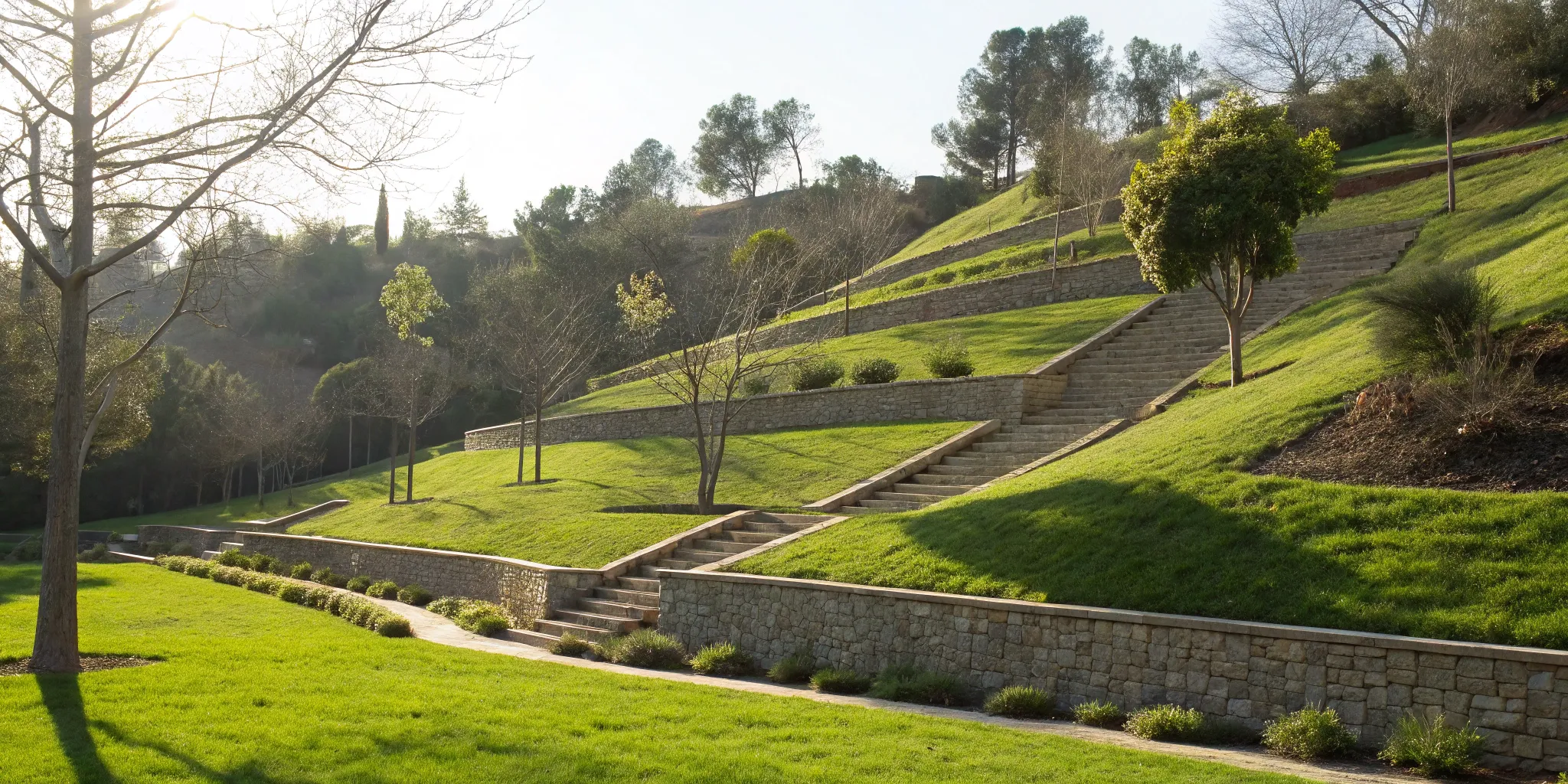
Your home is your most significant asset, and its location on a beautiful LA slope is a huge part of its value. However, that value is only as secure as the land it rests on. Issues like soil erosion and improper drainage can slowly undermine your foundation, leading to costly structural damage and diminishing your property’s worth. Taking a proactive stance is not just a good idea—it’s a crucial part of protecting your investment. This article serves as your complete guide to hillside repair in Los Angeles, breaking down the essential repair methods, what to look for in a qualified contractor, and why addressing these issues early is the smartest financial decision you can make for your home.
Key Takeaways
- Know the Warning Signs: Your property will show you when there’s a problem. Pay close attention to new cracks in walls or soil, sticking doors and windows, and uneven floors, as these are early indicators of shifting ground that require a professional assessment.
- Effective Repair is a Tailored Strategy: There is no single fix for a shifting hillside. A lasting solution requires a custom plan engineered for your specific property, often combining retaining walls, drainage systems, and deep foundation piers to address the root cause of instability.
- Don’t Wait for a Small Problem to Become a Big One: Delaying hillside repairs is a gamble with your home’s safety and value. Acting quickly not only prevents more extensive and costly structural damage but also protects your biggest financial asset and gives you essential peace of mind.
What Causes Hillside Instability in LA?
Living on a hillside in Los Angeles offers incredible views, but it also means your property is in a constant battle with gravity. At its core, hillside instability is a natural process. The earth is always trying to find its flattest, most stable state, which puts steep slopes at a constant risk of erosion and soil movement. The main force behind this is water. Heavy rainfall, common during LA’s wet seasons, saturates the soil, making it heavier and looser. This added weight and reduced friction can cause the ground to shift, slide, or even lead to a landslide.
This doesn’t happen overnight. It’s a gradual process where water slowly erodes the soil, weakening the slope’s structure over time. Think of it like a sandcastle at the beach—a little water helps it hold its shape, but too much will cause it to collapse. For homeowners, understanding these forces is the first step toward protecting your property. Proactive measures for hillside stabilization are designed to counteract these natural forces, securing the ground your home is built on and providing long-term peace of mind.
Common Signs of Hillside Damage
Spotting trouble early can save you a lot of stress and money. Keep an eye out for tell-tale signs both inside your house and on your property. Inside, you might notice new cracks appearing in your walls, floors, or foundation. Doors and windows that suddenly stick or don’t close properly are another major red flag, as are uneven floors or gaps forming around window frames. These often indicate that your home’s foundation is shifting.
Outside, look at the slope itself. Are there new cracks in the soil, especially ones that run parallel to the shape of the land? Have you noticed any bulges, sunken areas, or spots where water is seeping out where it wasn’t before? Soil pulling away from your home’s foundation is another critical sign that requires immediate attention. If you see any of these issues, it’s time to call for a professional foundation repair assessment.
Why LA’s Topography Puts Hillsides at Risk
Los Angeles’s stunning landscape is also what makes it uniquely vulnerable to hillside issues. The region’s specific geography—a mix of steep canyons, rolling hills, and diverse soil types—creates a challenging environment for construction. Some local soils expand significantly when wet and shrink when dry, putting constant pressure on foundations. This, combined with our climate of long droughts followed by intense, concentrated rainfall, creates a perfect storm for soil instability.
Because of these local conditions, a one-size-fits-all approach simply doesn’t work. The stability of a home depends entirely on how well its foundation was designed for the specific plot of land it sits on. This is why building strong new construction foundations engineered for LA’s unique topography isn’t just a good idea—it’s essential for safety and long-term structural integrity.
Your Guide to Hillside Repair Solutions
When you’re dealing with a shifting hillside, there’s rarely a single magic bullet. Instead, a lasting fix usually involves a combination of strategies tailored to your property’s specific needs. Think of it as a comprehensive treatment plan for your land. An experienced engineer will assess the slope, soil, and water flow to determine the right mix of solutions. Here are the most common and effective methods used to secure hillside properties and give you peace of mind.
Retaining Walls
Think of a retaining wall as a structural brace for your hillside. These aren’t your average garden walls; they are engineered structures designed to withstand immense pressure from the soil they hold back. Depending on your slope’s specific challenges, a professional might recommend different types, such as caisson-mounted walls anchored deep into bedrock, conventional walls, or heavy gravity walls that use their own mass for stability. The right hillside stabilization plan will identify the best wall type to provide robust, long-term support and prevent soil from moving down toward your home or yard. A well-built retaining wall is a frontline defense for any hillside property.
Soil Stabilization
Sometimes, the best approach is to work with the land you have. Soil stabilization techniques aim to make the existing ground stronger and less prone to erosion. This can involve regrading, which means carefully reshaping the slope to a gentler, more stable angle. Another powerful and often complementary method is using vegetation. Planting deep-rooted ground cover, grasses, or shrubs creates a natural net that holds the soil together. These roots are fantastic at preventing surface erosion caused by rain and wind, making the entire hillside more resilient over time. It’s a smart way to reinforce your property by working with nature.
Drainage Systems
Water is often the primary culprit behind hillside instability. When soil becomes saturated, it gets heavy and loses its strength, creating the perfect conditions for a landslide. That’s why a proper drainage system is non-negotiable. An expert will design a system to intercept and redirect water away from vulnerable areas. This might include surface drains to catch rainfall, terrace down drains for stepped slopes, or French drains installed underground to capture subsurface water. By effectively managing water flow, you can prevent soil saturation and dramatically reduce the pressure on your hillside and foundation. It’s a critical component of any comprehensive waterproofing and stabilization strategy.
Structural Reinforcement
While managing the hillside is crucial, you also need to ensure your home’s foundation is up to the task. Homes on slopes require specialized support systems to handle the unique stresses of their environment. This is where structural reinforcement comes in. Techniques often involve installing deep foundation elements like push piers or helical piers. These steel piers are driven or screwed deep into the ground until they reach stable, load-bearing soil or bedrock. They act like stilts, transferring the weight of your home off the unstable surface soil and onto solid ground. These piers provide a permanent fix for settling and offer powerful protection against future soil movement.
How to Choose the Right Hillside Repair Contractor
Finding the right person for the job is the most critical step in protecting your home. Hillside repair isn’t a standard construction project; it’s a specialized field that combines geology, engineering, and construction. The contractor you choose will determine the long-term safety and stability of your property. Making an informed decision means knowing what to look for, what to ask, and what to avoid.
What to Look For in a Contractor
Your first filter should be specialization. A general contractor, however skilled, likely lacks the specific expertise needed for complex slope issues. Look for a company whose primary focus is hillside stabilization and foundation work. Check their track record and ask to see examples of similar projects they’ve completed in the Los Angeles area. A reputable contractor will have deep experience with local soil conditions and building codes. Also, inquire about their warranties. A company that stands behind its work with a lifetime warranty on key components, like piers, shows confidence in its methods and materials, giving you essential peace of mind.
Questions to Ask Before You Hire
Once you have a shortlist, it’s time to dig deeper. Don’t hesitate to ask detailed questions to gauge their expertise. Start with, “What is your process for assessing my property’s specific issues?” A thorough site inspection is non-negotiable. Follow up with, “Can you explain the engineering behind your proposed solution?” A good contractor can clearly describe why they recommend certain methods, whether it’s installing push and helical piers or building a retaining wall. Also, be sure to clarify logistics: “Do you handle all the necessary permits?” and “What does your project timeline look like?” This helps set clear expectations from the start.
Red Flags to Watch Out For
Be wary of any contractor who gives you a quote over the phone without a site visit or offers a one-size-fits-all fix. Every hillside property is unique and requires a custom solution. Another red flag is a high-pressure sales pitch urging you to sign a contract immediately. While it’s true that delaying foundation repair can lead to more significant problems, a professional will explain the urgency without causing panic. Be cautious of unusually low bids, as they often signal cut corners, uninsured labor, or subpar materials. Remember, many older LA homes have foundations that weren’t built for modern seismic standards, so the repair must be robust and engineered correctly.
What to Expect During the Repair Process
Facing a major home repair can feel daunting, but knowing what’s coming can make the entire experience much smoother. A professional hillside contractor will guide you every step of the way, but it’s always helpful to understand the key stages of the project. From the first look at your property to the final quality check, the process is designed to be thorough, safe, and effective. It’s not just about fixing a problem; it’s about implementing a long-term solution that protects your home and gives you confidence in its stability.
A good contractor understands that this is your home, and they will keep you informed throughout the project. Communication is key. You should expect clear explanations of the work being done, realistic timelines, and answers to all your questions. The goal is to create a partnership where you feel comfortable and confident in the work being performed. The entire process is broken down into distinct phases, each with its own purpose, to ensure nothing is overlooked. From initial site analysis to final inspection, every action is deliberate and contributes to the structural integrity of your property. Here’s a breakdown of what you can expect when you decide to secure your hillside home.
Step 1: Initial Evaluation and Planning
Every hillside property has its own unique set of challenges, so the first step is always a detailed assessment. A team of experts will visit your home to conduct a comprehensive evaluation of the slope, soil conditions, drainage, and your home’s foundation. This isn’t a quick glance; it’s a deep dive to understand the root cause of the instability. This initial analysis is crucial for developing a targeted repair plan. Based on their findings, they will design a custom solution, whether that involves hillside stabilization, new retaining walls, or advanced drainage systems. This planning phase ensures the right methods are used for a permanent fix.
Step 2: Permits and Regulations
Working on hillside properties in Los Angeles involves a lot of local rules and regulations. Handling the city’s hillside ordinances can be complex, but this is where hiring an experienced contractor really pays off. A team that knows the local requirements will manage the entire permitting process for you. They’ll prepare and submit all the necessary engineering plans and documents to the city, ensuring your project is fully compliant with building codes. This step is essential for making sure the work is done legally and safely, saving you from potential fines and future complications. It’s a critical piece of the puzzle that protects your investment and gives you peace of mind.
Step 3: Construction and Quality Checks
Once the plans are approved, the construction phase begins. This is when the engineered solution is brought to life by a skilled crew. Depending on your property’s needs, this could involve excavating soil, installing push and helical piers to anchor the foundation, or building reinforced structures. The scope of the project will depend on the type of repair needed and the size of the area being addressed. Throughout the construction process, a reputable company will conduct ongoing quality checks to ensure every aspect of the work meets the highest engineering standards. This commitment to quality ensures that the final result is a stable, secure property you can rely on for years to come.
How Much Does Hillside Repair Cost in LA?
Talking about the cost of hillside repair can feel overwhelming because there isn’t a single, straightforward price tag. The final number depends entirely on the unique needs of your property. Think of it less like buying a product off the shelf and more like commissioning a custom solution to protect your home. Several key factors shape the total investment, from the specific repair methods needed to the geological makeup of your land. Understanding these variables will help you see where your money is going and why it’s a crucial investment in your property’s safety and stability.
What Affects the Final Cost?
Three main things determine the final cost of a hillside repair project: the scope of the work, the condition of your property, and the necessary engineering. The size of the area that needs stabilization and the specific hillside stabilization techniques required are the biggest factors. A small, localized issue will naturally cost less than a large-scale project involving extensive earthwork. Your property’s unique geography, including soil type, slope grade, and site accessibility, also plays a significant role. Finally, most legitimate hillside repairs require detailed plans from a geotechnical engineer and permits from the city, which are essential costs for ensuring the work is done correctly and to code.
Typical Price Ranges for Repair Services
Because every project is custom, providing a “typical” price range can be misleading. The cost of a retaining wall, for example, varies widely based on its height, length, and the materials used. A simple wooden wall will have a different price point than a large, reinforced concrete one. Similarly, the cost for solutions like soil nails, caissons, or polyurethane foam injection depends on the depth and quantity needed to secure the slope. The best approach is to get a detailed, on-site evaluation from a qualified contractor. They can assess the specific issues and provide an accurate quote based on a real plan, not just a guess.
Is Hillside Repair a Good Investment?
Absolutely. While the upfront cost can be significant, think of it as a direct investment in your home’s structural integrity and market value. First and foremost, stabilizing a hillside protects your home—your biggest asset—from potentially catastrophic damage, giving you invaluable peace of mind. Beyond safety, these repairs can also increase your property’s value. A secure, stable hillside makes your home more attractive to future buyers. It can also create more usable outdoor space for a garden or patio, a highly sought-after feature in Los Angeles. Investing in proper foundation repair now prevents far more expensive problems down the road.
Why You Shouldn’t Wait on Hillside Repairs
Spotting a crack in your driveway or a new tilt to your retaining wall is unsettling. While it’s tempting to wait and see, this is one of the riskiest things you can do with a hillside property. Small problems can quickly escalate into complex and expensive fixes that threaten your home and finances. Taking action early isn’t just about repair; it’s about protecting your home, your investment, and your peace of mind. Here’s a closer look at why you shouldn’t put off hillside repairs.
Protect Your Home’s Structure and Safety
Your home’s stability starts from the ground up. Properties on slopes are constantly fighting erosion, which can weaken the soil supporting your house. A shifting hillside puts direct stress on your home’s foundation, leading to cracks, uneven floors, and doors that no longer close properly. If you see signs of slope issues, it’s a signal to act before the soil movement causes serious structural damage. Addressing these problems early is the best way to prevent a minor issue from compromising your home’s safety. A secure foundation repair ensures your house remains a safe place for years to come.
Preserve Your Property Value
Your home is a major financial asset, and its hillside location is a big part of its value. However, an unstable slope can be a significant liability that deters buyers and lowers your property’s worth. Investing in professional hillside stabilization is more than an expense—it’s a way to protect your investment. Properly engineered solutions, like retaining walls, not only secure the land but can also create more usable outdoor space for a garden or patio. Ensuring your property meets all local building codes with a solid foundation also makes any future sale much smoother and helps maintain its market value.
Understand the Legal and Insurance Stakes
Ignoring a landslide risk isn’t just a danger to your property; it can have serious legal and financial consequences. If soil from your hillside damages a neighbor’s property, you could be held legally responsible for the repairs. Insurance policies may not cover damage from a lack of maintenance, leaving you with a massive expense. Los Angeles also has strict regulations for sloped land, similar to the codes governing new construction. Steep slopes often require geological reports and detailed plans before work can begin. Tackling these issues proactively with a qualified contractor ensures you remain compliant and avoid potential liabilities.
How to Maintain Your Hillside Property
Living on a hillside offers incredible views, but it also comes with the responsibility of keeping your property stable and safe. Proactive maintenance is your best defense against erosion and soil movement, which can lead to serious structural problems. By staying vigilant and taking a few key steps, you can protect your home and your investment. Think of it as a regular health checkup for your land—a little prevention now can save you from major headaches later.
Create a Regular Inspection Checklist
If your home is on a slope, regularly walk your property to look for early signs of trouble. Catching issues before they escalate is the most effective way to prevent slope erosion from damaging your foundation. Create a simple checklist and inspect your property every few months, especially after heavy rains. Look for new cracks in your driveway or retaining walls, and check for leaning fences or trees, which can indicate shifting soil. Also, keep an eye out for bulging ground at the base of the slope. Documenting these changes helps you track their progression and know when it’s time to seek a professional foundation repair assessment.
Simple Preventative Measures You Can Take
A few simple landscaping and maintenance habits can make a huge difference in soil stability. One of the best things you can do is plant native ground cover, shrubs, or grasses. The root systems of these plants act like a natural net, holding the soil together and reducing erosion. Another critical factor is managing water, as poor drainage is a major contributor to hillside instability. Make sure your gutters are clean and that downspouts direct water away from your foundation and the slope. Proper waterproofing and drainage strategies are essential for any hillside home.
When to Call an Expert
While DIY maintenance is important, you need to know when to call for professional help. If you notice any sudden or dramatic changes—like a retaining wall that’s starting to lean, visible soil slippage, or cracks that are rapidly getting wider—contact an expert immediately. Don’t wait for the problem to get worse. Even if a slope seems minor, it’s wise to get a professional site inspection to ensure your home is properly reinforced. A specialist can assess the underlying geology and drainage in a way an untrained eye cannot. An expert in hillside stabilization can provide a clear evaluation and recommend the right solutions to secure your property.
Top Hillside Repair Companies in Los Angeles
Finding the right contractor is the most important step in protecting your home. You need a team with proven experience handling LA’s challenging terrain. To help you get started, I’ve put together a list of some of the top hillside repair companies in the Los Angeles area. Each has a solid reputation for quality work, but they all have slightly different areas of focus. This list will give you a great starting point for your research and help you find the perfect partner for your project.
Bristol FX
As a leading provider of engineered solutions, Bristol FX brings a scientific approach to every project. The team specializes in comprehensive hillside stabilization, using advanced techniques like push and helical pier installation, polyurethane geotechnical foam, and robust waterproofing systems to address the root cause of instability. What really sets them apart is their commitment to long-term security, backed by extensive warranties, including lifetime warranties on pier installations. They handle everything from initial assessment to final construction for both residential and commercial properties, ensuring your home is built on a foundation of safety and expertise. Their focus on cutting-edge methods makes them a go-to for complex hillside challenges.
Alpha Structural
Alpha Structural has built a strong reputation as one of the top hillside repair contractors in Los Angeles. They focus on slope repair and reinforcement, with an emphasis on ensuring homes are safe from issues caused by soil movement and poor drainage. Their team has deep expertise in hillside construction, making them a trusted name for homeowners who need to address slope stability. If you’re dealing with visible land movement or have concerns about your property’s grading, their specialized services are designed to provide a stable and secure solution for your home.
Foundation Repair LA Inc.
Recognizing that homes on sloped land face unique challenges, Foundation Repair LA Inc. specializes in the custom systems needed for these properties. They have a deep understanding of the region’s geology and how soil movement, seismic activity, and water drainage can impact a home’s stability. Their services are centered around creating and repairing hillside foundations that are specifically designed to withstand these pressures. For homeowners whose properties require a specialized foundation approach, this company offers targeted expertise to ensure long-term safety and structural integrity on LA’s varied terrain.
Sinai Construction
For homeowners concerned with project timelines and budgets, Sinai Construction is a name to know. They offer slope and hillside repair services across Los Angeles with a clear focus on efficient project management. Their commitment is to complete projects correctly the first time, helping you avoid future headaches and expenses. This focus on quality and reliability provides peace of mind during what can be a stressful process. If you’re looking for a contractor who prioritizes getting the job done on schedule and within budget, their approach to slope repair is worth considering.
Dalinghaus Construction
Dalinghaus Construction is another reliable choice, bringing extensive experience in foundation repair to their hillside stabilization projects. They offer a wide range of services designed to address the specific challenges that come with owning a hillside property in Southern California. Their team is known for tackling complex foundation issues, making them well-equipped to handle repairs related to soil instability and structural support. Homeowners looking for a contractor with a strong background in all aspects of foundation repair will find their expertise valuable when securing their hillside home.
Related Articles
- What You Need to Know About Downhill Creep – Bristol FX
- Hillside Stabilization – Professional Foundation Repair
- Foundation Repair – Professional Foundation Repair
- Hillside Creep: Protect Your Home
Frequently Asked Questions
How do I know if a crack in my wall is a normal settling crack or a sign of a serious hillside problem? This is a question I get all the time. While small, hairline vertical cracks can be part of a home’s normal settling process, the cracks that signal slope issues are usually more aggressive. Look for cracks that are diagonal, jagged, or wider than a quarter-inch. If a crack is actively growing, or if it’s accompanied by other signs like sticking doors, uneven floors, or gaps around window frames, it’s a strong indicator that the ground beneath your home is shifting. The only way to be certain is to have a professional come out for an assessment.
Will my homeowner’s insurance cover the cost of hillside repairs? Unfortunately, most standard homeowner’s insurance policies do not cover damage caused by earth movement, such as soil erosion or landslides. These events are often specifically excluded. While you should always review your policy and speak with your insurance agent, it’s wise to assume that this will be an out-of-pocket expense. Think of it as a necessary investment in your home’s safety and structural integrity, one that prevents far more costly damage down the line.
Can I live in my house while the repairs are being done? In most cases, yes. The majority of hillside stabilization work, such as building retaining walls or installing piers, happens outside the home. While you should expect noise and activity from the construction crew on your property, the disruption to your daily life inside is often minimal. A professional contractor will always communicate clearly about the project schedule and let you know if any part of the work will require temporary access to your home or cause significant disturbances.
You mentioned planting vegetation. Is that enough to secure my slope, or do I need something more? Planting deep-rooted vegetation is a fantastic strategy for preventing surface erosion from wind and rain, and it’s a key part of long-term slope maintenance. However, it is not a substitute for addressing deeper geological instability. If the soil itself is shifting or sliding, a plant’s root system won’t be enough to stop it. Think of vegetation as a complementary measure that works alongside engineered solutions like retaining walls or deep foundation piers, which are designed to fix the underlying structural problem.
How long does the whole repair process usually take, from the first call to the finished project? The timeline for a hillside repair project varies greatly depending on the complexity of the job. The process generally has three phases: evaluation, engineering and permitting, and construction. The initial assessment is quick, but the engineering design and city permitting phase can sometimes take several weeks or even months, as it requires thorough planning and official approvals. The actual construction can range from a week for a straightforward job to several weeks for a large-scale project. A good contractor will provide a realistic timeline after their initial evaluation.