
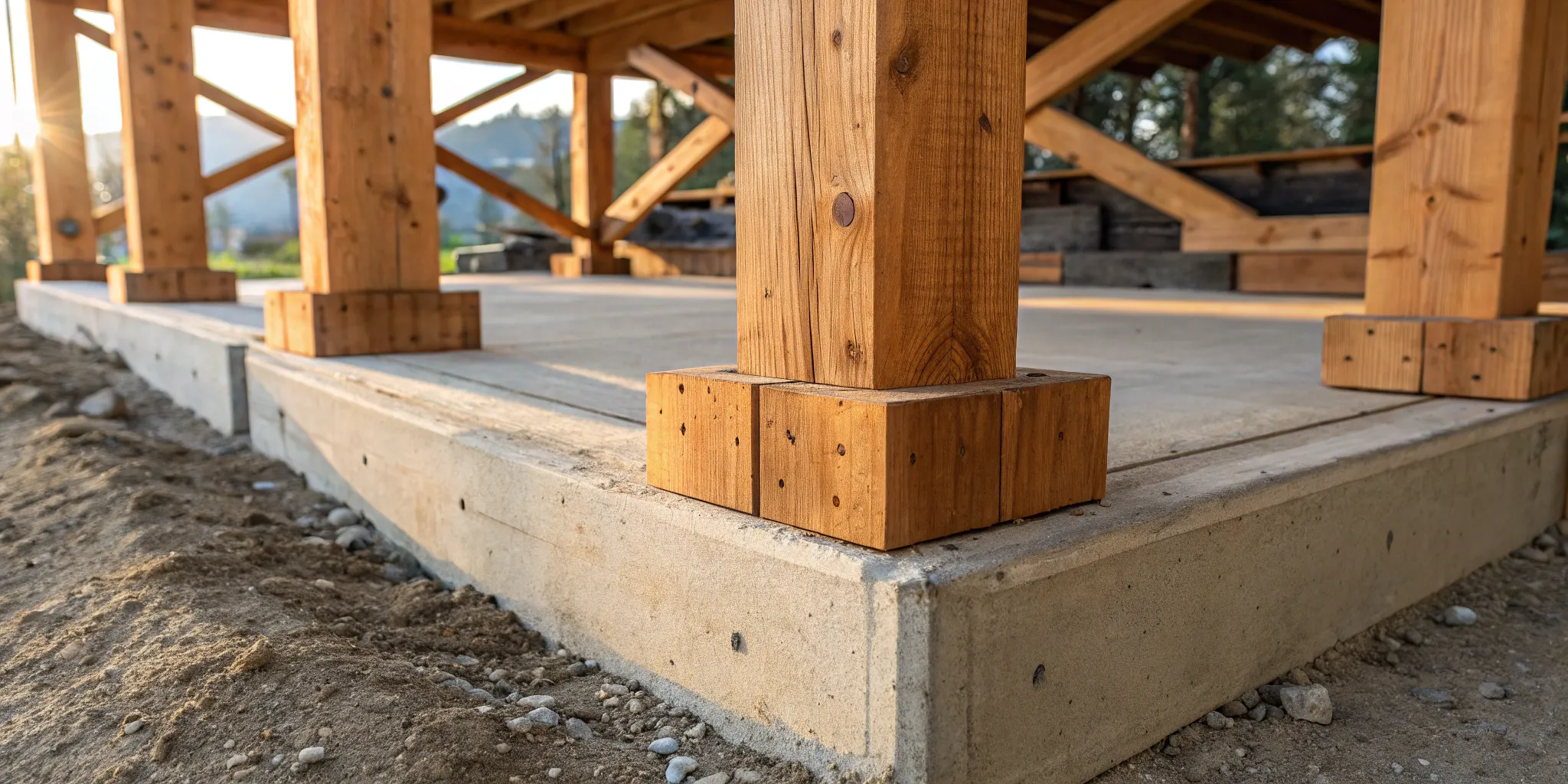
Choosing a foundation is one of the most important decisions you’ll make for your home, with consequences that last for decades. It’s not just about what holds your house up; it’s about future-proofing your investment against costly repairs and maintenance headaches. A post and beam foundation is a prime example of building with the long-term in mind. By elevating the structure on a series of piers and beams, it creates an accessible crawl space that simplifies everything from plumbing fixes to electrical upgrades. While it may have a different cost profile than a standard slab, its true value is revealed over the life of your home. This guide explores the benefits, potential downsides, and maintenance needs to help you understand if this practical, forward-thinking foundation is the right fit for you.
Key Takeaways
- A Smart Solution for Sloped or Uneven Land: This foundation is an excellent choice for tricky properties because it adapts to the landscape, saving you from the high costs and disruption of major excavation required for other foundation types.
- The Crawl Space is a Practical Trade-Off: You gain fantastic access for future repairs and utility work, but you must actively manage the space with proper waterproofing and ventilation to prevent moisture and pest problems from taking hold.
- Success Depends on a Professional Build: The long-term performance of a post and beam foundation relies on expert analysis of your soil, climate, and local codes to ensure it’s designed and constructed for lasting stability.
What Is a Post and Beam Foundation?
If you’ve ever seen a house that seems to float slightly above the ground, you might be looking at a post and beam foundation. Unlike a concrete slab that sits directly on the earth, this system uses a series of posts and beams to create a sturdy frame that elevates your home, leaving a useful space underneath. It’s a classic construction method that has been trusted for centuries, and for good reason—it’s particularly effective on certain types of properties.
Think of it as building a sturdy, supportive table for your house to sit on. This approach has some distinct advantages, especially when you’re dealing with tricky landscapes or specific soil conditions that might challenge a typical slab foundation. It offers a practical solution for building on slopes, in areas with moisture concerns, or where you need easy access to your home’s utilities. While it might look different from the solid concrete foundations you see everywhere, its open structure is precisely what makes it so versatile. Before you can decide if it’s the right fit for your project, it helps to understand exactly what it is and how its parts work together to support your home.
The Main Parts and How They Fit Together
A post and beam foundation is a straightforward system with a few key components working in harmony. It all starts with piers—sturdy columns, typically made of concrete, that are set deep into the ground at strategic points. These piers act as the solid footing for the entire structure.
On top of these piers, vertical posts are placed. These posts then support large, horizontal beams that span the length and width of the home’s footprint, forming a grid-like frame. The floor joists and subfloor of your house are then built right on top of this beam network. This entire assembly creates a crawl space between the ground and the floor of your home, which is incredibly handy for accessing plumbing and wiring. Over time, this area may need attention, making professional crawl-space repairs essential for maintaining your home’s integrity.
How It Supports Your Home
The genius of a post and beam foundation lies in how it distributes your home’s weight. The beams take the entire load of the structure and transfer it evenly to the posts. The posts, in turn, channel that weight down into the concrete piers, which safely disperse it into the stable soil deep underground. This method is incredibly effective at providing solid support.
This design makes it an excellent solution for properties with uneven or sloping ground, as the post heights can be adjusted to create a level platform for the house. This adaptability is a key reason it’s often used for hillside stabilization and construction on challenging lots. Because the foundation “touches” the ground only at specific points, it can also perform well in areas with expansive soils that might shift or swell, offering a degree of flexibility that a rigid slab foundation can’t match.
The Benefits of a Post and Beam Foundation
Choosing the right foundation is one of the most critical decisions you’ll make for your property. While slab-on-grade foundations are common, a post and beam foundation offers some unique advantages that make it the perfect choice for specific sites and homeowner needs. From building on tricky, sloped lots to simplifying future repairs, this type of foundation provides a blend of flexibility and practicality. It creates a sturdy, elevated platform for your home, supported by a grid of posts and beams that transfer the building’s weight to concrete piers set deep in the ground. This design not only addresses challenging landscapes but also introduces functional benefits like improved airflow and easier access for maintenance. Understanding these perks can help you determine if it’s the right fit for your project. We’ll explore how this system excels on uneven terrain, contributes to a healthier home environment, makes life easier when it comes to repairs, and offers better protection against the elements. For many property owners, especially those dealing with complex site conditions or planning for long-term ease of ownership, the post and beam method is a superior choice that provides lasting value and peace of mind.
Great for Slopes and Uneven Ground
If your dream property is on a hillside or has uneven terrain, a post and beam foundation is an excellent solution. Unlike a concrete slab that requires extensive and costly excavation to create a flat surface, this system adapts to the land’s natural contours. The posts can be cut to different lengths to support the beams, creating a level platform for your home without drastically altering the landscape. This adaptability makes them a go-to for sites where the soil might shift or expand, providing a stable structure that works with the environment. It’s a smart approach that often goes hand-in-hand with professional hillside stabilization to ensure long-term security.
Better Airflow and Energy Savings
One of the biggest functional benefits of a post and beam foundation is the crawl space it creates beneath your home. This space allows for much better air circulation compared to a slab foundation, which helps reduce the risk of moisture buildup, mildew, and mold. With proper ventilation and insulation, you can create a healthier living environment and even see some energy savings on your utility bills. Keeping this area dry is key, which is why many homeowners invest in professional crawl-space repairs and encapsulation to protect the space from ground moisture and prevent problems before they start. A dry, well-maintained crawl space is a major asset to your home.
Easy Access for Repairs and Upgrades
Anyone who has ever faced a plumbing or electrical issue knows how disruptive and expensive repairs can be. With a post and beam foundation, the crawl space provides direct access to your home’s essential systems, including plumbing, wiring, and HVAC ductwork. This means technicians can easily get underneath the house to perform inspections, maintenance, and upgrades without having to break through concrete or tear down walls. This accessibility not only saves you a significant amount of time and money on repairs but also makes future renovations much simpler. It’s a practical advantage that provides peace of mind, simplifying everything from minor fixes to major foundation repair.
Better Protection Against Flooding
In areas prone to heavy rain or flooding, elevating your home is one of the best defensive measures you can take. A post and beam foundation lifts the entire structure off the ground, significantly reducing the risk of water damage during a flood. This elevation keeps your living space, flooring, and personal belongings safer and drier than a home built on a slab at ground level. While it’s not a complete guarantee against extreme weather, it provides a critical buffer that can prevent catastrophic losses. Combining this structural advantage with robust below-grade waterproofing creates a powerful defense system, protecting your investment from the ground up.
Potential Downsides to Consider
While post and beam foundations offer some great advantages, they aren’t the perfect fit for every home or location. Understanding the potential challenges ahead of time helps you make an informed decision and plan for proper maintenance. It’s all about weighing the pros and cons to see if this foundation style aligns with your property’s specific needs and the local environment. Knowing what to watch for ensures you can address small issues before they become major problems, keeping your home safe and stable for years to come. Here are a few key factors to keep in mind.
Dealing with Moisture and Pests
The open crawl space that makes repairs so convenient can also create a welcoming environment for moisture and pests. If the area isn’t properly sealed and ventilated, it can trap humidity, leading to problems like mold growth and wood rot that compromise your home’s structural integrity. This damp, dark space can also attract unwanted guests like rodents and insects looking for shelter. Regular inspections are important, but professional crawl-space repairs and encapsulation can effectively seal out moisture and pests. Taking proactive steps to manage the space underneath your home is key to preventing long-term damage and maintaining a healthy living environment above.
Soil Conditions and Structural Support
A post and beam foundation’s stability is directly tied to the ground it sits on. The type of soil and its stability are critical factors. If your property has soft, shifting, or expansive clay soil, it may not provide the consistent support the piers need, leading to settling and structural strain over time. Before committing to this foundation type, a thorough soil assessment is essential to ensure the ground can handle the load. If the soil is less than ideal, it doesn’t automatically rule out a post and beam system, but it may require reinforcement with solutions like push piers and helical piers to create the necessary stability for your home.
Performance in Earthquakes
If you live in an area with seismic activity, a post and beam foundation’s performance during an earthquake is a serious consideration. Because the home is supported by a series of individual posts rather than a single, continuous concrete slab, it can be more vulnerable to the lateral, side-to-side forces of a quake. This can put a great deal of stress on the connection points between the posts, beams, and the house itself. While modern engineering has introduced methods for seismic retrofitting to strengthen these foundations, it’s an important conversation to have with your builder or a foundation specialist. Professional foundation repair experts can assess and reinforce your structure to better withstand seismic events.
Protecting Against Frost Heave
In colder climates, frost heave is a powerful natural force that can damage foundations. When water in the soil freezes, it expands and can push the ground upward with incredible force. For a post and beam foundation to remain stable, its posts must be anchored deep in the ground, well below the frost line—the maximum depth at which the soil freezes in winter. If the posts are too shallow, frost heave can lift them, causing your foundation to become uneven and leading to cracked walls, sticking doors, and other structural issues. Proper installation is critical, making it vital to work with professionals who understand local building codes and climate for any new construction project.
When Is a Post and Beam Foundation the Right Choice?
Deciding on the right foundation for your home is a big deal. It’s not a one-size-fits-all situation; the best choice depends on your specific property, the design of your home, and even your local climate. A post and beam foundation offers some fantastic benefits, but it shines brightest under certain conditions. If you’re building on a slope, dealing with tricky soil, or simply want easier access to your home’s utilities down the road, this type of foundation might be the perfect fit. Let’s walk through the key factors to consider to see if a post and beam foundation is the right call for your project.
The Right Soil and Climate
The ground beneath your home plays a huge role in determining the best foundation type. Post and beam foundations are particularly well-suited for properties with expansive clay soils, which swell and shrink with moisture changes. Instead of cracking under pressure like a rigid slab, a post and beam structure can accommodate this movement, reducing the risk of structural damage. Climate is another critical piece of the puzzle. In areas with high moisture, elevating your home on piers can help protect it from ground dampness, though effective waterproofing for the crawl space is still essential. A professional assessment of your soil and local climate is the best first step.
Matching Your Home’s Design
Your home’s architectural style and size also influence whether a post and beam foundation is a good match. This system is often ideal for smaller or custom-designed homes, especially those built on uneven or sloped land where a concrete slab would be impractical or prohibitively expensive. One of the most homeowner-friendly features is the crawl space it creates. This space provides direct, easy access to your home’s plumbing, wiring, and HVAC systems. This means future maintenance, repairs, or upgrades are much simpler and less invasive than having to break through a concrete slab. This accessibility can save you significant time and money on crawl-space repairs over the life of your home.
Following Local Building Codes
Before any construction begins, it’s absolutely vital to understand and follow your local building codes. These regulations are in place to ensure your home is safe and structurally sound, and they often have specific requirements for foundations based on regional factors like seismic activity, soil types, and frost depth. These codes can be complex, which is why working with experienced professionals is so important. Consulting with a structural engineer and a reputable foundation contractor ensures your design is not only effective but also fully compliant. For any new construction project, this step is non-negotiable for a successful and lasting build.
How Post and Beam Compares to Other Foundations
Choosing a foundation is a big decision, and it helps to see how your options stack up. Post and beam foundations have distinct features that set them apart from other common types, like slab-on-grade and traditional crawl spaces. Understanding these differences will help you figure out what’s best for your property and long-term goals.
Post and Beam vs. Slab-on-Grade
A slab-on-grade foundation is a single, thick layer of concrete poured directly onto the ground. It’s a popular choice because it’s generally less expensive to install upfront. However, that initial savings can disappear if you ever need to fix something. Because plumbing and electrical lines are embedded within the concrete, any foundation repair can involve jackhammering through your floor, which is both disruptive and costly.
In contrast, a post and beam foundation elevates your home, creating a space underneath. While this style might have a higher initial cost, it makes accessing pipes and wiring for repairs or remodels much simpler and cheaper over the life of your home. This elevation also provides better ventilation and insulation from the cold, damp ground.
Post and Beam vs. Crawl Space
It’s helpful to know that a post and beam foundation creates a crawl space—that accessible but unlivable area between the ground and the first floor. This space is one of its biggest advantages. It allows for excellent air circulation, which helps prevent the moisture buildup that can lead to mold and rot. Plus, as mentioned, it gives you or a technician easy access to your home’s systems.
The main challenge with any crawl space is managing moisture and keeping pests out. Without proper care, the area can become damp, which can damage the wooden components of your foundation. That’s why regular inspections and effective waterproofing are so important. Taking proactive steps ensures your crawl space remains a healthy, stable part of your home’s structure.
The Design and Construction Process
Building a post and beam foundation is a precise job that moves from careful planning to expert execution. It’s not just about digging holes and pouring concrete; it’s about creating a stable, long-lasting base for your entire home. Understanding the key stages—from choosing the right materials to ensuring a quality build—helps you know what to expect and what to look for in a professional contractor. Each step builds on the last, ensuring your foundation is strong, secure, and perfectly suited to your property.
Choosing Materials and Calculating Loads
The strength of a post and beam foundation starts with its materials. Typically, this means using concrete piers set deep into the ground to support heavy wooden beams that carry the weight of your home. The choice between materials often comes down to your specific project, local climate, and budget. However, the most critical factor is the ground itself. A professional team will always start with a thorough analysis of your soil conditions, as its stability determines how the foundation must be designed. This is where the engineering comes in—calculating the total weight of your home (the “dead” and “live” loads) to determine the exact size, spacing, and material needed for the piers and beams. This careful planning is essential for any new construction project.
From Site Prep to Installation
Once the design is finalized, the physical work begins. The first step is preparing the site, which involves clearing and leveling the ground where the structure will sit. One of the great things about post and beam foundations is their adaptability to sloped or uneven lots. Next, holes are dug for the piers, and this step is crucial: the piers must extend below the local frost line. This prevents “frost heave,” a phenomenon where freezing and thawing soil can shift and damage the foundation over time. After the holes are ready, concrete is poured to create the piers. Once cured, the wooden posts and beams are installed on top, creating the sturdy, elevated platform that will support your home’s floor system.
How to Ensure a Quality Build
A quality build goes beyond just following the blueprints. It requires professional oversight from start to finish. For any project, especially one with complex site conditions, working with a structural engineer or a foundation specialist is the best way to ensure everything is done correctly. They can verify that the design meets all local building codes and that the installation is sound. But a quality build also accounts for the future. Your foundation should be designed for easy access to the crawl space, which makes future inspections and maintenance much simpler. Regular checks are key to catching small issues before they become big problems, which is why having a plan for ongoing crawl-space repairs and upkeep is so important for the life of your foundation.
How to Maintain Your Post and Beam Foundation
A post and beam foundation is strong and reliable, but like any part of your home, it needs a little attention to stay that way. The good news is that maintenance is straightforward. By catching small issues early, you can prevent them from turning into bigger, more expensive problems. The key is knowing what to look for and when to take action. Regular inspections and simple care routines will protect your investment and give you peace of mind, ensuring your home stands on a solid base for years to come.
Your Regular Inspection Checklist
Setting aside time once or twice a year to inspect your foundation can save you a lot of headaches. The crawl space is your main focus here. Grab a good flashlight and look for any signs of trouble. Check the wooden posts and beams for damp spots, discoloration, or a musty smell, which all point to moisture issues. You’ll also want to keep an eye out for pests like termites or carpenter ants. Look for damaged wood or mud tubes along the beams. Finally, check the structural elements themselves. Are there any new cracks in the posts or concrete piers? Do any of the beams look like they’re bowing or sagging? A quick check-in can help you spot the early signs of common issues that require crawl-space repairs.
Simple Steps for Long-Term Care
Most long-term care for a post and beam foundation comes down to controlling moisture. Because the crawl space is open to the elements, it can easily trap humidity, which leads to wood rot and mold. Make sure your crawl space has proper ventilation to allow air to circulate freely. You can also improve drainage around your home. Check that your gutters are clean and that downspouts direct water at least five feet away from the foundation. The ground around your home should slope away from the walls. If you consistently find standing water or damp soil, you may need a more robust waterproofing solution to keep the area beneath your home dry and stable.
When to Call a Professional
While you can handle routine inspections, some problems require an expert eye. If you notice significant issues, it’s time to call for help. Signs that you need a professional include large, growing cracks in the posts or piers, floors that feel bouncy or sloped, or doors and windows that suddenly stick. Persistent moisture problems that don’t improve with better ventilation are also a red flag. Don’t wait for these problems to get worse. Acting quickly can prevent more extensive damage to your home’s structure. A specialist can assess the situation and recommend the right course of action, whether it’s a simple fix or a comprehensive foundation repair.
Improve Your Foundation’s Performance
A well-built post and beam foundation is a fantastic start, but you can take a few extra steps to ensure it performs at its best for years to come. Think of it as giving your home’s base some extra support and protection against the elements. By focusing on waterproofing, insulation, and reinforcement, you can address common issues before they become serious problems, saving you stress and money down the road. These proactive measures help maintain your home’s structural integrity and can even make your living space more comfortable. Let’s walk through some practical ways to get the most out of your foundation.
Effective Waterproofing Methods
The open crawl space under a post and beam foundation is great for access, but it can also be a magnet for moisture. Dampness can lead to wood rot, mold growth, and unwelcome pests. Implementing effective waterproofing is one of the most important things you can do for the longevity of your foundation. A high-quality vapor barrier covering the ground in your crawl space is your first line of defense, as it helps block moisture from rising out of the soil. Ensuring your property has proper drainage to guide water away from the foundation is also essential for keeping the area dry and secure.
Smart Insulation Strategies
Properly insulating your crawl space does more than just keep your floors from getting cold. Smart insulation strategies can significantly improve air circulation, which helps reduce the moisture and mold we just talked about. This simple upgrade makes your home more comfortable and can lead to lower energy bills—a win-win for any homeowner. When your crawl space is insulated, your HVAC system doesn’t have to work as hard to maintain a consistent temperature, making it a worthwhile investment that pays for itself over time.
Options for Structural Reinforcement
While post and beam foundations are versatile, they can be more vulnerable to damage in areas with seismic activity or unstable soil. Exploring options for structural reinforcement is a wise move to enhance your home’s stability and safety. This might involve adding bracing between the posts or using stronger materials to connect the foundation to the rest of the house. For complex projects or challenging site conditions, it’s always best to consult with a foundation specialist. A professional can assess your property’s specific needs and recommend the right solutions to ensure your foundation can withstand environmental stresses.
Understanding the Costs and Value
Talking about money can be tricky, but it’s essential when you’re planning a foundation. A post and beam foundation is a significant investment, and its cost is influenced by several factors. It’s not just about the initial price tag; it’s also about the long-term savings and how it impacts your property’s overall value. Let’s break down what you can expect.
Upfront Costs vs. Long-Term Benefits
There’s no getting around it: a post and beam foundation typically costs more to install than a concrete slab. This is because it requires more materials and a more involved construction process. However, that higher initial investment can pay off significantly over time. The accessible crawl space makes future foundation repair and utility upgrades much simpler and cheaper. If you ever need to fix a pipe or run new wiring, a plumber or electrician can work in the crawl space without having to jackhammer through your concrete floor. This easy access for crawl-space repairs is a huge long-term advantage that can save you thousands in potential renovation costs.
What Influences the Price?
The final cost of your post and beam foundation will depend on your specific property. One of the biggest factors is the soil. If your property has unstable or expansive soil, you may need specialized push and helical piers to ensure stability, which adds to the cost. Building on a slope also requires more complex engineering and labor, often involving extensive hillside stabilization work. The materials you choose—from treated lumber to steel posts—and the complexity of your home’s design also play a major role. Finally, local building codes can dictate specific requirements that influence the overall price, so it’s important to work with a contractor who understands them well.
How It Affects Your Property Value
A post and beam foundation’s effect on your home’s value is all about context and quality. In areas prone to flooding or on sloped lots where it’s the superior choice, a well-built foundation can be a strong selling point. Buyers often appreciate the easy access for maintenance. However, a poorly constructed or neglected foundation can become a liability. Issues like moisture, pests, or sagging floors will definitely raise red flags for potential buyers. The key is to invest in a quality new construction build and maintain it properly. Proactive measures like professional waterproofing can prevent problems that might otherwise hurt your home’s resale value, ensuring your foundation remains a solid asset.
Related Articles
- Underpinning vs Deep Injection: Which Repair Method Is Best? – Professional Foundation Repair
- What’s the Difference Between Push Piers and Helical Piers? – Professional Foundation Repair
Frequently Asked Questions
How can I tell if my post and beam foundation needs professional attention? Your house will often give you clues when something is wrong with the foundation. Pay attention to how your floors feel—if they seem bouncy, sloped, or uneven, it could signal an issue with the posts or beams underneath. You might also notice that doors and windows that used to open smoothly now stick or jam. If you venture into the crawl space and notice a persistent musty smell, see visible moisture on the wood, or find that the wood itself feels soft and spongy, it’s a clear sign that you need an expert to take a look.
My property is on a steep hill. Is a post and beam foundation my only choice? While other foundation types can sometimes be used on slopes, they often require extensive and costly excavation to create a level pad for the house. A post and beam foundation is frequently the most practical and effective solution because it adapts to the natural shape of the land. The posts can be adjusted to different heights to create a stable, level platform without drastically altering the hillside. This approach works with the landscape rather than fighting against it, making it a preferred method for hillside construction.
What’s the single most important thing I can do to maintain my foundation? Without a doubt, the most critical part of maintaining a post and beam foundation is controlling moisture in the crawl space. This one factor is at the root of most potential problems, from wood rot and mold to pest infestations. You can start by ensuring your gutters and downspouts direct all rainwater far away from your home. For a more permanent solution, investing in professional waterproofing and a vapor barrier for the crawl space is the best way to keep the area dry, protecting the structural wood and maintaining a healthy environment under your home.
Is a post and beam foundation a good or bad thing when selling my house? It can be a strong selling point if it has been properly maintained. Many savvy buyers and home inspectors appreciate the easy access the crawl space provides for inspecting plumbing and electrical systems. However, if the foundation has been neglected and shows signs of moisture damage, sagging, or pest issues, it can become a major liability that deters buyers. The key is proactive care; a well-kept post and beam foundation demonstrates responsible ownership and can be a positive feature on the market.
How does this type of foundation perform during an earthquake? This is an important consideration in seismically active regions. Because a post and beam foundation supports the home on a series of individual points, it can be more susceptible to the side-to-side shaking that occurs during an earthquake. However, modern building codes and engineering practices have developed effective retrofitting techniques to strengthen these foundations. This often involves adding bracing and specialized hardware to secure the connections between the house, beams, and posts. If you live in an earthquake-prone area, having a professional assess your foundation for seismic safety is a crucial step.