
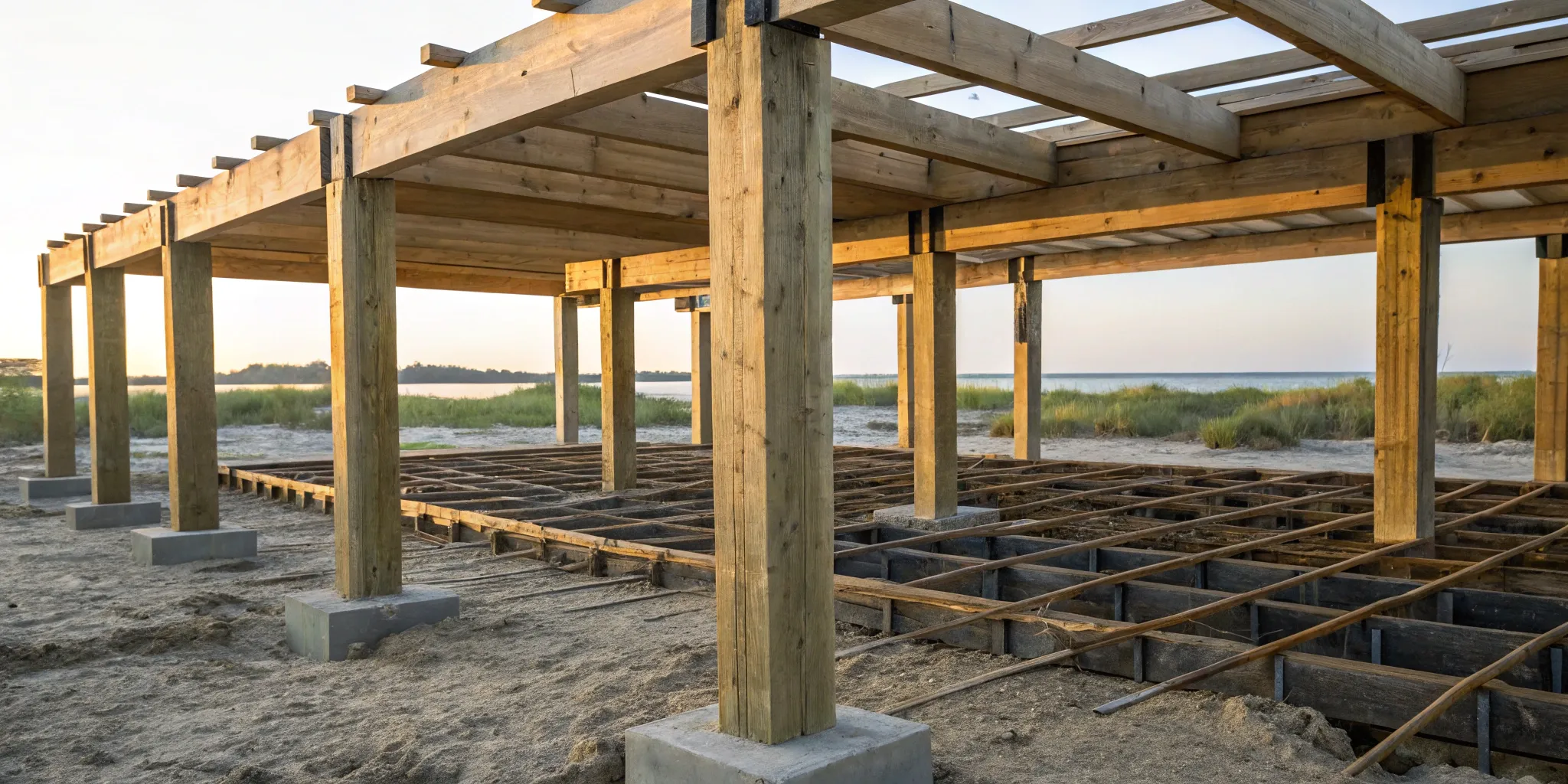
Building a home on a sloped lot or in an area with tricky soil can feel like a complex puzzle. A traditional concrete slab isn’t always the right answer, and that’s where alternative solutions come into play. The post and pier foundation is a classic method that elevates a structure off the ground, creating a crawl space and offering unique advantages for challenging properties. It provides excellent access for plumbing and electrical work and can be a more affordable option. However, its success depends entirely on getting the details right. This guide will walk you through everything you need to know about post and pier foundation construction, from site preparation to long-term maintenance, so you can decide if this time-tested approach is the perfect fit for your project.
Key Takeaways
- The Crawl Space is Both a Pro and a Con: While the space under a post and pier foundation provides excellent access for utility repairs, it’s also highly susceptible to moisture, pests, and rot. Proper maintenance, like installing a vapor barrier, is essential to protect it.
- Your Property’s Soil Determines Success: This foundation type performs best on stable, well-draining ground. For properties with loose or expansive soil, the foundation will likely require reinforcement with modern solutions like steel piers to prevent settling and structural damage.
- Direct Water Away from Your Foundation: The simplest way to prevent major issues is to control water flow. Ensure the ground slopes away from your house and keep your gutters clean to stop water from pooling near the piers and compromising their stability.
What Is a Post and Pier Foundation?
If you’ve ever seen a house that seems to float slightly above the ground, you were likely looking at a post and pier foundation. Instead of resting on a single, solid concrete slab, this type of foundation uses a grid of support posts to elevate the structure, creating an accessible space underneath known as a crawl space. It’s a classic construction method that has been adapted over time with modern engineering and materials.
The core idea is simple: piers are set deep into the ground at strategic points. Posts are then placed on top of these piers, and a framework of beams is laid across the posts. This sturdy grid becomes the base upon which the rest of the house is built. This design offers unique advantages, especially for sloped lots or areas where you need easy access to plumbing and wiring. However, it also comes with its own set of considerations, particularly regarding soil stability and moisture management in the crawl space. Understanding its fundamental structure is the first step in deciding if it’s the right choice for your property.
The Basic Components and Structure
Think of a post and pier foundation as a series of sturdy legs holding up your home. It all starts with the piers—concrete footings buried deep in the ground to provide a stable anchor. On top of these piers sit posts, which are vertical supports typically made of concrete or pressure-treated wood. These posts are the “legs” that bear the weight of the structure. Running horizontally across the top of the posts are heavy beams, often called girders. This network of beams creates a level platform for the floor joists and subfloor, forming the complete support system. When properly engineered for a new construction project, this layered system effectively transfers the home’s load into the ground.
How It Compares to Other Foundation Types
The most significant difference between a post and pier foundation and a slab-on-grade foundation is the crawl space. A slab is a single layer of concrete poured directly onto the ground, leaving no space underneath. A post and pier foundation, however, lifts the home about 18 inches or more off the ground. This crawl space makes it much easier to access and repair plumbing, electrical, and HVAC systems. The downside is that this open area can be prone to moisture, mold, and pests if not properly maintained, often requiring professional crawl-space repairs. While this foundation type is excellent for sloped properties, it can be less suitable for loose or shifting soils unless reinforced with modern solutions like deep-driven steel piers.
The Construction Process, Step-by-Step
Building a post and pier foundation is a methodical process that requires careful planning and execution. From preparing the ground to laying the subfloor, each step builds upon the last to create a stable and reliable base for your structure. Here’s a look at how it all comes together.
Step 1: Prepare and Plan the Site
Before any construction begins, the site needs to be properly prepared. This involves clearing the land of vegetation, rocks, and debris. The ground is then graded to ensure it’s level and has proper drainage. A post and pier foundation is often used for homes built on hills or in areas where the soil can shift, so understanding the terrain is critical. An engineer or foundation specialist will create a detailed plan that maps out the precise location for each pier, ensuring the load of the building will be distributed evenly. This initial planning is the most important part of ensuring long-term hillside stabilization and structural integrity.
Step 2: Select Your Construction Materials
The materials you choose directly impact the strength and longevity of your foundation. For the piers, concrete, brick, and steel are the go-to options for their strength, stability, and durability. Concrete is the most common choice and is typically reinforced with steel bars (rebar) to improve its tensile strength and prevent cracking under pressure. The beams that rest on the piers are usually made from pressure-treated wood or steel. Selecting high-quality materials is a non-negotiable part of any new construction project, as it forms the literal groundwork for everything else. Making the right choice here can prevent the need for future foundation repair.
Step 3: Install the Piers and Posts
With the site planned and materials on hand, it’s time to install the piers. Concrete footings are poured into holes dug at the marked locations. Then, the piers are set on top of these footings. As mentioned, these piers are typically reinforced with steel bars to improve their strength and stability. While older or smaller structures might use simple wooden posts, modern construction often relies on engineered solutions like steel push and helical piers for superior support, especially in challenging soil conditions. Each pier must be perfectly plumb and level to ensure the foundation is even and secure.
Step 4: Add Beams, Joists, and the Subfloor
Once the piers are set and cured, heavy beams (also called girders) are placed across the top of them. These beams run the length of the structure and serve as the main support for the floor. Next, floor joists are installed perpendicular to the beams, creating a grid-like frame. Finally, a subfloor of plywood or oriented strand board (OSB) is fastened over the joists. This elevated design creates ample space beneath the structure, known as a crawl space. This space allows contractors to easily perform maintenance and crawl-space repairs without major disruption to the home above.
The Pros and Cons of Post and Pier Foundations
Choosing a foundation type involves weighing the good against the bad. Post and pier foundations, also known as pier and beam foundations, come with a distinct set of advantages and disadvantages that can make them the perfect fit for one home but a poor choice for another. Understanding these factors helps you make an informed decision about whether this classic construction style is right for your property and how to address its potential weaknesses from the start. It all comes down to your budget, your property’s specific needs, and your tolerance for certain types of maintenance.
The Upside: Flexibility, Affordability, and Easy Access
One of the biggest draws of a post and pier foundation is the crawl space it creates. This gap between the ground and the floor of your home makes it incredibly simple to access and service your home’s vital systems. If you ever have plumbing or electrical issues, a technician can easily get underneath the house to make repairs without drilling through a concrete slab. This easy access also simplifies certain types of foundation repair. On top of that, this foundation style is often faster and more affordable to build than a continuous concrete slab, making it an attractive option for those on a tighter budget or timeline.
The Downside: Moisture, Pests, and Stability Risks
That helpful crawl space can also be a source of problems if it isn’t properly managed. The open space is vulnerable to moisture buildup, which can lead to wood rot, mold growth, and musty odors. This damp, dark environment is also an open invitation for pests like termites and rodents. Over time, homes on post and pier foundations can sometimes develop bouncy or sagging floors as the piers settle or the wood degrades. In areas prone to seismic activity, these foundations are also more susceptible to shifting, so proper reinforcement is critical for safety.
How Soil Conditions Play a Role
The stability of a post and pier foundation is deeply connected to the ground beneath it. These foundations perform best on stable, well-draining soil. If your property has loose or expansive clay soils, you could face significant challenges. Expansive soils swell when wet and shrink when dry, causing the piers to shift and settle unevenly. This movement puts stress on your home’s structure, leading to cracked walls and uneven floors. That’s why a thorough soil assessment is a non-negotiable first step. For properties with tricky soil, solutions like deep-driven push and helical piers can provide the necessary stability, anchoring the foundation to more solid ground below.
How to Maintain Your Post and Pier Foundation
A post and pier foundation gives you incredible access for maintenance, which is a huge plus. Staying on top of a few key areas can prevent most major issues from ever starting. The biggest threats to this type of foundation are almost always excess moisture and shifting soil. When water saturates the ground around and under your home, it can cause the soil to expand, contract, or wash away, leading to unstable piers. This movement puts immense stress on the entire structure, from the piers themselves to the frame of your house.
The good news is that you have a lot of control over these factors. Regular inspections and proactive maintenance are your best defense. By managing water runoff and keeping an eye on the condition of your crawl space, you can protect the wooden posts and concrete piers that support your entire home. Think of it as a simple routine that safeguards your property’s structural integrity for the long haul. A little effort now saves you from the stress and expense of major repairs down the road. It’s all about spotting small issues before they become big problems.
Your Essential Maintenance Checklist
Most foundation problems start with water getting where it shouldn’t. Keeping the area around your home dry is the most important thing you can do. Here’s a simple checklist to follow:
- Check your grading: The ground should slope away from your foundation, not toward it. This simple angle encourages rainwater to drain away naturally.
- Use downspout extensions: Make sure your gutters’ downspouts direct water several feet away from the house.
- Keep gutters clean: Clogged gutters can overflow, dumping water right next to your foundation. Clean them out at least twice a year.
- Consider a drainage system: For properties with significant water issues, a professionally installed French drain or other waterproofing solution can collect and redirect groundwater.
- Watch your landscaping: Large tree roots can grow into and disrupt your piers, so plant trees a safe distance from your home.
How to Handle Common Problems
Even with great maintenance, issues can sometimes pop up, especially in older homes or areas with unstable soil. The most common problems with post and pier foundations are caused by moisture damage or soil movement. You might notice sagging floors, doors that stick, or cracks in your interior walls. These are signs that one or more of your piers may be settling or failing.
This is not a DIY situation. When you see these warning signs, it’s time to call in a professional for a foundation repair assessment. An expert can determine the cause of the problem, whether it’s a rotting post that needs replacing or unstable soil that requires better support. Solutions often involve reinforcing the foundation with modern push and helical piers to provide lasting stability.
Tips for Managing Moisture and Preventing Pests
The crawl space is the defining feature of a post and pier foundation, but it can also be a trouble spot if neglected. A damp, dark crawl space is an open invitation for wood rot, mold, and mildew, which can compromise your support posts and floor joists. It’s also an attractive home for pests like termites and rodents.
To protect this vulnerable area, focus on keeping it dry and sealed. Ensure your crawl space has adequate ventilation to prevent moisture buildup. If you notice persistent dampness or musty smells, you may need professional crawl-space repairs, which can include installing a vapor barrier or a full encapsulation system. Sealing any gaps or openings will also help keep critters out and protect the structural heart of your home.
Is a Post and Pier Foundation Right for You?
Deciding on the right foundation is one of the most critical choices you’ll make for your property. A post and pier system offers unique benefits, but it isn’t a one-size-fits-all solution. Your property’s location, soil type, and even local climate will all play a part in determining if this is the best path forward for your build. Let’s walk through the key considerations to help you make a confident decision.
Key Factors to Consider Before You Build
The success of a post and pier foundation starts with the ground it stands on. This foundation type can face serious challenges when built on loose or unstable soil, which may not provide the support needed to prevent settling and structural damage over time. Before you commit, a professional soil analysis is essential to understand what you’re working with. You also need to think about the scale of your project. Post and pier systems are generally better suited for smaller, lighter structures like cabins, sheds, or modest homes. For larger or heavier buildings, you may need to explore other new construction foundation options that offer more comprehensive support.
The Best Scenarios for This Foundation Type
So, when does a post and pier foundation really shine? It’s an excellent choice for smaller buildings, especially those constructed on sloped lots where a traditional slab would be impractical or expensive. If your property requires hillside stabilization, this foundation type can adapt well to the terrain. It’s also a popular option in areas with expansive clay soils that swell and shrink with moisture changes. One of the biggest practical advantages is the accessible crawl space it creates. This space makes it much easier for contractors to perform routine maintenance, plumbing work, or crawl-space repairs without major disruption to your home.
Seismic Safety and Reinforcement Options
If you live in an area prone to earthquakes, it’s important to approach post and pier foundations with caution. Because they lack a continuous concrete perimeter, these homes can be more vulnerable to shifting and damage during seismic activity. In many cases, the safest long-term solution is a full foundation replacement with a continuous concrete system. However, there are ways to strengthen an existing structure. Installing modern push piers and helical piers can provide deeper, more stable support, helping to counteract pressure from unstable soils. If you have concerns about your current foundation’s stability, a professional foundation repair assessment can give you a clear path forward.
Related Articles
- What’s the Difference Between Push Piers and Helical Piers? – Professional Foundation Repair
- Underpinning vs Deep Injection: Which Repair Method Is Best? – Professional Foundation Repair
Frequently Asked Questions
What are the most common warning signs that my post and pier foundation needs professional attention? The earliest signs of trouble often show up inside your home. Look for new cracks appearing in your drywall, especially around door and window frames. You might also notice that doors have started to stick or that windows are suddenly difficult to open and close. These are classic indicators that the structure is shifting due to an unstable foundation. Don’t ignore these signals; they are your home’s way of telling you that the support system underneath is under stress and needs to be evaluated.
My floors feel bouncy or sloped. Is this a serious problem? Bouncy or sloping floors are a definite red flag for a post and pier foundation. This usually means that one or more of the support posts are settling, or that the wooden beams and joists have been weakened by moisture or pests. While it might not feel like an emergency, it’s a clear sign that the structural support is compromised. It’s a problem that will only get worse over time, so having a professional assess the situation is the best way to understand the cause and prevent more significant damage.
How can I protect my crawl space from moisture and pests? Keeping your crawl space dry is the most important thing you can do. Start by ensuring your gutters and downspouts are clear and directing water far away from the house. The ground around your foundation should also be graded to slope away from the structure. If you still notice dampness or a musty smell, it’s worth considering a professional solution like installing a vapor barrier. This heavy-duty sheeting covers the ground to block moisture from rising, which in turn makes the space far less attractive to mold, termites, and other pests.
Is a post and pier foundation a good choice in an area with heavy rainfall? It can be, but only if water management is treated as a top priority from the very beginning. In areas with significant rainfall, the risk of soil erosion and saturation around the piers is much higher. To make this foundation type work, you need an excellent drainage plan that includes proper grading and effective gutter systems. For some properties, a professionally installed French drain or other waterproofing system may be necessary to actively collect and redirect groundwater before it can destabilize the soil supporting your home.
How long can I expect a post and pier foundation to last? There isn’t a single expiration date for this type of foundation because its lifespan depends entirely on three factors: the quality of the initial construction, the stability of the soil it’s built on, and how well it’s maintained. A foundation built with high-quality materials on stable ground and kept dry can easily last for the entire life of the home. However, one that is neglected, exposed to constant moisture, or built on shifting soil can begin to fail much sooner. Consistent maintenance is the key to longevity.