
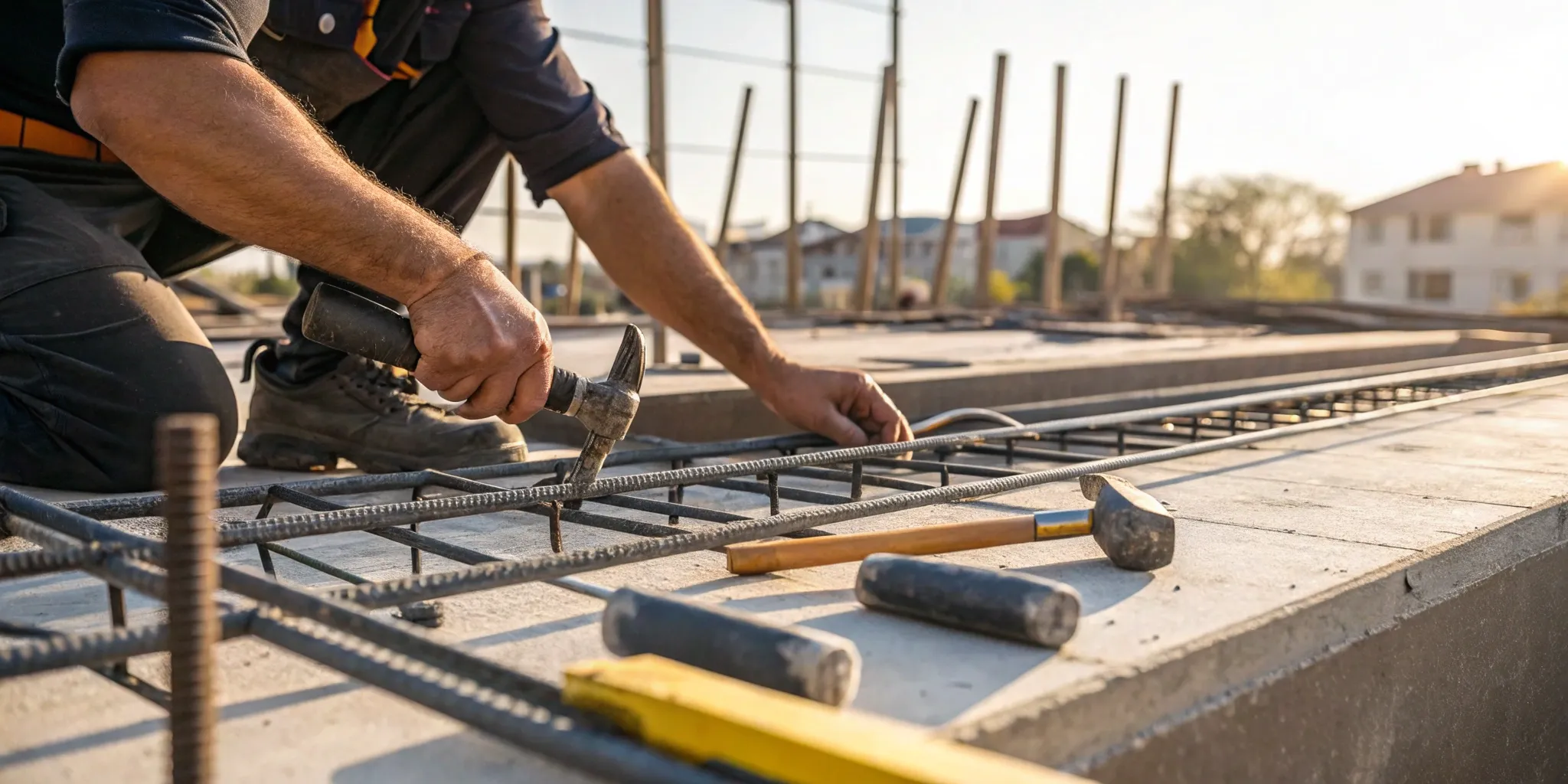
Knowing your home needs foundation work can feel overwhelming, largely because the process itself seems like a mystery. What actually happens when a crew shows up at your property? We believe an informed homeowner is an empowered one. That’s why we’re pulling back the curtain on the push pier installation process. From the initial site assessment and careful excavation to driving the steel piers and lifting your foundation, we’ll explain each stage in clear, simple terms. Our goal is to show you that this is a highly controlled, methodical procedure designed to be as minimally invasive as possible while delivering a powerful, permanent solution for your home’s stability.
Key Takeaways
- Push piers provide a permanent foundation fix. They work by driving steel piers deep into the ground, transferring your home’s weight past unstable soil and onto solid, load-bearing bedrock for a lasting solution.
- Vet your contractor to protect your investment. The success of the repair depends on the installer, so always verify their experience, ask for proof of licensing and insurance, and get a clear explanation of their warranty.
- An on-site assessment is essential for an accurate quote. The final cost is determined by factors like the number of piers needed and your property’s soil conditions, making a professional evaluation the only way to understand the true scope and price of your project.
What Are Push Piers and How Do They Work?
If you’ve noticed signs of a sinking foundation, the idea of fixing it can feel overwhelming. But the solution is often more straightforward than you might think. One of the most reliable methods for addressing foundation settlement is using push piers. Think of them as underground stilts for your house. Push piers are strong, galvanized steel pipes that are driven deep into the ground to support and stabilize your home’s foundation, effectively stopping settlement in its tracks.
The process is based on a simple, powerful principle: reaching solid ground. Your home was built on soil that, over time, can shift, shrink, or settle due to moisture changes or poor compaction. Push piers bypass these unstable upper layers of soil entirely. Using a hydraulic ram, our crews drive the steel piers deep into the earth until they hit solid, load-bearing soil or bedrock—a layer that won’t move. The weight of your house itself provides the necessary force to drive the piers, ensuring they are firmly seated. Once they reach this stable stratum, the piers can permanently support your foundation, stopping any further settlement. This method provides a lasting solution for foundation repair by anchoring your home to unmoving earth, giving you peace of mind for years to come.
How Push Piers Stabilize Your Foundation
The magic of push piers lies in how they transfer your home’s weight. Instead of trying to fix the unstable soil, we bypass it entirely. The installation process begins by excavating small areas next to your foundation footing. A heavy-duty steel bracket is then attached to the footing. The pier sections are driven through this bracket, one by one, until they reach the required depth and resistance.
Once the piers are securely in place, the load of your home is transferred from the unstable soil, through the foundation, to the bracket, and down the steel pier to the stable soil or bedrock below. This immediately stabilizes the foundation. Depending on the situation, hydraulic jacks can then be used to carefully and evenly lift the foundation back toward its original level, helping to close cracks and correct uneven floors.
Signs You Might Need Push Piers
Foundation settlement doesn’t happen overnight, and it often leaves clues around your property. Being able to spot these early warning signs can save you from more extensive and costly repairs down the road. If your foundation is sinking, it puts stress on the entire structure, and that stress has to show up somewhere.
You might need a push pier and helical pier system if you notice:
- Cracks in your walls or brickwork, especially stair-step cracks in exterior brick or vertical cracks in interior drywall.
- Doors and windows that stick or have become difficult to open and close.
- Uneven or sloping floors that feel bouncy or tilted when you walk on them.
- A leaning chimney that seems to be pulling away from the rest of the house.
- Gaps appearing between your walls and ceiling or around window frames.
Your Step-by-Step Guide to Push Pier Installation
Seeing signs of foundation trouble, like sticking doors or cracks in the drywall, can be unsettling. It’s natural to worry about the stability of your biggest investment. But the good news is that the repair process itself is a straightforward and highly effective engineering solution. When you work with professionals, push pier installation is a precise and controlled method for stabilizing your home for the long term. This system works by transferring the weight of your house from unstable, shifting soil onto deep, solid ground or bedrock. Think of it as giving your home a new, permanent footing to rest on, one that won’t be affected by moisture changes or soil erosion. Understanding what happens at each stage can help demystify the process and give you confidence in the solution. We believe an informed homeowner is an empowered one, so we’ll walk through the entire process, from the initial evaluation to the final cleanup. This way, you’ll know exactly what to expect when our team arrives at your property and feel secure in the work being done to protect your home.
Step 1: Assessing Your Property
Before any work begins, a thorough assessment is the essential first step. A foundation specialist will visit your property to conduct a detailed analysis of the structure and the surrounding soil. They will identify the specific areas affected by settlement, measure the extent of the drop, and determine the underlying cause. This evaluation allows them to create a customized repair plan, calculating the precise number of piers needed and their optimal placement to provide lasting support. This isn’t a one-size-fits-all solution; it’s a carefully engineered plan tailored to your home’s unique needs for foundation repair.
Step 2: Preparing the Foundation
Once the plan is in place, the crew prepares the site for installation. This involves carefully excavating small, targeted areas around your home’s foundation, directly where the piers will be placed. The goal is to expose the foundation footing so the steel brackets can be attached. Our teams work meticulously to minimize disruption to your landscaping and property. The footing is then prepped to ensure it’s a clean, solid surface, which allows the mounting bracket to sit perfectly flush and secure against the concrete. This careful preparation is key to ensuring the entire system works effectively.
Step 3: Installing Brackets and Driving Piers
With the foundation footing exposed, the crew attaches heavy-duty steel brackets. These brackets are the link between your home and the deep-earth support of the piers. Next, the installation of the piers begins. Using powerful hydraulic equipment, steel tube sections are driven one by one through the bracket and deep into the ground. The process uses the weight of your home as resistance to advance the piers through unstable soil. We continue driving sections until the pier hits solid bedrock or a stable, load-bearing soil layer, ensuring a firm and unmoving endpoint for the support column.
Step 4: Lifting and Securing Your Foundation
After all the push piers have reached the required depth and resistance, the lifting process can begin. Hydraulic jacks are connected to the brackets at each pier location. Working in unison, the system applies slow, synchronized pressure to gently raise the settled portions of the foundation. The crew monitors the lift carefully, aiming to return the structure as close to its original elevation as possible. This is the step that closes cracks in your brickwork and realigns doors and windows. Once the lift is complete, the piers are permanently secured to the brackets, transferring the weight of your home onto the stable piers.
Step 5: Restoring Your Property
The final step is to return your property to its original condition. Once the foundation is secure, the hydraulic equipment is removed, and the excavated areas are carefully backfilled with the soil that was removed. Our team takes great care to compact the soil properly to prevent future settling around the foundation. We then tidy the work area, leaving your landscaping looking neat and undisturbed. The only visible sign of our work might be the tops of the pier caps, which are often hidden just below the ground. Your home is left secure, stable, and ready for the future.
Choosing Your Push Pier Installer: What to Ask
Choosing a contractor for your foundation repair is a big decision. The success of your project depends just as much on the team doing the work as it does on the push piers themselves. To feel confident you’re hiring the right people, you need to ask the right questions. Think of it as an interview—you’re vetting a potential partner for a critical home project. Here’s what you should cover to ensure you’re working with a true professional.
Verify Their Experience and Expertise
When it comes to your home’s foundation, there’s no substitute for hands-on experience. The installation of push piers is a precise process that requires a deep understanding of soil mechanics and structural engineering. Ask potential contractors how many years they’ve been specializing in foundation repair and if they can provide case studies or references for projects similar to yours. A seasoned team will have the training and problem-solving skills to handle any challenges that arise, ensuring your foundation gets the maximum support it needs for years to come.
Understand the Warranty
A strong warranty is a direct reflection of a company’s confidence in its work and materials. Since push piers are a long-term solution for foundation settlement, you want a guarantee that provides peace of mind. Don’t hesitate to ask for the details. Is the warranty transferable to a new homeowner? What exactly does it cover, and for how long? At Bristol FX, we stand behind our work with extensive warranties, including lifetime warranties on our pier installations, so you know your investment is protected.
Check for Proper Licensing and Insurance
This is a non-negotiable step that protects you, your property, and the workers on site. A reputable contractor will always be properly licensed and insured. Ask to see proof of their general liability insurance and workers’ compensation coverage. This ensures that if an accident happens, you won’t be held liable. It also confirms that the company adheres to local building codes and safety regulations, which is a fundamental part of any professional foundation repair project.
Ask About Their Equipment and Methods
The tools and techniques used during installation can significantly impact the outcome. Ask the contractor to walk you through their process. What kind of hydraulic equipment do they use to drive the piers? How do they determine when a pier has reached stable, load-bearing soil? It’s also a good idea to ask what measures they take to minimize disruption to your landscaping and property. A professional installer will use modern equipment and have a clear, systematic approach that prioritizes both structural integrity and respect for your home.
Common Installation Challenges (And How We Solve Them)
Foundation repair would be simple if every property were the same, but where’s the fun in that? Every home has its own story, and sometimes that story includes tricky soil, tight spaces, or existing damage that adds a layer of complexity to the project. These are the kinds of challenges that can feel overwhelming, but for an experienced team, they’re just part of a day’s work. A successful push pier installation isn’t just about having the right equipment; it’s about having the expertise to anticipate and solve problems on the fly.
We believe in being transparent about the entire process, including the hurdles we might encounter. Whether it’s working with the unique geology of your property or around established landscaping, our approach is always methodical and solution-focused. We’ve seen it all, from unstable soil that shifts with the seasons to foundations that need a bit of extra care before piers can even be installed. Below, we’ll walk through some of the most common challenges we face during installation and explain exactly how our team tackles them to ensure your home gets the stable, secure foundation it deserves.
Working with Difficult Soil Conditions
One of the biggest variables in any foundation project is the ground itself. Your home might be sitting on soft, shifting, or expansive clay soils that simply can’t support its weight over the long term. This is actually one of the primary reasons foundations fail. Push piers are an excellent solution because they are designed to bypass these problematic upper soil layers entirely. By driving the steel piers deep into the ground, we can anchor your foundation to solid, load-bearing strata or bedrock that isn’t affected by moisture or seasonal changes. This provides a permanent, stable base for your home.
Addressing Existing Foundation Damage
Push piers are fantastic for stabilizing a settling foundation, but they can’t be installed on a footing that’s already cracked or broken. Think of it like trying to put a new tire on a bent rim—you have to fix the rim first. Before we begin any pier installation, our team conducts a thorough inspection to identify any pre-existing issues. If we find significant cracks or structural damage, we’ll perform the necessary foundation repairs first. This ensures the foundation is sound enough to handle the lifting process and that the entire system will work together to provide lasting stability.
Handling Tight Spaces and Limited Access
Not every home has a wide-open yard perfect for large construction equipment. We often work on properties with narrow side yards, extensive landscaping, or interior spaces like basements and crawl spaces. This is where push piers truly shine. The installation process uses small, portable hydraulic equipment that can be brought into tight or hard-to-reach areas without causing major disruption. This flexibility allows us to perform effective crawl-space repairs and stabilize foundations in situations where other methods simply wouldn’t be feasible, all while keeping your property as intact as possible.
Ensuring Proper Depth and Support
Installing a push pier isn’t a guessing game. To provide reliable, long-term support, each pier must be driven to the precise depth required to reach stable, load-bearing soil or bedrock. Our installation process is systematic and carefully monitored. As we drive each pier section into the ground, we use hydraulic pressure gauges to measure the resistance. This data tells us exactly when the pier has hit a solid layer capable of supporting the structure’s weight. This meticulous approach ensures that your foundation is not just lifted, but anchored to a truly immovable point for maximum, lasting support.
How Much Does Push Pier Installation Cost?
Understanding the cost of push pier installation is a major step in planning your foundation repair. While every project is different, we can give you a general idea of what to expect. A single push pier typically costs between $1,000 and $3,000. For a home that needs comprehensive support, an average project involving 8 to 12 piers might land in the range of $24,000. It’s a significant investment, but it’s one that permanently secures the structural integrity and value of your property.
Think of it less as a cost and more as a permanent solution. When you see cracks in your walls or find doors that no longer close properly, you’re seeing symptoms of a serious issue. A proper foundation repair addresses the root cause, using engineered steel piers to stabilize your home for the long haul. The final price tag reflects the specialized equipment, materials, engineering, and expert labor required to lift and secure a massive structure—your home. The goal is to provide a lasting fix, which is why we back our work with extensive warranties.
What Influences the Final Cost?
The total cost of your project isn’t based on a flat rate; it’s determined by the specific needs of your home. Several key factors come into play. The number of push and helical piers required is the biggest variable—the more support your foundation needs, the higher the cost. The severity of the settlement also matters. A home that has sunk significantly may require a more complex lifting process. Additionally, soil conditions and the depth we need to drive the piers to reach stable bedrock or load-bearing strata will influence the final price. For instance, if piers must be installed deeper than 21 feet, there may be an additional charge per foot.
Exploring Your Payment and Financing Options
To get a ballpark idea for budgeting, you can use a simple formula. First, measure the length (in feet) of the foundation wall that needs repair and multiply it by $400. Then, add approximately $4,000 for engineering costs and another $1,000 for permits, keeping in mind that permit fees can vary by municipality. This calculation can give you a rough starting point, but it’s not a substitute for a professional quote. Many homeowners are concerned about the upfront cost, which is completely understandable. That’s why it’s always a good idea to ask about available payment plans or financing options that can make the project more financially manageable.
How to Get an Accurate Project Quote
While formulas and averages are helpful for initial planning, the only way to know the true cost is to get a detailed, on-site evaluation from a foundation specialist. A professional will assess the extent of the damage, analyze your property’s specific conditions, and determine the precise scope of work required. This inspection allows them to create a firm quote that outlines the number of piers needed, the installation plan, and the total cost. To get a clear and accurate price for your project, the best first step is to get in touch with our team to schedule a free, no-obligation assessment of your property.
Related Articles
Frequently Asked Questions
How long does a typical push pier installation take? Most residential projects are completed in just a few days. The exact timeline depends on the number of piers we need to install and how easily we can access the foundation. A straightforward job might take two days, while a more complex project could take a bit longer. Our team works efficiently to stabilize your home with as little disruption to your daily life as possible.
Will the installation process ruin my landscaping? We understand how much your landscaping means to you, and we take great care to protect it. The process requires small, targeted excavations right next to your foundation. We do our best to preserve surrounding plants and grass, and once the piers are installed, we backfill the excavated areas and tidy up the site. Our goal is to leave your property looking as neat as we found it.
Are push piers a permanent solution for my foundation? Yes, they absolutely are. Push piers provide a lasting fix because they don’t rely on the unstable soil directly beneath your home. Instead, they transfer the weight of your house down to solid, unmoving bedrock or load-bearing soil. This permanently anchors your foundation, which is why we are confident enough to offer a lifetime warranty on our pier installations.
Can push piers actually lift my settled foundation? Lifting the foundation is a key part of the process. After the piers are driven to a stable depth, we use a synchronized hydraulic lifting system to gently and carefully raise the settled parts of your home. The goal is to return the foundation as close to its original level as possible, which often corrects issues like sticking doors, uneven floors, and cracks in your walls.
What is the difference between a push pier and a helical pier? Think of it like the difference between a nail and a screw. A push pier is a smooth steel pipe that is hydraulically driven straight down into the earth using the weight of your house for resistance. A helical pier has screw-like plates on its shaft and is twisted into the ground. The best choice depends on your home’s weight and the specific soil conditions on your property, which is something our specialists determine during the initial assessment.