
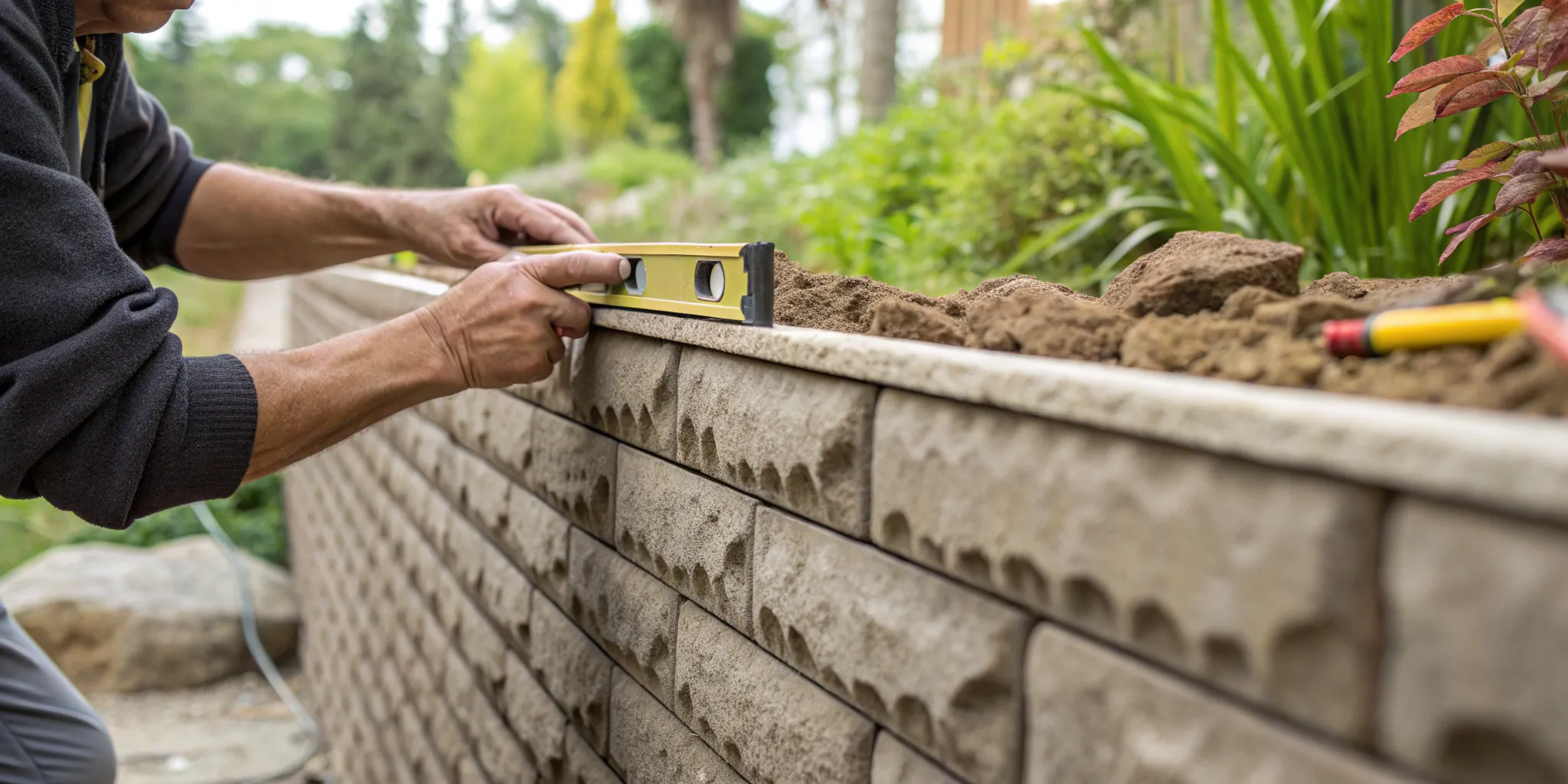
No homeowner wants to deal with an unexpected structural repair, but ignoring a failing retaining wall is a risk you can’t afford to take. The cost of inaction—a full collapse that could damage your home, your yard, or your neighbor’s property—is far greater than the cost of a timely fix. Think of it not as an expense, but as a crucial investment in your property’s safety and value. Understanding the factors that make up the retaining wall repair cost is the first step toward protecting that investment. We’ll explore how to budget for the project, what to expect from a professional quote, and why a solid repair is one of the smartest decisions you can make.
Key Takeaways
- Act on Early Warning Signs: Catching issues like leaning, cracking, or poor drainage is the best way to keep repair costs down. A small fix now is always more affordable than a major structural failure later.
- Budget for More Than Just Materials: The final price tag is influenced by several factors, including professional assessments, building permits, site accessibility, and the need to correct underlying soil or drainage problems.
- Choose a Permanent Solution, Not a Patch: A quality repair addresses the root cause of the failure. Prioritize hiring a specialized, insured professional who offers a solid warranty to ensure your investment protects your property for the long term.
How Much Does Retaining Wall Repair Cost?
Seeing your retaining wall lean, crack, or bulge can be unsettling. Your first thought is probably about safety, and your second is likely about the cost. The good news is that repairing a retaining wall is almost always more affordable than a full replacement. While every project is unique, understanding the key factors that influence the price tag can help you budget and plan with confidence. The final cost will depend on the wall’s material, its size, the extent of the damage, and the labor involved.
What’s the Average Price Tag?
Generally, you can expect retaining wall repairs to cost anywhere from a few hundred to a few thousand dollars. Most homeowners spend around $700 for a typical fix. For smaller, straightforward jobs, the cost might be as low as $100, while more extensive structural problems could push the price toward $1,500 or more. Think of these numbers as a starting point. The only way to get a precise figure for your situation is to have a professional assess the damage. A thorough inspection will uncover the root cause of the problem, ensuring the proposed fix is a lasting foundation repair solution, not just a temporary patch.
How Materials Affect the Cost
The material your wall is made of is one of the biggest variables in the repair cost. Different materials require different techniques, tools, and levels of expertise to fix properly. For example, repairing a simple wooden tie wall is often less expensive than meticulously matching and resetting natural stones. Concrete and cinder block walls, while incredibly durable, can be more costly to repair if they have significant cracks or structural failures. A professional can provide solutions like crack injection to restore integrity without a complete teardown. Understanding your wall’s material will give you a clearer picture of the potential expense.
Factoring in Wall Size and Location
It makes sense that the bigger the wall, the more it will cost to repair. Both the height and length contribute to the total square footage that needs work, which directly impacts material and labor costs. The type of damage also plays a huge role; fixing a few cosmetic cracks is a much smaller job than correcting a serious lean caused by immense soil pressure. Your property’s accessibility matters, too. If the wall is in a hard-to-reach area, getting equipment and materials to the site can increase labor hours and overall project costs. This is especially true for walls critical for hillside stabilization, where proper access is key for a safe and effective repair.
Breaking Down Labor and Equipment Fees
When you hire a professional, you’re paying for their expertise, time, and the specialized equipment needed to get the job done right. Labor rates for masons and structural contractors typically range from $50 to over $100 per hour. While it might be tempting to find the lowest bidder, remember that an incorrect repair can lead to catastrophic failure and much higher costs down the road. Complex jobs may require more than just hand tools; they might involve excavation equipment or machinery for installing reinforcement piers. Investing in a qualified team with the right tools ensures your wall is not just patched up but properly restored for long-term stability and safety.
Is Your Retaining Wall Failing? 7 Key Signs
Your retaining wall does the heavy lifting of holding back soil, so it’s easy to forget it’s there until something looks off. Catching problems early can save you from a much bigger, more expensive headache down the road. A failing wall doesn’t just happen overnight; it gives you warning signs. Paying attention to these clues is the first step in protecting your property.
So, how can you tell if your wall is in trouble? It’s all about looking for changes. A slight lean that wasn’t there last year or a new crack that seems to be growing are clear signals that the wall is under stress. Here are seven key signs that your retaining wall needs a professional inspection:
- Leaning or tilting forward.
- Bulging or bowing in the middle.
- Cracks in the masonry or concrete.
- Separation from adjacent walls or stairs.
- Crumbling concrete or rotting wood.
- Water pooling near the base.
- Soil erosion around the bottom of the wall.
If you spot any of these issues, it’s time to take a closer look. Ignoring them can lead to a total wall collapse, which poses a serious risk to your home, yard, and anyone nearby.
Cracks, Leans, and Bulges
Some of the most obvious signs of trouble are visible changes to the wall’s shape and surface. A wall that’s leaning, tilting, or bulging is crying out for help. This often happens because of immense pressure from the soil behind it, especially when that soil is wet and heavy. Retaining walls can bow or lean because of wet soil, a weak base, or bad backfill.
Cracks are another major red flag. Small hairline cracks might not be an immediate emergency, but you should monitor them. Larger, stair-step cracks in block walls or long horizontal cracks are more serious, as they indicate a structural problem. These issues suggest the wall is struggling to hold back the earth and could be on its way to failing completely.
Signs of Structural Stress
Beyond leaning and cracking, other signs point to deep structural problems. Look at where your retaining wall meets other structures, like stairs or the side of your house. Is there a gap forming? Separation means the wall is shifting, and that movement can damage everything connected to it. You might also see the material itself breaking down—concrete crumbling, stones flaking, or wood rotting away. This isn’t just a cosmetic issue; it means the wall is losing its strength.
If your wall is leaning or bowing, it’s smart to get a professional opinion to figure out the root cause. An expert in hillside stabilization can determine why the wall is failing and design a lasting repair.
Poor Drainage and Water Damage
Water is the number one enemy of retaining walls. If your drainage system isn’t working correctly, water builds up in the soil behind the wall, creating immense hydrostatic pressure. This force pushes against the wall and is a leading cause of bowing, cracking, and collapse.
You can spot drainage problems by looking for water pooling at the base of the wall after it rains. You might also see water seeping through the face of the wall or notice that the weep holes—small holes designed to let water escape—are clogged with dirt. Proper waterproofing and drainage are not optional; they are essential for your wall’s long-term stability. Ignoring water issues is a recipe for failure.
When It Becomes a Safety Hazard
A failing retaining wall is more than just an eyesore; it’s a significant safety risk. If you see soil washing away from the base of the wall, it means the foundation is being undermined, making a collapse more likely. A wall that gives way can send a torrent of soil, rocks, and debris downhill, damaging your property, your neighbor’s property, or anything in its path.
This is especially dangerous if the wall is near a driveway, patio, or your home’s foundation. If a leaning wall isn’t fixed, erosion will get worse, and the wall could collapse, causing property damage or even injuries. If you believe your wall is an immediate threat, it’s critical to contact a professional right away to assess the situation and secure the area.
Common Fixes and What They Cost
Once you’ve identified a problem with your retaining wall, the next step is figuring out the right solution. The good news is that a repair is almost always more cost-effective than a full replacement. The cost and complexity of the fix will depend entirely on the type and severity of the damage. Minor issues can often be handled quickly, while significant structural problems require a more intensive approach. Let’s break down the most common repair scenarios and what you can generally expect them to cost.
Addressing Minor Repairs
If you’ve caught the problem early, you’re in luck. Minor repairs are the most affordable. Things like filling small cracks, fixing crumbling mortar, or addressing a slight lean can often be resolved without major construction. For instance, hairline cracks can sometimes be sealed with a specialized injection to prevent water from getting in and causing more damage. The average cost for these smaller fixes typically ranges from a few hundred dollars to around $1,500. Acting on these issues promptly not only saves you money but also prevents them from escalating into bigger, more expensive structural failures.
Solving Drainage Problems
Water is the number one enemy of retaining walls. If your wall doesn’t have proper drainage, water builds up in the soil behind it, creating immense pressure that can cause it to lean, bow, or even collapse. Solving drainage issues is a critical repair that protects the wall’s long-term stability. This might involve installing a new drainage system, clearing existing weep holes, or regrading the soil. Comprehensive waterproofing solutions are often the best way to manage moisture and relieve this pressure. This is a preventative fix that addresses the root cause of many retaining wall problems.
Reinforcing the Structure
When a retaining wall shows significant signs of stress, like serious bowing or leaning, it needs more than a simple patch-up—it needs reinforcement. This is especially true for walls taller than three or four feet, which bear a much heavier load. Reinforcement involves strengthening the wall to help it resist the pressure behind it. Professionals might use solutions like installing anchors that tie the wall back into the hillside or underpinning it with helical or push piers to create a stronger foundation. These are advanced structural repairs that require engineering expertise to ensure the wall is safe and secure.
When to Replace the Entire Wall
Sometimes, a retaining wall is simply beyond repair. If the foundation is failing, the wall is leaning severely, or there are wide, deep cracks throughout, a full replacement might be the only safe option. This is a much larger project, often costing between $6,000 and $14,000 or more, depending on the wall’s size and materials. While the price tag is higher, a new wall built with modern techniques—including proper footings and drainage—offers a permanent solution and peace of mind. A professional assessment can help you determine if you’ve reached the point where replacement is the smartest investment for your property’s safety and value.
What Factors Influence the Final Price?
When you get a quote for retaining wall repair, it’s important to remember that several underlying factors can shift the final cost. The materials and labor are just the beginning. The complexity of the job, the condition of your property, and even local regulations all play a part in shaping the total expense. Understanding these variables will help you create a more accurate budget and have a clearer conversation with your contractor about what the project truly entails. Think of it less as a fixed price and more as a puzzle where each piece contributes to the final picture. From the initial inspection to the soil beneath the wall, let’s break down the key elements that will influence your repair bill.
The Cost of a Professional Assessment
Before any work begins, you need a clear diagnosis of what’s wrong with your wall. For minor issues, a contractor’s inspection might be enough. But if your wall is leaning or bowing, it’s smart to hire a structural engineer first. An engineer can determine the root cause of the problem, ensuring the proposed fix will actually last. While this assessment comes with an upfront fee, it can save you thousands in the long run by preventing incorrect or incomplete foundation repairs. It’s an investment in getting the job done right the first time.
Will You Need a Permit?
Depending on the scale of your repair and where you live, you may need a building permit. Local municipalities have rules to ensure construction work is safe and up to code. Generally, walls under four feet tall don’t require a permit, but for bigger changes or complete rebuilds, permits can cost anywhere from $50 to $200. Your contractor will typically handle the application process, but this cost will be included in your final invoice. It’s always a good idea to ask about permit requirements early on so you can factor them into your budget.
How Site Access Affects the Bill
How easily can workers and equipment get to your retaining wall? If the site is hard to reach due to steep slopes, narrow side yards, or delicate landscaping, your labor costs will likely go up. Contractors need extra time and sometimes specialized equipment to work in tight or challenging spaces. To help keep costs down, you can do some prep work yourself. Before the crew arrives, clear away any plants, fences, or other obstacles blocking the wall. The less time they spend on prep, the more time they can dedicate to the actual hillside stabilization and repair.
The Role of Soil and Foundation Conditions
What’s happening underground has a huge impact on your retaining wall’s stability and the cost of repairs. Retaining walls often fail because of issues with the soil behind them. Poor drainage can lead to waterlogged, heavy soil that puts immense pressure on the structure. A weak base or improper backfill material can also cause a wall to bow or lean over time. The solution might involve more than just fixing the wall itself; you may need to install a new drainage system or use polyurethane geotechnical foam to stabilize the soil, adding to the overall project cost.
Choose the Right Materials for Your Repair
The material you choose for your retaining wall repair doesn’t just affect the final look—it’s a major factor in the cost, durability, and future maintenance. While a failing wall needs immediate attention, understanding your options can save you headaches and money down the road. Let’s walk through the most common materials so you can make a confident choice for your property.
Concrete and Cinder Block Options
Concrete and cinder blocks are the workhorses of retaining walls for a reason: they’re strong, durable, and offer a clean, functional look. If you want a solution that will stand the test of time with minimal fuss, this is it. The cost for a foundation repair using these materials typically falls between $20 and $45 per square foot, including materials and labor. It’s a solid, reliable investment in your landscape’s stability.
The Appeal of Natural Stone
For a wall that’s also a beautiful landscape feature, natural stone is an excellent choice. Each stone’s unique color and texture creates more character than a standard block wall. While it has a higher price tag, many homeowners see it as a worthwhile investment that enhances curb appeal. There are many different retaining wall systems to consider, from rugged boulders to sleek, cut slabs.
Working with Wood and Timber
Wood and timber offer a rustic look on a tighter budget. Materials like railroad ties blend into natural landscapes and are more affordable, with repairs costing $10 to $40 per square foot. However, this choice comes with a trade-off. Wood is susceptible to rot and decay, meaning it won’t last as long and will require more maintenance or an earlier replacement. It’s a classic case of lower upfront costs versus long-term upkeep.
Comparing Durability and Lifespan
How long should your repaired wall last? It depends on the material and installation quality. A well-built retaining wall can last anywhere from 20 to 100 years, with high-quality options like concrete and stone often lasting 50 years or more. While wood is less expensive initially, its shorter lifespan means you might face another repair project sooner. Considering longevity is key to understanding the true cost of your retaining wall repairs.
Find the Right Professional for the Job
Choosing the right team for your retaining wall repair is just as important as choosing the right materials. This isn’t a simple weekend fix; it’s a significant investment in your property’s safety and value. You need a partner who understands the complexities of soil, drainage, and structural integrity. Taking the time to find a qualified professional will give you peace of mind and ensure the job is done correctly the first time, saving you from bigger headaches down the road.
How to Vet Your Contractor
When you start looking for a contractor, focus on specialists. A general handyman might not have the specific experience needed for this kind of structural work. Look for a company with a proven track record in hillside stabilization and retaining wall construction. Always confirm that they are licensed and fully insured—this protects you from liability if something goes wrong. A reputable contractor will be transparent about their process and the materials they use, explaining why they choose certain brands over others. Don’t hesitate to ask for a portfolio of their past work and a list of references you can call.
When to Call an Engineer
For serious issues, your first call might not be to a contractor. If your wall is leaning, bowing, or showing signs of significant structural failure, it’s wise to hire a structural engineer first. An engineer’s job is to diagnose the root cause of the problem—is it poor drainage, immense soil pressure, or a faulty foundation? They can provide an unbiased assessment and a detailed repair plan. This plan ensures that any foundation repair work addresses the actual problem, preventing you from paying for a fix that doesn’t last.
Understanding Warranties and Guarantees
A professional’s confidence in their work is often reflected in their warranty. Before signing anything, make sure you receive a detailed contract that outlines the scope of work, the total cost, and the terms of the warranty in writing. A strong guarantee is a sign that the company stands behind its repairs. For example, top-tier companies often provide extensive warranties on their installations, which can give you long-term assurance that your investment is protected. A vague or non-existent warranty should be a major red flag.
Does Insurance Cover Wall Repair?
This is a question many homeowners have, and the answer is often complicated. Most standard homeowners insurance policies do not cover damage caused by “earth movement,” which includes things like shifting soil or erosion. However, your policy might offer coverage if the damage was caused by a specific “covered loss,” such as a storm or a vehicle hitting the wall. The best course of action is to review your policy documents carefully and speak directly with your insurance agent to understand what is and isn’t covered. Don’t assume you’re protected.
How to Budget for Your Repair Project
Facing a retaining wall repair can feel daunting, especially when it comes to the cost. But with a clear plan, you can manage the expense and protect your property without breaking the bank. Thinking through your budget involves understanding the potential costs, exploring payment options, and recognizing the long-term value of a professional repair. A solid financial plan is just as important as a solid wall.
The good news is that repairing a retaining wall is almost always more cost-effective than a full teardown and replacement. While a complete overhaul can run into the thousands, most repairs are significantly less. The final price depends on the wall’s material, the extent of the damage, and the complexity of the job. Getting a detailed quote from a professional is the best way to understand the specific costs for your project and build a budget you can stick to. This section will walk you through creating a realistic budget, finding financing if you need it, and understanding how preventive care can save you money in the long run. By breaking down the process, you can approach your repair project with confidence, knowing you’ve covered all your financial bases.
Create a Realistic Budget
The first step is to get a clear picture of the potential costs. On average, retaining wall repairs can range from a few hundred to over a thousand dollars. In contrast, a full replacement could cost anywhere from $6,000 to $14,000 or more. This significant price difference highlights why it’s so important to address issues early. Your budget should account for the professional assessment, materials, labor, and any necessary permits. Getting multiple quotes can help you find a fair price, but remember to prioritize quality and expertise over the lowest bid. A well-done repair is an investment in your property’s safety and value.
Explore Your Financing Options
If the repair cost is more than you have on hand, don’t worry—you have options. Many homeowners use home improvement loans to cover the expense of essential structural repairs. These loans often have reasonable interest rates and flexible repayment terms. Some contractors also offer their own financing plans or partner with lending institutions to make the process easier for their clients. When you get a quote, it’s always a good idea to ask the company about any available financing options. This can make a large, unexpected expense much more manageable.
Save Money with Preventive Maintenance
The most effective way to control repair costs is to avoid large-scale problems in the first place. Just like a small cavity is easier to fix than a root canal, minor wall damage is simpler and cheaper to address than a major failure. Catching issues like small cracks or slight leaning early can prevent them from escalating into a structural crisis. We recommend having your wall inspected every three to five years. Regular foundation repair and maintenance checks allow you to catch and fix small problems before they become expensive emergencies, saving you a significant amount of money and stress down the road.
The Long-Term Value of a Solid Repair
When budgeting, think about the long-term return on your investment. While durable materials like concrete or block may have a higher upfront cost than timber, they often last much longer, with well-built walls standing for 50 years or more. A professional repair not only fixes the immediate problem but also protects your property’s value and ensures the safety of your landscape. Investing in a quality repair provides peace of mind and is a crucial part of responsible homeownership. Proper hillside stabilization and wall maintenance are investments that pay off for decades.
Related Articles
- Tilted Retaining Walls: Early Warnings Before Catastrophe Strikes
- Hillside Stabilization – Professional Foundation Repair
- Hillside Stabilization – Professional Foundation Repair
Frequently Asked Questions
How can I tell if a crack in my retaining wall is a big deal? Not all cracks are created equal, but any crack is a sign that your wall is under stress. Small, hairline cracks might just need monitoring, but you should pay close attention to larger, more defined cracks. Horizontal cracks, long vertical cracks, or stair-step patterns in a block wall are serious red flags that point to a structural problem. If you see a crack that is getting wider or longer over time, it’s a clear signal to call a professional for an inspection.
Can I just repair the wall myself to save money? While the DIY spirit is admirable for many home projects, retaining wall repair isn’t one of them. These walls are engineered structures holding back thousands of pounds of soil and water. An incorrect repair can fail, leading to a complete collapse that could damage your property and be far more expensive to fix. Investing in a professional with the right structural knowledge ensures the job is done safely and correctly the first time.
How long does a typical retaining wall repair take to complete? The timeline for a repair project really depends on the scope of the work. Simple fixes, like sealing minor cracks or resetting a few stones, might only take a day or two. More significant structural repairs, such as installing reinforcement anchors or addressing major drainage issues, could take a week or more. Your contractor will be able to give you a specific and realistic timeline after they’ve assessed the damage.
Will a repair guarantee my wall won’t have problems again? A quality repair should be a long-term solution, not just a temporary patch. The key is to address the root cause of the failure. For example, if poor drainage is making your wall lean, a proper fix won’t just push the wall back; it will also involve installing a new drainage system to relieve the pressure. When you hire an expert, they diagnose and solve the underlying issue, which is the best way to ensure your wall remains stable for years to come.
What’s the very first thing I should do if I’m worried about my wall? If you notice a change in your retaining wall, the best first step is to document it. Take clear photos of the issue, whether it’s a lean, a bulge, or a crack. This will help you track any changes over time. Your next step should be to call a professional for an assessment. For significant structural concerns, like a severe lean, starting with a structural engineer can provide an unbiased diagnosis of the problem before you start collecting quotes from contractors.