
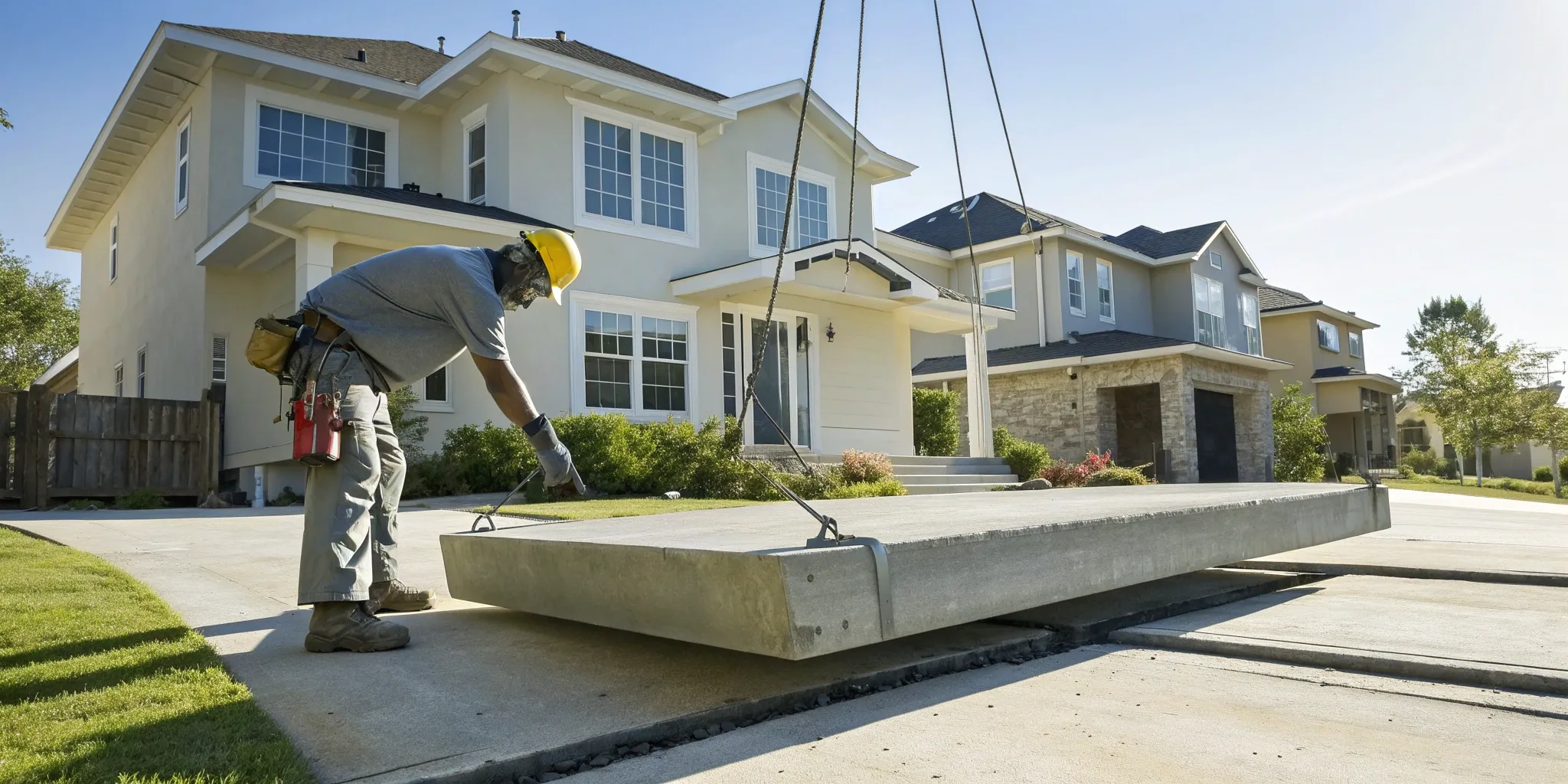
The concrete surfaces around your property feel solid, but the ground they rest on is surprisingly dynamic. When soil erodes, settles, or washes away, it creates hidden voids, leaving your heavy concrete slabs with no support. This is what causes them to sink, crack, and become uneven. Instead of just patching the surface, a true fix addresses this underground problem. Slab lifting and stabilization is a precise, scientific process that fills those voids and compacts the weak soil. By injecting a structural geotechnical foam, we can restore the ground’s integrity and lift the slab back into place, creating a durable foundation that prevents the issue from happening again.
Key Takeaways
- Focus on the Soil, Not Just the Slab: Sunken concrete is a symptom of unstable ground. An effective repair like polyurethane foam injection addresses the root cause by strengthening the soil underneath, which prevents the problem from happening again.
- Lifting is a Smarter Financial and Practical Choice: Before you consider a full replacement, know that lifting your existing slab is significantly less expensive, faster, and cleaner. Most projects are finished in hours, not days, saving you from a major disruption.
- A Lasting Fix is a Partnership: Your role is to hire a qualified, insured professional who uses quality equipment and offers a solid warranty. After the repair, protect your investment with simple maintenance, like ensuring proper water drainage away from your foundation.
What is Slab Lifting and Stabilization?
If you’ve ever tripped on an uneven concrete step or noticed your driveway starting to slope in a new direction, you’ve seen a sinking slab firsthand. It’s a common issue, but that doesn’t make it any less frustrating. For a long time, the only solution was to tear out the old concrete and pour a new slab—a process that’s expensive, messy, and time-consuming. Thankfully, there’s a much better way to handle it now.
Slab lifting is a modern technique for raising and leveling sunken concrete without replacing it. The process is surprisingly straightforward: a specialized, high-density foam is injected through small holes drilled into the slab. This polyurethane geotechnical foam expands beneath the concrete, filling any empty spaces in the soil and gently lifting the slab back to its original position. It’s a precise, clean, and fast method that not only fixes the symptom (the sunken slab) but also addresses the root cause by stabilizing the ground underneath. This approach strengthens the soil, preventing future sinking and giving you a stable, long-lasting surface you can count on.
Why Concrete Slabs Sink
Concrete feels solid and permanent, but the ground underneath it is constantly changing. The primary reason concrete slabs sink is that the soil supporting them gives way. This can happen for a few reasons. Poor drainage or a broken pipe can cause water to wash away the soil, creating empty pockets, or voids. In other cases, soil that wasn’t properly compacted before the slab was poured will naturally settle and compress over time. Even tree roots can decay and leave behind voids. When the ground loses its ability to support the heavy concrete, the slab settles into the empty space, resulting in uneven surfaces and cracks.
Common Signs of a Sinking Slab
Spotting a sinking slab early can save you a lot of trouble down the road. The most obvious sign is a visible slope or unevenness in your driveway, patio, or walkway. You might notice water pooling in certain areas after it rains, creating puddles where there were none before. Inside your home, look for cracks in your basement floor or garage slab. Sometimes, a sinking slab can even affect your home’s structure, causing doors and windows to stick or cracks to appear in your drywall. If you see any of these issues, it’s a good idea to get a professional foundation repair assessment.
The High Cost of Delaying Repairs
It can be tempting to ignore a small crack or a slightly uneven patio, but waiting to address a sinking slab almost always costs more in the long run. A small void under your concrete will only get bigger over time as more soil erodes, making the repair more complex. What starts as a minor tripping hazard can become a serious safety issue. Furthermore, water that pools on a sunken slab can seep into your foundation, leading to moisture problems and more significant structural damage. Addressing the problem early with slab lifting is a smart investment that protects your property’s value and prevents small issues from turning into major, expensive headaches.
Comparing Slab Lifting Methods
When you discover a sunken concrete slab, you’ll find there isn’t just one way to fix it. The three main approaches to lifting concrete—polyurethane foam injection, traditional mudjacking, and hydraulic pressure systems—each have their own process and ideal use case. Understanding the basics will help you have a more informed conversation with a foundation professional and choose the best path forward for your property. The right solution depends on factors like your soil conditions, the size of the slab, and your long-term goals.
Polyurethane Foam Injection
This modern technique is a clean, fast, and minimally invasive way to lift and stabilize concrete. The process involves drilling small, dime-sized holes into the sunken slab and injecting a two-part structural polyurethane foam. This material expands beneath the concrete, filling any voids and gently lifting the slab back to its original position. Because the foam is lightweight, it doesn’t add significant stress to the underlying soil, which is often the root cause of the problem. The polyurethane geotechnical foam cures in minutes, meaning you can walk or drive on the surface almost immediately after the job is done. It’s also waterproof, which helps prevent future erosion under the slab.
Traditional Mudjacking
Mudjacking, also known as slab jacking, is the classic method for lifting concrete. It involves pumping a slurry—typically a mixture of soil, sand, water, and sometimes cement—through large holes drilled into the slab. The hydraulic pressure from the slurry pushes the concrete upward. While mudjacking can be an effective and often lower-cost option upfront, it has some drawbacks. The material is heavy, adding substantial weight to soil that may already be unstable. The process also requires larger injection holes and can be messier. The slurry material can also erode or wash away over time if drainage issues aren’t addressed, potentially leading to the slab sinking again.
Hydraulic Pressure Systems
This category of slab lifting is similar to mudjacking but often uses a more engineered material, like a stone slurry grout, pumped with hydraulic equipment. The goal is the same: to fill voids and use pressure to raise the slab. While the materials can offer more strength and consistency than a simple mud mixture, they still add significant weight to the ground beneath. These systems are a reliable choice for certain applications, but they share some of the same potential issues as traditional mudjacking, including the need for larger drill holes and the risk of adding too much burden to weak soil structures. For heavier structural support, professionals may recommend installing push and helical piers instead.
How to Choose the Right Material
The best slab lifting method isn’t just about the concrete; it’s about what’s happening in the soil underneath it. If the soil is weak or prone to erosion, adding hundreds of pounds of heavy slurry could make the problem worse in the long run. This is where a professional assessment is crucial. An expert will analyze your soil conditions, identify the size and cause of any voids, and determine the load your slab needs to support. A thorough foundation repair plan should address the root cause, not just the symptom. Choosing the right material is a smart investment that improves your property’s safety and gives you peace of mind for years to come.
The Science Behind a Stable Foundation
Fixing a sunken slab isn’t just about lifting it back into place; it’s about understanding why it sank in the first place. A lasting repair requires a scientific approach that looks deep beneath the surface. Professionals don’t just treat the symptom—the cracked or uneven concrete—they diagnose and solve the root cause. This involves a careful analysis of the soil supporting your foundation, the weight the slab has to bear, and any hidden issues like underground voids.
Think of it like a doctor’s visit for your home. A thorough evaluation is the first step toward a permanent solution. By understanding the unique conditions of your property, experts can choose the right materials and techniques to ensure your foundation is stable for years to come. This scientific method is what separates a temporary patch from a true, long-term foundation repair. It’s about creating a solid base that can withstand pressure, manage water, and support your home correctly.
How Experts Assess Your Soil
The ground beneath your concrete slab is the true foundation of your home. If that soil is weak, loose, or prone to washing away, the slab above it doesn’t stand a chance. That’s why a professional assessment always starts with the soil itself. One of the most effective modern techniques is a process called permeation grouting, which involves injecting a specialized liquid foam into the ground. This polyurethane geotechnical foam expands and hardens, binding loose soil particles together to create a solid, stable mass. It essentially transforms weak soil into a strong, supportive base for your foundation.
Understanding Load Distribution
Every concrete slab carries a significant amount of weight—not just its own, but also the weight of everything on top of it, from walls and furniture to vehicles in a garage. When the soil underneath can no longer support this load, the slab will begin to sink and crack. A key advantage of using polyurethane foam for slab lifting is that it’s incredibly strong yet lightweight. Unlike older methods that added more heavy material under the slab, this foam stabilizes the ground without adding extra weight. This helps prevent further sinking and ensures the load is distributed evenly across a newly solidified base.
Finding Voids Beneath the Surface
Often, a sinking slab is a sign of an empty space, or void, that has formed underneath. These voids can be caused by soil erosion from poor drainage, settlement, or even decaying organic material like old tree roots. To fix this, experts can inject structural polyurethane foam directly into the voids. The foam expands to fill every nook and cranny, pushing the slab back up to its original position and creating a solid support system. This method is highly effective because it addresses the problem without the need for disruptive excavation, providing a solid foundation for the concrete to rest on.
Environmental Factors to Consider
The ground is a dynamic environment. Factors like heavy rainfall, drought, freeze-thaw cycles, and nearby tree roots can all impact soil stability over time. A professional understands that simply lifting a slab doesn’t guarantee it will stay put forever if the underlying environmental issues aren’t addressed. A comprehensive solution often includes improving drainage or implementing other waterproofing measures to prevent future soil erosion. By considering these external factors, an expert can create a repair plan that not only lifts your slab but also protects it from the very issues that caused it to sink.
Why Lift Your Slab Instead of Replacing It?
When you see a cracked or sunken concrete slab, your first thought might be to tear it out and start over. But that’s not always the best—or only—option. Lifting and stabilizing your existing slab is often a smarter, more efficient solution. It addresses the root cause of the problem, which is usually unstable soil underneath, providing a lasting fix without the headache of a full replacement. Let’s walk through why repairing your slab is often the better choice.
Repair vs. Replace: The Cost
One of the biggest wins for your wallet is the cost. Tearing out and replacing a concrete slab is a major project that involves demolition, debris removal, and pouring new concrete. On the other hand, lifting the existing slab is far less intensive. In fact, concrete leveling can save you up to 70% compared to the cost of replacement. Using modern methods like polyurethane geotechnical foam to raise the concrete can be less than half the price of pouring new. By choosing to repair, you’re getting a long-term solution without the significant expense of a total overhaul.
Project Timelines and Disruption
Your time is valuable, and your home shouldn’t feel like a construction zone for weeks on end. A full concrete replacement is a disruptive process that can take a long time to complete, leaving your property in disarray. Slab lifting is a much faster and cleaner alternative. Most lifting jobs can be completed within a few hours, not days or weeks. Because the process is minimally invasive, you can often use the area again shortly after the work is done. This means less interruption to your daily life and a quicker return to enjoying your space, whether it’s your patio, driveway, or garage floor.
The Benefits of Long-Term Stability
Slab lifting does more than just fix a cosmetic issue; it provides a durable, long-term solution. Techniques like polyurethane foam injection not only lift the slab but also stabilize the soil beneath it by filling voids and compacting loose earth. This method is considered one of the most advanced ways to repair and stabilize concrete available. By addressing the underlying soil issues, you’re not just patching the problem—you’re reinforcing the ground your slab rests on. This comprehensive approach to foundation repair helps ensure your concrete stays level and secure for years to come, preventing future sinking and saving you from repeated repairs.
Environmental Advantages of Repair
Choosing to repair your slab is also a more environmentally friendly decision. When you replace concrete, the old material gets broken up and hauled to a landfill, creating significant waste. By lifting your existing slab, you extend the life of the concrete you already have. This process keeps perfectly usable material out of the waste stream. Additionally, a properly leveled slab improves drainage and can help prevent water from seeping into your home’s foundation. This proactive approach not only preserves your concrete but also protects your home from potential water damage, making it a smart choice for both your property and the planet.
Slab Lifting for Different Properties
Slab settlement doesn’t discriminate—it can affect everything from your backyard patio to a massive industrial warehouse. But the solution isn’t one-size-fits-all. The right approach to slab lifting depends entirely on the type of property, the weight it needs to support, and how the space is used. A sunken sidewalk has very different requirements than a factory floor that supports heavy machinery. Understanding these differences is key to choosing a repair that lasts. For each scenario, the goal is the same: restore stability and safety with minimal disruption. Let’s look at how slab lifting is tailored for various types of properties.
Residential Homes
For homeowners, a sinking concrete slab is often a source of stress, whether it’s an uneven driveway, a cracked patio, or a sloping garage floor. The good news is that residential repairs are typically fast and minimally invasive. The most common method involves injecting polyurethane geotechnical foam beneath the slab. This modern technique is a game-changer compared to older methods. It’s much cleaner than mudjacking and requires only small, dime-sized injection holes. The foam expands to fill voids, lift the concrete back into place, and stabilize the soil underneath. The whole process is usually completed in just a few hours, meaning you can walk or drive on the surface the very same day.
Commercial Buildings
When a concrete slab sinks in a commercial building, it’s more than just an eyesore—it’s a potential liability and a disruption to business. Uneven floors can be a trip hazard for customers and employees in retail stores, offices, and warehouses. Commercial properties face unique challenges due to their larger scale and the need to minimize downtime. Slab lifting services for these buildings are designed to be efficient and robust, addressing everything from sunken entryways to uneven warehouse floors. A professional foundation repair team can work around business hours to lift and stabilize the concrete, ensuring the property is safe and operational as quickly as possible.
Industrial Facilities
Industrial environments are tough on concrete. The constant weight and vibration from heavy machinery, forklifts, and high-traffic operations can easily lead to slab settlement and cracking. In these settings, a stable foundation is absolutely critical for safety and productivity. A compromised slab can damage expensive equipment and pose a serious risk to workers. Slab lifting in an industrial facility focuses on creating a durable, long-lasting solution that can withstand extreme conditions. This often involves not just lifting the slab but also performing crack injection and corrosion repair to strengthen the concrete and prevent future damage, ensuring the structure’s lifespan is extended.
Public Infrastructure
The stability of our public infrastructure—roads, bridges, airport runways, and municipal buildings—is essential for community safety. When the soil beneath these structures shifts, it can cause dangerous sinking and instability. Slab lifting for public works projects is a highly specialized field. The primary goal is to densify and compact the soil beneath the concrete to increase its load-bearing capacity. This ensures the structure can safely support heavy, constant traffic. Using geotechnical foam to lift and stabilize these slabs is often a more cost-effective and less disruptive alternative to a full replacement, which would cause major delays and detours. It’s a critical part of keeping our public spaces safe and functional.
Key Players in Slab Lifting and Materials
When you’re looking into slab lifting, you’ll come across a few key names—some are expert contractors who perform the repairs, while others are the masterminds behind the materials and technology. Understanding who’s who can give you confidence that you’re getting a high-quality, lasting solution. A great contractor will use proven products from reputable manufacturers to ensure your foundation is secure for years to come. It’s like knowing your home is being built with top-tier lumber and hardware; the quality of the components matters just as much as the skill of the builder. Here are some of the trusted players in the slab lifting and stabilization industry whose products and services are used to protect properties like yours.
Bristol FX
As a homeowner, your primary relationship will be with your contractor. Bristol FX is a leading provider of foundation repair services, specializing in a comprehensive approach to solving foundation issues for both homes and commercial buildings. We use advanced techniques like polyurethane foam injection to handle everything from minor settlement to significant structural problems. Our expertise lies in accurately diagnosing the root cause of the issue and applying the right solution, whether it’s lifting a sunken slab, stabilizing the soil beneath it, or addressing water damage. By combining deep technical knowledge with high-quality materials, we ensure that every repair is built to last, giving you peace of mind about the stability and safety of your property.
Uretek
You might hear the name Uretek mentioned when discussing polyurethane foam injection, and for good reason. The company is a well-known innovator in the field, famous for its patented process for slab lifting and soil stabilization. Their method uses a lightweight but incredibly strong, high-density foam that expands to fill voids and gently lift settled concrete back into place. What makes their approach so popular is that it’s fast, effective, and creates minimal disruption to your property. When a contractor uses Uretek’s methods, it’s a sign that they are using a trusted, industry-leading technology designed for precision and long-term performance.
NCFI Polyurethanes
Behind many successful slab lifting projects are high-quality materials from manufacturers like NCFI Polyurethanes. They are experts in creating the specialized polyurethane foams used for geotechnical applications, including lifting concrete. Their products are engineered for exceptional density and strength, ensuring they can support heavy structures and withstand the test of time. NCFI focuses on the science behind the foam, developing materials that provide reliable, long-lasting results. When your contractor uses geotechnical solutions from a company like NCFI, you can be confident that the foam injected beneath your slab is specifically designed for the tough job of stabilizing your foundation.
Prime Resins
Prime Resins is another key manufacturer that provides contractors with the high-performance products needed for slab lifting. They offer a range of materials, including a popular two-component structural foam designed to underseal, stabilize, and lift concrete slabs. This type of foam is incredibly versatile and effective for filling hidden voids and correcting issues caused by soil settlement. The company’s focus is on creating reliable slab lifting products that contractors can depend on to deliver consistent, durable repairs. Seeing Prime Resins on a project proposal is another indicator that your contractor is committed to using quality materials for your home’s foundation.
AP/M Permaform
AP/M Permaform is a specialist in the broader world of concrete repair and rehabilitation. They provide a variety of products aimed at restoring the structural integrity of concrete and extending its lifespan, which includes solutions for slab lifting. Their focus is on providing contractors with effective and efficient methods for dealing with concrete settlement and other related problems. By developing reliable concrete repair solutions, they help ensure that repairs not only lift the slab but also contribute to its overall health and longevity. Their materials are another piece of the puzzle that helps skilled technicians restore your property’s foundation to a stable and secure state.
SealBoss Corporation
SealBoss Corporation is a go-to source for professional-grade concrete repair and waterproofing products, including the polyurethane injection systems used for slab lifting. Their materials are specifically formulated to fill voids, lift settled concrete, and provide a strong, durable foundation for the repaired slab. SealBoss puts a strong emphasis on creating high-quality materials that deliver effective, long-lasting repairs for homeowners. When a contractor uses a polyurethane injection system from a respected manufacturer like SealBoss, it demonstrates a commitment to using proven technology to solve your foundation issues correctly the first time.
The Technical Side: What to Expect
Slab lifting is a precise science, but you don’t need a degree in geotechnical engineering to understand the basics. When you bring in a professional, they’ll handle the complex calculations and technical work. Your role is to understand the key steps in the process so you can feel confident in the solution you choose. A good contractor will walk you through their findings and explain exactly what they plan to do and why. Let’s break down what you can expect from a professional assessment and repair.
The Professional Site Evaluation
Before any work begins, a thorough site evaluation is the most critical step. Think of it as a diagnostic appointment for your home’s foundation. A specialist can’t recommend the right treatment without first understanding the root cause of the problem. As experts at SealBoss note, “Before doing soil stabilization, the soil needs to be carefully checked to make sure the treatment will work well.” This involves more than just looking at the cracks. A team will assess the soil composition, moisture levels, and the extent of any voids beneath the slab. This detailed analysis ensures the chosen method, whether it’s polyurethane geotechnical foam or another solution, is perfectly suited to your property’s unique conditions.
How Weather Plays a Role
You might be surprised by how much your local weather patterns affect your foundation. Cycles of heavy rain followed by dry spells cause the soil beneath your home to expand and contract. This constant movement can lead to instability and sinking slabs over time. The pressure from water-saturated soil can cause uneven shifts, making it essential to have a repair plan that accounts for these environmental factors. A professional will consider your region’s climate and soil type to create a lasting fix. This is also why proper drainage and waterproofing are so important for maintaining a stable foundation long after the initial repair is complete.
Analyzing Your Slab’s Load Capacity
Your concrete slab does more than just sit there—it supports the weight of your walls, furniture, vehicles, and everything else in your home or business. That’s why any repair needs to consider the slab’s load capacity. The goal isn’t just to lift the concrete back into place; it’s to ensure the ground beneath it is strong enough to support that weight for years to come. Using a method like polyurethane foam injection helps “densify and compact the soils beneath concrete slabs to adequately support the structure.” A professional foundation repair team will analyze the specific loads your slab bears to ensure the stabilized ground is strong, secure, and ready to handle the pressure.
Adhering to Safety Standards
When it comes to your property, safety is non-negotiable. Professional slab lifting and stabilization are performed according to strict industry safety standards. This starts with using the right materials. Reputable contractors use high-quality, durable products, like the “lightweight but durable polyurethane foam” that can be injected “to lift and stabilize it for many years to come.” These materials are engineered to be environmentally stable and incredibly strong without adding excessive weight to the soil. Furthermore, a qualified team will follow all local building codes and safety protocols during the injection and curing process, giving you peace of mind that the job is done right.
How to Maintain Your Stabilized Slab
Once your concrete slab is lifted and stabilized, you’ll feel a huge sense of relief. The hard part is over, but a little proactive care goes a long way in keeping your foundation solid for years to come. Think of it like any other major home improvement—maintenance is key to protecting your investment. It’s important to remember that simply raising a slab back to its original position doesn’t guarantee it will stay there permanently if the underlying issues aren’t managed. The ground beneath your home can continue to shift, so staying on top of a few simple tasks can prevent small issues from becoming big problems down the road.
The good news is that maintenance isn’t complicated. It really comes down to three core habits: performing regular visual checks, managing water flow around your property, and understanding how to prevent new problems before they start. By paying attention to your property and addressing potential threats like poor drainage, you can ensure the professional repairs last a lifetime. We’ll walk through a straightforward approach to help you keep your slab exactly where it should be.
A Simple Inspection Checklist
After your slab is stabilized, get into the habit of doing a quick visual inspection every few months, especially after heavy rains or big temperature swings. Catching subtle shifts early is the best way to stay ahead of any potential resettlement. You don’t need any special tools—just your eyes and a few minutes of your time.
Walk around your property and look for:
- New cracks appearing on the slab or in nearby foundation walls.
- Existing cracks that seem to be widening.
- Doors and windows that have started to stick or become difficult to open.
- Gaps reappearing between the slab and adjacent walls.
- Areas where water pools on or around the concrete after it rains.
Noticing any of these signs isn’t a reason to panic, but it is a good reason to call a professional for an assessment.
Manage Your Property’s Drainage
Water is the number one enemy of a stable foundation. Over time, poor drainage can cause the soil under your concrete to wash away or soften, creating empty spaces that lead to sinking. To protect your slab, you need to control where water goes on your property. Start by checking your gutters and downspouts. They should be clean and direct water at least five to ten feet away from your foundation.
Next, look at the landscaping. The ground immediately surrounding your home should slope away from it, not toward it. This prevents water from pooling against your foundation. If you have sprinklers, make sure they aren’t over-saturating the soil near your home. Proper waterproofing and drainage management are the most effective steps you can take to preserve the stability of your slab.
Prevent Future Sinking
The method used to lift your slab plays a big role in preventing future sinking. Injecting structural polyurethane geotechnical foam fills the voids beneath the concrete, creating a strong, stable, and lightweight base that resists soil movement. Unlike traditional mudjacking, this material won’t wash away or add significant weight to the already unstable soil, providing long-lasting support.
While this foam provides incredible stability, it’s still important to address the root causes of the initial problem, like the drainage issues we just discussed. By combining a durable repair method with smart home maintenance, you create the best possible defense against future settlement. If you ever notice signs of new sinking, the foam injection process can often be repeated to fill any new voids that may have formed, keeping your slab secure.
How to Choose the Right Professional
Finding the right contractor for your slab lifting project is the most important step you’ll take. This isn’t just a simple repair; it’s a structural solution that protects your property’s value and safety. The right team will not only fix the immediate issue but will also provide a lasting solution that gives you confidence for years to come. When you’re vetting potential companies, you’re looking for a partner who is experienced, transparent, and stands behind their work. To make sure you’re hiring a true expert, focus on four key areas: their qualifications, insurance, equipment, and the warranty they offer. Taking the time to ask these questions upfront will save you from headaches and costly re-dos down the road. A little due diligence now ensures you get the job done right the first time.
Check for Key Qualifications
When it comes to your foundation, experience is non-negotiable. Slab lifting is a precise science, and you want a team that has seen it all. Professionals with a proven track record have the expertise and specialized tools to diagnose the root cause of the problem and apply the correct fix. Ask potential contractors about their history with projects similar to yours. How long have they been in business? Can they provide local references or show you a portfolio of their work? A qualified expert should be able to clearly explain their proposed foundation repair plan and why it’s the best approach for your specific situation, giving you confidence in their abilities.
Confirm They’re Insured
Before any work begins, always verify that the contractor is fully licensed and insured. This is a critical step that protects you, your property, and the workers on site. A reputable company should have no problem providing you with proof of both general liability insurance and worker’s compensation. General liability covers any accidental damage to your property, while worker’s compensation protects you from being held liable if a crew member is injured during the project. Think of it as a non-negotiable baseline for professionalism. Any hesitation to provide these documents is a major red flag.
Ask About Their Equipment
The quality of a slab lifting job is directly tied to the quality of the equipment used. Modern techniques, like polyurethane geotechnical foam injection, rely on highly specialized tools to be effective. Industry leaders use equipment like injection packers, lances, and high-pressure pumps to place the material exactly where it’s needed, ensuring a controlled and precise lift. Don’t be shy about asking a potential contractor what kind of equipment they use. A knowledgeable professional will be happy to explain their technology and why it’s the best fit for stabilizing your concrete slab. This conversation can tell you a lot about their commitment to quality and staying current with industry standards.
Understand the Warranty
A warranty is more than just a piece of paper; it’s a company’s promise that they stand behind their work. Reputable contractors offer strong warranties on their services, giving you valuable peace of mind. When reviewing a warranty, look at the details. How long does the coverage last? What exactly does it cover? Is the warranty transferable to a new owner if you decide to sell your property? For example, some of the best companies offer lifetime warranties on certain installations, like push and helical piers. This level of commitment shows that the company is confident in its materials, methods, and the long-term stability of its repairs.
Related Articles
- 4 Methods To Stabilize a Sinking Foundation – Professional Foundation Repair
- Polyurethane Geotechnical Foam – Reliable Foundation Repair
- What You Should Know About Polyurethane Foam Foundation Leveling – Professional Foundation Repair
Frequently Asked Questions
How long will the polyurethane foam last under my concrete? The high-density polyurethane foam used for slab lifting is a permanent solution. This material is inert, waterproof, and won’t break down or wash away over time, even in wet soil conditions. It’s designed to be a one-and-done repair that stabilizes the soil and supports your concrete for the life of the slab itself, giving you a stable surface you can rely on for decades.
Will the repair process make a mess of my yard or landscaping? Not at all. One of the biggest advantages of using polyurethane foam is how clean and minimally invasive the process is. We work from a truck and run a hose to the repair area, so there’s no heavy equipment driving on your lawn. The injection holes are small and discreet, and since the foam cures quickly, there’s no slurry or mud to clean up afterward, leaving your property looking just as it did before we arrived.
How soon can I walk or drive on the repaired slab? You can get back to using your space almost immediately. The polyurethane foam cures and hardens to about 90% of its final strength within 15 to 30 minutes after being injected. This means you can walk on a repaired patio or sidewalk right away, and you can typically drive your car onto a lifted driveway or garage floor by the time our crew packs up and leaves.
Is slab lifting the right fix for every sinking concrete problem? While slab lifting is an incredibly effective solution for most settled concrete, it isn’t the answer for every situation. If a slab has sunk due to deeper, more significant foundation settlement, other solutions like installing push or helical piers might be necessary to support the structure. A thorough professional evaluation is the only way to determine the true cause of the problem and recommend the correct, long-term repair for your property.
What do the injection holes look like when the job is done? We take great care to make the repair sites as unnoticeable as possible. The injection holes are quite small, only about the size of a dime. After the foam is injected and the slab is lifted, we patch these small holes with a cement grout that is blended to match the color and texture of your existing concrete as closely as possible, resulting in a clean and professional finish.