
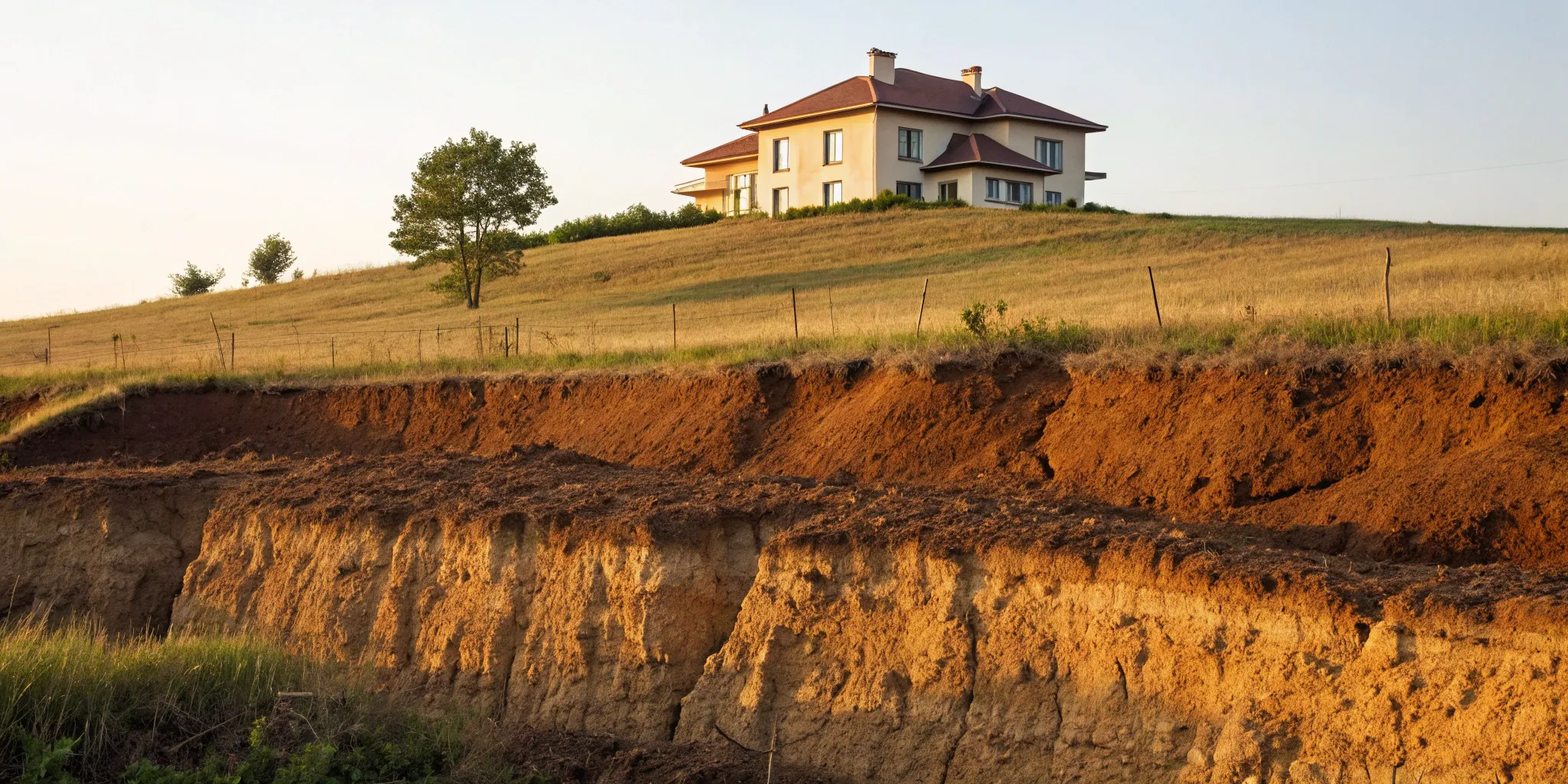
Your property is one of the biggest investments you’ll ever make, but its long-term stability depends on something you can’t even see: the ground it’s built on. Over time, a natural process called soil consolidation can silently undermine your foundation’s integrity. This slow compression of soil, caused by the expulsion of water under your home’s weight, leads to settlement. When this settlement is uneven, it can cause serious structural damage, from cracked walls to sloping floors, threatening both your safety and your property’s value. Protecting your investment starts with knowledge. This guide will walk you through what this process is and the modern solutions available to secure your foundation.
Key Takeaways
- Soil Consolidation is a Slow Squeeze: The constant weight of your property gradually presses water out of the soil beneath it, causing the ground to shrink and settle over time. This natural process is the root cause of many long-term foundation issues.
- Watch for Signs of Uneven Settlement: The real trouble starts when one part of your foundation sinks faster than another. This uneven movement creates stress on your home’s structure, which you can spot as diagonal wall cracks, sticking doors, or sloping floors.
- Modern Repairs Offer Permanent Stability: Foundation settlement is a solvable problem. Professional soil analysis can pinpoint the cause, and proven solutions like deep-driven piers or geotechnical foam can stabilize the ground and secure your property for the long term.
What Is Soil Consolidation?
Have you ever noticed new cracks in your walls or a door that suddenly starts to stick? These common household annoyances can sometimes point to a deeper issue happening right under your feet: soil consolidation. It’s a natural process where the soil beneath your home or commercial building compacts over time, causing the ground to sink or “settle.” While it sounds complex, understanding the basics is the first step toward protecting your property’s structural integrity. Let’s break down what soil consolidation is, the different forms it takes, and how it can directly impact your foundation.
Defining Soil Consolidation
At its core, soil consolidation is a simple process of squeezing water out of the ground. Think of the soil under your property like a saturated sponge. When a heavy load—like your house—is placed on top, it puts pressure on the soil. This pressure slowly forces water out from the tiny spaces between soil particles. As the water is expelled, the soil particles move closer together, causing the soil to become denser and take up less volume. This reduction in volume is what we call settlement. It’s a gradual change, but over time, it can lead to significant shifts in the ground supporting your foundation.
What Are the Types of Soil Consolidation?
Soil consolidation generally happens in two main phases: primary and secondary. Primary consolidation is the initial and more significant stage. This is when the bulk of the water is squeezed out from the soil due to the weight of your structure. It happens relatively quickly, though “quickly” in geological terms can still mean months or even a few years. Once most of the water is gone, secondary consolidation begins. This is a much slower, long-term creep where the soil particles themselves gradually shift and rearrange into a more compact structure. This phase can continue for many years, causing slow, ongoing settlement that might not be noticeable at first but can create problems down the road.
How Consolidation Affects Your Property
When the soil beneath your property consolidates, the ground surface sinks. If this settlement happens uniformly across your entire foundation, you might not even notice it. The real trouble starts when settlement is uneven. This differential settlement places immense stress on your foundation, leading to visible signs of damage like stair-step cracks in brickwork, gaps around window frames, and sloping floors. Ignoring these signs can lead to more extensive and costly issues. If you spot these red flags, it’s often a sign that you need professional foundation repair to stabilize your property and prevent further damage.
What Makes Soil Consolidate?
Soil consolidation is a natural process, but it can become a major headache for property owners when it happens unevenly beneath a foundation. Think of the soil under your home as a sponge. When it’s full of water and you put weight on it, the water slowly squeezes out, and the sponge compresses. That’s consolidation in a nutshell. It’s the gradual reduction in soil volume due to the slow expulsion of water from its pores.
Several key factors work together to cause this process. The primary drivers are the weight of your structure pressing down and the amount of water present in the soil. The type of soil you have also plays a huge role in how quickly—or slowly—this all happens. Understanding these elements is the first step in diagnosing why your foundation might be shifting and what can be done about it. Let’s break down what’s happening in the ground beneath your feet.
The Role of Water Pressure in Soil
Water is a powerful force, especially when it’s trapped underground. The tiny spaces, or pores, between soil particles are often filled with water. This water is under pressure, and it helps support the soil and whatever is built on top of it. However, when you add the immense weight of a building, the pressure on that water increases significantly. The soil can’t truly settle until that excess water has somewhere to go. Consolidation is the process of this water being slowly squeezed out, allowing the soil particles to pack together more tightly. This is why effective waterproofing and drainage systems are so critical for maintaining a stable foundation.
How Weight Affects the Ground Beneath You
The moment a structure is built, it begins exerting a constant, heavy load on the soil below. This weight is the trigger for consolidation. Imagine placing a heavy book on a wet sponge. First, you’ll see the sponge compress a bit as the air is pushed out. Then, over time, water will slowly seep out, and the sponge will shrink even more. The same thing happens with your home’s foundation. The building’s weight first compresses any air pockets in the soil, then it begins the long, slow process of squeezing out the water. This is a key consideration for any new construction project, as engineers must account for how the soil will behave under the building’s load.
Why Settlement Happens Over Time
If consolidation happened instantly, it would be much easier to manage. Unfortunately, it’s a slow-motion process that can take years, or even decades, to complete. The reason it takes so long is that water moves very slowly through certain types of soil, especially dense clays. This gradual volume reduction is what we see as settlement. Because it happens so slowly, you might not notice the effects for a long time. Eventually, this uneven movement can lead to visible signs of trouble like wall cracks, sticking doors, and sloping floors, indicating that it’s time to consider professional foundation repair to re-stabilize your home.
How Different Soil Types Behave Under Pressure
Not all soil is created equal. The type of soil your property sits on is the single biggest factor determining its risk for consolidation. Fine-grained soils like clay and silt are the main culprits. Their particles are tiny and tightly packed, making it extremely difficult for water to escape. In contrast, coarse-grained soils like sand and gravel have large pores that allow water to drain almost immediately. They don’t really consolidate because the water isn’t trapped. This is why foundation solutions like push and helical piers are so effective; they are driven deep into the ground to bypass these unstable clay layers and anchor your foundation to solid, stable soil or bedrock.
The Three Stages of Soil Consolidation
Soil doesn’t settle all at once. Instead, it goes through a process called consolidation, which happens in three distinct stages. Understanding these phases helps explain why foundation issues can appear years after a home is built. Each stage affects your property differently, driven by the type of soil and the weight it supports. Let’s walk through what happens beneath your foundation over time.
Stage 1: Initial Consolidation
Think of initial consolidation as the soil’s immediate reaction to a new weight, like the construction of your home. This happens almost instantly. If the soil is partially dry, this stage involves air being quickly squeezed out from the voids between soil particles. If the soil is completely saturated with water, the solid particles themselves compress slightly under the new load. This phase is typically very fast and is usually factored into the engineering and design of a new building’s foundation. It’s the first, quickest step in the settlement process.
Stage 2: Primary Consolidation
This is the main event and often the most significant cause of settlement. Primary consolidation is all about water being slowly squeezed out from the soil. Under the constant pressure of your home, water trapped in the soil’s pores gradually escapes. In sandy soils, water drains quickly, so this stage is over relatively fast. In dense clay soils, however, the process is much slower because water has a harder time moving through the fine particles. This slow, steady expulsion of water is what causes the ground to sink over months or even years, often leading to the need for foundation repair.
Stage 3: Secondary Consolidation
Secondary consolidation is the slow, long-term creep that continues even after most of the water has been pushed out. In this final stage, the individual soil particles themselves gradually shift, rotate, and rearrange into a denser, more compact structure. This process is particularly noticeable in soft, organic soils and can continue for decades. While the movement is subtle, this ongoing compression can contribute to long-term settlement issues. Solutions like push and helical piers are designed to bypass these unstable soil layers and provide lasting support.
How to Recognize Settlement Patterns
So, what does this process look like in your home? The biggest red flag is differential settlement, which happens when different parts of your foundation settle at different rates. This uneven movement creates stress on your home’s structure. You can spot it by looking for telltale signs like diagonal cracks appearing in your drywall, doors and windows that stick or no longer latch properly, or floors that have become noticeably sloped. On the outside, you might see cracks in the brickwork or foundation walls. Catching these patterns early is key to addressing the root cause before it leads to more significant structural damage.
How Do Experts Test for Soil Consolidation?
When it comes to your property’s foundation, there’s no room for guesswork. Professionals rely on precise, scientific methods to understand the ground beneath your home or building. By testing for soil consolidation, engineers can predict how the soil will behave under the weight of a structure over time. This process involves a combination of on-site analysis and detailed laboratory work to gather the data needed for a stable and secure foundation design.
Testing Soil in the Lab
To see how your soil will react to the immense pressure of a building, engineers conduct a consolidation test in a controlled lab setting. They take a carefully extracted sample of your soil and place a weight on it, mimicking the load of a foundation. As the pressure is applied, water is slowly squeezed out from the tiny spaces between soil particles, causing the soil to compress. This test measures how much the soil’s volume shrinks and how quickly it happens. It’s a direct way to understand the soil’s stability and its potential for settlement, providing critical data for any foundation repair or construction project.
Monitoring Your Property On-Site
The process begins right on your property. Before any lab work happens, geotechnical engineers perform an on-site investigation. This involves taking several soil samples from different depths and locations around the proposed construction area. These samples provide a real-world snapshot of your property’s unique soil profile. The data gathered on-site is then combined with lab results and sometimes run through computer simulations. This comprehensive approach allows experts to accurately predict how much the ground will settle once the structure is built. It’s a crucial first step when planning for new construction to ensure the foundation is designed correctly from the start.
Using Modern Tech for Accurate Results
For the most precise measurements, engineers use a specialized device called an oedometer. Think of it as a high-tech press designed specifically for soil. A small, disc-shaped sample of soil is placed inside the oedometer, where different levels of pressure are applied systematically. The device meticulously measures how much the soil compresses over time under each load. This method provides incredibly accurate data on the soil’s consolidation characteristics, leaving nothing to chance. Using advanced equipment like this is essential for developing effective solutions, whether it’s designing a new foundation or applying a modern fix like polyurethane geotechnical foam to stabilize existing ground.
What Do the Test Results Mean for You?
So, what does all this testing mean for your property? The results are the key to a safe and durable foundation. The data from consolidation tests allows engineers to predict exactly how much your building will settle and the timeline for that settlement. With this information, they can design a foundation that is strong enough to handle the expected changes without cracking or failing. This proactive approach prevents future structural problems, saving you from costly repairs down the road. It’s how we ensure solutions like push and helical piers are implemented effectively to guarantee your structure’s long-term stability and safety.
Soil Consolidation vs. Soil Compaction
When you hear experts talk about the ground under your home, the terms “consolidation” and “compaction” often come up. They might sound similar, but they describe two very different processes that have a major impact on your foundation’s stability. Understanding the difference is the first step in recognizing what’s happening beneath your property and why it matters. Both involve making the soil denser, but how they get there—and when—is completely different.
What’s the Difference?
The easiest way to understand the difference is to think about what’s being removed from the soil. Soil compaction is the process of squeezing air out of the soil, usually with heavy machinery like rollers. It’s a quick, mechanical process done to create a dense, stable base before construction begins.
Soil consolidation, on the other hand, is all about squeezing water out of the soil. This is a much slower, natural process that happens over months or even years as the weight of your home puts pressure on the ground beneath it. Saturated soils, like clay, slowly release water under this constant load, causing the soil volume to shrink and the ground to settle.
When Does Each One Matter?
Think of it in terms of a timeline. Soil compaction is a proactive step taken at the very beginning of a construction project. Builders compact the soil to give the foundation a solid, predictable starting point. It’s a crucial part of site preparation that helps prevent immediate settling issues.
Soil consolidation is a long-term concern that happens after your home is built. It’s the gradual settlement that occurs as the soil adjusts to the permanent weight of the structure. This process is especially important to monitor in areas with soft, water-rich soils, as it can continue for a long time and lead to significant changes in your foundation’s stability.
Why the Distinction Is Critical for Your Foundation
This distinction is critical because it helps pinpoint the cause of foundation problems. If the ground wasn’t properly compacted, you might see issues early on. However, problems caused by consolidation—like uneven floors, sticking doors, and cracks in your drywall—can appear years after you’ve moved in. When soil consolidates unevenly, it leads to differential settlement, where one part of your foundation sinks faster than another. This puts immense stress on your home’s structure and is a leading cause of the need for professional foundation repair.
What This Means for Construction
For professionals, knowing the difference guides the entire approach to building and repair. During new construction, engineers perform soil tests to predict how much consolidation might occur and design a foundation that can handle it. For existing homes already experiencing settlement, the focus shifts to stabilization. Techniques like applying polyurethane geotechnical foam can densify weak soil layers and lift the foundation back toward its original position, directly addressing the problems caused by long-term consolidation.
How to Manage and Solve Soil Consolidation
Discovering that your property sits on consolidating soil can feel overwhelming, but it’s a challenge with clear, effective solutions. The key is to move from reacting to problems to proactively managing them. With the right expertise and techniques, you can stabilize the ground beneath your property and protect your investment for the long haul. It all starts with a professional assessment to determine the best path forward.
Designing Foundations for Stable Ground
The best defense against soil consolidation is a foundation designed with the specific ground conditions in mind. Before any construction begins, geotechnical engineers must understand how the soil will behave under the weight of a new structure. This involves taking soil samples and running tests to predict how much the soil will settle over time. This crucial first step ensures the foundation is built to withstand the unique pressures of the site, preventing issues before they ever start. For new construction, this foresight is everything. It’s about building on a solid base from day one, creating a structure that remains stable and secure for decades.
Methods for Improving Ground Stability
If you’re dealing with an existing property on unstable soil, there are several powerful methods to improve ground stability. While older techniques involved preloading the ground with weight or installing drains to help water escape, today we have more advanced and less disruptive solutions. For example, injecting polyurethane geotechnical foam into the soil can fill voids, densify the ground, and provide immediate support. Another highly effective method is installing deep foundation supports like push or helical piers, which transfer the building’s weight past the weak soil to a more stable, load-bearing layer far below the surface. These modern approaches offer lasting stability with minimal impact on your property.
Preventing and Mitigating Future Problems
The biggest danger of soil consolidation is differential settlement, which happens when different parts of your foundation settle at different rates. This uneven movement is what causes cracked walls, sticking doors, and severe structural damage. The goal of any intervention is to stop this process and create uniform stability. Techniques like compaction and crack injection can strengthen the soil and repair existing damage. A comprehensive foundation repair plan doesn’t just patch up the symptoms; it addresses the root cause of the soil movement to prevent minor issues from turning into major structural failures down the road.
The Importance of Ongoing Monitoring
Managing soil consolidation isn’t always a one-time fix. For properties in areas with significant soil movement or complex geological conditions, ongoing monitoring is essential. Geotechnical experts can install monitoring equipment to track settlement over time, ensuring that the implemented solutions are performing as expected. This data-driven approach allows for early detection of any new changes in the soil, so adjustments can be made before they become serious problems. Think of it as a regular health check-up for your foundation. This proactive step provides peace of mind and protects your property’s long-term stability by keeping a close watch on the ground beneath you.
Ensuring Quality Control in Foundation Work
Ultimately, the success of any soil stabilization project depends on the quality of the work. From the initial soil tests to the final installation of support systems, every step must be executed with precision. The results from a professional consolidation test are what guide the entire engineering and design process, helping engineers create foundations that are strong enough for the specific site. This is why choosing a team that relies on scientific methodologies and proven techniques is so important. Quality control ensures that the foundation solutions are not only effective but also durable, backed by extensive warranties that guarantee the work for years to come.
Advanced Tech for Managing Soil Consolidation
Foundation science isn’t stuck in the past. Today, engineers use incredible technology to understand what’s happening beneath the surface and design solutions that last a lifetime. These advancements mean we can move from reacting to foundation problems to proactively preventing them. By combining sophisticated tools with deep expertise, we can get a crystal-clear picture of your property’s soil conditions. This allows for more precise, effective, and durable foundation work, whether it’s for a new build or repairing an existing structure. It’s all about using the best tools available to ensure your property rests on solid ground for years to come.
Digital Tools for Real-Time Monitoring
Imagine being able to see how the soil under your home is changing in real time. That’s exactly what modern digital monitoring systems allow us to do. By placing sensors in the ground, engineers can track shifts in soil settlement and the pressure of water within the soil as they happen. This constant stream of real-time data is a game-changer. Instead of waiting for visible signs of trouble, like cracks in the walls, we can spot potential issues at the earliest stage. This proactive approach allows for timely adjustments and interventions, ensuring the long-term integrity of your foundation and giving you peace of mind.
Using Data to Predict Soil Behavior
What if you could predict how the soil on your property will behave in the future? With advanced data analytics, that’s becoming a reality. Engineers can now use powerful software to analyze historical soil data from your area and predict future consolidation patterns under different conditions, like the weight of a new building. This predictive power helps us design smarter foundations from the very beginning. By understanding how the ground is likely to settle over time, we can create customized solutions, like specialized push and helical piers, that are perfectly suited to your property’s unique soil profile, preventing problems before they ever start.
The Latest in Soil Testing Equipment
Getting accurate information about your soil is the first step to any successful foundation project. Fortunately, the tools for the job have gotten a major upgrade. Modern, innovative soil testing equipment, like digital testing devices, gives us faster and far more precise measurements of how your soil compresses and settles. This detailed data is critical for everything from designing a new foundation to planning a complex repair. Better testing means better data, and better data leads to more effective, reliable solutions that are engineered to stand the test of time.
What’s Next in Foundation Engineering?
The future of foundation engineering is all about integration. Experts are now combining detailed soil data with Building Information Modeling (BIM)—essentially a 3D digital blueprint of a structure. By integrating geotechnical data with building information modeling, engineers can simulate how a foundation will interact with the ground beneath it before a single shovel breaks ground. This holistic approach leads to incredibly resilient and adaptive foundation designs that account for real-world soil behavior. It’s a smarter way to build, ensuring structures are not only safer but also more durable for the long haul.
Related Articles
- Polyurethane Geotechnical Foam – Professional Foundation Repair
- Polyurethane Geotechnical Foam – Reliable Foundation Repair
Frequently Asked Questions
How can I tell if the cracks in my wall are from normal settling or a bigger problem like consolidation? It’s common for a house to have tiny, hairline cracks as it settles, but the signs of problematic consolidation are usually more distinct. Look for cracks that are wider than a quarter-inch, run diagonally (often in a stair-step pattern on brick walls), or appear over doorways and windows. Other red flags include doors that suddenly stick or won’t latch, floors that feel sloped, or gaps appearing between your walls and ceiling. If you see these patterns, it’s a good sign that the ground is moving unevenly beneath your foundation.
My house is only a few years old. Why would I be seeing signs of settlement already? This is a common point of confusion, but it makes sense when you understand how consolidation works. The most significant phase, called primary consolidation, happens in the first few months or years after construction as the weight of your home squeezes water from the soil. This process is especially noticeable in clay-rich soils, which release water very slowly. So, seeing signs of settlement in a newer home isn’t unusual; it’s often the first indication that the soil is reacting to the structure’s permanent load.
Does all soil eventually consolidate? Not all soil behaves the same way under pressure. The risk of consolidation really comes down to soil type. Fine-grained soils like clay and silt are the primary concern because their tiny particles trap water, making it difficult for it to escape. When weight is applied, this trapped water is slowly forced out, causing the ground to sink. In contrast, coarse soils like sand and gravel have large spaces between particles that allow water to drain freely, so they compact almost immediately and don’t experience long-term consolidation.
Can soil consolidation be completely stopped or reversed? The goal of foundation repair isn’t necessarily to reverse the natural process of consolidation but to manage its effects and stabilize your home. Modern solutions aim to stop uneven settlement in its tracks. Techniques like installing deep piers transfer your home’s weight past the unstable soil to solid ground below. Other methods can strengthen the soil itself to prevent further movement. In some cases, a foundation can be lifted back toward its original position, but the primary objective is always to create lasting stability.
What is the first step I should take if I think my foundation has a problem? If you suspect an issue, the best first step is to have a professional conduct a thorough assessment. An expert can evaluate the signs you’re seeing, analyze the soil conditions around your property, and determine the root cause of the movement. This initial inspection provides a clear picture of what’s happening beneath your home and allows for a targeted plan to address the specific problem, ensuring you get the right solution without any guesswork.