
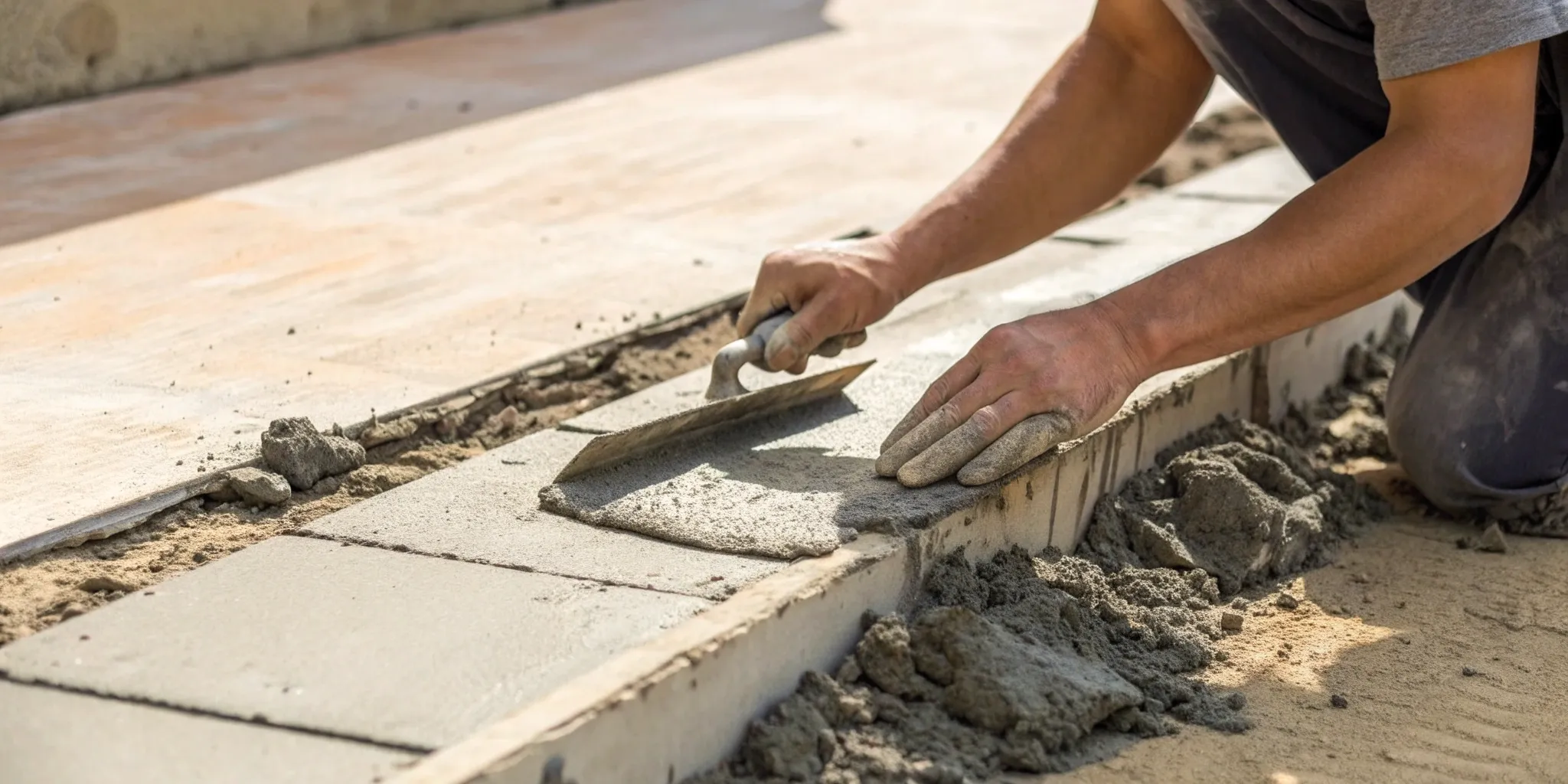
Concrete seems incredibly tough, but it has a hidden enemy: water. When moisture seeps into its pores and freezes, it expands, creating immense pressure that causes the surface to break apart. This process is a primary cause of spalled concrete, leaving behind a rough, pockmarked surface on your driveway or patio. Another hidden culprit is the steel rebar inside, which can rust and expand, cracking the concrete from within. Understanding these root causes is key to preventing future damage. This article explains the science behind why concrete fails and provides a clear roadmap for effective repairs and preventative measures to keep your surfaces strong.
Key Takeaways
- Treat Spalling as a Call to Action: Those flaky, pitted spots on your concrete are telling you something is wrong. They’re often the first visible sign of moisture intrusion and rebar corrosion, so investigating the cause early can prevent small problems from becoming expensive structural repairs.
- Make Prevention a Simple Routine: You can stop most spalling before it starts with basic maintenance. Sealing your concrete every few years, ensuring water drains away from it, and using concrete-safe de-icers are the most effective ways to protect your investment.
- Know When to Patch and When to Call a Pro: While you can handle minor surface patches yourself, deep spalling or exposed rebar are signs of a bigger issue. A professional can identify the root cause and ensure the repair is done right, protecting your property’s safety and value.
What is Spalled Concrete?
Have you ever noticed patches on your driveway or patio where the concrete surface looks like it’s flaking or peeling away? That’s a classic sign of spalled concrete. Think of it as the concrete’s top layer breaking down, creating pitted scars, divots, and chips. It’s not just a cosmetic problem; spalling is a signal that your concrete is under stress from things like harsh weather, chemical exposure, or moisture. It’s your property’s way of telling you that something is wrong beneath the surface.
When concrete spalls, it can be a minor surface issue or a symptom of a much deeper problem. In more serious cases, the damage can go deep enough to expose the steel reinforcement bars (rebar) hidden inside. This is where the issue becomes critical. Once the rebar is exposed to the elements, it begins to rust and expand, which can crack the concrete from within and compromise its structural integrity. Addressing spalling early is key to preventing small flakes from turning into a major headache that requires extensive corrosion repair. It’s about protecting both the look and the long-term health of your property’s foundation and flatwork.
What Does Spalled Concrete Look Like?
Identifying spalled concrete is fairly straightforward once you know what to look for. You’ll see the surface peeling, chipping, or breaking away in flakes. This is sometimes called “scaling.” The texture will change from smooth to rough and uneven, often with shallow, crater-like depressions. It might start as a small, blistered-looking area and grow over time, revealing the coarse aggregate (the small stones mixed into the concrete) underneath. Essentially, spalling tells you that the top layer of your concrete has lost its strength and is starting to disintegrate.
Where Does Spalling Usually Happen?
You’re most likely to find spalling in areas that face the toughest conditions. Think about surfaces that are constantly exposed to the elements, like your driveway, outdoor steps, patio, and sidewalks. The area right in front of your garage door is a common hotspot, as it deals with moisture, temperature swings, and de-icing salts brought in by your car’s tires. Garage floors and concrete basements can also be affected, especially if they struggle with dampness or water intrusion. Any concrete surface that endures frequent freeze-thaw cycles or chemical contact is a prime candidate for spalling.
How Concrete Deteriorates Over Time
Concrete is incredibly strong, but it has a weakness: the steel rebar inside it can rust. Healthy concrete has a high pH, which creates a protective layer around the steel. Over the years, a process called carbonation occurs as moisture and carbon dioxide from the air seep into the concrete. This slowly lowers the pH, stripping away that protective shield. Once the rebar is vulnerable, moisture causes it to rust. As steel rusts, it expands to several times its original size, creating immense pressure that pushes the concrete apart from the inside out, causing it to crack and spall.
What Causes Concrete to Spall?
Think of concrete spalling as your property’s way of telling you something is wrong. It’s not just random wear and tear; it’s a symptom of an underlying issue. Several factors can cause the surface of your concrete to peel, flake, or break away, and understanding the root cause is the first step toward a lasting fix. From the water that seeps into its pores to the steel reinforcement hidden inside, different elements can work against your concrete’s strength. Let’s walk through the most common culprits so you can get a clearer picture of what might be happening to your driveway, patio, or foundation.
The Impact of Moisture and Freeze-Thaw Cycles
One of the most frequent causes of spalling, especially in colder climates, is the freeze-thaw cycle. Concrete is porous, meaning it can absorb water. When moisture seeps into the surface and the temperature drops below freezing, that water turns to ice and expands. This expansion creates immense internal pressure that pushes outward on the concrete. As temperatures rise, the ice thaws, and the cycle repeats. Over time, this constant push-and-pull weakens the surface layer, causing it to pop, flake, and break off. Effective waterproofing is your best defense against this, as it prevents moisture from getting into the concrete in the first place.
Damage from Chemical Exposure
Chemicals can be incredibly harsh on concrete surfaces. De-icing salts are a major offender. While they’re great for melting ice on driveways and walkways, the chlorides in the salt can penetrate the concrete and corrode the steel rebar within. They also lower the freezing point of water, which can lead to more frequent and damaging freeze-thaw cycles. Other chemicals, like those found in fertilizers or acid rain, can also slowly eat away at the concrete paste, weakening its structure and leading to surface deterioration. Addressing this kind of damage often requires specialized corrosion repair techniques to neutralize the chemicals and restore the concrete.
Problems from Poor Installation
Sometimes, the problem starts the day the concrete is poured. If the original installation wasn’t done correctly, spalling is almost inevitable. A common mistake is adding too much water to the concrete mix, which weakens the final product. Another issue is improper finishing. If the finishers overwork the surface or start too early, they can create a weak top layer that will easily flake away later. Getting the job done right from the start is crucial, which is why working with professionals on new construction projects can save you from major headaches down the road. A solid foundation begins with a quality installation.
Everyday Environmental Factors
Your local environment plays a big role in your concrete’s health. If you live in a coastal area, the salt in the air can be just as damaging as de-icing salts, accelerating rebar corrosion and causing spalling. In areas with heavy rainfall, constant moisture can lead to issues, especially if your property has poor drainage. Even heavy traffic on a driveway can contribute to surface stress that eventually leads to flaking and pitting. These environmental pressures can turn a tiny, unnoticeable flaw into a significant problem over time, making regular inspection and maintenance a key part of any foundation repair strategy.
How Corroding Rebar Causes Damage
Many concrete structures, like foundations and bridges, contain steel reinforcement bars, or rebar, for added strength. While this rebar is essential, it’s also a major vulnerability. If moisture and chlorides seep through the concrete and reach the steel, it will begin to rust. When steel rusts, it expands dramatically—up to ten times its original volume. This expansion acts like a powerful wedge, forcing the concrete apart from the inside. This is often the cause of large, deep spalls where you can see the exposed, rusty rebar. It’s a serious issue that requires professional crack injection and corrosion repair to stop the damage and restore structural integrity.
Your Guide to Repairing Spalled Concrete
Once you’ve identified spalled concrete, the next step is deciding how to handle the repair. For smaller, surface-level issues, a DIY approach can work if you’re careful and thorough. This guide walks you through the essential steps, from getting the surface ready to applying the final patch. Following these instructions will give your repair the best chance of lasting for years to come. Keep in mind that the success of your project hinges on careful preparation and using the right materials. Taking the time to do it right the first time will save you from having to repeat the process down the road.
How to Prep the Surface for Repair
Proper preparation is the most critical part of any concrete repair. If you don’t get this right, your patch will likely fail within a year. The goal is to remove all the loose, crumbling concrete and any dirt or debris until you reach a solid, stable surface. This creates a strong foundation for the new material to bond to. You’ll need to chip or grind away the damaged areas completely. Don’t be shy here—any weak concrete left behind will compromise the entire repair. A clean, sound surface is your ticket to a durable fix that blends seamlessly with the surrounding concrete.
Tools and Materials You’ll Need
For a serious repair, you’ll need more than a trowel and a bucket. Renting a diamond grinder with a cup wheel attachment and a connected vacuum is the best way to properly prep the surface. The grinder removes the damaged material efficiently, while the vacuum contains the dust. When it comes to the repair material itself, look for a polymer-modified cementitious coating. Think of it as concrete with added polymers that make it stronger, stickier, and more durable. This material is specifically designed for concrete rehabilitation and will give you a much better result than a standard concrete mix.
Methods for Patching and Resurfacing
Your repair method will depend on the extent of the damage. For small, isolated spots, you can apply a patching material that matches the color and texture of your existing concrete. However, if the spalling is widespread, you’ll need to resurface the entire area. Keep in mind that visible spalling often indicates that the problem is more advanced than it appears. In either case, the process starts by breaking away all the loose material until you hit solid concrete. A successful foundation repair depends on this step, as the new material needs a firm base to adhere to permanently.
When to Call a Professional
While DIY repairs are possible for minor cosmetic issues, it’s important to know when to call for backup. If the spalling is deep, covers a large area, or if you see exposed and corroded rebar, it’s time to contact a professional. These are often signs of a more significant underlying problem that a simple patch won’t solve. When concrete deterioration requires extensive work or could impact the structure’s stability, an expert should perform an inspection. A professional can assess the root cause of the damage and ensure the repair is done correctly and safely, providing a long-term solution.
How to Check Your Repair Work
After you’ve applied the patch, the work isn’t quite done. The first test of your repair is how well it adheres. If the old surface wasn’t prepped correctly, the new material won’t bond properly and could flake off again. Assuming you have a good bond, the next step is curing. This involves keeping the new patch moist for several days, typically up to a week. You can do this by covering it with plastic sheeting or misting it with water periodically. Proper curing is essential for the cement to harden correctly and reach its maximum strength, ensuring your repair is tough and long-lasting.
How to Prevent Concrete Spalling
While repairing spalled concrete is possible, preventing it in the first place is always the better and more cost-effective strategy. Protecting your concrete surfaces from the start can save you a lot of headaches down the road. A little proactive care goes a long way in preserving the strength and appearance of your driveways, patios, and foundations. By focusing on quality materials, proper protection, and routine maintenance, you can significantly extend the life of your concrete and keep it looking its best for years to come.
Start with High-Quality Concrete
The best defense against spalling begins the day your concrete is poured. Using a high-quality, dense concrete mix is fundamental to its long-term durability. A well-formulated mix has low porosity, meaning it has fewer tiny holes for water to seep into. This is especially critical for any outdoor concrete that will be exposed to rain and snow. When you’re planning a project, whether it’s a new driveway or a foundation, insisting on a superior mix is a non-negotiable first step. For any new construction work, ensuring the concrete is properly mixed and cured sets the stage for a surface that can withstand the elements for decades.
Use Waterproofing to Protect Surfaces
Think of a concrete sealer as a raincoat for your driveway or patio. Applying a high-quality waterproofing sealer is one of the most effective ways to prevent moisture from penetrating the surface. For new concrete, it’s best to wait about a month for it to fully cure before sealing. After the initial application, you should plan to reapply the sealer every few years to maintain a strong protective barrier. This simple step stops water from getting into the concrete’s pores, which is the primary cause of freeze-thaw damage. Professional waterproofing not only prevents spalling but also protects against stains and other surface damage.
Why Proper Drainage is Key
Water should never be allowed to sit on your concrete surfaces for extended periods. Proper drainage is essential for guiding water away from your foundation, driveway, and walkways. This means ensuring your landscape is graded correctly and that gutters and downspouts are clear and directing water away from the home. When water pools on concrete, it has more time to seep in and cause problems, especially during freeze-thaw cycles. According to industry experts, proper drainage is a critical factor in preventing water penetration and subsequent spalling. Addressing drainage issues doesn’t just protect your concrete; it also helps safeguard your entire foundation.
The Benefits of Air-Entrained Concrete
If you live in an area with cold winters, air-entrained concrete is a game-changer. This special type of concrete is mixed with microscopic air bubbles. While it might sound counterintuitive, these tiny pockets act as relief valves. When water that has seeped into the concrete freezes and expands, it can move into these air bubbles instead of creating pressure that cracks and breaks the surface. The Concrete Network explains that these bubbles give freezing water space to expand without causing damage. When installing new concrete in a colder climate, asking for an air-entrained mix is a smart investment in preventing future spalling.
Safe Ways to De-Ice Concrete
When winter arrives, reaching for rock salt to de-ice your driveway can do more harm than good. Many common de-icing products contain chemicals that are highly corrosive to concrete and can accelerate spalling. These chemicals can also damage the reinforcing steel rebar within the concrete. Instead, consider safer alternatives like sand or cat litter for traction. If you must use a de-icer, look for products specifically labeled as safe for concrete, such as those containing calcium magnesium acetate. Even then, it’s best to apply them sparingly. Protecting your concrete from harsh chemicals is a key part of any winter maintenance plan.
A Simple Maintenance Routine
Finally, a little regular attention can make a huge difference. Make it a habit to sweep your concrete surfaces to remove dirt and debris that can trap moisture. Clean up oil, gas, and other chemical spills immediately, as they can weaken the concrete and break down sealers. A couple of times a year, give your concrete a good cleaning with a pressure washer or a stiff brush and detergent. While you’re cleaning, inspect the surfaces for any small cracks or signs of wear. Catching and sealing a small crack early is much easier than dealing with widespread spalling later. If you spot anything concerning, a professional foundation repair assessment can help you address it before it becomes a major problem.
Protecting Your Property’s Concrete
Taking care of your concrete surfaces is one of the smartest things you can do to maintain your property’s value and safety. Concrete feels permanent, but it’s vulnerable to the elements over time. Being proactive is key. By learning to spot early warning signs and understanding the right protective measures, you can prevent small issues from turning into costly, complex repairs. Think of it as routine maintenance for one of your property’s most important assets. A little attention now can save you a lot of headaches down the road, ensuring your driveways, foundations, and walkways remain stable and secure for years to come.
How to Catch Problems Early
The best way to protect your concrete is to catch problems before they escalate. Keep an eye out for concrete spalling, which looks like flaky, pitted, or chipped areas on the surface. You might see small craters or patches where the top layer has broken away, sometimes exposing the steel rebar underneath. This happens for a few reasons, but a common culprit is moisture seeping into the concrete and causing the internal steel bars to rust and expand. Regularly walk around your property and inspect your garage floor, patio, foundation walls, and driveway. If you notice any of these signs, it’s a clear signal that your concrete needs attention before the damage spreads. Addressing corrosion and cracks early is the most effective approach.
Is Spalling a Structural Safety Concern?
It’s easy to dismiss a bit of flaking concrete as a simple cosmetic issue, but it can be a serious red flag. Spalling is often a symptom of deeper distress within the concrete. When left unaddressed, it can weaken the concrete and anything it supports, which can eventually make the entire structure unstable. While a small patch on your walkway might not be an immediate crisis, spalling on a support column, balcony, or foundation wall is a different story. It indicates that the concrete’s integrity is compromised, which can pose a significant safety risk. That’s why it’s so important to take any sign of spalling seriously and investigate the underlying cause to ensure your property’s foundation repair needs are met.
Understanding the Costs of Repair
When it comes to concrete damage, waiting is never a good strategy. The longer you put off repairs, the more extensive and expensive they become. What starts as a small, manageable patch can spread, allowing more water and contaminants to penetrate the concrete and accelerate its deterioration. As one industry report notes, “repair costs will increase a lot if you wait too long.” Beyond the direct cost of the repair, damaged concrete can also hurt your property’s value. For commercial properties, visibly crumbling concrete in areas like parking garages or entryways can look unsafe and drive away customers. Investing in timely repairs protects not only your structure but also your financial investment.
What to Expect from a Professional Assessment
If you’ve spotted spalling, calling a professional is the right next step. A true expert won’t just look at the surface damage; they’ll investigate to find the root cause. According to the Association of State Dam Safety, for significant deterioration, it’s best to have a professional engineer “perform an inspection to assess the concrete’s overall condition and determine the extent of any structural damage.” During an assessment, a specialist will check for moisture intrusion, rebar corrosion, and other underlying issues. They will then provide a detailed report outlining the problem and a clear, effective plan for the necessary concrete rehabilitation, ensuring the fix is permanent, not just a temporary patch.
Applying Protective Coating Systems
Whether you’re pouring new concrete or have just completed a repair, applying a protective coating is a crucial final step. Think of it as a shield for your concrete. High-quality sealers prevent water from seeping into the concrete’s pores, which is a primary cause of spalling, especially in areas with freeze-thaw cycles. Experts recommend you “apply a special waterproofing sealer about a month after new concrete is poured” and reapply it every few years to maintain protection. This simple maintenance step can dramatically extend the life of your concrete surfaces. Professional waterproofing services can ensure the right products are used and applied correctly, giving you long-lasting peace of mind.
Modern Solutions in Concrete Repair
Gone are the days of simply slapping a patch on spalled concrete and hoping for the best. Modern concrete repair has evolved significantly, moving beyond temporary fixes to offer long-term, durable solutions. Today’s methods rely on advanced materials and a scientific understanding of why concrete fails in the first place. This means professionals can now address the root cause of the spalling, not just the surface-level symptoms.
The focus is on creating a repair that integrates seamlessly with the existing concrete, providing superior strength and protection against future damage. From polymer-infused compounds that bond more effectively to specialized coatings that shield against the elements, the tools available are more sophisticated than ever. A professional approach also involves thorough testing to uncover the full extent of the damage, ensuring that hidden issues don’t compromise the repair down the line. When you invest in a modern repair, you’re not just fixing a problem; you’re investing in the longevity and safety of your entire structure.
A Look at Advanced Repair Materials
When you see spalled concrete, your first thought might be to patch it with more concrete. However, the best modern repairs use something far more effective: a polymer-modified cementitious coating. Think of it as concrete with added “steroids.” These polymers are specialized additives that make the repair material incredibly strong, sticky, and durable. Unlike a standard sand-and-cement mix, these advanced materials are engineered to create a powerful bond with the old concrete surface. This ensures the patch won’t just pop off after a season or two, providing a lasting solution for crack injection and corrosion repair.
The Power of Polymer-Modified Products
The magic of polymer-modified products isn’t just in the material itself, but in how it’s applied. Proper surface preparation is everything. If the new material is applied to a smooth or dusty surface, it won’t stick well and will likely fail within a year. Professionals know the surface needs to be clean and rough to create a strong mechanical bond. Many of these advanced repair systems also use a primer, which acts like a powerful glue between the old concrete and the new coating. This systematic approach ensures the repair becomes a fully integrated, permanent part of the structure, rather than just a temporary cover-up.
New Technologies in Protective Coatings
Fixing the spall is only half the battle; preventing it from happening again is just as important. This is where new technologies in protective coatings come in. For any concrete structure, especially those exposed to weather, applying a specialized coating can dramatically extend its life. These aren’t just sealants; they are advanced barriers designed to fight against the chemical processes that break down concrete, like carbonation from CO2 exposure. By applying a professional waterproofing system after a repair, you create a shield that protects your concrete from moisture, chemicals, and environmental stressors, keeping it strong for years to come.
How Professionals Test for Damage
What you see on the surface isn’t always the full story. Spalling can be a sign of more widespread, hidden issues within the concrete slab. That’s why professionals don’t just look at the visible damage. One of the most reliable methods for assessment is “sounding” the concrete with a hammer. By tapping across the surface, an expert can listen for hollow sounds, which indicate delaminated or weakened areas that aren’t yet visible. This simple but effective technique allows them to map out the full extent of the damage, ensuring the entire compromised area is addressed during the foundation repair.
What to Look for in a Warranty
A warranty is more than just a piece of paper; it’s a contractor’s vote of confidence in their work and materials. When considering a professional repair, always ask about the warranty. Reputable companies perform repairs according to established industry standards, like those set by the American Concrete Institute (ACI). A solid warranty should cover both the materials used and the labor performed. At Bristol FX, we stand behind our work with extensive warranties, including lifetime warranties on certain installations, because we use proven methods and the highest-quality materials to ensure your repair is done right the first time.
Related Articles
- 3 Ways To Repair a Crack in a Concrete Foundation | Bristol FX
- Waterproofing Services | Foundation & Basement Experts | Bristol FX
Frequently Asked Questions
Is a little bit of flaking on my patio a big deal? Even small patches of flaking or pitting can be early warnings of a bigger issue. Spalling is often a sign that moisture is getting into your concrete and starting to cause damage from within. While a tiny spot might not be an immediate crisis, ignoring it allows the problem to spread. It’s always better to address it early before that small flake turns into a large, costly repair project.
Can I just paint or seal over the spalled areas to hide them? Unfortunately, painting or sealing over spalled concrete is like putting a bandage on a broken arm. It might hide the problem for a little while, but it doesn’t fix the underlying cause. The surface will continue to deteriorate underneath the coating, and eventually, the paint or sealer will peel right off with the crumbling concrete. A lasting repair requires removing all the weak material first and then applying a proper patch.
How do I know if the spalling is a simple surface issue or a sign of a serious structural problem? A good rule of thumb is to look at the depth and location of the damage. If the spalling is shallow and only on a surface like a walkway, it might be a less urgent issue. However, if the damage is deep enough to expose the steel rebar inside, or if it’s happening on a foundation wall or support column, you should treat it as a serious structural concern. That’s the point where a professional assessment is essential to ensure your property is safe.
What causes the steel rebar inside the concrete to rust? Healthy concrete creates a protective environment around the steel rebar that prevents rust. Over time, moisture and carbon dioxide from the air can seep into the concrete, slowly changing its chemistry and breaking down that protective shield. Once the rebar is left vulnerable, any moisture that reaches it will cause it to rust. As it rusts, the steel expands with incredible force, cracking the concrete from the inside out.
If I get a professional repair, how long will it last? A professional repair is designed to be a permanent solution, not a temporary patch. When done correctly, the process involves removing all the compromised concrete, preparing the surface for a strong bond, and using advanced, polymer-modified materials that integrate with the existing structure. This approach addresses the root cause of the spalling, ensuring the repaired area is strong, durable, and protected against future damage for years to come.