
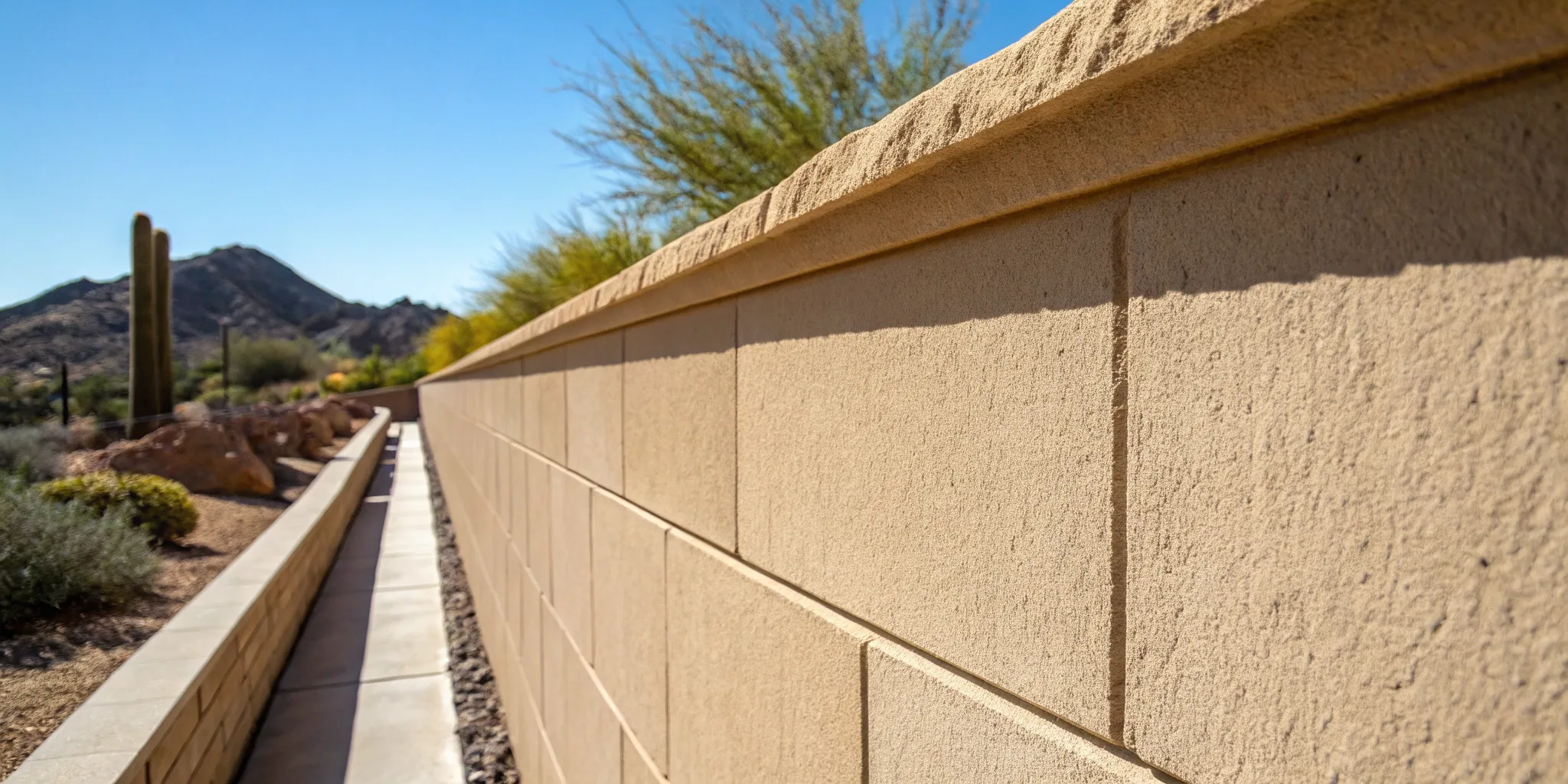
Let’s be honest: the words “foundation repair” can sound intimidating and expensive. It’s easy to assume the worst when you see crumbling concrete or a new crack appear on your stem wall. But knowledge is the best tool for replacing that anxiety with a clear plan. This guide is designed to demystify the entire process. We’ll separate fact from fiction, explain what those warning signs really mean, and show you that solutions are often more manageable than you think. Our goal is to empower you with the information you need to make smart, confident decisions for your home. This is your straightforward guide to stem wall repair Arizona, without the jargon or fear-mongering.
Key Takeaways
- Arizona’s Soil Is the Primary Culprit: Most foundation problems here stem from expansive clay soil that swells and shrinks with moisture changes. This is why a one-size-fits-all repair won’t work and a local expert is crucial.
- A Quality Repair Is a Structural Fix, Not a Patch: A lasting solution addresses the root cause by replacing corroded rebar, using high-strength grout, and applying a professional waterproofing membrane. Anything less is just a temporary cosmetic fix.
- Prevention and Vetting Are Your Best Defense: You can prevent future damage with simple drainage management and regular inspections. When you do need a pro, always verify their license, check references, and get multiple detailed quotes to hire a qualified expert.
Is Your Arizona Home’s Foundation at Risk?
Living in Arizona means enjoying beautiful weather, but our unique climate can be tough on a home’s foundation. Understanding the potential risks is the first step toward protecting your property. Your home is built on a specific type of foundation designed to handle the load of the structure, and in Arizona, that often involves a stem wall. When this critical component is compromised, it can lead to a host of problems that affect the safety and value of your home. Knowing what to look for can help you catch issues early before they become major, costly repairs.
What Is a Stem Wall?
Think of a stem wall as the bridge between your home’s main structure and its deep foundation footing. It’s a short, vertical wall of concrete that extends from the underground footing up to the ground level, creating the raised perimeter your house sits on. This design is common in Arizona and serves a vital purpose: to evenly distribute the entire weight of your home onto the foundation. It also elevates the wooden frame of your house, protecting it from ground moisture. When your stem wall is strong and intact, your home has the stable base it needs. But when it starts to fail, the entire structure is at risk.
Signs of Stem Wall Damage
You don’t need to be an expert to spot the early warning signs of foundation trouble. Start by walking around the outside of your home and looking at the visible concrete foundation. Do you see horizontal or vertical cracks? Is the concrete flaking, chipping, or bulging outward? These are classic signs of spalling and oxidation, where moisture has penetrated the concrete and started to rust the internal rebar. Other red flags include cracks in your exterior stucco, interior drywall, or tile floors. You might also notice doors and windows that suddenly stick or are difficult to open and close. These are all indicators that your foundation may have shifted and needs a professional foundation repair assessment.
Why Arizona Homes Are Vulnerable
The biggest threat to foundations in our state lies right beneath our feet: expansive clay soil. This type of soil acts like a sponge, swelling dramatically when it absorbs moisture during monsoon season and shrinking just as much when it dries out in the intense heat. This constant cycle of expansion and contraction puts immense pressure on your home’s foundation, causing it to shift, settle, and crack over time. Because these soil conditions are so specific to our region, foundation problems are often misdiagnosed. It takes a specialist who understands the local geology to correctly identify the root cause and apply a lasting solution, such as using polyurethane geotechnical foam to stabilize the soil and support the foundation.
How Arizona’s Soil Affects Your Foundation
Living in Arizona means enjoying beautiful desert landscapes, but that same environment can be tough on your home’s foundation. The ground beneath your house isn’t just static dirt; it’s a dynamic system that reacts to our unique climate. Understanding how the soil, moisture, and weather work together is the first step in protecting your property. Many foundation issues here are unique to our state, and knowing what to look for can save you from costly and incorrect repairs down the road.
The Problem with Clay Soil
Much of Arizona is built on expansive clay soil, which is the root cause of many foundation problems. Unlike sandy or loamy soils, clay acts like a sponge. It swells up when it absorbs water and shrinks dramatically as it dries out. This constant change in volume puts immense pressure on your home’s foundation. In fact, it’s estimated that over 80% of foundation issues in Arizona are initially misdiagnosed because many people don’t account for these specific soil conditions. What might look like a simple crack can be a symptom of this deeper, soil-related movement that requires a professional eye.
How Moisture Causes Damage
The shrink-swell cycle of clay soil is driven entirely by moisture. During our dry seasons, the soil pulls away from your foundation, creating gaps and causing the structure to settle. When the monsoon rains arrive, the soil expands, pushing upward with incredible force. This movement, season after season, can lead to serious foundation repair needs. You might notice this as cracks in your stem wall, uneven floors, or doors and windows that suddenly stick. It’s a slow but powerful process that can compromise your home’s structural stability over time if left unaddressed.
The Role of Original Construction
How your home was built also plays a significant part in its stability. During construction, steel J-bolts are often set into the concrete stem wall to anchor the house frame. If these bolts are exposed to moisture, they can rust and expand, causing vertical cracks in the foundation. Even minor, cyclical soil movements can stress the foundation in ways the original builders may not have anticipated. Understanding how these construction elements interact with our challenging soil is key to a correct diagnosis and a lasting crack injection or corrosion repair.
Weather’s Impact on Foundations
Arizona’s climate of extremes—long periods of intense heat and dryness followed by sudden, heavy downpours—creates a perfect storm for foundation trouble. The dry soil cracks and hardens, and when rain finally comes, the water doesn’t absorb evenly. Instead, it can pool around your foundation, over-saturating the clay soil in some spots while leaving others bone dry. This uneven swelling puts immense stress on the concrete. That’s why effective waterproofing and proper drainage are so critical for protecting your home from the damaging effects of our weather patterns.
How Professionals Repair Stem Walls
When you see cracks or spalling on your stem wall, it’s a clear signal to call in a professional. A proper repair is a multi-step process that addresses both the visible damage and the underlying cause. It’s about more than just patching concrete; it’s about restoring the structural integrity of your home’s foundation for the long haul. Understanding what a quality repair looks like will help you choose the right contractor and ensure the job is done correctly from start to finish.
What to Expect During an Assessment
The first thing a qualified contractor will do is perform a thorough assessment. This isn’t just a quick glance. Expect them to carefully inspect the stem wall to determine the extent of the damage. This often involves chipping away any loose or compromised concrete to see what’s underneath. To get a full picture, they will likely need to excavate the soil around the damaged area down to the footing. This step is essential because it reveals the full scope of the problem, including any hidden rebar corrosion or moisture intrusion, allowing for an accurate diagnosis and a comprehensive foundation repair plan.
Proven Repair Techniques
A lasting repair requires meticulous attention to detail. If the steel rebar inside the concrete is rusted, simply cleaning it isn’t enough. Reputable professionals will completely cut out the corroded rebar and replace it with new, epoxy-coated steel that resists future rusting. After the new steel is in place, the chipped-out areas are filled with a high-strength hydraulic grout, a specialized concrete mix that bonds securely to the existing structure. This method of corrosion repair ensures the foundation’s internal support system is fully restored, rather than just cosmetically patched, providing a durable and reliable solution.
The Importance of Waterproofing
Once the concrete and rebar repairs are complete, the job still isn’t finished. The final, crucial step is applying a professional-grade waterproofing membrane to the repaired area. This is a step that less thorough companies might skip, but it’s absolutely vital for a long-term fix. Proper waterproofing creates a barrier that prevents moisture from the soil from penetrating the concrete and causing the same issues all over again. It protects your investment in the repair and is a key indicator of a contractor who is committed to providing a permanent solution, not a temporary patch.
Ensuring a High-Quality Repair
Given the structural importance of your stem wall, this is not a project for a general handyman or a DIY weekend. Serious stem wall damage requires the expertise of certified foundation repair contractors. These specialists have the training, equipment, and understanding of local soil conditions to execute the repair correctly. They follow engineering best practices to ensure every step—from excavation and rebar replacement to concrete application and curing—is done to the highest standard. Hiring a certified professional for your foundation repair is the best way to guarantee the safety and stability of your home for years to come.
Why a Strong Warranty Matters
A contractor’s confidence in their work is reflected in their warranty. When discussing your project, always ask about the warranty offered. A company that uses high-quality materials and proven techniques should have no problem standing behind their repair. For example, Bristol FX provides extensive warranties, including lifetime warranties on services like helical pier installations. A strong, long-term, or even lifetime warranty isn’t just a piece of paper; it’s your assurance that the company has invested in a permanent solution and will be there to support you if any issues arise down the road.
How Much Does Stem Wall Repair Cost?
Let’s talk about the number one question on every homeowner’s mind: the cost. Seeing cracks in your foundation is stressful enough without the sticker shock. While every project is different, understanding the typical costs and what influences them can help you plan. A professional foundation repair is an investment in your home’s safety and value, and there are ways to manage the expense. Let’s break down what you can expect.
Typical Repair Costs
There isn’t a single price tag for stem wall repair. Costs can range from a few thousand dollars for minor issues to $20,000 or more for extensive damage. Most homeowners find their projects land somewhere between $4,000 and $12,000. This range is wide because no two foundation problems are alike. The final price depends entirely on your property’s unique situation. A thorough inspection from a qualified professional is the only way to get an accurate quote tailored to your home’s specific needs.
What Factors Affect the Price?
Several key factors determine the final cost of your stem wall repair. The most significant is the extent of the damage—a few small cracks will be less expensive to fix than widespread crumbling or exposed rebar. The specific repair method also plays a huge role. For example, a simple crack injection is less involved than a repair requiring extensive concrete work. Finally, things like your property’s accessibility and the underlying soil conditions can also affect the labor and materials needed, influencing the overall price.
Will Insurance Cover It?
This is a common question, but the answer is often complicated. Most standard homeowner’s insurance policies don’t cover foundation damage that occurs over time from soil settlement or expansion. However, there are exceptions. If the damage was caused by a specific event that is covered by your policy—like a burst pipe—you may be able to file a claim. The best first step is to review your policy documents carefully and then call your insurance agent to discuss your specific situation and confirm what’s covered.
Available Financing Options
Facing a large repair bill can feel overwhelming, but you have options. Many foundation repair contractors understand this is a major, often unexpected, expense. That’s why reputable companies often offer flexible financing plans to help you manage the cost without draining your savings. Beyond contractor financing, some homeowners use a home equity line of credit (HELOC) or a personal loan to cover the repairs. Don’t let an estimate discourage you; be sure to ask about payment and financing options during your consultation.
Stem Wall Repair: Myths vs. Facts
When you’re dealing with something as important as your home’s foundation, misinformation can cause a lot of unnecessary stress. It can also lead you to either ignore a serious problem or worry about a minor one. Let’s clear the air and separate fact from fiction. Understanding the truth about stem wall repair helps you make informed, confident decisions for your property.
Many homeowners believe that any crack is a catastrophe or that repairs will automatically drain their savings. These common myths often prevent people from seeking professional advice when they need it most. The reality is that foundation issues exist on a spectrum, and the solutions are more varied than you might think. By debunking these misconceptions, you can approach the situation with a clear head, focusing on practical steps rather than fear. We’ll walk through some of the most persistent myths about stem wall repair and give you the facts you need to protect your home.
Myth: All Cracks Are a Major Problem
Seeing a crack in your foundation can be alarming, but it’s not always a sign of a structural crisis. A common misconception is that any crack spells disaster. The truth is, concrete can develop small, hairline cracks as it cures and settles over time—this is perfectly normal.
The key is to know which cracks to watch. You should pay close attention to horizontal cracks, cracks that are wider than a quarter-inch, or any that seem to be growing. These are often indicators of pressure from soil movement or water issues. A professional can perform a crack injection for minor issues or determine if a more significant repair is needed to address the underlying cause.
Myth: Repairs Are Unaffordable
The thought of foundation repair often brings to mind massive, budget-breaking bills. While some extensive projects can be costly, many homeowners assume the worst-case scenario. In reality, the cost of foundation repair depends entirely on the specific problem and the solution required.
A minor crack repair will cost significantly less than installing piers to stabilize a sinking foundation. The most important thing to remember is that ignoring the problem won’t make it cheaper. Small issues, when left unaddressed, can escalate into much larger and more expensive structural failures down the road. Getting a professional assessment early is the best way to understand the true scope and cost of the work.
Myth: You Can DIY Foundation Repair
In the age of home improvement shows and online tutorials, it’s tempting to think you can tackle any project yourself. However, stem wall repair is not a weekend DIY job. While you might be able to patch a small cosmetic crack, true foundation repair is a complex structural task that requires engineering knowledge and specialized equipment.
Professionals use proven methods like installing push and helical piers to ensure the solution is safe, effective, and permanent. An incorrect DIY repair can do more harm than good, potentially compromising your home’s structural integrity and leading to even costlier fixes. This is one area where calling in an expert is essential for your safety and peace of mind.
Myth: Drainage Isn’t a Big Deal
It’s easy to overlook what you can’t see, but the moisture level in the soil around your home is a huge factor in your foundation’s health. A common myth is that as long as the foundation itself is fixed, drainage doesn’t matter much. In Arizona, this couldn’t be further from the truth. The expansive clay soil here swells with moisture and shrinks as it dries, putting immense pressure on your stem walls.
Poor drainage is often the root cause of foundation failure. If you repair the cracks without addressing the water problem, you’re only treating a symptom. A lasting solution almost always involves improving drainage and implementing proper waterproofing to keep moisture away from the foundation.
How to Prevent Future Stem Wall Damage
Once your foundation is repaired, or even if you’ve never had issues, a little prevention goes a long way in protecting your home. Taking a proactive approach can help you avoid expensive and stressful repairs down the road. By paying attention to your property and performing some simple, regular maintenance, you can keep your stem wall foundation strong for years to come. These straightforward steps will help you safeguard your biggest investment.
Inspect Your Foundation Regularly
Think of it as a quick health checkup for your home. A few times a year, take a walk around your property and look closely at the exposed foundation. Regular checks of your stem walls for any signs of damage can help you spot trouble before it escalates. Look for new cracks, crumbling concrete, or areas where the concrete looks like it’s flaking or chipping away. Taking photos can help you track changes over time. Catching these issues early gives you the best chance to address them with a simple foundation repair before they turn into major structural problems.
Improve Your Property’s Drainage
Water is the number one enemy of your home’s foundation. Good drainage around your foundation is very important to prevent water damage, especially with Arizona’s expansive clay soil. When water pools against your stem wall, it creates pressure and can lead to cracks and spalling. Make sure your gutters are clean and that downspouts direct water at least five feet away from the house. Your landscape design can also help by sloping the ground away from the house. If you notice standing water near your foundation after it rains, it might be time to consider professional waterproofing solutions.
Landscape with Your Foundation in Mind
Your beautiful yard could be hiding a threat to your foundation. It’s important to keep the area around the stem wall clear of debris and overgrown plants. Dense shrubs and flower beds planted right against the house can trap moisture, creating a perfect environment for concrete deterioration. Tree roots are another major concern, as they can grow into and underneath the foundation, causing it to shift and crack. As a rule of thumb, avoid planting large trees or shrubs within 10 feet of your home to give your foundation the space it needs.
Catch Early Warning Signs
Your house will often tell you when something is wrong with the foundation—you just have to know what to look for. Any cracks in your interior drywall, exterior stucco, or the stem wall itself could be a sign of foundation issues. When you inspect your foundation, look for visible cracks, bowing (bulging), or parts of the wall that seem to be moving out of place. Other clues inside the home include doors that stick or don’t latch properly and floors that feel uneven. If you spot any of these signs, it’s a good idea to have a professional assess whether a crack injection or other repair is needed.
How to Choose the Right Contractor
Finding the right person for your stem wall repair is just as important as the repair method itself. This is a significant investment in your home’s safety and value, so you want a team that is experienced, transparent, and reliable. The quality of the contractor you hire will directly impact the quality and longevity of the repair. A true professional won’t just fix the visible cracks; they will diagnose the root cause of the problem, explain the best course of action, and stand behind their work with a solid warranty.
Think of this process as hiring a partner for your home’s health. You’re looking for an expert who communicates clearly, respects your property, and has a proven track record of success with foundations like yours. Taking the time to properly vet your options will give you confidence in the solution and peace of mind for years to come. The following steps will guide you through finding a qualified and trustworthy contractor for your Arizona home.
What to Look For in a Pro
Before you even look at a quote, make sure any contractor you consider is licensed, bonded, and insured. This is the absolute baseline for any professional working on your home. A license from the Arizona Registrar of Contractors confirms they meet state requirements. Being bonded protects you financially if the contractor fails to complete the job or pay for permits. Insurance is crucial because it covers any accidental damage to your property or injuries that might happen during the project, protecting you from liability. Don’t just take their word for it—ask for proof and verify it.
Key Questions to Ask
Once you’ve confirmed their credentials, it’s time to dig a little deeper. Treat this like an interview, because that’s exactly what it is. Here are some key questions to ask:
- How much experience do you have specifically with stem wall foundation repair in Arizona?
- Can you provide references from recent, local customers?
- What repair methods and materials do you recommend for my situation, and why?
- What does your warranty cover, and for how long?
- Will you provide a detailed, written contract outlining the scope of work, timeline, and total cost?
A confident, experienced contractor will have no problem answering these questions clearly and thoroughly.
Red Flags to Watch For
Just as important as knowing what to look for is knowing what to avoid. Be cautious of any contractor who uses high-pressure sales tactics, like offering a “today only” price to rush your decision. A major red flag is a vague estimate or a refusal to put the full scope of work and cost in writing. You should also be wary of anyone who asks for a large cash deposit upfront or suggests you handle the permits yourself. A reputable professional will manage all aspects of the job and provide transparent, detailed documentation every step of the way.
Why You Should Get Multiple Quotes
Getting at least three quotes is a smart move, and it’s not just about finding the cheapest price. Comparing different proposals helps you understand the full scope of the problem and the various solutions available. It allows you to see what different experts recommend and why, giving you a better feel for the industry standard. This process also helps you gauge the fair market rate for the repair you need and identify any bids that are suspiciously low or unreasonably high. By comparing options, you can make an informed decision based on value and expertise, not just the bottom line.
Who to Call for Stem Wall Repair in Arizona
Finding the right contractor is the most critical step in this process. You need a team with proven experience, a solid reputation, and a deep understanding of Arizona’s unique soil and climate conditions. A local expert will know exactly what your home is up against. To help you get started, I’ve put together a list of some of the most well-regarded foundation repair companies in the state. Getting quotes from a few of these pros will give you a clear picture of your options and help you make a confident decision for your home.
Bristol FX
Bristol FX is a leading provider of residential and commercial foundation solutions. They specialize in applying the latest scientific methodologies to every project, ensuring a precise and durable fix for your stem wall issues. The team offers a comprehensive range of foundation repair services, from polyurethane foam injection to the installation of push and helical piers. What really sets them apart are their extensive warranties, including lifetime warranties on pier installations. This shows a deep confidence in their work and provides homeowners with long-term peace of mind, knowing their investment is protected for years to come.
Arizona Foundation Solutions
Known for their dedicated concrete stem wall repair system, Arizona Foundation Solutions is a popular choice for homeowners across the state. They focus on providing solutions designed to keep your home’s foundation safe from the specific challenges posed by Arizona’s environment, like expansive clay soil. Their system is engineered to counteract the forces that cause spalling and cracking in the first place. If you’re looking to understand the scope of your issue without an initial commitment, they make it easy to get started. You can contact their team to schedule a free, no-obligation estimate, which is a great first step in gathering information.
Gaje Contracting
Gaje Contracting emphasizes a thorough, diagnostic approach to foundation repair. Their certified contractors in Phoenix don’t just patch up visible cracks; they conduct a detailed inspection of your property to identify the root cause of the problem. This is incredibly important for preventing the same issues from reappearing down the road. By understanding what’s causing the stem wall damage—whether it’s poor drainage, soil settlement, or something else—they can recommend a more effective and lasting foundation repair solution. Their focus on getting to the source of the issue saves you from future headaches and repeat repairs.
Concrete Repairman LLC
If you’re looking for a company that focuses squarely on concrete issues, Concrete Repairman LLC is a name to know. They offer specialized stem wall repair services and have built a reputation for handling all types of stem wall problems efficiently. Their expertise means they can quickly diagnose the specific type of failure your foundation is experiencing, from spalling and cracking to rebar oxidation. For homeowners who know their issue is concrete-related and want a team with a deep focus in that area, this company provides targeted and knowledgeable service, ensuring the right materials and techniques are used for a durable fix.
Foundation Support Specialists
Foundation Support Specialists offer comprehensive services aimed at ensuring the overall stability and safety of your home. Their approach goes beyond just the immediate repair, looking at the foundation as a complete system. They handle a variety of foundation issues, including stem wall degradation, to restore structural integrity. For homeowners who suspect they may have multiple or complex foundation problems, a company offering such a broad range of solutions can provide a more holistic assessment. They can identify if a stem wall problem is linked to settlement elsewhere, providing a complete plan that addresses all underlying concerns.
JBS Construction
With extensive experience in the local market, JBS Construction has a strong background in addressing the foundation problems common in Arizona homes. They specialize in foundation repair and have seen firsthand how the region’s expansive clay soil and weather patterns can affect stem walls. This local expertise is a significant advantage, as they understand the specific pressures your foundation is under. Homeowners can feel confident that JBS Construction has the practical knowledge to implement repairs that are not just effective but also appropriate for the local environment and building codes, ensuring a compliant and reliable job.
Arizona Foundation Repair
Arizona Foundation Repair provides a range of services designed to help homeowners protect and maintain the structural integrity of their properties. They are another experienced local company that handles stem wall repairs as part of their core services. By addressing issues like cracking and spalling, they help prevent minor problems from escalating into major structural concerns. For homeowners looking for a reliable contractor to help them maintain their foundation and ensure its longevity, they offer dependable solutions tailored to the needs of Arizona residents. Their work is focused on restoring safety and preserving your property value.
Related Articles
- Tilted Retaining Walls: Early Warnings Before Catastrophe Strikes
- Expansive Clay Soil: SoCal’s Top Foundation Risk
- 5 Early Warning Signs of Foundation Problems – Professional Foundation Repair
- Underpinning vs Deep Injection: Which Repair Method Is Best? – Professional Foundation Repair
- Foundation First: Why Smart Homeowners Repair Before Remodeling
Frequently Asked Questions
Is a small, hairline crack in my foundation something I should be worried about? Not necessarily. It’s normal for concrete to develop tiny cracks as it settles over time. The real red flags are horizontal cracks, cracks wider than a quarter-inch, or any crack that seems to be getting longer or wider. These are signs of pressure from the soil or moisture issues. If you’re unsure, it’s always best to have a professional take a look to determine if it’s a simple cosmetic issue or a symptom of a deeper problem.
Why can’t I just buy some concrete patch and fix the cracks myself? I understand the temptation to save money with a DIY fix, but foundation repair is one area where you really need a professional. Simply patching a crack is like putting a bandage on a broken arm—it covers the visible damage but does nothing to fix the underlying structural problem. A professional repair addresses the root cause, whether it’s corroded rebar or soil pressure, to restore the foundation’s strength and prevent the issue from getting worse.
My house is only a few years old. Do I really need to worry about this? Unfortunately, yes. The powerful cycle of our expansive clay soil swelling and shrinking affects all homes, regardless of their age. While a new home has a fresh start, the pressure on its foundation begins from day one. The best thing you can do is be proactive by ensuring your property has proper drainage and keeping an eye out for the early warning signs we discussed.
How long does a typical stem wall repair take from start to finish? The timeline really depends on the extent of the damage. A straightforward crack injection might only take a day or two. However, a more complex repair that requires excavating soil, replacing rebar, and applying new concrete and waterproofing could take a week or more. A reputable contractor will give you a detailed project timeline along with their written estimate.
If I get my foundation repaired, is the problem gone for good? A high-quality repair should absolutely be a permanent solution. The key is that the contractor must fix the root cause of the damage, not just the symptom. For example, if poor drainage is making the soil expand, that issue must be addressed along with the concrete repair. This is why choosing a thorough contractor who offers a strong, long-term warranty is so important—it’s your assurance that they stand behind their work as a lasting fix.