
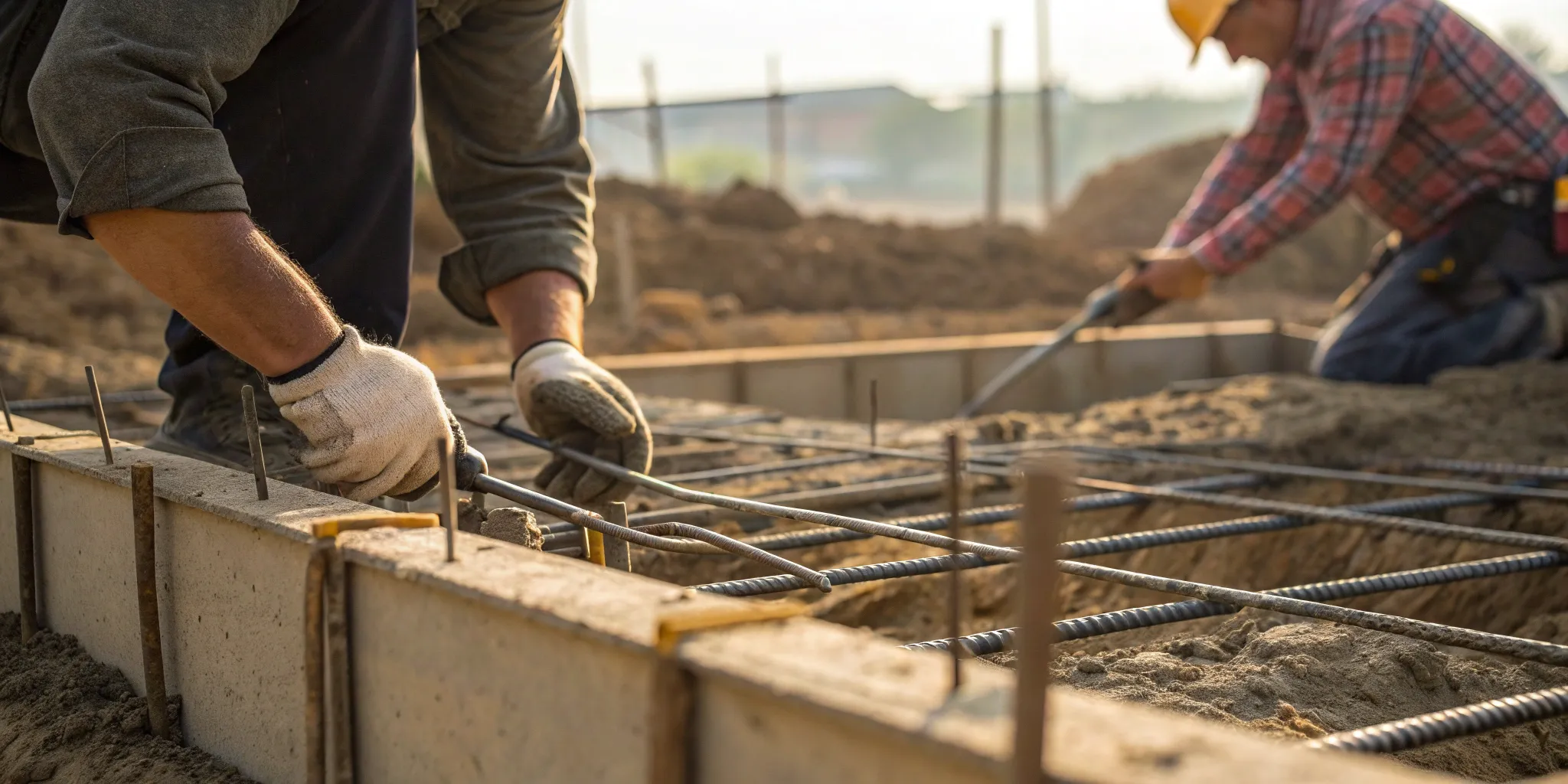
When you hear ‘foundation repair,’ you might picture a massive, disruptive project that tears up your yard and takes weeks to complete. It’s time to update that image. The field of structural foundation repair has evolved dramatically, moving away from invasive methods toward precise, engineered solutions. Today’s techniques are designed to be minimally disruptive while providing permanent stability for your home. From high-tech piers that anchor your house to solid ground to specialized foams that lift concrete, modern repairs are faster and more effective than ever. This article will show you how these advanced solutions work to protect your property.
Key Takeaways
- Early Detection is Your Best Defense: Pay attention to the clues your home gives you, like wall cracks, jamming doors, or sloping floors. Addressing these signs early is the key to avoiding more extensive and expensive damage down the road.
- Repair Methods Should Address the Cause, Not Just the Symptom: True foundation repair involves engineered solutions like steel piers and polyurethane foam that stabilize your home by addressing the root issue, such as shifting soil. This modern approach is far more effective and less invasive than outdated methods.
- Your Contractor’s Credentials Matter: Entrust your home only to qualified experts who have licensed engineers on staff, use modern technology, and offer strong, transferable warranties. Always verify their insurance and get a detailed, written estimate before work begins.
Do You Need Foundation Repair? Look for These Signs
Spotting foundation issues early can save you a lot of stress and money down the road. Your home often gives subtle (and sometimes not-so-subtle) clues that something is amiss with its foundation. Paying attention to these signs is the first step toward protecting your property. While a professional inspection is the only way to know for sure, you can be your own first line of defense by knowing what to look for. From hairline cracks to sticking doors, these indicators can help you decide when it’s time to call in an expert for a closer look.
What to Look for Inside Your Home
Start by taking a walk through your home. Do you notice any new cracks in the drywall around door frames or windows? While it’s a common misconception that every crack signals a major problem, certain types are worth a second look. Diagonal or stair-step cracks in your walls can be red flags. Other interior signs include doors that jam or won’t latch properly and windows that are difficult to open or close. You might also spot gaps between your walls and the ceiling or floor. If you see these issues, it might be time to consider a professional foundation repair assessment to understand the cause.
Key Structural Warning Signs
Some signs of foundation trouble are more serious and require immediate attention. Uneven or sloping floors are a major indicator that the support system beneath your home is shifting. You might feel a slight dip as you walk across a room or notice a ball rolling to one side on its own. Bowing or leaning walls, especially in the basement, are another critical warning sign. These signs of damage suggest that external pressure is compromising your home’s structural integrity. If you have a basement or crawl space, look for significant cracks in the concrete foundation itself. These issues won’t resolve on their own and often worsen over time.
Outdoor and Environmental Clues
The clues aren’t just inside your house; the exterior and surrounding property can also tell a story. Walk around the outside of your home and look for cracks in the brick or masonry. A leaning chimney is another classic sign of foundation settlement. Pay attention to the ground around your foundation. If you see soil pulling away from the walls, it could mean the soil is shrinking and no longer supporting the structure. Poor drainage is a frequent culprit, as shifting soil and flooding can put immense pressure on your foundation. Proper waterproofing can often prevent these issues from starting in the first place.
Common Foundation Problem Myths, Debunked
Many homeowners hesitate to call a professional because of common myths about foundation repair. One major misconception is that the repair process will cause more damage to the home. In reality, modern, properly executed repairs are designed to stabilize your foundation and restore its integrity, preventing further issues. Another myth is that foundation work is always prohibitively expensive. While it is a significant investment, delaying necessary repairs often leads to more extensive and costly problems later on. Addressing issues early is the most effective way to manage costs and protect your home.
What Are Modern Foundation Solutions?
If you’re picturing a massive, disruptive construction project when you think of foundation repair, it’s time for an update. The field has come a long way from the days of simply pouring more concrete and hoping for the best. Today, foundation repair is a precise science, using advanced engineering and innovative materials to provide permanent, minimally invasive solutions. Modern techniques focus on addressing the root cause of the problem—whether it’s shifting soil, water intrusion, or structural strain—to ensure your home is stable for the long haul.
These advancements mean repairs are often faster, more effective, and less stressful for you as a homeowner. Instead of extensive excavation that tears up your landscaping, specialists can use targeted methods to lift, level, and secure your foundation. From high-tech foams that expand to support concrete slabs to carbon fiber straps that reinforce basement walls, the tools available today are designed for maximum impact with minimal disruption. This approach not only fixes the existing damage but also helps prevent future issues, giving you true peace of mind.
Today’s Top Repair Technologies
Modern foundation repair relies on a toolkit of highly effective, specialized technologies. Instead of a one-size-fits-all approach, professionals now use methods like push and helical piers to anchor your foundation to stable, load-bearing soil deep underground. For sinking concrete slabs, polyurethane foam injection offers a clean and quick way to lift and level surfaces without heavy machinery.
When it comes to cracked or bowing walls, carbon fiber reinforcement provides incredible strength in a slim profile. And to stop water from causing problems in the first place, comprehensive waterproofing solutions and drainage systems are essential. These advanced techniques are designed to provide a lasting fix by tackling the specific cause of your foundation issue.
Modern vs. Traditional Repair Methods
The biggest difference between modern and traditional foundation repair is the focus on being less invasive. Old-school methods often required extensive excavation around your home, destroying gardens and patios to access the foundation. Today, the goal is to fix the problem with surgical precision. For example, repairing a bowing basement wall used to mean digging a huge trench outside. Now, we can apply carbon fiber strips directly to the interior wall to strengthen it, a process that is faster, cleaner, and just as effective. This shift saves you time, money, and the headache of restoring your property after the work is done.
How We Monitor Your Foundation’s Health
A significant change in structural repair is the development of advanced diagnostic tools. It’s no longer about just eyeballing a crack in the wall. Professionals now use precise instruments to measure foundation settlement, wall movement, and soil conditions. This data-driven approach allows us to understand exactly what’s happening beneath your home. By monitoring these factors over time, we can confirm that a repair has been successful and catch any new issues before they become major problems. This ongoing oversight is key to maintaining your home’s long-term structural integrity and ensuring the solution holds up for years to come.
Using Digital Tools for an Accurate Diagnosis
Getting the diagnosis right is the most critical step in any foundation repair. Emerging technologies like Ground Penetrating Radar (GPR) allow specialists to get a clear picture of what’s happening underground without digging a single hole. These non-invasive tools provide detailed insights into soil composition, voids beneath your slab, and the location of rebar within the concrete. This level of detail helps us create a highly accurate and customized repair plan. By using these digital tools, we can pinpoint the exact cause and location of the problem, ensuring the solution we design for your home is the right one.
How Professionals Repair Foundations
When you have a foundation problem, you need a solution that’s both effective and lasting. Professionals use a range of advanced techniques tailored to the specific issue your home is facing. These methods are designed to address the root cause of the problem, whether it’s unstable soil, water pressure, or bowing walls. Think of it less like a patch and more like a permanent fix that restores your home’s structural integrity and gives you peace of mind. From underpinning a sinking foundation to waterproofing a damp basement, here’s a look at how the experts get it done.
Stabilize Your Home with Pier Systems
If your home is settling due to weak or shifting soil, the best solution is often to give it a new, more stable footing. This is where piering systems come in. Professionals install steel push and helical piers deep into the ground, bypassing the unstable soil near the surface. These piers reach solid bedrock or a stable soil layer that can support the weight of your home. The structure’s load is then transferred onto these piers, which effectively stops the settlement and can even be used to lift the foundation back toward its original position. It’s a reliable, long-term solution for a sinking foundation.
Lift and Level with Polyurethane Foam
For sunken concrete slabs like driveways, patios, or basement floors, there’s a modern, minimally invasive fix. Professionals can use polyurethane geotechnical foam injection to lift and level the concrete. The process is straightforward: small holes are drilled into the slab, and a two-part polymer foam is injected beneath it. The foam expands rapidly, filling any voids in the soil and gently raising the concrete back to its proper level. This method is much faster and less disruptive than tearing out and replacing the old concrete. Plus, the foam is lightweight, strong, and waterproof, which helps prevent future soil erosion under the slab.
Secure Walls with Anchors and Carbon Fiber
Are your basement walls bowing, leaning, or cracking? This is often caused by pressure from the soil outside. To counteract this force, professionals use reinforcement techniques like wall anchors or carbon fiber straps. Carbon fiber is an incredibly strong material that, when applied to a wall, prevents it from bowing any further. These straps are bonded to the interior of the wall, creating a reinforcement that’s stronger than steel. This method is a great way of repairing bowed or cracked foundation walls because it requires no excavation and can be done quickly, adding immense strength and stability back to your foundation.
Fix Your Crawl Space for Good
The crawl space is a critical part of your home’s foundation, but it’s often overlooked. A damp, sagging, or poorly supported crawl space can lead to musty odors, pest infestations, and structural problems throughout your entire house. Professional crawl-space repairs address these issues at the source. This can involve installing a vapor barrier to control moisture, adding support jacks to level sagging floor joists, or sealing vents to keep humid air out. A properly repaired crawl space not only supports your home but also improves your indoor air quality and energy efficiency.
Keep Your Basement Dry with Waterproofing
Water is a foundation’s worst enemy. Constant moisture can lead to cracks, mold, and eventually, serious structural damage. To protect your home, you need a comprehensive waterproofing strategy. Professionals offer effective waterproofing solutions that manage water both inside and outside your foundation. This might include installing an interior drainage system to capture any water that seeps in and direct it to a sump pump. On the outside, an exterior waterproofing membrane can be applied to the foundation walls to create a seamless barrier against moisture, keeping your basement dry for good.
Secure Your Property on a Slope
Homes built on hillsides face unique challenges from gravity and soil erosion. Over time, the soil can shift, putting immense pressure on the foundation and threatening the stability of the entire structure. Professional hillside stabilization involves engineered solutions designed to hold back the earth and secure your home. This can include installing retaining walls to create level terraces and prevent soil movement, or using deep-driven piers and anchors to pin the foundation to stable ground. These techniques are essential for ensuring the long-term safety and security of any property built on a slope.
What Determines the Cost of Foundation Repair?
When you discover a crack in your wall or a door that suddenly won’t close, one of the first questions that comes to mind is, “How much will this cost to fix?” The truth is, there’s no simple price tag for foundation repair. The cost is as unique as your home itself, shaped by a variety of factors that determine the scope and complexity of the work. Think of it less like buying a product off the shelf and more like creating a custom solution tailored to your property’s specific needs.
Understanding what goes into the final estimate can help you feel more in control of the process. From the size of the problem to the technology used to solve it, each element plays a role. A transparent contractor will walk you through these details, ensuring you know exactly what you’re paying for. Let’s break down the key factors that influence the cost of securing your home’s foundation, so you can approach your repair project with confidence.
The Extent of the Damage
The most significant factor influencing cost is the severity of the foundation issue. A few hairline cracks that require a simple injection will be far less expensive to address than a foundation that has settled several inches and needs to be lifted. The key is to act early. Identifying and addressing foundation problems in their initial stages not only minimizes repair costs but also helps preserve your home’s long-term structural integrity. Waiting allows minor issues to become major ones, often leading to more extensive and costly interventions. A thorough inspection is the first step to understanding the full picture and preventing a small problem from turning into a huge expense.
Your Property’s Unique Layout
Every property is different, and its specific layout can impact the cost of repairs. Larger homes naturally require more materials and labor to stabilize. But size isn’t the only consideration. Accessibility is also a major factor. If the damaged area is in a tight, hard-to-reach crawl space, the work becomes more challenging and time-consuming for the crew. Obstacles like extensive landscaping, decks, or concrete patios can also complicate access to the foundation, potentially adding to the labor costs. A professional team will assess these unique aspects of your property to create an accurate and realistic repair plan.
The Cost of Materials and Technology
The type of repair your home needs will determine the materials and technology used, which directly affects the price. Modern foundation solutions offer a range of options tailored to specific problems. For example, a sinking foundation might require the installation of push or helical piers to lift and support the structure. On the other hand, a void beneath a concrete slab could be filled using a specialized polyurethane geotechnical foam. Each method involves different material costs and installation processes. An expert will recommend the most effective and durable solution for your situation, ensuring you get the best long-term value.
Local Permits and Regulations
Depending on where you live and the extent of the work, your foundation repair project may require a building permit. These permits ensure that the repairs meet local safety standards and building codes, which is crucial for your family’s safety and your home’s value. The cost of permits and any required inspections from your city or county will be factored into the overall project price. While it might seem like an extra administrative step, working with a contractor who handles the permitting process is a sign of professionalism. It guarantees the work is done correctly, legally, and to the highest standard.
Understanding Your Warranty
A foundation repair is a significant investment in your home, and you want that investment to be protected. A reputable company will stand behind its work with a strong warranty. This isn’t just a piece of paper; it’s a promise that the repair is built to last. At Bristol FX, we offer extensive warranties, including lifetime warranties on pier installations, giving you peace of mind that your home is secure for the long haul. When comparing quotes, always look closely at the warranty offered. A comprehensive, transferable warranty adds immense value and protects you from future costs if any issues reappear.
How to Finance Your Repair
We understand that a necessary foundation repair might not always fit neatly into your budget. However, delaying the work can lead to more severe damage and higher costs down the road. That’s why many foundation repair companies offer financing options to make the project more manageable. These payment plans allow you to address the problem immediately without having to pay the full amount upfront. When you schedule a consultation, don’t hesitate to ask about available financing solutions. It’s a practical way to protect your most valuable asset without straining your finances.
How to Choose the Right Foundation Repair Expert
Choosing a contractor for a job as important as foundation repair can feel overwhelming. You’re not just hiring someone to fix a problem; you’re trusting them with the structural integrity of your property. To make a confident choice, you need to know what to look for, from professional credentials and technology to the warranties that protect your investment. Here’s how to find a true expert who will get the job done right.
What Qualifications to Look For
When you’re vetting potential companies, start with their qualifications. The most qualified professional to assess your foundation is a licensed structural engineer, who has the specialized training to see issues that a general contractor might miss. Look for a company that has licensed engineers on staff or works directly with them. Beyond licenses, ask about their experience with properties like yours. A team that has a long history of successful foundation repair projects will have the practical knowledge to handle any challenges that come up. Don’t be shy about asking for credentials—a reputable company will be happy to share them.
The Right Tools and Technology
The best experts use the best tools. Modern foundation repair relies on advanced technology that provides lasting, reliable solutions. Ask potential contractors what methods they use. A top-tier company will be proficient in a range of techniques, from installing push and helical piers for stabilization to using polyurethane geotechnical foam for lifting and leveling concrete slabs. The right solution depends entirely on your property’s specific issue, so you want a team that has more than one tool in their toolbox. A company that invests in the latest technology is also investing in the long-term health of your home.
Why Insurance and Warranties Matter
A warranty is more than just a piece of paper; it’s a company’s promise to stand behind its work. Before signing a contract, make sure you understand the warranty being offered. A strong warranty protects you from future costs if the original problem resurfaces. For example, Bristol FX offers lifetime warranties on pier installations and warranties of up to 20 years on waterproofing. This level of assurance is a clear sign of a company’s confidence in its methods and materials. Also, confirm that the company carries both liability insurance and worker’s compensation to protect you from any accidents on your property.
Key Questions to Ask Before You Hire
Before you make your final decision, take the time to interview at least three different companies. Getting multiple perspectives and quotes is the best way to ensure you’re getting a fair price and the right solution.
Here are a few key questions to ask each contractor:
- Can you provide proof of license and insurance?
- How many years have you been in business?
- What repair method do you recommend for my property, and why?
- Can you provide a detailed, written estimate?
- What kind of warranty on your work do you offer?
- What is the estimated timeline for the project?
What to Expect During the Repair Process
Facing a foundation repair can feel overwhelming, but knowing what’s ahead can make the entire experience much smoother. A professional repair isn’t a mystery—it’s a structured process designed to solve the problem correctly and permanently. From the first inspection to the final sign-off, each step has a clear purpose: to restore your home’s safety and give you peace of mind. We believe in transparency, so let’s walk through exactly what you can expect when you work with a team of foundation experts. This step-by-step guide will show you how we diagnose the issue, create a solution, and get your home back on solid ground.
Step 1: The Professional Assessment
The first step is always a thorough inspection. A structural expert will visit your property to conduct a detailed assessment of your foundation, looking for the underlying issues causing the symptoms you’ve noticed. This isn’t just about spotting a crack in the wall; it’s about understanding why that crack appeared in the first place. As we always say, the goal is to repair the root cause, not just the symptom. This initial evaluation is critical for developing an effective, long-lasting solution. At Bristol FX, we provide a complete foundation repair assessment to accurately diagnose the problem and determine the best course of action for your home.
Step 2: Creating Your Custom Repair Plan
Once the assessment is complete, you’ll receive a custom repair plan tailored specifically to your property’s needs. This isn’t a one-size-fits-all solution. The plan will detail the exact methods and materials required, whether that involves installing piers, injecting foam, or waterproofing your basement. It will also outline the scope of the work and provide a clear timeline so you know what to expect and when. This detailed proposal ensures you understand every aspect of the repair before any work begins, giving you a clear roadmap from start to finish and empowering you to make an informed decision about your home.
Step 3: Carrying Out the Repair Work
With your approval of the plan, our skilled team gets to work. This is where the technical expertise comes into play. Depending on your custom plan, the crew might begin by excavating specific areas around your foundation to install push and helical piers that stabilize and lift the structure. Or, they might use specialized equipment to apply polyurethane geotechnical foam to level concrete slabs from below. Every task is performed with precision and care, following the exact specifications laid out in your repair plan to ensure the structural integrity of your home is fully restored with minimal disruption to your daily life.
Step 4: Final Checks and Quality Assurance
After the physical repairs are complete, the job isn’t finished until we’ve confirmed everything was done right. This phase involves a final, meticulous inspection to ensure the work meets the highest engineering and safety standards. It’s a crucial quality control step that verifies the solution has been implemented correctly and will stand the test of time. This commitment to quality is why we can offer extensive warranties, including lifetime warranties on pier installations. It’s our promise that the repair is not just complete, but correct, giving you lasting confidence in the stability of your home.
Step 5: Maintaining Your Foundation’s Health
Finally, we’ll provide guidance on how to maintain your foundation’s health for the long term. Simple measures can make a huge difference in preventing future issues. Proper drainage, for example, is key to managing soil moisture around your home, which is often a primary cause of foundation problems. We’ll give you practical tips and a clear understanding of what to look for in the future. Ignoring potential issues, even in newer homes, can lead to more significant problems down the line. A little proactive care goes a long way in protecting your investment and ensuring your foundation remains stable for years to come.
How to Protect Your Foundation After the Repair
Once your foundation repair is complete, your home is back on solid ground. But the work doesn’t stop there. Think of your foundation like any other major component of your home—it needs ongoing care to stay in top shape. Protecting your investment involves a few proactive habits that can prevent future issues from developing. By paying attention to water, soil, and the subtle signs your house gives you, you can ensure the long-term stability and health of your home. The following steps are your roadmap to maintaining a secure foundation for years to come, helping you avoid repeat problems and giving you peace of mind.
Improve Your Property’s Drainage
Water is the number one enemy of a healthy foundation. When water pools around your home, it saturates the soil, causing it to expand and press against your foundation walls. That’s why proper drainage is non-negotiable. Start with the basics: clean your gutters every spring and fall to prevent overflows. Make sure your downspouts direct water at least five feet away from the house. You should also check the grading, or slope, of the land around your property. It should gently slope away from your foundation, not toward it. If you constantly see puddles near your home after it rains, you may need a more robust waterproofing solution, like a French drain, to actively move water away.
Manage Moisture Around Your Home
The soil around your foundation doesn’t just get too wet—it can also get too dry. In periods of drought, the soil can shrink and pull away from your foundation, leaving it unsupported and vulnerable to settling. The goal is to maintain a consistent moisture level in the soil year-round. During dry spells, you can use a soaker hose placed about 18 inches from your foundation to slowly water the soil. Also, be mindful of your landscaping. Large trees planted too close to your home can draw significant moisture from the soil, causing it to shrink. As a general rule, plant trees at a distance equal to their mature height to keep their root systems from interfering with your foundation.
Set Up a Regular Inspection Schedule
Catching a potential foundation issue early is the best way to prevent a small problem from turning into a major expense. You don’t need to be an expert to spot trouble. Just make a habit of inspecting your home a few times a year. Walk around the exterior and look for new cracks in the visible foundation or brickwork. Inside, check for cracks in drywall, especially around door and window frames. Test your doors and windows to see if they stick or have become difficult to close. If you notice any changes, it’s a good idea to document them with photos. For extra assurance, consider having a professional from a foundation repair company perform an inspection every few years.
Simple Tips to Prevent Future Damage
A few simple habits can make a huge difference in protecting your foundation. First, keep an eye on your plumbing. Even a small, slow leak from an underground pipe can saturate the soil beneath your home and cause serious problems over time. If you notice an unexplained spike in your water bill, it’s worth investigating. Second, be careful with landscaping projects. Building a new patio or garden bed can change the way water flows across your property. Finally, if your home has a crawl space, make sure it stays dry and well-ventilated. Excess moisture in this area can lead to wood rot and attract pests, compromising your home’s structural supports. Regular crawl-space repairs and maintenance are key.
Know the Early Warning Signs
Being a vigilant homeowner means knowing what to look for. By recognizing the early warning signs of foundation trouble, you can act quickly before the damage gets worse. Keep an eye out for these common red flags:
- Cracks appearing in walls, floors, or ceilings.
- Doors and windows that stick or no longer latch properly.
- Gaps forming between your walls and the ceiling or floor.
- Floors that seem to slope or feel uneven underfoot.
- Water seeping into your basement or crawl space after rain.
If you spot any of these signs, don’t panic. They are simply indicators that it’s time to call in a professional for an assessment. An expert can determine the cause of the issue and recommend the right course of action.
Related Articles
- 5 Early Warning Signs of Foundation Problems – Professional Foundation Repair
- 5 Early Warning Signs of Foundation Problems – Professional Foundation Repair
- Signs You Need Foundation Repair | Bristol FX Experts
Frequently Asked Questions
Are small cracks in my wall always a sign of a serious foundation problem? Not necessarily. It’s normal for a house to settle over time, which can cause tiny, hairline cracks to appear. The real red flags are cracks that are diagonal, wider than a quarter-inch, or appear in a stair-step pattern on brick walls. If you notice a crack is growing or is accompanied by other issues like sticking doors or uneven floors, it’s a good idea to have a professional take a look.
Will the repair process ruin my landscaping? This is a common concern, but modern repair techniques are designed to be as minimally disruptive as possible. Many solutions, like polyurethane foam injection or interior carbon fiber reinforcement, require very little disturbance to your yard. For methods that do require some digging, like installing piers, a professional crew will be strategic and careful to protect your property and landscaping as much as they can.
How long does a typical foundation repair take? The timeline for a repair project depends entirely on the extent of the damage and the specific solution required. A straightforward crack injection might only take a few hours, while a more complex job like installing a full piering system could take several days. A trustworthy contractor will provide you with a detailed schedule in your repair plan so you know exactly what to expect.
Is foundation repair covered by my homeowner’s insurance? In most cases, standard homeowner’s insurance policies don’t cover damage from gradual soil settlement or natural shifting. However, if the foundation issue was caused by a specific covered peril, such as a burst pipe or a sudden event, you may have coverage. The best course of action is to review your policy documents and speak directly with your insurance agent to understand your specific situation.
Once the repair is done, is the problem fixed for good? A professional repair is designed to be a permanent solution that addresses the root cause of the issue, not just the symptoms. When the right methods and high-quality materials are used, the fix is built to last a lifetime. This is why we stand behind our work with extensive, transferable warranties. Combining a professional repair with good home maintenance, like managing drainage, is the best way to ensure your foundation stays secure for decades.