
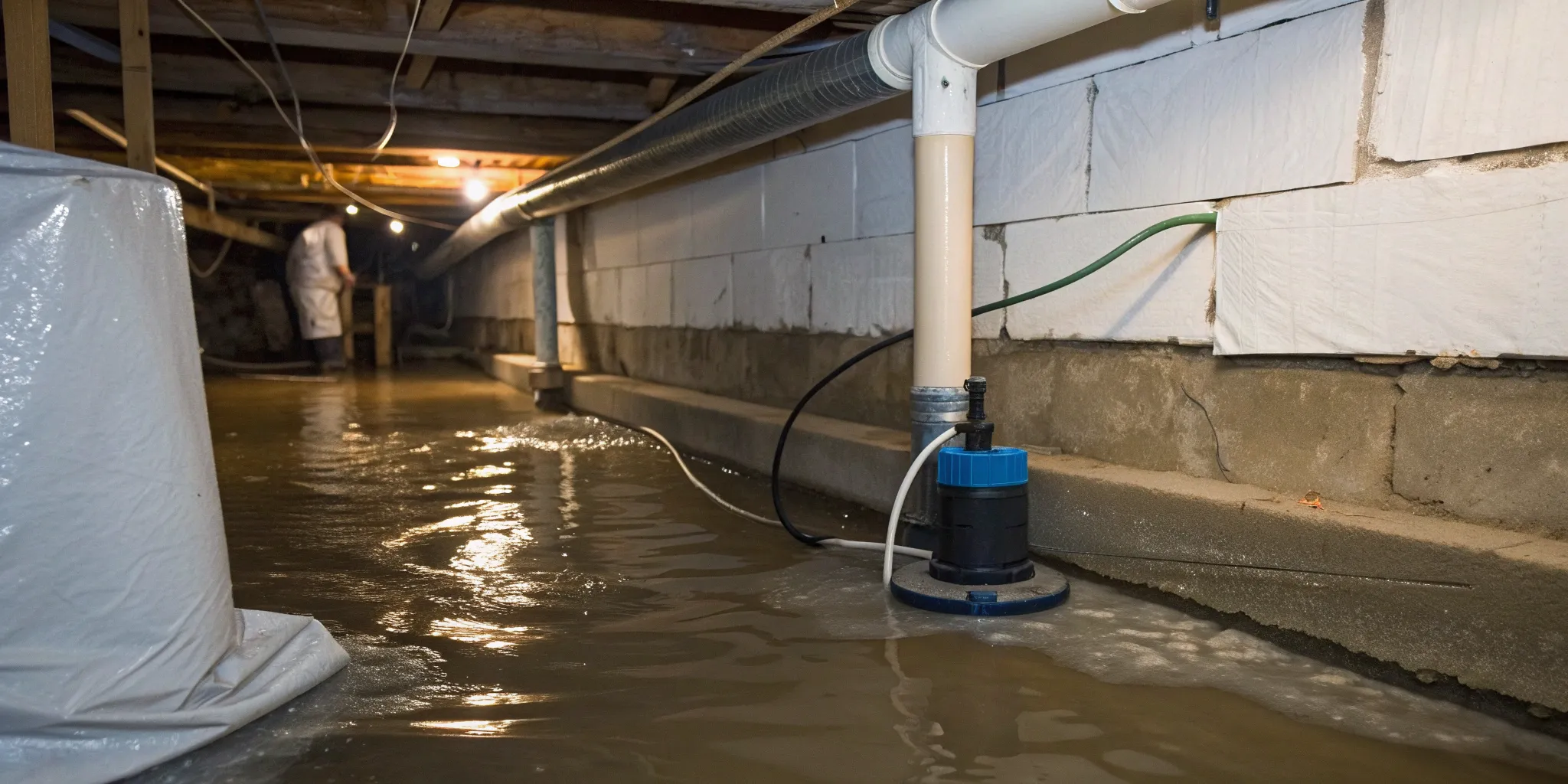
Your home is your biggest investment, and a wet crawl space silently undermines its value. The moisture that seems contained below your floors can lead to wood rot, mold growth, and structural damage—all major red flags for home inspectors and potential buyers. These issues can derail a future sale or force you into expensive, last-minute fixes. Taking proactive steps to address the problem is not just about maintenance; it’s about protecting your financial asset. Investing in a proper wet crawl space repair now preserves your property’s integrity, ensuring it remains a safe, healthy, and valuable investment for years to come.
Key Takeaways
- Pinpoint the source of the water first: A lasting solution depends on knowing exactly how moisture is getting in. Investigate outdoor drainage, foundation cracks, plumbing, and humidity levels before deciding on a repair plan.
- Understand that crawl space moisture affects your whole house: The problem isn’t isolated. It can lead to serious issues like structural wood rot, poor indoor air quality due to mold, and unnecessarily high energy bills.
- Aim for a permanent waterproofing solution, not just a quick fix: While removing standing water is a crucial first step, preventing its return is the real goal. This often involves professional strategies like encapsulation, drainage systems, and sump pumps to keep the space dry for good.
Why Is My Crawl Space Wet?
That damp, musty smell coming from below your floors is a tell-tale sign of trouble. Discovering water in your crawl space can be unsettling, but it’s a problem you can absolutely solve. The key is to play detective and figure out exactly where the moisture is coming from. Water can find its way in through a surprising number of routes, from tiny foundation cracks and leaky pipes to poor yard drainage that sends rainwater right where you don’t want it.
Understanding the root cause is the most important step toward a lasting fix. Is it a one-time issue, like a burst pipe, or a persistent problem caused by groundwater or high humidity? Each source requires a different solution. Once you identify how the water is getting in, you can take targeted action to dry out the space and prevent future damage to your home’s structure and air quality. Let’s walk through the most common culprits so you can get to the bottom of your wet crawl space.
Find the Source of the Water
Water can get into your crawl space from several places, and your first job is to identify the entry point. The most common source is groundwater or rainwater seeping in through the foundation. Over time, hydrostatic pressure can force water through porous concrete or small cracks, leaving you with puddles after a heavy storm. Another frequent offender is your home’s plumbing. A slow drip from a water pipe might not seem like much, but it can create a constantly damp environment.
You should also look outside your home. Clogged gutters and poorly placed downspouts can dump gallons of water right next to your foundation. If that water has nowhere to go, it will find the path of least resistance—often straight into your crawl space. A thorough inspection of your foundation for any visible cracks can point you to the problem area, which may require professional crack injection to seal.
Spot the Signs of Water Damage
Long before you see standing water, your crawl space will give you clues that there’s a moisture problem. A persistent musty odor throughout your home is one of the first signs, as air from the crawl space naturally rises into your living areas. Visually, you might notice dark stains on wooden support beams, which could indicate the beginning of wood rot. Another clear sign is efflorescence—a white, chalky substance on the concrete walls left behind as water evaporates.
If the problem has been going on for a while, you might see mold or mildew growth on surfaces. This is a serious issue that can affect your home’s air quality. Other signs of long-term damage include sagging or bouncy floors above the crawl space, which suggest the structural supports are compromised. Addressing these issues often requires professional crawl space repairs to ensure your home remains safe and stable.
How Poor Ventilation Causes Moisture
It seems logical that vents would help dry out a crawl space, but they often make the problem worse. In humid climates, crawl space vents let warm, moist air in from the outside. When this humid air meets the cooler surfaces inside your crawl space, the moisture condenses, creating droplets of water on your pipes, ductwork, and floor joists. This constant condensation creates a perfect breeding ground for mold and mildew.
This process is especially problematic during the summer. The vents essentially invite moisture into the space you’re trying to keep dry. This is why modern building science often recommends sealing crawl space vents and installing a dehumidifier instead. This approach, known as encapsulation, is part of a comprehensive waterproofing strategy that treats the crawl space as a conditioned part of your home, keeping it clean and dry year-round.
Check Your Yard’s Grading and Drainage
The land surrounding your home plays a huge role in keeping your crawl space dry. Your yard should be graded, or sloped, to direct rainwater away from your foundation. If the ground is flat or slopes toward your house, water will pool against the foundation walls every time it rains. This creates immense pressure and significantly increases the chances of water seeping into the crawl space.
Take a walk around your property, especially during a rainstorm, to see where the water goes. Are your downspouts extended at least five feet away from the house? Are your flower beds or walkways trapping water against the foundation? Simple landscaping changes can make a big difference. For more serious grading issues, you may need a professional to re-grade the yard to ensure proper drainage and protect your home’s foundation repair investment.
The Real Dangers of a Wet Crawl Space
A little dampness under the house might not seem like a big deal, but ignoring a wet crawl space is one of the most significant risks you can take as a homeowner. The issues go far beyond a musty smell. Moisture in your crawl space can quietly compromise your home’s structural integrity, impact your family’s health, drive up your energy bills, and hurt your property value. Understanding these dangers is the first step toward protecting your biggest investment.
Protect Your Home’s Structure
Your home’s foundation, including the wooden joists and beams in the crawl space, is the bedrock of its stability. When moisture seeps in, it creates the perfect environment for wood rot and fungal growth. This isn’t just a surface-level problem; rot can weaken the structural components that support the floors and walls above. Over time, this can lead to sagging floors, sticking doors, and even significant structural failure. Proactive crawl-space repairs are essential to stop this slow-moving damage in its tracks and ensure your home remains safe and sound for years to come. Ignoring it only allows the problem to get worse, leading to more extensive and expensive fixes down the road.
Keep Your Family’s Air Healthy
It’s a surprising fact, but as much as half of the air you breathe on the main floor of your home originates in the crawl space. This is due to a phenomenon called the “stack effect,” where air naturally flows upward. If your crawl space is damp, that air carries mold spores, dust mites, and unpleasant odors directly into your living areas. Mold thrives on the moisture and organic materials found under your house, and these airborne particles can trigger allergies, asthma, and other respiratory problems. Keeping your crawl space dry isn’t just about home maintenance; it’s a critical step in maintaining healthy indoor air quality for your family.
Lower Your Energy Bills
Have you noticed your energy bills creeping up for no apparent reason? Your crawl space could be the culprit. Damp, humid air is much more expensive to heat in the winter and cool in the summer. Your HVAC system has to work significantly harder to maintain a comfortable temperature, which means it runs longer and uses more energy. By addressing the moisture problem, you can make your home more energy-efficient. In fact, properly drying and sealing a crawl space can reduce your heating and cooling costs by 15% to 25%. It’s a smart fix that not only protects your home but also puts money back in your pocket every month.
Preserve Your Property Value
Your home is one of your most significant assets, and a wet crawl space directly threatens its value. The issues we’ve covered—structural damage, mold, and poor air quality—are major red flags for potential buyers and home inspectors. Ignoring moisture problems now almost guarantees they will surface during a future sale, potentially leading to failed negotiations or forcing you to make expensive, last-minute repairs. By investing in professional foundation waterproofing, you are not just solving a current problem. You are proactively protecting your investment, ensuring your home retains its value and appeals to buyers when it’s time to sell. It’s a decision that pays off in both peace of mind and financial security.
How to Dry Your Crawl Space Yourself
If you’ve discovered a minor moisture issue in your crawl space, you might be wondering if you can handle it on your own. For small amounts of water and dampness, a DIY approach can be a good first step to get the situation under control. Taking these initial measures can help prevent the problem from getting worse while you figure out the root cause. It’s empowering to solve a home issue yourself, and these steps can make a real difference in protecting your home from the initial effects of moisture, like musty odors and mildew.
However, it’s important to be realistic. These solutions are best for addressing the immediate symptoms of moisture, not necessarily the underlying cause. Think of it like this: you’re cleaning up the spill, but you still need to find the leak. A persistent or large-scale water problem often points to a deeper issue, like a foundation crack, hydrostatic pressure, or poor exterior drainage, that requires professional crawl space repairs. But if you’re ready to roll up your sleeves and tackle the surface-level dampness, here are the steps you can take to dry out the space safely and effectively.
Gather Your Safety Gear
Before you even think about entering your crawl space, your first priority should be safety. This area can be home to pests, mold, and other hazards, so proper protection is non-negotiable. If you decide to do the work yourself, always wear protective gear. This includes long sleeves and pants to protect your skin, sturdy closed-toe shoes, heavy-duty gloves, and safety glasses to shield your eyes from debris. A dust mask or respirator is also a great idea, especially if you suspect mold is present. You’re working in a tight, enclosed space, so taking these precautions will help you stay safe while you work.
Use a Wet Vac for Standing Water
If you see puddles or standing water, your first task is to get it out of there. The most straightforward way to do this is with a wet/dry vacuum, often called a shop vac. For smaller amounts of water, a wet vac can make quick work of the job. If you’re dealing with a more significant amount of water, you might need a sump pump to remove it more efficiently. Getting rid of the standing water is a critical first step, as it immediately reduces the source of humidity and prevents further absorption into the wooden structures of your home.
Install a Dehumidifier
Once the standing water is gone, the air and surfaces in your crawl space will still be damp. The next step is to address this airborne moisture. Run a dehumidifier to lower the moisture in the air, which helps dry out the wood, insulation, and concrete. This is also crucial for preventing mold growth, which thrives in damp environments. While a standard home dehumidifier can help, a commercial-grade unit designed for crawl spaces will be much more effective at pulling large amounts of moisture out of the air and maintaining a healthy humidity level long-term.
Lay Down a Vapor Barrier
After the crawl space is completely dry, you need to take steps to keep it that way. One of the most effective DIY measures is laying down a vapor barrier. This is essentially a thick sheet of plastic that covers the entire dirt or gravel floor of your crawl space. Its job is to block moisture from the ground from evaporating into the crawl space air. A properly installed vapor barrier is a key component of any crawl space waterproofing strategy and can make a huge difference in controlling humidity levels and protecting your home’s structure from moisture damage.
Try Basic Drainage Fixes
Often, water in the crawl space starts as a problem outside your home. Take a walk around your property and look at how water flows when it rains. If excess water pools around your foundation instead of being directed away from it, it can easily seep into your crawl space. Check that your gutters are clean and that your downspouts are directing water at least five feet away from your foundation. Sometimes, simply adding downspout extenders or re-grading the soil immediately around your house to slope away from the foundation can solve a minor water issue.
How the Pros Fix a Wet Crawl Space
When DIY fixes aren’t enough to solve a persistent moisture problem, it’s time to see how the professionals handle it. A professional team doesn’t just treat the symptoms; they diagnose and resolve the root cause of the water intrusion. This comprehensive approach ensures the problem is fixed correctly the first time, protecting your home from long-term structural damage and health hazards like mold.
Professionals bring specialized equipment, years of experience, and a systematic process to the job. They can accurately identify the source of the water, whether it’s a plumbing leak, poor grading, or foundation cracks. From there, they follow a multi-step process to extract water, thoroughly dry the space, eliminate any mold growth, and implement a permanent waterproofing solution. This methodical approach is what separates a temporary patch from a lasting repair that safeguards your property’s value and your family’s health.
Expert Water Extraction
The first step any professional takes is to find and stop the water at its source. Simply removing the water without fixing the underlying issue is a temporary fix at best. Once the leak is repaired or the entry point is sealed, the team gets to work on removing any standing water. They use high-powered, industrial-grade equipment like sump pumps and wet vacuums to extract water far more quickly and completely than any shop vac could. This rapid removal is key to minimizing water damage to your home’s wooden structures and preventing the onset of mold, which can begin to grow in as little as 24 hours. A thorough crawl space repair always starts with a completely dry foundation.
Advanced Drying and Dehumidifying
After all standing water is gone, the crawl space will still be damp. Professionals use a combination of high-volume air movers and commercial-grade dehumidifiers to dry out the entire area. These powerful tools circulate air to speed up evaporation and pull remaining moisture from the wood, concrete, and air itself. This process is crucial for bringing the relative humidity down to a safe level where mold can’t thrive. Properly drying your crawl space not only protects your home’s structure but can also make your home more energy-efficient. A dry crawl space means your HVAC system doesn’t have to work as hard, which can lead to significant savings on your heating and cooling bills.
Safely Remediate Mold
If mold is present, professionals will strongly advise against trying to remove it yourself. Disturbing mold can release spores into the air, spreading the problem to other parts of your home and creating a serious health risk. Certified remediation specialists follow strict safety protocols to contain the affected area, using negative air pressure to prevent cross-contamination. They use specialized cleaning agents to kill the mold and safely remove contaminated materials. Because mold feeds on organic materials like wood and paper, a professional will ensure every trace is gone to prevent its return. This careful process is a critical part of any comprehensive foundation repair where moisture has been an issue.
The Benefits of Full Encapsulation
For a permanent solution, professionals often recommend full crawl space encapsulation. This involves completely sealing the crawl space from the earth and outside air with a heavy-duty vapor barrier. The barrier is laid across the floor, up the foundation walls, and around any support piers, with all seams sealed. Encapsulation turns a damp, dirty space into a clean, dry area that’s inhospitable to pests and mold. Often combined with a drainage system and a sump pump, it’s the most effective way to control moisture long-term. This waterproofing method not only protects your foundation but also improves your home’s indoor air quality by preventing musty odors and allergens from rising into your living space.
Keep Your Crawl Space Dry for Good
Once you’ve addressed the immediate water problem in your crawl space, the next step is to make sure it never happens again. A proactive approach to maintenance is your best defense against future moisture issues, saving you from costly repairs and protecting your home’s health. By integrating a few key habits and systems into your home care routine, you can maintain a dry, stable environment under your house for years to come. These preventative measures focus on controlling water both outside and inside your home’s foundation.
Manage Your Property’s Drainage
The ground surrounding your home is the first line of defense against water intrusion. If your yard slopes toward your house, rainwater will naturally flow toward your foundation and find its way into your crawl space. Take a walk around your property during the next rainstorm and see where the water goes. If you notice pooling near the foundation, you have a drainage problem. Improving your yard’s grading can make a huge difference. For more persistent issues, professional waterproofing solutions like French drains can be installed to actively collect and redirect groundwater away from your home, keeping your crawl space protected.
Maintain Your Gutters and Downspouts
Your gutter system is designed to safely channel rainwater from your roof to the ground, but it only works if it’s clean and properly aimed. Clogged gutters can cause water to overflow and saturate the soil right next to your foundation. Make it a habit to clean your gutters at least twice a year, especially in the fall. Also, check your downspouts. They should extend at least several feet away from your house to ensure water is discharged a safe distance from your foundation walls. This simple, low-cost maintenance task is one of the most effective ways to prevent water from seeping into your crawl space.
Set a Regular Inspection Schedule
You can’t fix a problem you don’t know you have. That’s why setting a regular schedule to inspect your crawl space is so important. At least twice a year, grab a flashlight and take a look around. Check for damp spots on the walls or floor, musty odors, signs of pests, or visible mold growth. Catching these issues early can prevent them from turning into major structural damage. If you’re not comfortable going down there yourself or aren’t sure what to look for, scheduling a professional inspection for your crawl-space repairs can give you peace of mind and a clear picture of your foundation’s health.
Control Your Crawl Space Humidity
Even without leaks or flooding, high humidity can create a damp environment perfect for mold, mildew, and wood rot. Air naturally carries moisture, and in a cool, dark crawl space, that moisture can condense on surfaces. Running a dehumidifier specifically designed for crawl spaces is an excellent way to keep the air dry. These units are more powerful than standard household models and can be set to automatically maintain a target humidity level. This simple step helps protect your floor joists from moisture damage and improves the overall air quality throughout your home.
Consider Smart Monitoring Systems
For an extra layer of protection, you can use technology to keep an eye on your crawl space. Smart monitoring systems use sensors to track conditions like humidity, temperature, and the presence of water. If the system detects a leak or a sudden spike in humidity, it will send an alert directly to your smartphone. This gives you an early warning, allowing you to address the problem immediately before it causes significant damage. It’s a modern solution that provides constant vigilance and peace of mind, especially if you’ve invested in extensive repairs and want to protect your investment.
When to Call the Professionals
While tackling home projects yourself can be rewarding, some jobs are best left to the experts, especially when the structural integrity of your home is at stake. A wet crawl space often falls into this category. If you’ve tried the basic fixes and the moisture keeps coming back, or if the problem seems overwhelming from the start, it’s time to bring in a professional. Calling an expert isn’t admitting defeat; it’s making a smart decision to protect your property and your peace of mind. Professionals have the specialized equipment, training, and experience to accurately diagnose the source of the water and implement a lasting solution. They can identify underlying issues you might miss, from foundation cracks to serious mold infestations, ensuring the job is done right the first time.
Know the Signs You Need an Expert
Certain red flags indicate that your crawl space problem requires professional attention. If you see more than an inch of standing water, it’s a sign of a significant issue that a simple dehumidifier can’t handle. Pervasive musty odors that creep into your living spaces, visible mold growth on joists or insulation, and rotting wood are all signs that the moisture has been a long-term problem.
You should also look for structural clues. Are your floors beginning to sag or feel spongy? Have you noticed new cracks in your interior drywall or exterior foundation walls? These can be symptoms of foundation damage caused by excess moisture. If you suspect a plumbing leak is the culprit, your first call should be to a plumber. For widespread water and mold, a dedicated crawl space repair specialist is your best bet.
How to Choose the Right Contractor
Finding the right contractor can feel daunting, but a few key steps can help you choose a reliable expert. Start by looking for companies that specialize in foundation and crawl space work. Check their credentials, ensuring they are licensed and insured in your area. Reading online reviews and asking for local references can give you a good sense of their reputation and the quality of their work.
When you get an estimate, a trustworthy contractor will provide a thorough inspection before offering a solution. They should clearly explain the cause of the problem and detail their proposed repair plan. For complex water intrusion issues, a dedicated waterproofing expert can design a system with drainage and sump pumps to keep the area dry for good. Don’t hesitate to get two or three different quotes to compare solutions and pricing.
What to Expect for Repair Costs
The cost of professional crawl space repair can vary widely, so it’s helpful to understand what influences the price. The final bill depends on the size of your crawl space, the severity of the water damage, and the specific solution required. A simple mold remediation job will cost less than a full encapsulation with a sump pump and drainage system. Costs can range from a few thousand dollars for minor repairs to tens of thousands for extensive structural work and comprehensive waterproofing.
Always ask for a detailed, itemized quote in writing. This document should break down the costs for labor, materials, and any necessary permits. This transparency allows you to compare different offers fairly and understand exactly what you’re paying for.
Invest in Long-Term Waterproofing
Getting the water out of your crawl space is a great first step, but the real goal is to make sure it never comes back. A lasting solution involves creating a system that actively manages water around your home’s foundation. This means going beyond temporary fixes and investing in a comprehensive waterproofing strategy that protects your property for years to come. By combining effective drainage, reliable water removal, and professional-grade sealing, you can turn a damp, problematic crawl space into a dry, stable, and healthy part of your home. These long-term solutions not only prevent future water damage but also safeguard your home’s structural integrity and value.
Explore Interior and Exterior Drains
Water is persistent, finding its way into your crawl space from groundwater seeping up or rainwater flowing toward your foundation. It can enter through tiny cracks or gaps, especially if your drainage systems aren’t working correctly. An effective way to combat this is by installing drainage systems, like French drains, both inside and outside the crawl space. These systems use a perforated pipe and gravel to collect water before it can pool against your foundation walls. The drain then channels the water to a designated exit point, safely away from your home, keeping the area beneath your house consistently dry.
Install a Sump Pump System
For many homes, a drainage system works best when paired with a sump pump. This is especially true in areas with high water tables or heavy rainfall. The drains collect the water, and the sump pump’s job is to actively pump it out and away from your foundation. A quality sump pump system includes a durable liner, a sealed lid to prevent moisture from evaporating back into the crawl space, and a reliable pump. It’s also smart to include a battery backup. This ensures the pump keeps working during a power outage, which often happens during the exact kind of severe storm that can cause flooding.
Apply Professional Foundation Waterproofing
While drains and pumps manage water, professional waterproofing stops it from getting in. This involves more than just a coat of paint. Experts apply specialized sealants, waterproof membranes, and coatings directly to your foundation walls. This creates an impermeable barrier that moisture can’t penetrate. If you have existing foundation cracks, a professional can use crack injection techniques to seal them permanently. A professional assessment will identify the true source of your water problems and recommend the right combination of solutions to prevent future damage, ensuring your crawl space stays dry for good.
Improve Your Yard’s Grading
One of the most common culprits of a wet crawl space is poor yard grading. If the ground around your house is flat or slopes toward your foundation, rainwater will naturally pool there and seep into the soil. Over time, this constant moisture pressure will find a way into your crawl space. The solution is to ensure your yard has a proper grade, meaning it slopes away from your home. This simple change encourages water to flow away from the foundation, not toward it. For more significant slope issues, professional hillside stabilization may be necessary to protect your home’s foundation.
Related Articles
- Why Crawl Space Waterproofing and Encapsulation Is Essential for Prescott, AZ Homes
- Waterproofing Services – Professional Foundation Repair
- Waterproofing Services | Foundation & Basement Experts | Bristol FX
- Foundation Waterproofing Solutions | Bristol FX
Frequently Asked Questions
Is a little dampness in my crawl space really a big deal? Yes, it’s one of those issues that’s much more serious than it seems. Even a small amount of consistent moisture can slowly rot the wooden joists and beams that support your floors. It also creates the perfect environment for mold to grow, and because air naturally flows upward from your crawl space, those mold spores can directly impact your home’s air quality and your family’s health.
My crawl space has vents. Aren’t they supposed to keep it dry? This is a common misconception, but vents often make the problem worse, especially in humid climates. During warmer months, they let hot, moist air into the cool crawl space. When that warm air hits the cooler surfaces below your home, the moisture condenses into water droplets. This process essentially invites moisture in, which is why modern building practices often recommend sealing the vents and conditioning the space instead.
What’s the difference between putting down a plastic sheet myself and professional encapsulation? Laying down a plastic vapor barrier is a good DIY step that helps block moisture from evaporating out of the soil. Professional encapsulation, however, is a complete system. It involves sealing the entire space—floor, walls, and support piers—with a thick, durable liner. All seams are taped, and the space is completely isolated from the earth and outside air, creating a clean, dry, and conditioned environment that a simple plastic sheet can’t achieve.
Will fixing my crawl space get rid of the musty smell in my house? Absolutely. A significant portion of the air on your home’s main level actually comes up from the crawl space. That musty odor you smell is caused by dampness and mold growth under your house. By professionally drying out the crawl space, removing any mold, and sealing it off from moisture, you eliminate the source of the smell, leading to fresher, healthier air throughout your entire home.
How can I tell if my wet crawl space is a DIY job or if I need to call a professional? A good rule of thumb is to assess the scale of the problem. If you find a small, isolated damp spot after a heavy rain that dries quickly, you might be able to manage it by extending your downspouts. However, if you see standing water, widespread mold, rotting wood, or notice structural changes like sagging floors, it’s time to call an expert. These are signs of a persistent, underlying issue that requires a professional diagnosis and repair.