
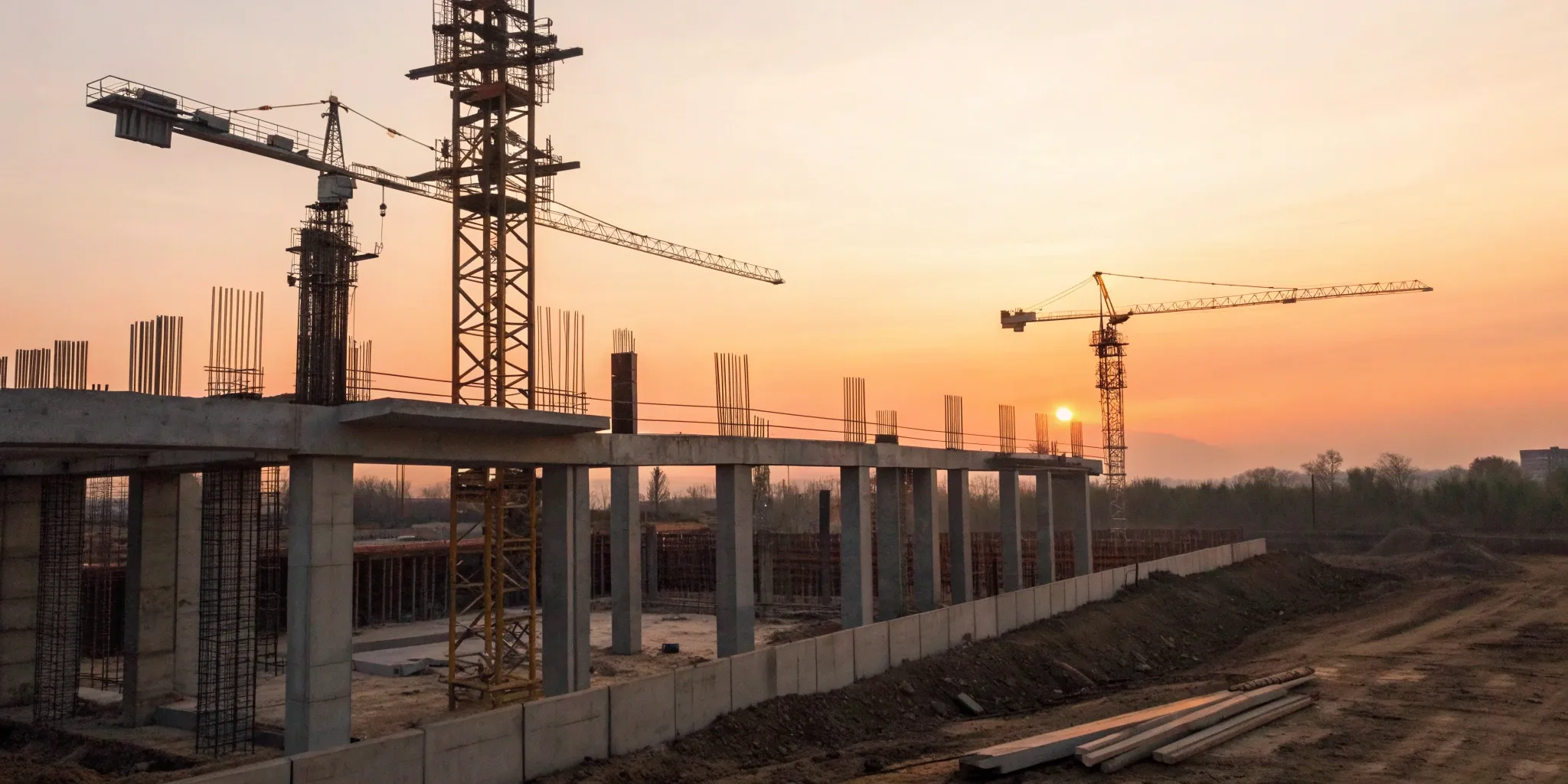
Think of your property’s foundation as its legs. For a building to stand strong, those legs need to be planted on solid ground. But what happens when the ground right at the surface is more like soft sand than solid rock? A standard, shallow foundation can’t provide the stability your structure needs, leading to settlement, cracks, and long-term damage. The answer is to give the building longer, stronger legs that can reach past the unstable soil. This is the fundamental principle behind deep foundation solutions. They are engineered to bypass weak topsoil and anchor your home or commercial building directly to competent, load-bearing strata deep within the earth, ensuring unwavering support for decades to come.
Key Takeaways
- Deep Foundations Solve Weak Soil Problems: They bypass unstable surface soil by anchoring your structure to solid ground or bedrock far below, providing the ultimate support and preventing costly settlement issues.
- Your Property’s Data Dictates the Solution: The right deep foundation isn’t a one-size-fits-all choice. A professional analysis of your soil, water levels, and building’s weight is essential for designing a system that will last.
- Proactive Maintenance Protects Your Investment: A strong foundation requires ongoing care. Manage water drainage around your property, conduct regular visual inspections for cracks or shifts, and address small issues before they become major problems.
What Are Deep Foundations?
Think of a deep foundation as the strong, stable legs for your home or building, reaching far down into the ground to find solid footing. This type of foundation is essential when the soil near the surface is too soft, loose, or unstable to support the structure’s weight. While many buildings do just fine with shallow foundations that sit close to the surface, properties with heavy loads or those built on questionable ground need a more robust approach. A deep foundation bypasses those weak upper layers of soil, anchoring your property to a firm, reliable base deep underground. This ensures long-term stability and gives you peace of mind.
How Deep Foundations Support Your Structure
Deep foundations work by transferring the entire weight of your structure down through the weak topsoil to stronger, more competent soil or rock layers below. It’s like building on stilts that go all the way down to solid ground, providing unwavering support. This method ensures the structural load is distributed effectively, preventing the kind of settlement that leads to cracked walls, uneven floors, and other serious damage. Systems like push and helical piers are engineered to act as these essential underground supports, giving your home the solid base it needs to remain safe and secure for decades.
When to Consider a Deep Foundation
So, how do you know if your property needs this kind of support? You should consider a deep foundation if the ground at the surface is too weak or soft to properly hold up your building. This is a common issue in areas with expansive clay soils, high water tables, or on land that has been previously filled or disturbed. If you’re constructing a large, heavy building or adding a significant extension, a deep foundation might also be necessary to handle the increased load. The only way to know for sure is to have a professional evaluate your property’s specific soil conditions and structural needs as part of a thorough foundation repair inspection.
Common Myths About Deep Foundations
A few persistent myths about deep foundations can lead property owners down the wrong path. One is the idea that “bigger is always better.” In truth, an oversized foundation that isn’t designed for your specific soil profile can cause just as many problems as one that’s too small. Another common mistake is underestimating the impact of the water table. High groundwater levels can affect installation and compromise long-term stability if not properly addressed. A successful deep foundation project always starts with a thorough site investigation and precise engineering to avoid these common pitfalls and ensure the solution is right for your property.
A Look at Different Deep Foundation Types
When your property needs more than a standard shallow foundation, it’s time to look at deep foundation solutions. Think of these as the structural stilts that bypass weak, unstable soil near the surface to anchor your building to solid ground far below. But this isn’t a one-size-fits-all situation. The right deep foundation for a commercial high-rise will be very different from what’s needed for a home on a steep slope.
The best choice depends on a few key factors: the type of soil you’re dealing with, the weight of your structure, and the specific challenges of your property, like limited access or proximity to other buildings. Each type of deep foundation offers a unique set of strengths designed to handle these different scenarios. For example, some methods are designed for immense vertical support, while others are built to hold back soil and water. Understanding the basics of each can help you feel more confident when discussing your project with a foundation specialist. Let’s walk through some of the most common types, from heavy-duty piles that support massive loads to smaller, more versatile options for tight spaces.
Driven Piles
Driven piles are exactly what they sound like: strong columns made of steel, concrete, or timber that are driven deep into the ground with powerful machinery. The goal is to transfer the weight of your building off of weak surface soils and onto stronger, more competent soil or rock layers below. This method is incredibly effective for foundation repair and new construction where the ground can’t support heavy loads. Think of them as long, sturdy legs for your building. Helical piers, which are screwed into the ground, and push piers, which are hydraulically pushed, are two common types of driven piles used in both residential and commercial settings. They are a reliable and time-tested solution for preventing settlement and ensuring long-term stability for your structure.
Drilled Shafts
Drilled shafts, sometimes called drilled piers, are another powerful deep foundation solution. Instead of driving a pre-made column into the earth, this method involves drilling a large-diameter hole into the ground, placing steel reinforcement inside, and then filling it with concrete. The result is a single, high-capacity concrete pillar that can support immense weight. Because the installation process creates less vibration than driving piles, drilled shafts are an excellent choice for projects near existing structures or in sensitive areas. They are often used for new construction projects like bridges, tall buildings, and other large-scale structures that require a robust foundation capable of reaching deep into the earth to find stable bearing ground.
Caissons
Caissons are a heavy-duty type of deep foundation, often described as large, hollow cylinders that are sunk into the ground and then filled with concrete. They are similar to drilled shafts but are typically larger and can be constructed in more challenging conditions, including underwater. This makes them a go-to solution for building bridge piers, offshore platforms, and other structures where water is a factor. Their sheer size and strength allow them to support some of the heaviest structural loads imaginable. By creating a massive, solid column, a caisson effectively transfers weight down to the most stable soil or bedrock layers available. This makes them an essential tool for major infrastructure projects and complex commercial builds that demand uncompromising stability.
Sheet Piles
Unlike other deep foundations that primarily provide vertical support, sheet piles are designed for earth retention. They are long, interlocking steel sheets that are driven into the ground to form a continuous wall. This wall can hold back soil, water, or other materials, making it an ideal solution for creating retaining walls, seawalls, and cofferdams for excavation projects. While their main job is lateral support, sheet piles are a key component in hillside stabilization and protecting foundations from soil erosion or water intrusion. They can be installed as a permanent fixture or used temporarily to ensure safety during construction, offering a versatile way to manage challenging ground conditions and protect your property.
Micropiles
When you need the strength of a deep foundation but are working with limited space, micropiles are the perfect solution. These are small-diameter piles—typically less than 12 inches wide—that are drilled and grouted into place. Because they can be installed with smaller, more agile equipment, they are ideal for projects in dense urban areas, inside existing buildings, or on properties with difficult access. Micropiles are often used to underpin and strengthen existing foundations without major disruption. They are also a great option for crawl-space repairs where larger machinery simply won’t fit. Despite their smaller size, they can be grouped together to support significant loads, offering a flexible and powerful solution for complex foundation challenges.
Assessing Your Property’s Unique Needs
Choosing the right deep foundation isn’t a one-size-fits-all decision. Every property has a unique combination of soil, water, and structural demands that dictates the best solution. A thorough assessment is the first and most critical step to ensure your building gets the support it needs for decades to come. Skipping this phase can lead to costly repairs and long-term structural problems. By carefully evaluating your property’s specific conditions, we can design a foundation system that provides lasting stability and peace of mind. Let’s walk through the key factors we examine to get it right.
Analyzing Your Soil Type
The ground beneath your structure is the most important factor in foundation design. Different soils behave in vastly different ways—loose sand, dense clay, and solid bedrock all have unique properties that affect how they support weight. A professional soil analysis evaluates key characteristics like soil type, bearing capacity, and moisture content to determine how much load the ground can safely handle. This information is essential for selecting a deep foundation solution that can transfer your building’s weight to a stable, load-bearing soil layer deep underground. This process bypasses any weak surface soils, using tools like push and helical piers to secure the structure.
Considering Groundwater Levels
Water is one of the most powerful forces affecting a foundation. The water table—the level at which the ground is saturated—can fluctuate with the seasons and weather patterns, exerting immense pressure on foundation walls. This hydrostatic pressure can lead to leaks, cracks, and even structural failure over time. Neglecting to account for the water table is a common but serious mistake. That’s why a proper site assessment always includes an evaluation of groundwater conditions. This helps us determine the need for robust waterproofing systems and choose foundation types that will perform reliably even in the wettest environments, keeping your basement or crawl space dry and secure.
Calculating Your Structure’s Load
Every building has a unique weight, or “load,” that its foundation must support. This includes the “dead load” (the weight of the structure itself) and the “live load” (the weight of its contents, including people, furniture, and equipment). A multi-story commercial building will impose a much heavier load than a single-family home. Deep foundations are necessary when the surface soils just aren’t strong enough to support these loads. By precisely calculating your structure’s total load, we can design a deep foundation system for your new construction project that provides the exact level of support required, ensuring the building remains stable and secure from day one.
Evaluating Settlement Risk
All buildings settle into the ground over time, but problems arise when this settlement is uneven. This is called differential settlement, and it’s a primary cause of cracked walls, sticking doors, and serious structural damage. The risk of harmful settlement is directly tied to soil conditions; properties with varying soil types or poorly compacted fill are especially vulnerable. A geotechnical investigation helps us identify these risks early on. By understanding the soil’s potential for movement, we can implement proactive foundation repair solutions that control settlement and protect your property’s structural integrity for the long haul.
Factoring in Environmental Impact
Your local environment plays a significant role in your foundation’s long-term health. Factors like regional freeze-thaw cycles can cause soil to expand and contract, putting constant stress on your foundation. Expansive clay soils, which swell when wet and shrink when dry, create similar pressures that can lead to significant movement. Even the chemical makeup of the soil can be corrosive to certain foundation materials. A comprehensive assessment considers all these environmental conditions. This allows us to select the right materials and techniques, whether it’s for a standard project or a more complex challenge like hillside stabilization, to ensure your foundation can withstand the specific challenges of its surroundings.
How to Choose the Right Deep Foundation
Selecting the right deep foundation for your property isn’t a decision to take lightly. It’s about creating a stable, lasting base for your structure, and the best choice depends entirely on your specific situation. There’s no single solution that works for every project. Instead, the process involves a careful evaluation of your property’s unique characteristics, your building’s requirements, and your budget. Think of it as a partnership between you and your foundation specialist, where we work together to weigh all the factors.
Making an informed decision means looking at the complete picture. We start by examining what’s happening on and below the surface of your land. From there, we analyze the scientific data from the soil itself to understand its strengths and weaknesses. Of course, we also have to consider the practical aspects, like project costs and local building codes. By systematically working through these key areas, you can feel confident that you’re choosing a foundation repair or new construction solution that will provide security and peace of mind for years to come. Let’s walk through the essential steps for making the right choice.
Investigating the Site
Before any work begins, a thorough site investigation is the critical first step. What we can see on the surface is only half the story; the real challenges often lie hidden underground. One of the most common issues we encounter during installation is hitting subsurface obstructions. These can be anything from large boulders and old, forgotten foundations to buried debris that can complicate or even halt the installation process.
Identifying these potential obstacles early allows us to plan around them, adjusting the foundation design or installation method to avoid costly delays and surprises. A detailed site assessment gives us a clear map of what we’re working with, ensuring the project runs smoothly from the very beginning.
Analyzing Geotechnical Data
Once we have a lay of the land, the next step is to understand the ground itself. This is where geotechnical data comes in. A geotechnical analysis involves studying the soil to determine its specific properties. Factors like soil type, its load-bearing capacity, and moisture content are carefully evaluated to ensure the long-term stability of the foundation. This isn’t guesswork; it’s a scientific approach that tells us exactly how the soil will behave under the weight of your structure.
This data is what allows us to recommend the most effective push piers and helical piers or other deep foundation systems. The right design and installation method are directly tied to these unique soil conditions, ensuring your foundation is built on a solid, reliable base.
Considering the Costs
We understand that budget is a primary concern for any construction or repair project. While deeper foundations offer incredible advantages, they also present unique challenges that need to be addressed during the design phase, which can influence the overall cost. It’s important to look at the full picture rather than just the initial price tag.
Investing in the right deep foundation from the start protects your property’s value and prevents the need for more expensive repairs down the road. Our goal is to find the most effective and efficient solution for your property’s needs, providing a clear breakdown of costs so you can make a financially sound decision. A strong foundation is one of the smartest long-term investments you can make in your property.
Meeting Regulatory Requirements
Finally, any foundation work must comply with local building codes and regulations. These rules are in place to ensure safety and structural integrity, and they can vary significantly from one area to another. Environmental conditions also play a major role. Factors like freeze-thaw cycles, the presence of expansive clays, or corrosive soils can influence which foundation types and materials are permitted.
Understanding these requirements is essential for a successful and legally compliant project. When you work with an experienced team, you can rest assured that all necessary permits are secured and that your new construction or repair project will meet or exceed all local standards. We handle the complexities of compliance so you can focus on the outcome: a safe and stable structure.
Ensuring a Quality Installation
A great deep foundation plan is only as good as its execution. The installation phase is where engineering designs become a physical reality, and the quality of the work determines the long-term stability of your structure. It’s a process that demands precision, expertise, and the right equipment. A flawless installation ensures that your foundation will perform as designed for decades, providing the support and security your property needs. At Bristol FX, we manage every step with meticulous care to guarantee the final result is strong, stable, and built to last.
The Pre-Installation Check
Before a single piece of equipment arrives on your property, a thorough pre-installation check is essential. This isn’t just a quick look-around; it’s a comprehensive assessment of every factor that could impact the project. We analyze the soil type and its load-bearing capacity, calculate your structure’s specific load requirements, and identify any site constraints. This detailed evaluation ensures the chosen foundation repair solution is perfectly matched to your property’s unique conditions. By addressing these variables upfront, we create a clear and effective plan that prevents surprises and ensures a smooth, successful installation from day one.
Installation Techniques and Equipment
Deep foundations work by transferring the weight of your building through weak or unstable soil down to solid, load-bearing earth or rock layers deep underground. Achieving this requires specialized techniques and heavy-duty equipment operated by a skilled team. Whether we’re installing push piers and helical piers or another deep foundation type, each method has its own precise procedure. The right equipment ensures piers are driven to the correct depth and torque, guaranteeing they reach the stable strata needed to support your structure properly. This combination of advanced technology and hands-on expertise is critical for a secure and lasting foundation.
How We Guarantee Quality
Quality isn’t a coincidence—it’s the result of a customized approach. Because soil conditions can vary widely even across a single property, a one-size-fits-all solution simply won’t work. We guarantee quality by tailoring the foundation design and installation method to your project’s specific geotechnical data. Our experienced crews use only high-grade materials and follow engineering plans to the letter. This commitment extends to our new construction projects, where we build quality in from the very beginning. It’s this scientific, detail-oriented process that allows us to stand behind our work with extensive, long-term warranties.
Monitoring Foundation Performance
Our job doesn’t end when the installation is complete. Long-term stability is the ultimate goal, and that includes monitoring the foundation’s performance over time. Continuous assessment is key to confirming that the structure is settling as expected and the foundation is performing its job correctly. For projects like hillside stabilization, ongoing monitoring provides crucial data and peace of mind. By keeping an eye on things, we can verify the solution’s effectiveness and address any potential concerns early on, ensuring your property remains safe and secure for years to come.
The Long-Term Benefits of a Deep Foundation
When you’re thinking about your property, the foundation might not be the most exciting part, but it’s certainly the most important. Choosing a deep foundation isn’t just about meeting a building code; it’s about making a strategic decision for the future health and safety of your structure. Think of it as the ultimate insurance policy against shifting soils, settlement, and unforeseen environmental stress. The peace of mind that comes from knowing your home or commercial building rests on a solid, stable base is invaluable. Over the years, this upfront investment pays for itself by preventing costly repairs and preserving your property’s value. It’s a forward-thinking approach that ensures your structure stands strong for decades to come.
Unmatched Structural Stability
The primary job of any foundation is to provide a stable base. However, sometimes the soil near the surface just isn’t strong enough to support the weight of a building. This is especially true for larger structures or properties built on less-than-ideal soil conditions. Deep foundations solve this problem by bypassing weak surface soils entirely. They act like stilts, transferring the building’s load down to more competent soil or bedrock deep underground. This direct connection to a stable geological layer provides a level of structural security that shallow foundations simply can’t match. This is the core of effective foundation repair and the key to a building that lasts.
Superior Settlement Control
Have you ever noticed cracks in a wall or floors that have started to slope? These are often signs of foundation settlement, which happens when a structure sinks unevenly into the ground. Deep foundations are incredibly effective at controlling this issue. By anchoring the structure to solid ground far below the surface, they minimize the potential for movement. Systems like push piers and helical piers are designed to transfer the weight of your property to load-bearing strata, effectively managing settlement before it can cause significant damage. This ensures your building remains level and secure, protecting it from the structural strain that settlement can cause over time.
Better Performance in Seismic Zones
For properties in areas prone to earthquakes, a deep foundation is more than a good idea—it’s a critical safety feature. Earthquakes exert powerful lateral forces on a building, and a shallow foundation may not have the strength to resist them. Deep foundations are engineered to withstand both the vertical weight of the structure and these side-to-side forces. They provide a rigid, deeply embedded anchor that helps the building move with the ground as a single unit, reducing stress on the structure itself. This makes them a reliable choice for any project where seismic activity or even significant hillside stabilization is a concern.
A Smart Long-Term Investment
While the initial cost of a deep foundation might be higher than a shallow one, it’s one of the smartest long-term investments you can make in your property. By addressing potential soil issues from the start, you drastically reduce the risk of future foundation problems, which can be incredibly disruptive and expensive to fix. A solid foundation protects your entire investment, from the framework to the finishes. Whether you’re planning new construction or reinforcing an existing building, choosing the right foundation provides a stable base that adds lasting value and security, saving you money and headaches for years to come.
Innovations in Deep Foundation Technology
The world of foundation engineering is constantly moving forward. Just like other areas of construction, technology is bringing exciting changes that make deep foundations stronger, more efficient, and more reliable than ever before. These advancements aren’t just about new gadgets; they’re about solving complex soil and structural challenges with smarter, more durable solutions. For property owners, this means greater peace of mind and better long-term value for your investment.
From advanced materials that resist the elements to smart systems that monitor a foundation’s health in real time, modern techniques are transforming how we support our structures. We’re also seeing a greater focus on sustainability and methods that minimize disruption to your property and the surrounding environment. By staying at the forefront of these developments, we can provide solutions that are not only effective today but are also built to last for generations. Let’s look at some of the key innovations shaping the future of deep foundations.
Using Advanced Materials
The strength of any deep foundation starts with the materials used to build it. Today, we’re moving beyond traditional concrete and steel to incorporate advanced composites and high-performance alloys. These materials offer superior strength-to-weight ratios and incredible resistance to corrosion, moisture, and chemical breakdown. For example, the galvanized steel used in modern push piers and helical piers is designed to last for decades underground without degrading. When a structure’s loads are too heavy for the surface soil to handle, these robust materials ensure the deep foundation can transfer that weight to stable, load-bearing earth far below, providing a permanent solution.
Implementing Smart Monitoring Systems
One of the most exciting developments is the integration of smart technology into foundation systems. Imagine being able to check on your foundation’s health just like you check your home’s thermostat. By embedding sensors within the foundation elements, we can get real-time data on everything from soil pressure to load distribution and structural performance. This allows for continuous monitoring, helping to detect potential issues long before they become serious problems. This proactive approach to foundation management provides an unparalleled level of security, ensuring the structure remains stable and safe throughout its life.
Adopting Sustainable Practices
Construction is becoming greener, and foundation work is no exception. Sustainable practices are now a key part of modern foundation design and installation. This includes using recycled materials in our concrete mixes and adopting ground improvement techniques that enhance the soil’s natural strength, reducing the need for extensive excavation. Techniques like using polyurethane geotechnical foam for soil stabilization are minimally invasive and have a smaller environmental footprint compared to traditional methods. By focusing on sustainability, we can build strong foundations while also protecting the local ecosystem and minimizing waste.
Exploring Innovative Installation Methods
How a foundation is installed is just as important as what it’s made of. New installation methods are making the process faster, safer, and far less disruptive. Advanced equipment allows us to work in tight spaces and on difficult terrain, like hillsides, with incredible precision. One of the biggest hurdles in any foundation repair project is dealing with subsurface obstructions like large rocks or old debris. Modern drilling and piling technologies are designed to handle these challenges effectively, minimizing delays and ensuring the foundation is installed correctly. These innovations mean a smoother project from start to finish with less impact on your property and daily life.
Maintaining Your Foundation for the Long Haul
A deep foundation is a serious investment in your property’s future, and like any critical asset, it needs attention to perform its best for decades to come. Thinking about foundation maintenance isn’t about waiting for a problem to show up; it’s about being proactive to prevent issues before they start. A little bit of awareness and a few simple habits can go a long way in protecting your structure. By keeping an eye on your property and knowing when to call for a professional opinion, you can ensure your foundation remains strong, stable, and secure for the long haul.
Your Inspection Checklist
Regularly inspecting your foundation is one of the most effective things you can do as a property owner. You don’t need to be an engineer to spot potential warning signs. At least twice a year—ideally in the spring and fall—walk around your property and look for changes. Check for new or expanding cracks in walls, sticking doors or windows, and any signs of water intrusion in your basement or crawl space. While a professional assessment will evaluate technical factors like soil moisture and bearing capacity, your visual check is the first line of defense. If you notice anything that concerns you, it’s time to schedule a professional foundation repair inspection to get a clear picture of what’s happening beneath the surface.
Tips for Preventive Maintenance
Preventive care is all about managing the environment around your foundation, and water is public enemy number one. Ensure your gutters are clean and that downspouts direct water at least five feet away from your foundation walls. The ground around your property should slope away from the building, not toward it, to prevent pooling. If you’re planning any major landscaping or construction, remember that things like poor soil compaction or ignoring the water table can create new problems. Proper waterproofing is a key part of this strategy, creating a barrier that protects your foundation from the constant pressure of moisture in the soil and preserving its structural integrity.
Addressing Common Challenges
Even with the best maintenance, deep foundations can face challenges. Shifting soil, changes in the local water table, or even vibrations from nearby construction can create issues that require specialized knowledge to solve. These situations often present logistical and technical hurdles that are beyond a simple DIY fix. For example, addressing settlement might require installing push piers and helical piers to provide new points of support deep within stable soil. Attempting to patch a symptom without understanding the root cause can lead to more extensive and expensive damage down the road. When you encounter a complex issue, working with specialists ensures you get a solution designed for the specific challenge your property is facing.
Strategies for Long-Term Monitoring
Your foundation exists in a dynamic environment. Soil expands and contracts, moisture levels change, and your property ages. That’s why long-term monitoring is so important. This can be as simple as keeping a dated photo log of any cracks to track their movement over time. For a more advanced approach, you can schedule periodic professional check-ups every few years, especially after significant weather events like a drought or a period of heavy rain. Consistent monitoring helps you understand your property’s unique behavior and allows you to catch subtle changes before they become major structural threats. It’s a simple, ongoing strategy for protecting your investment and maintaining peace of mind.
Related Articles
Frequently Asked Questions
What are the most common signs that my home might need a deep foundation? The most telling signs often show up inside your home. Look for large, diagonal cracks in your drywall, especially around door and window frames. You might also notice that doors and windows have become difficult to open or close, or that your floors have started to slope or feel uneven. While these are strong indicators, the only way to know for certain is to have a professional evaluate the situation. A thorough inspection can determine if these issues are caused by underlying soil problems that require a deep foundation solution.
Will installing a deep foundation tear up my entire yard? This is a common concern, but the process is often much less disruptive than people imagine. Modern installation techniques and specialized equipment are designed to minimize the impact on your property. For solutions like micropiles or helical piers, we can often work in tight spaces with smaller machinery. Our goal is always to stabilize your home with as little disturbance to your landscaping and daily life as possible.
Is the process different for fixing an existing foundation versus building a new one? Yes, the application is quite different. For an existing home, we are typically performing a repair to stop settlement and add support. This often involves strategically placing piers underneath the current foundation to transfer the home’s weight to stable soil. For new construction, we are building the deep foundation from the ground up, before the structure is even framed. This proactive approach ensures the new building has a solid base from day one, preventing future problems.
What are the main factors that determine the cost of a deep foundation project? The cost is unique to each property because it depends on several key factors. The specific soil conditions beneath your home play the biggest role, as they dictate the type and depth of the solution needed. The size and weight of your structure, the number of piers required for proper support, and the accessibility of the site also influence the final price. This is why a detailed, on-site assessment is necessary to provide an accurate quote.
Once a deep foundation is installed, is it a permanent fix? When designed and installed correctly by a professional team, a deep foundation is considered a long-term, and often permanent, solution. We use high-grade, corrosion-resistant materials engineered to last for the life of your structure. The entire system is designed to transfer your home’s weight to stable, load-bearing soil deep underground, providing lasting stability. That’s why we can stand behind our work with extensive warranties, giving you confidence in the solution.