
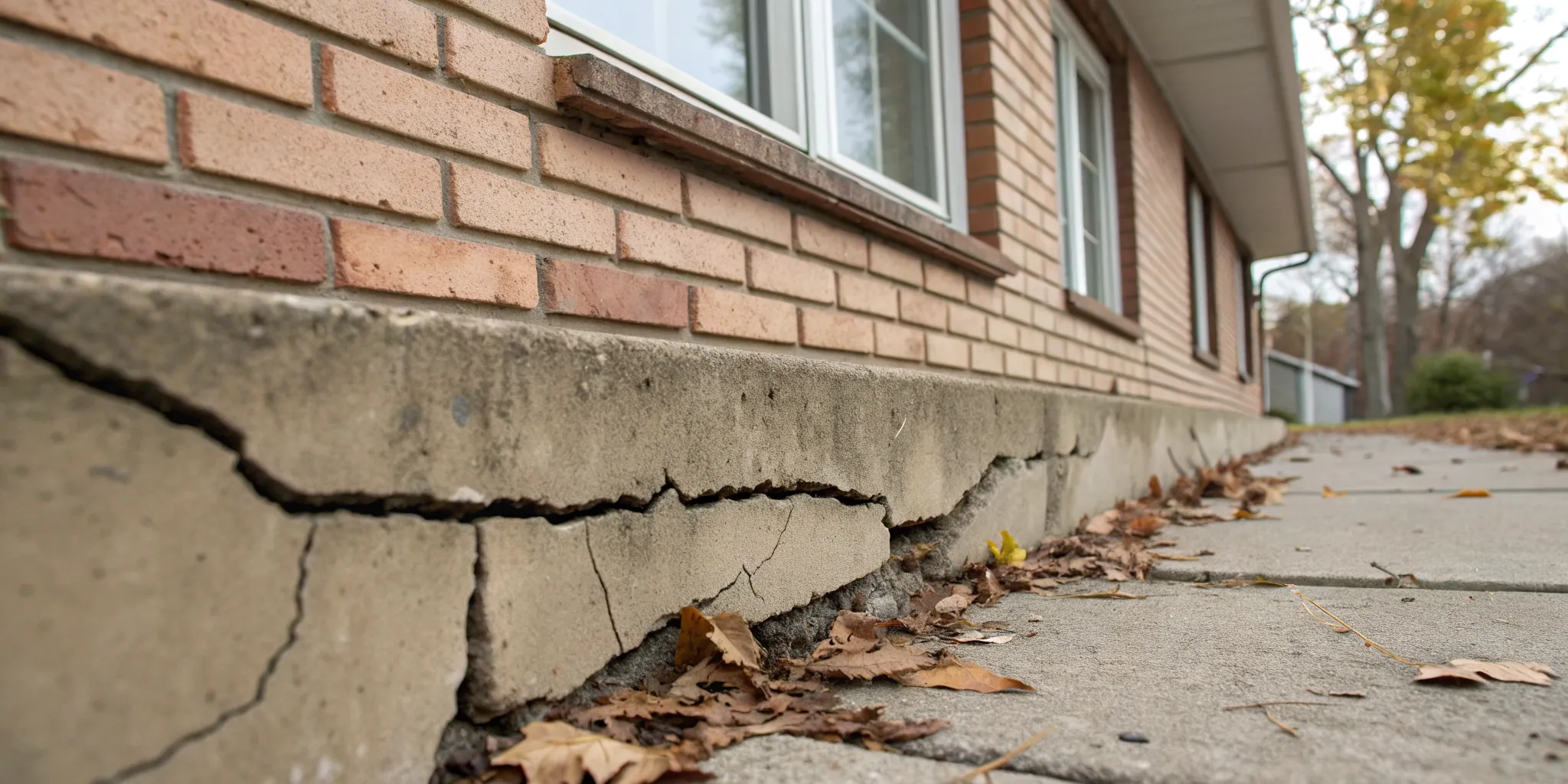
Your home communicates with you through subtle clues—a door that suddenly sticks, a new crack appearing over a window, or a floor that feels slightly uneven. While it’s easy to dismiss these as minor quirks, they can be the first whispers of a more significant issue brewing beneath your feet. These signs often point to foundation settlement, the process where your home’s foundation moves due to changes in the underlying soil. Learning to read these signals early is crucial. It allows you to address the root cause before it leads to more complex and costly repairs, ensuring your home remains a safe and stable investment.
Key Takeaways
- Control Water Around Your Home: Most foundation issues are caused by water. Protect your home by keeping gutters clean, extending downspouts, and ensuring the ground slopes away from your foundation to maintain stable soil.
- Learn to Read the Warning Signs: While tiny hairline cracks can be normal, don’t ignore serious red flags. Actively look for widening horizontal cracks, doors and windows that stick, and uneven floors, as these point to structural problems.
- A Professional Assessment is Non-Negotiable: You can spot the symptoms, but only an expert can diagnose the root cause. A professional evaluation is the essential first step to getting a correct, long-term repair plan for your home.
What Is Foundation Settlement?
Every house moves a little over time. This natural process, known as foundation settlement, is simply your home getting comfortable on the land it sits on. As the soil beneath your house shifts and compacts, the foundation moves with it. In most cases, this is a slow, uniform process that doesn’t cause any major issues. You might see a tiny, hairline crack appear in the drywall, but that’s about it.
The trouble starts when this movement becomes uneven or excessive. This is when you need to pay closer attention, as what seems like a small issue could be a sign of a more significant problem brewing beneath your home. Understanding the difference between normal settling and problematic settlement is the first step in protecting your property. It’s all about knowing what to look for and when to take action.
When Normal Settling Becomes a Problem
So, how do you tell the difference between a house that’s just settling in and one that’s crying out for help? The key is in how it settles. Normal, uniform settling happens when the entire house sinks into the ground at roughly the same rate. This is generally not a cause for alarm. The real concern is something called differential settlement. This occurs when one part of your foundation moves or sinks faster than another, creating stress throughout your home’s entire structure. This imbalance is what leads to significant damage and can compromise the safety of your home if left unaddressed.
Why Does Your Foundation Settle?
A foundation’s stability is in a constant conversation with the ground beneath it, and several factors can influence this relationship. The type of soil your house is built on plays a huge role; expansive clay soils, for example, swell when wet and shrink when dry, causing significant movement. The amount of water in the soil is another major factor, as poor drainage or plumbing leaks can oversaturate and weaken the ground. Other common causes include soil erosion, the quality of the initial construction, and even the roots of large trees growing too close to your home, which can draw moisture from the soil and cause it to shrink.
Recognizing Different Settlement Patterns
You don’t need to be an expert to spot the early clues of foundation settlement. Start by looking for cracks in your walls, floors, and the exterior brick or concrete. Are they thin like a strand of hair, or are they widening? Pay special attention to stair-step cracks in brick walls or horizontal cracks in your foundation itself. Another classic sign is having doors and windows that suddenly stick or refuse to close properly. This happens because the frames have been twisted out of square by the shifting foundation. If you notice these issues, it might be time to consider a professional foundation repair assessment.
Spotting the Warning Signs of Foundation Trouble
Your home has its own way of telling you when something is wrong. The key is knowing how to listen. Foundation issues rarely stay confined to the foundation itself; they send signals throughout the entire structure. Learning to spot these clues early can save you from more significant and costly problems down the road. A small crack or a sticky door might seem minor, but they can be the first signs of a bigger issue brewing beneath your feet. Let’s walk through the specific warning signs to look for inside your home, on its exterior, and in the crawl space or basement.
Signs to Look For Inside Your Home
Start by taking a slow walk through your house. The most obvious signs of foundation movement often appear on your interior walls. Look for cracks in the drywall, especially over doorways and windows or where walls meet the ceiling. While tiny hairline cracks can be normal, you should pay attention to wider, diagonal cracks. You might also notice that your floors feel sloped or uneven underfoot. Another classic sign is having doors and windows that suddenly stick or refuse to close properly. This happens because a shifting foundation can warp their frames. If you see any of these issues, it’s a good indication that you need a professional foundation repair assessment.
What to Check on the Outside
Next, head outside to inspect your home’s exterior. If you have brick or stone siding, look for stair-step cracks in the mortar joints—these are a tell-tale sign of differential settlement, where one part of the foundation is sinking faster than another. You should also examine the visible concrete or block portion of your foundation for any cracks, especially horizontal ones. Don’t forget to look up. A chimney that is tilting or has separated from the side of the house is a serious red flag. These exterior signs often point to a need for stabilization, which can be addressed with solutions like push and helical piers to support the structure.
Clues in Your Basement or Crawl Space
Your home’s lowest level can offer the most direct evidence of foundation trouble. In your basement, check the walls for horizontal or large, jagged cracks. Walls that appear to be bowing inward are under immense pressure from the surrounding soil and require immediate attention. In a crawl space, look for cracked support columns, moisture, and sagging floor joists. Water is a major enemy of foundations, so any signs of leaks, puddles, or a persistent damp, musty smell are cause for concern. Proper crawl-space repairs can address both the structural and moisture-related issues that start here.
When Should You Be Concerned?
While minor settling can produce small, vertical cracks, certain signs should prompt you to act quickly. Be concerned if you see horizontal cracks in your foundation walls, as this indicates significant external pressure. Any crack wider than a quarter of an inch is also a red flag. If you notice that cracks are actively growing or that multiple warning signs—like sticky doors, uneven floors, and exterior cracks—are appearing at the same time, it’s time to call an expert. Ignoring these symptoms won’t make them go away; it just allows the underlying problem to worsen. A professional can determine if a simple crack injection is sufficient or if a more comprehensive solution is needed.
What Causes a Foundation to Settle?
Understanding why a foundation settles can feel like a mystery, but it usually comes down to three key areas: the ground your home sits on, how it was built, and the environment around it. Your home’s foundation is in a constant relationship with the earth beneath it. When that relationship is disrupted—by water, poor construction, or even a nearby tree—settlement can occur. It’s rarely one single thing but rather a combination of factors that leads to foundation movement. Let’s look at the most common culprits behind foundation settlement so you can better understand what might be happening with your property.
How Soil and Water Affect Your Foundation
The ground under your house is more active than you might think, and its biggest influencer is water. Soil expands when it gets wet and shrinks when it dries out. This is especially true for clay-rich soils, which can change in volume dramatically. Too much water from heavy rain or poor drainage can oversaturate the soil, causing it to lose strength and become unable to support the weight of your home. On the other hand, a drought can pull moisture from the soil, causing it to shrink and pull away from the foundation. This constant cycle of swelling and shrinking puts immense stress on your foundation, leading to uneven settling and cracks. Proper waterproofing is one of the best ways to manage soil moisture and protect your home.
The Role of Your Home’s Construction
Sometimes, foundation issues can be traced back to the day your home was built. Before the concrete is ever poured, the ground must be properly prepared to create a stable base. If the soil used as fill wasn’t compacted correctly, it can slowly compress under the massive weight of the structure, causing the foundation to sink over time. This is known as poor soil preparation. The quality of the initial build is critical for long-term stability. Ensuring that a home is built on solid, well-prepared ground is a fundamental step in any new construction project and is key to preventing future settlement problems before they even have a chance to start.
How the Environment Plays a Part
Your home doesn’t exist in a bubble; the surrounding environment plays a significant role in your foundation’s health. Large trees or shrubs planted too close to the house can be a major issue. Their root systems can draw gallons of water from the soil each day, causing the ground to shrink and settle. On the flip side, decaying root systems can leave voids in the soil, creating weak spots. Other environmental factors include vibrations from nearby heavy traffic or construction, which can cause the soil to shift. For homes built on slopes, natural erosion can gradually wash away supporting soil, making hillside stabilization a critical consideration for maintaining a level foundation.
Is It Normal Settling or a Serious Problem?
It’s a sound every homeowner dreads: a sudden creak, a groan from the walls. Your first thought might be, “Is my house falling apart?” The good news is, all houses settle over time. It’s a natural process as the structure adjusts to the ground beneath it. The key is learning to distinguish between the normal, harmless settling that every home experiences and the warning signs of a serious foundation issue that needs immediate attention. Knowing the difference can save you from unnecessary worry and help you protect your biggest investment.
What Normal House Settling Looks Like
Think of normal settling as your house getting comfortable. As the soil underneath compacts and shifts, your home will move with it, usually within the first few years after construction. This process is typically uniform, meaning the entire structure settles at roughly the same rate. You might notice a few tiny, hairline cracks in the drywall, especially over doorways or where walls meet the ceiling. As long as these cracks are thin (less than 1/8 inch wide) and don’t grow over time, they are generally considered cosmetic and not a cause for concern.
Red Flags That Point to Structural Issues
While minor settling is normal, some signs point to a more significant problem. This often happens when one part of your foundation sinks faster than the rest, a phenomenon known as differential settlement. This uneven movement puts stress on your home’s frame. Keep an eye out for cracks in your walls or foundation that are wider than a quarter-inch. Other major red flags include doors and windows that suddenly stick or won’t close properly, and floors that are visibly sloped or uneven. If you spot these issues, it’s time to consider a professional foundation repair assessment.
How to Read the Cracks in Your Walls
The cracks in your home can tell a story about what’s happening with your foundation. The direction, size, and location all provide important clues. While thin, vertical cracks are often related to normal settling, horizontal or stair-step cracks in brick or concrete block walls are much more serious. These types of cracks often indicate that the foundation is bowing inward due to pressure from the surrounding soil. Any crack that is actively growing wider is a clear signal that you have an ongoing issue that requires a professional solution like crack injection.
Checking Your Doors and Windows
One of the easiest ways to check for foundation trouble is to test your doors and windows. Do they open and close smoothly, or do they stick and bind? When a foundation shifts, it can warp the frames of doors and windows, causing them to become misaligned. You might notice that a door that used to close perfectly now scrapes against the floor, or you see new gaps around a window frame. These are subtle but significant signs that the structural integrity of your home may be compromised by foundation movement.
Are Your Floors Uneven?
Your floors should be level. If you notice a distinct slope or a sagging area in the middle of a room, it’s a strong indicator that the supports below are failing or sinking. You can test this by placing a ball or marble on the floor to see if it rolls on its own. In homes with basements or crawl spaces, look for cracks across the concrete slab or gaps where the floor meets the wall. Uneven floors not only point to foundation problems but can also be a tripping hazard, so it’s an issue worth investigating with a crawl-space repair expert.
Tracking Changes Over Time
Foundation problems rarely appear overnight; they usually develop gradually. That’s why it’s so important to monitor your home for changes. If you find a crack, make a small pencil mark at the end of it and write down the date. You can also measure its width and take a photo for reference. Check back every few months to see if the crack has grown longer or wider. Keeping a simple log of these changes will provide valuable information if you do need to call in a professional. If you notice consistent changes, it’s a sign that the problem is active and needs to be addressed.
How to Get Your Foundation Assessed
If you’ve noticed some of the warning signs, the next step is to figure out how serious the problem is. You can start with a simple check-up on your own, but a professional evaluation is the only way to get a complete picture of your foundation’s health. Think of it as a check-up for your home—it helps you catch potential issues early and understand your options before they become bigger, more expensive problems. A thorough assessment gives you a clear roadmap for any necessary repairs and provides peace of mind.
Your At-Home Inspection Checklist
Before you call in the experts, you can do a quick walkthrough of your property. Grab a notebook and a tape measure, and keep an eye out for a few key things. Regularly check your foundation and interior walls for any new cracks. If you find existing ones, measure them and jot down the size so you can see if they grow over time. Pay close attention to your doors and windows—do they stick, or are they hard to open and close? This can be a subtle sign of shifting. Making these simple observations can give you valuable information to share when you schedule a professional foundation repair assessment.
What to Expect from a Professional Evaluation
While your own inspection is a great starting point, foundation repair is definitely not a DIY project. If you’ve noticed any of the more serious signs or just feel unsure, it’s time to call a professional. When a structural expert visits your home, they’ll conduct a comprehensive visual inspection of the interior and exterior. They will look at the cracks you’ve found, check for signs of water damage, and assess the overall structural integrity. They’ll also take elevation measurements to determine if and where your foundation has settled. This evaluation is designed to identify the root cause of the problem, not just the symptoms, ensuring you get the right solution.
The Tools Experts Use
To get a truly accurate diagnosis, professionals rely on more than just a visual inspection. They use specialized equipment to understand what’s happening beneath the surface. For example, tools like Ground Penetrating Radar (GPR) can help identify voids under your slab, while thermal imaging can detect moisture issues that aren’t visible to the naked eye. Moisture meters and laser levels provide precise data on water content and elevation changes. Using these advanced diagnostic tools allows an expert to create a complete picture of your foundation’s condition. This data-driven approach is crucial for recommending effective, long-lasting solutions like polyurethane geotechnical foam for slab stabilization or piers for underpinning.
Why Documentation Matters
After the assessment is complete, you should receive a detailed report from the inspector. This document is incredibly important. It will outline all the findings, including measurements, photos, and an explanation of the underlying causes of any issues. More importantly, it will provide a clear, written plan for the recommended repairs and a transparent cost estimate. This report empowers you to make an informed decision about your property. It serves as a crucial record of your home’s condition and is essential for planning repairs, for insurance purposes, or even for future real estate transactions. Having this professional documentation ensures everyone is on the same page about the scope of the work.
Your Guide to Foundation Repair Solutions
Discovering your home has a foundation issue can feel overwhelming, but the good news is that there are proven, effective solutions. The right approach depends entirely on the specific cause of the settlement, your home’s construction, and the soil conditions on your property. A professional assessment is the only way to know for sure, but understanding the common repair methods can help you feel more prepared for the conversation. Modern foundation repair is a precise science designed to stabilize your home and give you peace of mind for years to come.
Underpinning: What It Is and How It Works
You might hear experts talk about “underpinning” your foundation. In simple terms, underpinning is the process of strengthening your home’s existing foundation. This is usually done by extending the foundation’s depth or width so it rests on more stable soil or bedrock, transferring the weight of the house to a more supportive base. It’s a go-to solution when the original foundation can no longer support the structure, often due to changes in the surrounding soil over time. Think of it as giving your home a stronger, deeper footing to stand on, permanently correcting the issues caused by settlement.
An Intro to Push and Helical Piers
Two of the most common and reliable underpinning methods involve piers. Steel push and helical piers are engineered to provide lasting support. Push piers are long steel tubes that are hydraulically driven through unstable soil until they hit solid bedrock or a stable, load-bearing soil layer. The weight of your home is then transferred onto these incredibly strong piers. Helical piers work similarly but are shaped like giant screws. They are twisted into the ground, which makes them ideal for a variety of soil conditions and lighter structures. Both are installed with minimal disruption to your home and yard, offering a powerful, permanent fix.
Other Stabilization Methods
Depending on the problem, other solutions might be more appropriate. If a concrete slab has sunk, a process called slab jacking can lift it back into place using a specialized polyurethane geotechnical foam. This material is injected beneath the slab, where it expands to fill voids and raise the concrete. For bowing basement walls, carbon fiber straps or wall anchors can provide reinforcement. And for the cracks that often accompany settlement, a professional crack injection seals them off from moisture and air, preventing further damage and water intrusion. Each technique is designed to address a specific symptom of foundation distress.
The Importance of Proper Drainage
While repairs address existing damage, preventing future problems often comes down to water management. Excess moisture is a primary cause of foundation settlement. When water pools around your foundation, it saturates and softens the soil, reducing its ability to support your home. Ensuring your gutters are clean and your downspouts direct water far away from the house is a critical first step. The ground around your foundation should also slope away from the walls. In some cases, installing an exterior or interior drainage system as part of a waterproofing strategy is the best way to keep the soil stable and your foundation dry.
How to Prevent Future Foundation Issues
Once you’ve addressed any immediate foundation problems, the goal is to prevent them from happening again. The good news is that a few proactive habits can make a huge difference in protecting your home’s structural integrity for years to come. Think of it as simple home maintenance that safeguards one of your biggest investments. By paying attention to water, soil, and landscaping, you can stay ahead of potential issues and keep your foundation stable and secure.
Smart Water Management Around Your Home
Water is often the primary culprit behind foundation issues. When soil becomes oversaturated, it expands and puts immense pressure on your foundation walls. When it dries out, it shrinks, leaving voids that can cause your foundation to sink. The key is to direct water away from your home. Start by ensuring your gutters are clean and your downspouts extend at least five feet from the foundation. The ground around your house should also have a proper yard slope, gently grading away from the walls. Effective waterproofing is your best defense, creating a barrier that stops moisture from seeping into your basement or crawl space and compromising the structure.
Keeping Soil Moisture Consistent
Dramatic shifts in soil moisture are a leading cause of foundation settlement. According to the experts at R&R Foundation Specialist, prolonged droughts can cause the soil to shrink away from your foundation, while heavy rains cause it to swell, leading to uneven sinking. To combat this, try to keep the soil moisture around your home as consistent as possible. During dry spells, you can use a soaker hose system placed a foot or two away from the foundation to slowly and evenly water the soil. This simple step helps prevent the drastic shrinking and swelling cycle that puts so much stress on your home’s foundation.
Managing Nearby Trees and Roots
Large trees and shrubs look beautiful, but their root systems can be a hidden threat. When planted too close to a house, tree roots can absorb a massive amount of water from the soil, causing it to shrink and leading to foundation settlement. As a general rule, it’s best to plant trees at least as far away from your home as they will be tall at maturity. If you already have large trees near your foundation, keep an eye on them and consider installing a root barrier. If you suspect roots are already causing damage, it’s time to call in a professional for a foundation repair assessment to understand your options.
Creating a Regular Inspection Routine
You don’t have to be an expert to spot the early signs of trouble. Make it a habit to walk around your property a few times a year specifically to inspect your foundation. Look for new cracks in the concrete or brickwork. As recommended by This Old House, it’s a good idea to measure any existing cracks to see if they are widening over time. Inside, pay attention to how your doors and windows operate—if they start sticking or become difficult to open, it could be a sign of shifting. Catching these changes early allows you to address them before they become major, expensive problems.
A Quick Note on Homeowner’s Insurance
It’s important to understand what your homeowner’s insurance does and doesn’t cover. Most standard policies do not cover damage from foundation settling or general soil movement. Coverage typically only applies if the foundation damage is the direct result of a covered peril, like a burst pipe. Because of this, prevention is truly your most cost-effective strategy. If you spot any of the serious warning signs we’ve discussed, don’t wait. Foundation repair is not a DIY project. Consulting a professional is the only way to get an accurate diagnosis and a lasting solution to protect your home.
Protecting Your Home for the Long Haul
Your home is one of the biggest investments you’ll ever make, and its foundation is, quite literally, what holds it all together. Thinking about the long-term health of your foundation isn’t just about preventing cracks; it’s about safeguarding your property’s value and ensuring your family’s safety for years to come. A little proactive care goes a long way in preventing small issues from turning into major, costly headaches. By creating a simple maintenance plan and understanding your options, you can feel confident that your home is standing on solid ground.
How Foundation Health Affects Property Value
A compromised foundation can significantly lower your home’s market value. Potential buyers are often wary of properties with signs of structural issues, as they anticipate expensive and disruptive repairs. Finding and fixing foundation problems early is one of the smartest moves you can make as a homeowner. Addressing settlement, cracks, or water intrusion not only prevents the damage from worsening but also preserves your equity. When it comes time to sell, a clean bill of health from a structural engineer or a record of professional foundation repair can be a major selling point, assuring buyers that the home is stable and well-maintained.
Creating a Long-Term Maintenance Plan
A long-term maintenance plan doesn’t have to be complicated. It’s all about being observant and consistent. A few times a year, walk around your property and inside your home, specifically looking for changes. Check your foundation and walls for new cracks or shifts. If you have existing hairline cracks, you can measure them and jot down the details to see if they expand over time. This simple habit helps you catch potential issues before they escalate. If you spot any of the more serious warning signs, like widening cracks or sticking doors, or if you just feel unsure, it’s always best to call a professional for an evaluation.
Understanding Your Repair Warranty
When you invest in foundation work, you’re not just paying for a fix—you’re paying for a lasting solution. That’s where the warranty comes in. A reputable company will stand behind its work with a strong, clear warranty. For example, solutions like installing push and helical piers to stabilize a sinking foundation often come with a lifetime warranty because they are considered a permanent fix. Understanding the terms of your warranty gives you peace of mind and protects your investment. Always ask what the warranty covers, how long it lasts, and if it’s transferable to a new owner, as this can be a valuable asset if you decide to sell.
Simple Steps for Future Prevention
The best way to deal with foundation problems is to prevent them from happening in the first place. Luckily, many preventative measures are straightforward. Focus on managing water around your home. Ensure your gutters are clean and that downspouts direct water several feet away from the foundation. Your yard should slope away from the house, not toward it. Consistent soil moisture is also key, so during dry spells, consider lightly watering the soil around your foundation. Finally, be mindful of large trees planted too close to your home, as their roots can draw moisture from the soil and cause settlement. These simple habits are powerful tools for maintaining a healthy foundation.
Related Articles
- What Causes House Foundations To Settle Over Time? – Professional Foundation Repair
- What To Know About Different Types of Foundation Settlement – Professional Foundation Repair
Frequently Asked Questions
I see a small, hairline crack in my drywall. Should I panic? Not at all. It’s completely normal for a house to settle a bit, especially in the first few years after it’s built, and this can cause tiny, cosmetic cracks. The time to pay closer attention is when you see cracks that are widening, running diagonally from the corners of doors and windows, or appearing as stair-step patterns in your exterior brick. If a crack is wider than a quarter of an inch or if you notice it’s growing, that’s your cue to have it looked at by a professional.
What factors determine the cost of foundation repair? The cost really depends on the specific problem and the solution required to fix it permanently. The main factors include the extent of the damage, the type of soil your home is built on, and the specific repair method needed. For example, stabilizing a single corner of your home with piers will be a different project than lifting an entire sunken slab with polyurethane foam. The only way to get an accurate number is with a thorough professional assessment, which will give you a clear breakdown of the work needed and the associated costs.
How long does a typical foundation repair project take? The timeline for a repair project varies quite a bit, but many common jobs can be completed in just a few days. Simpler fixes like injecting a crack might only take a few hours, while installing foundation piers could take anywhere from one to three days. More extensive projects, of course, can take longer. A reputable contractor will give you a clear and realistic timeline before any work begins so you know exactly what to expect.
Will the repair process make a huge mess of my landscaping? This is a common concern, but you might be surprised at how little disruption modern foundation repair causes. Professionals work hard to be as minimally invasive as possible. Techniques like installing push or helical piers require some excavation, but the work areas are typically small and localized. Once the job is done, the soil is replaced, and your yard is tidied up. The goal is always to stabilize your home with the least possible impact on your property.
Is foundation damage covered by my homeowner’s insurance? Generally, standard homeowner’s insurance policies do not cover damage related to foundation settling or soil movement. Coverage usually only applies if the foundation issue was caused by a specific, covered event, such as a major plumbing leak or a natural disaster like an earthquake, if you have that specific coverage. Because of this, staying on top of maintenance and addressing problems early is your most effective and cost-efficient strategy.