
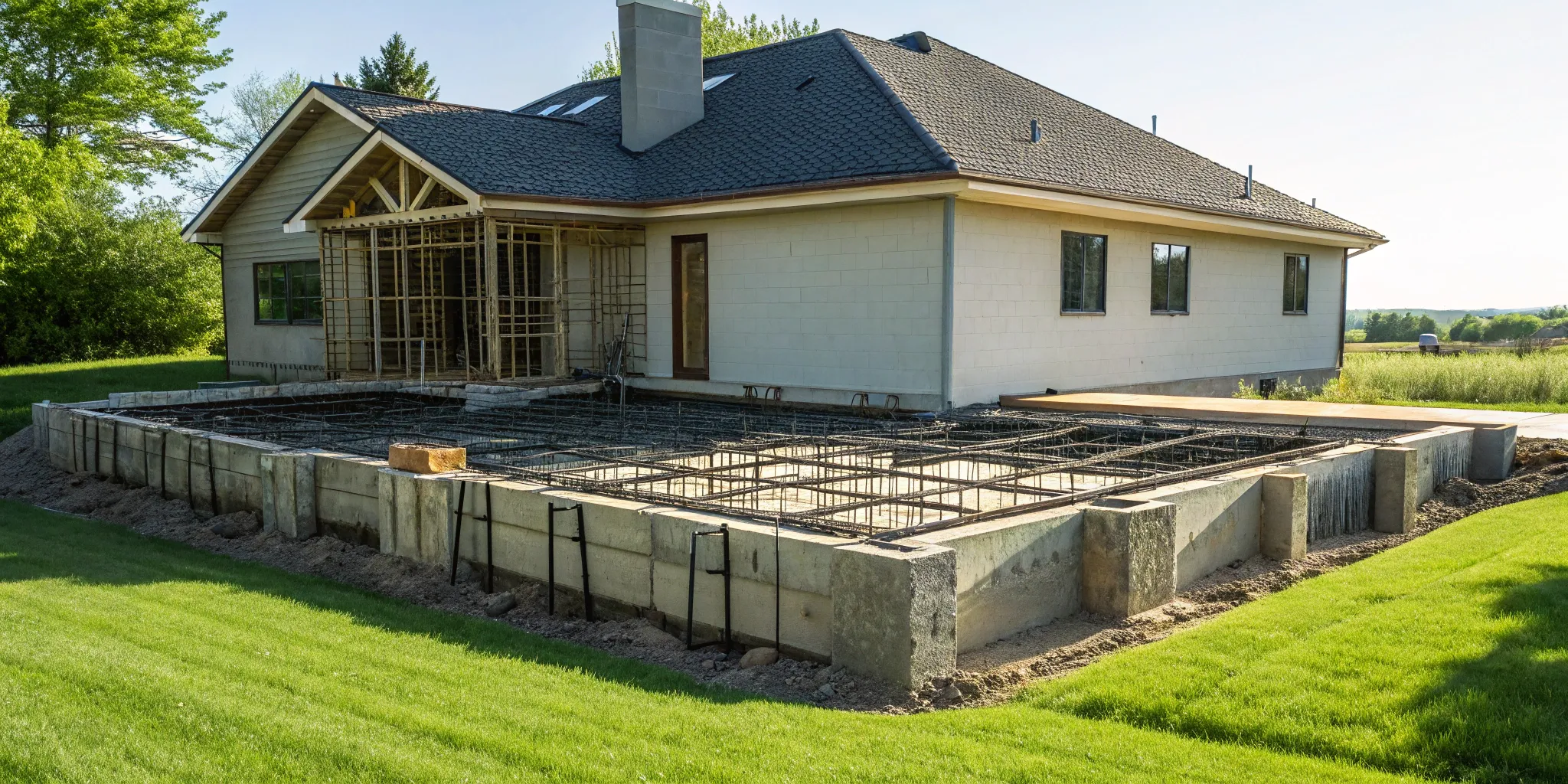
That hairline crack above your doorway seems to be getting bigger. The back door sticks every time you try to open it. Are these just quirks of an aging home, or are they whispers of a much bigger problem lurking beneath your feet? It’s a question that can keep any homeowner up at night. Understanding the difference between normal settling and genuine foundation distress is the first step toward peace of mind. This guide is designed to be your trusted resource, helping you spot the warning signs, understand what causes them, and explore the world of professional house foundation repair. We’ll walk you through everything from modern repair methods to what you can expect to pay, so you can feel confident and prepared.
Key Takeaways
- Be Proactive with Inspections: Regularly look for tell-tale signs of trouble like cracks in drywall, sticking doors, or uneven floors. Addressing these early warnings is the most effective way to prevent small issues from turning into major structural problems.
- Manage Water and Landscaping: The primary cause of foundation failure is unstable soil, usually from too much or too little water. Maintain your gutters, ensure your yard slopes away from the house, and plant large trees a safe distance away to protect your foundation.
- Choose a Professional for a Lasting Fix: Foundation repair is a complex job that requires specialized expertise. A qualified contractor will provide an accurate diagnosis, use the correct repair methods, and offer a strong, transferable warranty that secures your home’s value.
Spot the Signs of Foundation Damage
Your home is constantly settling, and some minor changes over time are perfectly normal. But how do you know when a small crack is a sign of a much bigger problem? The key is to pay attention to the clues your house gives you. Foundation issues often start small and worsen over time, so catching them early can save you significant stress and money.
Think of it as a regular health check-up for your home. By knowing what to look for, you can spot potential trouble before it compromises your home’s structural integrity. The signs can appear both inside and outside your property, from the base of your foundation to your upstairs walls. Taking a few minutes to inspect these key areas can give you peace of mind or an early warning that it’s time to call in a professional. Let’s walk through the most common signs of foundation damage.
What to Look For Outside
Start by taking a slow walk around the exterior of your home. Look closely at the visible concrete or block foundation. Are there any cracks? While tiny hairline cracks can be harmless, larger horizontal or stair-step cracks in brick or concrete are red flags. These often indicate that the foundation is under pressure from soil movement.
Also, check for gaps appearing around window frames or exterior doors. You might notice that the caulking is pulling away or that a space has opened up between the siding and the frame. Another classic sign is a chimney that has started to lean or pull away from the house. These are all indicators that part of your home is sinking or shifting, and it’s a good idea to get a professional foundation repair assessment.
Check for Structural Shifts
When a foundation begins to fail, it can cause the entire structure of your home to shift. One of the most common ways this shows up is in your doors and windows. Do you have a door that constantly sticks or a window that’s suddenly difficult to open and close? This isn’t just an annoyance; it’s often caused by the frame warping due to foundation movement. You might also notice that doors no longer latch properly or have uneven gaps at the top.
Inside your basement or on the lower levels, look for walls that appear to be bowing inward or leaning. You may also see water leaking through new cracks after it rains. These are serious signs that your foundation is struggling to support the weight of your home against external pressures. Addressing these issues with solutions like push and helical piers can stabilize your foundation and prevent further damage.
Clues Inside Your Home
The signs of foundation trouble aren’t limited to the exterior or the basement. Look for cracks in the drywall inside your home, especially extending from the corners of door and window frames. You might also spot gaps between the wall and the ceiling or floor. If you place a ball on the floor and it consistently rolls to one side, you could have sloping or uneven floors, which points to a sinking foundation.
Don’t assume a newer home is immune; ignoring potential foundation problems can lead to major issues down the line, regardless of the house’s age. If you notice musty smells or dampness in your crawl space, it could be related to foundation cracks letting in moisture. While discovering a foundation problem can be unsettling, it doesn’t have to be a deal-breaker. Many issues are correctable, and addressing them promptly protects your investment.
What Causes Foundation Problems?
It’s easy to think of your home’s foundation as a single, solid structure, but it’s actually in a constant relationship with the ground around it. Most foundation problems don’t start with the concrete itself; they begin with changes in the soil and water that surround your home. Understanding these root causes is the first step toward finding a lasting solution.
The ground beneath your house is more dynamic than you might think. It expands when it gets wet and shrinks as it dries, a cycle that can put immense pressure on your foundation. Add in factors like poor drainage, plumbing leaks, or even the quality of the original construction, and you have a recipe for trouble. Over time, these forces can cause parts of your foundation to sink, heave, or crack, leading to the warning signs you might be seeing inside and outside your home. By identifying the specific cause, you can address the problem at its source instead of just patching up the symptoms.
How Soil Affects Your Foundation
The main cause of foundation problems is often soil getting too wet or too dry. This is especially true in areas with expansive clay soils, which act like a sponge. During rainy seasons, the soil swells and pushes upward against your foundation, a process called “heaving.” In dry weather or a drought, that same soil shrinks and pulls away, leaving parts of your foundation unsupported and prone to settling. This constant up-and-down movement is what leads to cracks and structural stress. A stable foundation requires stable soil, so managing moisture levels in the ground is key to long-term foundation repair.
The Role of Water and Drainage
Water is the number one enemy of a healthy foundation. When your property lacks proper drainage, rainwater has nowhere to go but down, saturating the soil right next to your home. Clogged gutters, downspouts that empty too close to the house, or landscaping that slopes toward your foundation all contribute to this problem. This excess moisture creates the soil expansion we just talked about and can also lead to hydrostatic pressure, where water literally pushes its way through cracks in your foundation walls. Addressing these issues with effective waterproofing and drainage management is critical to prevent costly damage down the line.
Construction and Environmental Impacts
Sometimes, foundation issues can be traced back to the day your home was built. If the soil wasn’t properly compacted before the foundation was poured, it can settle unevenly over time, taking your house with it. Other external factors can also play a role. Large tree roots can grow underneath your foundation, absorbing moisture and causing the soil to shrink. A slow plumbing leak beneath your slab can saturate the ground, causing it to heave. Even vibrations from nearby heavy construction can disturb the soil. These issues highlight the importance of quality new construction practices and being aware of your home’s environment.
A Guide to Foundation Repair Methods
Once you’ve identified a foundation issue, the next step is figuring out the right fix. There’s no single solution for every problem; the best approach depends on your home’s construction, soil conditions, and the specific type of damage you’re facing. A professional assessment is key to creating a targeted repair plan. From deep-earth piers that provide unshakable support to advanced foams that lift concrete, modern foundation repair uses specialized techniques to restore your home’s stability. Let’s walk through some of the most effective methods so you can understand what might be right for your property.
Push Piers and Helical Piers
When your foundation has settled due to unstable soil, the goal is to anchor it to something solid deep underground. That’s where piers come in. Push and helical piers are steel supports that transfer the weight of your home to stable soil or bedrock far below the surface. Push piers are hydraulically driven into the ground until they hit a load-bearing stratum. Helical piers, which look like giant screws, are twisted into the earth. This design gives them incredible stability and makes them ideal for a variety of soil types and lighter structures. Both methods provide a permanent solution to lift and stabilize your foundation, preventing further settlement.
Polyurethane Foam Injection
If you have a sinking concrete slab—like a patio, driveway, or garage floor—a full replacement isn’t always necessary. Polyurethane geotechnical foam injection is a modern, minimally invasive solution. Here’s how it works: we drill small, discreet holes into the affected slab and inject a two-part polymer foam. This foam expands rapidly, filling any voids in the soil underneath and gently lifting the concrete back to its original position. It cures in minutes, meaning you can walk or drive on the surface almost immediately. It’s a fast, effective, and long-lasting way to correct uneven slabs without major excavation or disruption to your property.
Slab Jacking and Mud Jacking
Slab jacking, also known as mud jacking, is a more traditional method for lifting settled concrete. It involves pumping a slurry—typically a mixture of soil, cement, and water—underneath a sunken slab to raise it. While it can be effective, the process has some drawbacks. The material is heavy, which can add significant weight to already unstable soil, and it can be prone to erosion over time. Modern solutions like polyurethane foam injection are often preferred because the foam is lightweight, waterproof, and provides a more precise lift. It’s a great example of how foundation repair technology has evolved to offer more durable and less disruptive solutions for homeowners.
Our Waterproofing Solutions
Water is one of the biggest enemies of a healthy foundation. Excess moisture in the soil can cause it to expand and contract, leading to cracks, settlement, and bowing walls. That’s why effective waterproofing is more than just a repair—it’s a crucial preventative measure. A comprehensive solution involves managing water both inside and outside your home. This can include sealing foundation cracks, applying waterproof membranes to exterior walls, and installing interior drainage systems to channel water away from your foundation. By keeping your basement or crawl space dry, you protect your home’s structural integrity and prevent a host of other issues like mold, mildew, and pests.
Why Crawl Space Repair Matters
It’s easy to forget about your crawl space, but what happens there has a huge impact on the rest of your home. A damp, sagging, or poorly supported crawl space can lead to serious foundation problems, poor indoor air quality, and higher energy bills. Common issues include rotting wood, mold growth, and pest infestations. Professional crawl-space repairs address these problems at the source. Solutions often involve installing support posts to stabilize sagging floors, encapsulating the space with a heavy-duty vapor barrier to block out moisture, and adding a dehumidifier. Taking care of your crawl space is a direct investment in your home’s long-term health and stability.
What Does Foundation Repair Cost?
Let’s talk about the big question on every homeowner’s mind: the price tag. The cost of foundation repair isn’t a simple, one-size-fits-all number. It’s a significant investment in your property’s safety and value, and the final price depends entirely on the unique situation at your home. Think of it less like buying a product off the shelf and more like commissioning a custom solution tailored to your property’s specific needs. While many repair projects fall in the range of $10,000 to $30,000, the total can be higher or lower depending on the complexity of the job. Understanding what goes into the estimate is the first step toward making a confident decision for your home.
Factors That Influence Cost
Several key factors determine the final cost of your repair. The primary driver is the extent of the damage—a few small cracks will naturally cost less to fix than a severely sinking wall. The type of foundation you have, whether it’s a concrete slab or a system with a crawl space, also plays a big role. The underlying cause of the problem is another critical piece of the puzzle. Issues caused by soil settlement might require installing push and helical piers, while water intrusion may call for different waterproofing techniques. The specific repair method chosen will have the biggest impact on your quote.
Will Insurance Cover It?
This is a common question, and the answer is usually complicated. Most standard homeowner’s insurance policies do not cover foundation damage that occurs over time from natural soil shifting, settling, or poor maintenance. Coverage is typically reserved for damage caused by a specific, sudden event, like a burst plumbing line or a natural disaster that is explicitly covered in your policy. It’s always best to carefully review your insurance documents and speak directly with your agent to understand what your specific policy covers. Don’t assume you’re covered—get confirmation before you begin any work.
Your Financing Options
Facing a large, unexpected repair bill can be stressful, but you have options. Many reputable foundation repair companies understand this and offer financing plans to help homeowners manage the cost. These plans can break down a large sum into more manageable monthly payments. Beyond contractor financing, you might also consider a home equity line of credit (HELOC), a home equity loan, or a personal loan from your bank or credit union. Be sure to ask any potential contractor about the payment and financing options they provide so you can find a solution that fits your budget.
Why a Warranty Is Essential
A warranty is your assurance that the job was done right. When you’re investing in a critical structural repair, you need to know the solution is built to last. A strong, transferable warranty not only protects you from future issues but also adds significant value to your property if you decide to sell. It’s a testament to the contractor’s confidence in their materials and workmanship. At Bristol FX, we stand behind our work with extensive warranties, including lifetime warranties on our pier installations, because we believe your peace of mind is part of a successful foundation repair.
What to Expect During the Repair Process
Facing a foundation repair can feel overwhelming, but knowing what’s ahead can make the entire experience much smoother. A professional repair process isn’t a mystery; it’s a structured, step-by-step plan designed to restore your home’s safety and stability with precision. From the first look at the problem to the final sign-off, every stage has a clear purpose.
The goal is to move from diagnosis to a durable solution without guesswork. It starts with a thorough investigation to understand exactly what’s happening beneath your home. From there, a custom plan is built, because no two foundation issues are exactly alike. The actual work is carried out by a skilled team, followed by a final check to ensure everything is secure. This methodical approach ensures that the fix is not just a patch, but a lasting solution that protects your property for years to come. We’ll walk through each of these four key stages so you can feel confident and prepared.
Step 1: The Initial Assessment
Everything starts with a detailed, professional foundation assessment. This isn’t a quick glance; it’s a deep dive into your home’s condition to pinpoint the root cause of the problem. A qualified expert will inspect your property inside and out, looking for tell-tale signs of damage, taking measurements, and evaluating the surrounding landscape and soil. For a completely unbiased view, some homeowners choose to hire a structural engineer first. Their report gives you a clear, expert opinion on what’s wrong and what it will take to fix it. This initial evaluation is the most critical step, as it forms the blueprint for a successful foundation repair.
Step 2: Creating Your Repair Plan
Once the assessment is complete, the findings are used to create a tailored repair plan. Your home is unique, and your foundation solution should be too. This plan will outline the specific methods and materials needed to address the issues identified in the assessment. It might involve installing push or helical piers to lift and stabilize a sinking foundation, using polyurethane foam to fill voids, or implementing a waterproofing system. The proposal should clearly explain the scope of work, the timeline, and the costs involved. This is your opportunity to ask questions and make sure you understand and agree with the proposed solution before any work begins.
Step 3: The Repair Work
With an approved plan in hand, the repair work can begin. A professional crew will arrive with the specialized equipment needed to execute the job safely and efficiently. Depending on the plan, this could involve some excavation around your foundation, but a good team will work carefully to minimize disruption to your home and landscaping. Whether they are performing a crack injection, installing piers, or applying a waterproofing membrane, the technicians will follow the repair plan precisely. Throughout the process, the project manager should keep you informed of their progress and answer any questions that come up.
Step 4: Final Inspection and Follow-Up
After the physical repairs are complete, the job isn’t quite finished. A final inspection is conducted to ensure all work has been completed to the highest standard and that your foundation is secure. This is the time for a final walkthrough with the project manager to review the results. A reputable company will also provide you with documentation for the work, including any warranties. A strong warranty is your assurance that the company stands behind its repairs. This final step provides peace of mind, confirming that your home is on solid ground and protected against future issues, ensuring its long-term stability.
How to Prevent Future Foundation Damage
After you’ve invested in foundation repairs, the last thing you want is a repeat performance. The good news is that you can take proactive steps to protect your home’s structural integrity for the long haul. Most foundation issues are tied to water and soil, so managing these elements is your best defense. A little bit of regular maintenance goes a long way in preventing small issues from turning into major, expensive problems. By staying on top of a few key areas around your property, you can keep your foundation stable and secure for years to come.
Manage Your Drainage
Water is the number one enemy of a healthy foundation. When soil becomes oversaturated, it expands, putting immense pressure on your foundation walls. When it dries out, it shrinks, leaving gaps that can cause your foundation to settle and crack. The key is to keep water away from your home. Start by cleaning your gutters regularly to prevent overflows. Add downspout extenders to direct rainwater at least five to ten feet away from your foundation. You should also check the grading, or slope, of the land around your house. It should slope away from the foundation to ensure water flows away, not toward it. If you have persistent water issues, professional waterproofing can provide a permanent solution.
Landscape with Your Foundation in Mind
Your beautiful garden could be causing hidden problems for your foundation. Large trees and shrubs planted too close to your home have thirsty root systems that can draw moisture out of the soil, causing it to shrink and pull away from the foundation. In other cases, aggressive roots can grow into the foundation itself, causing cracks. As a rule of thumb, plant large trees at least 20 feet away from your house. When choosing plants for garden beds next to your home, opt for smaller shrubs and flowers with less invasive root systems. Proper landscaping not only adds curb appeal but also plays a critical role in maintaining a stable foundation and preventing soil erosion, which is especially important for properties needing hillside stabilization.
Simple Maintenance Tips
A few simple habits can help you spot trouble early. Make it a point to walk around your property a couple of times a year to look for changes. Check for any new cracks in the exterior walls or the visible parts of your foundation. Inside, keep an eye on your doors and windows—if they start to stick or don’t close properly, it could be a sign of shifting. Pay attention to your floors, looking for any new slopes or uneven spots. It’s also wise to maintain consistent moisture levels in the soil around your home, especially during dry seasons. A soaker hose system can help prevent the soil from shrinking too much. Don’t forget to check your under-house area, as regular crawl-space repairs and maintenance can prevent moisture and pest problems.
Know When to Schedule an Inspection
While your own inspections are helpful, they can’t replace a professional assessment. You should call for an inspection if you notice any significant warning signs, like large, diagonal cracks in your walls, a chimney that’s leaning, or floors that are noticeably unlevel. Identifying and addressing foundation issues in their early stages is the best way to minimize repair costs and protect your home’s value. A trained expert can identify subtle clues you might miss and determine the underlying cause of the problem. If you have any concerns about your home’s stability, scheduling a professional foundation repair assessment will give you a clear picture of what’s going on and provide you with peace of mind.
Choose the Right Foundation Repair Company
Finding the right contractor for your foundation repair is one of the most important decisions you’ll make as a homeowner. This isn’t just another home improvement project; it’s about securing the structural integrity of your property for years to come. The right partner will provide a lasting solution, clear communication, and peace of mind. The wrong one can lead to recurring problems, wasted money, and endless stress.
Taking the time to vet potential companies is essential. You’re looking for a team with proven expertise, a transparent process, and a commitment to quality that’s backed by a solid warranty. Think of it as hiring a specialist for a critical procedure—you want the best, most experienced professional you can find. By asking the right questions and looking for key qualifications, you can confidently choose a company that will protect your investment and restore your home’s stability.
Look for These Qualifications
When you start evaluating companies, begin with the basics: licenses, insurance, and certifications. A reputable contractor will readily provide proof that they are fully licensed to work in your area and carry both liability insurance and workers’ compensation. This protects you from any liability in case of accidents on your property. Beyond the essentials, look for a company with a solid track record. Check online reviews, ask for references, and look at their portfolio of past projects. A contractor with deep experience in foundation repair will have a history of successful jobs and satisfied customers. Don’t just take their word for it—do your own research to ensure they have a strong reputation for quality and reliability.
Key Questions to Ask a Contractor
Once you’ve narrowed down your list, it’s time to interview the top contenders. A professional contractor will welcome your questions and provide clear, detailed answers. Come prepared with a list of questions to ask during the consultation. Start by asking about their experience with foundation issues similar to yours. Inquire about the specific repair methods they recommend and why they believe that approach is best for your home. For example, you can ask why they might use push and helical piers over another method. You should also ask about the expected timeline for the project and how long the repairs are designed to last. A trustworthy contractor will be transparent and patient, ensuring you understand every step of the process.
Spot These Red Flags
Just as important as knowing what to look for is knowing what to avoid. Trust your instincts—if something feels off, it probably is. Be cautious of any contractor who gives you a vague estimate over the phone without a thorough on-site inspection. High-pressure sales tactics are another major red flag; you should never feel rushed into making a decision. A professional will give you the time and space to review their proposal. Also, be wary of anyone who isn’t transparent about their process, materials, or timeline. If a contractor is hesitant to provide references or proof of insurance, consider it a deal-breaker and move on to the next candidate on your list.
Decode Warranties and Guarantees
A strong warranty is a direct reflection of a company’s confidence in its work and materials. Before signing any contract, make sure you fully understand the warranty being offered. A trustworthy company will provide a clear, written guarantee that details exactly what is covered and for how long. Ask specific questions: Is the warranty transferable if you sell your home? What actions, if any, could void it? A comprehensive warranty provides long-term peace of mind. For example, some of the most durable solutions, like pier installations, should come with a lifetime warranty. This level of assurance is a hallmark of a company that stands behind its foundation repair services and is committed to providing a permanent solution.
Foundation Repair: Myths vs. Facts
When it comes to your home’s foundation, separating fact from fiction can feel overwhelming. There’s a lot of conflicting information out there, and it’s easy to fall for common myths that can lead to costly mistakes. Let’s clear up some of the biggest misconceptions so you can make informed decisions about protecting your property. Understanding the truth about foundation issues is the first step toward a lasting solution.
We’re Busting These Common Myths
One of the most common myths is that foundation problems only happen to old, poorly built houses. The reality is that any home, new or old, can be at risk. Shifting soil, poor drainage, and even tree roots can put immense pressure on a foundation, regardless of its age or construction quality. Another misconception is that a small crack is just a cosmetic issue you can fix with a bit of caulk. While some minor cracks are harmless, others can be early warning signs of a serious structural problem. Ignoring them or using a superficial fix won’t solve the underlying cause, which is why a professional foundation repair assessment is so important.
Why DIY Repair Is a Bad Idea
It’s tempting to search for a quick DIY fix, especially when you’re trying to save money. However, foundation repair is not a weekend project. The cracks and shifts you see are often symptoms of a much deeper issue that requires specialized knowledge and equipment to diagnose and fix correctly. An improper repair can make the problem worse, compromise your home’s structural integrity, and lead to even more expensive repairs down the road. Professionals can determine the root cause, whether it requires crack injection or more extensive support, ensuring the solution is both safe and permanent. Your home is too important to risk on a guess.
How Repairs Affect Your Property Value
Many homeowners worry that discovering a foundation issue is the end of their property value. The truth is quite the opposite. Addressing foundation problems head-on is one of the most responsible things you can do as a homeowner. A professionally repaired foundation, complete with a transferable warranty, shows potential buyers that the issue has been permanently resolved. This transparency can actually build trust and preserve your home’s value. Ignoring the problem is what truly hurts your investment, as unresolved structural issues will scare away buyers and lead to a much lower selling price. A solid foundation is a key selling point.
When You Need to Act Fast
When it comes to your foundation, time is not on your side. Small issues have a way of becoming big, expensive problems if you let them go. A hairline crack can widen, a slightly sticking door can become impossible to close, and uneven floors can worsen over time. The longer you wait, the more the damage can spread, potentially affecting your home’s entire structure. Acting quickly at the first sign of trouble is the best way to keep repair costs down and protect your home. Solutions like push piers and helical piers are incredibly effective, but addressing the problem early can prevent the need for more extensive work.
Related Articles
- Foundation Repair FAQs – Professional Foundation Repair
- Mistakes To Avoid When Repairing Your Home’s Foundation – Professional Foundation Repair
Frequently Asked Questions
Are all foundation cracks a sign of a serious problem? Not necessarily. It’s normal for a house to settle over time, which can create tiny, hairline cracks in the concrete. The ones you need to pay close attention to are larger cracks, especially those that are horizontal, run in a stair-step pattern in brickwork, or are wider at the top than the bottom. These often point to soil pressure or settlement issues that need a professional look. When in doubt, an expert assessment is the only way to know for sure if a crack is cosmetic or a symptom of a bigger issue.
How long will the foundation repair process take? The timeline for a repair project really depends on the scope of the work. A straightforward job, like injecting polyurethane foam to lift a concrete slab, might only take a day. More complex projects, such as installing a series of piers to stabilize a sinking foundation, could take a week or more. A professional contractor will provide you with a detailed plan that includes a clear and realistic timeline before any work begins, so you’ll know exactly what to expect.
Will the repair work damage my home or landscaping? A professional foundation repair team understands that they’re working on your home, not just a job site. While some repairs require minor excavation near the foundation, the goal is always to minimize disruption. Crews should take care to protect your property, including your plants and lawn, as much as possible. After the work is done, they should backfill any excavated areas and leave your property clean and tidy, so the only lasting evidence of their visit is a secure, stable foundation.
Can I still sell my house after it’s had foundation repairs? Absolutely, and in many ways, it can make the process smoother. Addressing a foundation issue head-on is a sign of responsible homeownership. When the repair is done by a reputable company and backed by a transferable warranty, it gives potential buyers confidence that the problem has been solved permanently. This is far better than trying to sell a home with a known structural issue, which can scare off buyers or lead to lowball offers.
What happens if I just ignore the problem for now? Putting off foundation repairs is one of the most costly mistakes a homeowner can make. Foundation problems never fix themselves; they only get worse over time. A small crack can widen, a slightly uneven floor can become a noticeable slope, and sticking doors can become completely unusable. The longer you wait, the more the damage spreads throughout your home’s structure, leading to a much more extensive and expensive repair down the line. Acting early saves you stress, money, and protects your home’s integrity.