
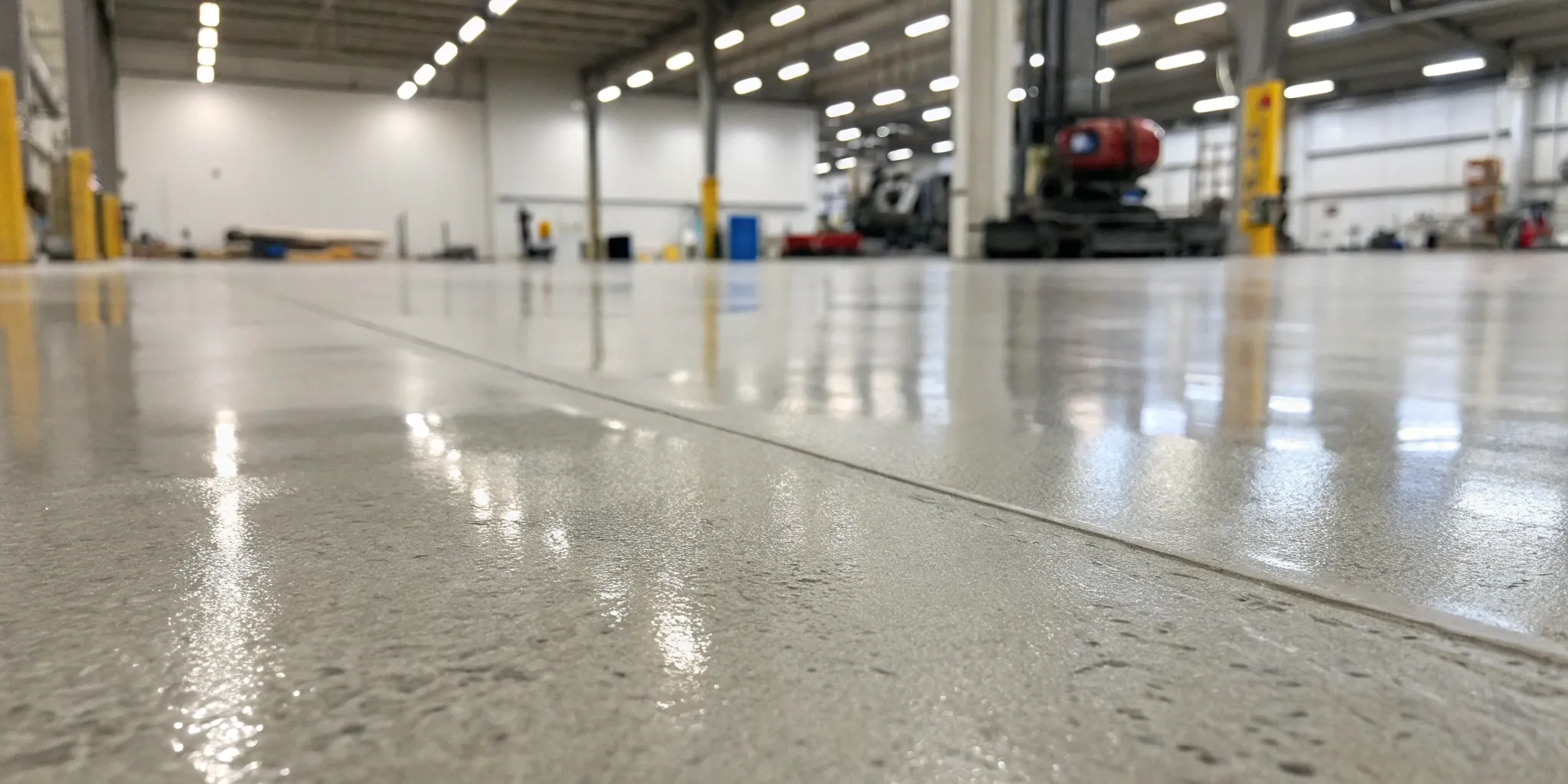
When it comes to your facility’s concrete floor, the choice between being proactive and reactive can save you thousands. It’s tempting to overlook a hairline crack or a bit of spalling, but these minor issues rarely fix themselves. They often grow into major problems that demand emergency fixes, disrupt your workflow, and strain your budget. A smarter approach is to get ahead of the damage. This guide will show you how. We’ll cover everything from identifying the root causes of common floor problems to choosing the right materials and techniques for a lasting industrial concrete floor repair, turning your maintenance strategy from a reaction into a well-planned defense.
Key Takeaways
- Spot Problems Early to Save Later: Make a habit of inspecting your floors for small issues like hairline cracks or uneven areas. Catching and fixing them now prevents minor annoyances from becoming expensive, operation-stopping headaches down the road.
- Choose Repair Over Replacement for Big Savings: A full floor replacement is rarely necessary and comes with a massive price tag and significant downtime. Modern repair techniques can save you up to 70% and provide a durable, long-lasting solution that strengthens your existing floor.
- Match the Solution to the Problem: While minor cosmetic fixes can be a DIY project, significant damage like sinking slabs or deep cracks requires professional expertise. Using the right methods and materials ensures you’re addressing the root cause for a permanent fix.
Identify Common Concrete Floor Problems
Your industrial concrete floor is the unsung hero of your business, supporting heavy machinery, constant foot traffic, and daily operations without a second thought. But over time, that constant stress can take its toll. Spotting problems early is the key to preventing minor issues from turning into major headaches that can disrupt your workflow, damage expensive equipment, and create safety hazards for your team. A small crack or an uneven spot might seem insignificant now, but these are often the first signs of a deeper issue.
Understanding what to look for is the first step toward effective maintenance and repair. It’s not just about aesthetics; the structural integrity of your floor is directly linked to the efficiency and safety of your entire operation. By learning to recognize the common types of damage and their underlying causes, you can make informed decisions about when and how to act. This section will guide you through the most frequent concrete floor problems, explain how they can impact your business, and give you a clear list of warning signs to watch for. Think of it as a practical field guide to keeping your facility’s foundation in top shape.
Types of Concrete Floor Damage
Concrete might seem indestructible, but several factors can cause it to break down. Cracks are the most obvious issue, often resulting from the building settling, heavy loads, or thermal expansion and contraction. Another common problem is spalling, which happens when the top layer of the concrete flakes or peels away, leaving a rough, pitted surface. This is often caused by moisture getting into the concrete and freezing or from an improper curing process. In industrial settings, chemical corrosion is also a major concern. Substances like acids, oils, and solvents can seep into the surface and slowly eat away at the concrete, weakening its structure. Timely crack injection and corrosion repair can stop this damage before it spreads.
How Damaged Floors Affect Your Business
A damaged concrete floor is more than just an eyesore; it’s a liability. Uneven surfaces, cracks, and potholes create serious trip hazards for your employees and can cause significant damage to your equipment. Forklifts and pallet jacks running over rough patches can lead to costly repairs and spilled loads, slowing down your entire operation. If left unaddressed, minor floor damage can escalate, potentially leading to foundational issues that require a complete shutdown for extensive repairs. Proactively managing your floor’s condition with a solid foundation repair plan protects your team, your equipment, and your bottom line by preventing small problems from becoming operational disasters.
Key Warning Signs to Look For
Staying ahead of concrete floor damage means knowing what to look for. Make it a habit to regularly walk your facility and inspect the floors. Keep an eye out for hairline cracks, as these can widen over time and allow moisture to penetrate the slab. Notice if any areas are uneven or have started to sink—this is often a sign of soil settlement underneath. You can often use polyurethane geotechnical foam to lift and level these sections without major disruption. Also, look for any pitting, flaking, or dusty surfaces, which indicate spalling. Discoloration or persistent damp spots can also signal moisture problems or chemical contamination. Catching these signs early gives you the chance to address them quickly and affordably.
Choose the Right Repair Materials
Once you’ve identified the problems with your concrete floor, the next step is picking the right materials to fix them. The products and tools you use will make all the difference between a temporary patch and a long-lasting solution. Think of it like cooking—even the best chef can’t make a great meal with subpar ingredients. For industrial floors that handle heavy traffic, forklifts, and machinery, using materials specifically designed for that environment is non-negotiable. These heavy-duty products are engineered to bond strongly with existing concrete and withstand constant stress, which is something a general-purpose filler from a hardware store simply can’t do. Choosing the right solution isn’t just about durability; it’s also about your budget. A smart repair can save you a significant amount of money compared to a full replacement, while also minimizing the operational downtime that can hurt your bottom line. Let’s walk through how to select the best products, what tools you’ll need, and the all-important step of prepping your surface for a successful repair.
Top Products for Concrete Repair
When you’re dealing with cracks, spalling, or uneven surfaces, you need materials that are up to the task. For industrial settings, look for high-strength epoxies, polyurethanes, and specialized mortars. These products are formulated to withstand heavy loads and resist chemicals and abrasion. For smaller cracks, an epoxy or polyurethane foam injection can work wonders, bonding the concrete back together and sealing it from moisture. For larger divots or damaged areas, a polymer-modified cement or epoxy mortar provides a durable patch that can be smoothed to match the surrounding floor. The key is to match the product to the problem and the environment to ensure the repair holds up over time.
How to Select the Best Solution
Choosing the right repair solution often comes down to a cost-benefit analysis. The good news is that repairing your concrete floor is almost always more cost-effective than replacing it entirely, often saving you 50-70% of the cost. A full replacement involves demolition, disposal, new materials, and significant labor, not to mention the downtime for your business. A targeted foundation repair addresses the specific issue without the massive expense and disruption. To select the best solution, consider the type and extent of the damage, the floor’s daily use, and your budget. A small, non-structural crack might only need a simple filler, while widespread damage could require a more comprehensive approach.
Essential Tools and Equipment
Having the right tools is just as important as using the right materials. For a professional-quality finish, you’ll need more than a trowel and a bucket. Surface preparation often requires a concrete grinder or a shot blaster to create a clean, porous surface for the repair material to bond to. For cracks, you may need a diamond blade saw to open them up and remove any loose debris. When applying patches, power trowels can help you achieve a smooth, level surface. Using fast-drying products alongside this specialized equipment can significantly speed up the repair process, minimizing downtime for your facility and ensuring the job is done right.
Prepare Your Surface for Repair
Proper surface preparation is the most critical step for a lasting concrete repair. If you apply even the best materials to a dirty, weak, or unprepared surface, the repair is bound to fail. Start by thoroughly cleaning the area to remove any dirt, oil, grease, or old coatings. For cracks, use a grinder or wire brush to clear out loose debris until you reach solid concrete. The goal is to create a clean, sound surface that the new material can firmly adhere to. Taking the time to do this step correctly prevents small issues from turning into major headaches down the road and is fundamental to any successful crack injection or patching job.
Master Concrete Floor Repair Techniques
Once you’ve identified the problem with your concrete floor, it’s time to find the right solution. Repairing concrete isn’t a one-size-fits-all job; the best approach depends entirely on the type and severity of the damage. From hairline cracks to uneven slabs, each issue requires a specific technique to ensure a durable, long-lasting fix. Getting it right means restoring not just the look of your floor, but its safety and structural integrity. Let’s walk through some of the most common and effective repair methods that professionals use to bring damaged concrete floors back to life.
How to Fix Cracks
Cracks are one of the most common concrete issues, but thankfully, they’re often straightforward to fix. For smaller cracks, the goal is to clean them out thoroughly and fill them with a strong bonding agent. Start by using a grinder or wire brush to remove any loose debris from inside the crack. A clean surface is essential for the filler to adhere properly. Once it’s clean, you can use a specialized crack injection material like epoxy or polyurea. These fillers are injected into the crack, where they harden to create a seal that’s often stronger than the original concrete, preventing water and debris from getting in and causing more damage.
Leveling Uneven Surfaces
An uneven concrete floor is more than just an eyesore—it’s a serious trip hazard and can cause problems for equipment like forklifts. For minor dips and unevenness, a self-leveling underlayment is a great solution. This is a cement-based compound that you pour over the low spots, and it naturally spreads out to create a perfectly flat, smooth surface. For more significant issues, like a sinking slab caused by soil settlement, a more robust solution is needed. Professionals often use polyurethane geotechnical foam injection to lift and level the concrete from below. This method is fast, minimally invasive, and addresses the root cause of the problem.
Repairing Damaged Joints
Control joints are intentionally placed in concrete floors to manage where cracking occurs as the slab cures and settles. However, the edges of these joints can take a beating from heavy traffic, leading to chipping and spalling. Damaged joints create a bumpy ride for forklifts and can even damage their tires. To repair them, the old, failing joint filler is removed, and the damaged concrete edges are rebuilt with a high-strength repair mortar. After the mortar cures, a new, flexible joint sealant is installed. This new filler supports the joint edges and absorbs impact, protecting them from future damage and ensuring a smooth transition for rolling loads.
Applying Chemical-Resistant Coatings
In many industrial settings, concrete floors are exposed to harsh chemicals, oils, and abrasive substances that can cause them to deteriorate quickly. Applying a chemical-resistant coating is one of the best ways to protect your investment. Epoxy and polyaspartic coatings create a seamless, non-porous barrier over the concrete, making it easy to clean up spills before they can soak in and cause damage. These coatings also add a layer of durability that resists scratches and wear from foot and vehicle traffic. Proper surface preparation is critical for success, so the floor must be thoroughly cleaned and profiled before the waterproofing coating is applied.
Using Quick-Set Repair Options
When a concrete floor needs repair in a high-traffic area, you can’t afford to shut down operations for days on end. This is where quick-set repair materials are a lifesaver. Products like polyurea joint fillers and rapid-setting mortars are designed to cure in a matter of hours, not days. This allows you to fix cracks, spalls, or damaged joints overnight or during a short shutdown, minimizing disruption to your business. While these materials work fast, they still require careful preparation and application to create a permanent foundation repair. A professional can ensure the job is done right and that your floor is ready for service as quickly as possible.
Repair vs. Replace: A Cost Breakdown
When you’re staring at a damaged concrete floor, the big question is always whether to repair it or tear it all out and start over. While a full replacement might seem like a clean slate, it’s often an unnecessarily expensive and disruptive process. Understanding the cost breakdown can help you make a smart, practical decision for your business that saves you money both now and in the long run. Let’s walk through the key financial factors to consider.
Breaking Down Material and Labor Costs
From a purely financial standpoint, repairing your concrete floor is almost always the more sensible option. In fact, choosing repair over replacement can save you anywhere from 50% to 70% on total costs. A full replacement is a massive undertaking that involves demolition, disposal of old materials, purchasing large amounts of new concrete, and extensive labor for pouring and finishing. Each of these steps comes with a significant price tag. In contrast, modern concrete repair is a targeted process that addresses the specific problem area, requiring fewer materials and significantly less labor. This efficiency translates directly into major savings for your business.
Consider the Long-Term Value
Today’s concrete repair methods are far from the temporary patches of the past. Advanced techniques and materials offer durable, long-lasting solutions that can extend the life of your floor for years. For example, using polyurethane geotechnical foam not only lifts and levels sunken slabs but also fills voids and resists moisture, strengthening the ground beneath. This makes the repair incredibly resilient and prevents future issues. By investing in a high-quality repair, you’re not just fixing a problem—you’re reinforcing the structural integrity of your original floor, ensuring it remains a reliable asset for your operations without the massive capital expense of a full replacement.
Plan for Future Maintenance
Ignoring minor floor damage is one of the costliest mistakes a business can make. A small crack or an uneven joint might seem insignificant, but it can quickly worsen, leading to safety hazards, equipment damage, and operational downtime. Proactive maintenance is key. Addressing issues as soon as they appear with professional techniques like crack injection is far more affordable than dealing with a major failure down the line. Think of it as preventative care for your facility. A strategic approach to maintenance protects your employees, your equipment, and your bottom line by preventing small problems from becoming expensive emergencies.
Calculate Your Return on Investment
When you weigh the options, it’s important to calculate the true return on investment. The ROI of concrete repair goes far beyond the initial cost savings. It includes minimizing business disruption—your operations can often continue with little to no downtime, unlike a full replacement that can shut down areas for days or weeks. It also includes creating a safer work environment, which reduces liability and protects your team. A professionally repaired floor restores the integrity and value of your property, making it a high-return investment that pays for itself through efficiency, safety, and longevity.
DIY or Hire a Pro?
Deciding whether to tackle a concrete floor repair yourself or bring in a professional can feel like a tough call. On one hand, a DIY approach might seem like a way to save money. On the other, industrial and commercial floors are not the place for trial and error. The safety of your employees, the integrity of your equipment, and the flow of your operations all depend on a solid, stable surface. Before you head to the hardware store, it’s important to honestly assess the scope of the damage and your own expertise. A small patch job might be within your wheelhouse, but a widespread issue often points to deeper problems that a surface-level fix won’t solve. Let’s walk through how to make the right choice for your facility.
When to Call a Professional
Some jobs are best left to the experts, and it’s crucial to know when to make that call. If you’re dealing with large, deep cracks, significant sinking or heaving, or widespread surface deterioration, it’s time to contact a professional. Complex tasks like applying self-leveling underlayment or performing specialized crack injection and corrosion repair require specific tools and a deep understanding of materials to get right. Professionals can accurately diagnose the root cause of the problem—which could be anything from soil settlement to water intrusion—and implement a solution that lasts. Investing in expert help ensures the job is done safely and correctly, saving you from costly re-dos and extended downtime in the long run.
Projects You Can Handle Yourself
If the damage to your concrete floor is minor and purely cosmetic, a DIY repair might be a practical option. Small hairline cracks that don’t appear to be growing, minor chips, or small patches of spalling can often be addressed with high-quality repair kits available at specialty supply stores. These products are designed to be user-friendly and can be a cost-effective way to handle small imperfections before they worsen. However, it’s important to remember that these fixes are for surface-level issues only. If you notice the crack returning or expanding after a DIY repair, it’s a clear sign of a more significant underlying issue that needs professional attention.
Ensure a High-Quality Repair
Whether you’re attempting a small patch or hiring a team for a major overhaul, the quality of the repair materials is non-negotiable. Industrial environments demand solutions that can withstand heavy traffic, chemical exposure, and constant use. Using professional-grade products is essential for a durable, long-lasting fix that minimizes the need for frequent repairs. Modern methods, such as using polyurethane geotechnical foam to lift and stabilize slabs, offer superior strength and moisture resistance compared to traditional mudjacking. A high-quality repair not only restores the floor’s integrity but also prevents operational disruptions, making it a smart investment for any business.
Simple Steps for Preventive Care
The most effective way to manage floor repairs is to prevent them from being needed in the first place. Regular maintenance can go a long way in extending the life of your concrete floors. Start by implementing a routine cleaning schedule to remove dirt, chemicals, and abrasive materials that can wear down the surface. It’s also wise to conduct regular visual inspections to catch small problems early. Addressing a minor crack or a small area of wear is much easier and less expensive than dealing with a major failure. Proper waterproofing and drainage management are also key, as moisture is one of the biggest threats to concrete stability.
How to Make Your Floors Last Longer
To truly maximize the lifespan of your industrial concrete floors, think beyond simple patches. A long-term strategy involves using modern repair techniques that address the root cause of the damage. For instance, polyurethane foam not only fills voids but also compacts the underlying soil, creating a more stable base that prevents future settling. This approach strengthens the entire slab, not just the damaged area. By investing in comprehensive foundation repair solutions, you’re not just fixing a problem—you’re reinforcing your facility’s most critical asset. This proactive mindset reduces the likelihood of future issues, protects your equipment, and ensures a safe working environment for years to come.
Related Articles
- 3 Ways To Repair a Crack in a Concrete Foundation – Professional Foundation Repair
- What Factors into Foundation Repair Costs? – Professional Foundation Repair
Frequently Asked Questions
How can I tell if a crack in my concrete floor is a serious problem? A good rule of thumb is to look at the crack’s characteristics. While hairline cracks can be cosmetic, you should pay close attention to any that are widening, getting deeper, or have one side that is higher than the other. These are often signs of an underlying structural issue, like the ground settling beneath the slab. If you see these warning signs, it’s best to have a professional assess the situation to determine the root cause.
How long do concrete floor repairs typically take? I’m worried about shutting down my business. This is a common concern, but modern repair methods are designed to be incredibly efficient. Many advanced materials, like polyurea and quick-set mortars, can cure and be ready for heavy traffic in just a few hours. For issues like sunken slabs, polyurethane foam injection is a fast process that allows you to use the floor almost immediately after the repair is complete. A professional team can often schedule the work during off-hours or weekends to ensure minimal disruption to your operations.
My floor is uneven or sinking in one area. Does that mean I have to replace the whole thing? Not at all. A sinking slab is usually caused by unstable soil underneath, and it can often be fixed without a full replacement. A technique called polyurethane foam injection is used to lift and re-level the concrete. This process involves drilling small holes in the slab and injecting a structural foam that expands to fill voids, stabilize the soil, and raise the concrete back to its original position. It’s a far less disruptive and more cost-effective solution than tearing out and repouring the entire floor.
Why is professional repair better than just using a patch kit from the store? While a DIY patch kit can be a temporary fix for a very small, cosmetic chip, it doesn’t address the underlying cause of the damage. Industrial floors endure heavy loads and constant traffic, and store-bought materials simply aren’t strong enough to provide a lasting solution. Professionals use industrial-grade epoxies and mortars that bond chemically with the existing concrete, creating a repair that is often stronger than the original slab and can withstand the demands of your business.
After a repair, what’s the best way to keep my floor in good shape? Preventive care is your best strategy for making your floors last. Simple habits like cleaning up spills immediately, especially chemicals, can prevent the surface from deteriorating. It’s also a good idea to regularly inspect your control joints and have them resealed if they show signs of wear. For the ultimate protection in demanding environments, consider applying a chemical-resistant coating like epoxy, which creates a durable barrier against damage and makes cleaning much easier.