
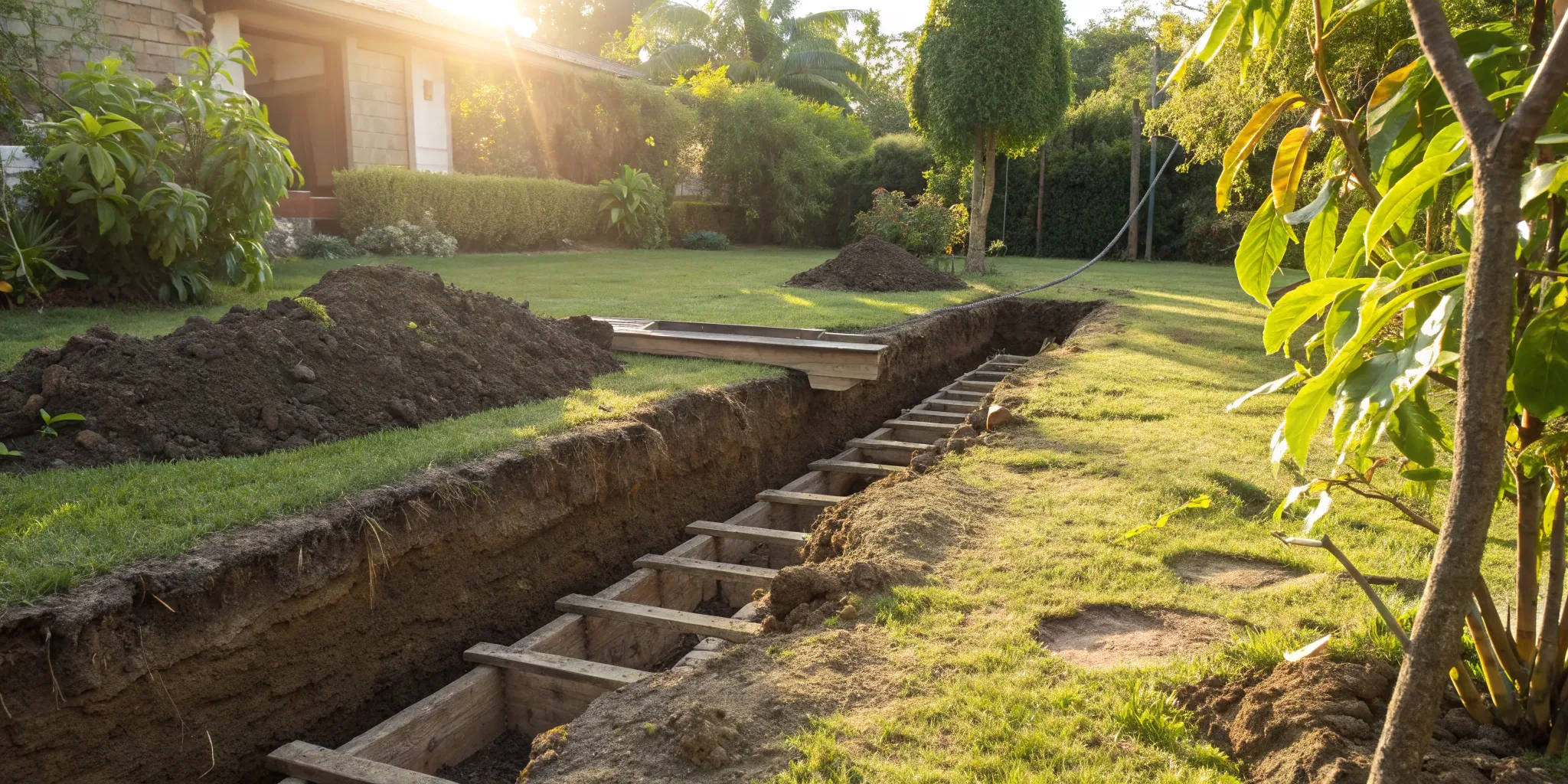
If you’ve noticed a crack in your drywall that seems to be growing or a door that suddenly refuses to close properly, your first thought might be to patch the symptom. But these are often signs of a deeper issue: a settling foundation. Instead of a temporary fix, the real solution lies in addressing the root cause of the problem. This is where a deep foundation system comes into play. A key component of this system is the pier footing, an engineered solution designed to transfer your home’s weight past unstable soil and onto solid ground. This guide will explain exactly what these footings are, how they work, and why they are the gold standard for providing permanent stability.
Key Takeaways
- They Provide Stability from Below: Pier footings act like stilts for your foundation, bypassing weak surface soil to transfer your home’s weight onto solid, load-bearing ground deep below. This is the key to permanently fixing settlement issues, not just patching the symptoms.
- Your Soil Determines the Solution: There is no one-size-fits-all pier footing. A professional analysis of your property’s soil type and your structure’s weight is essential to select the correct type of pier, ensuring a safe and effective long-term fix.
- This is a Job for a Licensed Pro: Installing pier footings is a precise engineering task, not a DIY project. It requires specialized equipment and a deep understanding of soil mechanics to ensure safety, code compliance, and a result that truly secures your investment.
What Exactly Is a Pier Footing?
If you’ve ever wondered how massive structures stay firmly planted on the ground, you’ve probably been thinking about their foundations. A pier footing is a critical component of a deep foundation system, designed to provide targeted support exactly where it’s needed. Think of it like the foot on the bottom of a table leg. The leg itself is the pier, and the wider foot at the base is the footing. Its job is simple but essential: to take the concentrated weight pressing down through the pier and spread it out over a larger area of stable soil or rock.
This distribution of weight is what prevents a structure from sinking, shifting, or settling over time. Instead of relying on a single, large concrete slab that sits on topsoil, a pier and footing system acts like a series of stilts, reaching deep underground to find solid ground. This method is a cornerstone of modern foundation repair and construction, especially for properties dealing with challenging soil conditions. By transferring the structural load to competent, load-bearing strata, pier footings ensure long-term stability for everything from a backyard deck to a multi-story commercial building.
The Anatomy of a Pier Footing
Let’s break down the two key parts of this system. First, you have the pier itself. This is a vertical column, often made of steel or reinforced concrete, that acts like a post. Its purpose is to extend from the base of your home’s foundation down through layers of unstable soil. The goal is to reach a point deep underground where the soil is dense and strong enough to support the building’s weight. There are different kinds of piers, including push piers and helical piers, each suited for specific soil types and structural needs.
At the very bottom of that pier is the footing. The footing is a cap or widened base that is securely attached to the pier. It’s the part that makes direct contact with the load-bearing soil or bedrock. By being wider than the pier, it creates a larger surface area, which is the secret to its strength. This simple piece of engineering is what allows a narrow column to support an immense amount of weight without punching through the soil.
How Pier Footings Support Your Structure
The physics behind a pier footing is straightforward but incredibly effective. Your home exerts a massive downward force, and that weight is concentrated in specific points along its foundation. A pier channels this concentrated load downward. Without a footing, the pier would act like a nail, and the pressure could cause it to sink into the soil over time. The footing prevents this by functioning like a snowshoe. Just as a snowshoe distributes your body weight so you can walk on top of deep snow, a pier footing spreads the building’s load over a wider patch of stable earth.
This distribution dramatically reduces the pressure at any single point, allowing the soil to safely support the structure. This process is fundamental to preventing and correcting foundation settlement, which is often the root cause of cracked walls, sticking doors, and uneven floors. By effectively transferring the load, pier footings provide a reliable and permanent solution.
Where Are Pier Footings Used?
You’ll find pier footings used in a surprisingly wide range of projects. They are the go-to solution for massive public works like bridges, dams, and skyscrapers, where transferring colossal loads to deep, stable ground is non-negotiable. But they are just as crucial for residential and commercial properties, particularly in areas with problematic soil. This includes regions with expansive clay that shrinks and swells, loose or sandy soil, or a high water table.
Pier footings are also an ideal solution for homes built on slopes or uneven terrain. For these properties, a traditional foundation isn’t always practical or safe. Instead, piers can be installed at varying depths to create a level and secure base, making them a key tool for hillside stabilization. From supporting a new home addition to securing a retaining wall, pier footings offer a versatile and robust answer to complex geological challenges.
Why Choose Pier Footings Over Traditional Foundations?
While traditional slab or basement foundations work well on flat lots with perfect soil, pier footings offer distinct advantages in many other scenarios. One of the biggest benefits is that they require significantly less excavation. This means less disruption to your landscaping and property, a faster installation process, and often, lower labor costs. Because the materials are targeted only where support is needed, they can be more resource-efficient than pouring a massive concrete slab.
This efficiency makes them an excellent choice for both repairs and new construction. For existing homes showing signs of settlement, installing piers is a far less invasive process than completely replacing a foundation. For new builds on tricky lots, a pier foundation can save considerable time and money on site preparation. Ultimately, they provide a precise, engineered solution that delivers lasting stability without the cost and disruption of large-scale earthmoving.
Exploring the Different Types of Pier Footings
Once you understand what pier footings are, the next step is getting to know the different types available. Each one is designed for specific situations, soil types, and structural needs. Think of them as different tools in a toolbox—you need the right one for the job. Let’s break down the most common types of pier footings so you can feel more confident about what might work for your property.
Concrete Piers
Concrete piers are the classic, heavy-duty option. As the name suggests, they are columns made entirely of concrete, poured into an excavated hole. They are incredibly strong and can support a massive amount of weight, making them a reliable choice for many structures. One of their biggest advantages is their resistance to fire, rot, and termites, which means they require very little maintenance over their lifespan. Because of their straightforward construction and raw strength, you’ll often see them used for everything from home foundations to supporting large decks and porches. They provide a solid, stable base that you can count on for years to come.
Steel Piers
When you’re dealing with soft or unstable soil, steel piers are often the go-to solution. These are also known as push piers. The installation process involves hydraulically driving sections of steel pipe deep into the ground until they hit solid, load-bearing soil or bedrock. Once they reach this stable layer, brackets are attached to connect the piers to your home’s foundation, effectively transferring the structure’s weight to the solid ground below. This method is a core part of modern foundation repair because it provides a permanent fix for settling foundations, ensuring your home is lifted and secured for the long term.
Helical Piers
Helical piers are another fantastic solution for tricky soil conditions. Imagine a giant steel screw. That’s essentially what a helical pier is. They have helical plates (the screw-like blades) welded to a central shaft. Using hydraulic equipment, these piers are screwed into the ground until they reach a specified torque, indicating they’ve hit stable, load-bearing soil. Their design allows them to be installed with minimal disruption to your landscape and they are incredibly versatile. Bristol FX uses push and helical piers to stabilize foundations, support new construction, and even for hillside stabilization projects where soil stability is a major concern.
Diamond Piers
Diamond Piers are a pre-engineered footing system that’s a bit different from the others. They use a precast concrete head and long, galvanized steel pins that are driven through the head and into the ground at angles. This creates a stable, load-bearing cluster that resists uplift and lateral movement. While they are incredibly effective and fast to install, they are typically used for lighter structures like decks, porches, walkways, and small additions. They are a great choice for projects where you want to minimize excavation and landscape disruption, but they aren’t usually used for the primary foundation of a large home.
How to Choose the Right Type for Your Project
So, how do you decide which pier is right for you? The best choice depends on several key factors: the type and weight of your structure, the specific soil conditions on your property, and your budget. For example, a heavy home on expansive clay soil will require a much different solution than a small deck on sandy soil. This isn’t a decision to make on your own. A professional assessment is crucial to ensure you get a safe and lasting solution. A structural engineer or a foundation specialist can analyze your soil and structural needs to recommend the most effective type of pier for your project.
What to Consider Before You Start
Jumping into a foundation project without a solid plan is like starting a road trip without a map. You might get there eventually, but it’s going to be a bumpy ride. Before you break ground, taking the time to consider a few key factors will ensure your project goes smoothly and your new structure stands strong for decades. From understanding the ground beneath your feet to planning your budget, here’s what you need to think about first.
Why Soil Analysis Is Crucial
Before any foundation work begins, you have to know what you’re building on. A professional soil analysis is the first and most important step because it reveals the unique characteristics of your property’s ground. Different soil types—like clay, sand, or loam—have different abilities to support weight and handle moisture. This analysis helps determine the right type and depth of pier footing needed for your home. Think of it this way: you wouldn’t build a sandcastle on shifting sand and expect it to last. The same principle applies to your home’s foundation, which is why a thorough understanding of the soil is essential for long-term stability and successful new construction.
Calculating Your Structure’s Load
Every structure, from a small deck to a multi-story home, has a specific weight, or “load,” that the foundation must support. It’s critical to understand this load because it’s transferred directly through the piers to the footings and into the ground. An engineer will calculate the total weight of your building, including the materials, future contents, and even potential snow on the roof. This calculation ensures the pier footings are designed to spread that concentrated load over a wide enough area of the soil. This prevents sinking or settling and is a key part of any professional foundation repair or installation project, guaranteeing your structure remains stable and secure.
Factoring in Your Environment
Your local environment plays a huge role in foundation design. Are you in an area with expansive clay soil that swells and shrinks with moisture? Is your property on a slope? Pier footings are an excellent solution for these kinds of challenging conditions. Because they can be extended deep into the ground, they can bypass soft or unstable upper soil layers to rest on solid, load-bearing strata. This makes them ideal for areas with poor soil or high water tables. For properties on uneven terrain, specialized techniques for hillside stabilization are often necessary to create a level and secure base for construction, ensuring your home is safe no matter the landscape.
Meeting Local Building Codes
Building codes aren’t just bureaucratic hurdles; they are essential safety standards designed to protect you and your investment. These local regulations specify requirements for foundation depth, footing size, and material strength to ensure your structure can withstand regional challenges like frost heave, high winds, or seismic activity. A reputable contractor will be well-versed in your area’s codes and will handle all the necessary permits and inspections. Adhering to these standards from the start is non-negotiable. It ensures your foundation is built correctly and helps you avoid costly fines, project delays, or even being forced to redo the work later on.
Planning Your Budget
Let’s talk about cost. While pier footings can sometimes have a higher upfront investment compared to a simple slab foundation, they often provide superior stability, especially in difficult soil conditions. It’s helpful to view your foundation not as an expense, but as a long-term investment in your property’s safety and value. Trying to cut corners on the foundation can lead to serious structural issues and much more expensive problems down the line. When you compare different foundation solutions, consider the lifetime value. A properly installed pier footing system offers peace of mind and can prevent the need for costly repairs in the future.
The Professional Installation Process
Seeing pier footings installed correctly is a fascinating process, but it’s definitely a job for the pros. While the exact steps can change depending on the type of pier you’re using, the core of the process remains the same. It’s a systematic approach that combines heavy machinery, precise measurements, and a deep understanding of soil and structural engineering.
A professional team doesn’t just show up and start digging. They work from a carefully crafted plan that accounts for your property’s unique challenges, from soil type to the weight of your structure. This meticulous process ensures that your foundation is not just built, but built to last. Let’s walk through what you can expect when a professional crew like Bristol FX handles your pier footing installation.
Preparing the Site for Installation
Before any concrete is poured or piers are driven, the site needs to be perfectly prepared. This first step is all about precision. The crew will start by clearing the area of any obstacles and debris. Then, they’ll carefully measure and mark the exact locations where each pier will be installed according to the engineering plans. This layout is critical for ensuring the structure’s beams are properly supported.
This stage is especially important in areas with tricky soil, like expansive clay, or on sloped properties where stability is a major concern. Proper site prep ensures the piers can effectively lift and support the structure, preventing future movement. For homes on uneven terrain, this careful planning is the first step in expert hillside stabilization.
The Right Equipment and Materials
Professional installation requires specialized tools and high-quality materials that you won’t find at your local hardware store. Depending on the project, the crew will arrive with excavation equipment, hydraulic machinery for driving steel piers, and concrete mixers. For poured concrete piers, the materials are just as important as the tools.
A common method involves digging a hole that’s slightly wider than the pier itself. A mold, or formwork, is placed inside, followed by a steel reinforcement cage to add strength and durability. Finally, high-grade concrete is poured into the form. Using the right materials is a non-negotiable part of any new construction foundation project, as it guarantees the piers can handle the structural load for decades.
A Look at Installation Methods
Once the site is prepped and materials are ready, the installation begins. For concrete piers, this means digging holes that are typically five to six feet deep to get below the frost line—the depth at which groundwater in soil is expected to freeze. This prevents the piers from shifting during freeze-thaw cycles.
For steel piers, the method is different. Instead of digging a wide hole, a team will use hydraulic equipment to drive or screw the piers deep into the ground until they reach stable, load-bearing soil. These push piers and helical piers are an excellent solution for repairing existing foundations, as they can be installed with minimal disruption to your property. The chosen method always depends on your specific foundation needs and soil conditions.
Ensuring a High-Quality Installation
A high-quality installation is about more than just placing piers in the ground. It’s about ensuring they function correctly as a complete system. The primary job of a pier footing is to transfer the immense weight of your home or building down to stable soil. The pier footing spreads this concentrated load over a wider area, providing a solid base.
Professionals constantly check for alignment, depth, and stability throughout the installation process. They use load testing and monitoring equipment to confirm that each pier can support its designated weight. This commitment to quality control is what makes professional foundation repair so effective, giving you peace of mind that your home is secure.
Following Critical Safety Standards
Finally, any professional foundation work must adhere to strict safety standards and local building codes. Reputable contractors are fully licensed, insured, and knowledgeable about the specific regulations in your area. This is a crucial piece of the puzzle that protects you as a homeowner.
Following these codes isn’t just about avoiding fines; it’s about ensuring the work is structurally sound and safe for your family. Professionals will handle all the necessary permits and arrange for inspections to verify that the installation meets all requirements. When you hire an expert team, you’re not just paying for labor—you’re investing in a safe, compliant, and durable foundation solution.
How to Select Quality Pier Footings
Choosing the right pier footings is one of the most important decisions you’ll make for your project. The quality of these components directly impacts the safety and longevity of your structure, whether it’s a new deck, a home addition, or a commercial building. It can feel like a lot of pressure, but you don’t have to be a structural engineer to make a smart choice. The key is to focus on a few core factors: the reputation of the manufacturer, the product’s technical details, the warranty that backs it up, and the overall value you’re getting for your investment. By breaking it down this way, you can confidently select footings that will provide a stable and secure base for years to come. A little research upfront goes a long way in preventing costly repairs and giving you peace of mind.
Leading Pier Footing Manufacturers
The foundation of your structure is only as good as the materials used to build it, which is why starting with a reputable manufacturer is so important. Companies that have a long-standing history of quality and innovation are your best bet. For example, Diamond Pier Foundations is a well-known name that offers structurally rated, no-dig footings that are code-compliant and can be installed quickly. When you work with an experienced installer, they will have established relationships with top-tier suppliers and will source the best materials for your specific project. This takes the guesswork out of the equation for you, ensuring your foundation is built with proven, reliable products.
Understanding Product Specifications
Getting familiar with product specifications helps you understand exactly what a pier footing does. Think of a pier footing as a cap or a wide base at the bottom of a pier. Its main job is to take the concentrated weight from the pier and spread it over a larger area of soil. This simple but brilliant design increases the support capacity and prevents sinking. The right specifications for your project will depend entirely on your soil conditions and the load requirements of your structure. A professional can help you interpret these details to ensure the chosen footings provide the necessary foundation repair and support.
What to Look for in a Warranty
A strong warranty is more than just a piece of paper; it’s a manufacturer’s promise that their product will perform as expected. When you’re investing in something as critical as your foundation, you want that assurance. Look for companies that stand firmly behind their work. At Bristol FX, we provide extensive warranties, including lifetime warranties on our pier installations, because we are confident in the quality of our materials and craftsmanship. Before making a final decision, always ask about the warranty terms. Understand what is covered, the duration of the coverage, and what the process is for making a claim. A comprehensive warranty offers invaluable protection for your investment.
Comparing Costs and Value
While it’s tempting to choose the cheapest option, cost should never be the only factor in your decision. The price of pier footings can vary based on the material, size, and complexity of the installation. The best choice depends on your building’s size, the soil conditions on your property, and your budget. It’s helpful to think in terms of long-term value rather than just the initial price tag. Investing in higher-quality materials and professional push and helical pier installation might cost more upfront, but it will save you from the stress and expense of future foundation problems. A stable, durable foundation is a lasting investment in your property’s safety and value.
Maintaining Your Pier Footings for the Long Haul
Once your pier footings are installed, you have a robust foundation supporting your property. But like any critical part of your home or building, a little attention goes a long way in ensuring they last. Think of it as proactive care for one of your most important assets. Proper maintenance isn’t complicated, but it does require knowing what to look for and when to ask for help. By staying on top of a few key things, you can protect your structure and your peace of mind for decades to come. Regular checks and understanding the signs of potential issues will help you catch small problems before they become big, expensive ones.
How Long Do Pier Footings Last?
One of the best things about a professionally installed pier footing system is its longevity. When built with high-quality materials and placed correctly based on soil conditions, pier footings can easily last for the entire lifespan of your home. The durability comes from their fundamental design: a sturdy column that transfers the building’s weight deep into the earth to more stable soil or bedrock. Factors like the local climate, soil type, and the quality of the initial installation all play a role. That’s why working with experts who provide solutions like push and helical piers is so important—they ensure the foundation is built to last from day one.
Your Guide to Regular Inspections
You don’t need to be a structural engineer to keep an eye on your foundation. A simple visual inspection once or twice a year can help you spot early warning signs. Take a walk around your property and look for any new or widening cracks in your foundation walls, brickwork, or drywall. Check if doors and windows are becoming difficult to open or close, as this can indicate shifting. Also, look for any areas where the soil seems to be pulling away from the foundation. The good news is that the design of most pier systems allows for easier professional inspection if you do suspect an issue.
Solving Common Pier Footing Problems
The most common issue affecting pier footings relates to the soil around them. Pier foundations are incredibly effective, but significant changes in soil conditions can present challenges. For instance, if the soil becomes overly saturated with water and weakens, it can lead to settlement where the piers sink slightly under the building’s weight. Poor drainage around your property is often the culprit. Ensuring your gutters and downspouts direct water far away from your foundation is a great first step. For more persistent soil issues, modern solutions like polyurethane geotechnical foam can stabilize the ground around the piers, preventing future movement.
When to Call a Professional for Maintenance
While your own inspections are helpful, some situations absolutely require an expert opinion. If you notice significant, stair-step cracks in your foundation, floors that are noticeably sloping, or gaps appearing between your walls and ceilings, it’s time to call a professional. These are signs that your foundation may be experiencing movement that needs to be addressed. A specialist can determine if the piers are still resting on stable ground and recommend the right course of foundation repair. Acting quickly not only protects the structural integrity of your property but can also prevent more extensive and costly repairs down the road.
Common Myths About Pier Footings, Debunked
When it comes to your home’s foundation, you want to make the most informed decision possible. Unfortunately, there’s a lot of misinformation out there about pier footings that can cause confusion. These systems are a reliable and effective solution for many foundation issues, but myths can keep homeowners from considering them. Let’s clear up some of the most common misconceptions so you can feel confident about your choices.
From worries about cost and complexity to questions about strength and longevity, we’re going to tackle these myths head-on. Understanding the truth about pier footings will help you see why they are a trusted method for securing a home’s structural integrity for years to come.
Myth: Installation Is Too Complicated
The idea of installing piers under your home sounds like a massive, messy undertaking. It’s easy to picture your yard being torn apart for weeks. In reality, the process is much cleaner and more streamlined than you might think. Professional crews use specialized, modern equipment designed to minimize disruption to your property and landscaping.
With an experienced team, the foundation repair process is surprisingly efficient. The work is targeted specifically at the areas that need support, avoiding a full-scale excavation. A professional installation is a well-managed project, not a chaotic construction site.
Myth: They’re Too Expensive
Foundation work is a significant investment, so it’s natural to worry about the cost. While pier footings have an upfront cost, they are often one of the most cost-effective solutions in the long run. Ignoring foundation problems doesn’t make them go away; it allows them to worsen, leading to far more expensive and extensive repairs later.
Think of it as a permanent solution that protects your home’s value. Investing in a properly installed pier system prevents future issues like severe wall cracks, sticking doors, and further structural damage. Solutions like push and helical piers are designed to provide lasting stability, saving you money and stress over time.
Myth: They Can’t Support Heavy Loads
Some people believe that pier footings are only suitable for lightweight structures like decks or sheds. This couldn’t be further from the truth. Helical piers, in particular, are engineered to support immense loads, including entire homes and commercial buildings. This myth often comes from a misunderstanding of how they work.
Piers transfer the weight of your structure past weak, unstable soil and anchor it deep into solid, load-bearing strata. This is why they are a go-to solution for hillside stabilization and supporting heavy structures on compromised ground. When installed correctly, they provide incredible, reliable support.
Myth: They Aren’t a Durable Solution
There’s a concern that pier footings are a temporary fix, not a permanent one. The durability of a pier system comes down to two things: the quality of the materials and the expertise of the installation. Professionally installed piers are made from high-strength, corrosion-resistant steel designed to last.
These systems are engineered to withstand the test of time, providing stable support for decades. In fact, we are so confident in their longevity that we offer a lifetime warranty on our pier installations. They are a trusted solution for everything from repairs to new construction foundations, proving they are built to last.
Myth: You Don’t Need a Professional
In the age of DIY, it can be tempting to think you can handle a pier installation yourself. However, this is one job that absolutely requires a professional. Proper installation involves far more than just digging a hole and placing a post. It requires a deep understanding of soil mechanics, structural engineering, and the use of specialized hydraulic equipment.
An expert needs to assess the soil conditions, calculate the structural loads, and ensure each pier is driven to the correct depth and capacity. Attempting this without the right training and tools is not only ineffective but also incredibly dangerous. For a safe and lasting outcome, always rely on a certified foundation repair contractor.
Related Articles
Frequently Asked Questions
How do I know if my home needs pier footings? The most common signs of foundation trouble are the ones you can see and feel. Look for stair-step cracks in your brick or concrete block walls, vertical cracks in your drywall, and doors or windows that suddenly stick or refuse to close properly. These are often symptoms of your foundation settling because the soil beneath it is no longer stable. Pier footings are designed to solve this exact problem by bypassing the weak soil and anchoring your home to solid ground.
Can pier footings actually lift my settled foundation back to its original position? Yes, in many situations, that is precisely the goal. Foundation repair systems, particularly push piers, are not only used to stop a house from sinking further but also to lift it. During the installation process, a hydraulic system can carefully raise the settled portions of the foundation, aiming to return the structure as close as safely possible to its original level. This process can close up cracks and correct issues like sticking doors.
How long does a typical pier footing installation take? The timeline for a pier installation is much shorter than most people expect. For an average-sized home, a professional crew can often complete the entire project in just a few days. Of course, the exact duration depends on the number of piers needed, the depth they must reach, and the accessibility of the site. It’s a far more efficient process than a full foundation replacement, which can take weeks or even months.
Will the installation process damage my landscaping? This is a common and completely valid concern. While any construction involves some level of disturbance, a professional pier installation is designed to be as minimally invasive as possible. The equipment used is specialized for working in tight spaces, and the excavation required is limited to small, targeted areas around your foundation. A reputable team will always take care to protect your property and leave the worksite clean.
Is a pier footing foundation a permanent solution? Absolutely. When installed correctly by a professional, a pier footing system is considered a permanent fix. The piers are driven deep into the ground until they reach stable, load-bearing soil or bedrock that isn’t affected by surface-level moisture and temperature changes. Because they are made from high-strength, corrosion-resistant steel, they are engineered to last for the life of your home, which is why we can confidently offer a lifetime warranty on our installations.