
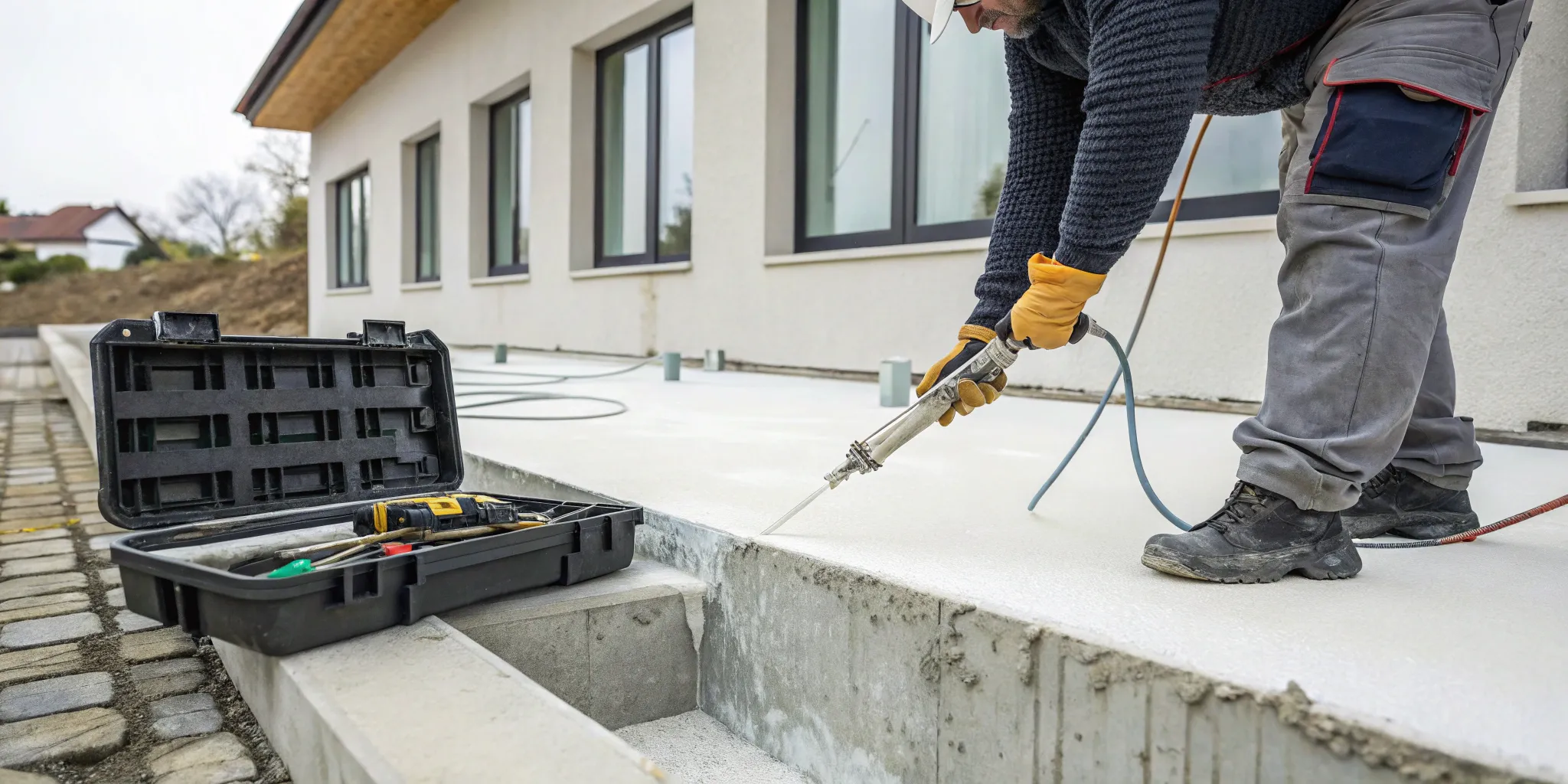
The idea of lifting a multi-ton concrete slab with foam might sound like something out of a science fiction movie, but it’s one of the most innovative and reliable repair methods available today. When soil erodes or compacts, it creates voids that cause the heavy concrete above to sink and crack. The solution is to fill those voids and re-establish a solid base. Using a process called polyurethane concrete lifting, technicians inject a specialized foam that expands with incredible force, gently raising the concrete back to its original level. This article will walk you through the entire process, from the science behind the foam to what to expect on repair day.
Key Takeaways
- Don’t Add Weight to a Sinking Problem: Remember that sinking concrete is a soil issue. Polyurethane foam is a superior fix because it’s incredibly light, lifting your slab without adding more stress to the unstable ground below, unlike heavy mudjacking slurry.
- Get a Quick Fix with Minimal Disruption: The polyurethane lifting process is fast and clean. Most jobs are finished in just a few hours, and you can walk or drive on the repaired surface the very same day, getting your property back to normal without a major construction project.
- A Lasting Repair Requires Smart Maintenance: The foam is a permanent solution, but you can prevent new issues by managing water on your property. Simple steps like ensuring your downspouts drain away from concrete slabs will protect your investment and keep things stable for years.
What is Polyurethane Concrete Lifting?
If you’ve noticed a sinking driveway, an uneven patio, or a cracked warehouse floor, you’re likely looking for a solution that’s both effective and minimally disruptive. That’s where polyurethane concrete lifting comes in. Think of it as a modern, high-tech approach to fixing sunken concrete. The process involves injecting a specialized, high-density polyurethane foam into the empty spaces beneath a settled concrete slab. This foam expands, lifting the slab back to its original position and stabilizing the soil underneath.
Unlike older, messier methods, this technique is precise, clean, and incredibly fast. It’s a powerful tool for all kinds of foundation repair issues, addressing the problem at its source without adding significant weight to the already-struggling soil. Whether you’re dealing with a residential sidewalk or a commercial foundation, it’s a reliable way to restore safety and stability to your property.
How Does Polyurethane Foam Actually Lift Concrete?
The magic of this method lies in a simple chemical reaction. Our team starts by drilling a few small, dime-sized holes through the sunken concrete slab. Through these holes, we inject two separate liquid components of the polyurethane foam. Once underground, these components mix and react, triggering a rapid expansion. This isn’t a slow, gentle rise; it’s a powerful expansive force that fills every void and pushes the heavy concrete slab upward.
This process is highly controlled. Our technicians monitor the lift in real-time, ensuring the slab is brought back to the precise level needed. The foam quickly cures into a dense, solid material that is both waterproof and incredibly strong, providing a stable base that supports the concrete for years to come. Our polyurethane geotechnical foam is engineered to handle heavy loads and resist soil erosion.
A Look at the Foam’s Technical Specs
One of the biggest advantages of polyurethane foam is its impressive strength-to-weight ratio. The foam itself is remarkably light, weighing only about two to four pounds per cubic foot. To put that in perspective, traditional concrete weighs around 150 pounds per cubic foot. This is a critical difference. Sinking concrete is often caused by weak or poorly compacted soil that can no longer support the slab’s weight.
Using a lightweight material means we aren’t adding more stress to the soil. Instead, the foam helps distribute the load over a wider area, creating a more stable foundation without the risk of future settlement caused by extra weight. It’s a smarter, more sustainable way to fix the problem for good.
Is It Safe for Your Property and the Environment?
It’s completely understandable to have questions about the materials we use on your property. You can rest easy knowing that our polyurethane foam is an environmentally stable and safe choice. The cured foam is inert, meaning it won’t break down or leach harmful chemicals into the surrounding soil or groundwater. It doesn’t contain volatile organic compounds (VOCs), so it’s safe for use around your family, pets, and landscaping.
The process itself is also much less invasive than traditional methods. With smaller injection holes and no need for heavy equipment, we minimize disruption to your property and create significantly less waste. It’s a clean, efficient, and responsible method for restoring your concrete surfaces without compromising the health of your environment.
Why Is Your Concrete Sinking?
Have you ever noticed that your driveway, patio, or walkway isn’t as level as it used to be? Maybe a new crack has appeared, or one section of the concrete now sits lower than the other, creating an annoying trip hazard. It’s a common problem, and the first thing to know is that the issue usually isn’t with the concrete itself. Instead, the culprit is almost always the soil underneath it. Concrete slabs are heavy, and they rely on the ground beneath them for stable, even support. When that ground shifts, sinks, or washes away, the concrete has no choice but to follow.
This process is called settlement, and it can happen for a variety of reasons, from water drainage issues to the natural composition of your soil. Understanding what’s causing your concrete to sink is the first step toward finding a lasting solution. Ignoring the initial signs can lead to more significant problems down the road, affecting not just your property’s appearance but also its safety and structural integrity. The good news is that modern repair methods can correct the problem without having to tear out and replace the entire slab, saving you time, money, and a major headache.
Telltale Signs of Concrete Settlement
Spotting concrete settlement early can make a huge difference. Walk around your property and look for a few key indicators. The most obvious sign is uneven or tilting slabs. You might notice a step leading up to your porch suddenly feels higher, or one side of your driveway is lower than the other. Cracks are another major clue, especially if they are widening over time. Pay attention to how water behaves after it rains. If you see water pooling in new areas on your concrete surfaces, it’s a strong signal that the slab has shifted and is no longer draining properly.
Common Causes of Sinking Slabs
So, what makes the soil beneath your concrete give way? There are a few common culprits. Poor water management is a big one; things like broken sprinkler lines, leaky pipes, or improper grading can lead to soil erosion, literally washing away the ground supporting the slab. In other cases, the soil may not have been compacted properly before the concrete was poured, causing it to settle over time under the slab’s weight. Expansive clay soils, which swell when wet and shrink when dry, can also create voids that lead to sinking. Even large tree roots can be to blame as they absorb moisture from the soil or decay over time.
How Settlement Can Affect Your Property’s Value
A sinking slab is more than just a cosmetic issue—it can have real consequences for your property’s value and safety. Uneven walkways and driveways are significant trip hazards, creating a liability risk for you and your family. Furthermore, when a slab next to your house sinks, it can start to direct water toward your foundation instead of away from it. This can lead to much bigger, more expensive problems, including water intrusion and the need for serious foundation repair. From a real estate perspective, cracked and sunken concrete hurts your home’s curb appeal and can be a red flag for potential buyers, potentially lowering your property’s market value.
When to Address the Problem
The best time to address sinking concrete is as soon as you notice it. These problems don’t fix themselves; in fact, they almost always get worse over time. A small crack or a slightly uneven slab can eventually become a major structural issue. Waiting too long can also limit your repair options and increase the final cost. Instead of guessing the cause, it’s wise to get a professional assessment. An expert can identify the root of the problem and determine if a solution like polyurethane geotechnical foam injection is the right approach to lift and stabilize your concrete for good.
The Polyurethane Lifting Process, Step by Step
Seeing your concrete sink is stressful, but the fix is surprisingly straightforward and minimally invasive. The process is designed to be quick, clean, and effective, getting your property back to normal with as little disruption as possible. From the initial inspection to the final cleanup, our team handles every detail with precision. We use a modern approach that relies on advanced materials and specialized equipment to lift and stabilize your concrete slabs, ensuring a durable, long-lasting solution. Let’s walk through exactly what you can expect when we arrive at your property.
The Initial Property Assessment
First things first, we need to see what’s going on. A trained technician will visit your property to conduct a thorough assessment of the sunken concrete. We’ll identify the extent of the settlement, pinpoint the likely causes—such as soil erosion or compaction—and determine the best spots for injection. This isn’t just a quick glance; it’s a detailed evaluation to create a precise plan for a successful lift. We’ll explain our findings to you, answer all your questions, and provide a clear, upfront estimate so you know exactly what the foundation repair will involve.
How We Inject and Lift Your Concrete
Once we have a plan, the real work begins. Our crew drills a series of small, dime-sized holes (about 5/8-inch in diameter) through the sunken slab. These holes are strategically placed to ensure an even lift. Next, we use a special injection gun to pump our two-part polyurethane geotechnical foam into the voids beneath the concrete. As the two liquid components mix, they trigger a chemical reaction, causing the foam to expand rapidly. This expansion fills every gap and gently lifts the slab back into its original position, all while stabilizing the soil below.
Tools and Materials We Use
This isn’t a DIY job. Lifting hundreds or thousands of pounds of concrete requires professional-grade equipment. Our team arrives with a fully equipped truck or trailer that houses the entire system—from the polyurethane foam tanks to the high-pressure pumps and hoses. This self-contained setup allows us to work efficiently and cleanly, without turning your property into a major construction zone. We use high-density, structural-grade foam that is engineered to be incredibly strong and water-resistant, ensuring it won’t break down or wash away over time.
How Long Does the Process Take?
One of the biggest advantages of polyurethane lifting is its speed. The foam expands and hardens in a matter of minutes. While the total job time depends on the size of the area, most residential projects like driveways, sidewalks, or patios are completed in just a few hours. Best of all, the repaired surface is ready for use almost immediately. You can walk on it within 30 minutes and drive on it within a few hours. This means you can get back to your daily routine without waiting days for the material to cure.
Our Safety-First Approach
Your property’s safety and integrity are our top priorities. The polyurethane lifting process is carefully controlled by our experienced technicians, who monitor the lift in real-time to prevent over-lifting and ensure a level result. The injection holes are small and discreet, and once the job is done, we patch them with cement so they blend in seamlessly. We take great care to protect surrounding landscaping and structures. Our team follows strict safety protocols when handling all materials and equipment, giving you peace of mind that your property is in good hands.
Polyurethane Lifting vs. Traditional Mudjacking
When you have a sinking concrete slab, you essentially have two main options for lifting it back into place: polyurethane foam injection and traditional mudjacking. While both methods aim to solve the same problem, they work very differently. Mudjacking involves pumping a heavy slurry of mud, sand, and cement beneath the slab to force it upward. Polyurethane lifting, on the other hand, uses a high-tech, lightweight foam that expands to lift the concrete. Understanding the key differences in speed, durability, and material can help you decide which solution is the right long-term investment for your property. At Bristol FX, we specialize in using advanced polyurethane geotechnical foam because we believe it offers a superior, more reliable repair for homeowners and commercial properties alike. It’s a modern solution that addresses the root cause of the problem without creating new ones.
Which Method is Faster and Less Disruptive?
If you’re looking for a quick fix with minimal downtime, polyurethane lifting is the clear winner. The process is significantly faster from start to finish. We drill small, dime-sized holes into the concrete, inject the foam, and watch it work its magic. The foam cures rapidly, often within hours, meaning you can walk or drive on the repaired surface the very same day. This is a huge advantage for high-traffic areas like driveways, walkways, or commercial floors. Mudjacking, in contrast, requires larger holes, a messier slurry mixture, and a much longer curing period before the slab is ready for use.
A Comparison of Durability and Longevity
You don’t just want to fix your sunken concrete; you want it to stay fixed. This is where polyurethane foam truly shines. The foam is an inert, waterproof polymer that won’t break down, shrink, or wash away over time. Once injected, it expands to fill every void, creating a strong, stable, and permanent base that resists water and erosion. The slurry used in mudjacking is a mixture of natural materials that can shrink as it dries and is susceptible to washing out from under the slab. This can lead to the concrete sinking again, requiring another repair down the road.
Breaking Down the Costs
When comparing costs, it’s important to look at the long-term value, not just the initial price tag. While mudjacking can sometimes have a lower upfront cost, polyurethane lifting is often the more cost-effective choice over time. Because the foam provides a permanent solution, you avoid the expense of having to redo the work in a few years. The cost for polyurethane concrete lifting is a competitive option, and the efficiency of the process also means fewer labor hours, which can help keep the overall project cost reasonable. Investing in a durable repair from the start saves you money and headaches later.
Why Lighter Material is Better for Stability
The soil beneath your concrete slab is likely sinking because it’s weak or unstable. The last thing you want to do is add more weight to it. This is a major drawback of mudjacking, which pumps a heavy slurry weighing 100 to 120 pounds per cubic foot onto the already-struggling soil. In contrast, polyurethane foam weighs only about 2 to 4 pounds per cubic foot. This lightweight material lifts and supports the slab without adding significant stress to the ground below. By not overburdening the soil, polyurethane foam helps prevent future settlement and provides a more stable, lasting repair.
How to Choose the Right Concrete Lifting Pro
Finding the right professional for your concrete lifting project is just as important as the method itself. Since polyurethane foam injection is a specialized service, not every general contractor has the right equipment or training to do it properly. You need a team that understands the technology and knows how to apply it to your property’s unique needs. Making the right choice means looking for a contractor with proven experience, transparent practices, and a solid reputation. This ensures your investment is protected and the job is done right the first time.
What to Look For in a Qualified Contractor
First things first: you need a specialist. Polyurethane concrete lifting requires specific equipment and extensive training that most general contractors don’t have. When vetting potential companies, look for a team that specializes in polyurethane geotechnical foam. Check that they are fully licensed and insured to protect yourself and your property. A reputable contractor will also have a portfolio of completed projects and positive customer reviews. Don’t be afraid to ask for examples of their work. Seeing their results on properties similar to yours can give you the confidence that you’re hiring a true professional who stands by their work.
Key Questions to Ask Before You Hire
Before you sign a contract, it’s important to have a direct conversation with a potential contractor. This is your chance to gauge their expertise and ensure they’re a good fit. Start by asking if polyurethane foam is truly the right solution for your specific situation and why. A good pro will give you a clear, honest answer.
Here are a few more key questions to ask:
- Can you walk me through your process from start to finish?
- How much experience does your team have with this specific technology?
- What kind of training and certification do your technicians have?
- Can you provide a few references from recent clients?
Their answers should be straightforward and leave you feeling confident, not confused.
Understanding Your Warranty
A strong warranty is a sign that a contractor believes in the quality of their work and the materials they use. When it comes to concrete lifting, you should look for a company that offers clear, long-term warranties. Before agreeing to any work, ask for the warranty details in writing. What exactly does it cover? How long does the coverage last? A trustworthy company will have no problem providing this information. At Bristol FX, we believe in the durability of our solutions and offer extensive long-term guarantees, giving you peace of mind that your property is in good hands for years to come.
Factors That Influence the Final Price
The cost of polyurethane concrete lifting can vary, so it’s helpful to understand what goes into the final price. While some projects can cost as little as $5 per square foot, others might be closer to $25. The primary factor is the size of the concrete slab that needs to be lifted. Another key element is the size of the void underneath it—a larger gap requires more foam to fill and stabilize. The accessibility of the work area and the total amount of material needed will also influence the cost. Always ask for a detailed, itemized quote so you can see exactly what you’re paying for and avoid any hidden fees.
Our Commitment to Quality Control
We know that a successful project depends on more than just advanced materials—it requires a highly skilled team. That’s why we invest heavily in continuous training and education for all our technicians. We follow the latest scientific methodologies and use state-of-the-art equipment to ensure every injection is precise and effective. Our commitment to quality control means we never cut corners. From the initial assessment to the final cleanup, we focus on safety, efficiency, and getting the job done right. When you work with us, you’re choosing a team dedicated to providing a lasting solution for your property.
Common Myths About Polyurethane Lifting
When it comes to something as important as your property’s foundation, it’s natural to have questions about the repair methods. Polyurethane geotechnical foam is a powerful and precise solution for lifting sunken concrete, but it’s also surrounded by a few misconceptions. Let’s clear the air and look at the facts behind some of the most common myths so you can make an informed decision for your home or business.
Myth: The Foam Isn’t a Permanent Solution
One of the biggest worries property owners have is whether a fix will last. It’s easy to assume that a lightweight foam couldn’t possibly be a long-term solution, but the material is surprisingly resilient. The polyurethane used for concrete lifting is a high-density, structural-grade polymer specifically engineered to withstand the elements and support heavy loads without breaking down. It’s waterproof, so it won’t wash away or degrade from moisture in the soil. The foam is highly durable and designed to provide stable support for many years, making it a reliable and lasting investment in your property.
Myth: The Chemicals Are Harmful
The word “chemical” can sound alarming, but the reality of polyurethane foam is much more reassuring. While the foam is created through a chemical reaction between two liquid components, it becomes completely inert and stable once it cures—which happens in a matter of minutes. After curing, the foam is environmentally safe and won’t leach any harmful substances into the surrounding soil or groundwater. It essentially becomes a solid, waterproof plastic that supports your concrete without altering the soil’s composition. This makes it a responsible choice for residential properties, commercial sites, and environmentally sensitive areas.
Myth: It’s Not Strong Enough for Heavy Slabs
Don’t let the word “foam” fool you. This isn’t the soft, squishy stuff you find in cushions. Geotechnical polyurethane foam is incredibly dense and strong. When the two liquid parts are injected beneath a concrete slab, they mix and expand, creating a powerful force that lifts the concrete. Once cured, this material forms a solid, stable base that can easily hold heavy weight and resist future sinking. It’s strong enough to support everything from residential driveways and pool decks to heavy-duty commercial floors and warehouse foundations, providing a robust foundation that stands up to serious pressure.
Myth: It’s Always the Most Expensive Option
While the upfront cost of polyurethane lifting can sometimes be higher than older methods like mudjacking, it often proves to be the more cost-effective choice over time. The process is much faster, less invasive, and requires smaller crews and less equipment, which can save on labor costs. Because the foam is so durable and lightweight, it doesn’t add significant weight to already unstable soil, reducing the risk of future settlement and the need for repeat repairs. When you factor in the longevity, minimal disruption to your property, and long-term stability, polyurethane foam is a smart investment that protects your property’s value.
How to Care for Your Newly Leveled Concrete
Your concrete is finally level and stable—that’s a great feeling. Now, you can take a few simple steps to protect that investment and keep your slabs from sinking again. The polyurethane foam we use is incredibly durable, but the soil around it can still shift. Proper care is all about managing the conditions that caused the settlement in the first place. By paying a little attention to your property, you can ensure your newly lifted concrete stays put for the long haul.
Simple Post-Installation Care Tips
One of the best parts of polyurethane lifting is how quickly you can get back to normal. After we lift the slab, we patch the small drill holes, seal any related cracks, and clean up the site. The area is often ready for foot traffic almost immediately and for vehicle traffic within the day. We recommend giving the patched areas a full 24 hours to cure before parking a car on them, just to be safe. The polyurethane geotechnical foam itself cures to 90% strength in about 15 minutes, so the wait is really just for the surface patches.
How to Prevent Future Settlement
The key to preventing future settlement is managing water. Uncontrolled water flow is the number one cause of soil erosion and compaction, which leads to sinking concrete. Start by checking your gutters and downspouts. Make sure they are clean and directing water several feet away from your concrete slabs and foundation. If you have landscaping near the concrete, be mindful of tree roots, which can absorb moisture and cause the soil to shrink. Addressing these external factors is the most effective way to support the long-term success of your foundation repair and keep your concrete stable.
What to Monitor Over Time
While polyurethane foam repairs can last for the life of the concrete, it’s always a good idea to keep an eye on things. A few times a year, take a walk around your property and inspect the leveled slabs. Look for any new cracks forming or signs that the concrete has shifted. Pay close attention to the joints and the areas where the slab meets your home’s foundation. If you notice any changes, it’s best to address them early. Timely crack injection can prevent water from getting under the slab and starting the settlement process all over again.
The Importance of Soil and Drainage Management
The polyurethane foam we use is completely waterproof; it won’t wash out or degrade, even in constantly wet conditions. However, the soil around it is a different story. Proper drainage is your best defense against future problems. Ensure the ground around your home and concrete surfaces slopes away, preventing water from pooling. Good drainage management is a core part of any effective waterproofing strategy. By controlling where water goes, you control the stability of the soil and give your concrete slabs the solid, reliable base they need to stay level.
Related Articles
Frequently Asked Questions
How long will the repair actually last? The polyurethane foam we use is a permanent material. It’s waterproof and won’t break down or wash away, even in wet soil. Once it cures, it provides a stable base that can last for the life of your concrete. The key to ensuring the repair lasts is to address the underlying cause of the settlement, which is usually poor water drainage. By managing water flow around the slab, you help keep the supporting soil stable for good.
Will the process make a mess of my yard and landscaping? Not at all. This is one of the biggest advantages of using polyurethane foam. The process is incredibly clean and minimally invasive. We drill a few small, dime-sized holes in the concrete, and all the equipment is contained in our truck. There’s no heavy machinery driving on your lawn, and there’s no messy slurry to clean up afterward. We patch the small holes when we’re done, leaving your property looking neat and tidy.
Does lifting the concrete also fix the cracks? Lifting the slab corrects the settlement that caused the cracks to form in the first place, which is the most important step. However, the process doesn’t magically weld the existing cracks back together. Once the slab is level, we recommend sealing those cracks to prevent water from seeping underneath and causing future problems. This combination of lifting and sealing gives you the most durable, long-term result.
Is polyurethane foam strong enough for my heavy driveway or commercial floor? Absolutely. It’s easy to hear the word “foam” and think of something soft, but this is a completely different material. We use a high-density, structural-grade polyurethane that is engineered to be incredibly strong and rigid once it cures. It can easily support the weight of cars, trucks, and even heavy industrial equipment, all while being lightweight enough that it doesn’t add extra stress to the soil below.
How do I know if my sinking concrete is a good candidate for this method? Polyurethane lifting is a fantastic solution for most settled concrete slabs, including driveways, patios, sidewalks, and interior floors. However, if the concrete itself is severely crumbled or broken into many small pieces, replacement might be a better option. The best way to know for sure is to have a professional take a look. An expert can assess the condition of your slab and the soil beneath it to determine the most effective approach.