
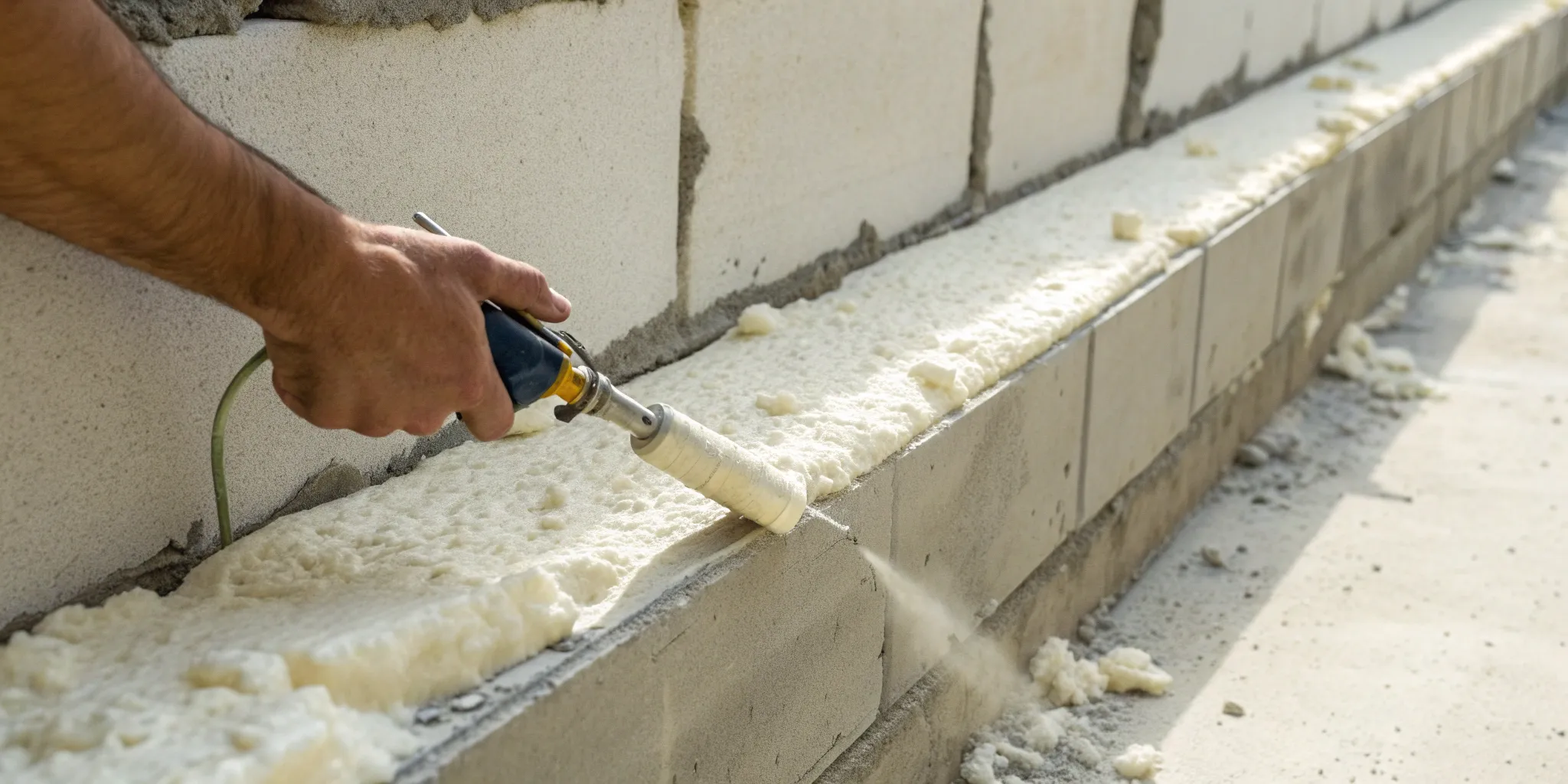
An uneven concrete slab presents you with a few choices. You could opt for a traditional mudjacking repair, or you could go the drastic route of a full demolition and replacement. Then there’s the modern approach: polyurethane foam injection. This method stands out for its precision, durability, and minimal disruption. To truly appreciate its advantages, however, you need to compare its long-term value against the alternatives. That comparison starts with a transparent look at the numbers. We’ll explore the factors that make up the polyurethane foam injection cost and show you how it stacks up against other methods, helping you see why it’s often the most cost-effective solution in the long run.
Key Takeaways
- Know what influences the final cost: Your quote is customized based on key factors like the size of the concrete slab, how much it has sunk, and how easy the area is to access for repairs.
- Compare the long-term value, not just the upfront price: Foam injection is a lasting repair that can save you 50-70% compared to a full concrete replacement and avoids the common pitfalls of the heavier, messier mudjacking method.
- Get an accurate quote by asking the right questions: When comparing estimates, look past the bottom line. Ask about warranties, material quality, and the contractor’s license and insurance to ensure you’re choosing a reliable expert over just the lowest bid.
What is Polyurethane Foam Injection?
If you’ve noticed a sinking driveway, an uneven patio, or a cracked garage floor, you might be picturing a messy, expensive demolition project. But there’s a much cleaner and more efficient solution. Think of polyurethane foam injection—sometimes called foam jacking—as a modern approach to lifting and stabilizing sunken concrete. It’s a powerful repair method that avoids the need for a total replacement.
The process uses a high-density, structural-grade polymer foam. Our technicians inject this material as a liquid through small, strategically drilled holes in the concrete slab. Once underground, the two parts of the liquid mix and undergo a chemical reaction, causing the foam to expand. This expansion creates a powerful lift that gently raises the slab back to its original position. The polyurethane geotechnical foam is not only strong enough to support the concrete but is also lightweight, so it won’t add significant weight to the underlying soil. It’s a precise, controlled, and fast-acting solution for a wide range of concrete problems.
The Step-by-Step Injection Process
One of the best things about polyurethane foam injection is how straightforward and non-disruptive it is. You won’t have to deal with heavy machinery tearing up your property for days on end. Here’s a simple breakdown of what to expect:
- Drilling: First, our crew drills a few small, dime-sized holes through the sunken concrete slab. The pattern and number of holes are carefully planned to ensure an even lift.
- Injection: We then use specialized equipment to inject the polyurethane foam into the holes. The liquid flows into the voids beneath the slab.
- Expansion: Within seconds, the foam expands, filling every gap and gently lifting the concrete back into place. We monitor the process closely to ensure a precise, level result.
- Finishing: Once the slab is level, we patch the small injection holes with cement. The foam cures quickly, and in most cases, you can walk or drive on the surface within an hour.
Common Uses for Lifting and Stabilizing Concrete
The versatility of polyurethane foam makes it the ideal solution for a variety of residential and commercial concrete issues. Because it’s waterproof and incredibly durable, it provides a long-lasting fix that addresses both the symptom (the sunken slab) and the cause (unstable or eroded soil).
This method is perfect for lifting and leveling all kinds of concrete surfaces. We commonly use it to repair foundations and fix uneven driveways, sidewalks, and walkways that have become tripping hazards. It’s also an excellent choice for sinking patios, pool decks, and garage floors. Beyond just lifting, the foam stabilizes the soil beneath the slab, preventing future erosion and settlement. This makes it a reliable method for raising interior floor slabs and even supporting footings for a more stable structure.
What Factors Affect the Cost of Foam Injection?
When you’re looking at a quote for polyurethane foam injection, you’ll notice it’s not a simple, one-price-fits-all service. The final cost is tailored to your specific situation, much like any other custom home repair. Think of it less like buying a product off the shelf and more like commissioning a bespoke solution for your property. Several key variables come into play, and understanding them will help you see exactly what you’re paying for and why one quote might differ from another.
The total price depends on the unique challenges of your project. A professional contractor will assess the size of the concrete slab, how much it has sunk, how easy the area is to access, and even your geographic location. Each of these elements contributes to the amount of material and labor required to get the job done right. By breaking down these factors, you can get a much clearer picture of the investment needed to restore your concrete and ensure it’s stable for years to come. This detailed approach ensures you only pay for the polyurethane geotechnical foam and time your project actually needs, resulting in a fair and accurate price for a long-lasting repair.
The Size and Scope of Your Project
The most straightforward factor influencing cost is the physical size of the area that needs lifting. A small, sunken sidewalk square will naturally cost less than leveling an entire two-car garage floor or a large concrete patio. However, it’s not just about the square footage. The scope of the work also includes the number of injection points required to lift the slab evenly and whether additional prep or finishing work, like patching old cracks, is needed. A larger or more complex slab requires a more detailed approach to ensure a uniform, stable result, which will be reflected in the final quote.
The Severity of the Concrete Settling
Two concrete slabs might have the same dimensions, but the cost to repair them could be very different. The key is how much the concrete has settled. A slab that has only sunk by half an inch has a relatively small void underneath it. In contrast, a slab that has dropped several inches has a much larger empty space to fill. This directly impacts the amount of polyurethane foam needed to lift and support the concrete. A professional assessment will determine the depth of these voids to calculate the precise volume of material required for a successful foundation repair.
Site Accessibility and Job Complexity
How easy is it for a crew to reach the work area? An easily accessible driveway or front walkway allows for a quick and efficient setup. However, if the sunken slab is in a tight backyard, surrounded by delicate landscaping, fences, or other obstacles, the job becomes more complex. Technicians may need to run longer hoses or take extra precautions to protect your property. This additional time and labor will influence the overall cost. Similarly, working in a confined area like a crawl space presents unique challenges that can add to the project’s complexity and price.
Your Geographic Location
Where you live plays a role in the cost of almost any service, and concrete lifting is no exception. The local cost of living directly affects expenses like labor rates, insurance, and fuel for service vehicles. Material costs can also fluctuate from one region to another. A project in a dense urban center where operating costs are high may be priced differently than the exact same job in a more rural area. Because of this, the most accurate pricing will always come from a local contractor who understands the market conditions in your specific city or town.
How Much Does Foam Injection Actually Cost?
Let’s talk numbers. When you’re dealing with sunken concrete, one of the first questions you probably have is, “What’s this going to cost me?” The price of polyurethane foam injection can vary quite a bit because every project is unique. Factors like the size of the area, how badly the concrete has settled, and even how easy it is for a crew to access the site all play a role in the final estimate.
While it’s impossible to give a one-size-fits-all price tag, we can break down the typical costs to give you a clearer picture. Understanding these figures will help you budget accordingly and know what to expect when you start gathering quotes from professionals. Think of it as a starting point for a conversation about your specific property’s needs.
A Breakdown of Per-Square-Foot Pricing
Generally, you can expect the cost of polyurethane geotechnical foam injection to fall somewhere between $5 and $25 per square foot. This range accounts for differences in the type of foam required for your project and the overall complexity of the job. A simple, straightforward sidewalk lift will naturally be on the lower end of that scale, while a more involved project, like stabilizing a large garage floor with deep voids underneath, will be on the higher end. The price reflects not just the material itself but the expertise needed to inject it correctly for a lasting repair.
Example Project Cost Ranges
To give you a better idea of a total project cost, most residential concrete leveling jobs land in the $750 to $6,000 range. Of course, extensive commercial projects can exceed this. For example, if you have a small section of a sunken patio, your cost might be closer to the $750 mark. However, if your entire driveway has settled and requires significant lifting and stabilization, the cost will be higher. The best way to get a precise number is to have a professional assess the damage and measure the area that needs to be treated.
Potential Hidden Fees to Watch For
When getting quotes, it’s smart to ask about any potential minimum charges. Many companies have a minimum fee for showing up, which can range from $300 to over $2,000. This fee covers the cost of mobilizing a crew and equipment, even for a very small job. If your project is minor, you might find that the minimum charge makes up a significant portion of your bill. Always ask your contractor if they have a minimum project fee so you can avoid any surprises on the final invoice and ensure you’re getting a transparent quote for your foundation repair.
How Foam Injection Costs Compare to Other Methods
When you’re dealing with sunken or cracked concrete, it’s easy to focus on the initial sticker price of the repair. But to make a smart investment in your property, you need to compare the long-term value, durability, and level of disruption each method brings. Polyurethane foam injection often stands out as a powerful middle ground, balancing cost-effectiveness with a high-performance, lasting result.
Unlike messy, traditional methods or a full-scale demolition and replacement, polyurethane geotechnical foam offers a modern solution. It addresses the underlying problem—unstable soil—without the high cost and long timeline of a total replacement. Let’s break down how the numbers and benefits stack up against two of the most common alternatives: mudjacking and full concrete replacement. Understanding these differences will help you see why the upfront cost is only one piece of the puzzle.
Foam Injection vs. Mudjacking
At first glance, mudjacking (also called slabjacking) can seem like a bargain. This older method involves pumping a heavy slurry of mud, sand, and cement beneath a concrete slab to lift it. It can sometimes be about 20% cheaper than foam injection upfront. However, that initial savings often comes with significant trade-offs. The material is incredibly heavy, adding more weight to the already unstable soil that caused the problem in the first place. It’s also a messier process that requires larger injection holes and can be less precise, potentially leaving voids unfilled.
In contrast, polyurethane foam is lightweight, incredibly strong, and expands to fill every gap, providing uniform support. It cures in minutes, not days, and the entire process is much cleaner. You’re investing in a more durable and precise foundation repair that won’t contribute to future settling.
Foam Injection vs. Full Concrete Replacement
If mudjacking is the budget option, a full concrete replacement is the most expensive and disruptive route. Tearing out an old slab and pouring a new one is a major project involving demolition, hauling away debris, and waiting days or even weeks for the new concrete to cure. While sometimes necessary for slabs with extreme structural damage, it’s often overkill for simple settling.
This is where foam injection provides incredible value. On average, lifting concrete with polyurethane foam can save you 50% to 70% compared to the cost of replacement. Instead of a construction zone, you get a quick, clean repair that lets you use your driveway, patio, or warehouse floor again the same day. It’s a far more efficient and affordable way to restore your concrete without the headache of a complete overhaul.
Which Option Offers the Best Long-Term Value?
When you look beyond the initial quote, polyurethane foam injection consistently delivers the best long-term value. Mudjacking may save you a little money now, but its weight and potential for incomplete void filling can lead to resettlement, forcing you to pay for another repair down the road. Full replacement is a durable but extremely expensive solution that doesn’t always address the poor soil conditions underneath.
Polyurethane foam offers a smart, fast, and lasting way to lift and stabilize concrete. It’s waterproof, so it resists erosion, and it’s lightweight, so it doesn’t burden the soil. By addressing the root cause of the problem and creating a stable base, it provides a permanent solution that protects your investment for years to come.
The Pros and Cons of Polyurethane Foam
When you’re dealing with sunken or unstable concrete, you want a solution that’s effective, long-lasting, and doesn’t turn your property into a construction zone for weeks. Polyurethane geotechnical foam has become a go-to method for lifting and stabilizing concrete for good reason, but it’s smart to look at the full picture. Like any repair technique, it has its own set of strengths and situations where another approach might be better. Understanding these pros and cons is the first step to making a confident decision for your home or commercial building. It’s all about matching the right tool to the right job, and knowing the benefits and limitations helps you do just that.
Pro: Quick Curing with Minimal Disruption
One of the biggest advantages of polyurethane foam injection is speed. The entire process is incredibly efficient and designed to minimize disruption to your daily routine. Small holes are drilled into the concrete, the foam is injected, and it expands to lift the slab back into place. Most jobs are completed in just a few hours, and the foam itself cures in about 15 minutes. This means your driveway, walkway, or patio is ready for you to walk on almost immediately and ready for vehicle traffic the same day. You won’t have to block off parts of your property for days on end, making it an ideal solution for busy households and businesses that can’t afford significant downtime.
Pro: Impressive Durability and Water Resistance
You need a repair that lasts, and polyurethane foam delivers on durability. The material is a high-density, structural polymer that is incredibly strong and lightweight. Once cured, it’s also waterproof. This is a critical feature because water is often the root cause of soil erosion and concrete settlement. Unlike traditional mudjacking slurry, which can break down or wash away over time, this foam won’t degrade when exposed to moisture. This ensures the repair remains stable for years to come, providing a solid, reliable foundation under your concrete and preventing future water-related issues. This makes it an excellent component of a comprehensive waterproofing strategy.
Con: Limitations Based on Soil Conditions
While polyurethane foam is a fantastic solution for many concrete and foundation problems, it isn’t the right fit for every single situation. The success of the injection depends heavily on the condition of the soil beneath the slab. If the underlying soil is extremely weak, poorly compacted, or has large, deep voids, the foam may not be able to provide the necessary long-term support on its own. In these more complex cases, a deeper solution might be required. For instance, significant foundation settlement may call for the installation of push and helical piers to transfer the structure’s weight to more stable soil. A thorough professional evaluation is key to determining the true cause of the problem and the most effective repair plan.
Is It an Eco-Friendly Choice?
For property owners mindful of their environmental impact, polyurethane foam injection is a more sustainable choice than traditional concrete work. The primary reason is that it’s a repair-first method. By lifting and restoring your existing concrete, you avoid the need to demolish the old slab, haul it to a landfill, and pour brand-new concrete. This saves a tremendous amount of energy and resources. The foam material itself is inert and stable once cured, meaning it won’t leach chemicals into the surrounding soil. The installation process also has a smaller carbon footprint, requiring less heavy machinery and fuel compared to a full replacement project.
Common Cost Myths About Foam Injection
When it comes to foundation repair, new technologies often come with a lot of questions—and a few myths. Polyurethane foam injection is no exception. It’s a powerful and precise method for lifting and stabilizing concrete, but misconceptions about its cost and longevity can cause confusion. Let’s clear the air and look at the facts behind some of the most common cost-related myths, so you can feel confident about your repair options. Making an informed decision starts with separating fact from fiction, ensuring you choose a solution that protects your property for years to come.
Myth: It’s Only a Temporary Fix
One of the biggest hesitations I hear about foam injection is the fear that it’s just a band-aid solution. People worry that the foam will break down or wash away, leaving them right back where they started. The truth is, modern polyurethane geotechnical foam is engineered for incredible longevity. This isn’t the same stuff you find in a spray can at the hardware store. It’s a high-density, structural polymer that is waterproof and chemically inert. Once injected, it cures into a solid, stable material that resists soil moisture and erosion, permanently supporting the concrete above. Its quick application and lasting durability make it a smart, economical choice for the long haul.
Myth: The Upfront Investment Isn’t Worth It
At first glance, the cost of foam injection might seem significant, leading some to wonder if it’s a worthwhile investment. But it’s crucial to compare it to the alternative: a full slab replacement. Tearing out and repouring concrete is a massive undertaking that involves demolition, disposal, and days—or even weeks—of disruption. Polyurethane foam injection is far less invasive and significantly more affordable than a complete replacement. By filling voids and stabilizing the underlying soil, it addresses the root of the problem, preventing further settling and saving you from much costlier foundation repair in the future. It’s a targeted solution that offers lasting value.
Myth: The Cheapest Quote is Always the Best
It’s always tempting to go with the lowest bid, but when it comes to your property’s foundation, the cheapest quote can be a red flag. The quality of polyurethane foam varies widely, and a rock-bottom price may indicate a contractor is using a lower-grade material that isn’t suited for structural support. High-quality polyurethane products might have a higher initial cost, but they deliver superior performance and longevity, making them more cost-effective over time. A reputable contractor will use the right foam for the job and stand behind their work. Your focus should be on finding an expert who provides a durable, reliable crack injection solution, not just the lowest price.
How to Get an Accurate Quote for Your Project
Getting a quote is about more than just seeing a price tag; it’s your opportunity to understand the full scope of the work, the materials involved, and the expertise of the team you’re hiring. A good quote provides a clear roadmap for your project, giving you the confidence to make an informed decision. Before any work begins, you should have a detailed estimate that answers all your questions and leaves no room for surprises down the road. This is your chance to vet potential contractors and ensure you’re partnering with a company that values transparency and quality.
Think of it as the first step in a partnership. A trustworthy contractor will take the time to walk you through their assessment, explain why they’re recommending a specific solution, and answer every question you have. This initial interaction is often a great indicator of the level of service and communication you can expect throughout the entire project. The right information upfront will help you accurately compare your options and choose the best solution for your property and your budget. A clear, comprehensive quote is the foundation of a successful repair job, so it’s worth taking the time to get it right.
Key Questions to Ask Your Contractor
When you meet with a contractor, having a list of questions ready is the best way to get the information you need. Don’t hesitate to ask for specifics. Start with, “Can you provide an itemized quote that breaks down the costs for labor, materials, and any other fees?” Also, be sure to inquire about their warranty—a reputable company will stand by their work. Ask about the project timeline and what to expect during the polyurethane geotechnical foam injection process. Finally, it’s always a good idea to confirm that their team is fully licensed and insured to protect both your property and their workers.
Red Flags to Look for in an Estimate
A quote that’s extremely low or suspiciously vague should give you pause. Be wary of contractors who offer a price without a thorough on-site inspection or who can’t clearly explain their proposed solution. High-pressure tactics, like limited-time offers that rush you into a decision, are another major red flag. While many companies have a minimum charge to cover their basic operational costs for a foundation repair job, this should be communicated clearly. A contractor who isn’t upfront about all potential costs from the beginning may not be the most trustworthy partner for your project.
Tips for Comparing Quotes Effectively
It’s always a smart move to get estimates from a few different qualified companies. When you compare them, look beyond the final number. Are you comparing apples to apples? Check the proposed scope of work, the quality of the materials specified, and the length and terms of the warranty. A slightly higher quote from a company like Bristol FX that offers a comprehensive warranty and uses superior materials often provides better long-term value than the cheapest option. Remember, you’re investing in the structural integrity of your property, so choosing an experienced, reputable contractor is key.
Related Articles
- What You Should Know About Polyurethane Foam Foundation Leveling – Professional Foundation Repair
- Polyurethane Foam Foundation Leveling Guide
- Polyurethane Foam Leveling: Fast Fixes| Bristol FX
- Polyurethane Foam Foundation Repair: Fast, Durable, Affordable
Frequently Asked Questions
How long does polyurethane foam last? This is a permanent solution, not a temporary patch. The high-density polyurethane foam we use is a structural material designed to last for years. It’s waterproof and inert, meaning it won’t break down, wash away, or degrade when exposed to moisture in the soil. By creating a stable, solid base under your concrete, it addresses the root cause of the settling for a long-term fix.
Will the injection process damage my yard or landscaping? Not at all. One of the best parts of this method is how non-invasive it is. Our crew drills a few small, dime-sized holes directly into the concrete slab itself. There’s no need for heavy machinery that can tear up your lawn or garden beds. The entire process is self-contained, clean, and designed to leave your property looking just as it did when we arrived.
How do I know if foam injection is the right solution for my problem? While foam injection is incredibly versatile for lifting everything from driveways to interior floor slabs, it isn’t a one-size-fits-all fix. Its success depends on the underlying soil conditions. The best way to know for sure is to have a professional conduct a thorough on-site evaluation. We can determine the cause of the settlement and confirm if foam is the most effective approach or if a different solution is needed.
Why can’t I get a flat-rate price over the phone? Every concrete issue is unique, so an accurate quote requires an in-person assessment. The final cost depends on specific factors like the size of the concrete slab, how far it has sunk, and how large the void is underneath. These variables determine the amount of material and time needed for the repair. A custom quote ensures you only pay for what your specific project requires.
How quickly can I use my driveway or patio after the repair? You can get back to your routine almost immediately. The polyurethane foam cures incredibly fast—typically within 15 to 30 minutes. This means you can walk on a repaired sidewalk or patio right after we finish the job. For surfaces that handle vehicle traffic, like a driveway or garage floor, it’s usually ready for use within a few hours on the same day.