
If your heating and cooling bills seem stubbornly high, you might be looking for the source in all the wrong places. While windows and attics get a lot of attention, one of the biggest energy drains in a home is often the uninsulated rim joist. This narrow band of wood framing sits right above your foundation, creating a direct path for outside air to seep into your home. This forces your furnace and air conditioner to work much harder to maintain a comfortable temperature. So, what is a rim joist and how can sealing this small area make such a big difference? We’ll show you how this simple fix can lower your bills.
Key Takeaways
- The rim joist is the critical link between your floor and foundation: It provides essential support that prevents sagging floors and transfers your home’s weight safely to the foundation. Its health is directly tied to your home’s structural stability.
- Moisture and air leaks are the primary enemies of rim joists: This area is a major source of energy loss and a prime spot for rot and pests. Air sealing and properly insulating your rim joists is a key step for a more comfortable, efficient, and durable home.
- Distinguish between simple upkeep and serious repairs: While insulating healthy rim joists is a manageable DIY project, signs of damage like rot or sagging floors require a professional. Don’t hesitate to call an expert to diagnose the root cause and ensure a safe, long-term fix.
What Is a Rim Joist?
Even if you’ve never heard of a rim joist, it’s one of the hardest-working components of your home’s frame. Think of it as the unsung hero that holds your floor system together and connects it to the foundation. While it’s hidden from view in your finished living spaces, its condition is critical for your home’s structural integrity, stability, and even your energy bills. Understanding what a rim joist is and what it does is the first step toward recognizing potential problems before they become major headaches.
What It Is and Where to Find It
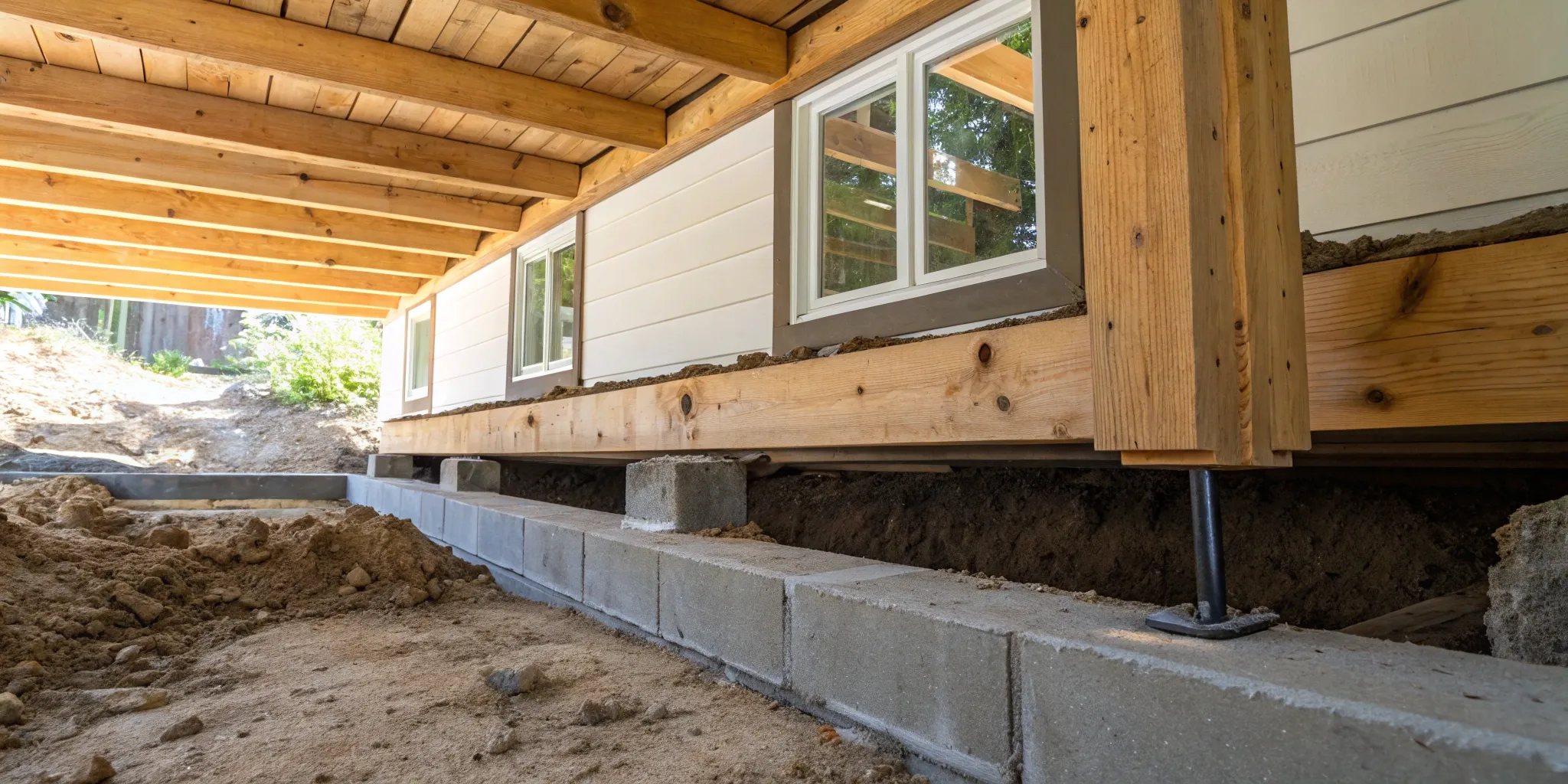
So, what exactly is a rim joist? Also called a band joist, it’s a key part of your home’s frame that forms the outer edge of your floor system. Essentially, it’s the board that caps the ends of all your floor joists (the beams that support the floor). You can find it where the concrete foundation wall meets the wooden structure of the house. The easiest place to spot your rim joists is from your basement or crawl space. If you look up at the ceiling, you’ll see that band of wood running along the entire perimeter—that’s the rim joist.
Its Role in Your Floor’s Structure
The rim joist does more than just finish the edge of the floor. Its main job is to provide lateral support to the floor joists, keeping them from twisting or bowing out of place. It also plays a crucial role in transferring weight. The load from your walls, furniture, and the floor itself is carried by the joists, which then pass that weight through the rim joist and down into the foundation. This even distribution is essential for keeping your home stable. When this component is damaged by rot or pests, it can lead to a host of foundation repair issues, from sagging floors to bigger structural problems.
What Do Rim Joists Actually Do?
Beyond just being a piece of wood in your home’s frame, rim joists have several critical jobs. They work quietly behind the scenes to keep your home stable, dry, and comfortable. Understanding their function helps you see why keeping them in good condition is so important for the overall health of your house. From providing structural support to sealing out the elements, these components are essential players in your home’s construction.
Support Your Home’s Structure
First and foremost, the rim joist is a key structural element. Think of it as the band that holds the entire floor system together. It runs along the outer edge of your floor framing, capping off the ends of the floor joists. This connection is crucial because it prevents the joists from twisting or shifting out of place. By tying everything together, the rim joist helps distribute weight from the walls above evenly across the floor system and down into the foundation. A compromised rim joist can be a sign of broader issues, making a professional foundation repair assessment a wise step.
Block Moisture and Air Leaks
Your rim joists also serve as a barrier between your home’s interior and the outside world. Located right at the top of your foundation wall, this area is a prime spot for moisture and air to sneak in. A healthy, well-sealed rim joist helps prevent water from seeping into your basement or crawl space, which is essential for preventing wood rot and mold growth. It also blocks drafts that can make your home feel chilly and drive up energy bills. When this barrier fails, effective waterproofing is key to sealing and protecting the rim joist area from the elements.
Improve Your Home’s Insulation
Because rim joists are on the exterior edge of your home, they can be a major source of heat loss if not properly insulated. In the winter, cold air can easily conduct through the wood, cooling the floors above and making your furnace work harder. Properly insulating the rim joist cavities is one of the most effective ways to improve your home’s energy efficiency. This simple step keeps conditioned air inside where it belongs, leading to more stable indoor temperatures and lower utility costs. It’s a common part of comprehensive crawl-space repairs that makes a noticeable difference in your home’s performance.
What Are Rim Joists Made Of?
The material used for your rim joists plays a big part in their strength and longevity. While you might not get to choose the material in an existing home, understanding what you have is key to proper maintenance. If you’re building or doing a major renovation, you have a few great options to consider. The choice often comes down to a balance of tradition, performance, and budget. Each material has its own set of strengths, from the time-tested reliability of solid wood to the advanced durability of engineered products. Let’s walk through the three most common materials you’ll find holding up your floors.
Solid Wood Lumber
This is the classic, go-to material for home construction. Traditionally, rim joists are made from the same solid wood lumber as the rest of the floor joists, creating a uniform and reliable frame. Think of woods like Douglas fir or southern yellow pine—strong, sturdy, and well-understood by builders for generations. The main advantage here is its proven track record. However, solid wood is vulnerable to moisture, which can lead to rot and attract pests. This is especially true in damp basements or crawl spaces, making proper waterproofing and ventilation absolutely essential to protect the wood and your home’s structural integrity over the long term.
Engineered Wood
Engineered wood is a popular modern alternative that offers some serious performance advantages. Products like laminated veneer lumber (LVL) or I-joists are created by bonding wood strands, veneers, or fibers together with adhesives. This process results in a material that is incredibly strong, straight, and consistent—it won’t warp or split like solid wood sometimes can. Because they are designed for superior strength, engineered rim joists can handle heavy loads without bending. This makes them an excellent choice for new construction projects or for homes with open-concept floor plans that require long, uninterrupted spans. They provide a stable and durable foundation for the floors above.
Modern Composite Materials
The newest players on the block are modern composite materials. These are designed to be the ultimate solution for durability, offering exceptional resistance to rot, moisture, and insects. Unlike wood, they won’t decay or become a meal for termites, which can mean a much longer lifespan with less worry. While these high-performance materials sound like a perfect fix, they are still relatively new to residential construction. The industry is still gathering long-term data on how they perform over many decades. For now, they represent a promising but less-tested option compared to the proven reliability of wood and engineered wood products in foundation repair and construction.
How Rim Joists Impact Your Home’s Stability
Think of your home’s structure as a team, where every player has a specific and vital role. The rim joist might not be the star player, but it’s the one that connects everyone else, ensuring the whole system works together. When rim joists are strong and healthy, they provide the stability your home needs to stand firm for decades. But if they become compromised by moisture, pests, or age, the effects can ripple through your entire house, from the floors to the walls. Understanding their function is the first step in protecting your home’s structural integrity.
Prevent Floors from Sagging
A rim joist, sometimes called a band joist, is the piece of lumber that forms the outer border of your floor framing. It caps off the ends of the floor joists—the parallel beams that support your floor—creating a strong, rectangular box. Its primary job is to tie all the joists together, helping to distribute the weight of your home evenly. This prevents individual joists from twisting or bowing under pressure. Without a solid rim joist, your floors can become bouncy, uneven, or start to sag. If you’ve noticed these issues, it could be a sign of trouble in your home’s underbelly, often pointing to problems that need attention in your crawl-space repairs.
Connect Walls to the Foundation
Your home’s weight is constantly being directed downward by gravity. The rim joist acts as a critical bridge in this process. It takes the vertical load from the walls above it and transfers that weight across the entire floor system. From there, the load is passed down to the foundation walls, which are designed to carry the full weight of the structure. This even distribution is key to preventing stress from concentrating in one area, which could lead to cracks and other foundation problems. Getting this connection right is so important that it’s a fundamental part of any new construction project, ensuring a stable base from day one.
Resist Wind and Seismic Forces
Beyond just handling vertical weight, rim joists are essential for resisting lateral forces—the sideways push from strong winds or the ground movement during an earthquake. By tying the floor joists together, the rim joist helps the entire floor system act as a single, rigid plane called a diaphragm. This diaphragm provides immense strength, preventing the walls from racking or shifting out of square when pushed from the side. It effectively holds the shape of your house together. For homes built on slopes or in areas with unstable soil, this ability to withstand external pressure is especially critical for long-term hillside stabilization.
How Rim Joists Affect Your Energy Bills
If you’ve ever felt a draft in your home that you just can’t trace, or if your energy bills seem stubbornly high, your rim joists might be the culprit. This small, often-overlooked area along the perimeter of your foundation is one of the biggest sources of energy loss in a home. Because rim joists sit directly on top of the foundation wall, they are a prime spot for air to leak in and out.
During winter, cold air seeps in, making your floors chilly and forcing your furnace to work harder. In the summer, hot, humid air infiltrates your basement or crawl space, putting extra strain on your air conditioner. Addressing these gaps is one of the most effective ways to make your home more comfortable and energy-efficient. It’s a simple fix that delivers noticeable results, both in how your home feels and what you pay for utilities each month.
Proper Insulation Methods
When it comes to insulating rim joists, the method matters just as much as the material. While you might be tempted to stuff fiberglass batts into the cavities, this approach often does more harm than good. Fiberglass insulation doesn’t stop airflow, and it can absorb moisture that seeps in from the outside, creating a perfect environment for mold and rot.
The most effective solution is using closed-cell spray foam. This material is sprayed directly onto the rim joist and surrounding area, where it expands to fill every single crack and gap. It creates a solid, rigid barrier that acts as an insulator, air sealant, and vapor barrier all in one. Using a material like polyurethane geotechnical foam provides a durable, long-lasting seal that won’t sag, settle, or lose its effectiveness over time.
The Benefits of Air Sealing
Insulation is only half the battle; creating an airtight seal is the other crucial component. Air sealing the rim joist area stops drafts in their tracks, preventing the uncontrolled exchange of air between the inside of your home and the outdoors. This has a massive impact on your home’s overall comfort. You’ll notice warmer floors in the winter and less humidity in your basement during the summer.
This seal also improves your home’s indoor air quality. By blocking outside air, you also block pollen, dust, and moisture that can contribute to allergies and musty odors. A proper seal is a key part of comprehensive waterproofing and helps protect the wooden components of your floor system from moisture damage, ensuring your home’s structure remains sound for years to come.
Lower Your Heating and Cooling Costs
Ultimately, properly insulating and air-sealing your rim joists leads to tangible savings. When your home has a tight thermal envelope, your heating and cooling systems don’t have to run constantly to maintain a comfortable temperature. This reduced workload translates directly into lower monthly energy bills. While it’s a relatively small area to fix, the impact on your home’s energy performance is significant.
Think of it as a long-term investment in your home’s health and your financial well-being. Beyond the cost savings, you’re also protecting your home from pests and moisture that can lead to more expensive problems down the road. It’s a foundational step—literally—in creating a more durable, efficient, and comfortable living space, and it’s a core part of any holistic foundation repair strategy.
How to Spot and Fix Rim Joist Problems
Because rim joists are tucked away at the edge of your foundation, problems can go unnoticed until they become serious. The good news is that your house will give you clues when something is wrong. Knowing what to look for and understanding your repair options can help you act quickly to protect your home’s structural integrity. Catching issues early is key to preventing small problems from turning into costly, complex projects.
Warning Signs of Rim Joist Damage
Keep an eye out for subtle changes around your home, as they can point to issues with your rim joists. You might notice your floors feel uneven or start to sag. Other signs include drafts near the floorboards, a sudden spike in your energy bills, or seeing more pests than usual. If you head down to your basement or crawl space, look for visible rot, mold, or water stains where the wood structure meets the foundation. These are all clear indicators that moisture is getting in and causing damage. Addressing these early signs can prevent more extensive foundation repair down the road.
Common Issues and What Causes Them
The biggest enemies of rim joists are moisture and air. When moisture gets in, it leads to rot and mold, weakening the wood and attracting pests. A major culprit is often improper insulation. Many homes use fiberglass batts in the rim joists, but this material allows cold, damp air to seep through and condense on the wood. This constant exposure to moisture creates the perfect environment for decay. Over time, this compromises the joist’s ability to support your home. Effective waterproofing is essential to prevent this cycle of damage and protect the wooden components of your foundation.
Your Options for Repair and Replacement
If you find damage, there are several ways to fix it. For minor issues, a contractor might “sister” the joist by attaching a new board alongside the weak one for added strength. For more significant sagging, they may add support beams or columns underneath. Another effective solution involves installing adjustable support jacks in the crawl space to lift and stabilize the floor. However, assessing the extent of the damage and choosing the right solution requires expertise. If you suspect a problem, it’s always best to get a professional assessment to ensure a safe and permanent fix for your home’s crawl-space repairs.
Keep Your Rim Joists in Great Shape
Staying on top of your rim joist health is one of the smartest things you can do for your home’s long-term stability and comfort. A little proactive maintenance goes a long way in preventing small issues from turning into major headaches. By knowing what to look for and what your options are, you can keep this critical structural component in excellent condition. The key is to inspect the area regularly, perform simple upkeep, and know exactly when it’s time to call for professional help.
How to Inspect Your Rim Joists
Giving your rim joists a quick check every few months is a great habit. You don’t need any special equipment—just a good flashlight and a keen eye. Head down to your basement or crawl space and look for any red flags. Pay close attention to water stains on the walls where the joists meet the foundation, as this can signal a need for better waterproofing.
Keep an eye out for these other warning signs:
- Visible rot, mold, or mildew on the wood
- An uptick in pests making their way inside
- Floors that feel bouncy, uneven, or saggy
- Cold drafts coming from around the baseboards
- A sudden, unexplained spike in your energy bills
Simple DIY Maintenance
If your rim joists are in good shape, your main goal is to keep them that way by controlling moisture and air leaks. Insulation is your best friend here. Sealing and insulating the rim joists is a manageable weekend project for many homeowners and can make a real difference in your home’s energy efficiency. Your main options are spray foam, rigid foam board, or traditional fiberglass insulation. Each one works well to create a barrier that stops humid summer air and cold winter drafts from getting in, which helps prevent condensation and rot.
When to Call a Professional
While DIY insulation is great for prevention, you should call an expert if you spot signs of existing damage. Issues like widespread rot, significant sagging, or large cracks are not things to tackle on your own. These problems often point to a deeper issue with moisture or your home’s structure. A professional can accurately diagnose the root cause and determine the right solution, whether it’s a simple wood replacement or a more comprehensive foundation repair. Getting an expert assessment ensures your home remains safe, stable, and secure for years to come.
Related Articles
- The Importance of Seismic Retrofitting Your Home Foundation – Professional Foundation Repair
- Crack Injection / Corrosion Repair – Professional Foundation Repair
- How Proper Water Drainage Can Protect Your Home’s Foundation – Professional Foundation Repair
- Underpinning vs Deep Injection: Which Repair Method Is Best? – Professional Foundation Repair
- 5 Early Warning Signs of Foundation Problems – Professional Foundation Repair
Frequently Asked Questions
How can I tell the difference between a rim joist and a regular floor joist? Think of it this way: if you’re in your basement looking up, the floor joists are the many parallel beams that run across the ceiling, supporting the floor above you. The rim joist is the single board that runs along the very edge of the foundation, forming a “rim” or border that caps off the ends of all those floor joists. It essentially boxes the whole system in.
My floors are a little bouncy. Does that automatically mean my rim joists are failing? Not necessarily, but it’s definitely a reason to take a closer look. Bouncy floors can have a few causes, including floor joists that are spaced too far apart. However, when bounciness is combined with other signs like sagging near the walls or visible moisture damage in the basement, it often points to a problem with the rim joist’s ability to support the floor system. It’s a key clue that your home’s frame needs an inspection.
Is a little bit of moisture or mold on my rim joists a serious problem? Yes, you should always take it seriously. Wood and water are a bad combination, and what looks like a small damp spot today can lead to significant rot over time. Rot weakens the wood, compromising its ability to support your home and attracting pests. Catching and fixing the source of the moisture early is the best way to prevent a small issue from becoming a major structural repair project.
Why is spray foam so much better for insulating rim joists than regular fiberglass batts? The main problem with fiberglass insulation in this area is that it doesn’t stop air leaks. Cold air can still pass through it, hit the warmer wood of the rim joist, and create condensation—which leads to rot and mold. Spray foam, on the other hand, expands to fill every crack and gap, creating a solid, airtight, and waterproof barrier. It insulates and air-seals in one step, solving the root cause of the moisture problem.
If my rim joists need repair, is it a huge, disruptive project? The scale of the repair really depends on the extent of the damage. If the problem is caught early, a repair might be as simple as reinforcing the existing joist. For more advanced rot or sagging, the solution might involve jacking up the floor and replacing the damaged sections. A professional assessment is the only way to know for sure, but many repairs are less invasive than homeowners often fear.