
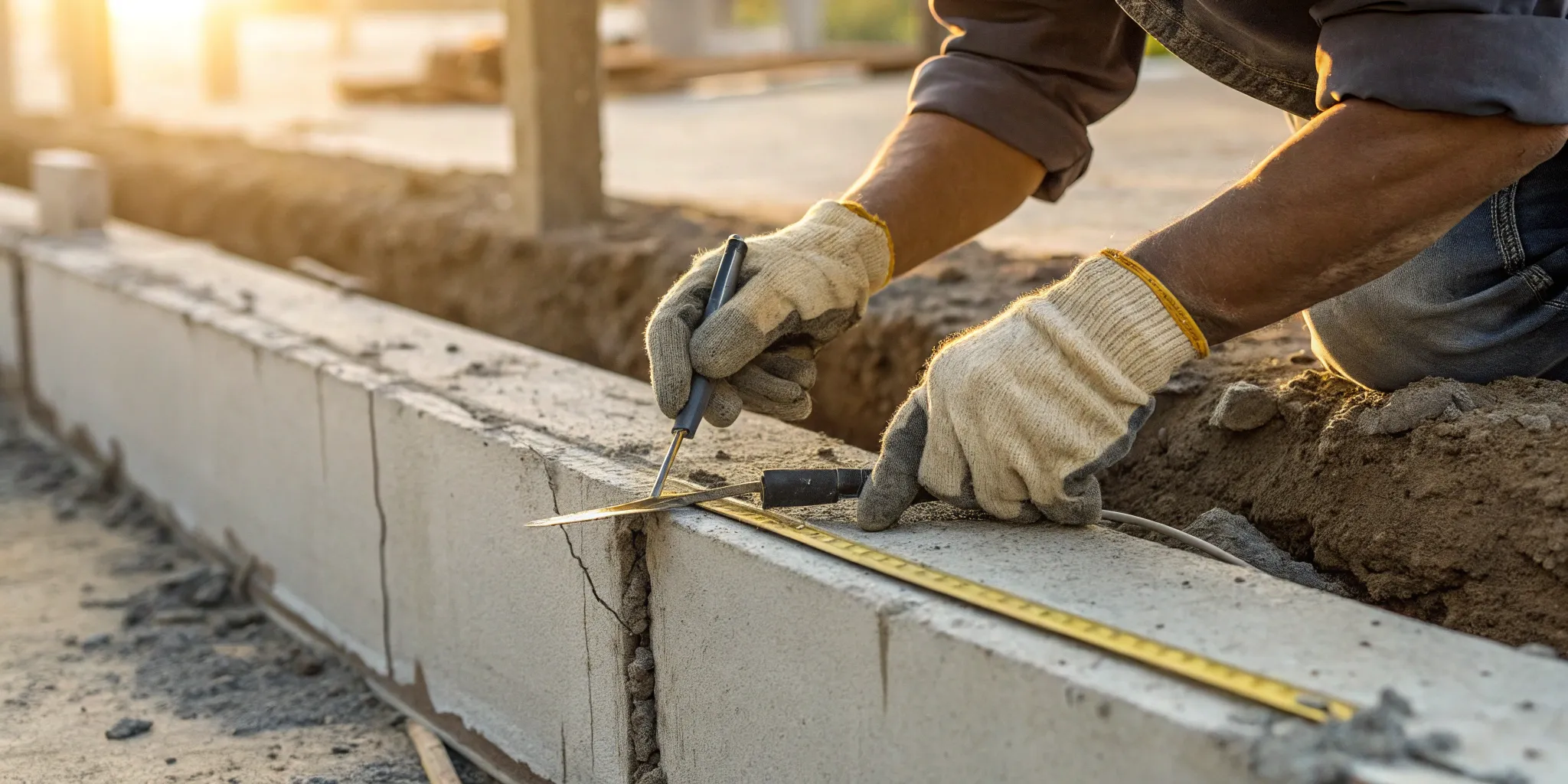
Owning a home in Southern California means accepting a unique set of environmental challenges. Our region’s expansive clay soil is constantly swelling and shrinking with the seasons, putting relentless pressure on the very structure that holds up your home. Add the ever-present reality of seismic activity, and it becomes clear that a strong foundation isn’t just a feature—it’s a necessity. This constant stress can lead to settling, cracks, and instability over time. This article will walk you through the specific risks LA properties face and explain how the right Los Angeles foundation repair solutions can protect your home against these powerful natural forces.
Key Takeaways
- Be Proactive to Prevent Major Repairs: Regularly check your home for warning signs like sticking doors and new cracks, and ensure proper drainage around your foundation. This is the best way to manage LA’s seasonal soil shifts and avoid costly problems.
- A Professional Diagnosis is Essential: Foundation issues are symptoms of deeper problems like shifting soil. A simple patch won’t work; you need an expert to identify the correct structural solution, whether it’s underpinning with piers, foam injection, or waterproofing.
- Your Contractor’s Credentials Matter: The success of your repair depends on hiring a licensed, insured, and reputable company. Always ask about their specific plan for your property, their experience with local conditions, and the details of their transferable warranty.
Spotting Foundation Issues in Los Angeles
Your home has a way of telling you when something is wrong, and learning to spot the early signs of foundation trouble can save you a lot of stress and money down the line. It’s not always about a dramatic crack appearing overnight. Often, the clues are subtle and develop over time. Paying attention to these small changes is the first step in protecting your property. For homeowners in Los Angeles, understanding these signals is especially important, as our unique environment presents its own set of challenges to a home’s structural integrity.
Signs Your Foundation Needs Help
Think of your home as a single, connected system. When the foundation shifts, it creates a ripple effect that shows up in surprising places. You might notice doors that suddenly stick or don’t latch properly, or windows that become difficult to open and close. Are your floors starting to slope or feel uneven? A simple test is to place a marble on the floor and see if it rolls to one corner. Small, hairline cracks appearing in the drywall, especially over doorways and windows, are another common red flag. If you see crumbling concrete on the foundation itself or gaps forming between the foundation and the ground, it’s time to call in a professional for a foundation repair inspection.
Why LA Properties Face Unique Challenges
Living in Los Angeles means dealing with a few environmental factors that can be tough on foundations. Much of the region is built on expansive clay soil, which swells when it gets wet and shrinks as it dries. This constant expansion and contraction during our rainy and dry seasons puts immense pressure on your foundation, causing it to shift and settle. On top of that, we live in earthquake country. Many older homes, particularly those built before 1978, may not be equipped to handle seismic activity, making them more vulnerable to damage. For properties on hillsides or in areas with poor drainage, water becomes a major enemy, which is why proper waterproofing is so critical to preventing long-term issues.
Your Guide to Foundation Repair Services
Once you’ve identified a potential problem, the next step is understanding the solution. Foundation repair isn’t a single service but a range of specialized techniques designed to address specific issues. The right approach depends entirely on your home’s construction, the soil conditions on your property, and the type of damage you’re seeing. Think of it like this: you wouldn’t use a bandage for a broken bone. Similarly, a small crack requires a different fix than a sinking foundation. Getting familiar with the main types of foundation repair will help you have a more productive conversation with a contractor and understand their recommendations for your property. Let’s walk through some of the most common and effective services available in Los Angeles.
Underpinning with Push and Helical Piers
If your foundation is settling, underpinning is often the answer. This process essentially strengthens and deepens your existing foundation to give it the support it needs. It’s a critical solution for homes built on the shifting or unstable soil common throughout the Los Angeles area. Contractors achieve this by installing steel piers deep into the ground until they reach solid, load-bearing soil or bedrock. These push and helical piers act like stilts, transferring the weight of your house from the unstable surface soil to a much more stable layer beneath. This not only halts any further settling but can also lift the foundation back toward its original position, helping to close cracks and realign doors and windows.
Repairing and Stabilizing Concrete Slabs
Many homes in Southern California are built on concrete slab foundations. When the soil underneath shifts or erodes, these slabs can crack, sink, or become uneven, creating tripping hazards and threatening your home’s structural integrity. While lifting and leveling a slab can be a significant project, it’s vital for preventing more severe issues down the road. Modern methods, like injecting polyurethane geotechnical foam, offer a less invasive and much faster solution than traditional mudjacking. The foam expands beneath the slab, filling voids, stabilizing the soil, and gently lifting the concrete back into place with precision. This approach is not only effective but also minimizes disruption to your home and landscaping.
Improving Drainage and Waterproofing
Water is one of the biggest threats to any foundation. Poor drainage allows water to pool around and under your home, which can oversaturate the soil, causing it to expand and exert immense pressure on your foundation walls. Over time, this can lead to cracks, leaks, and even serious structural damage. Comprehensive waterproofing and drainage systems are designed to keep water out and direct it safely away from your property. This can involve installing exterior or interior drainage systems, applying waterproof membranes to foundation walls, and ensuring your gutters and downspouts are functioning correctly. Proper water management is a proactive measure that protects your investment for years to come.
Seismic Retrofitting for Earthquake Readiness
Living in Los Angeles means living with the reality of earthquakes. Seismic retrofitting is the process of strengthening your home to better withstand the shaking from a seismic event. This is especially important for older homes and properties with “soft stories”—levels with large, unreinforced openings, like a garage with living space above it. Retrofitting often involves bolting the house to its foundation and bracing crawl space walls to prevent the structure from sliding or collapsing during an earthquake. Making your home more resilient through services like hillside stabilization and structural reinforcement not only enhances safety for your family but also ensures your property complies with local building codes, which are among the strictest in the country.
How Much Does Foundation Repair Cost in LA?
Let’s talk about the number one question on every homeowner’s mind: the cost. Foundation repair is a significant investment in your property’s safety and value, and understanding the price tag is the first step. The final cost isn’t a simple, one-size-fits-all number. It depends entirely on the unique situation at your property. Several key factors come into play, from the type of repair needed to the specific challenges your home presents. Below, we’ll break down what influences the cost and give you a clearer picture of what to expect financially.
What Determines the Final Price?
The final invoice for a foundation repair project is shaped by a few critical variables. The size of your home and the extent of the damage are the biggest drivers. A small crack might be a relatively minor fix, but if left unaddressed, it can lead to much more complex and expensive structural problems. The accessibility of the foundation also matters; working in tight crawl spaces or around extensive landscaping can add to labor time. Los Angeles’s diverse geology means soil stability is another major factor. Homes built on expansive clay soils often require more robust solutions than those on stable, sandy soil. Finally, the costs of labor, materials, and any necessary city permits and inspections are all part of the total investment.
Average Costs for Common Repairs
While every project is different, it helps to have a general idea of potential costs. In the Los Angeles area, minor repairs using methods like slab-jacking can fall on the lower end, sometimes under $1,500. Most homeowners find their projects land somewhere between $2,200 and $8,100 for common issues. For more severe problems requiring extensive work, like lifting a sinking foundation with push and helical piers, the cost can increase significantly, sometimes reaching $20,000 or more. Catching problems early is the best way to keep costs down. An initial inspection can determine the exact scope of work and provide a precise quote for your property’s specific needs.
Exploring Financing and Payment Options
Facing a large, unexpected repair bill can be stressful, but you don’t have to handle it alone. Many reputable foundation contractors understand that this is a major expense for homeowners and offer flexible payment solutions to make it more manageable. When you get a quote, always ask about available financing plans. Companies often partner with lenders to provide options that allow you to pay for the repairs over time with competitive interest rates. This ensures you can address critical foundation repair needs immediately without draining your savings, protecting your home and your finances at the same time.
How to Choose the Right Foundation Repair Contractor
Finding the right contractor is the most critical step in your foundation repair journey. This isn’t a job for a general handyman; it requires specialized knowledge, tools, and a deep understanding of local soil and building codes. The right team will not only fix the immediate problem but also ensure the long-term stability of your home. Taking the time to vet your options carefully will give you peace of mind and protect your investment.
Must-Have Qualifications and Credentials
Before you even look at a quote, make sure any contractor you consider is properly licensed, bonded, and insured in California. This is non-negotiable. Licensing confirms they meet state standards, while bonding and insurance protect you from liability if something goes wrong on the job. Look for a company with a long-standing, positive reputation in the Los Angeles area. Check for affiliations with professional organizations and read recent reviews. A trustworthy contractor will have a proven track record of successful foundation repair projects and satisfied clients in your community. These credentials are your first line of defense against shoddy workmanship.
Essential Questions to Ask Before You Hire
Once you’ve shortlisted a few qualified contractors, it’s time to dig a little deeper. Don’t be shy about asking detailed questions to gauge their expertise. A true professional will welcome the opportunity to demonstrate their knowledge.
Here are a few key questions to ask:
- What is your assessment of my foundation’s problem, and what is the scientific basis for your proposed solution?
- Can you explain the specific techniques you plan to use, like push piers or helical piers, and why they are the best fit for my situation?
- How much experience do you have with the soil conditions in my neighborhood?
- Who will be the project manager, and how will you communicate updates to me?
- What kind of warranty do you offer on your work and the materials used?
Their answers should be clear, confident, and backed by an understanding of structural engineering principles.
A Look at Reputable LA Foundation Companies
Los Angeles has several experienced foundation companies. Doing your own research is always a good idea, but here are a few well-regarded contractors to get you started.
Bristol FX
Bristol FX is known for applying the latest scientific methodologies to its work, offering a full range of services from crawl-space repairs to new construction foundations. The company stands out for its extensive warranties, including lifetime warranties on pier installations, providing homeowners with long-term assurance.
Alpha Structural
Alpha Structural is a prominent name in Los Angeles, notable for being a foundation repair contractor that is also authorized by the state to engineer its projects in-house.
The Foundation Works
The Foundation Works focuses on fixing house foundations and making them safer for earthquakes. They serve the greater Los Angeles area with an emphasis on seismic retrofitting and structural repairs.
Foundation Repair LA Inc.
With decades of experience, Foundation Repair LA Inc. is a provider of foundation and structural repair services across the city, handling a variety of foundation issues for local property owners.
Weinstein Construction Corp
Weinstein Construction Corp specializes in foundation repair and has built a solid reputation for quality work and customer service in the Los Angeles area over many years.
Julian Construction
Julian Construction is another established local company that offers foundation repair, earthquake retrofitting, and services related to crawl spaces and basement waterproofing.
What to Expect During the Repair Process
Tackling a foundation issue can feel overwhelming, but knowing what’s ahead makes the entire experience much more manageable. A professional repair process is methodical and designed to address the root cause of the problem, not just the symptoms. From the first phone call to the final sign-off, you should feel informed and confident in the work being done. Here’s a breakdown of what you can expect when you partner with a foundation specialist.
The Initial Assessment and Plan
The first step is always a detailed inspection. A structural expert will visit your property to conduct a thorough assessment, looking for telltale signs of foundation distress. This includes checking for sloped floors, sticking doors, and cracks in your interior and exterior walls. They’ll also examine the area under your home, whether it’s a crawl space or basement, and evaluate the drainage around your property. This comprehensive review helps them diagnose the underlying cause of the issue. Once the problem is identified, the contractor will develop a clear, detailed plan for your foundation repair and provide you with a transparent quote for the proposed work.
How the Actual Repair Work Is Done
Once you approve the plan, the repair team gets to work. The specific methods used will depend entirely on your home’s needs. This could involve underpinning a sinking foundation with push and helical piers to provide permanent support, or it might mean addressing moisture and structural issues through comprehensive crawl-space repairs. A reputable company will handle the project directly, keeping you in the loop without passing you between different subcontractors. Their goal is to execute the repair efficiently and with minimal disruption to your daily life, ensuring the solution is built to last and restores the structural integrity of your home.
After the Repair: Maintenance and Care
After the crew has packed up and left, your role in protecting your foundation begins. Think of it as ongoing care to protect your investment. Ignoring potential issues or neglecting simple maintenance can lead to new problems down the road. One of the most critical aspects of post-repair care is managing water around your property. Ensuring your gutters are clean and that the ground slopes away from your foundation can prevent water from pooling and compromising the soil. Investing in professional waterproofing can also offer an essential layer of protection. Regular inspections and proactive maintenance are the best ways to ensure the repairs last a lifetime.
Dealing with Permits and LA Building Codes
Thinking about permits and building codes can feel overwhelming, but it’s a critical part of any foundation repair project. These regulations aren’t just bureaucratic hurdles; they exist to ensure your home is safe, the repairs are structurally sound, and your investment is protected. A professional contractor will handle the entire process, but it’s helpful for you to understand what’s involved.
When Is a Permit Required for Foundation Work?
In Los Angeles, the short answer is: almost always. If your foundation repair involves any kind of structural alteration, a permit is mandatory. This includes most common solutions, from installing push and helical piers to significant concrete work or hillside stabilization. Minor cosmetic fixes might not require one, but anything that affects the structural integrity of your home definitely will. The best first step is to verify the requirements for your specific project. Your contractor should do this, but you can also find official information directly from the Los Angeles Department of Building and Safety (LADBS) to understand the scope.
How to Ensure Your Project Is Up to Code
Making sure your project is up to code starts with hiring a contractor who knows LA’s regulations inside and out. The right team will secure the necessary permits before any work begins, submitting engineered plans that meet all local requirements. Different types of work, like waterproofing a basement versus stabilizing a hillside, fall under different codes. Following the official LADBS guidelines is non-negotiable. A qualified contractor will manage all the necessary documentation and ensure every aspect of the repair, from materials to methods, is fully compliant. This protects you from future legal headaches and ensures the repair is safe and effective.
Working with City Inspectors
Once a permit is pulled, your project will be subject to city inspections. This is a standard and important part of the process. An LADBS inspector will visit your property at key stages of the repair to verify that the work is being done according to the approved plans and building codes. Think of it as a quality-control check that benefits you. Your contractor should manage all communication and scheduling with the inspector. They will be on-site to walk the inspector through the work, answer technical questions, and address any concerns. A smooth inspection process is a hallmark of an experienced and professional foundation repair company.
Protect Your Foundation Through the Seasons
Los Angeles weather might seem mild, but the cycle of rainy winters and bone-dry summers can be tough on your property’s foundation. Staying ahead of seasonal changes is one of the best ways to prevent small issues from turning into major, expensive repairs. A little proactive care can save you a lot of stress down the road.
The Impact of Rain and Drought on Your Home
The soil in Southern California, particularly expansive clay soil, is very sensitive to moisture. Think of it like a sponge: during the rainy season, it soaks up water and swells, and during a drought, it dries out and shrinks. This constant cycle of expansion and contraction puts immense pressure on your foundation. Over time, this movement can cause the concrete to shift, settle, and crack. For properties on slopes, this soil instability presents an even greater risk, making professional hillside stabilization a critical consideration for many homeowners. This is why you might notice new cracks appearing after a particularly wet winter or a long, dry summer.
Simple Maintenance Tips for Prevention
Regular inspections and maintenance are critical for catching problems early. You don’t need to be an expert to do a basic check-up. Once a season, take a walk around your property and look for visible cracks in the foundation, exterior walls, or interior drywall. Pay attention to doors and windows that suddenly start to stick or won’t close properly, as this can be a sign of shifting. Also, make sure your gutters are clean and that downspouts direct water at least five feet away from your home. If you have a crawl space, a quick look for moisture or new cracks can help you spot issues before they escalate, which is often the first step before needing crawl-space repairs.
Why Proper Drainage Is Non-Negotiable
Water is the number one enemy of a healthy foundation. When rainwater doesn’t have a clear path away from your house, it pools against the foundation walls. This saturated soil creates intense hydrostatic pressure that can force water through concrete, leading to leaks, mold, and structural damage. Good drainage is your first line of defense. Ensure the ground around your home slopes away from the foundation. In many cases, installing a French drain or other drainage systems is necessary. For complete protection, professional waterproofing can create an impermeable barrier, keeping your basement or crawl space dry and your foundation secure, no matter how much it rains.
Common Foundation Repair Myths (and the Truth)
When you hear the words “foundation repair,” it’s easy for your mind to jump to worst-case scenarios. It’s a big deal, and unfortunately, a lot of misinformation can make an already stressful situation feel even more overwhelming. These common myths often cause property owners to delay getting help, which can turn a manageable issue into a much more complex and costly problem down the road. Getting a handle on the facts is the best way to make informed, confident decisions about protecting your home’s structural integrity.
Let’s clear the air and tackle some of the most persistent misconceptions we encounter. From fears about astronomical costs to worries about what a repair means for your property value, separating fact from fiction is key. A small crack doesn’t always mean your home is falling down, and addressing an issue professionally is far better than ignoring it. Knowing what’s true and what’s not will empower you to take action, saving you stress and money in the long run. We’ll walk through the three biggest myths we hear from LA homeowners and give you the real story behind each one, so you can move forward with clarity.
Myth #1: The Cost Is Always Astronomical
Let’s get this one out of the way first: the price tag. While it’s true that extensive foundation work is a significant investment, not every crack or shift signals a financial catastrophe. The cost of a foundation repair is directly related to the scale of the problem. A minor issue caught early might be resolved with a targeted, affordable solution. The key is early intervention. Addressing a small problem now prevents it from developing into a major structural failure that requires a much more comprehensive and expensive fix. A professional assessment will give you a clear picture of what’s needed, which might be a less invasive solution than you think.
Myth #2: A DIY Patch Is Good Enough
It can be tempting to see a crack in your foundation and think a quick trip to the hardware store is all you need. But foundation issues are rarely just skin-deep. That crack is often a symptom of a much larger problem, like shifting soil, hydrostatic pressure, or poor drainage. Simply patching it with a sealant might hide the visual evidence, but it does nothing to solve the underlying cause. Professional crack injection and other structural repairs are designed to address the root of the issue, ensuring a permanent and safe solution. A DIY fix is a temporary band-aid on a problem that requires an expert diagnosis.
Myth #3: Foundation Work Lowers Property Value
Many homeowners worry that having foundation work on their property’s record will scare away future buyers. Here’s the truth: an unrepaired foundation problem is what really hurts your home’s value. A professionally repaired foundation, on the other hand, can actually be a selling point. When the work is done by a reputable company and backed by a transferable, lifetime warranty, it gives potential buyers peace of mind. It shows that you’ve been a responsible homeowner and have permanently addressed a critical issue. Disclosing a properly executed repair demonstrates transparency and proves that the home is structurally sound for years to come.
Related Articles
- What’s the Main Cause of Foundation Problems in California? – Professional Foundation Repair
- 5 Early Warning Signs of Foundation Problems – Professional Foundation Repair
- What You Need to Know About Downhill Creep – Bristol FX
- The Importance of Seismic Retrofitting Your Home Foundation – Professional Foundation Repair
- Foundation Repair – Professional Foundation Repair
Frequently Asked Questions
How can I tell the difference between a normal settling crack and a serious foundation problem? It’s a great question, as not every crack spells disaster. Generally, small, vertical hairline cracks in a new home’s foundation can be part of the normal curing and settling process. The red flags are cracks that are horizontal, wider than a quarter-inch, or appear in a stair-step pattern in brick or concrete block walls. Also, pay close attention to cracks that are wider at the top than the bottom. If you see these, or if any crack is actively growing, it’s a sign that the problem is more than cosmetic and needs a professional evaluation.
Will the repair process destroy my landscaping and yard? This is a common and completely valid concern. A professional foundation repair company understands that your landscaping is part of your home. They will work carefully to minimize the impact on your yard, plants, and patios. While some level of disturbance is often necessary, especially for work like installing piers, the goal is always to be as precise and contained as possible. The team should be able to explain exactly which areas will be affected and their plan for protecting the surrounding property before they begin.
How long does a typical foundation repair project take from start to finish? The timeline really depends on the scope of the work. A straightforward crack injection might be completed in less than a day, while a more complex project involving underpinning with piers could take several days to a week. Factors like the size of the area, the specific repair method, and city inspections all influence the schedule. A reputable contractor will give you a clear and realistic timeline as part of their initial proposal so you know exactly what to expect.
Why is a transferable, lifetime warranty so important for foundation work? A strong warranty is your best indicator of quality work. When a company offers a transferable, lifetime warranty on a repair, it shows they are confident in their methods, materials, and technicians. It means they stand behind their solution for the long haul. For you, it provides peace of mind that your investment is protected. If you ever decide to sell your home, that transferable warranty is a major asset that assures potential buyers the foundation is secure.
My foundation issues seem minor. Is it safe to wait and see if they get worse? It’s tempting to take a “wait and see” approach, but with foundations, that’s a risky strategy. Structural problems almost never resolve themselves; they tend to get progressively worse over time. What starts as a small shift caused by soil moisture can develop into a significant structural issue. Addressing the problem early is almost always less disruptive and less expensive than fixing a major failure down the road. An initial inspection can give you a clear diagnosis and prevent a small issue from becoming a huge headache.